Imagine waking up and immediately feeling your mind racing about the day ahead, your heart pounding before you even reach for your phone. You’re not alone in this experience. Right now, in 2026, we’re living through one of the most chaotic periods in modern history, with stress levels that seem to climb higher each year. The constant bombardment of notifications, demands, and endless to-do lists leaves many of us feeling like we’re drowning in our own thoughts.
Here’s where something unexpected comes in. The very remedy we need has been hiding in plain sight for thousands of years, practiced by monks in mountain monasteries and sages under ancient trees. Mindfulness isn’t some trendy wellness buzzword invented by Silicon Valley types. It’s a time-tested practice that’s been helping humans find peace amid chaos for over two and a half millennia. The question is: can this ancient wisdom truly work in our hyperconnected, always-on modern world?
Tracing the Roots Back Thousands of Years
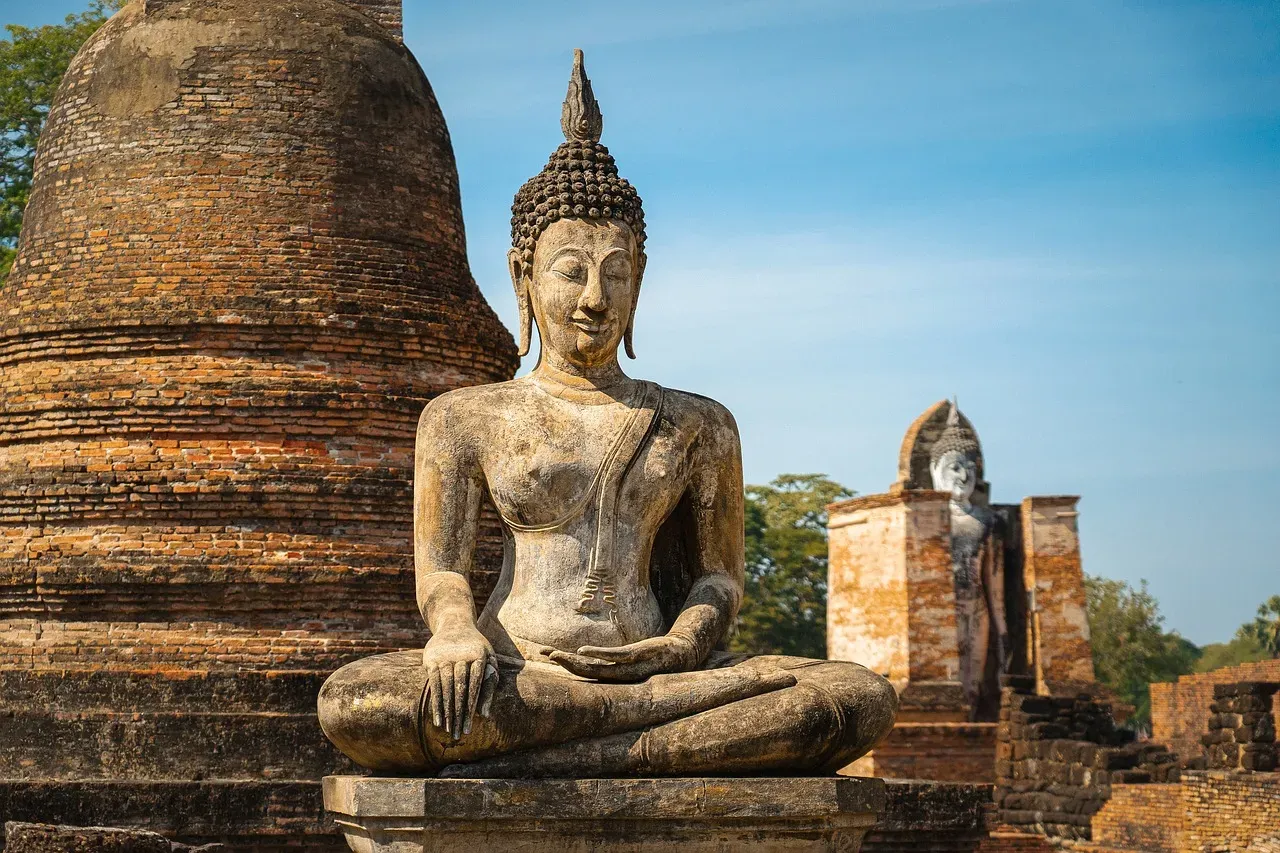
The origins of mindfulness stretch back over 5,000 years to ancient civilizations that flourished alongside the Indus Valley, where archaeological discoveries have revealed terracotta seals depicting figures in meditative poses. Think about that for a moment. While humans were just beginning to develop written language and build their first cities, they were already recognizing the importance of quieting the mind.
Though many people assume mindfulness originated with Buddhism, the practice actually goes much further back and can be linked to the yogic practices of the Hindu people. Hindu scripture is filled with references to dhyana, a practice centered on stilling the mind to observe your internal landscape without getting tangled up in it. Sound familiar? These early practitioners understood something profound about the human mind that we’re only now rediscovering through modern neuroscience.
Meditation’s global spread began along the Silk Road around five or six centuries BCE as the practice moved throughout Asia, slowly transforming to fit each new culture it encountered. It’s fascinating how this wisdom traveled from person to person, generation to generation, adapting yet maintaining its core essence.
Buddhism’s Gift to Modern Mindfulness
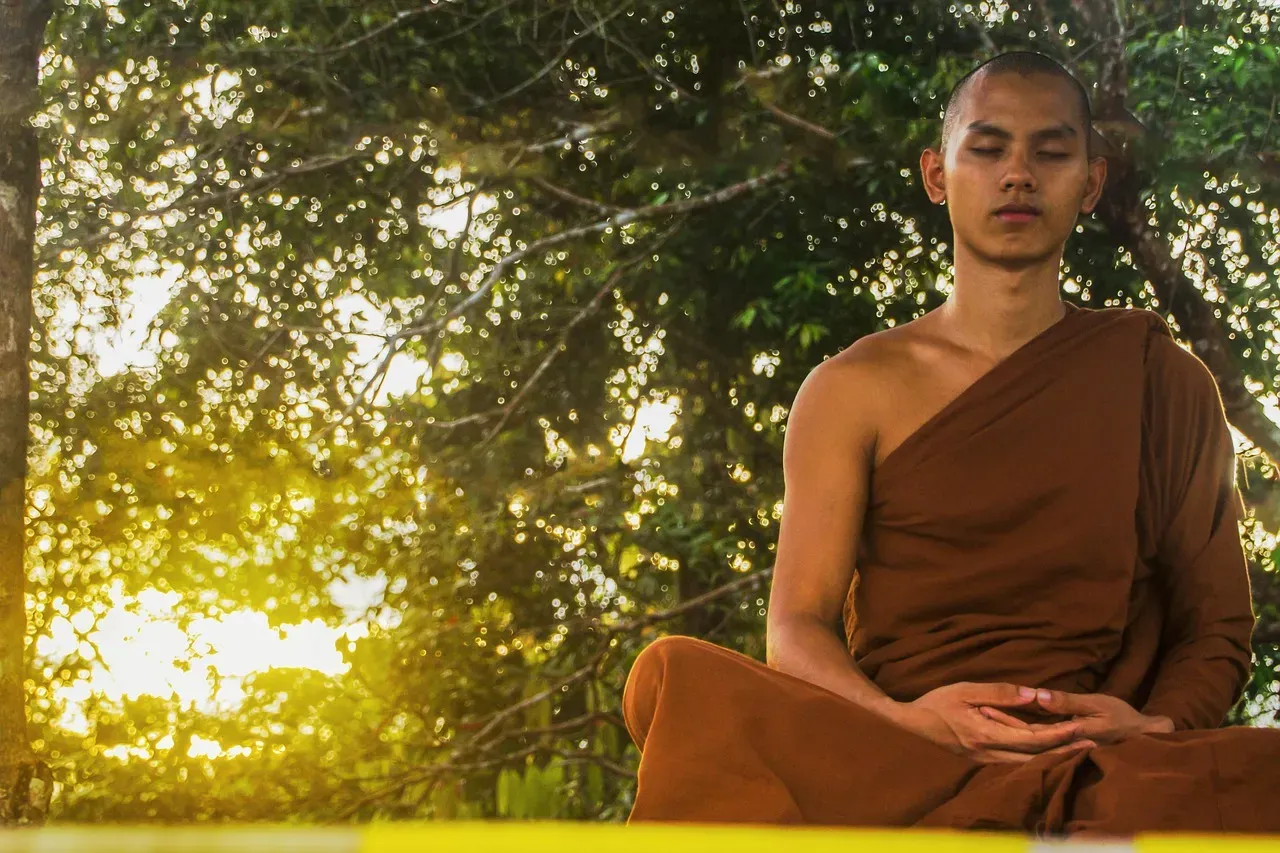
What we consider mindfulness in the West comes primarily out of the Buddhist practice of meditation, and for various historical reasons, the strain of meditation that really took off in the West comes from the tradition of Buddhism. Buddhism, founded around 400 to 500 BCE by Siddhārtha Gautama, took the existing meditation practices and wove them into a comprehensive philosophy about suffering and how to alleviate it.
Mindfulness means being fully present in the present moment, aware of your thoughts, emotions, and physical sensations without judgment. This definition, though simple, is revolutionary when you really think about it. How often do you find yourself physically in one place but mentally somewhere else entirely?
Meditation in this historical backdrop was not just a tool for spiritual ascension but a method for mental cultivation and wellbeing, with ancient practitioners believing they could break free from cycles of distress and dissatisfaction by focusing on the mind and observing its patterns. These early Buddhists weren’t escaping reality. They were learning to engage with it more skillfully.
The Journey to the Western World
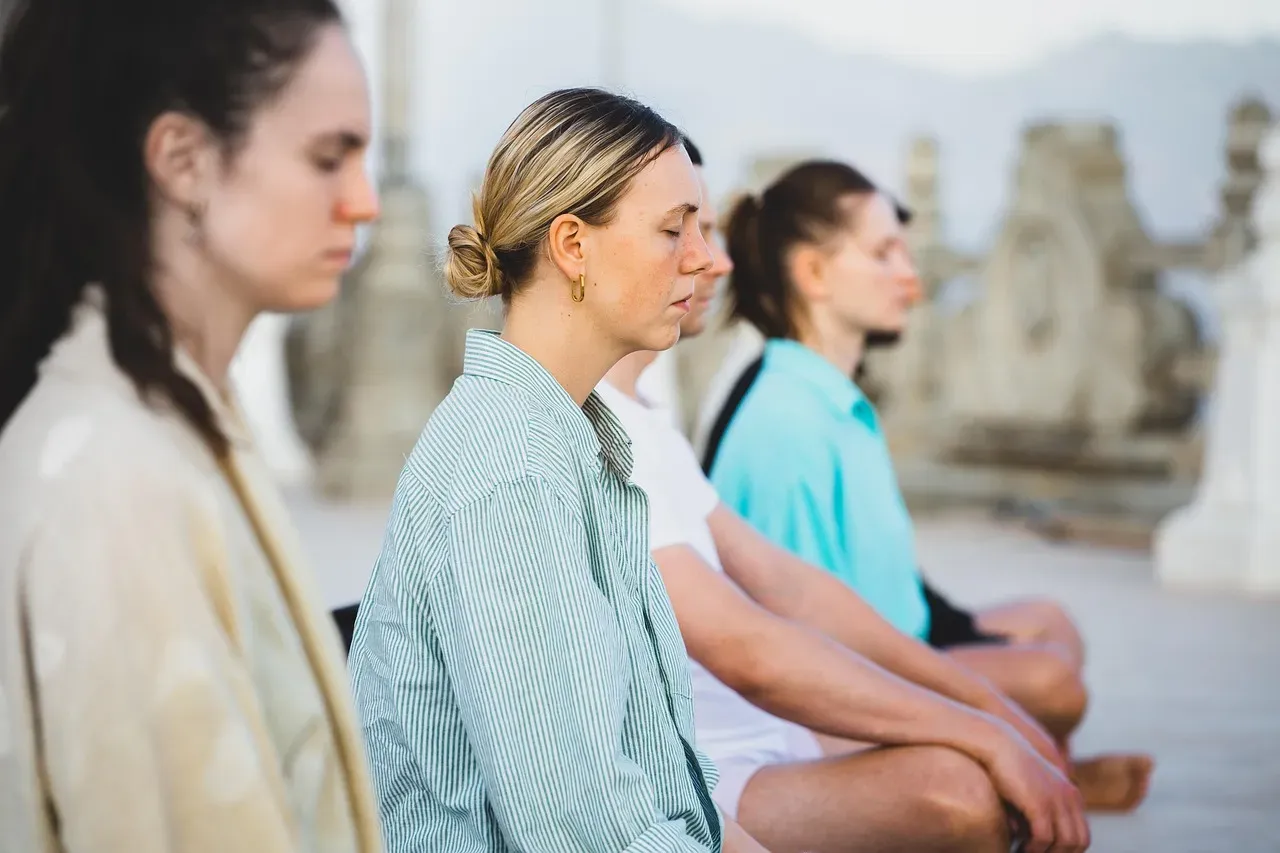
The story of how mindfulness made its way West is surprisingly recent. Buddhism had been in America for centuries, particularly among Asian immigrants who came to help build the railroads, but those early forays didn’t really take root with the dominant culture until Japanese Zen monks began traveling to the West Coast to give lectures at the turn of the century, sparking interest among young Americans.
Meditation began to be seriously studied for its medical benefits in the 1960s when a researcher in India found that yogis could meditate themselves into trances so deep that they didn’t react when hot test tubes were pressed against their arms. This was the moment when ancient practice met modern science, and the results were eye-opening.
Around the same time, meditation got the boost it needed to bring attention to the science through celebrity status, with Transcendental Meditation becoming popular among the Beatles, who turned to TM as a way to cope with the strangeness of their global fame, eventually going to India to study. Sometimes it takes rock stars to make ancient wisdom cool again.
Jon Kabat-Zinn and the Birth of Modern Mindfulness
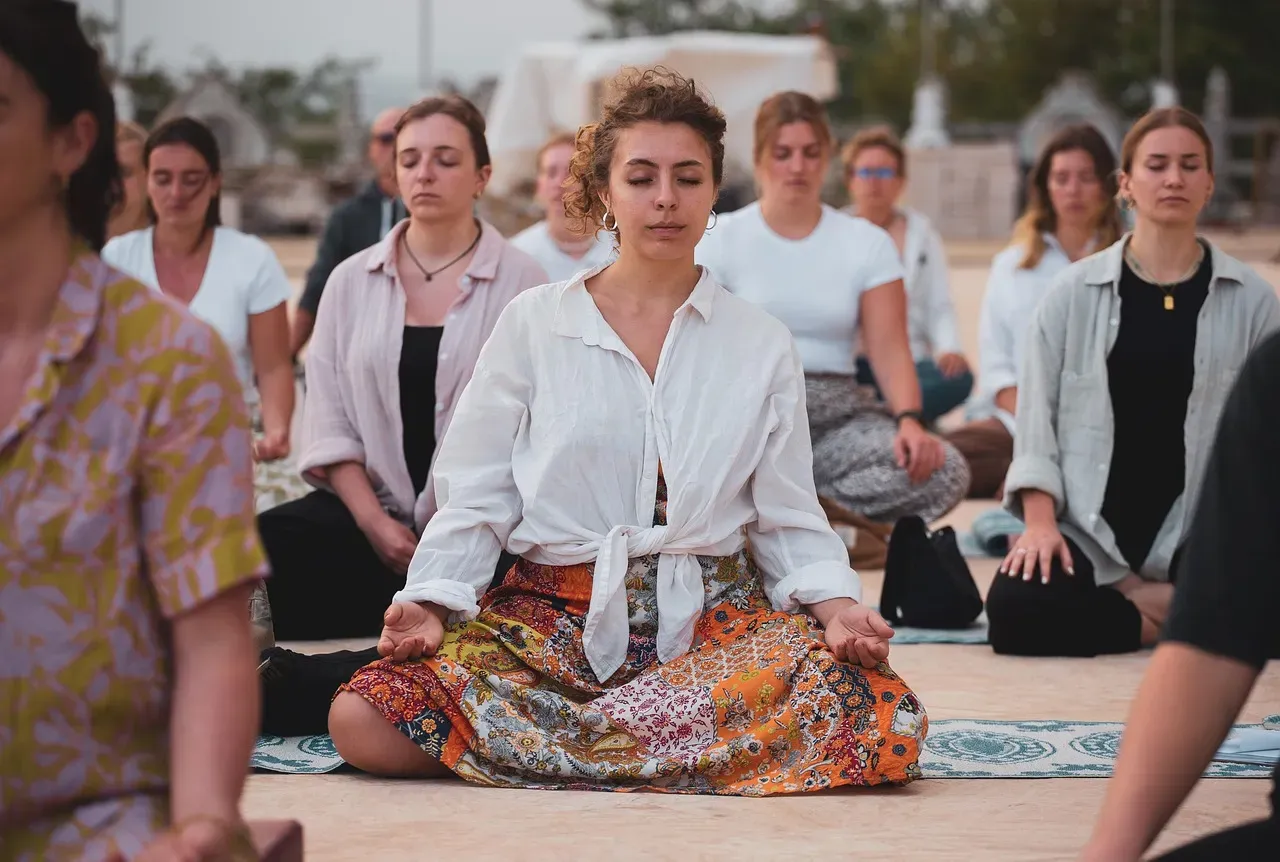
The migration of mindfulness from eastern religions to modern western society can largely be attributed to Jon Kabat-Zinn, who was first introduced to meditation by a Zen missionary when he was studying for his PhD in molecular biology at MIT. Let’s be real, this guy changed everything.
During a two-week meditation retreat in 1979, after 13 years of meditation practice history, Jon Kabat-Zinn found what he refers to as his ‘karmic assignment’ in life, suddenly thinking he could bring meditation, mindfulness, and yoga into the hospital. That moment of insight led to something remarkable.
Throughout the 1980s he published many academic journals showing the effectiveness of Buddhist meditation techniques on reducing chronic pain, improving life satisfaction, and increasing happiness among chronic pain populations, while also working on taking the core meditative principles from Buddhist practices and divorcing them from their cultural and religious contexts. Kabat-Zinn avoided using words that could present his practices as Buddhist practices because in the 1970s Americans regarded other Americans who practiced Buddhism as hippies and new-agers, stating he bent over backward to structure it in ways that avoided the risk of its being seen as Buddhist, New Age, Eastern mysticism or just plain flaky. Smart move, honestly.
What the Science Actually Says

The research on mindfulness is pretty compelling when you dig into it. Research from Harvard Medical School shows participants experience up to a 30% reduction in perceived stress levels. That’s not a small change. Nearly one third less stress simply from paying attention differently.
A 2023 study published in JAMA Psychiatry showed that mindfulness-based stress reduction is as effective as medication in treating anxiety disorders, particularly generalized anxiety disorder. Think about that. A practice that costs nothing and has no side effects performs just as well as pharmaceutical interventions.
In a massive randomized clinical trial involving 1,458 employees at UCSF, researchers found that consistency matters far more than duration, with participants averaging just 5.2 minutes per day yet achieving an 85% reduction in stress levels that persisted for four months. Five minutes. That’s less time than it takes to scroll through social media.
Results showed significant improvement in cognitive flexibility and reduction in perceived stress levels after a four-week intervention in the mindfulness breathing meditation group compared to the active control group.
Simple Techniques You Can Start Today
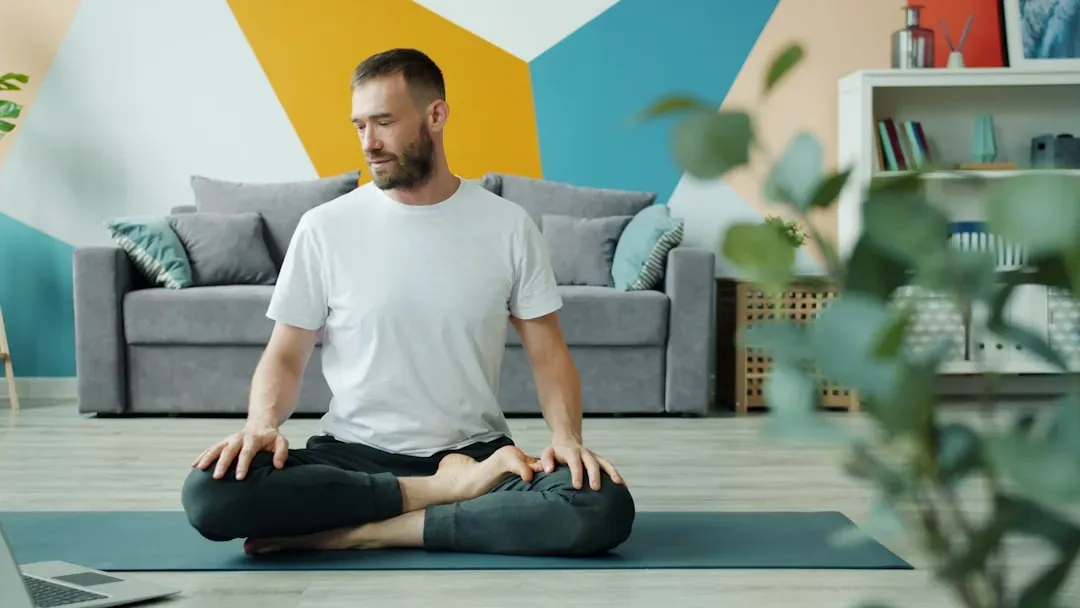
You don’t need to sit cross-legged on a mountaintop or spend hours in silence to practice mindfulness. Experts suggest practicing for 10 to 20 minutes daily, treating it like brushing your teeth as an essential part of self-care. The beauty of mindfulness is its flexibility.
A simple four-step mindfulness exercise can help anyone incorporate this practice into daily life: Set a timer for 10 minutes in a quiet space to focus on being present, choose a sense such as breathing, sounds or physical sensations as an anchor, and acknowledge mind wandering by accepting that the mind will drift to thoughts of the past or future without judgment. It’s remarkably straightforward when you break it down like that.
Making a cup of tea is a deeply cherished practice in many cultures around the world, and you can settle into the practice by focusing on each step, watching the steam rise from the cup and feeling the heat of the cup against your hand. Honestly, any everyday activity can become a mindfulness practice if you bring your full attention to it.
As soon as anxiety hits, stop and create some space by taking a few deep breaths, allowing you to observe what’s happening in your mind and body instead of getting swept away by anxiety.
How Mindfulness Rewires Your Brain

Here’s where things get really interesting. Research consistently shows that mindfulness-based practices don’t just help you cope but actually rewire your brain for greater resilience, with over 350 controlled studies published in just one decade validating that mindfulness programs like MBSR significantly decrease distress and stress while building your capacity to bounce back.
Brain scans reveal increased gray matter density in areas related to learning, memory, and emotional regulation. Your brain physically changes through this practice. That’s not metaphorical or wishful thinking. It’s measurable structural change.
Beyond emotional regulation, mindfulness practice significantly enhances cognitive functions crucial for resilience, with even brief mindfulness sessions improving attention allocation and cognitive flexibility, and a study comparing meditators with non-meditators finding that those practicing mindfulness performed notably better on all measures of attention, with even a single 10-minute mindfulness session improving participants’ performance on attention tasks. The implications for our distraction-prone modern lives are huge.
In modern life, chronic activation of fight-or-flight mode can contribute to serious health problems, including hypertension, asthma, inflammatory bowel disease, cardiovascular disease, and depression. Mindfulness helps interrupt that chronic stress response before it wreaks havoc on your body.
Real Benefits for Modern Challenges

One of the most well-documented effects of mindfulness meditation is stress reduction, with the most widely used intervention called mindfulness-based stress reduction, and meditation helping people manage symptoms of mental health conditions and improve physical wellbeing. The applications extend far beyond just feeling a bit calmer.
A pilot trial with law enforcement officers, one of the most chronically stressed professions, showed that mindfulness-based resilience training increased mindfulness, resilience, and both mental and physical health while reducing burnout, with increased mindfulness relating directly to increased resilience, which consequently decreases burnout. If it works for police officers dealing with constant high-pressure situations, it can probably work for your demanding job too.
Research indicates that participants in high-stress environments who engaged in mindfulness-based stress reduction programs reported significantly lower stress levels after just one month of practice. One month isn’t that long when you think about it.
Mindfulness-based therapy showed large and clinically significant effects in treating anxiety and depression, and these positive mental health changes also appear to last.
Making Mindfulness Work in Your Hectic Life

I know what you’re thinking. This all sounds great, but who has time? Here’s the thing: You don’t need to practice for long periods to experience benefits from mindfulness-based stress reduction, as the program works best when you adapt it to your current lifestyle rather than forcing yourself into an unrealistic schedule, starting with just ten minutes of daily practice and gradually increasing as it becomes comfortable.
According to the data, just 10 to 21 minutes of meditation app exercises done three times a week is enough to see measurable results. With thousands of meditation apps available worldwide, the top 10 meditation apps have been downloaded more than 300 million times, and early findings suggest that even short, regular use can reduce depression, anxiety and stress while improving sleep.
You can integrate mindfulness into activities you already do, like washing dishes or walking to your car. The key is consistency rather than duration. Set a timer for five minutes and give one task your full and undivided attention with no checking your phone, no clicking on notifications, no browsing online, absolutely no multitasking, letting that one task take center stage until the timer goes off. That’s doable, right?
The Challenges and the Commitment
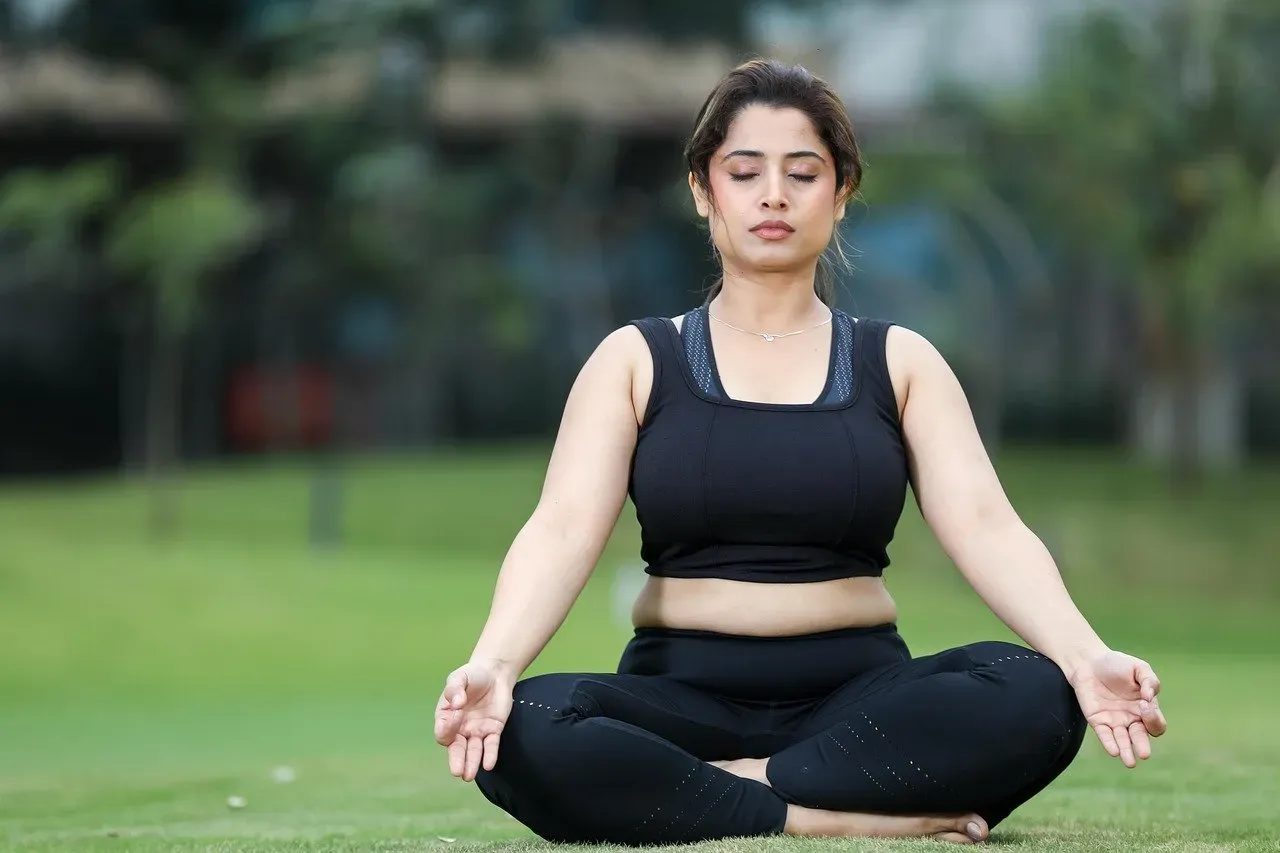
Let’s be honest about this. Mindfulness isn’t some magic pill that instantly fixes everything. While short-term engagement with mindfulness breathing meditation practice is achievable, the three-month follow-up showed that sustaining long-term adherence remains a challenge. You’re going to struggle with it sometimes. Your mind will wander constantly at first. You’ll feel frustrated or wonder if you’re doing it right.
Focusing on the present moment allows us to experience life more fully and deeply by paying attention to the sensations, thoughts, and emotions as they arise, and just like muscles gaining strength through consistent training, regular mindfulness meditation helps strengthen our brain’s attention and awareness areas so that during stressful situations, we can quickly use these techniques to center ourselves, remain calm, and redirect our focus to the present moment. It takes practice, just like any skill worth developing.
Mindfulness practice has a ripple effect, reducing stress not just for individuals but also for those around them. Your practice doesn’t just benefit you. It affects everyone you interact with.
The ancient wisdom of mindfulness offers us something we desperately need in 2026: a way to step off the treadmill of constant doing and find stillness amid the chaos. It’s not about escaping your hectic life or becoming some zen master floating above it all. It’s about showing up more fully for the life you’re actually living, moment by moment, breath by breath. The practice that helped humans find peace thousands of years ago still works today because the fundamental nature of the human mind hasn’t changed. We’re still prone to worry, distraction, and stress. Mindfulness simply gives us tools to work with these universal challenges.
What’s stopping you from taking ten minutes today to sit quietly and notice your breath? The ancient practitioners knew something we’re only now remembering: the calm you’re searching for isn’t somewhere else. It’s right here, waiting for you to pay attention. Maybe it’s time to see what happens when you do.