When most people picture the ultimate prehistoric killer, their mind goes straight to the Tyrannosaurus rex. That thundering, bone-crushing land giant has dominated our imagination for decades, from museum halls to blockbuster films. But here is a thought that might genuinely unsettle you: long before T-Rex ever took its first terrifying step on dry land, something far more monstrous already ruled the planet. It just did so beneath the waves.
The deep oceans of the Mesozoic era were a place of sheer, unimaginable danger. While dinosaurs strutted across the continents, a different kind of apex predator was quietly perfecting the art of killing in the seas. You are about to meet a creature so formidable, so ruthlessly efficient, that comparing it to T-Rex almost feels unfair to the pliosaur. Let’s dive in.
Rulers of an Ancient Ocean: Who Were the Pliosaurs?
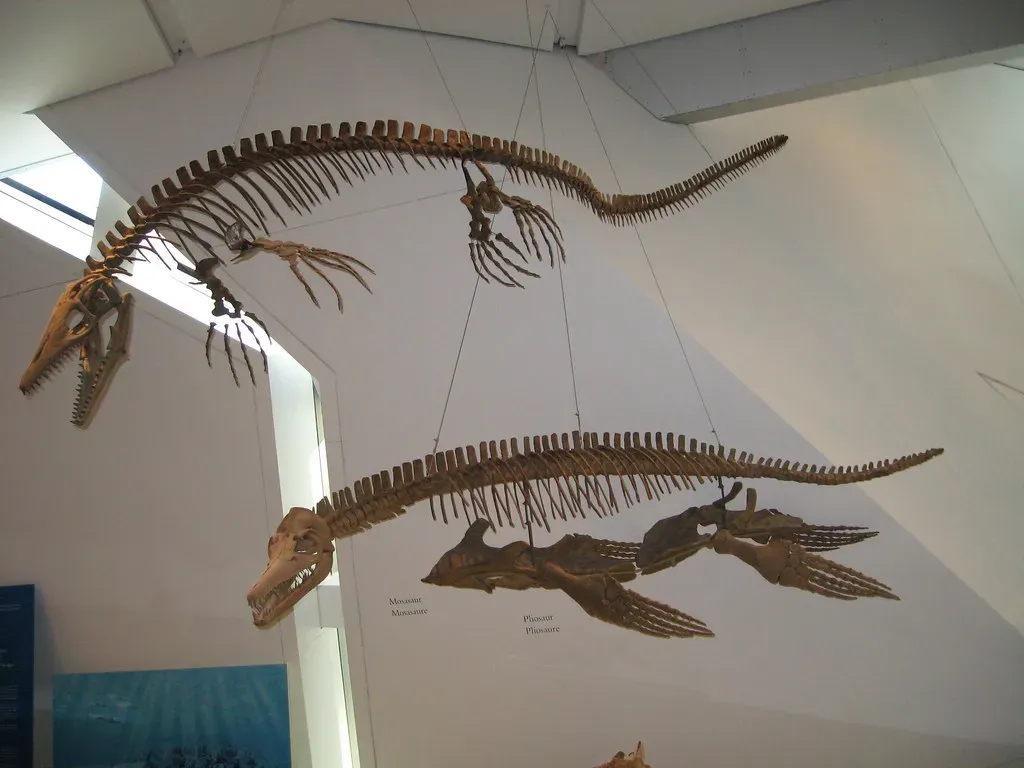
The pliosaurs were a group of marine reptiles that existed from the Late Triassic, around 228 million years ago, to the early Late Cretaceous, around 89 million years ago, and they inhabited seas all over the world. Think about that for a moment. That is a reign of dominance stretching across tens of millions of years, making even the most successful land predators look like brief experiments in evolution.
For more than 80 million years, the pliosaurs were the apex predators of the world’s oceans, feasting on all manner of prey from large fish to other marine reptiles, including their close cousins the plesiosaurs. To put that in perspective, modern humans have only existed for roughly 300,000 years. The pliosaurs had time to spare.
Built Like Nothing Else on Earth: The Anatomy of a Sea Monster
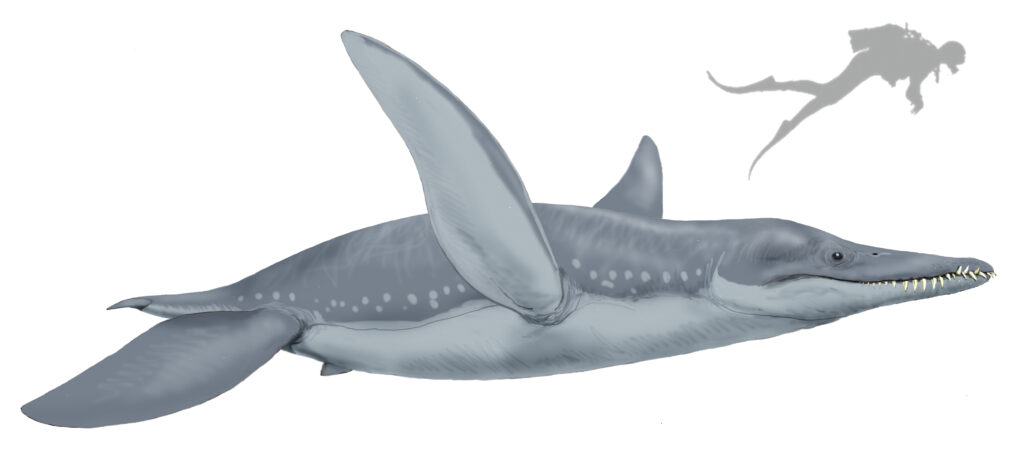
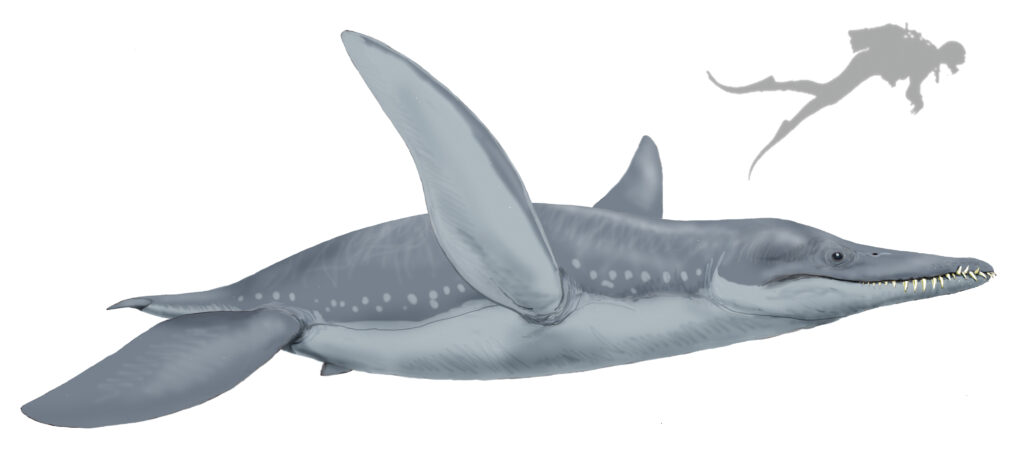
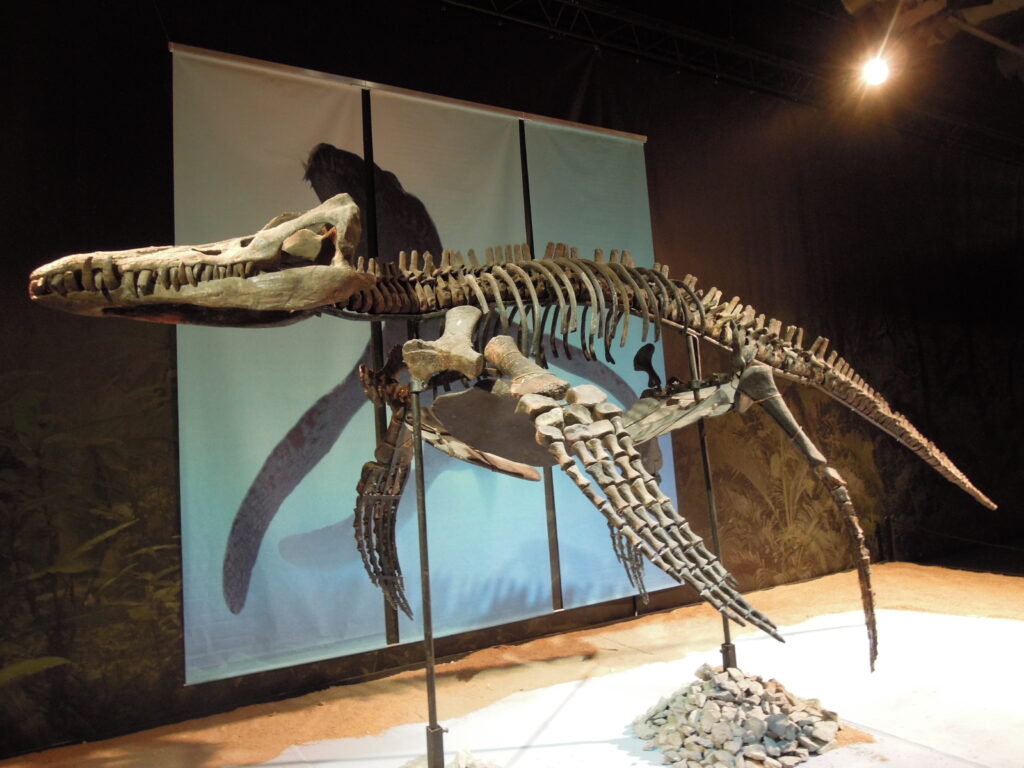
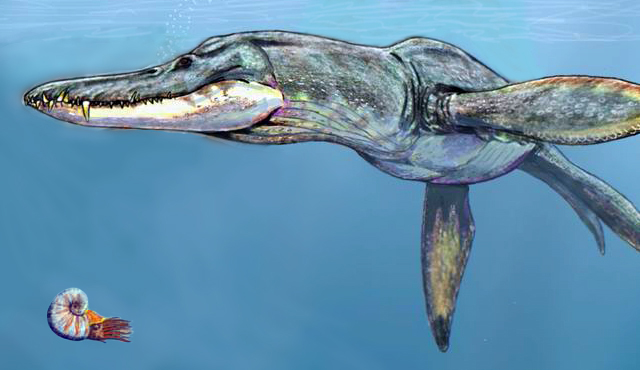
Honestly, if you could go back in time and see a fully grown pliosaur up close, you would probably struggle to even process what you were looking at. Pliosaurs stood at the very top of the food chain during the Mesozoic era, reigning over the oceans from 220 to 70 million years ago, and their bodies were perfectly adapted for the apex predator lifestyle: a massive, powerful torso, an imposing skull, and paddle-shaped limbs transformed into formidable flippers.
Their anatomy made them perfect apex hunters: massive bodies, large heads, and powerful, paddle-like flippers. Their bite force was comparable to that of the mighty Tyrannosaurus rex, making them unmatched killers of their time. Some pliosaurs could grow over ten meters in length, turning the seas into deadly hunting grounds for any prey that ventured too close. Picture something roughly the size of a school bus, moving through the water with terrifying precision. Still think T-Rex had it worse?
Predator X: The Most Feared Name in Prehistoric Science
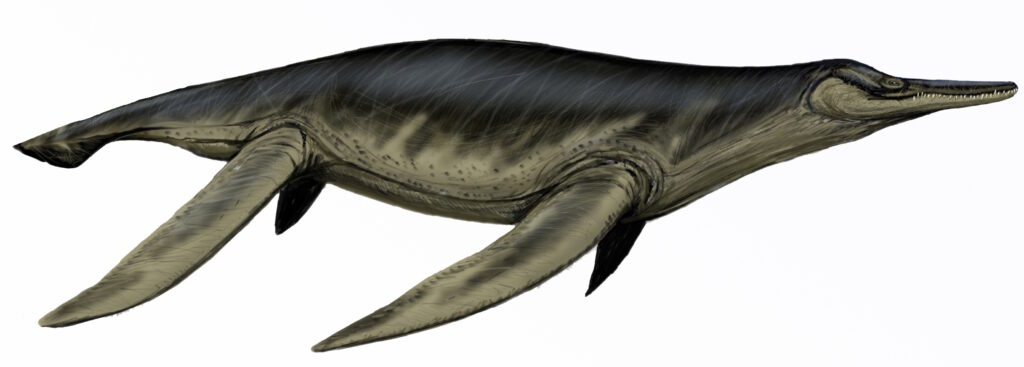
Here is where things get genuinely jaw-dropping. Predator X is simply the name given to Pliosaurus funkei, a massive marine pliosaur found in 2009. Before it even had an official scientific name, the media had already declared it the scariest animal ever to have lived. In 2009, journalists heralded the arrival of “Predator X,” an immense, big-headed marine reptile said to have a bite four times stronger than Tyrannosaurus rex.
Pliosaurus funkei, a pliosaur species discovered in the Arctic islands of Svalbard in 2009 and previously known as “Predator X,” may have had the highest bite force of any creature ever. With their enormous maws, the diet of this large pliosaur species would have included large cephalopods, large fish, and other large reptiles. It’s hard to say for sure just how large this creature truly was given the fragmentary nature of the fossil record, but estimates that have circulated among researchers are nothing short of stunning.
A Skull That Shocked the World: The Jurassic Coast Discovery
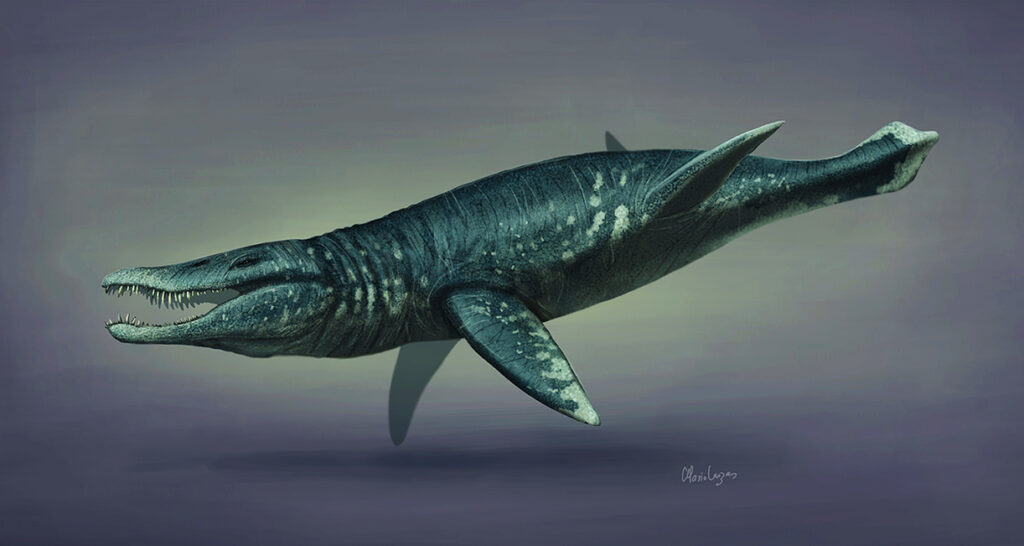
You would never expect a casual beach walk to rewrite paleontological history. Phil Jacobs first spotted the skull’s snout during a walk on the beach near Kimmeridge Bay in Dorset, along England’s World Heritage Jurassic Coast. What he found protruding from the cliff would turn out to be one of the most remarkable fossil discoveries in modern science.
At approximately 95% intact by surface area, the specimen, which has been dubbed “Sea-Rex,” represents the most complete Pliosaurus skull ever discovered. The fossilized pliosaur head, which is about 0.6 meters wide and just under 2 meters long, is approximately 95% intact. It includes both jaws, some of the spine, and 130 teeth. One hundred and thirty teeth. In a skull the length of a grown adult lying flat. Let that sink in.
How It Hunted: A Killing Machine With Extraordinary Senses
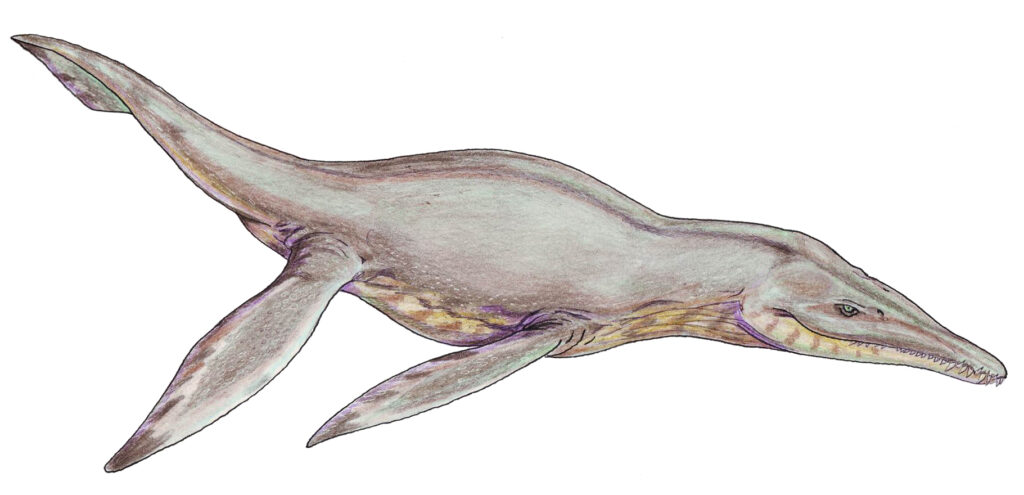
The largest thalassophonean pliosaurs, such as Kronosaurus, Pliosaurus macromerus, and the unnamed species described above, are thought to have hunted by ambushing their prey from below, using their powerful jaws and incredibly sharp teeth to dismember prey, oftentimes in a single bite. This is remarkably similar to how great white sharks operate today, lurking below before launching upward with devastating speed.
The nearly intact fossil illuminates the characteristics that made the pliosaur a truly fearsome predator, hunting prey such as the dolphinlike ichthyosaur. The apex predator with huge razor-sharp teeth used a variety of senses, including sensory pits still visible on its skull that may have allowed it to detect changes in water pressure. Pliosaurs are generally regarded as visually oriented predators. The cranial anatomy of the holotype specimen of P. westburyensis reveals greatly enlarged orbits, indicative of large eyes and suggesting a high degree of visual acuity. In other words, you could not hide from it, not in the dark, not in murky water, not even far below the surface.
The Rise of Rivals and the Fall of the Ocean’s Greatest Predator
Researchers discovered that there was a previously unseen seventh level in the food chain that was filled with enormous marine reptiles. Some, such as Sachicasaurus and Monquirasaurus, could grow up to and beyond 10 metres long and are known as hyper-apex predators. The ancient ocean was, if you can believe it, even more complex and layered than scientists originally assumed. These were not simple food chains. They were towering, stacked hierarchies of violence.
The most generally accepted theory is that a disturbance in the global carbon cycle triggered a period of anoxia, or lack of oxygen, in parts of the world’s oceans. This event hit pliosaurs, and ichthyosaurs, particularly hard, sending populations into rapid decline. After this event, which is thought to have taken place roughly 94 million years ago, mosasaurs appeared, diversified, and started to take over the same niches that were once dominated by the pliosaurs. This increased the pliosaurs’ trajectory towards extinction until they eventually disappeared, leaving the mosasaurs as the apex predators of the world’s oceans. Even the mightiest rulers eventually fall. It’s a pattern as old as life itself.
Conclusion: The Ocean’s Forgotten King
T-Rex gets all the glory. It’s on the lunchboxes, in the blockbusters, and plastered across every natural history museum you have ever visited. Yet the pliosaur, a creature that dominated a far larger domain for an almost incomprehensibly longer stretch of time, barely gets a mention in everyday conversation. That feels like a genuine injustice, honestly.
The pliosaur skull, 150 million years old and 95% intact, is now recognized as the most well-preserved specimen ever found. This remarkable discovery, made in 2023 along England’s iconic Jurassic Coast, continues to draw attention, offering researchers a unique opportunity to study the creatures that ruled the prehistoric seas. As science continues to uncover more of what lies buried in our coastlines, one thing is certain: the story of the ocean’s greatest predator is far from over.
The next time you stand at the edge of the ocean and gaze out at those deep, dark waves, remember that something ruled those waters long before anything walked on land. Something vast, something ancient, and something that makes even the T-Rex look like it had the easier job. What do you think, could you have survived in a Jurassic ocean? Tell us in the comments.