Across the dusty shelves of museums and hidden in archaeological collections worldwide lie bones that whisper secrets from the past. Among these silent witnesses to history, some bear unmistakable marks of violence, predation, or consumption that transform them from mere remains into compelling narratives. These bones with bite marks represent a fascinating intersection of paleontology, archaeology, forensics, and anthropology. They offer us windows into ancient ecosystems, prehistoric human behaviors, and sometimes, mysteries that continue to perplex scientists. From dinosaur remains showing evidence of scavenging to human bones bearing signs of cannibalism, these marked specimens challenge us to piece together stories from the barest of evidence, often with surprising and unsettling conclusions.
The Science of Bite Mark Analysis

Bite mark analysis represents a specialized field that bridges multiple scientific disciplines, including forensic odontology, taphonomy, and comparative anatomy. When examining bite marks on bone, researchers measure the spacing, depth, shape, and pattern of impressions to identify the species responsible. Modern techniques employ 3D scanning and microscopic analysis to capture details invisible to the naked eye. Science has evolved significantly from its early days, with researchers now able to distinguish between feeding behaviors, differentiating, for example, between a predatory kill and scavenging activity based on mark placement and characteristics. This detailed analysis requires extensive knowledge of dental morphology across species and an understanding of how different animals process food, from the crushing force of hyena jaws to the slicing action of big cat dentition.
The Famous Taung Child Case

One of paleontology’s most significant bite mark discoveries involves the Taung Child, a young Australopithecus africanus specimen discovered in South Africa in 1924. For decades, scientists believed this 2.8-million-year-old hominin had been killed by another hominid or predatory mammal. However, in 2006, a revolutionary reassessment of the skull’s damage patterns revealed distinctive marks consistent with eagle predation. Researchers identified specific puncture marks matching eagle talons and compared them to modern eagle predation cases on primates. This revelation dramatically changed our understanding of threats facing early hominins, suggesting that aerial predators—not just large carnivores on the ground—played a significant role in their mortality. The case exemplifies how bite mark evidence can completely transform our understanding of prehistoric ecological relationships and survival challenges faced by our ancestors.
Prehistoric Cannibalism Revealed Through Teeth Marks
Some of the most controversial and unsettling bite mark evidence comes from archaeological sites bearing human remains with processing marks similar to those found on animal food refuse. At Gough’s Cave in England, 14,700-year-old human bones display distinctive cut marks, percussion damage, and human tooth impressions suggesting systematic cannibalism. Similar evidence has been found at multiple sites across Europe and the Americas, raising profound questions about prehistoric human behavior. Forensic analysis of these marks allows researchers to distinguish between ritual cannibalism, survival cannibalism during periods of starvation, and funerary practices that might mimic consumption patterns. The methodical processing of these remains—with marks showing defleshing, disarticulation, and marrow extraction—suggests deliberate, culturally embedded practices rather than opportunistic feeding. These findings challenge our perceptions of human behavior and force us to confront uncomfortable aspects of our species’ history.
Dinosaur Predator-Prey Relationships

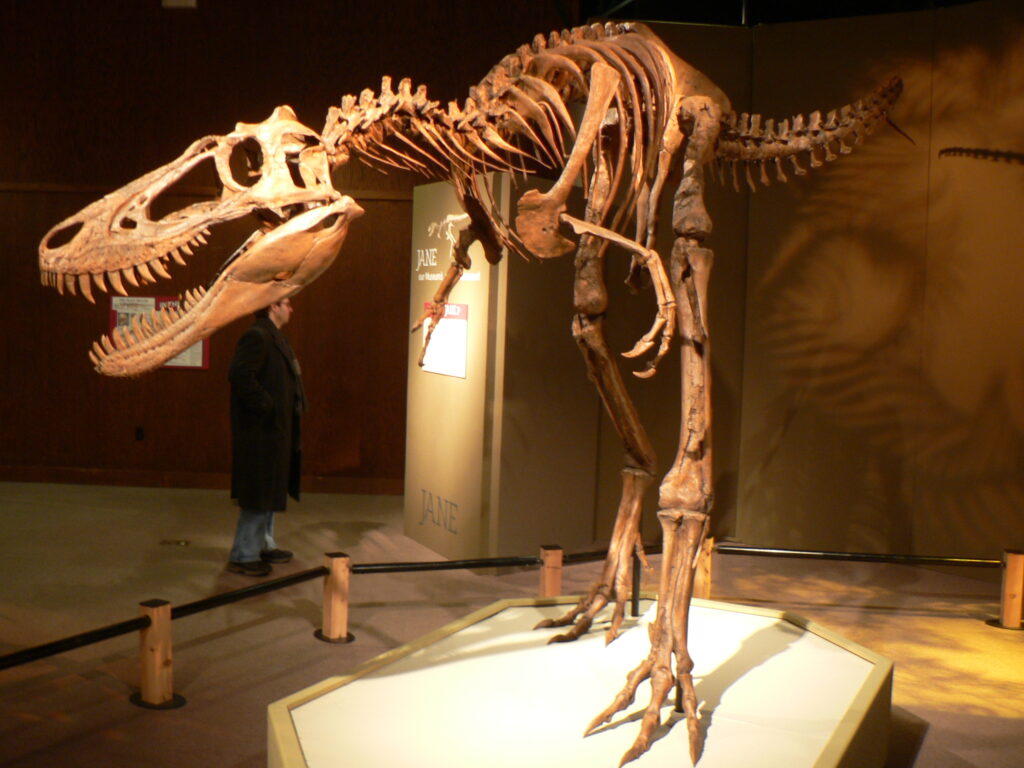
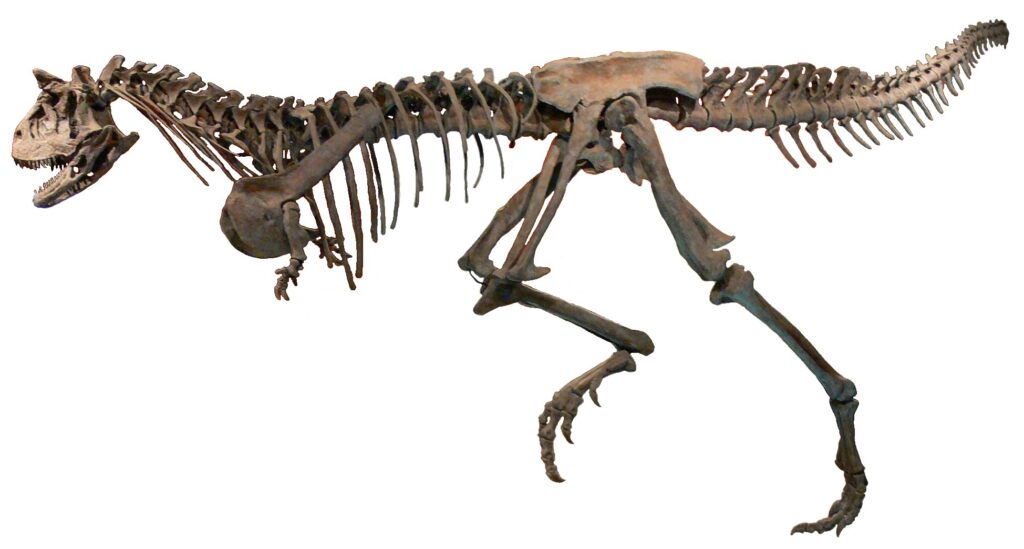
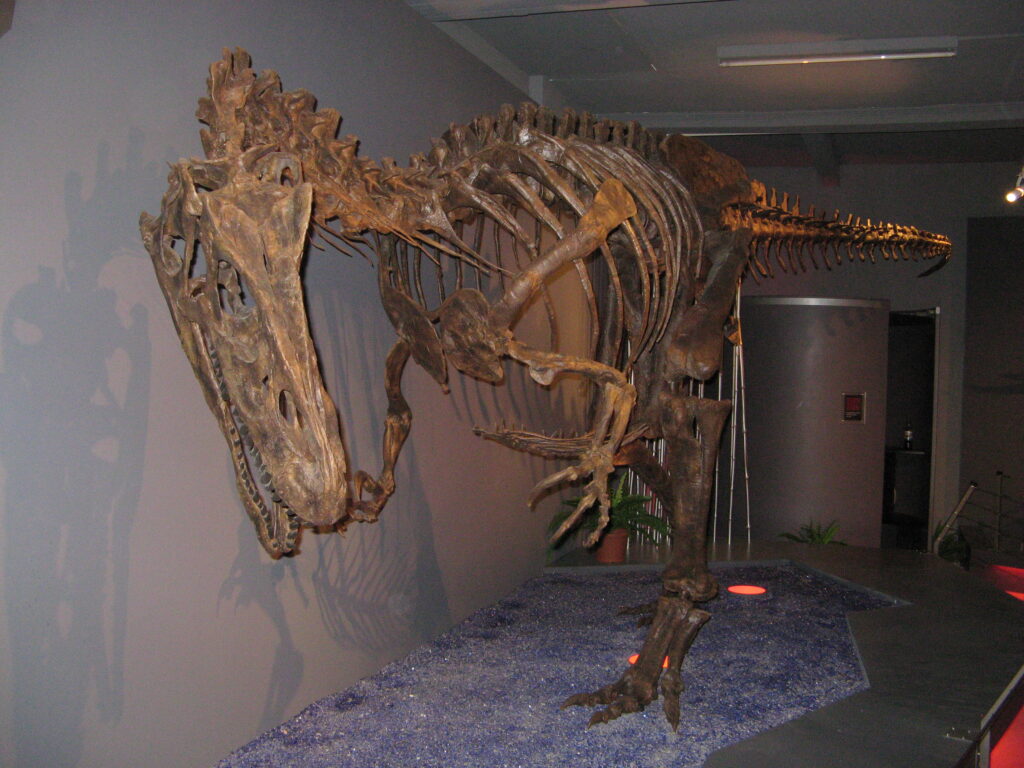
Bite marks on dinosaur fossils provide some of our most vivid glimpses into ancient predator-prey dynamics. The discovery of Tyrannosaurus rex tooth marks on the bones of Triceratops and Edmontosaurus has allowed paleontologists to confirm predatory relationships previously only hypothesized. In a particularly notable case from the Hell Creek Formation, a Triceratops pelvis bears multiple healing bite marks from a T. rex attack—evidence that the animal survived the encounter, offering insight into predation success rates. Researchers can determine whether bite marks occurred during active hunting or post-mortem scavenging based on healing signs, mark positioning, and comparison with modern predator feeding patterns. These bite mark analyses have helped scientists reconstruct ancient food webs with remarkable detail, revealing complex ecological relationships in dinosaur communities. The presence or absence of certain types of marks also helps scientists understand hunting strategies and prey selection among different predatory dinosaur species.
The Mystery of the Jamestown Colonists
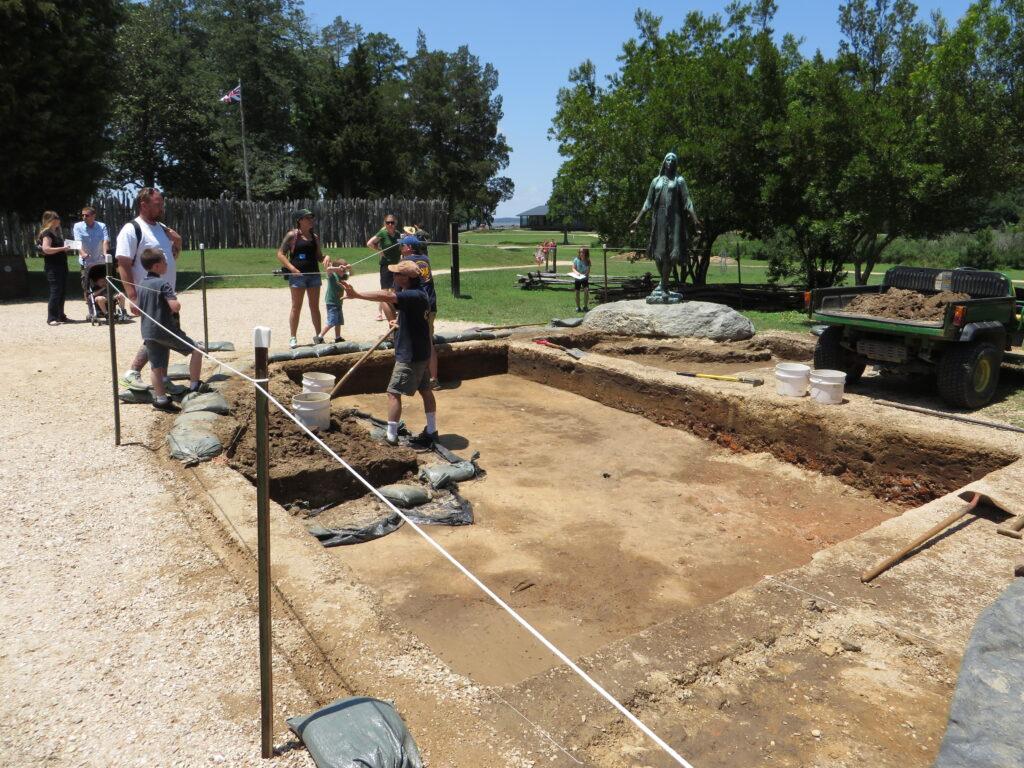
Archaeological excavations at Jamestown, Virginia—site of the first permanent English settlement in North America—uncovered a disturbing mystery when the partial remains of a 14-year-old girl were discovered in a trash deposit dating to the “Starving Time” winter of 1609-1610. The bones bore clear-cut marks and evidence of butchery consistent with meat processing for consumption. Most significantly, the skull showed distinctive tool marks indicating the brain had been extracted. Historical accounts documented that during this devastating period, colonists resorted to consuming leather, rats, snakes, and eventually, the dead. The forensic analysis of these remains provided physical confirmation of these accounts, offering a grim testament to the desperate measures taken for survival. The careful, methodical nature of the processing marks indicates this wasn’t a frenzied act but a deliberate, last-resort measure to prevent starvation during a period when approximately 80% of the colonists perished.
Shark Bite Evidence on Ancient Marine Reptiles
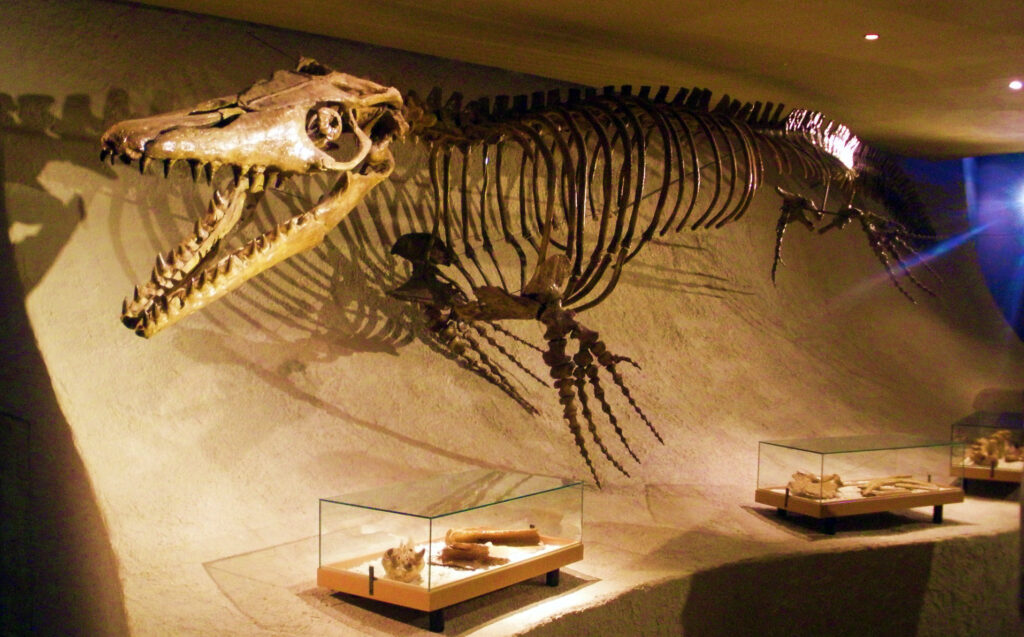
Paleontologists working with marine reptile fossils from the Mesozoic Era have documented numerous specimens bearing distinctive shark bite marks, revealing ancient oceanic predator-prey relationships. Particularly compelling are mosasaur and plesiosaur remains from the Late Cretaceous (roughly 70-66 million years ago) showing characteristic parallel tooth scrapes from shark feeding attempts. Analysis of these marks allows scientists to identify not just predation events but specific shark species based on tooth spacing and bite mechanics. Some specimens show evidence of healing, indicating the marine reptile survived the attack, while others display feeding patterns suggesting scavenging of carcasses. These bite marks have revealed surprising ecological interactions, including evidence that some shark species specialized in scavenging the carcasses of large marine reptiles rather than active hunting. The distribution and frequency of these marks across different marine reptile species have helped scientists reconstruct complex Mesozoic marine food webs.
Forensic Applications in Modern Crime Investigation
The analysis techniques developed for ancient bite marks have found crucial applications in modern forensic science and criminal investigations. When human remains are discovered with animal bite marks, forensic experts can determine whether the bites occurred before death, at the time of death, or post-mortem—distinctions that can drastically affect a criminal investigation’s direction. In cases of suspected animal attacks, bite mark analysis can identify the specific species responsible and potentially individual animals through dental patterns. When human bite marks are found on victims, forensic odontologists may compare these impressions to dental records of suspects, though this practice has become increasingly scrutinized due to reliability concerns. Modern forensic analysis employs techniques like scanning electron microscopy and 3D modeling to capture micron-level details that can reveal the feeding mechanics involved and differentiate between similar species. This intersection between archaeological techniques and modern crime investigation demonstrates how the study of ancient bite marks continues to have practical applications in contemporary society.
The Kennewick Man Controversy
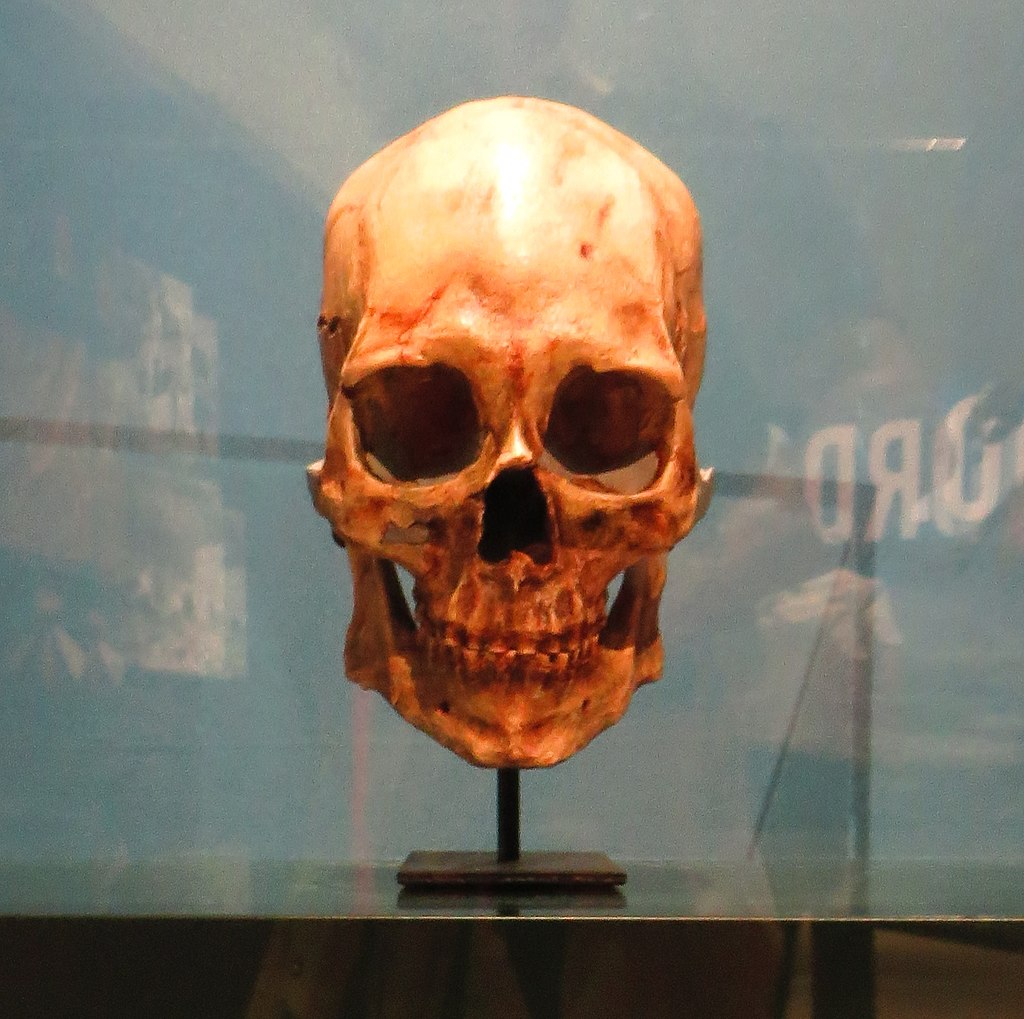
Discovered in 1996 along the Columbia River in Washington State, the 9,000-year-old skeleton known as Kennewick Man or “The Ancient One” became central to a scientific and cultural controversy that included bite mark analysis. Initial examination revealed a stone projectile point embedded in his hip and several mysterious marks on his bone, initially interpreted as evidence of violence or ritual practice. Further scientific analysis determined many of these marks were post-mortem animal bite impressions, primarily from canids scavenging the body shortly after death. These findings helped researchers reconstruct the circumstances surrounding his burial and preservation. The scientific analysis, including bite mark identification, became entangled in a nine-year legal battle between scientists who wanted to study the remains and Native American tribes who claimed him as an ancestor deserving of traditional burial. This case illustrates how bite mark evidence can become central to larger cultural and ethical questions surrounding the treatment of ancient human remains.
Hyena Dens and Human Evolution

Some of the most significant insights into human evolution have come from analysis of bones bearing hyena bite marks found in cave sites across Africa and Eurasia. Hyenas are known for their powerful jaws that can crush bones, leaving distinctive damage patterns easily identified by researchers. At sites like FLK North in Olduvai Gorge, Tanzania, scientists have carefully distinguished between bones processed by early hominins and those bearing the characteristic crushing damage of hyena feeding. This differentiation has been crucial for understanding which accumulations represent evidence of early human behavior versus predator activity. Studies of modern hyena feeding behavior and the resulting bone damage have created reference collections that allow researchers to recognize similar patterns in fossil assemblages. By identifying which bones were processed by humans versus hyenas, scientists have gained critical insights into early hominin diet, tool use, and competition with other predators—all fundamental aspects of human evolutionary ecology.
The Unexpected Tale of the La Brea Tar Pits
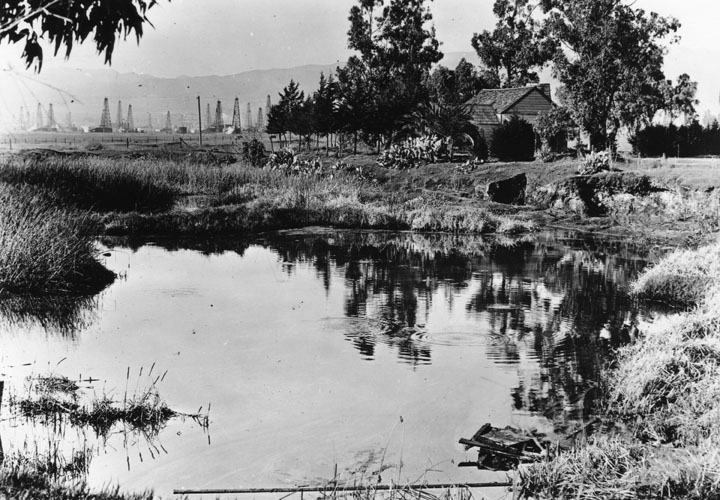
The La Brea Tar Pits in Los Angeles preserve one of the world’s richest Ice Age fossil deposits, containing thousands of specimens bearing bite marks that tell a complex ecological story. Analysis of these marks has revealed surprising predator-prey dynamics, including evidence that dire wolves and saber-toothed cats competed intensely for the same prey. Researchers have identified distinct feeding patterns from different predator species based on tooth mark characteristics and placement. One particularly interesting discovery involved bite marks on bird bones, revealing that Ice Age raptors were sometimes preyed upon by larger mammals—an unexpected reversal of the typical predatory relationship. The tar pits also preserve instances of pathological bite marks from predators with damaged dentition, offering insights into injury survival and adaptation among Pleistocene carnivores. By analyzing the frequency and distribution of these bite marks across different prey species, scientists have reconstructed the community structure and feeding preferences of extinct predators with remarkable detail.
The “Hobbit” Human Mystery of Flores
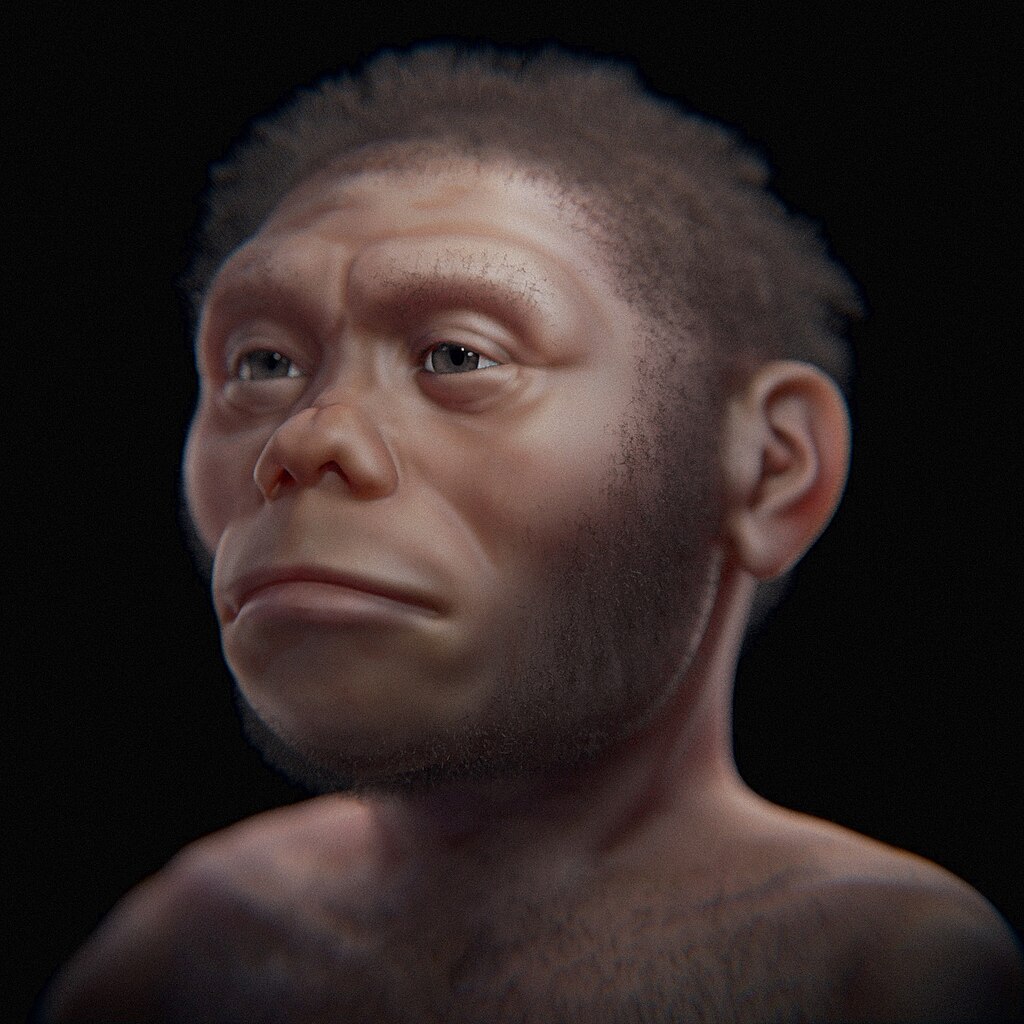
When the remains of Homo floresiensis—popularly known as “hobbits” due to their small stature—were discovered on the Indonesian island of Flores in 2003, researchers noted something unusual about the bones. Several specimens showed distinctive marks initially interpreted as possible evidence of predation or cannibalism. Detailed microscopic analysis revealed that many of these marks were consistent with bite patterns from Komodo dragons or similar large monitor lizards known to inhabit the region. This discovery suggested a complex relationship between these diminutive humans and large predatory reptiles in their environment. The pattern of marks indicated the bones had been scavenged rather than showing evidence of active predation, though this distinction remains debated. This bite mark evidence has contributed to our understanding of the ecological pressures and survival challenges faced by this enigmatic human species that stood just over three feet tall and survived until relatively recently, possibly as late as 50,000 years ago.
Future Frontiers in Bite Mark Research

The field of bite mark analysis continues to evolve with emerging technologies and methodological approaches. New 3D scanning techniques allow researchers to create high-resolution digital models of bite marks that can be analyzed using sophisticated software for pattern recognition and comparison. Advances in ancient DNA analysis now offer the possibility of identifying saliva traces preserved in bite marks, potentially revealing the exact species or even individual animal responsible for marks thousands of years old. Experimental archaeology, where researchers create controlled bite mark samples using modern animal models, is building more comprehensive reference collections to improve identification accuracy. Machine learning algorithms are being developed to automatically classify bite marks based on thousands of reference examples, potentially reducing subjective interpretation in analysis. As these technologies advance, researchers anticipate being able to extract even more detailed information from bite-marked bones, including seasonal patterns of predation, age-specific feeding behaviors, and a more nuanced understanding of ecological relationships preserved in the fossil record.
Ethical Considerations in Human Remains Research

The study of bite marks on human remains raises significant ethical questions that researchers must navigate with sensitivity and respect. When examining culturally significant or indigenous human remains, scientists increasingly work in collaboration with descendant communities, recognizing their spiritual connection to ancestors and right to determine appropriate research approaches. The visual documentation and public display of human remains bearing evidence of violent death or cannibalism requires careful consideration of dignity, cultural context, and potential sensationalism. Modern research ethics generally require informed consent for studies involving recently deceased individuals, with more nuanced approaches for archaeological remains based on temporal distance and cultural affiliation. Many institutions have developed specific protocols for the handling, analysis, and eventual repatriation of human remains bearing traumatic marks, including bite evidence. These ethical frameworks continue to evolve as researchers balance scientific inquiry with respect for human dignity and cultural beliefs, recognizing that bones with bite marks are not merely scientific specimens but the remains of individuals with personal and cultural histories.
Conclusion
In the final analysis, bones bearing bite marks represent unique time capsules that connect us directly to moments of life, death, and survival across vast periods. Each tooth impression, score mark, and puncture tells a story—sometimes confirming what we thought we knew about the past, and other times completely upending established theories. As analytical techniques continue to advance, these silent witnesses will undoubtedly reveal even more of their secrets, helping us understand the complex web of predator-prey relationships, survival strategies, and ecological dynamics that have shaped life on Earth. The study of these marked remains reminds us that bones are not merely structural elements, but archives of interaction that, when properly read, can speak volumes about the struggles, adaptations, and relationships that define the natural world and our place within it.