
You’ve probably heard people say men and women think differently. Maybe you’ve noticed it in your own life, or maybe it seemed like an outdated stereotype. Turns out, there’s something real going on beneath the surface, something that scientists are only beginning to fully understand. Your brain, the three-pound universe inside your skull, doesn’t just process the world around you in some universal, one-size-fits-all manner. It actually operates through pathways and patterns that can vary based on your sex.
Let’s be real, the topic of gender and the brain has sparked heated debates for decades. Some researchers insist the differences are trivial, while others argue they’re profound enough to shape everything from how you remember a conversation to how you navigate through a city. The truth lies somewhere in between, more nuanced than headlines suggest. Dive into the research and you’ll find that your brain’s architecture, chemistry, and even the way it rewires itself throughout life can be influenced by biological sex in ways that are both subtle and significant.
Neural Wiring Shows Distinct Connectivity Patterns

Your brain isn’t just a blob of tissue. It’s an intricate network of connections, and the way those connections are organized can differ depending on whether you’re male or female. Male brains are optimized for intrahemispheric and female brains for interhemispheric communication. What does that mean for you? Essentially, if you’re male, your brain tends to have stronger connections within each hemisphere, linking the front and back regions on the same side. If you’re female, your brain is more likely to show enhanced connectivity between the left and right hemispheres.
This isn’t some minor technical detail. The observations suggest that male brains are structured to facilitate connectivity between perception and coordinated action, whereas female brains are designed to facilitate communication between analytical and intuitive processing modes. Think of it like different wiring diagrams for similar machines. One setup might make you better at tasks that require quick coordination between what you see and what you do, while the other might give you an edge in integrating different types of thinking. Neither is superior, they’re just optimized differently.
Spatial and Verbal Abilities Reveal Cognitive Strengths
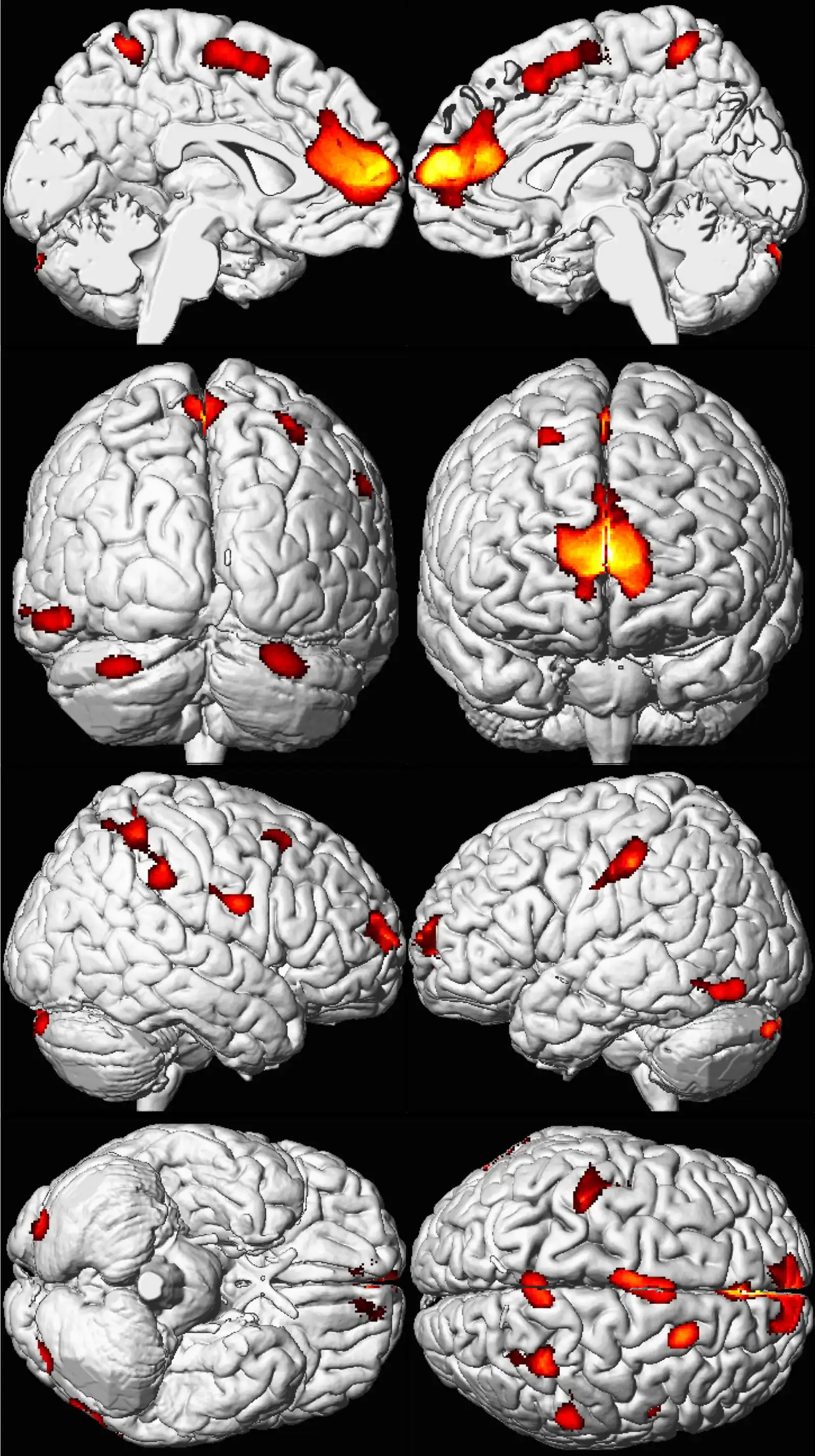
Here’s where things get interesting for everyday life. There is a female advantage in episodic memory and processing speed, and a male advantage in spatial visualization. If you’re wondering why your partner can remember every detail of a conversation from three years ago while you can barely recall what you had for breakfast, biology might be playing a role. Women tend to outperform men on tasks involving memory for words, faces, and social details.
On the flip side, men often excel at spatial tasks. Male brains had stronger connections in areas associated with motor and spatial skills, meaning they were more likely to perform better in tasks associated with spatial awareness and hand-eye co-ordination. Picture this: mentally rotating a three-dimensional object in your mind, or navigating through an unfamiliar city using cardinal directions rather than landmarks. These are the kinds of tasks where male brains frequently show an advantage. It’s not about intelligence, it’s about different cognitive toolkits that evolution and biology have shaped over time.
Memory Systems Operate Through Different Mechanisms

Females show enhanced information recall compared with males. This may be due to the fact that females have a more intricate evaluation of risk–scenario contemplation, based on a prefrontal cortical control of the amygdala. Your memory isn’t just a hard drive recording facts. It’s deeply connected to emotion, context, and how your brain evaluates what’s important to remember.
Women’s brains appear to process memories with more emotional depth and detail. In the female brains, areas associated with social cognition, attention and memory had higher connectivity. This could explain why women are often better at remembering the emotional texture of events, not just the facts. Men, meanwhile, might remember spatial details or action sequences better. Imagine a couple recalling the same vacation: she might remember the conversations and feelings, while he recalls the route they took and the layout of the hotel. Both are valid forms of memory, just filtered through different neural priorities.
Hormones Actively Reshape Brain Structure

Your hormones aren’t just floating around causing mood swings. They’re actually remodeling your brain throughout your life. Sex-differences in neural volume are further reflected in a region-specific pattern that fluctuates with the menstrual cycle. The hippocampus is generally larger in men compared to women, however, during the luteal phase, when estrogen peaks, women see a significant increase in hippocampal volume. These data parallel findings from female rodents that sex-differences evident in certain neural structures are likely dependent on fluctuating hormones in women.
Think about that for a second. Your brain’s physical structure can actually change size across the menstrual cycle. Both, acute estrogen and progesterone treatment have been shown to increase synapse density and spine formation in hippocampal structures in rodents, respectively. These aren’t permanent changes, they’re dynamic responses to hormonal fluctuations. Testosterone in men also plays a role, influencing how certain brain regions respond to stress and learning. The brain you have today isn’t quite the same brain you’ll have next week or next month.
Emotional Processing Engages Different Neural Networks

Compared to males, females activate parts of the prefrontal and limbic systems, indicating that emotion processing is also involved in females’ handling of cognitive and complex decision-making tasks. Your emotions aren’t separate from your thinking, they’re woven into how your brain makes decisions. For women, emotional and cognitive processing seem more integrated at the neural level.
Sex differences in corticolimbic circuitry impact emotion, reward, memory, and stress responses. When you’re faced with a stressful situation or an important decision, your brain doesn’t just calculate pros and cons like a computer. It draws on emotional memory, social context, and gut feelings. Women’s brains tend to recruit emotional processing regions more readily, even during tasks that might seem purely logical. This isn’t a weakness, it’s a different strategy that can provide richer contextual understanding. Men’s brains, meanwhile, might compartmentalize emotions differently, which has its own advantages in certain situations.
Stress Responses Diverge Along Neural Pathways
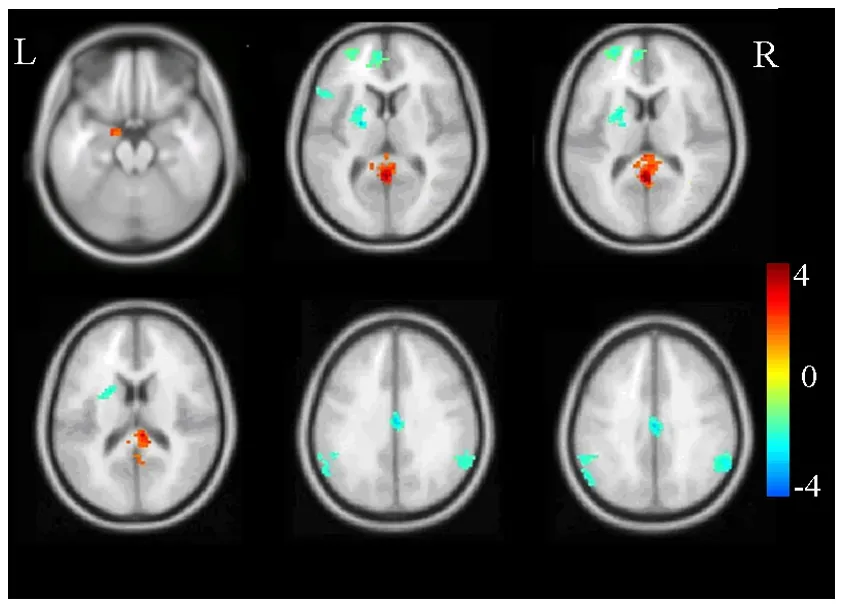
Stress doesn’t hit all brains the same way. For the stress-induced reorganization of dendrites in the CA3 region that females are much less responsive than males. When you’re under chronic stress, your brain physically changes. The dendrites, those branch-like structures on neurons, can shrink or grow depending on stress levels.
Interestingly, male and female brains respond to stress through different mechanisms. Males show decreased dendritic branching in the PFC but slight increases in spine density in the hippocampus. Possibly accounting for this increase is the reduction in circulating steroid hormones which can allow for increased BDNF release in males. Women might show different patterns of structural change, often with protective effects from estrogen. This could help explain why stress-related disorders like depression and PTSD affect women and men at different rates. Your brain’s stress response system is tuned differently based on your biology.
Brain Size Differences Influence Processing Capacity
Women’s brains are about 11% smaller than men’s, in proportion to their body size. Before you jump to conclusions, smaller doesn’t mean less capable. Sex differences in the brain are tiny and inconsistent, once individuals’ head size is accounted for.
Smaller brains allow certain features, such as a slightly higher ratio of gray matter to white matter, and a higher ratio of connections between, versus within, cerebral hemispheres. In other words, a smaller brain can actually be more efficiently wired for certain types of processing. It’s like comparing a desktop computer to a laptop, smaller doesn’t mean less powerful, it just means the architecture might be optimized differently. What matters isn’t the size, it’s how the connections are organized and how efficiently information flows through the system.
Chemical Signaling Varies Between Male and Female Neurons

Some fundamental molecular pathways in the brain operate differently in males and females. In some cases, molecular sex differences are all-or-nothing. We’re talking about the very chemistry of how your neurons communicate. The same neurotransmitter receptor might function one way in male neurons and differently in female neurons.
Female-biased genes are consistently enriched for brain-related processes, while male-biased genes are enriched for metabolic pathways. Additionally, mitochondrial genes showed a consistent female bias across cell types. Your cells are following slightly different instruction manuals based on sex. This affects everything from how efficiently your mitochondria produce energy to how your neurons respond to stress signals. These molecular differences cascade upward, influencing circuits, systems, and ultimately behavior. It’s not nature versus nurture, it’s nature and nurture working together through different biological starting points.
Development and Aging Follow Sex-Specific Trajectories
The developmental trajectories of males and females separate at a young age, demonstrating wide differences during adolescence and adulthood. Your brain doesn’t develop on the same timeline regardless of sex. During puberty, the flood of sex hormones triggers different patterns of brain maturation. Boys and girls literally have different developmental curves.
For females, brain sex was sensitive to pubertal development (menarche) over time. These changes continue throughout life. Testosterone secretion during embryonic, neonatal, peripubertal, and adult life masculinizes and defeminizes the brain. Even in adulthood, your brain continues to be shaped by hormones, experiences, and the interaction between them. The brain you’re born with sets certain parameters, puberty reshapes it dramatically, and throughout adulthood it continues responding to your biological and environmental context. Aging itself may follow different patterns, with implications for cognitive health, disease risk, and how your brain maintains its functions over time.
Conclusion
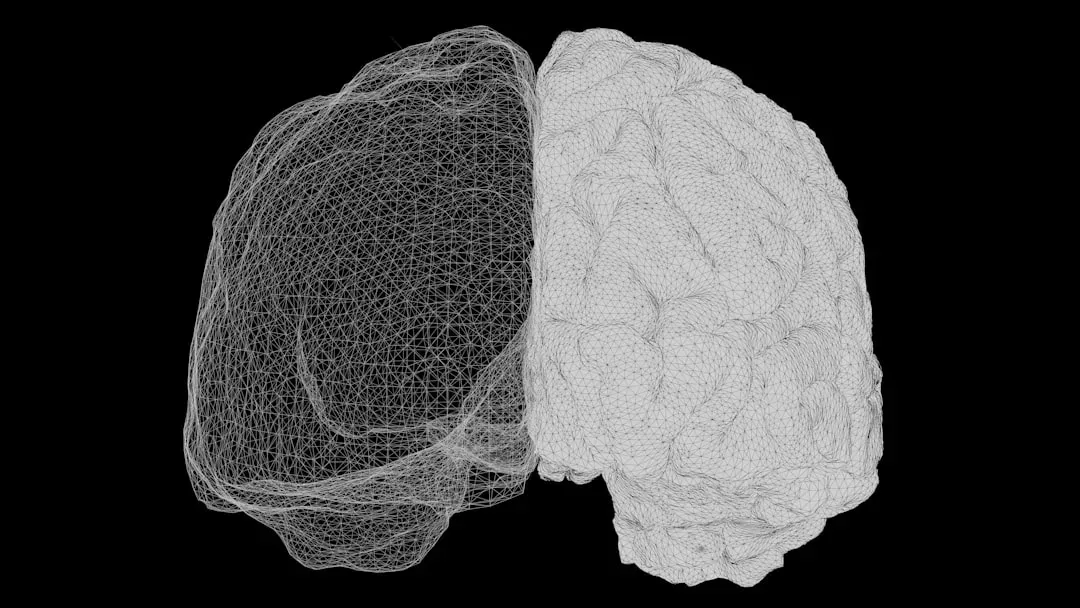
Your brain is a remarkable organ that processes the world through pathways shaped by both biology and experience. The differences between male and female brains are real, measurable, and consequential, they influence everything from how you remember a story to how you navigate stress. Yet these differences don’t define your destiny or limit your potential. They’re variations on a theme, different strategies your brain employs to solve the same fundamental challenges of perception, memory, decision-making, and survival.
Understanding these neural differences isn’t about reinforcing stereotypes or creating divisions. It’s about appreciating the diversity of human cognition and recognizing that your brain’s particular wiring, influenced by sex hormones, genes, and experience, makes you uniquely equipped for certain tasks while presenting different challenges for others. Science continues to reveal just how complex and dynamic these differences really are. What did you find most surprising about how your brain processes information?