Remember when you were a kid and the Brontosaurus was this giant, magnificent dinosaur that dominated your imagination? Well, here’s the thing: for more than a century, scientists insisted that dinosaur never existed. They told us it was just a case of mistaken identity, a relic of hasty nineteenth-century science. Yet today, the thunder lizard is thundering its way back into the scientific record. What changed? How did a creature dismissed for over a hundred years suddenly become valid again? The story is wild, full of rivalry, mistakes, and ultimately, a triumph of modern scientific methods.
The Bone Wars: A Rivalry That Shaped Paleontology
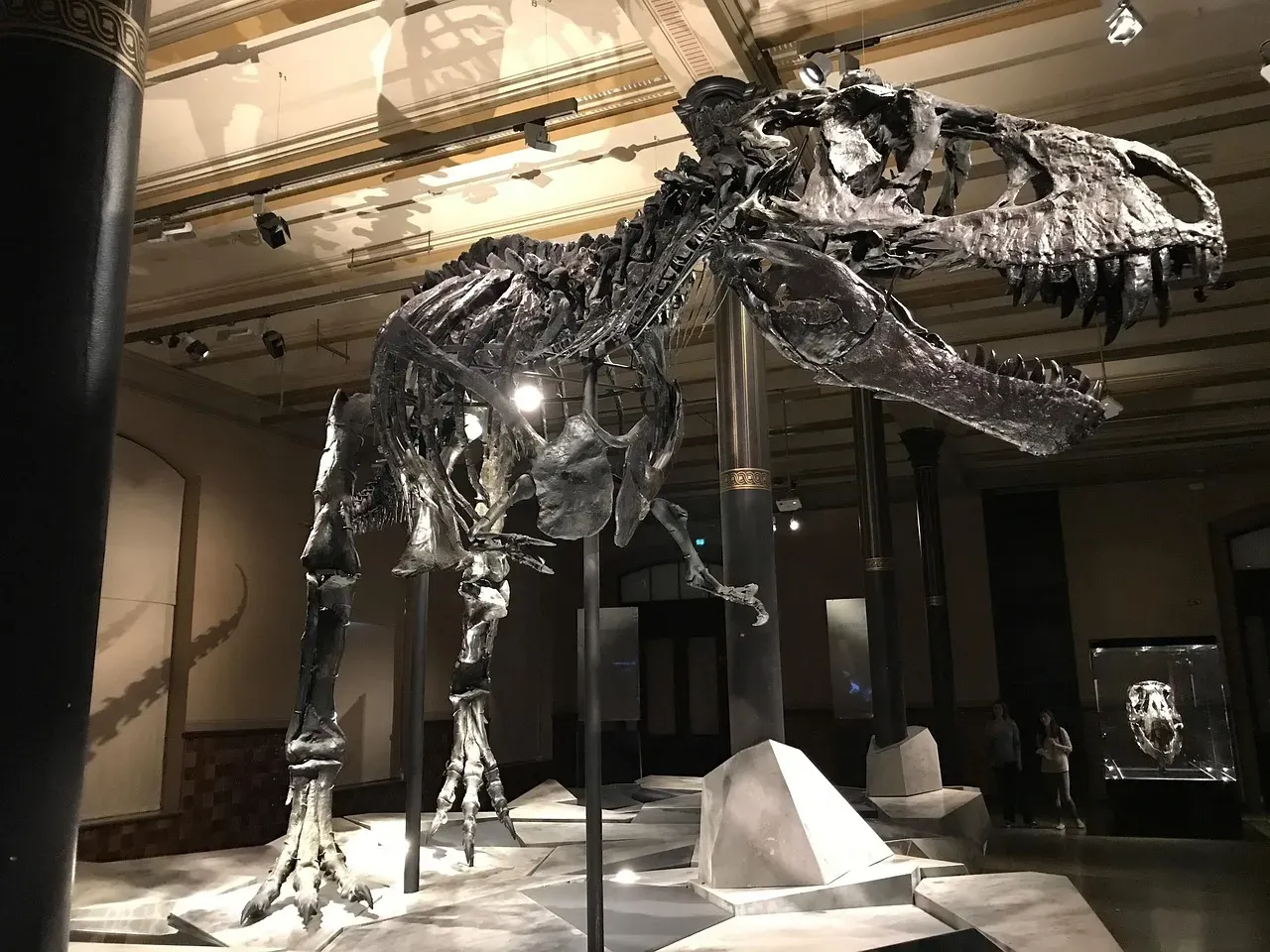
The tale begins in the late 1800s during what’s known as the Bone Wars or the Great Dinosaur Rush, when two American paleontologists, Othniel Charles Marsh and Edward Drinker Cope, competed fiercely to discover and name the most dinosaurs, resorting to tactics like spying, theft, and even the destruction of bones. Think about that for a second: these weren’t just ambitious scientists, they were saboteurs in lab coats. The Morrison Formation became the center of this fossil-collecting rivalry, and because of it, the publications and descriptions of taxa by Marsh and Cope were rushed at the time.
This wasn’t careful science. This was a race fueled by ego and ambition. Both men were wealthy, and they burned through their fortunes trying to outdo each other. Their rivalry was so intense that collectors would smash fossils still in the ground just to prevent the other side from getting them.
How Brontosaurus Got Its Name (And Lost It)
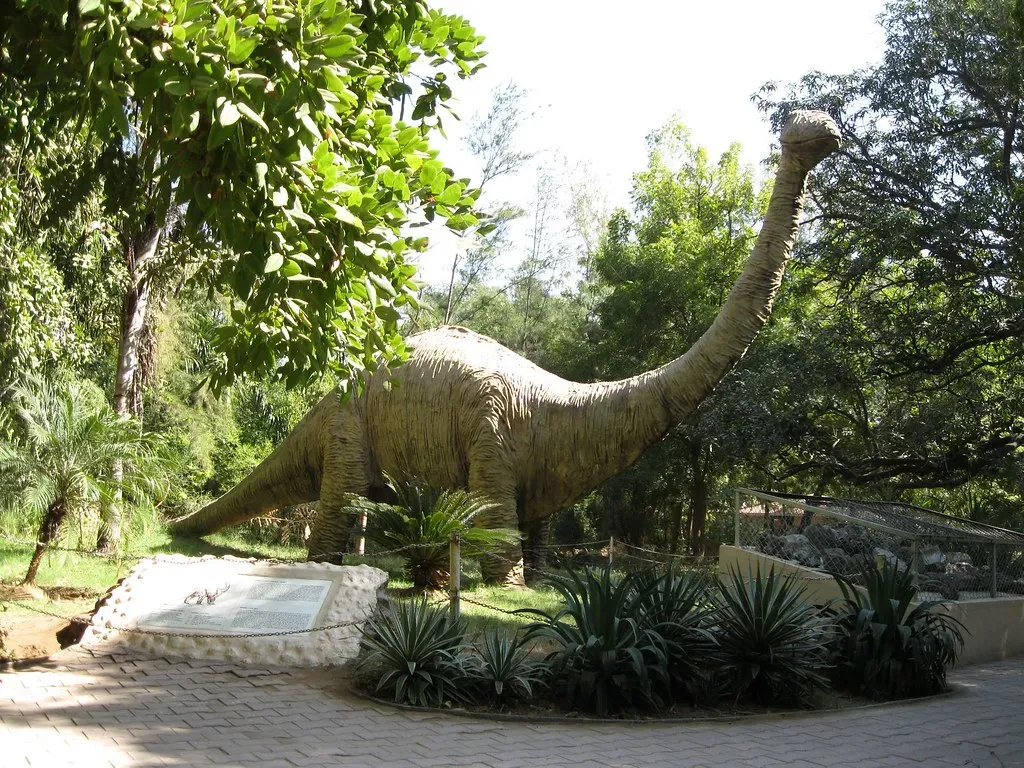
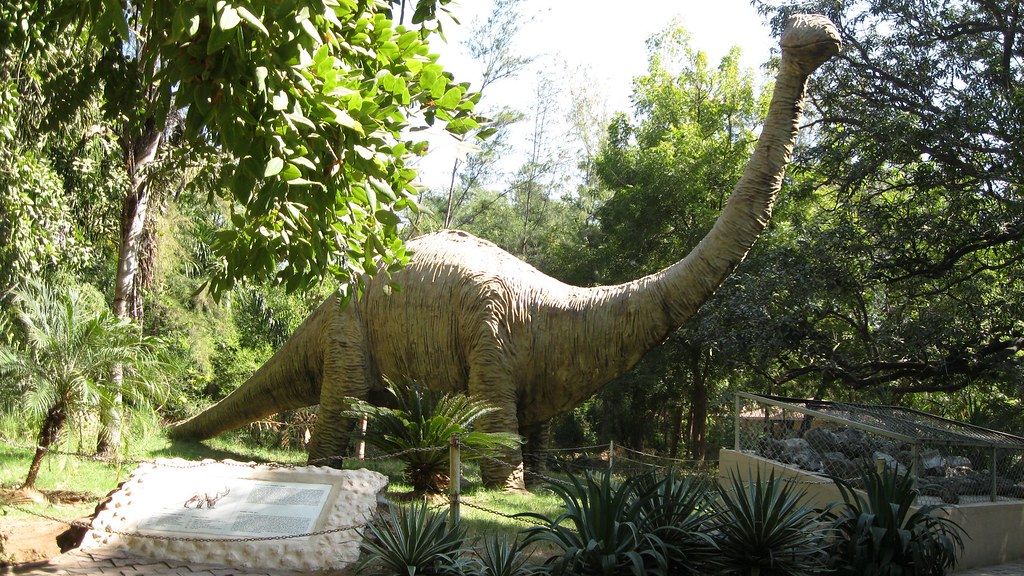
In 1877, Marsh named Apatosaurus ajax, a long-necked and long-tailed dinosaur found in the Morrison Formation in Colorado, USA. Two years later, he named the second skeleton Brontosaurus excelsus, the noble thunder lizard. Both were massive sauropods, those iconic long-necked plant-eaters that kids adore. Marsh thought he had two distinct creatures on his hands.
Shortly after Marsh’s death and the discovery of a dinosaur skeleton with features of both Apatosaurus and Brontosaurus, Elmer Riggs argued in a 1903 publication that there were not enough differences between the two dinosaurs for both genera to exist, and as Apatosaurus had been named first, its name was kept and Brontosaurus excelsus became Apatosaurus excelsus. Just like that, Brontosaurus was erased from science. The name that had captured the public imagination was suddenly invalid.
Why the Name Stuck in Popular Culture
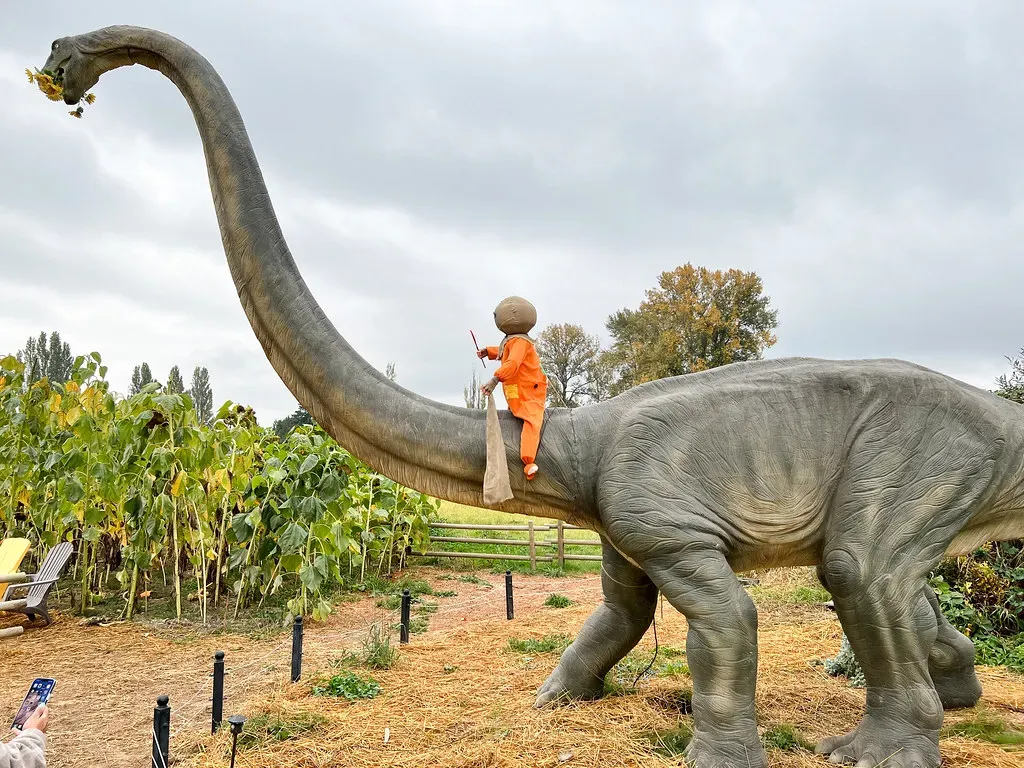
The paper in which Riggs established the synonymy was published in the Geological Series of the Field Columbian Museum, a relatively obscure journal, so the findings were not as widely known as they should have been. People didn’t get the memo. For over 100 years, the name Brontosaurus went unused by paleontologists, although the dinosaur certainly lived on in the minds of the public, continuing to make appearances in films, on logos and on postage stamps.
Let’s be real: Brontosaurus is simply a better name than Apatosaurus. Thunder lizard versus deceptive lizard? It’s not even close. The name had poetry to it, and the public refused to let it die. Even as textbooks were rewritten and museum plaques updated, kids everywhere kept drawing Brontosaurus in their notebooks.
The Wrong Head Problem
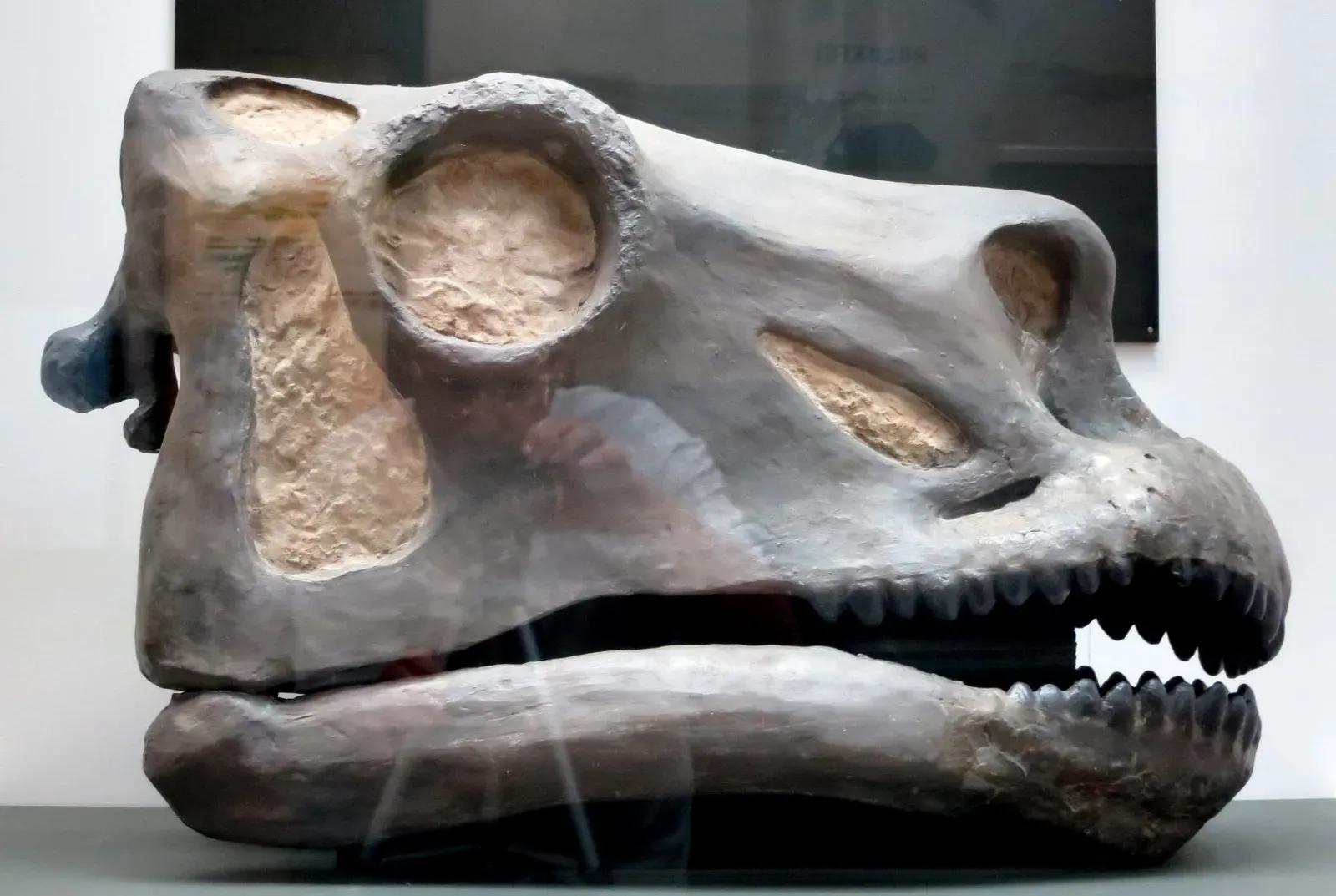
Here’s where things get even messier. Marsh had mistakenly given his skeleton of Brontosaurus the skull of a third sauropod, Camarasaurus, an error that many paleontologists suspected, but that wasn’t conclusively shown to be wrong until the 1970s. So not only did Brontosaurus lose its name, it also spent decades wearing the wrong head. Museums displayed these massive skeletons topped with the boxy skull of an entirely different animal.
The Carnegie Museum in Pittsburgh even topped its Apatosaurus skeleton with the wrong head in 1932, and the apathy of the scientific community and a dearth of well-preserved Apatosaurus skulls kept it there for nearly 50 years. Imagine visiting a museum and seeing what you thought was scientific truth, only to find out decades later the whole display was wrong. It wasn’t until the late 1970s that the correct, more slender skull finally took its rightful place.
The 2015 Study That Changed Everything
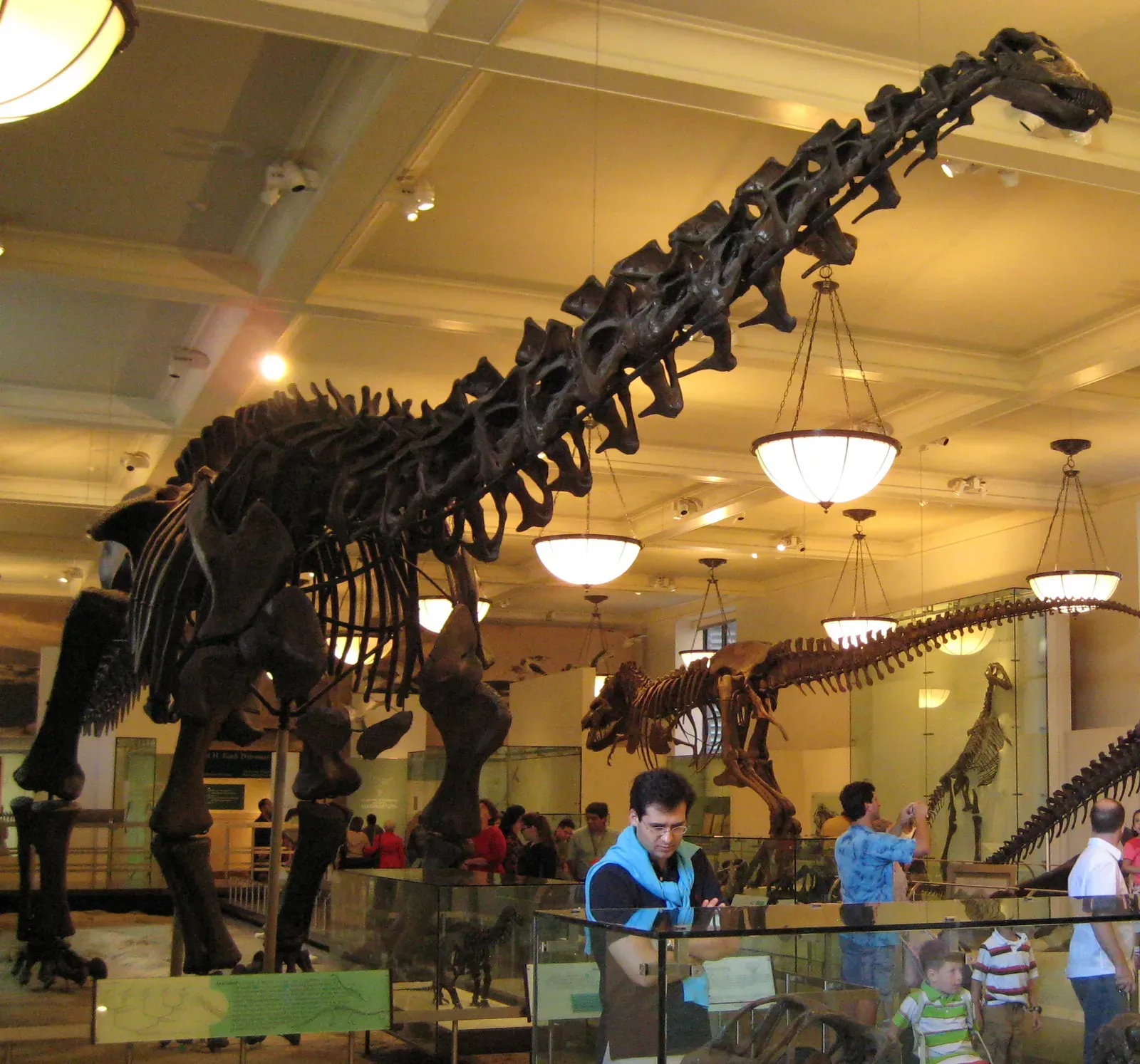
A study in 2015 unexpectedly found evidence that Brontosaurus was distinct from Apatosaurus all along, signalling the reinstated status of this iconic dinosaur. The paper focused on family Diplodocidae, and their endeavour was the largest phylogenetic analysis of sauropods performed up to that time, examining 477 individual physical features spanning 81 different individual sauropods recovered from sites across the globe. This wasn’t some small sample size. This was exhaustive work.
The research team used more specimens and more taxa, more data full stop. Until very recently, the claim that Brontosaurus was the same as Apatosaurus was completely reasonable based on the knowledge available, but it is only with numerous new findings of dinosaurs similar to Apatosaurus and Brontosaurus in recent years that it has become possible to undertake a detailed reinvestigation of how different they actually were. In other words, earlier scientists didn’t have enough fossils to work with. They made the best call they could with limited information.
What Makes Them Different
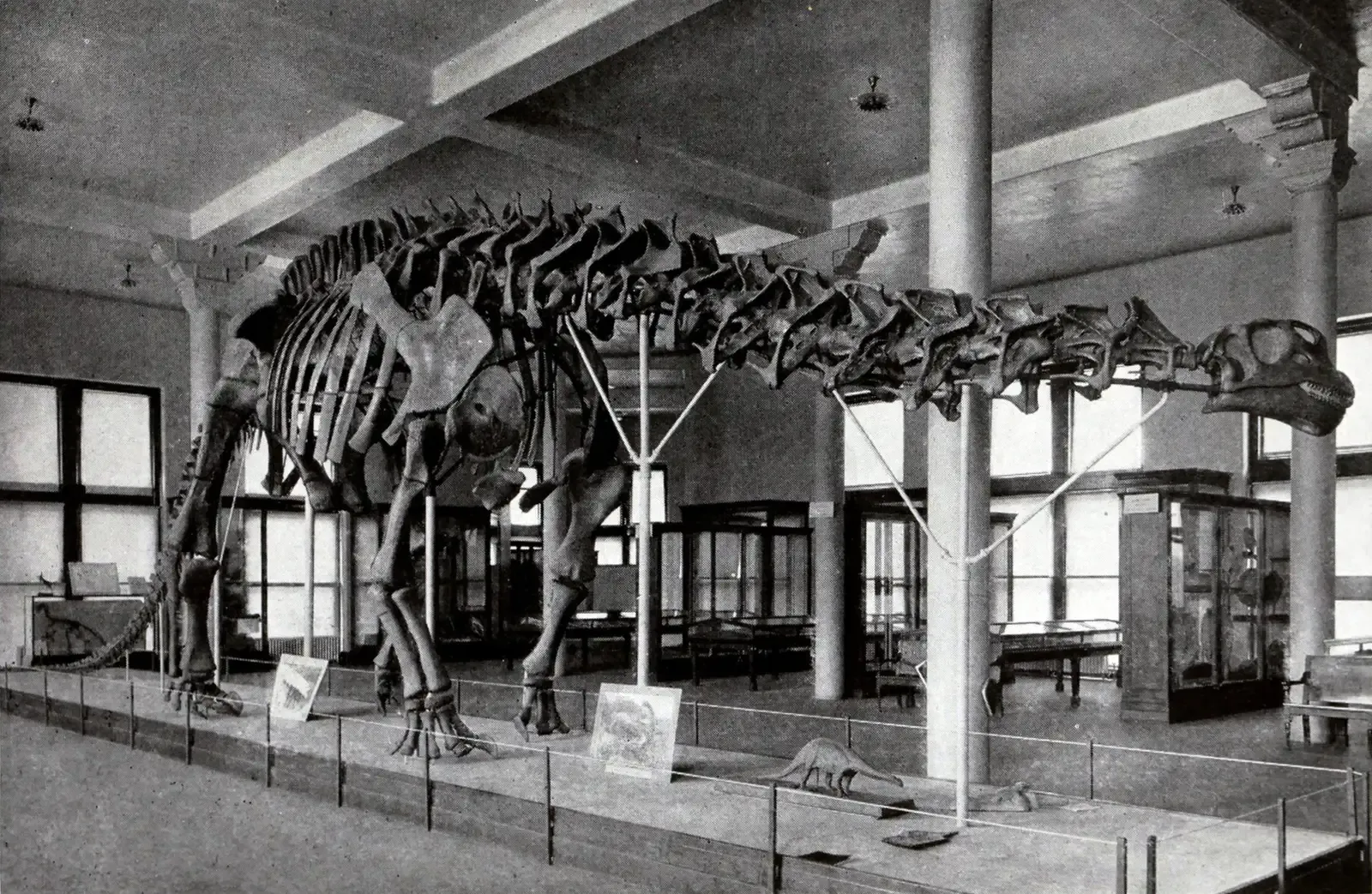
So what exactly separates these two thunder lizards? One of the main differences they found was that Apatosaurus was more massive and robust with a thicker and lower-set neck than Brontosaurus. The skeletons are very similar to each other in many ways, and other than their general proportions are mainly distinguished by detailed differences in the neck and back, and shoulder bones.
The researchers proposed that genera could be diagnosed by thirteen differing characters, and species separated based on six, with the minimum number for generic separation chosen based on the fact that other accepted species pairs differ in similar amounts. They weren’t just making up rules on the fly. They created objective standards and applied them consistently across different dinosaur groups. Some cite that there are just as many differences between Apatosaurus and Brontosaurus as there are between other closely related genera, and many more differences than there often is between species of the same genus.
Not Everyone Is Convinced
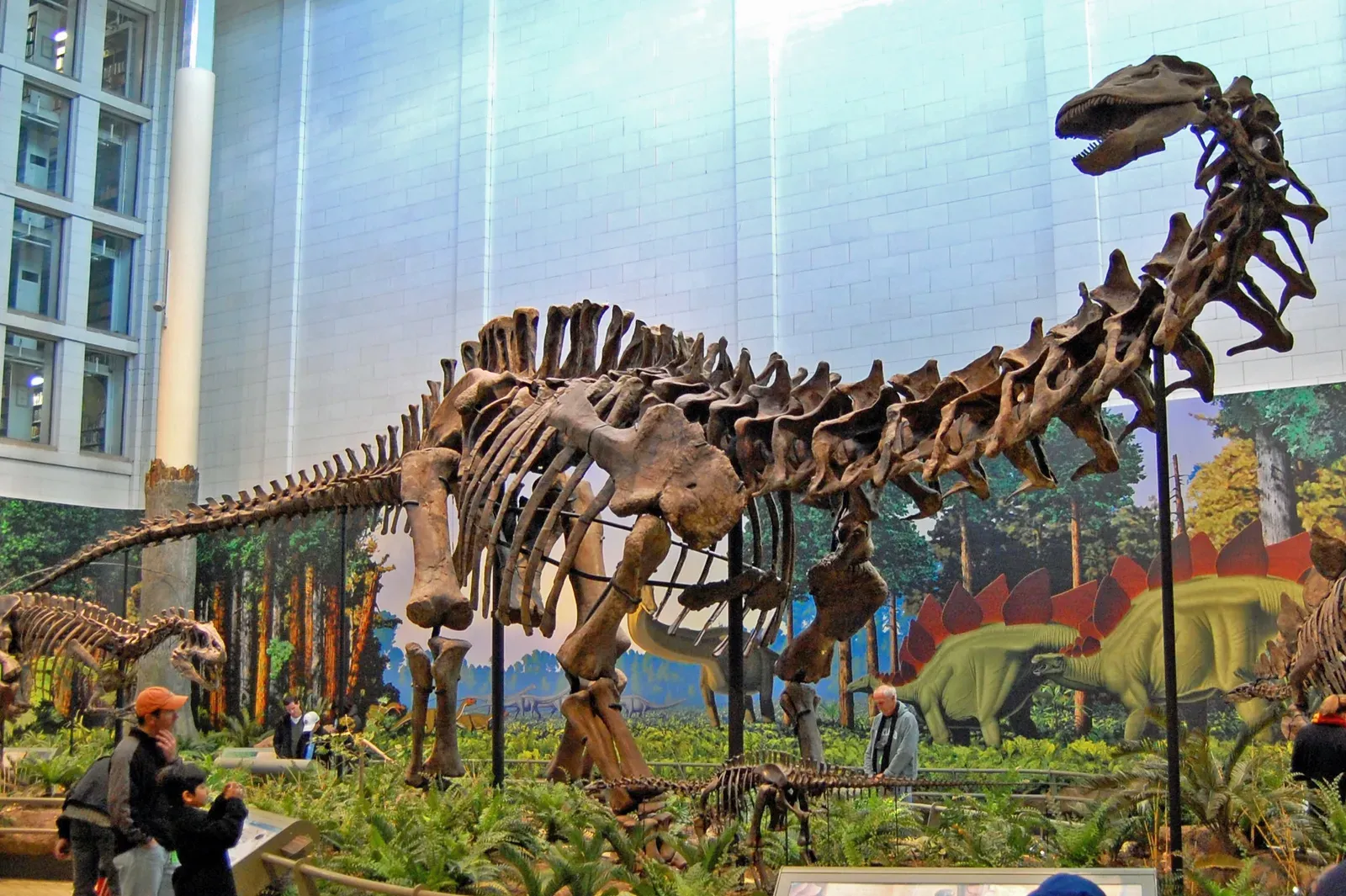
Science is rarely unanimous, especially when it involves overturning more than a century of accepted knowledge. Not all paleontologists agree with this division. There’s been concern that the fossils that Apatosaurus is based on haven’t been described in detail, and without this, comparing this dinosaur with Brontosaurus is problematic, while others argue that determining differences between the dinosaurs is subjective, suggesting that if other traits were chosen, the two dinosaurs might appear less distinct.
Not everybody accepts such proposals immediately, and there have been, and still are, researchers who don’t trust the results quite yet and continue to use the name Apatosaurus for what others call Brontosaurus. That’s fair, honestly. Major taxonomic changes take time to settle. Scientists need to scrutinize the evidence, replicate findings, and debate the methodology. That’s exactly how good science works.
What This Tells Us About Science
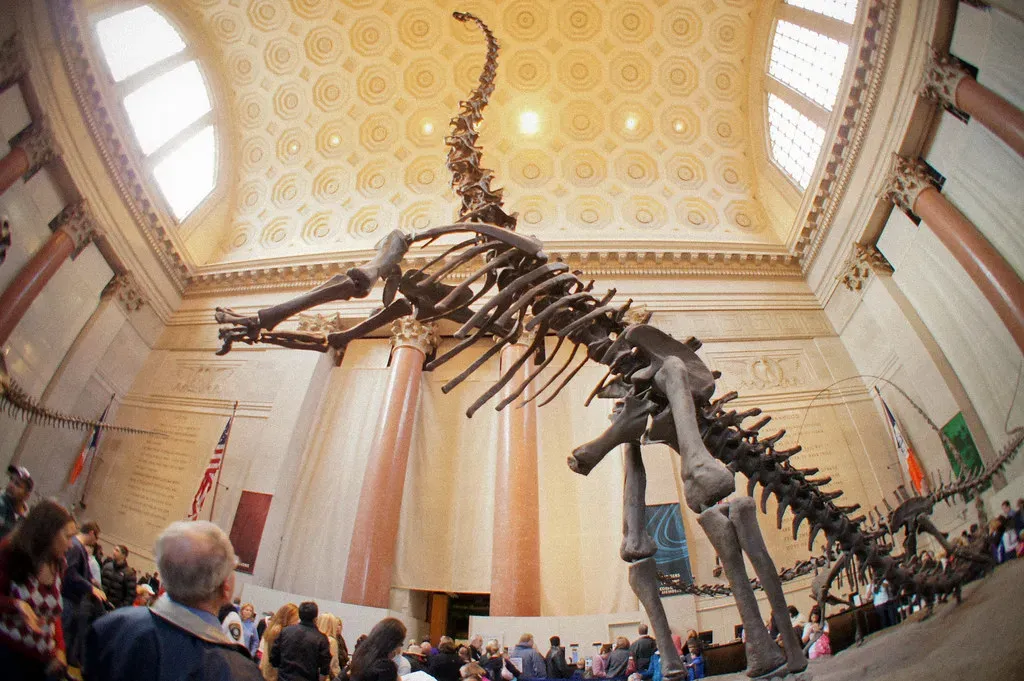
The analysis shows that even ideas that have been universally accepted for a long time can change in light of new evidence, and science has always been following the evidence and seeing where it takes you. This is what makes science beautiful, right? It’s not about clinging to old ideas because they’ve been around forever. It’s about being willing to say we were wrong when better data emerges.
The Brontosaurus story is a perfect example of how science self-corrects. Marsh made mistakes in his rush to beat Cope. Riggs corrected one mistake in 1903. Then in 2015, with vastly more data and better analytical tools, scientists realized Riggs might have overcorrected. Each generation builds on the work of the last, refining our understanding bit by bit. It’s messy, it’s slow, and sometimes it takes more than a century to get things right.
Conclusion: The Thunder Lizard Returns
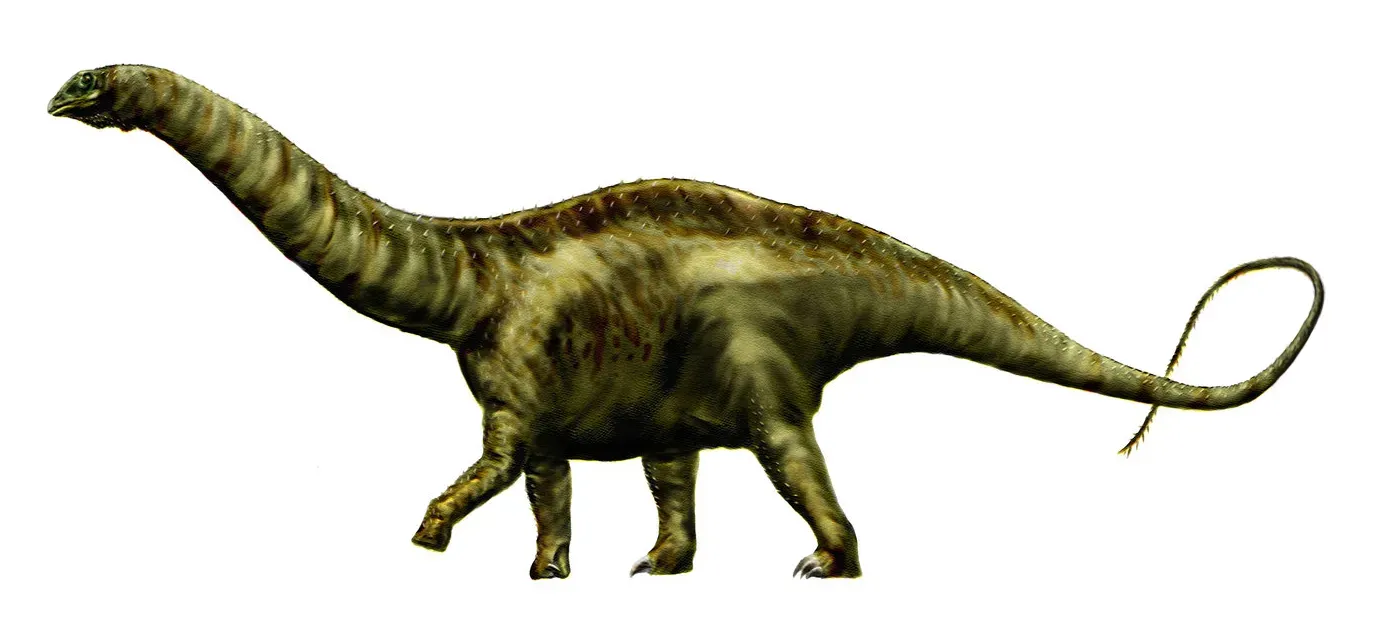
The Brontosaurus is back, and its return represents more than just nostalgia for a beloved name. While paleontologists may not all agree with the revival of the genus, those who have long loved Brontosaurus may be glad to see this iconic dinosaur be given back its official status. It’s a reminder that science isn’t static. New discoveries, better technology, and more rigorous methods can overturn what seemed like settled questions.
The journey from discovery to dismissal to resurrection took nearly 140 years. Along the way, the thunder lizard taught us about scientific rivalry, the importance of thorough analysis, and the value of revisiting old assumptions. So next time someone tells you the Brontosaurus doesn’t exist, you can smile and say actually, . What do you think about this dinosaur’s wild journey through scientific history?