Imagine the Earth as a nearly empty canvas. For billions of years, life existed as little more than microscopic specks drifting through ancient seas. No eyes. No legs. No jaws. Then, in what feels like the blink of a geological eye, everything changed. The oceans erupted with creatures so bizarre, so imaginative in form, that scientists are still arguing about what to make of them all.
This is the story of the Cambrian Explosion, arguably the most dramatic event in the entire history of life on Earth. It is a story of strange creatures, shifting oceans, oxygen, and a puzzle so profound that it troubled even Charles Darwin himself. If you think evolution is always slow and gradual, what you are about to read will challenge everything you thought you knew. Let’s dive in.
A World Before the Explosion: The Quiet Before the Storm
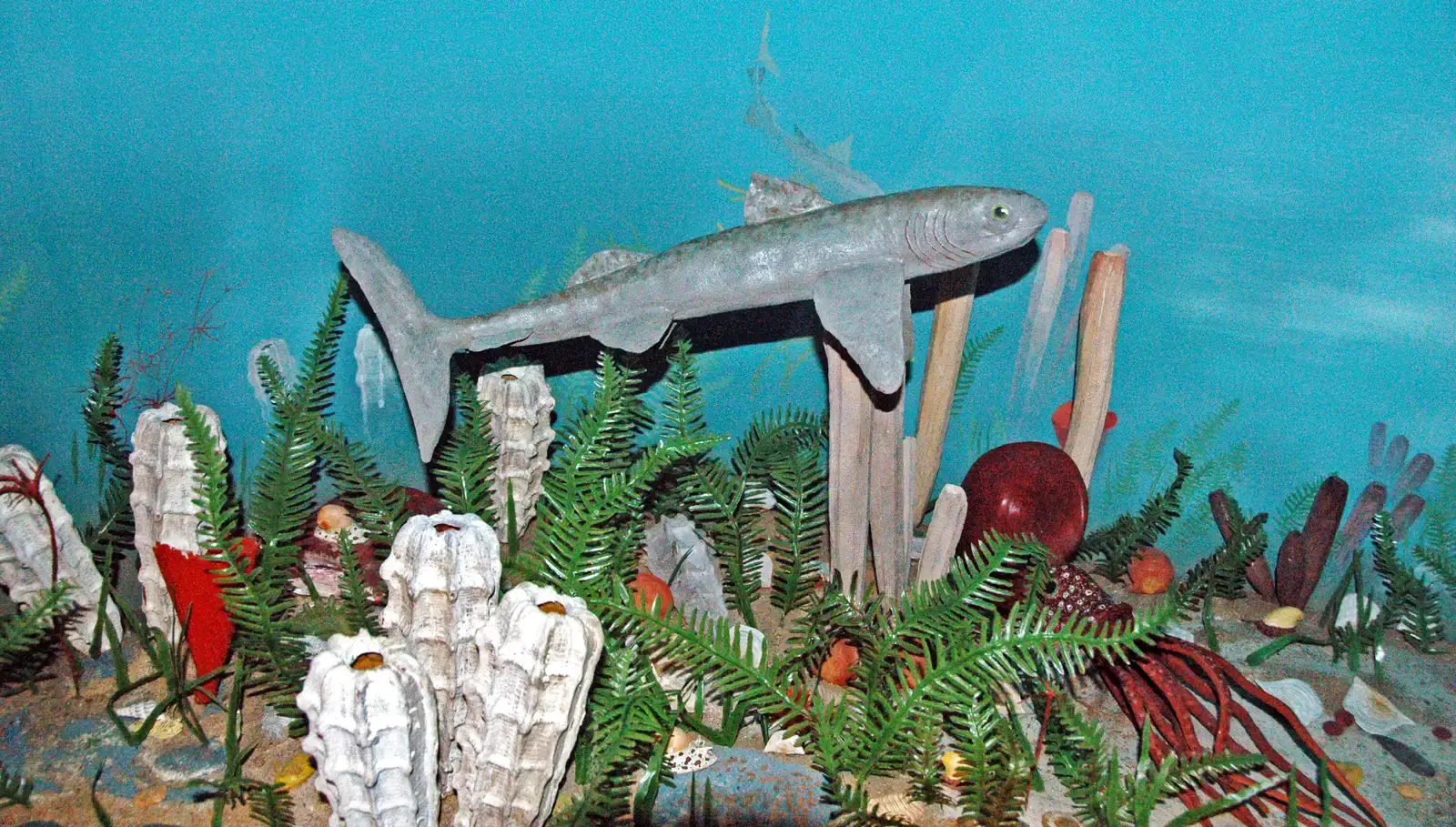
You have to picture a world almost incomprehensibly different from today. By the Early Cambrian, the bulk of the biosphere was confined to the margins of the world’s oceans, with no life found on land except possibly cyanobacteria in moist sediment. The continents were bare, rocky, and lifeless. There were no forests, no insects buzzing through the air, no creatures crawling along river banks. Just rock, wind, and ancient seas.
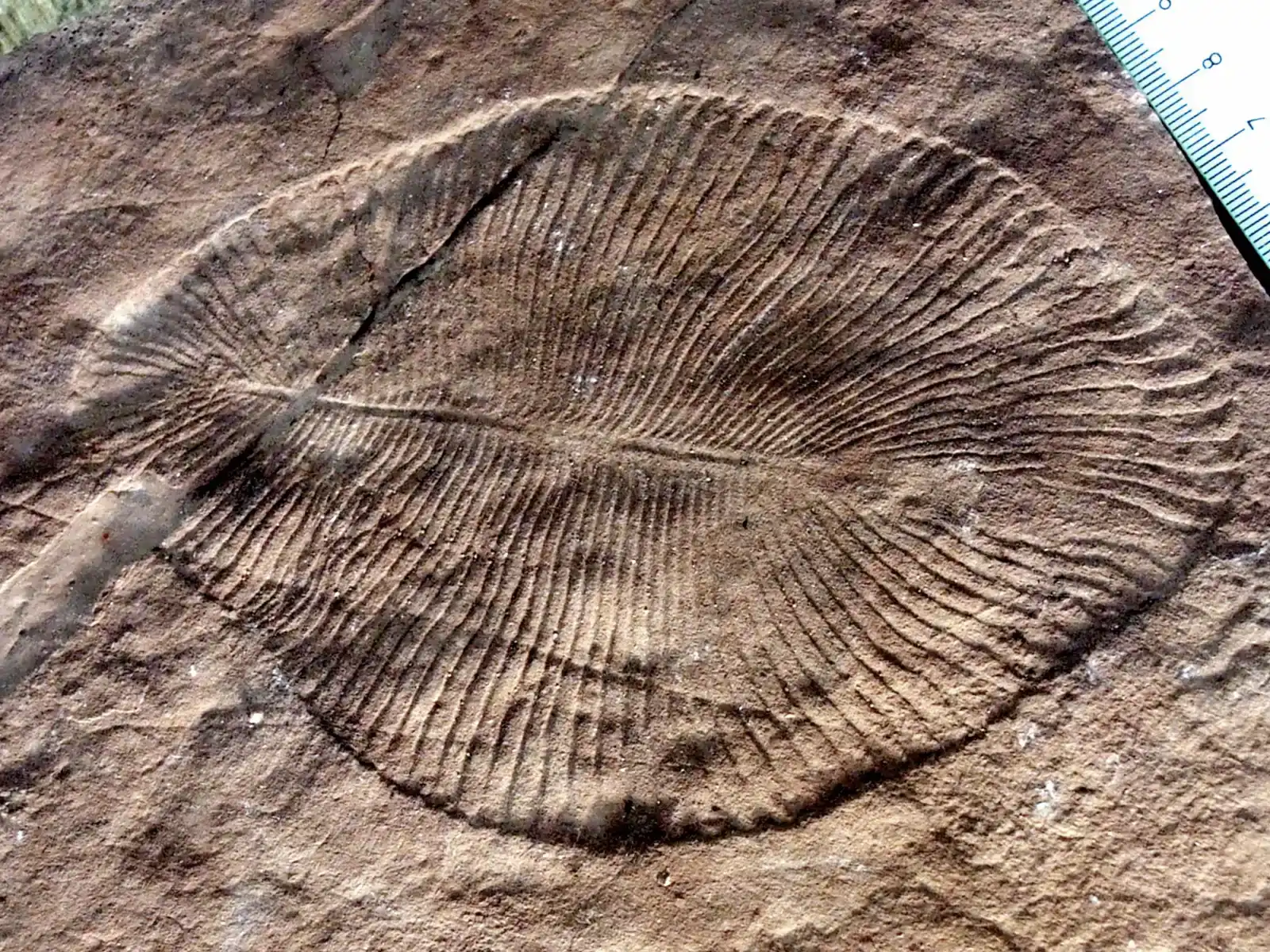
Roughly 575 million years ago, a strange group of animals known as Ediacarans lived in the oceans, and while we don’t know much about them, the group may have included ancestors of the lineages we identify from the Cambrian explosion. These organisms were soft-bodied, slow, and largely passive. Think of them as the quiet draft before the thunderstorm. Life was holding its breath, waiting for something to tip the balance.
What Was the Cambrian Explosion, Exactly?
The Cambrian explosion refers to the unparalleled emergence of organisms between 541 million and approximately 530 million years ago at the beginning of the Cambrian Period. To put that in perspective, that is roughly 10 to 20 million years out of a 4.5 billion year planetary history. In geological terms, you are talking about a fraction of a heartbeat. Here is the thing though – that short window changed absolutely everything.
Scientists have noted that we have four billion years of evolutionary history where not much shows up in the rock record, and then within 20 or 30 million years, there was a burst of new body plans. In perhaps as few as 10 million years, marine animals evolved most of the basic body forms we observe in modern groups. You can think of it like a library that sat empty for centuries and then, almost overnight, got stocked with tens of thousands of different books in every imaginable genre.
What Ignited This Biological Big Bang?
Honestly, this is where things get deliciously complicated. Scientists have been debating the causes for generations. There is no one aspect that can be held up as the cause of this period of rapid evolution, but it is best viewed more as a swirling together of factors. It’s like asking why a wildfire started – was it the dry grass, the hot wind, or the single spark? The answer, frustratingly, is probably all of them.
Around this time, massive amounts of nutrients that had eroded from continental rocks on land were washed into the oceans, providing the calcium and phosphorus needed to build skeletons and hard shells. Animals began burrowing into the sediment, aerating beneath the seafloor and stirring these nutrients up, which helped plankton take off in a big way, forming the basis of ever more complex food webs and ushering in the first major predators. It was a chain reaction of ecological invention, one species enabling another, each new arrival reshaping the rules of survival.
The Oxygen Theory: A Breath of Fresh Air
One of the most popular explanations has centered on oxygen, and recent research has genuinely refined how scientists think about this. New research provides the clearest evidence to date that a rapid burst of evolution 540 million years ago could have been caused by a small increase in oxygen in Earth’s atmosphere and shallow ocean waters. Small, you say? Surprisingly, you don’t always need a revolution to start a revolution.
While researchers found only a small increase in atmospheric oxygen at the time of the Cambrian explosion, it may not have taken much to propel the evolutionary leaps seen in the fossil record, since most animals were living in shallow water at the time, and mixing caused by wind and waves would have oxygenated these areas even as the deeper ocean remained unchanged. Researchers also found evidence that oxygen levels in the deep ocean did not approach those in modern seas until about 140 million years after the Cambrian explosion, much later than previously thought. So the ocean’s transformation was far from instant – it was more like a slow tide coming in.
The Extraordinary Creatures That Emerged
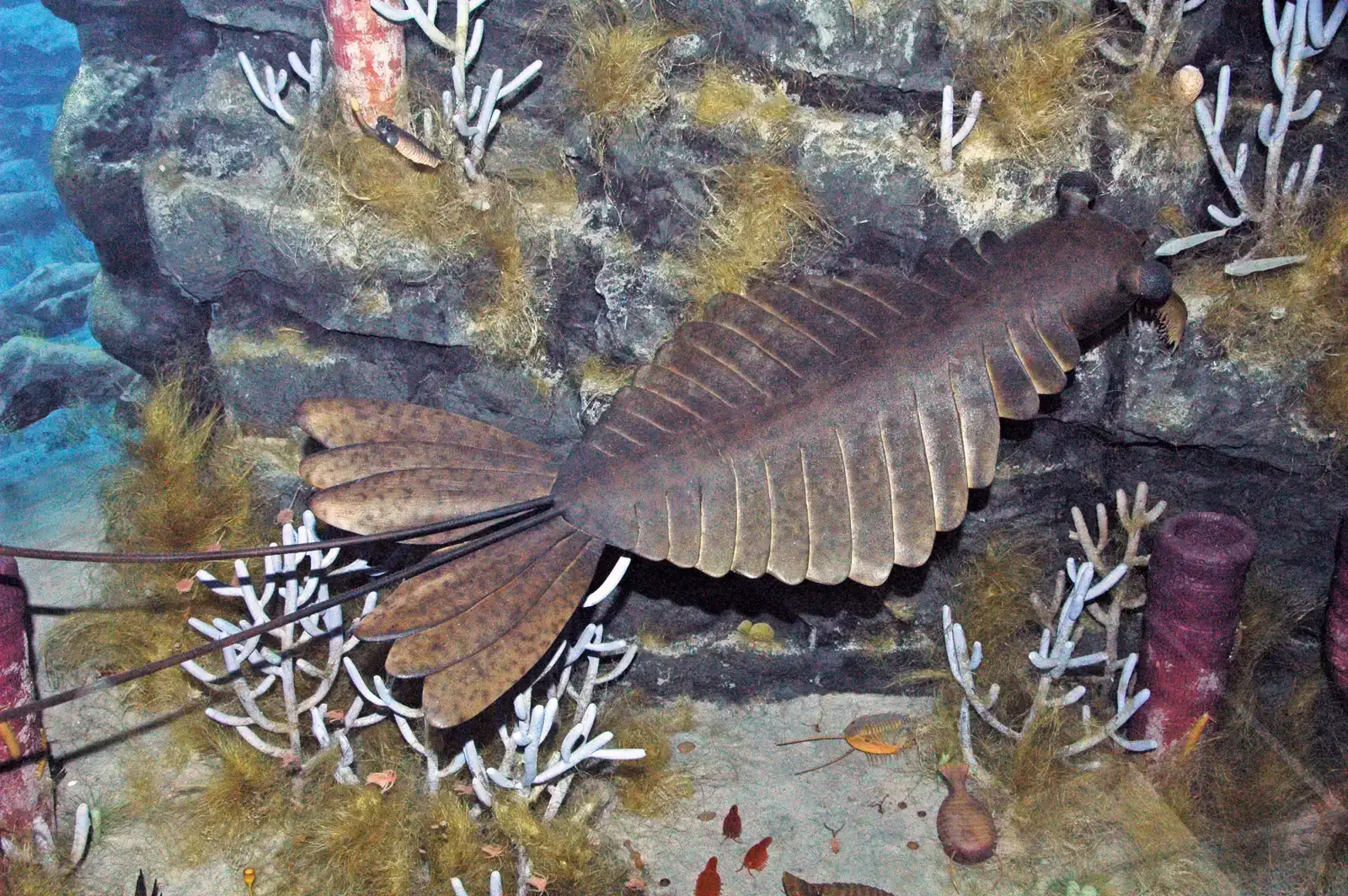
The Cambrian explosion produced arthropods with legs and compound eyes, worms with feathery gills, and swift predators that could crush prey in tooth-rimmed jaws. You’d be forgiven for thinking these sound more like sci-fi inventions than real animals. Echinoderms, mollusks, worms, chordates, and arthropods – including arthropods called trilobites, which were among the first species to exhibit a sense of vision – all developed during the Cambrian period. Vision itself was being invented. Imagine being the first creature to ever see.
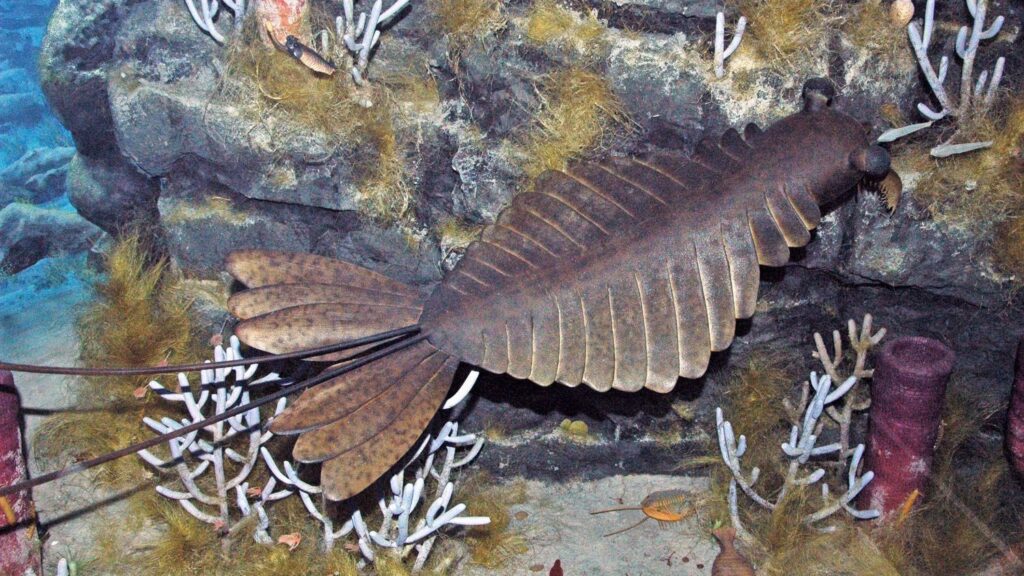
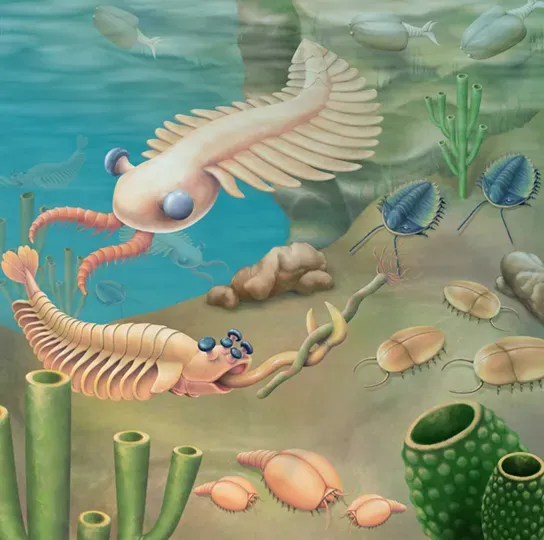
In that time, the first undoubted fossil annelids, arthropods, brachiopods, echinoderms, molluscs, onychophorans, poriferans, and priapulids showed up in rocks all over the world. Among the most fascinating was the predator Anomalocaris. Based on fossilized eyes from the Emu Bay Shale, the stalked eyes of Anomalocaris were 30 times more powerful than those of trilobites, with one specimen having over 24,000 lenses in one eye – a resolution rivalled only by the modern dragonfly. It was, in short, a killing machine with extraordinary vision, ruling Cambrian seas like a sleek armored submarine.
The Burgess Shale: Earth’s Most Extraordinary Fossil Window
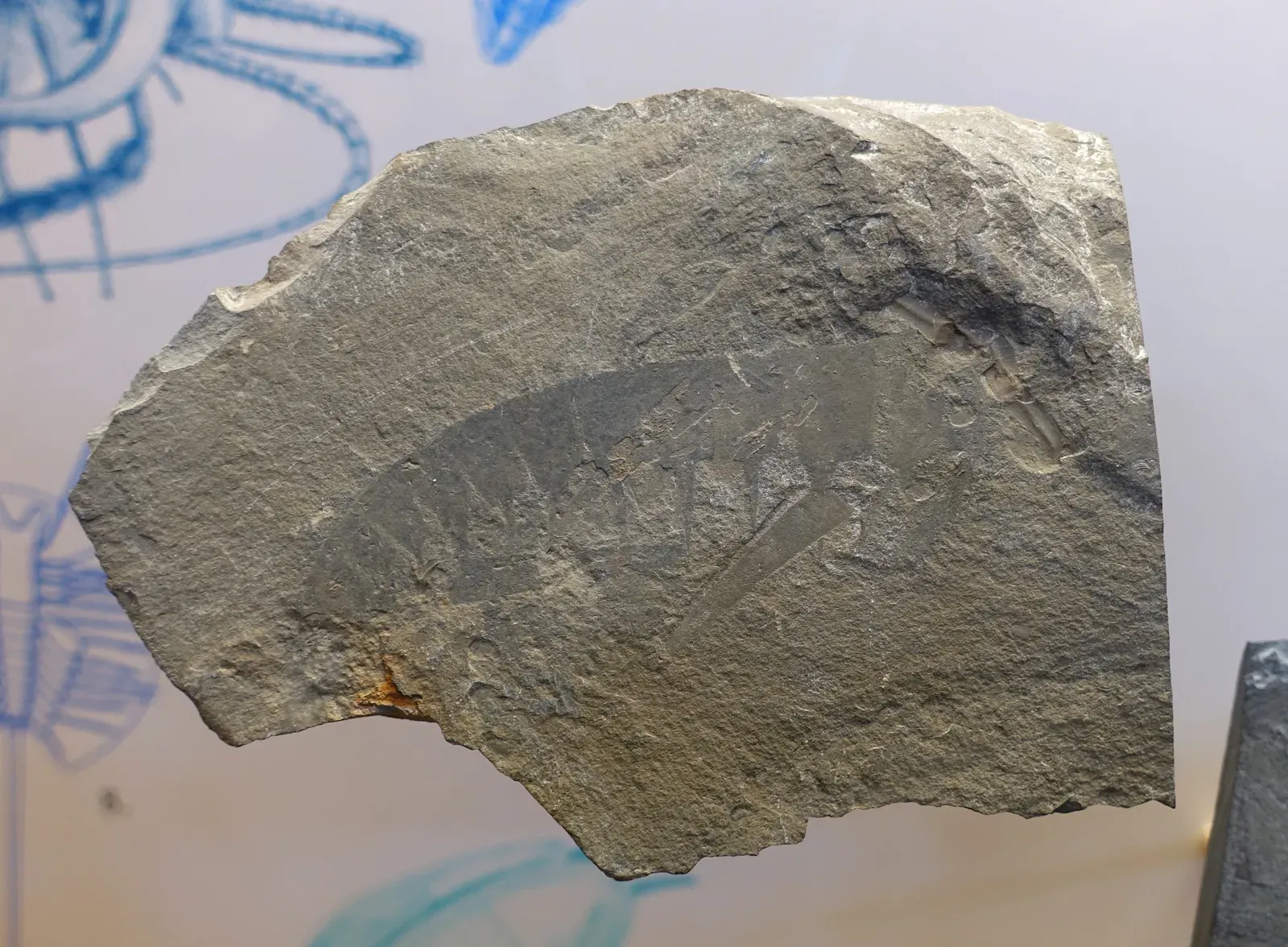
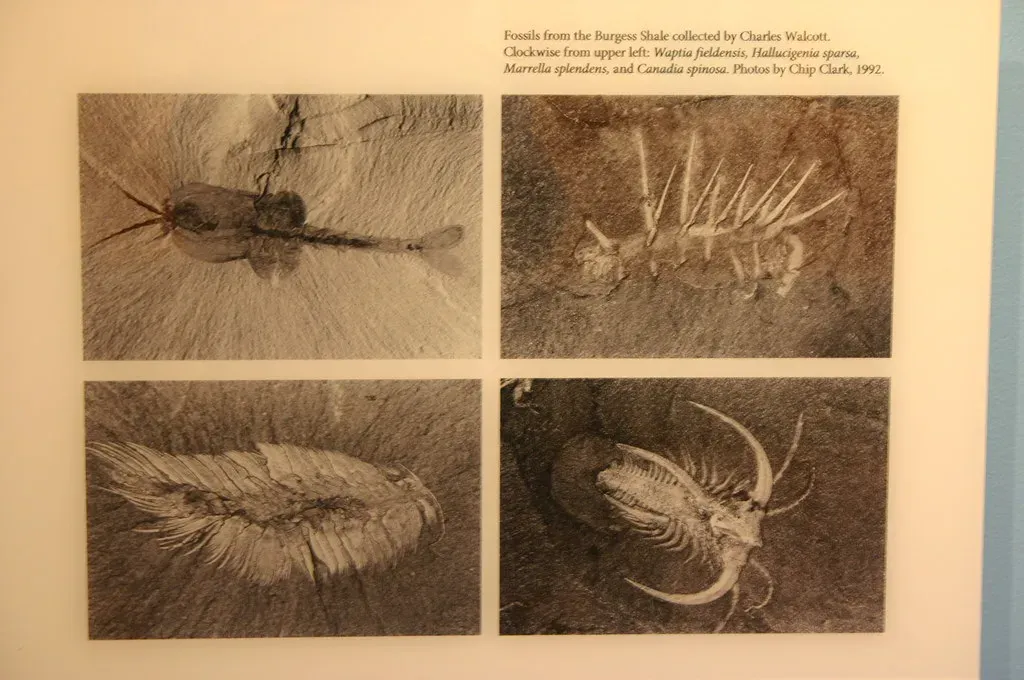
The Burgess Shale tells of the Cambrian explosion – a huge radiation of marine animal life that included sponges, soft-bodied arthropods and those with hard exoskeletons, the first chordates, worms, and trilobites, as well as strange spiked creatures such as Wiwaxia, and the large predator Anomalocaris. In 1909, the Burgess Shale was discovered by Charles D. Walcott of the Smithsonian Institution, with legend suggesting that his horse stopped in front of a rock which he then cracked open, discovering fossils. Few scientific discoveries have ever been so cinematic.
Among the creatures revealed were Opabinia, a five-eyed creature with a grasping proboscis whose presentation at a scientific conference was regarded at first as a practical joke; Hallucigenia, a marine worm that earned its name when it was originally reconstructed upside-down, appearing to ambulate on seven pairs of stiltlike spines; and Pikaia, an inch-and-a-half-long creature with a notochord, the earliest known chordate. I think about Pikaia often – that tiny, unassuming creature with a spinal rod that nobody would have bet on to succeed. Yet its lineage eventually led to fish, reptiles, mammals, and ultimately, us.
What Recent Science Is Changing About the Story
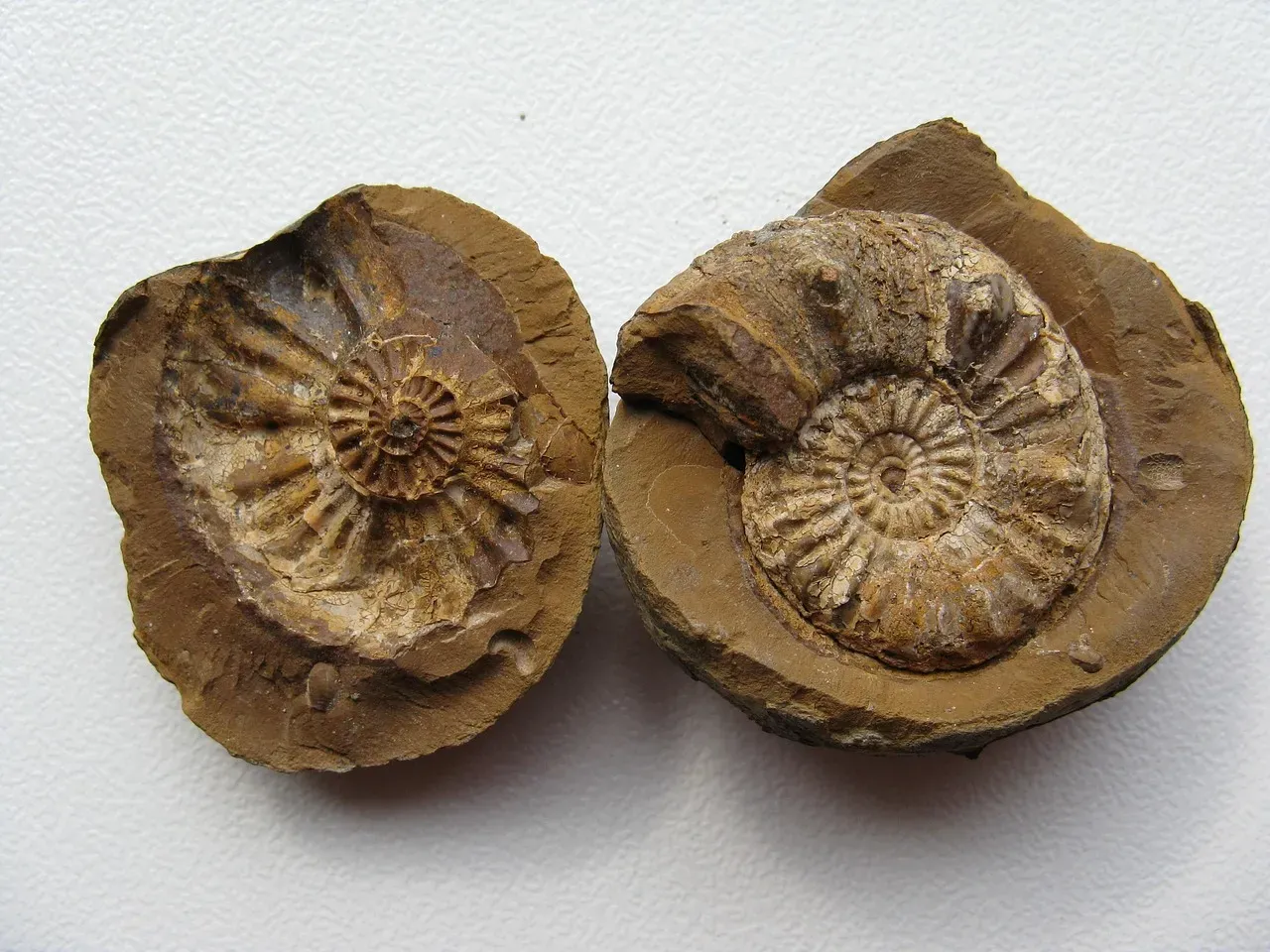
The Cambrian explosion, long hailed as one of the most significant events in the history of life on Earth, has now been brought into question, with new research suggesting that this dramatic burst of biodiversity may have actually begun millions of years earlier than previously thought. A study published in the journal Geology introduces evidence that animals with complex body structures were thriving as early as 545 million years ago, well before the traditional timeline. Every time you think the story is settled, paleontology flips the script.
Researchers analyzed trace fossils and uncovered the presence of mobile creatures exhibiting sophisticated biological features, such as segmented bodies, muscle systems, and directional movement. The traditional approach to studying the Cambrian period often focuses on organisms with hard body parts, but soft-bodied creatures left behind trace fossils – marks of their activity – that offer an unprecedented look into how these early animals moved, interacted with their environments, and evolved. More recently, paleontologists unearthed a haul dubbed the ‘Huayuan biota’ from a quarry in Hunan province, southern China, during field trips between 2021 and 2024, comprising a total of 153 different species from 16 major animal groups. The discoveries keep coming, and each one reshapes the picture just a little more.
Conclusion: The Lesson Hidden in Ancient Rock
The Cambrian Explosion is not just a chapter in a geology textbook. It is a reminder that life on Earth is far more creative, resilient, and unpredictable than we often give it credit for. In a relatively brief stretch of time, the ocean went from a place of quiet simplicity to a theater of jaw-dropping biological innovation. Eyes were born. Predators arose. The foundations of every major animal body plan you have ever encountered were laid down in those shallow ancient seas.
What makes the Cambrian Explosion so endlessly fascinating is that it defies easy explanation. The cause of the Cambrian explosion remains one of the centuries-old puzzles, and for centuries, scholars from numerous disciplines have proposed various theories based on paleontological fossils and changes in geology and climate, but no satisfactory single conclusion has been reached. It was likely oxygen, nutrients, genetics, ecology, and sheer chance all conspiring at once. A perfect storm of conditions that the Earth, in four and a half billion years, has only ever managed to produce once.
If you had been drifting through those ancient oceans half a billion years ago, nothing around you would have looked familiar – yet every creature you have ever known ultimately traces its roots back to that moment. Does it change the way you think about the life around you today?