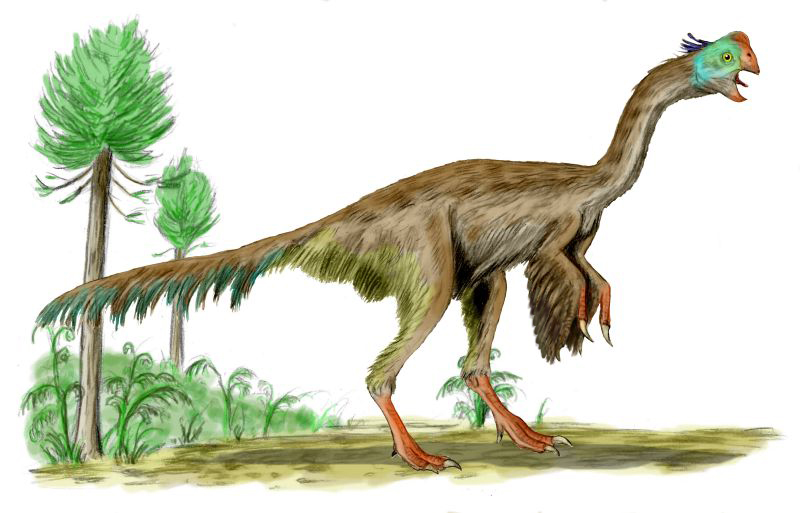
Picture a creature standing ten feet tall with razor-sharp claws, a menacing crest, and feathers cascading down its powerful frame like some prehistoric demon bird. Now imagine paleontologists calling it the “Chicken From Hell” with straight faces. Welcome to one of the most fascinating dinosaur discoveries of recent decades, where scientific rigor meets sensational headlines, and the truth proves far more intriguing than fiction.
The creature known officially as Anzu wyliei earned its hellish nickname from its discovery in the Hell Creek Formation and its bird-like yet intimidating appearance. Yet behind the catchy moniker lies groundbreaking science that has revolutionized our understanding of one of the most mysterious dinosaur groups. So let’s dive into whether this legendary beast lives up to its fearsome reputation or if the hype overshadows the science.
The Discovery That Changed Everything
Two partial skeletons of this remarkable dinosaur were first discovered by private collectors in South Dakota during the late 1990s, with a third partial skeleton later recovered by a team led by Tyler Lyson in North Dakota. The true significance of these finds only became apparent in 2005 when researchers at a scientific meeting realized they had fossils of the same new species.
Anzu was recognized as a significant paleontological discovery that represented an unprecedented find of scientific worth. The fossils represented something paleontologists had been searching for nearly a century.
Solving a Century-Old Mystery
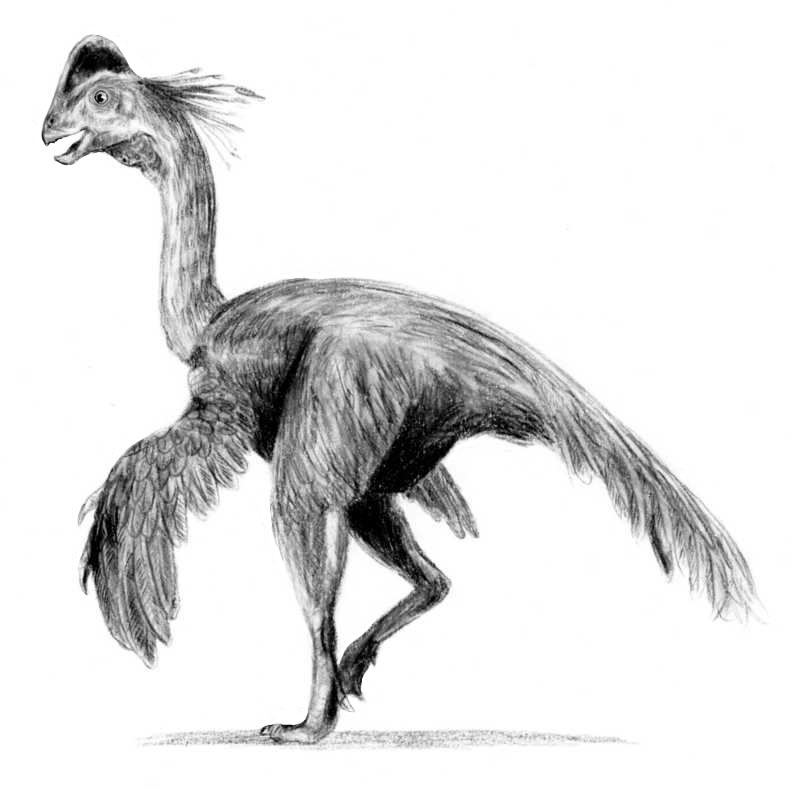
For almost a hundred years, the presence of oviraptorosaurs in North America was only known from a few bits of skeleton, and the details of their appearance and biology remained a mystery. The first evidence of this dinosaur group was discovered almost 100 years ago when paleontologist Charles Whitney Gilmore described Chirostenotes pergracilis from fossil hands found in Alberta, Canada, followed later by Caenagnathus collinsi based on a peculiar lower jaw.
With the discovery of Anzu wyliei, scientists finally had the fossil evidence to show what this species looked like and how it relates to other dinosaurs. These four fossils found at Hell Creek together make up a fairly complete skeleton, comprising about 75 to 80 percent of the whole skeleton.
Physical Reality Behind the Fearsome Name
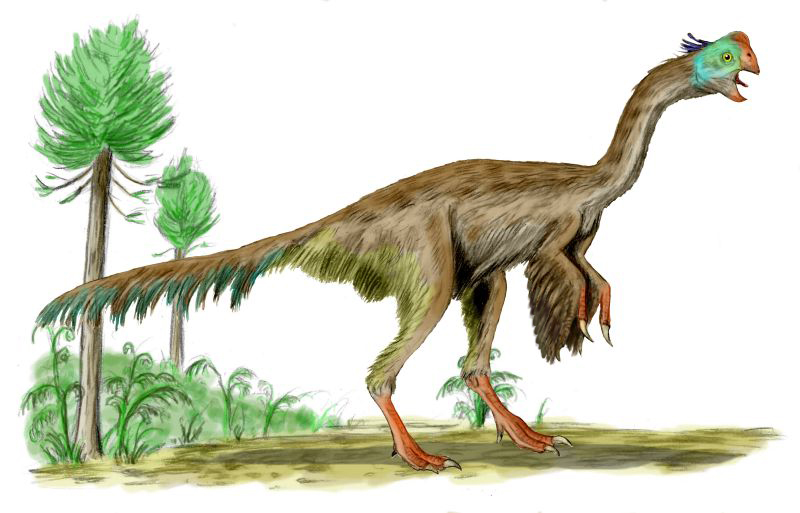
Anzu wyliei measured about 11 feet long, up to 5 feet tall at the hips, and weighed between 440 to 660 pounds, making it among the largest North American oviraptorosaurs. It had a relatively short tail, long spindly legs with three-toed feet, and long arms featuring sharp, hooked claws that may have been used to catch prey or for protection.
With its toothless beak, long legs, huge feet, and claw-tipped arms, Anzu wyliei looked like a devilish version of the modern cassowary, a large ground bird found in Australia. There was a high crescent-like crest on the skull formed by the upper branches of the praemaxillae, similar to the Australian cassowary’s crest which is thought to be used to attract mates.
The Feather Evidence Question
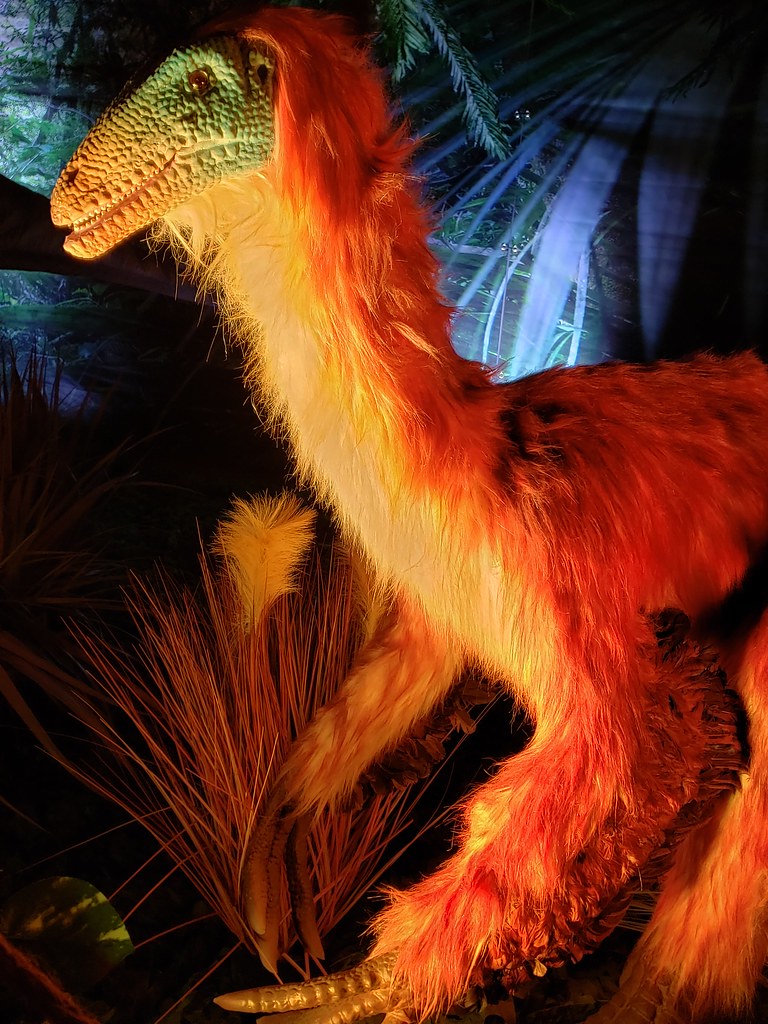
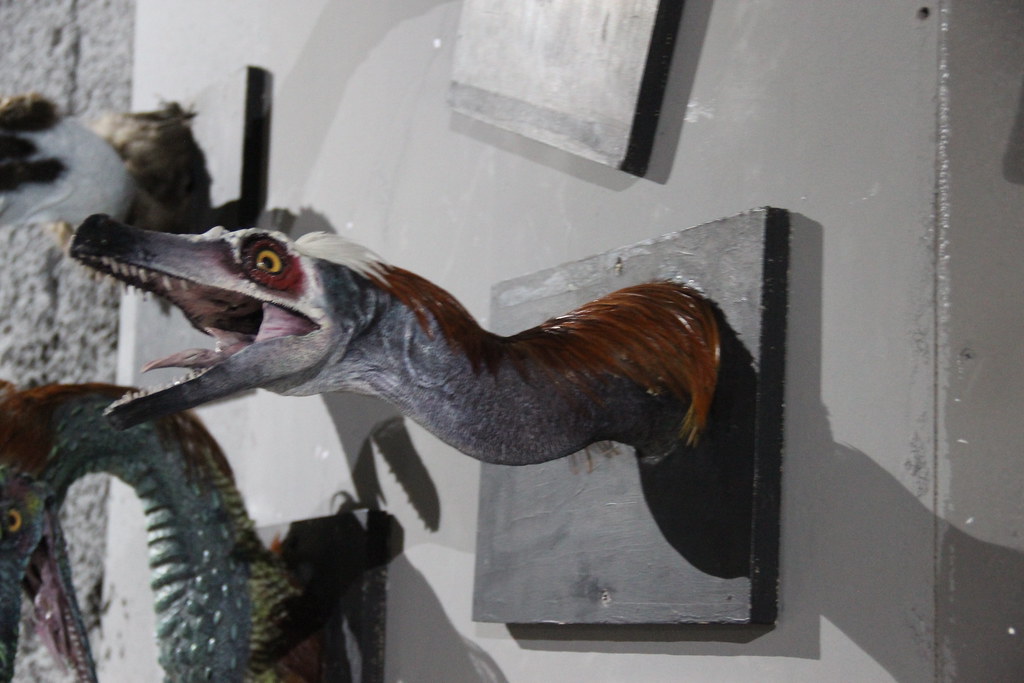
The new fossils were not found with feathers, but the dinosaur’s close relatives had them, and it’s highly likely Anzu wyliei did too. Four species of primitive oviraptorosaurs have been found with impressions of well-developed feathers, most notably on the wings and tail, suggesting they functioned at least partially for display.
Direct fossil and inferred evidence indicates these dinosaurs were covered in complex feathers, much like modern birds. Fossils of Similicaudipteryx, an early oviraptor, reveal feathers radiating from fused bones at the tail tip, and these tail feathers evolved as a means of waving its feathered tail fans.
Diet Debates and Scientific Uncertainty
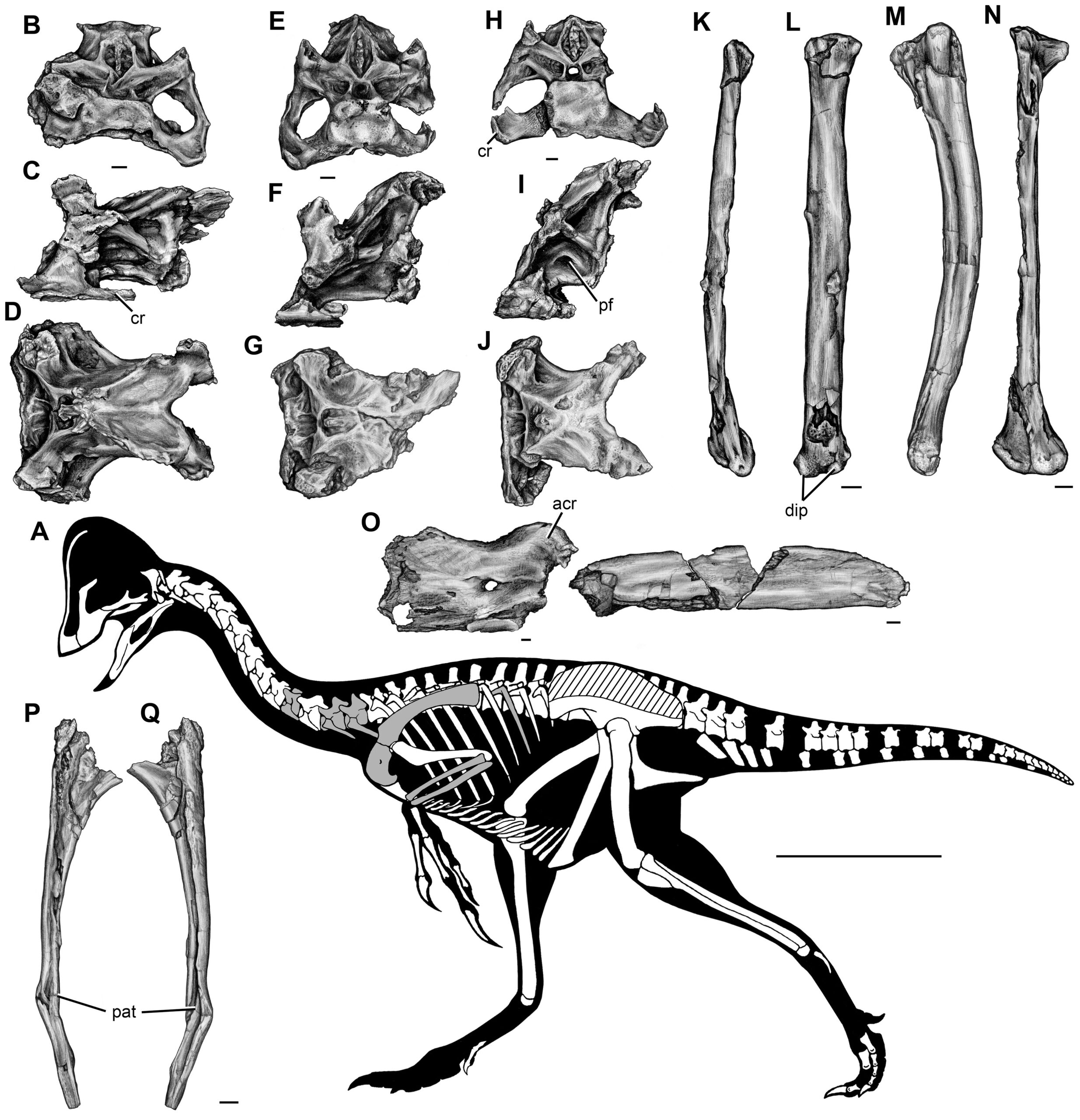
Due to the shape of its toothless jaws, it remains unknown if Anzu was a carnivore like most other theropod dinosaurs, or if it was a plant eater. Physical features on the North American skeletons indicate Anzu dined on a variety of items from the Cretaceous smorgasbord, including vegetation, small animals, and possibly eggs, with small prongs of bone found on the skulls’ palates that may have helped the dinosaurs swallow eggs.
Anzu was probably an omnivore or herbivore, although the beak is not as heavily constructed as in the Asian Oviraptoridae. Such flexibility in diet likely explains why Anzu wyliei and oviraptorosaurs overall were so diverse and successful in their time, making it the Swiss Army knife of the Cretaceous.
Geographic and Environmental Context
The fossils of Anzu wyliei were found in mudstone rock that had once been part of ancient floodplains, indicating that the species likely had a lifestyle significantly different from its Asian counterparts, which lived in arid or semi-arid conditions. Studies suggest that caenagnathids favored humid floodplain habitats, while other types of oviraptorosaurs thrived in dry conditions.
It had been expected that oviraptorosaurs would be found in North America as well as in Asia, as the two continents had a land connection during the Cretaceous, but the discovery of Anzu wyliei indicates that North American oviraptorosaurs were related more closely to each other than to their counterparts in Asia. This discovery revealed an entirely separate evolutionary branch that had been thriving in isolation.
Evidence of a Tough Life
Two of the Anzu specimens show clear evidence of injuries, with one specimen having a broken and healed rib, while the other has an arthritic toe bone, though the causes of these injuries remain a mystery. These animals were clearly able to survive quite a bit of trauma, as two of the specimens show signs of semi-healed damage, though whether these injuries were the result of combat between individuals or an attack by a larger predator remains unknown.
Those injuries are nothing compared with Anzu wyliei’s likely efforts dodging the so-called King of the Dinosaurs, as it probably spent a lot of its life on the lookout for T. rex. Living alongside Tyrannosaurus rex in the final days of the dinosaurs required constant vigilance.
Scientific Validation and Recognition
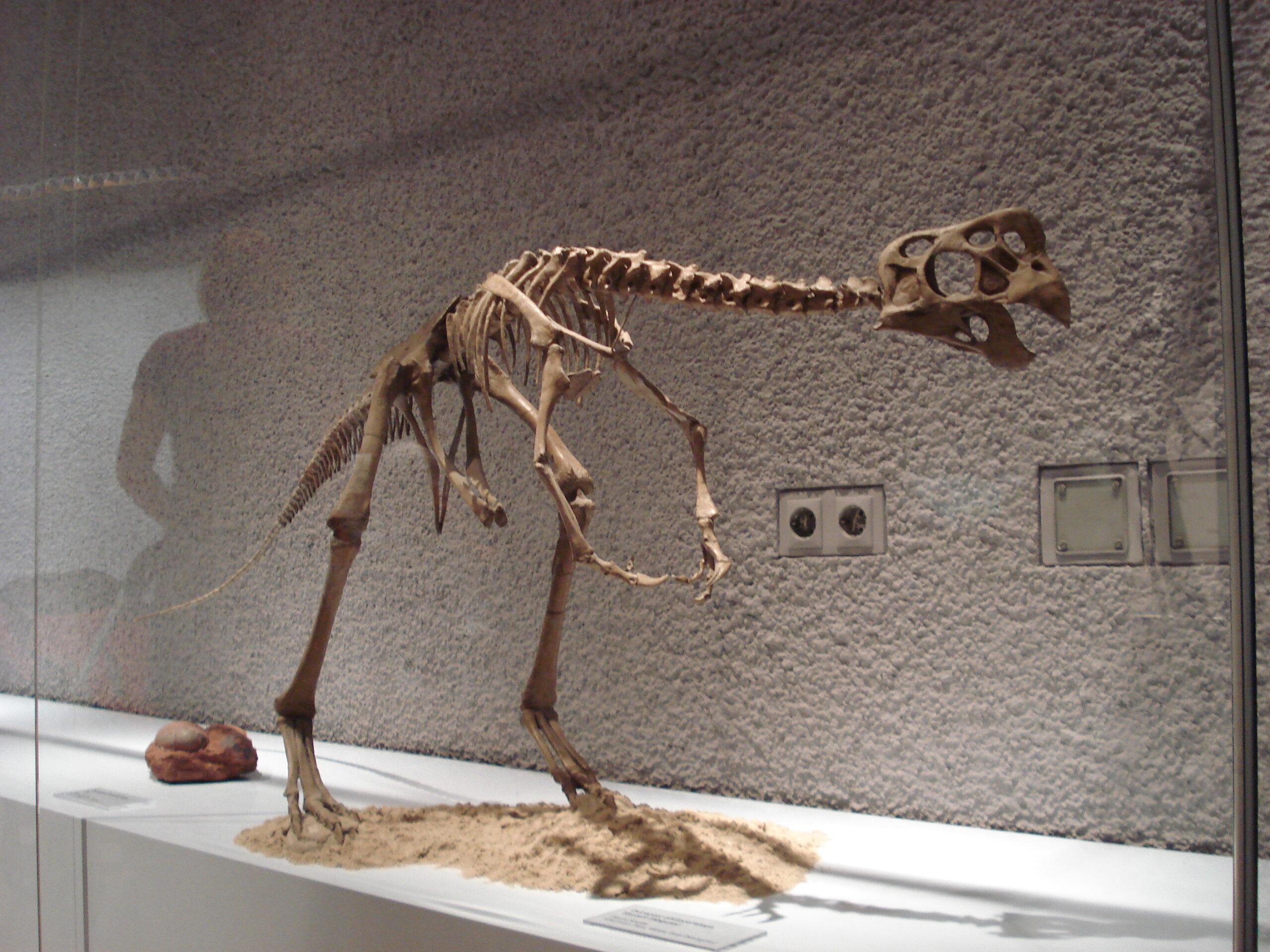
Carnegie Museum of Natural History’s two skeletons of Anzu are the most complete oviraptorosaur specimens yet found in the Western Hemisphere, with museum scientists and their collaborators continuing to study the dinosaur’s bones to gain a better understanding of the species. The researchers published their findings in the journal PLOS ONE, marking the culmination of nearly a decade of collaborative research.
Recently, the discovery of another related species, Eoneophron infernalis, translated as “Pharaoh’s dawn chicken from hell,” from the same Hell Creek Formation shows that both are long-limbed, toothless, beaked oviraptorosaurs from the Caenagnathidae family, though they are separate species. This finding further validates the scientific importance of the original Anzu discovery.
Conclusion
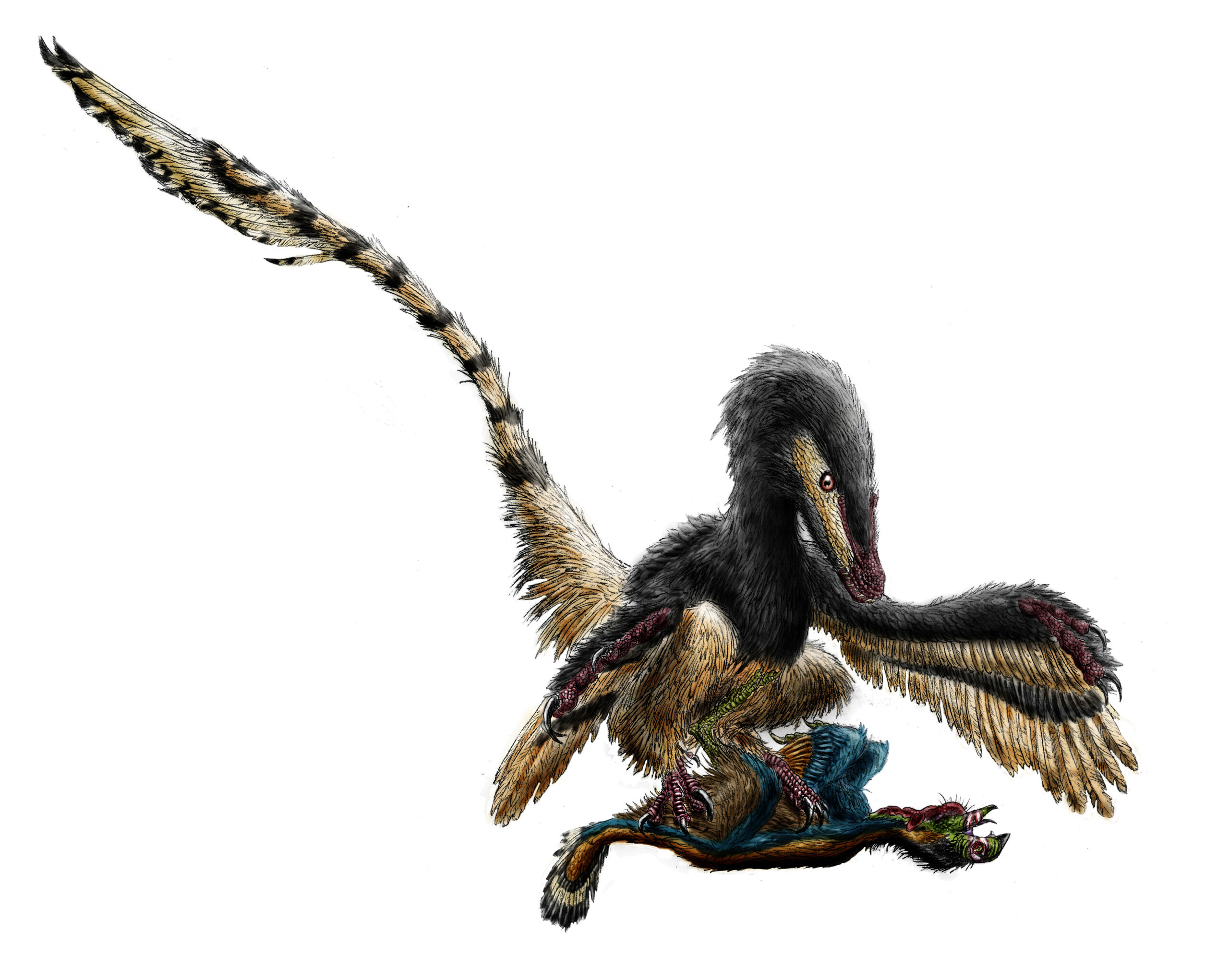
The “Chicken From Hell” represents far more than sensational headlines and catchy nicknames. Anzu provides a really nice link in the evolutionary chain between traditional dinosaurs like T. rex and modern birds like sparrows, having a mosaic of features from both groups. The discovery filled a massive gap in our understanding of dinosaur evolution and proved that North American oviraptorosaurs developed along their own unique evolutionary path.
Though the feathered evidence remains inferential rather than direct, the scientific consensus strongly supports Anzu as a complex, intelligent creature that survived in one of Earth’s most dangerous ecosystems. The real Anzu wyliei lives up to its hellish reputation not through Hollywood monster theatrics, but through the remarkable story of survival, adaptation, and evolutionary innovation it represents. What do you think about this fascinating blend of scientific discovery and popular imagination? Tell us in the comments.