Imagine standing next to a creature whose neck alone stretches longer than a school bus. Now imagine that creature is standing on solid ground, breathing, and eating. That scenario played out millions of times across the Mesozoic Era, and honestly, it still feels almost impossible to wrap your head around. Sauropods were not just large. They were the largest land animals that have ever existed, and their very existence forces us to completely rethink what biology is capable of achieving.
What makes the story even more fascinating is that their colossal size was not a cosmic accident. Every bone, every breath, every bite of food was shaped by a staggering set of evolutionary innovations that worked in concert. You are about to discover the actual engineering behind these titans, and some of it will genuinely surprise you. Let’s dive in.
Creatures That Defied Every Natural Law
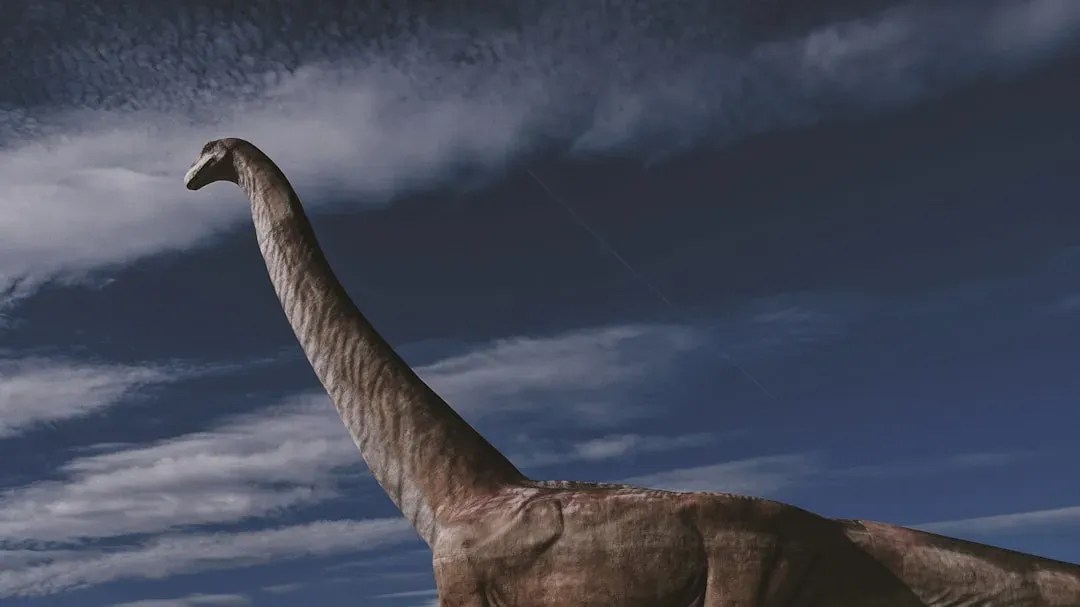
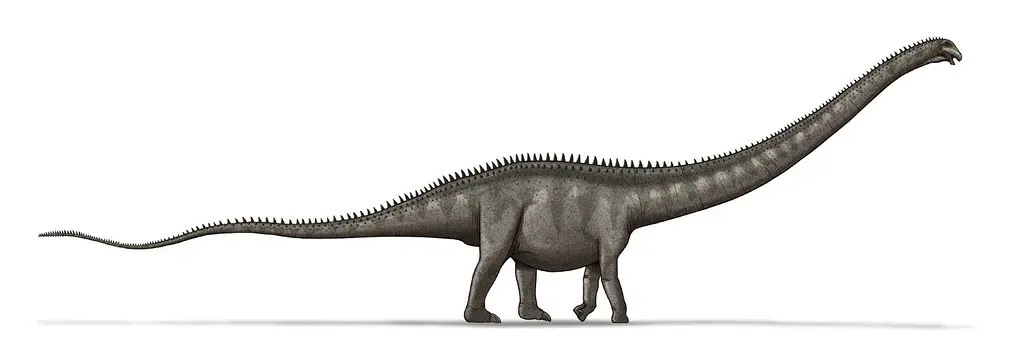
The herbivorous sauropod dinosaurs of the Jurassic and Cretaceous periods were the largest terrestrial animals ever, surpassing the largest herbivorous mammals by an order of magnitude in body mass. Think about that for a second. Not a little bigger. Not somewhat heavier. An entire order of magnitude. That is not a gap between cousins; that is a gap between worlds.
Several evolutionary lineages among sauropods produced giants with body masses in excess of 50 metric tonnes by conservative estimates. To put that in perspective, you would need roughly ten fully grown African elephants standing together to match the weight of a single large sauropod. Sauropods, those huge plant-eating dinosaurs, possessed bodies that seem to defy every natural law. Yet they walked, they breathed, they reproduced, and they thrived for millions of years.
The Skeleton That Could Not Be Solid
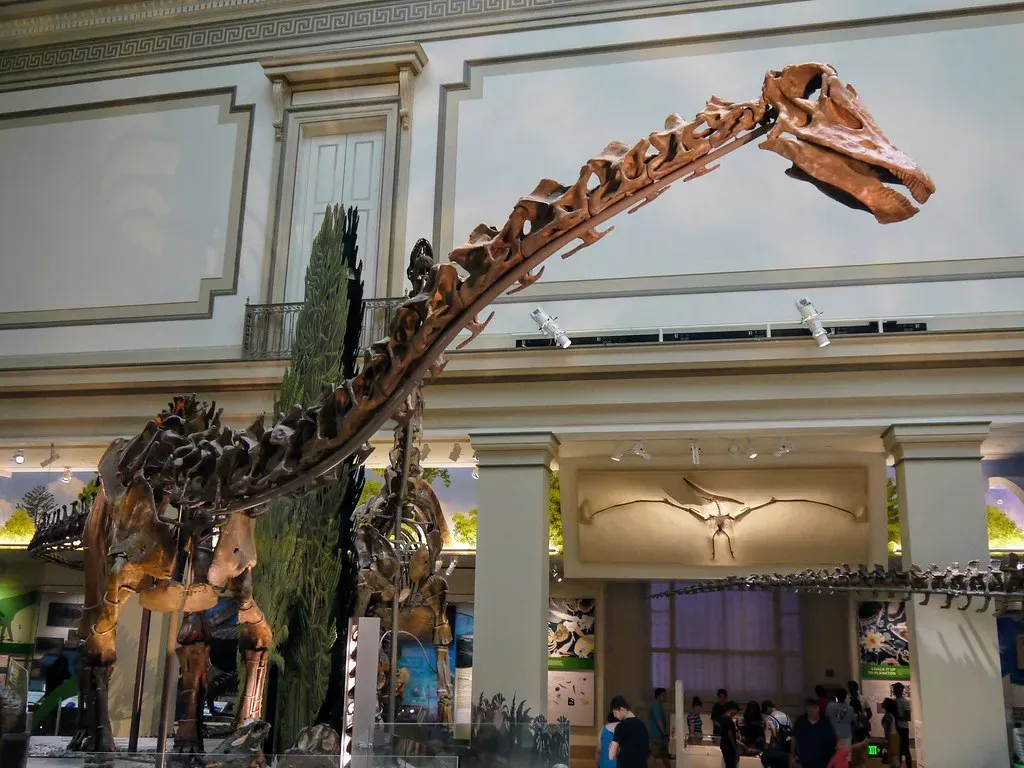
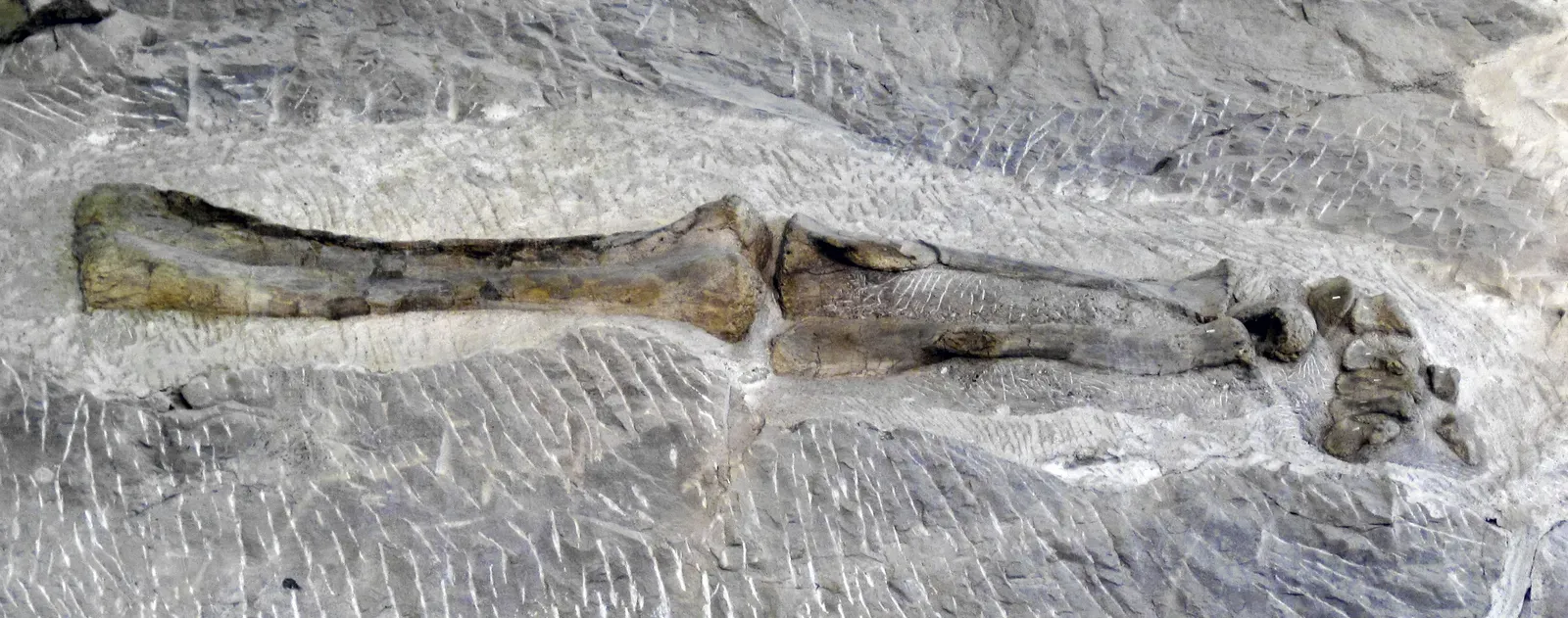
A sauropod’s skeleton was not just a scaled-up version of a smaller animal’s; it was a masterpiece of biological engineering. Their leg bones were thick and pillar-like, positioned directly under the body to support weight efficiently, much like the columns of a temple. This architectural precision is something even modern engineers find impressive. The weight had to go somewhere, and nature found a way to distribute it brilliantly.
Pneumatic, hollow bones are a characteristic feature of all sauropods. These air spaces reduced the overall weight of the massive necks that the sauropods had. Along with other saurischian dinosaurs, sauropods had a system of air sacs, evidenced by indentations and hollow cavities in most of their vertebrae. By evolving vertebrae consisting of roughly sixty percent air, the sauropods were able to minimize the amount of dense, heavy bone without sacrificing the ability to take sufficiently large breaths to fuel the entire body with oxygen. That is extraordinary precision engineering buried inside ancient bone.
How Air Sacs Unlocked a New Scale of Existence
The extensive pneumatization of the axial skeleton resulted from the evolution of an avian-style respiratory system, presumably at the base of Saurischia. An avian-style respiratory system would also have lowered the cost of breathing, reduced specific gravity, and may have been important in removing excess body heat. You are essentially looking at the same respiratory blueprint that allows modern birds to breathe at altitude, but here it was being used to engineer something the size of a building.
Furthermore, indentations and pockets in sauropod neck bones show that these dinosaurs had a bird-like air sac system – soft tissues that eliminated some of the mechanical and physiological problems of breathing with an extra-long neck. Sauropods undoubtedly breathed through their trachea like other vertebrates, and this structure faces certain physical constraints. Birds are able to eliminate tracheal dead space by virtue of their air sacs, and so it is likely that the same held true for sauropods. Without this trick, breathing through a neck that long would have been physically impossible.
The Ingenious Lightweight Vertebrae
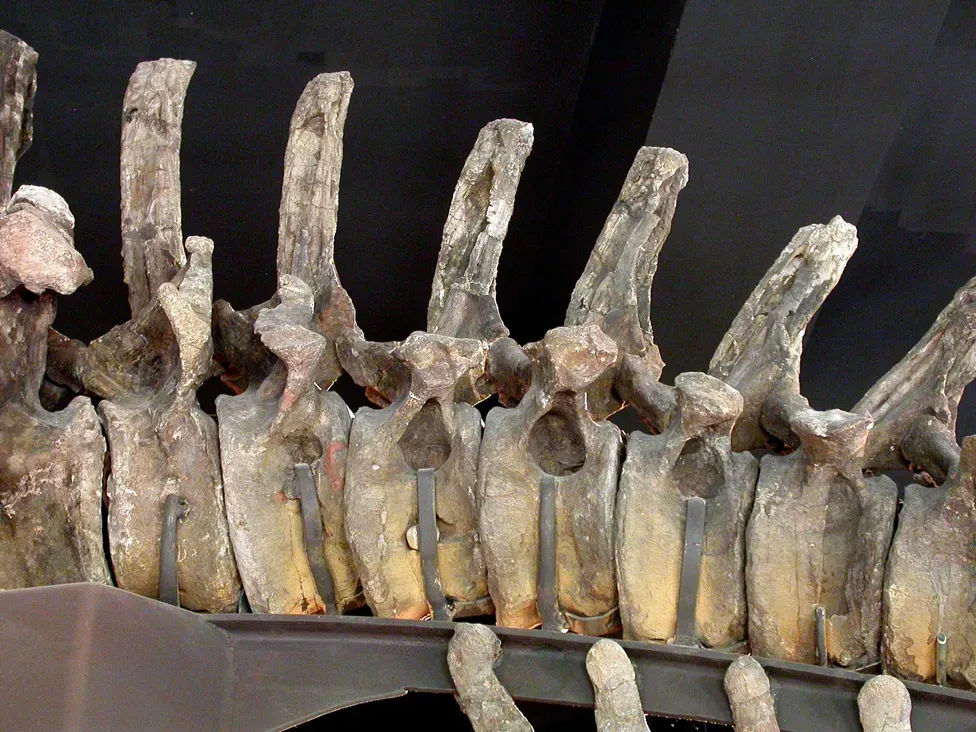
CT sections allow a quantification of the amount of pneumatic weight reduction in the vertebra, which in an adult neosauropod is around fifty to sixty percent, but could range up to seventy-nine percent in the largest neosauropods like Sauroposeidon. Nearly four fifths of the bone weight, gone. Replaced by air. That is not evolution being lazy; that is evolution being brilliant.
Due to the weight reduction achieved by these pneumatic diverticula, the neck of Brachiosaurus was up to twenty-five percent lighter than it would have been without pneumatic structures. Cervical pneumaticity was therefore an important prerequisite for neck enlargement in sauropods. Vertebral pneumaticity in other parts of the body likely played a similar role in enabling gigantism. Here’s the thing: without this weight reduction, the longest necks on Earth simply could not have existed.
The Long Neck Was a Feeding Superweapon
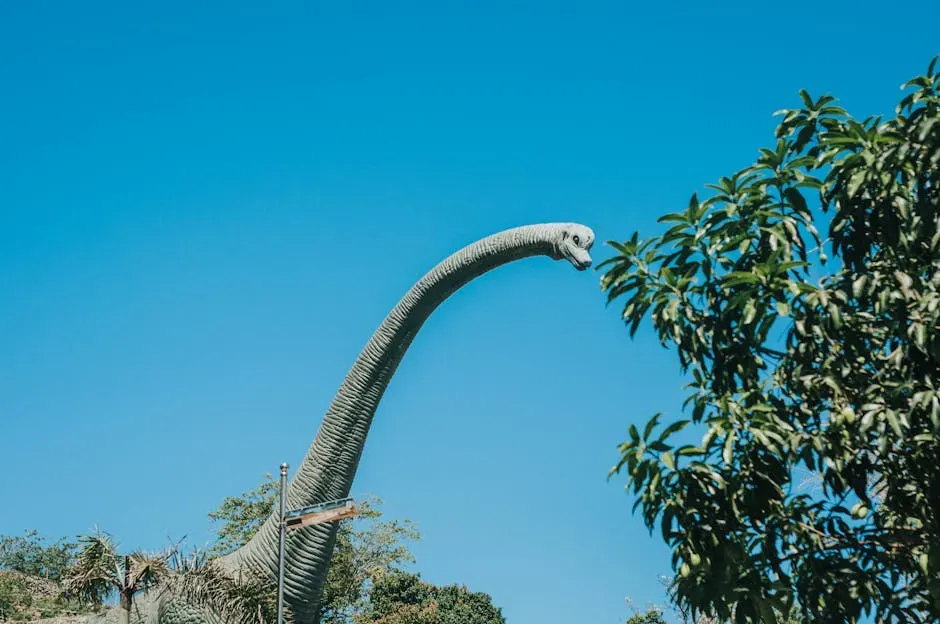
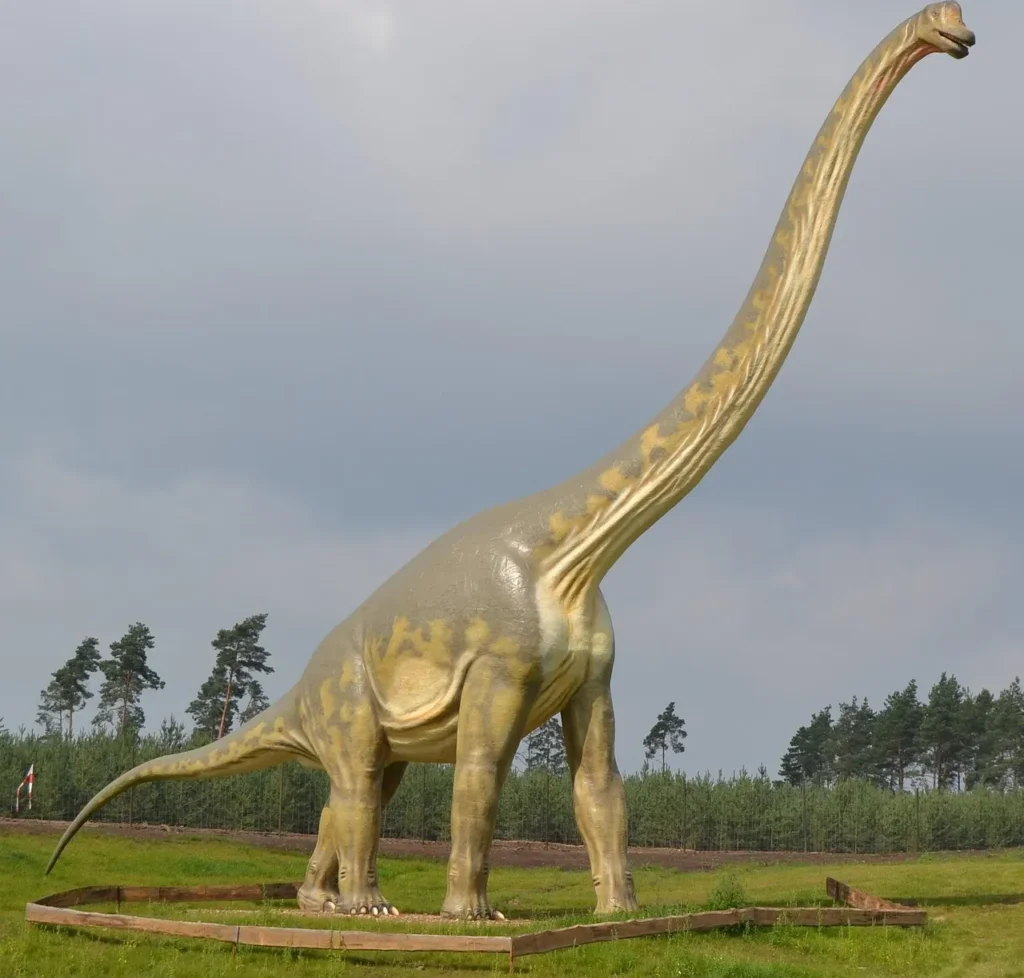
Sauropods had very long necks, which allowed them to stand still and stretch high, low and wide for the best plants around. Part of the reason elephants can grow so big is because their trunk lets them forage for food without moving much, in a similar way. Extremely long necks also meant sauropods could pluck leaves from the tops of tall trees, which were out of reach to most other animals. Sauropods’ long necks gave them a big advantage, as they could eat from a wide area without moving and access food that was out of reach for other animals.
Despite the current inconclusive nature of exactly how flexible the sauropod neck was, we can assume with relative safety that sauropods had a large feeding envelope that reduced energy expenditure. Coupled with their proportionally small heads, which required less energy investment to support as less musculature was needed, sauropods were able to grow to remarkable sizes. Think of it like a crane on a construction site. You do not move the entire vehicle; you move the arm. Same principle, refined across millions of years of evolution.
Swallowing Without Chewing Changed Everything
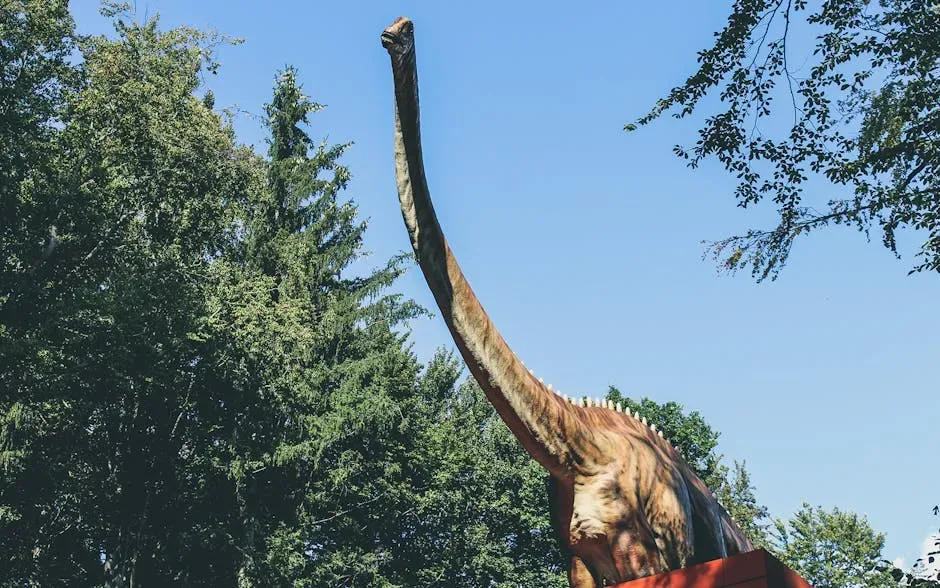
The long neck could only evolve because of the small head and the extensive pneumatization of the sauropod axial skeleton, lightening the neck. The small head was possible because food was ingested without mastication. Both mastication and a gastric mill would have limited food uptake rate. Honestly, it sounds counterintuitive. Skipping chewing sounds inefficient, but for a 50-tonne animal, it was precisely the opposite.
Chewing surface increases by a factor of two as body mass increases by a factor of three, resulting in disproportionately large chewing surfaces in larger taxa and disproportionately large heads. Sauropods, with their binge-eating mouths and mostly internal processing, did not have these limitations. Scaling relationships between gastrointestinal tract size and basal metabolic rate suggest that sauropods compensated for the lack of particle reduction with long retention times, even at high uptake rates. Their digestive systems did the heavy lifting so their mouths did not have to.
Rapid Growth Rates That Boggle the Mind
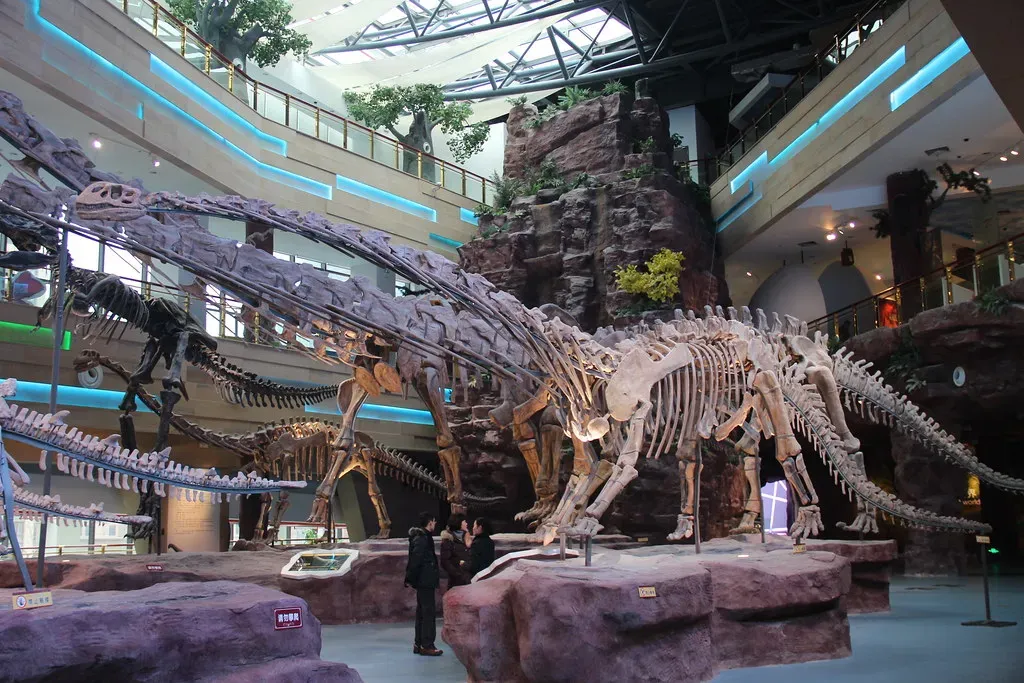
To reach their record sizes, sauropods underwent record growth. They had the most growing to do of any animal in an absolute sense, passing through four orders of magnitude in body mass. They had to grow so much not only because their adult body sizes were huge but also because they started out so small. Like other dinosaurs, including modern birds, sauropods hatched from eggs. Just pause on that for a moment. A 50-tonne adult starting life the size of a cantaloupe. The math is staggering.
As sauropods initially evolved larger sizes, they did so by growing faster during annual growth pulses while pausing growth during unfavorable seasons, like most animals do. Later sauropods seem to have further adapted by eliminating or minimizing seasonal pauses and growing quickly throughout the year. Migrating to areas where food was available year-round could have facilitated this sustained growth. The ability to continue growing throughout the year may have been a key innovation, sustained by great migrations, that facilitated the emergence of gigantism in early sauropods.
Egg-Laying Was a Secret Advantage Over Mammals
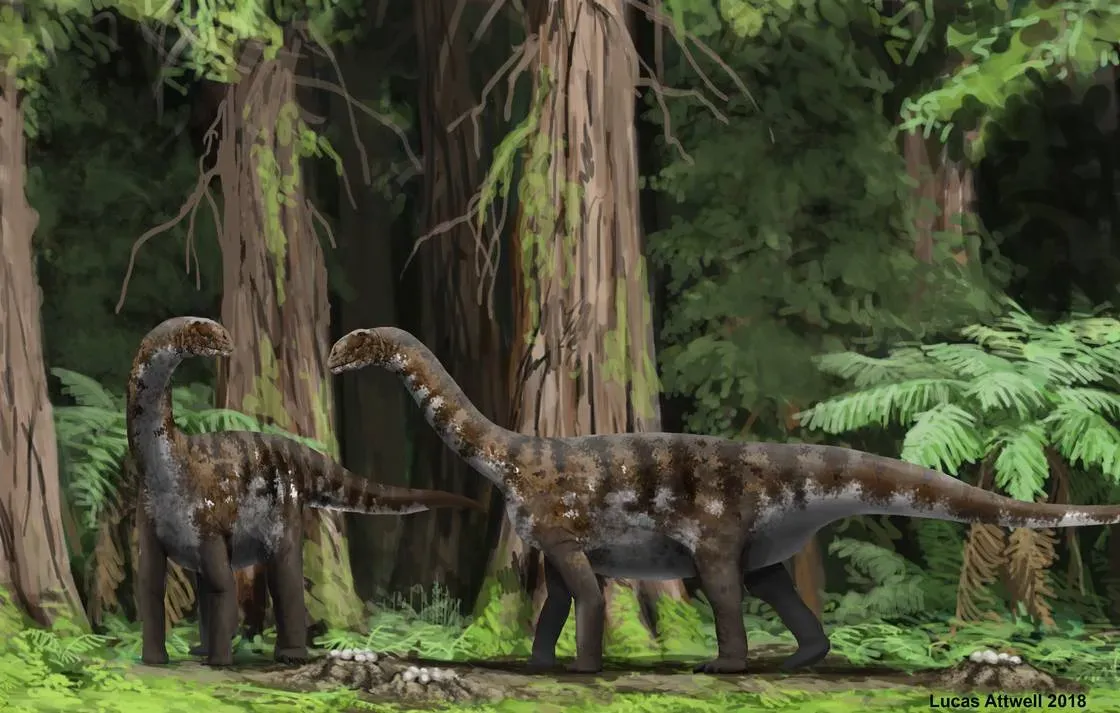
The retention of the plesiomorphic oviparous mode of reproduction appears to have been critical as well, allowing much faster population recovery than in megaherbivore mammals. Sauropods produced numerous but small offspring each season while land mammals show a negative correlation of reproductive output to body size. This permitted lower population densities in sauropods than in megaherbivore mammals but larger individuals. The reproductive strategy that sounds primitive was actually the one that opened the door to gigantism.
Sauropods had air-filled bodies to get larger without the mass, which made their breathing more efficient too. They laid eggs, and spending less time on parenting meant they had more energy to grow. It is a fascinating trade-off. Where mammals pour enormous energy into raising individual offspring, sauropods invested that freed energy directly into their own body size. The result speaks for itself across 85 million years of fossil history.
The Feet That Carried an Impossible Weight
Research findings suggest that a soft tissue pad in sauropods would have reduced bone stresses by combining the mechanical advantages of a functionally plantigrade foot with the plesiomorphic skeletally digitigrade saurischian condition. The acquisition of a developed soft tissue pad by the Late Triassic to Early Jurassic may represent one of the key adaptations for the evolution of gigantism that has become emblematic of these dinosaurs. Think of it as a built-in shock absorber, like the foam insoles you put inside your running shoes, but scaled up to carry the weight of a fully loaded semi-truck.
The feet probably bore a soft heel pad, like in modern elephants, as indicated by the extensive sauropod footprint record. The toes are reduced, or at least short. The rough and pitted articular surfaces of the long bones indicate thick cartilage caps around the major joints. Their wrists and ankles were less mobile, which made them stronger. Their hands and feet were also huge and padded, like those of elephants, which helped them spread their weight. Every step these animals took was a quiet triumph of biomechanical design.
Conclusion: Nature’s Greatest Engineering Project
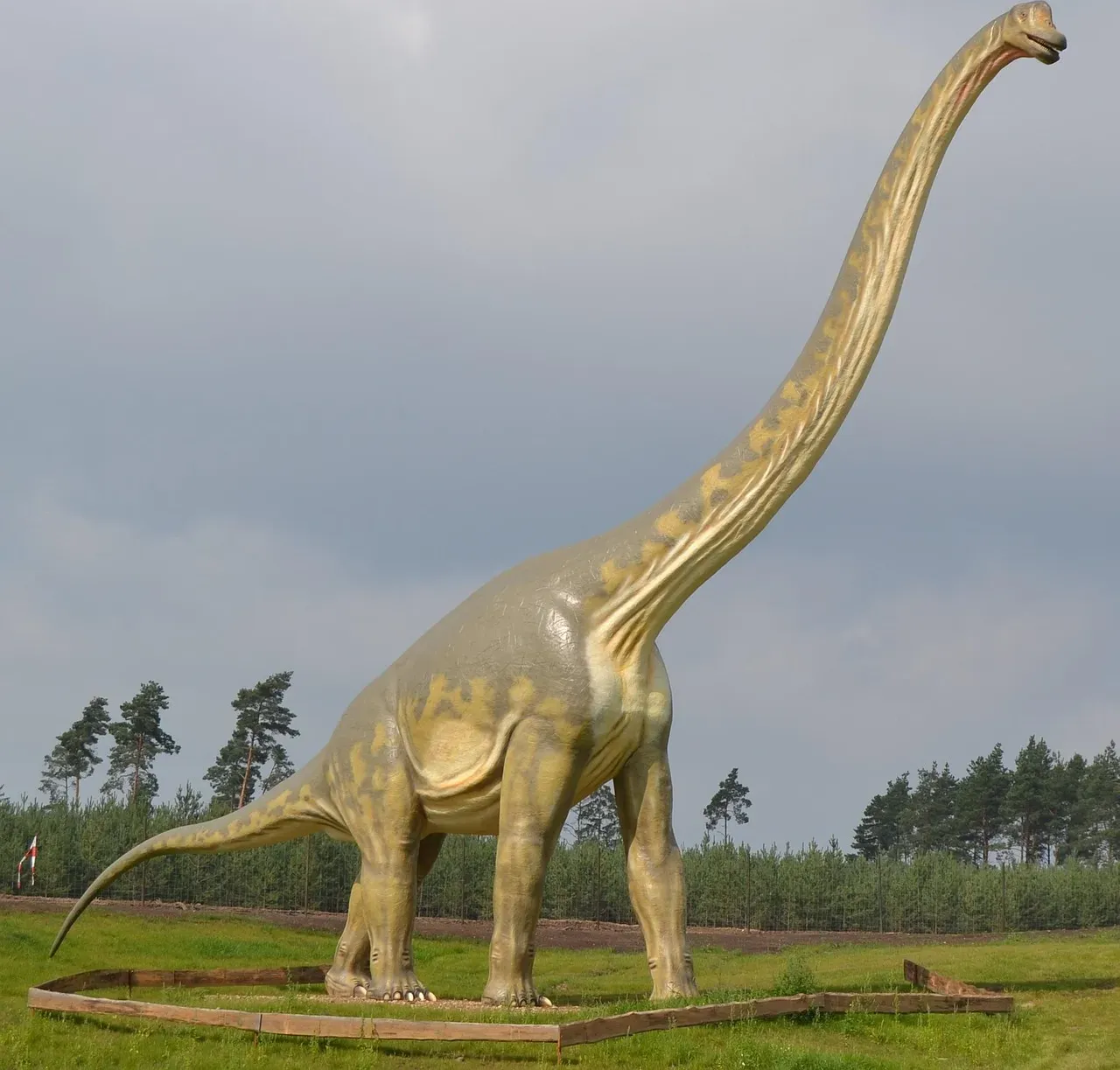
Sauropods were not an accident of prehistory. They were the result of an extraordinary cascade of biological innovations, each one enabling the next. Hollow bones that freed up neck length. A bird-like respiratory system that made breathing possible at that scale. A small head and non-chewing feeding strategy that allowed rapid food intake without massive jaw muscles. Soft foot pads that cushioned one of the heaviest footfalls in Earth’s history. Egg-laying that freed up metabolic energy for growth. There was no single cause for the observed trend in body size, but rather an intertwined mass of pressures and constraints which shaped the evolution of these dinosaurs, a constant interplay between what was evolutionarily possible and what was advantageous.
What you are really looking at when you study a sauropod is a biological system so precisely tuned that no land animal before or since has come close to replicating it. The fact that no land animal has matched their size since their extinction roughly 66 million years ago speaks volumes about how special that combination of factors truly was. The next time you see a Brachiosaurus skeleton in a museum, take a moment. You are not looking at a fossil. You are looking at the greatest feat of natural engineering this planet has ever produced. What part of that story surprises you most?