Imagine a world so radically different from our own that the very ground you walked on was submerged under shallow tropical seas, the skies buzzed with reptiles the size of small aircraft, and the largest creatures to ever walk the Earth simply went about their daily routines like it was perfectly ordinary. That was the Cretaceous. Not just a chapter in Earth’s story, but arguably its most dramatic one.
This was the period when dinosaurs weren’t just surviving – they were thriving in extraordinary variety, competing, evolving, and reshaping every ecosystem they touched. It was a world in full swing, and yet, hanging over all of it was an ending that nobody could have predicted. So if you’ve ever wondered what really made the Cretaceous so pivotal, you’re in the right place. Let’s dive in.
A Timeline That Puts Everything in Perspective
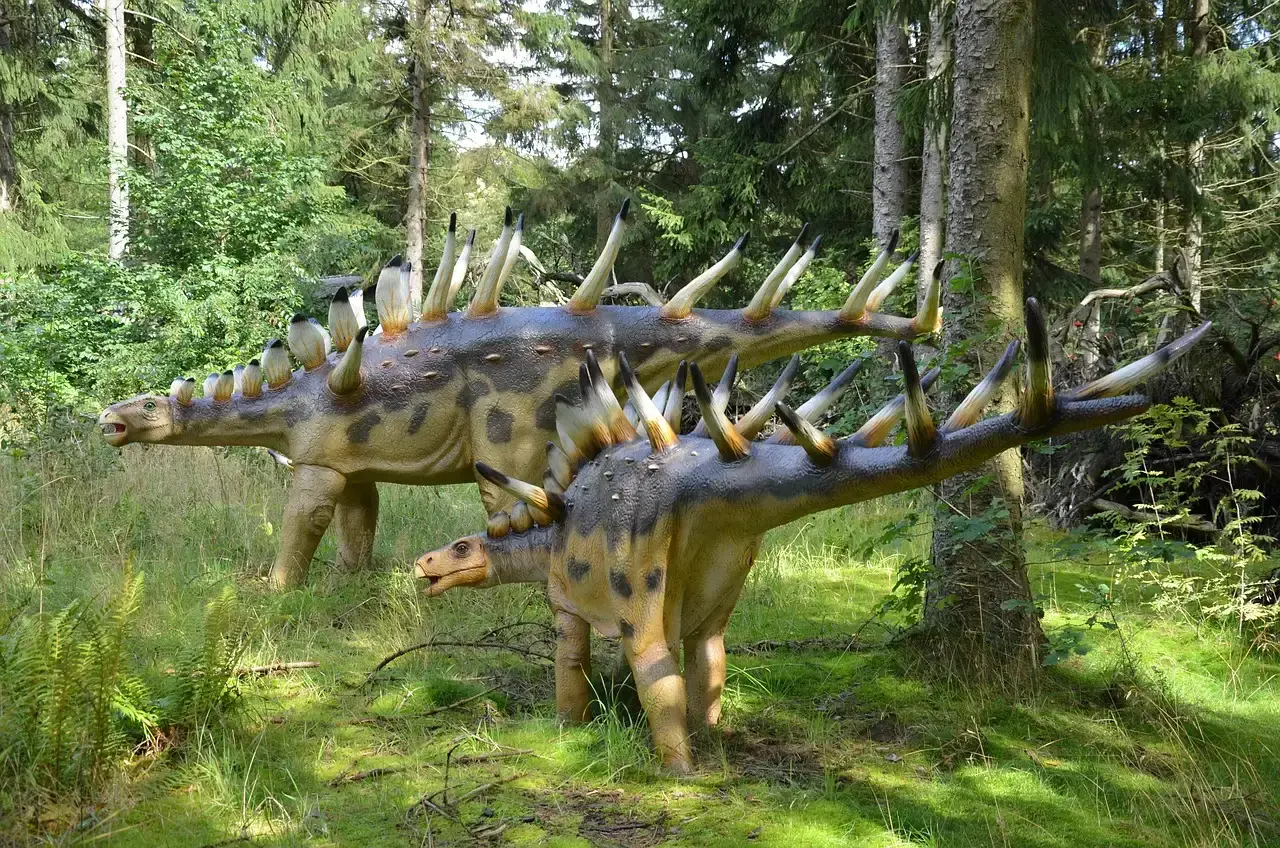
Here’s something that genuinely blows your mind when you stop to think about it. The Cretaceous began around 145 million years ago and ended 66 million years ago, making it the longest period of the Phanerozoic Eon, spanning roughly 79 million years – more time than has passed since the dinosaurs themselves went extinct. Let that sink in for a moment. The Cretaceous lasted longer than the entire stretch of history that followed its own end.
In geologic time, it was the last of the three periods of the Mesozoic Era. You can think of it like the third act of an incredibly long play – intense, full of developments, and ending with a truly unforgettable finale. The Cretaceous was thus the time in which life as it now exists on Earth came together. That’s not a small thing to claim, and science backs it up fully.
What Earth Actually Looked Like Back Then
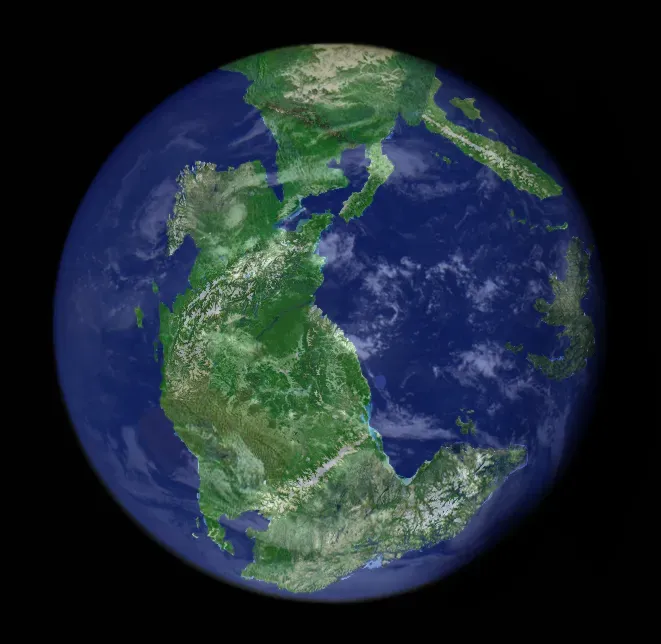
The Cretaceous was a period with a relatively warm climate, resulting in high eustatic sea levels that created numerous shallow inland seas. These seas were populated with now-extinct marine reptiles, ammonites, and rudists, while dinosaurs continued to dominate on land. The world was largely ice-free, although there is some evidence of brief periods of glaciation during the cooler first half, and forests extended to the poles. Honestly, if you had teleported there, you’d barely recognize the planet.
The climate was generally warmer and more humid than today, probably because of very active volcanism associated with unusually high rates of seafloor spreading. The polar regions were free of continental ice sheets, their land instead covered by forest. Dinosaurs even roamed Antarctica, despite its long winter night. It’s hard to picture, but Antarctica was lush. That alone changes everything you thought you knew about how life could thrive.
The Shifting Continents That Rewrote Dinosaur Geography
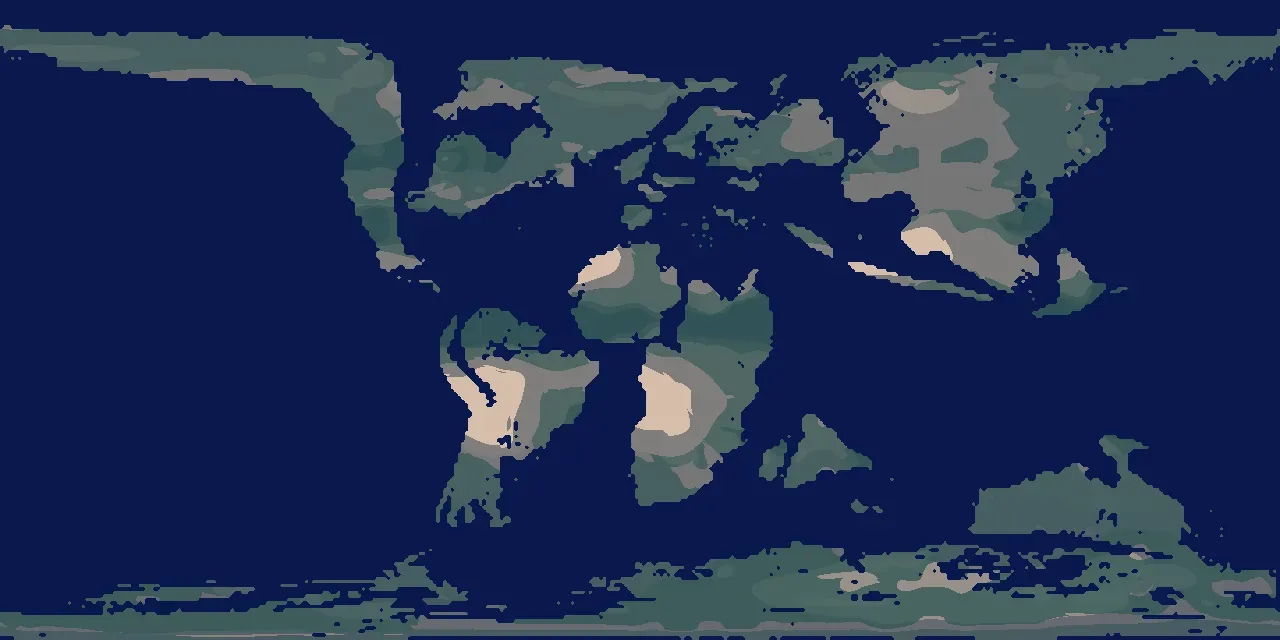
During the Cretaceous, the late-Paleozoic-to-early-Mesozoic supercontinent of Pangaea completed its tectonic breakup into the present-day continents, although their positions were substantially different at the time. Think of it like a giant puzzle slowly pulling itself apart, piece by piece, over millions of years. Each split created new coastlines, new barriers, and brand-new evolutionary pressures for every species caught on one side.
Continents were on the move in the Cretaceous, busy remodeling the shape and tone of life on Earth. At the start of the period, dinosaurs ruled the loosening remnants of the supercontinent Pangaea as rodents scurried at their feet through forests of ferns, cycads, and conifers. The Western Interior Seaway even divided North America into eastern and western halves: Appalachia and Laramidia. Separated populations evolved in isolation, producing unique species on each landmass – a prehistoric experiment in biodiversity on a continental scale.
The Dinosaurs That Actually Ruled This World
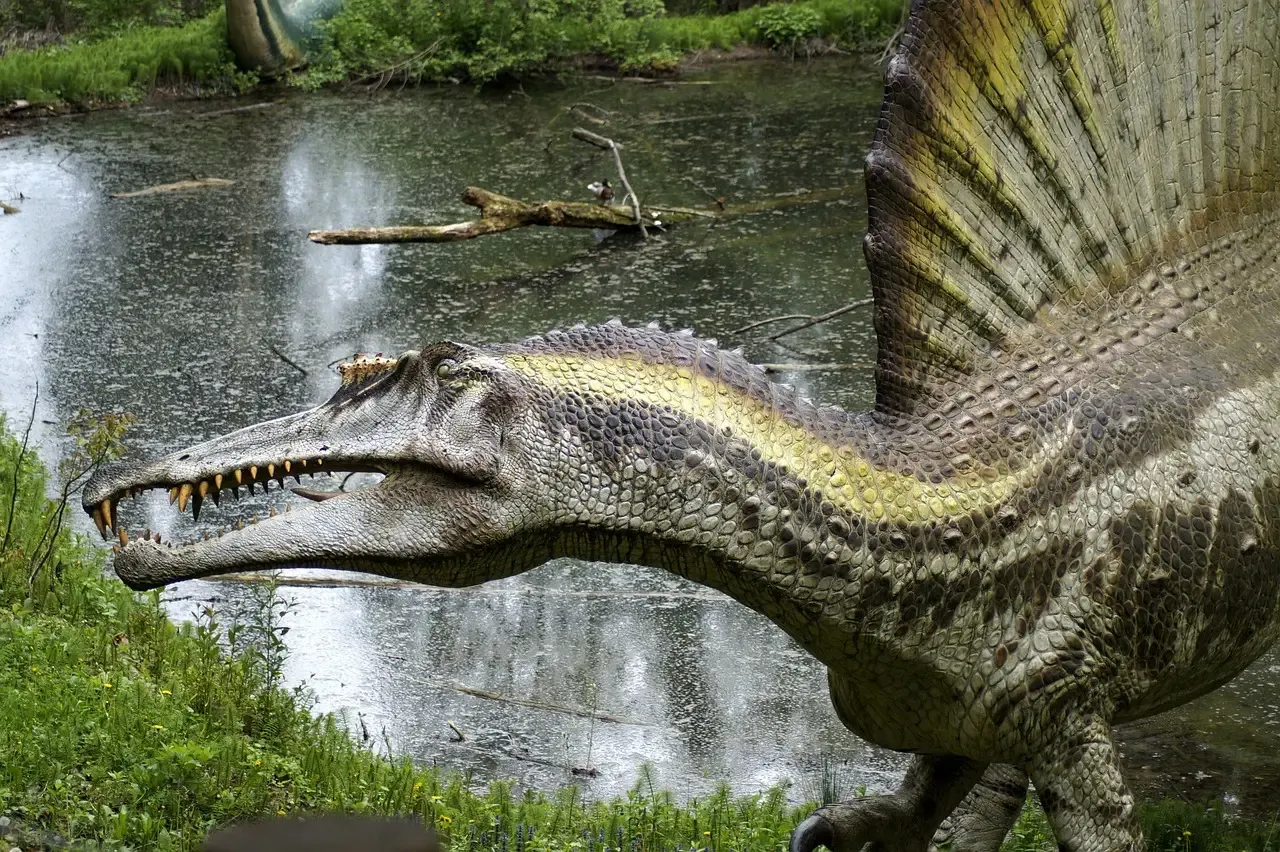
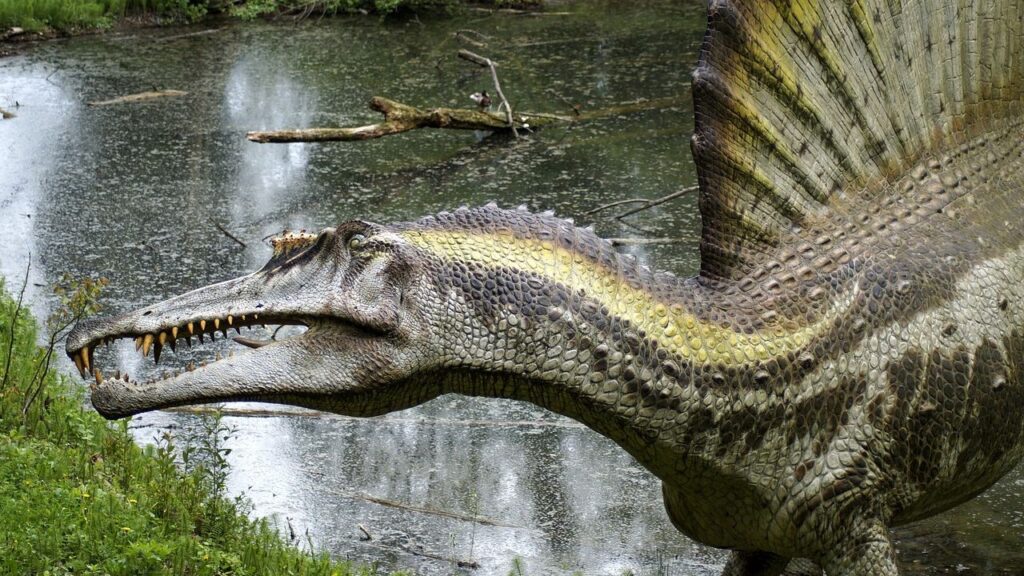
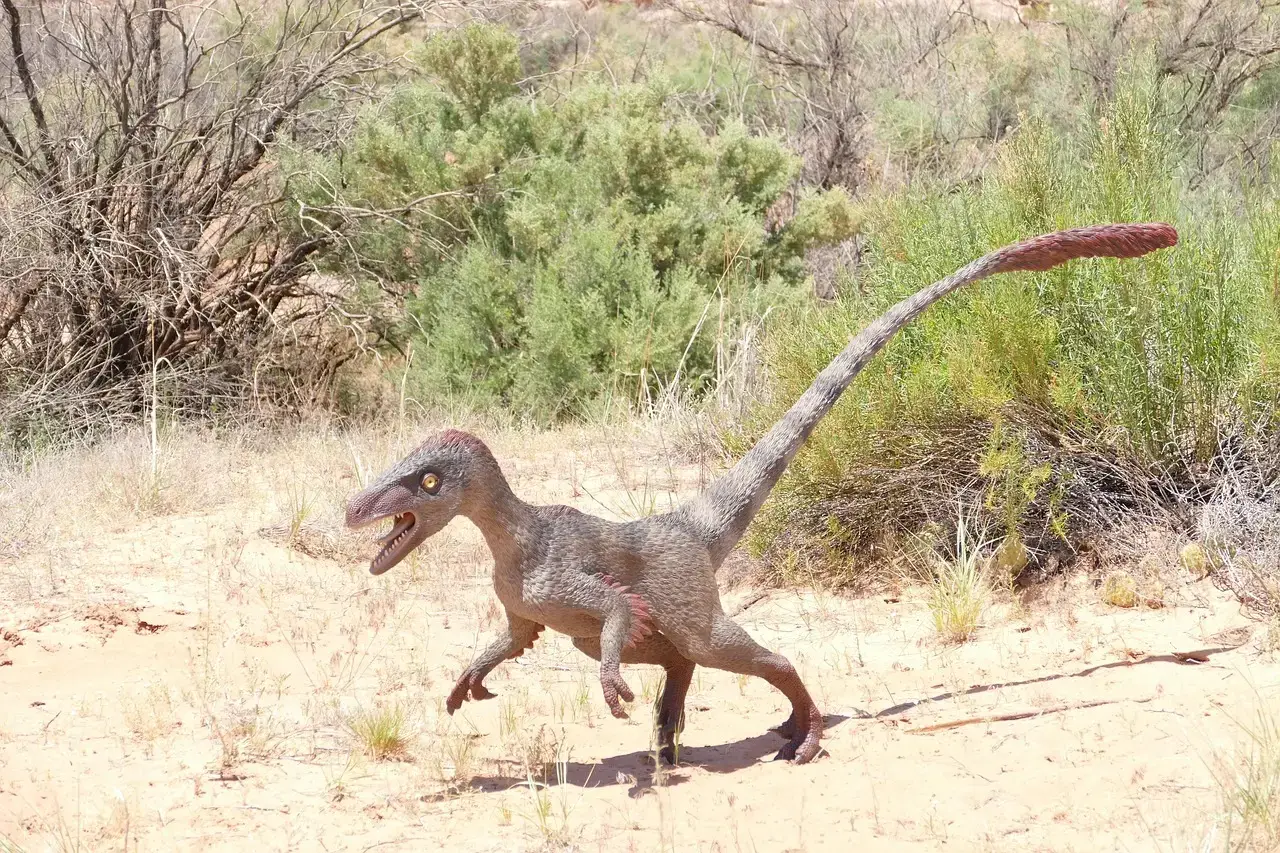
Though dinosaurs ruled throughout the Cretaceous, the dominant groups shifted and many new types evolved. Sauropods dominated the southern continents but became rare in the north. Herd-dwelling ornithischians like Iguanodon spread everywhere but Antarctica. Toward the close of the Cretaceous, vast herds of horned beasts such as Triceratops munched cycads and other low-lying plants on the northern continents. The carnivore Tyrannosaurus rex dominated the late Cretaceous in the north while monstrous meat-eaters like Spinosaurus thrived in the south.
The titanosaurs, a group of sauropods that included Argentinosaurus and Dreadnoughtus, emerged during the second half of the period and were the largest land animals that ever lived. We’re talking animals so massive they make modern elephants look like pets. To thrive in the Cretaceous period’s diverse ecosystems, dinosaurs developed a range of adaptations, from specialized teeth to feathers, enhancing their survival and dominance. These evolutionary tactics allowed them to exploit various ecological niches, from dense forests to open plains, and to face the challenges of their environments head-on.
The Sky and Sea Were Just as Wild
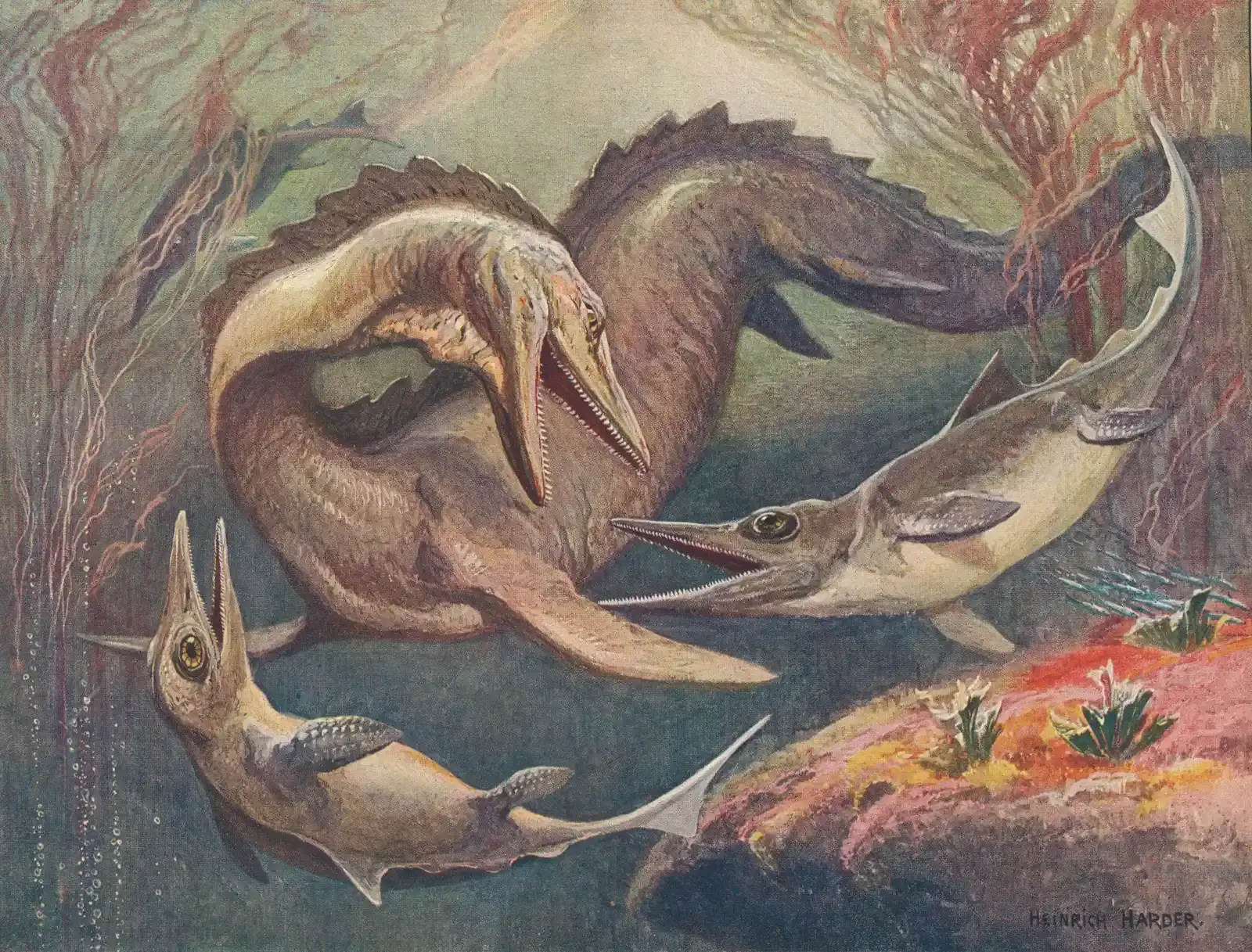
The Cretaceous was an age of reptiles. Dinosaurs dominated the land, while marine reptiles like the mosasaurs, which could span 56 feet, swam the oceans. Pterosaurs plied the skies, including the largest flying animal ever, Quetzalcoatlus, whose wingspan could stretch to 36 feet. I think people sometimes forget that the Cretaceous world wasn’t just about what walked on land. Every environment was colonized by reptilian giants.
Giant marine reptiles such as ichthyosaurs, mosasaurs, and plesiosaurs were common in the Cretaceous seas, where they competed for prey such as fish, cuttlefish, and other mollusks. Pterosaurs were common in the early and middle Cretaceous, but as the Cretaceous proceeded they declined for poorly understood reasons. By the end of the period only three highly specialized families remained: Pteranodontidae, Nyctosauridae, and Azhdarchidae. Even the rulers of the sky were not immune to the forces of change closing in around them.
Flowering Plants Changed the Game for Everyone
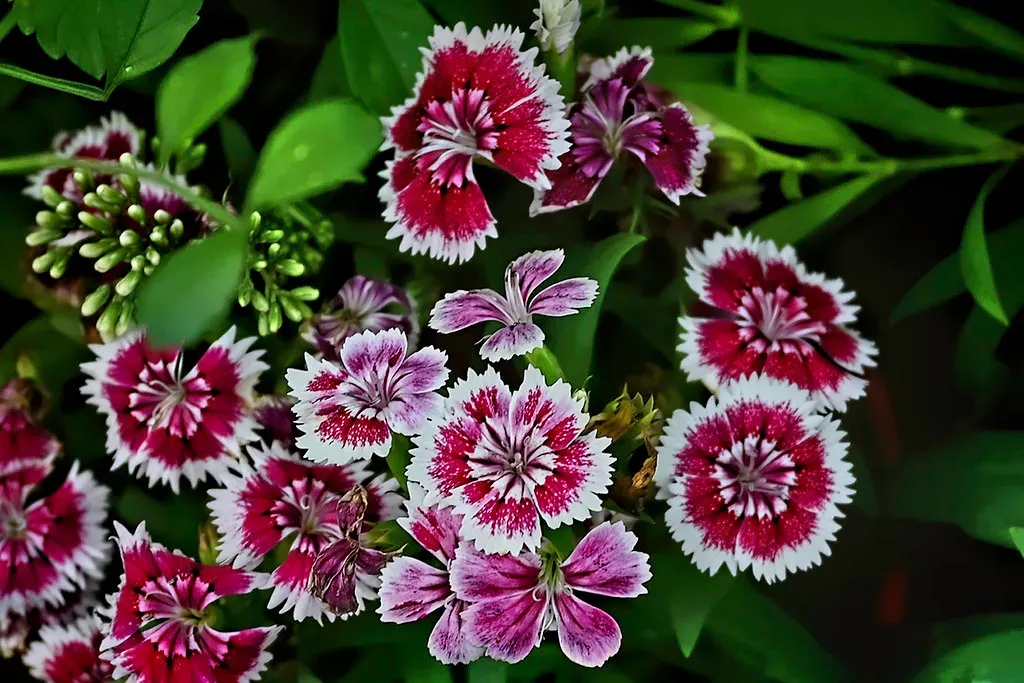
During the Early Cretaceous, flowering plants appeared and began to rapidly diversify, becoming the dominant group of plants across the Earth by the end of the Cretaceous, coincident with the decline and extinction of previously widespread gymnosperm groups. This is one of those facts that seems minor until you realize just how profound it was. Flowering plants reshaped what food was available, where it grew, and which animals could take advantage of it.
Perhaps the most important of these events, at least for terrestrial life, was the first appearance of the angiosperms. First appearing in the Lower Cretaceous around 125 million years ago, the flowering plants first radiated in the middle Cretaceous, about 100 million years ago. Early angiosperms did not develop shrub- or tree-like morphologies, but by the close of the Cretaceous, a number of forms had evolved that any modern botanist would recognize. It’s a botanical revolution happening alongside a dinosaur empire. The two shaped each other more than most people realize.
Early Mammals Biding Their Time in the Shadows
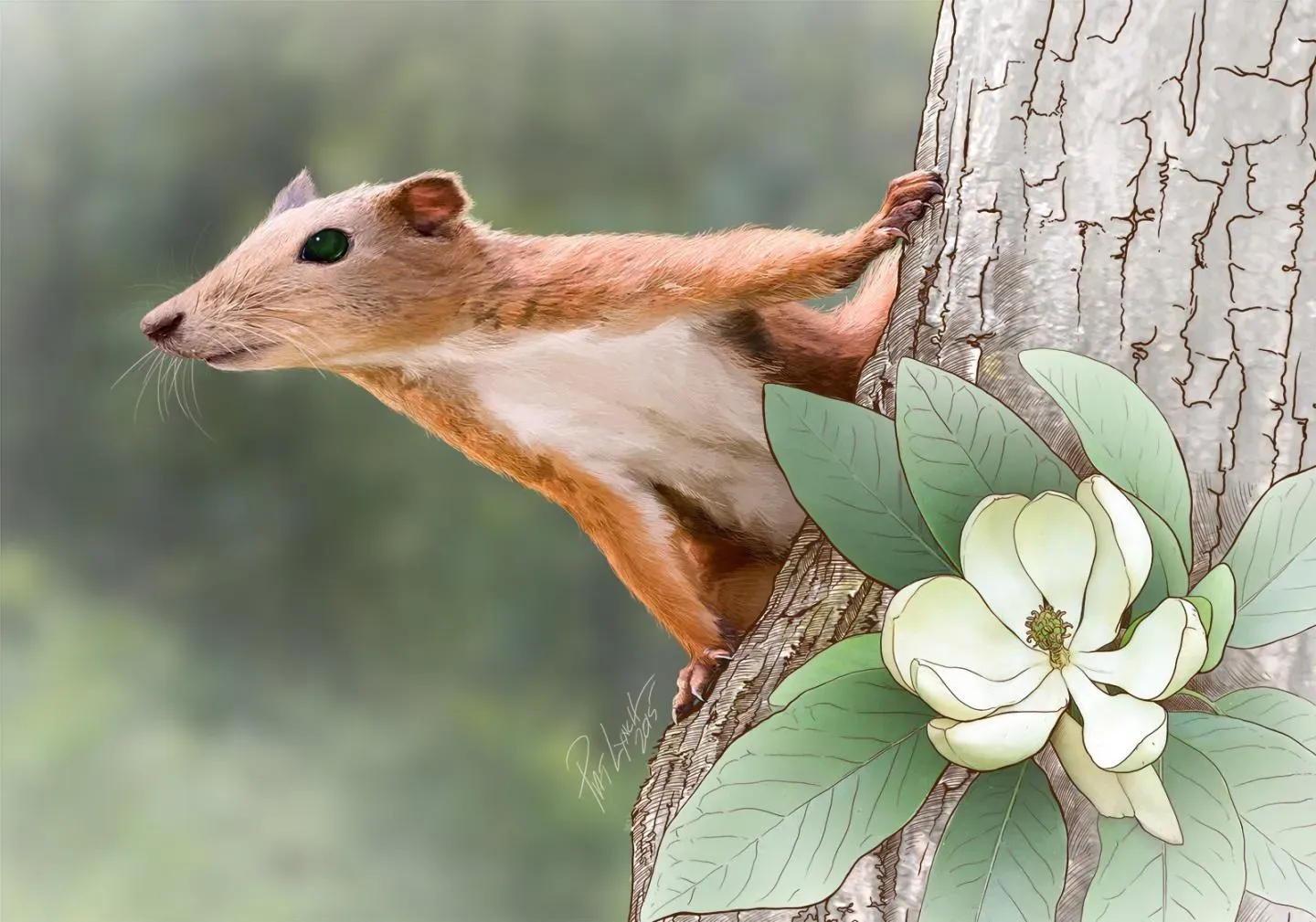
Though reptiles ruled the Cretaceous world, early mammals did exist at the time. Traditionally, scientists have viewed mammal evolution as constrained by the dominant dinosaurs; mammals couldn’t evolve many species types, because dinosaurs occupied most niches, this view suggests. Only after the mass extinction that killed off all nonavian dinosaurs could mammals fully diversify into many diverse forms. Let’s be real: mammals in the Cretaceous were living in the shadows, quite literally.
Two important groups of modern mammals evolved during the Cretaceous: marsupials, whose modern members include kangaroos, koalas, and opossums; and placental mammals, which include most modern mammals such as rodents, cats, and primates. Although almost all placentals of the period were smaller than present-day rabbits, they were poised to take over terrestrial environments as soon as the dinosaurs vanished. In hindsight, those tiny, scurrying creatures were the future. They just had to wait for their moment – and what a moment it turned out to be.
The Catastrophic End That Closed the Curtain
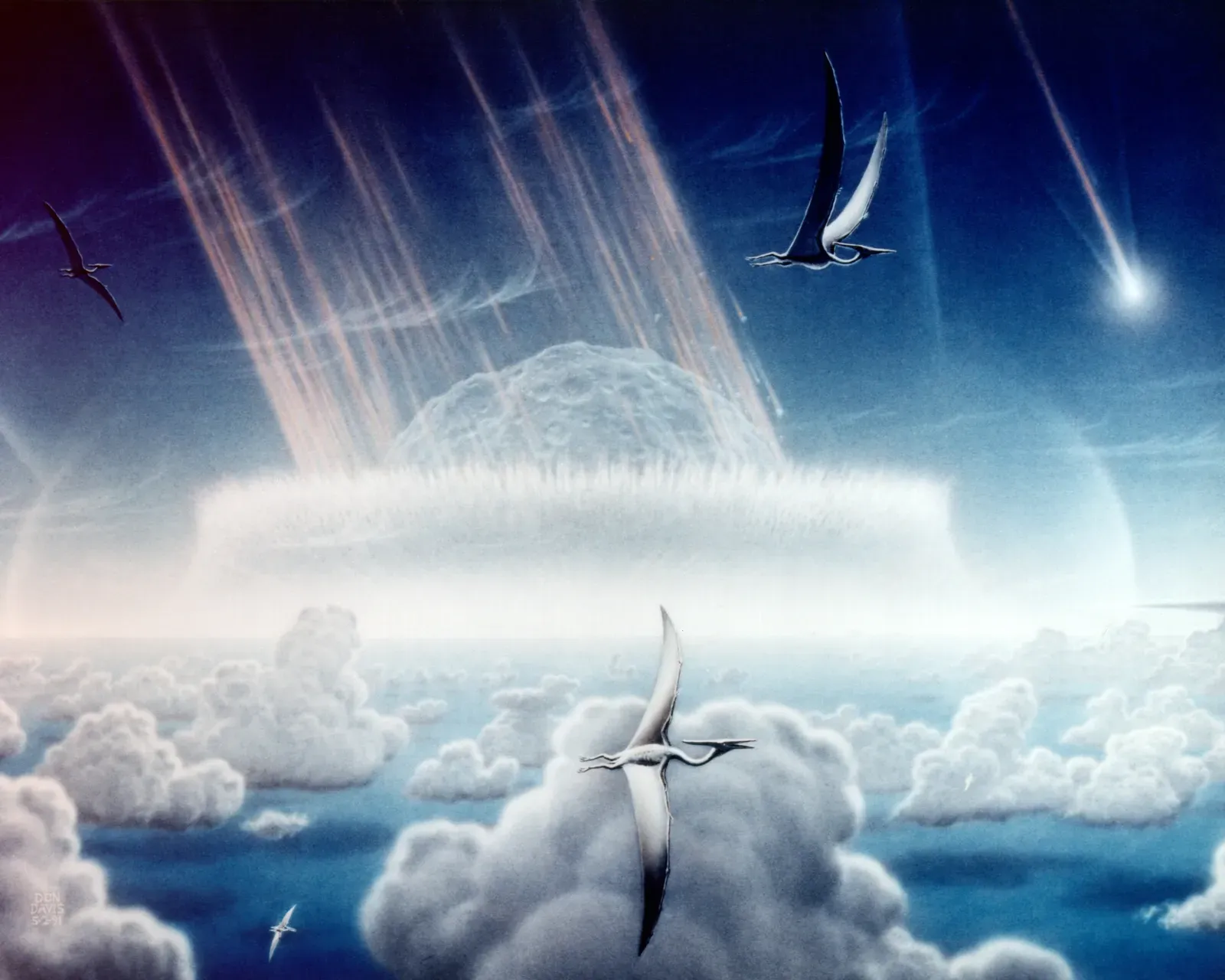
The Cretaceous ended with the Cretaceous–Paleogene extinction event, a large mass extinction in which many groups, including non-avian dinosaurs, pterosaurs, and large marine reptiles, died out, widely thought to have been caused by the impact of a large asteroid that formed the Chicxulub crater in the Gulf of Mexico. It’s hard to overstate just how total and sudden this transformation was. One of the greatest empires in the history of life on Earth ended in geological blink of an eye.
In addition to the asteroid impact and volcanic activity, ongoing climate change played a crucial role in the dinosaur extinction. Shifts in temperature and sea levels would have altered habitats and food sources, putting further pressure on dinosaur populations. The combination of these factors likely led to the major extinction event that ended the era of the dinosaurs. Over two million years passed after the extinction before Earth’s ecosystems recovered in the Paleogene Period, with largely new fauna and flora dominated by mammals, small feathered dinosaurs (birds), and flowering plants. The world that came after was almost unrecognizable compared to the one that came before.
Conclusion
The Cretaceous Period wasn’t just the grand finale for the dinosaurs – it was a crossroads in the truest sense. Continents split apart, seas flooded entire regions, new plants transformed every landscape, and life responded with an explosion of diversity unlike anything seen before or since. Dinosaurs were the undisputed rulers, yet the seeds of their replacement were already growing quietly beneath their enormous feet.
What makes this period so endlessly fascinating is that it captures both the peak and the collapse of one of nature’s greatest experiments. It’s a reminder that even the most dominant force in any ecosystem is never truly permanent. Today, the descendants of those small Cretaceous mammals sit at the top of the world – including the very species writing and reading this article.
Does knowing that a world as magnificent as the Cretaceous could vanish in geological moments make you think differently about the world we’re living in right now? It really should. What do you think? Tell us in the comments.