Imagine standing in a prehistoric swamp, looking up. The sky above you is not empty. It hums, it swoops, it thunders with wings of every kind imaginable. Long before the Wright brothers ever sketched a blueprint, nature had already solved the riddle of flight not once, not twice, but at least four separate times across the history of life on Earth. It is one of the most breathtaking achievements evolution has ever pulled off.
From giant insect-like griffinflies blotting out an ancient sun, to winged reptiles the size of modern aircraft, to the first feathered creatures stumbling awkwardly into the air, the story of prehistoric flight is anything but simple. It is wild, unexpected, and full of twists that even today leave scientists scratching their heads. So let’s dive in.
Insects: The True Pioneers of the Sky
Here’s the thing most people never stop to consider: flight did not begin with birds. It did not begin with pterosaurs. It began with insects, creatures so small they could fit in the palm of your hand, and yet they conquered the air roughly 90 million years before any vertebrate even came close. Insects were the first animals to evolve powered flight, and they did so perhaps 90 million years before the first flight among vertebrates. That gap is almost impossible to wrap your mind around.
As a group, insects started flying during the Carboniferous Period, approximately 350 million years ago, roughly 130 million years after their ancestors first appeared in the Ordovician Period. Think about that for a second. They existed for over a hundred million years before someone in the lineage finally decided to grow wings. The evolution of wings not only allowed ancient insects to become the first creatures on Earth to take to the skies, but also propelled their rise to become one of nature’s great success stories.
Giants of the Carboniferous: The Age of Griffinflies
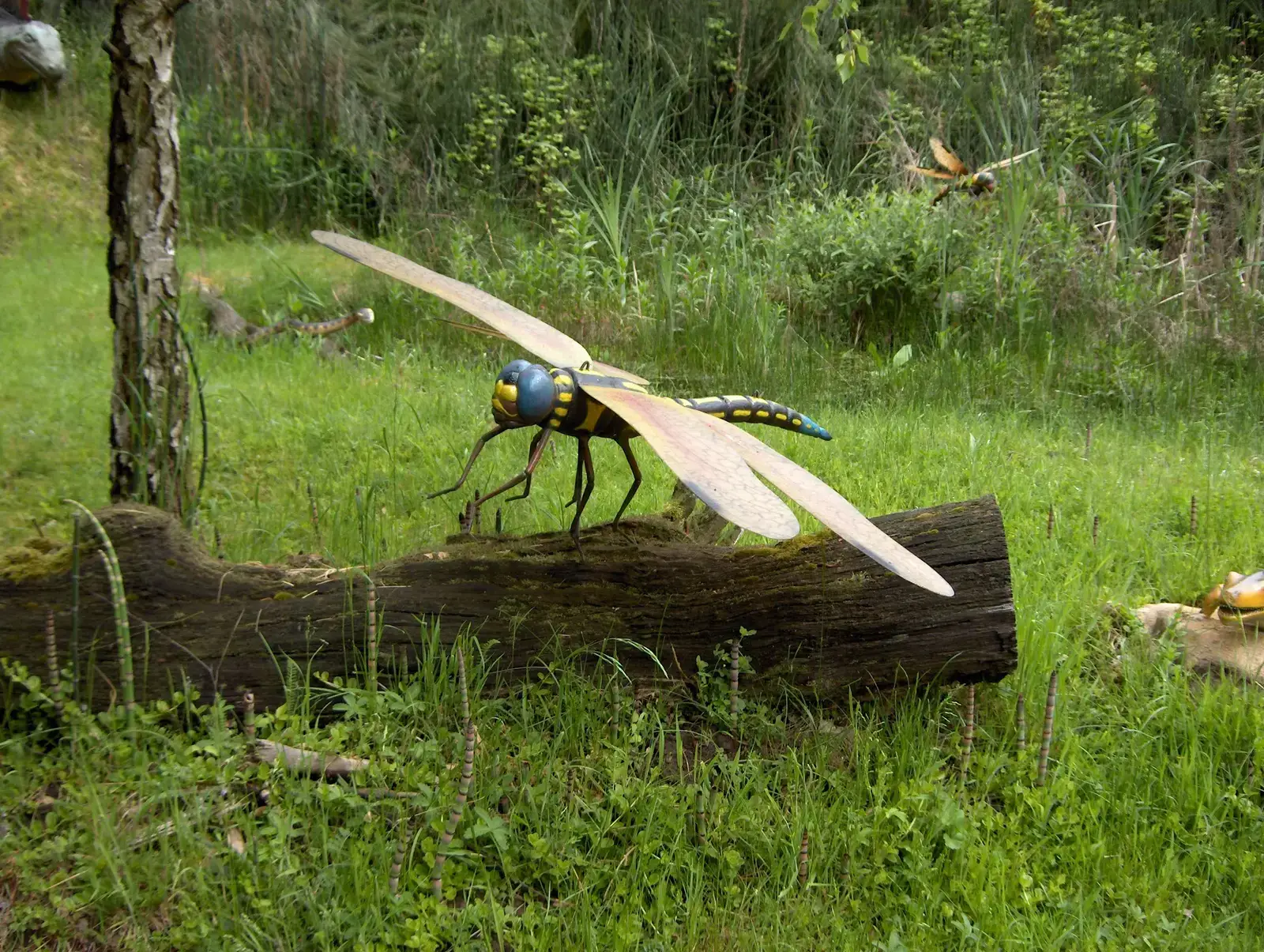
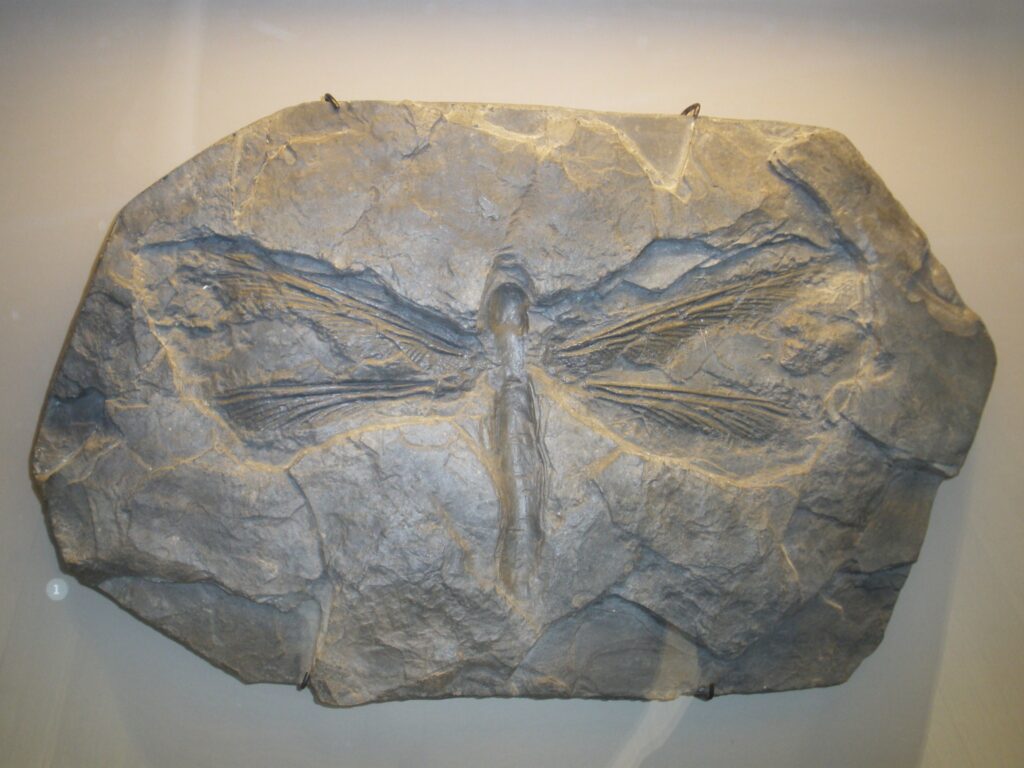
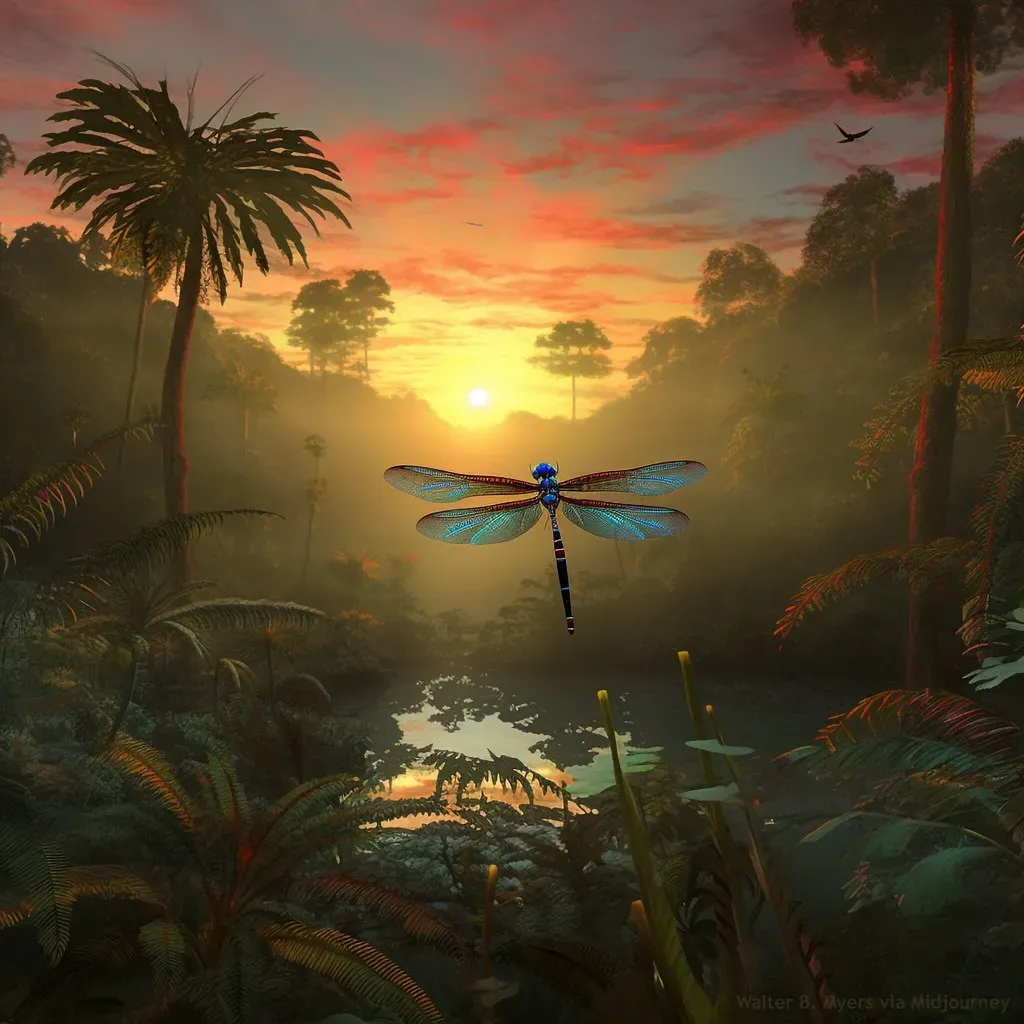
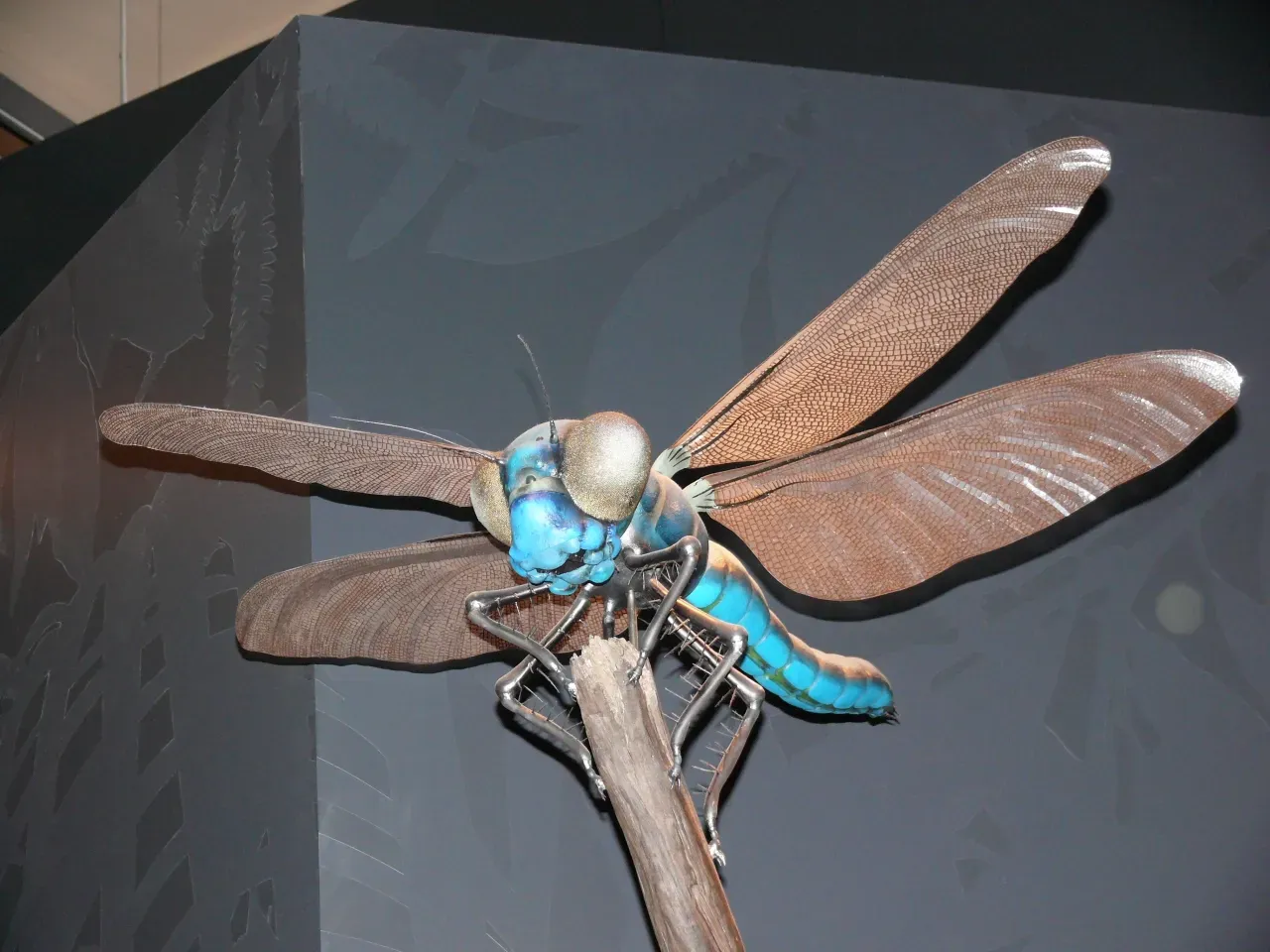
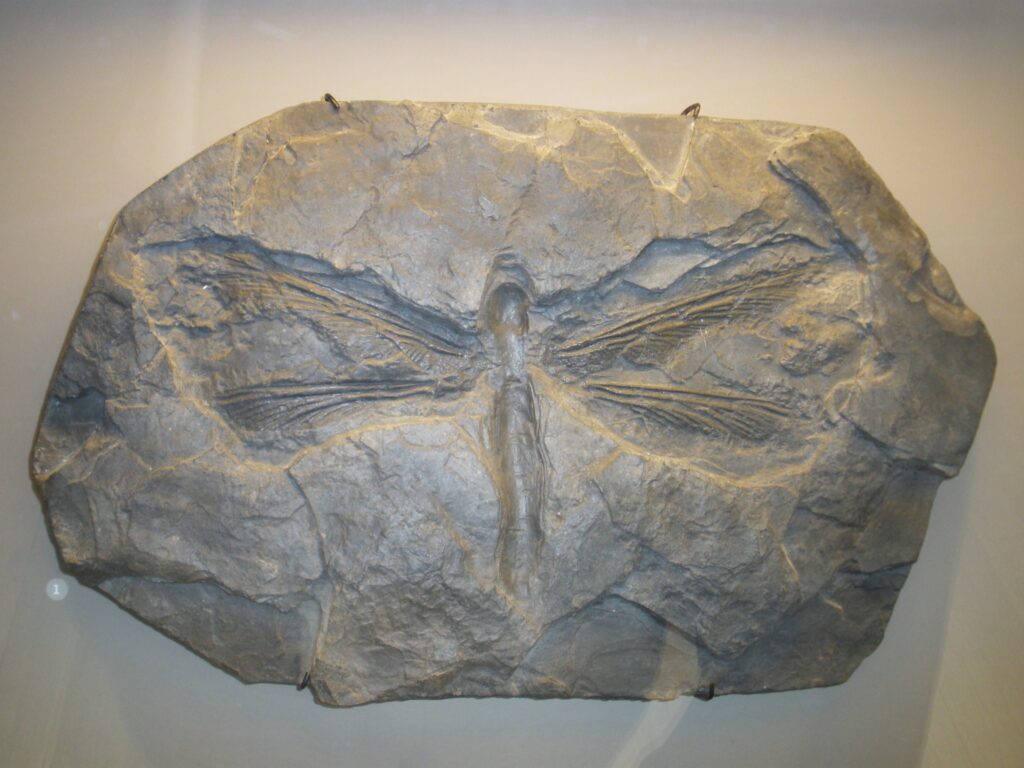
If you thought modern dragonflies were impressive, you have absolutely no idea what you missed. Before dinosaurs evolved, back when the world was swampy and green 300 million years ago, giant dragonfly-like insects called griffinflies filled the skies. With wingspans that stretched up to a whopping 71 centimetres, these epic insects would have blocked out the sun as they flew past. That is bigger than most pet cats today.
The oldest known winged insect is a griffinfly from 325 million years ago called Delitzschala bitterfeldensis. This species is part of the now-extinct order Palaeodictyoptera, which has more than 30 families. One leading theory as to why these insects could grow so massive is atmospheric. One theory about why griffinflies could grow so big is because there was a higher concentration of oxygen in the atmosphere 300 million years ago than there is today, meaning insects could absorb enough oxygen into their bodies through their spiracles, even though they had enormous bodies.
How Wings First Evolved: Nature’s Most Debated Mystery
Honestly, scientists still argue passionately about exactly how insect wings first came to be, and I think that’s part of what makes this topic so addictive. Where insect wings came from is still debated, with competing theories. Some researchers think they might have evolved from the gills of aquatic insect larvae because freshwater insects are the oldest evolutionary branch. Another more recent theory is that insect wings evolved from the legs of their crustacean ancestors.
The earliest wings were probably little more than flaps that could catch the wind and carry the insects away from predators. Over succeeding generations, the insects learned that flapping the wings could enable them to move through the air on their own. It is a bit like how the first humans who tried to swim probably just flopped around and called it good enough. Flight allowed insects to explore new ecological niches and provided new means of escape. Once that advantage kicked in, the evolutionary arms race was well and truly on.
Pterosaurs: The First Vertebrates to Truly Fly
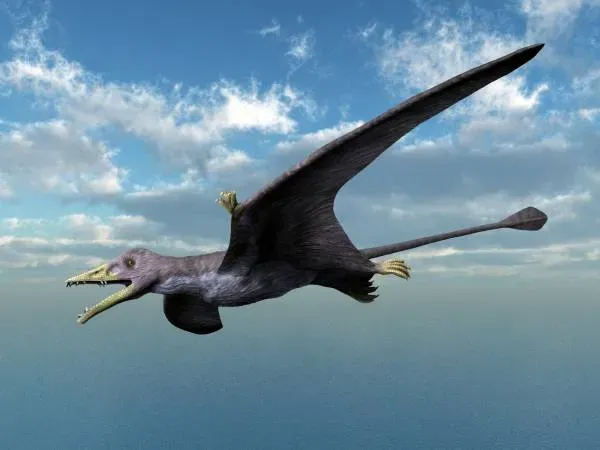
Now, shifting gears entirely from insects to something that would genuinely make you drop your jaw if you saw it in real life. The first vertebrates to fly took to the skies about 215 million years ago. These creatures were neither birds nor bats. They belonged to a group of flying reptiles called pterosaurs. You have probably heard the word “pterodactyl” tossed around casually, but the reality is far grander and more diverse than any single name suggests.
From humble beginnings, the pterosaurs, the first flying vertebrates, evolved to grow as big as 650 pounds with wingspans the size of airplanes. To dispel some common misconceptions, pterosaurs were reptiles, not dinosaurs. The animals shared a common ancestor, but their lines split some 245 million years ago. Early forms had shorter wings and long tails, limiting their aerodynamics. The pterodactyloids, a later subgroup, showcased slender, elongated wings and shortened tails. Evolution was essentially doing flight engineering in real time, and the results were spectacular.
Pterosaur Diversity: From Sparrow-Sized to Airplane-Scaled
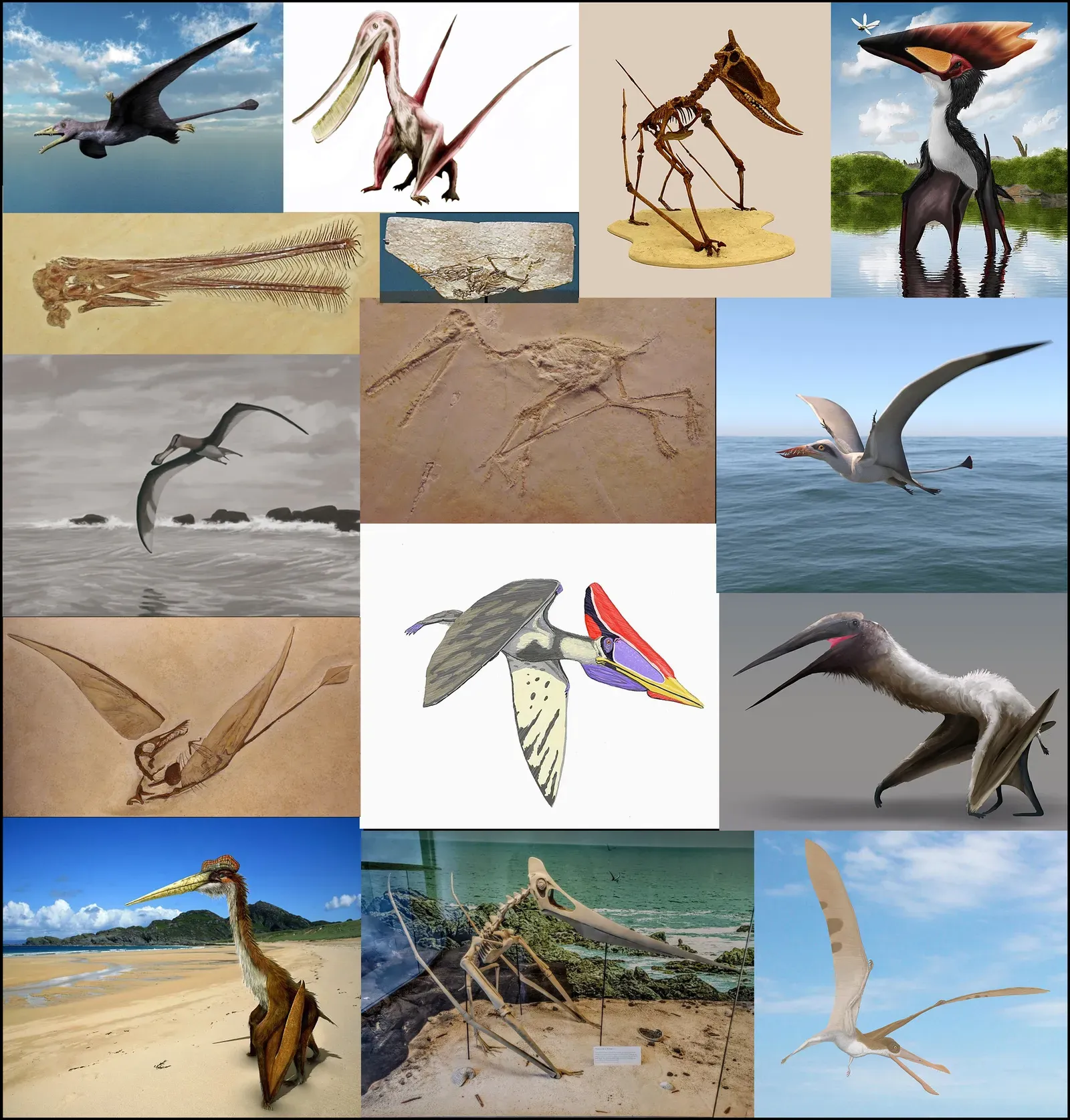
Pterosaurs were an incredibly diverse group of reptiles, with sizes ranging from sparrow-like creatures to giants with wingspans exceeding modern airplanes. Their fossil record reveals a variety of adaptations, including crests on their heads and specialized teeth, tailored for different diets and ecological niches. It is almost hard to believe these were real animals and not something dreamed up for a science fiction film.
A study examined the fossil records of 75 pterosaur species and used modern-day models of bird flight to illustrate how pterosaurs became highly efficient flyers over their 150-million-year history, from 228 to 66 million years ago when they went extinct with dinosaurs. Not all pterosaurs were purely aerial creatures, either. Not all pterosaurs liked to fly. A group called azhdarchoids were competent flyers but preferred to forage on the ground. One variety, Quetzalcoatlus, had a long stiff neck and grew to the height of a giraffe with a wingspan of 39 to 49 feet. Honestly, even imagining that thing walking toward you on solid ground is terrifying enough.
Archaeopteryx: The Feathered Bridge Between Dinosaurs and Birds
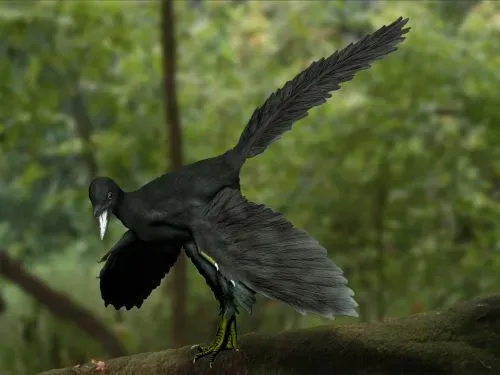
Archaeopteryx lived in the Late Jurassic around 150 million years ago, in what is now southern Germany, during a time when Europe was an archipelago of islands in a shallow warm tropical sea, much closer to the equator than it is now. This extraordinary creature has captivated scientists ever since its discovery, and for good reason. Unlike modern birds, Archaeopteryx had small teeth, as well as a long bony tail, features which it shared with other dinosaurs of the time. Because it displays features common to both birds and non-avian dinosaurs, Archaeopteryx has often been considered a link between them.
Archaeopteryx had well-developed wings, and the structure and arrangement of its wing feathers indicate that it could fly. However, evidence suggests that the animal’s powered flight differed from that of most modern birds. The bones of Archaeopteryx were strong enough to handle low torsional forces, which allowed for bursts of powered flight over short distances to elude predators, rather than high torsional forces, which are required for rapid flapping and soaring. Think of it less like a modern eagle and more like a very determined, feathered pheasant that made a go of it.
Four-Winged Dinosaurs and the Bizarre Experiments of Evolution
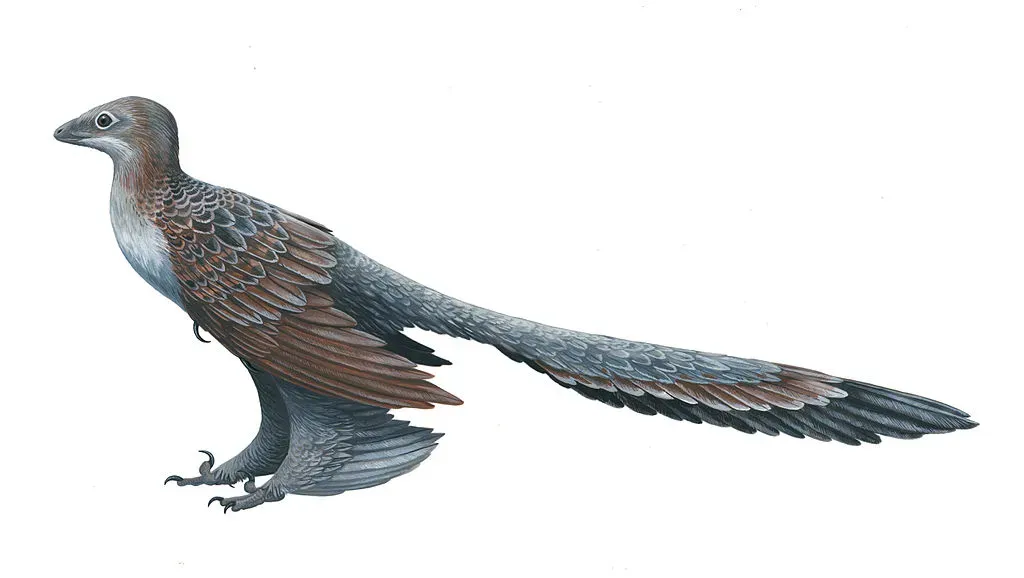
If you think evolution followed a clean, straight line toward the birds you see outside your window today, prepare to be surprised. The more researchers learn, the more they realize that flight has evolved multiple times across animals, helping them reach the same goal of flight in a variety of ways. Some of the experiments were downright strange. Microraptors, which had wings on all four limbs, were feathered, flying dinosaurs that lived between 113 million and 125 million years ago. They had adaptations for powered flight that were better than Archaeopteryx and some early birds, but some were probably better gliders than fliers.
There was also the utterly baffling Yi qi. Yi qi is an anomaly in the fossil record. The pigeon-sized dinosaur was dated to 159 million years ago and had bat-like wings, also better suited to gliding than flying. The ancient skies were clearly a place of experimentation, competition, and sometimes outright chaos. There were probably complicated interactions in the skies between pterosaurs, birds, and gliding animals. They were fighting for food, fighting for shelter, and dodging each other. If you were a bad flier, you had to worry about pterosaurs catching you. There were probably dogfights happening in the sky.
Bats: The Last Major Group to Take to the Air
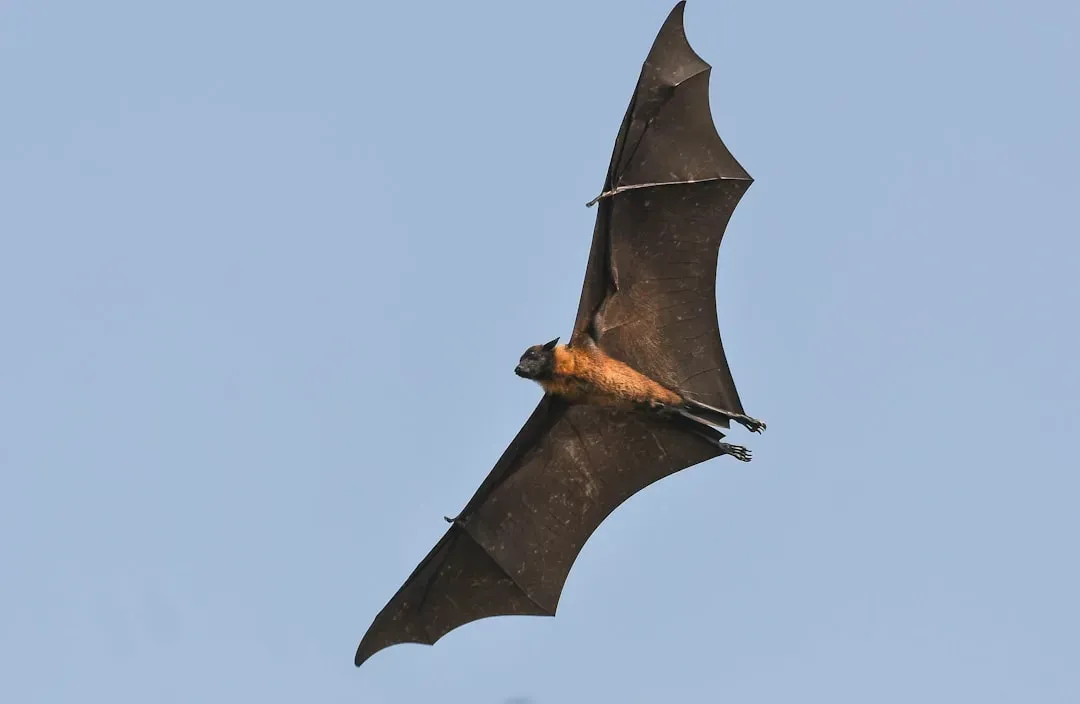
Bats are the only mammals to have evolved powered flight, and they’ve been flapping around for tens of millions of years. Yet despite this impressive legacy, their origin story remains one of the biggest puzzles in paleontology. Bats appear in the fossil record seemingly out of the blue. There are no earlier fossils of proto-bats, creatures that could morphologically show bats’ links with other related mammal species or the development of their forelimbs into wings. It’s as if they just showed up, fully formed and ready to fly, which is kind of unsettling when you think about it.
Recent advanced genetic research has helped scientists to fill in some blanks in bats’ evolutionary story, finding that bats first evolved about 50 to 52 million years ago during the early Eocene in the northern stretches of the supercontinent Pangaea, the portion of the ancient landmass that is now North America and Eurasia. Flight enabled bats easier access to food sources, including insects, fruits, and nectar from flowers, and allowed them to exploit new habitats. With all these new resources available, bats diversified and speciated quickly. By the end of the Eocene, all bat families had developed in what is described as an evolutionary “big bang” unique among mammals. From late starters to global dominators, few evolutionary journeys are quite as dramatic as that of the bat.
Conclusion
The history of flight on Earth is not a single invention. It is a series of independent discoveries, each one shaped by different pressures, different environments, and wildly different body plans. You have insects cracking the code hundreds of millions of years before anyone else. You have pterosaurs scaling up to the size of aircraft. You have feathered dinosaurs fumbling their way into the air with teeth still in their beaks. You have bats arriving almost as an evolutionary afterthought, and then conquering the night with astonishing speed.
What this extraordinary story tells us is that flight is not a fluke. As naturally bestowed abilities go, flight is up there with one of the best. This is evidenced by the fact that all three extant groups of flying animals, insects, birds, and bats, are some of, if not the most diverse groups of animals on Earth. Nature keeps arriving at the same solution because it works so brilliantly well. Every time life found a way to lift off the ground, the world changed. New niches opened, new predators emerged, and new evolutionary stories began. Looking up at a bird in flight today, you are watching the end result of hundreds of millions of years of trial, error, extinction, and triumph. What do you think the skies might have looked like if evolution had taken a different path?