Picture a world with no Atlantic Ocean, no Rocky Mountains, no Amazon rainforest. A single colossal landmass stretching from pole to pole, baking under an unrelenting sun, crossed by enormous rivers and shadowed by forests of towering conifers. No flowering plant exists yet. No bird sings. This is the world that gave birth to the dinosaurs, and it looks nothing like the Earth you know today.
What started as a handful of small, two-legged creatures scraping a living in the scorched badlands of ancient South America would eventually transform into the most dominant land animals the planet has ever seen. The story of how they got there, who they competed against, and what kind of world they inherited is a tale of chaos, survival, and breathtaking biological audacity. Let’s dive in.
Before the Giants: The World That Made Dinosaurs Possible
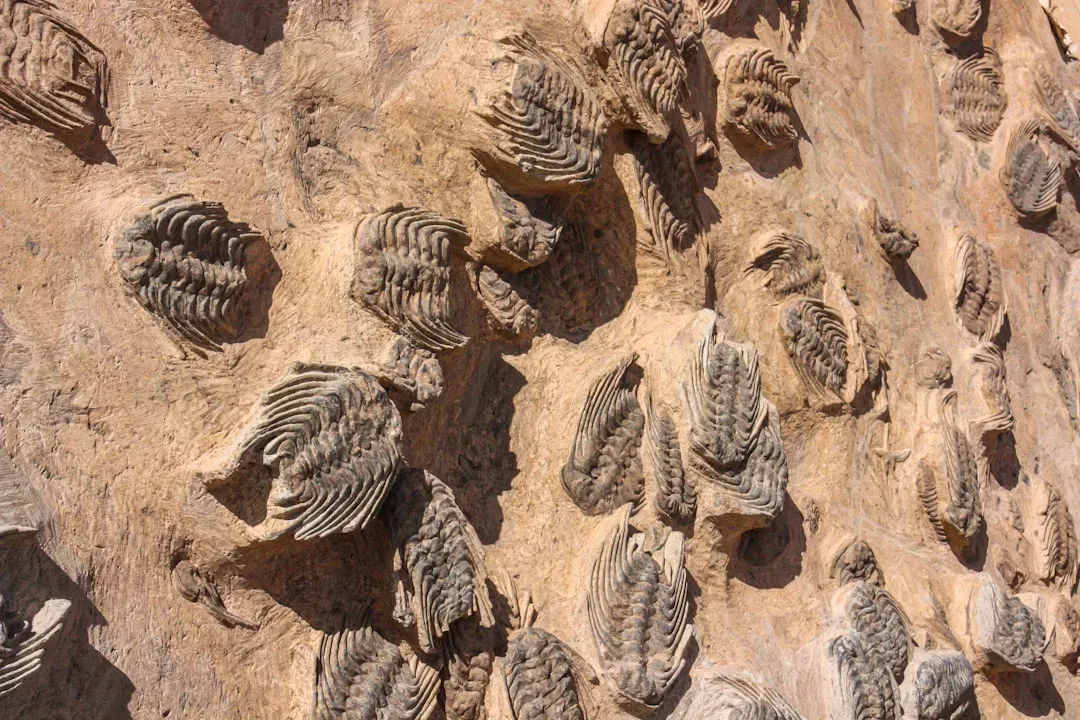
You cannot understand the earliest dinosaurs without first grasping the catastrophe that made room for them. The Permian-Triassic extinction event, also known as the Great Dying, took place roughly 252 million years ago and was one of the most significant events in the history of our planet. Honestly, it’s hard to even wrap your head around the scale of it. Dinosaurs diverged from their archosaur ancestors during the Middle to Late Triassic epochs, roughly 20 million years after the devastating Permian-Triassic extinction event wiped out an estimated 96 percent of all marine species and 70 percent of terrestrial vertebrate species approximately 252 million years ago.
After this near-total reset, life had to start over almost from scratch. The Triassic was a time of change, a transition from a world dominated by mammal-like reptiles to one ruled by dinosaurs. Think of it like clearing an overgrown field so something entirely new can finally take root. Early Triassic biotas were impoverished, though diversity and abundance progressively increased during Middle and Late Triassic times. The stage was set, the canvas was blank, and the first dinosaurs were about to make their entrance.
The Supercontinent Stage: Life on Pangaea
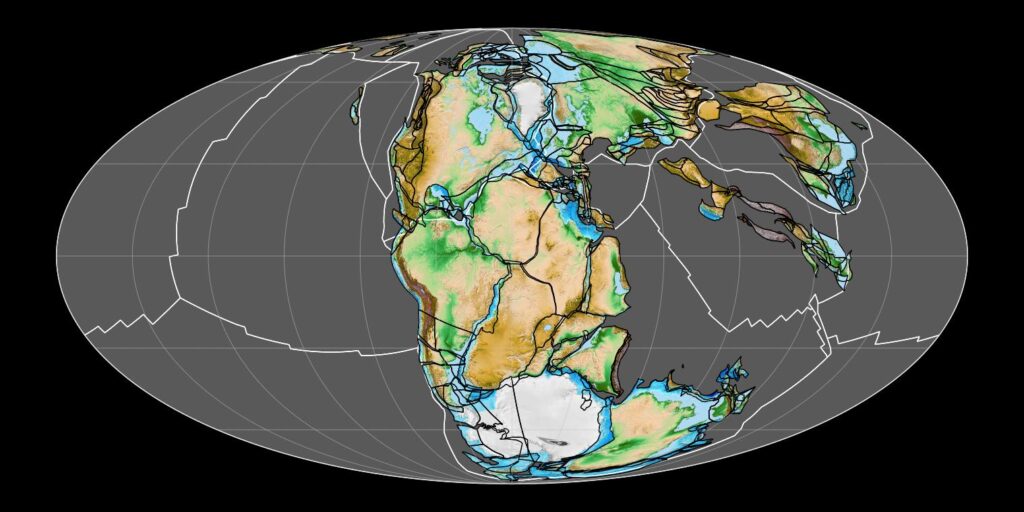
When the first dinosaurs appeared, you would have been standing on a single, colossal landmass. Dinosaurs evolved in a world that had one supercontinent, Pangaea, surrounded by one ocean, Panthalassa. The Atlantic Ocean did not exist; instead, Africa was joined to North America along much of what would be today’s Atlantic coast, forming the arid and inhospitable interior of the supercontinent. Imagine walking from what is now Brazil to Zimbabwe without ever crossing water. That was genuinely possible.
The global climate during the Triassic was mostly hot and dry, with deserts spanning much of Pangaea’s interior. Yet it wasn’t uniformly scorched everywhere. Overall, it appears that the climate included both arid dune environments and moist river and lake habitats with gymnosperm forests. The strong contrast between the Pangaea supercontinent and the global ocean triggered intense cross-equatorial monsoons, sometimes referred to as the Pangean megamonsoons. So the world of the first dinosaurs was a land of extremes, brutal dry seasons punctuated by dramatic deluges.
Eoraptor: The Dawn Thief That Changed Everything
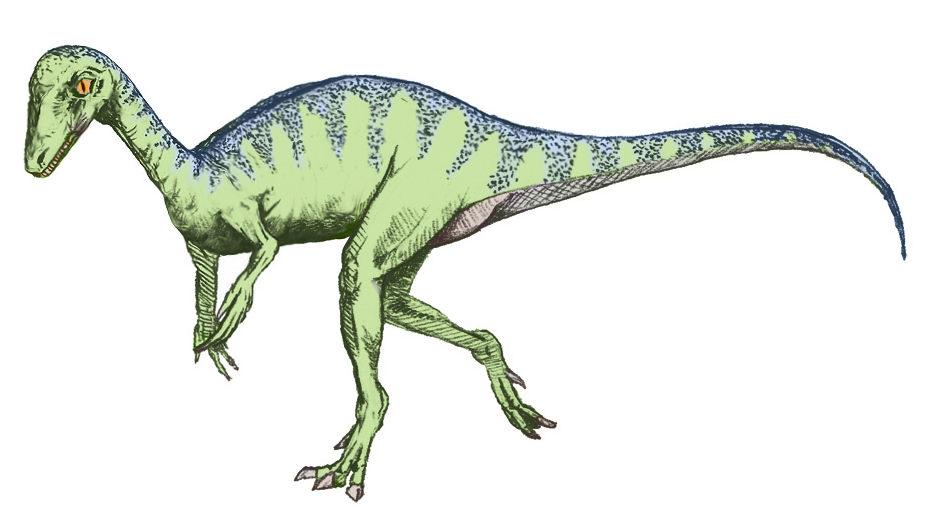
Here’s the thing about the creature considered one of the very first dinosaurs – it fits in the palm of your hand, relative to what came after. Eoraptor was a small, lightly built dinosaur measuring about 1 meter in length and approximately 0.5 meters in height. It weighed between 5 and 10 kilograms, the same as a small dog. Hard to believe this little animal is ancestral to giants like Brachiosaurus. The species was named by paleontologist Paul Sereno in 1993 and its name means “dawn thief.”
Eoraptor was first discovered by paleontologist Ricardo Martinez in 1991 in the Ischigualasto Badlands of Argentina. The area is now a desert, but during the time of the Eoraptor it was a river valley. What a transformation that landscape has undergone. Paleontologists now believe that Eoraptor closely resembles the common ancestor of all dinosaurs, and the study of fossils like that of Eoraptor may eventually allow a better understanding of the evolution of key traits present in later species. Studying Eoraptor is, in many ways, like studying a living blueprint of dinosaur life itself.
Herrerasaurus: The First True Predator
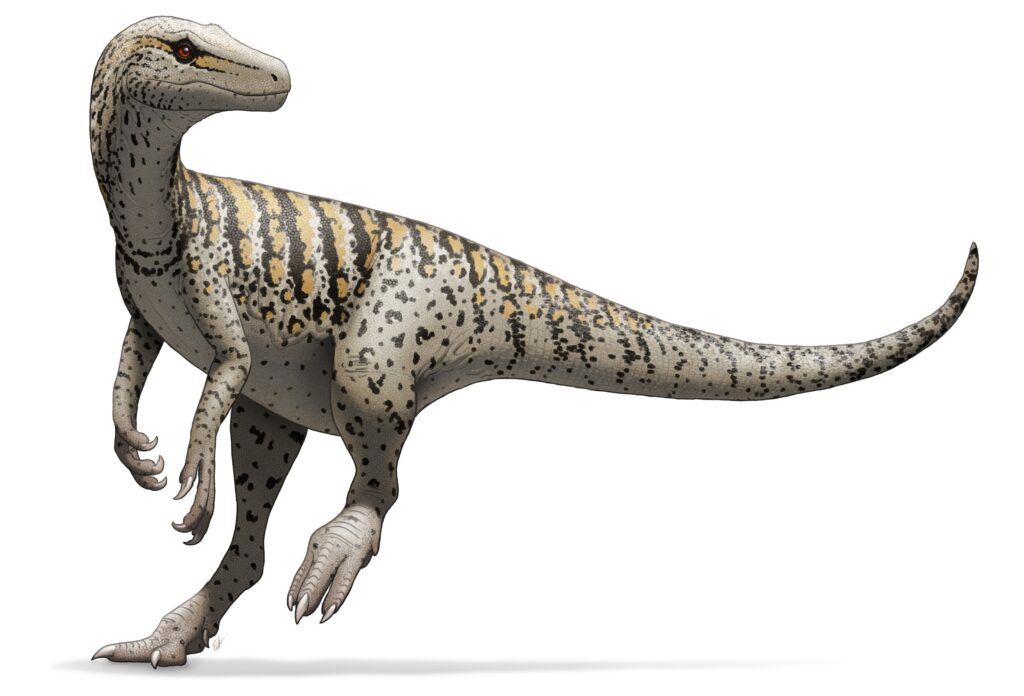
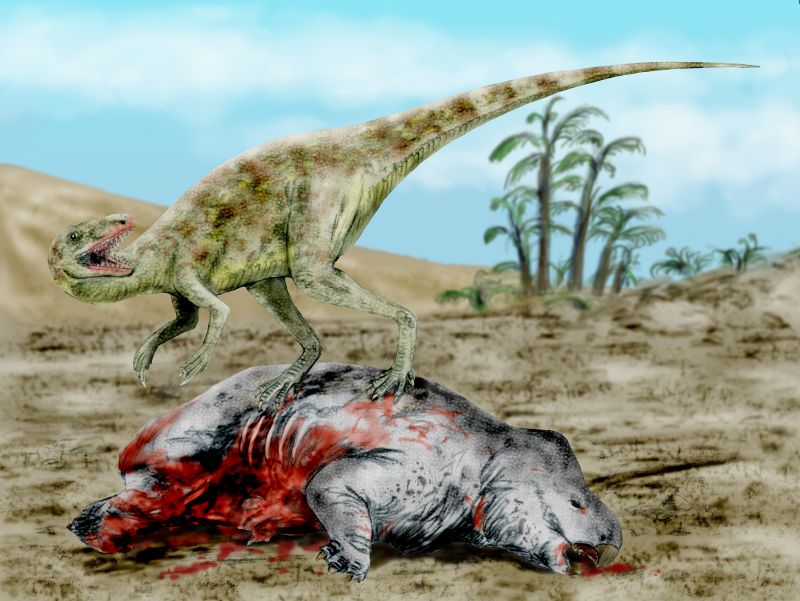
While Eoraptor was scrappy and versatile, Herrerasaurus was something else entirely. A genuine apex predator for its time and place. Measuring 6 meters long and weighing around 350 kilograms, this genus was one of the earliest dinosaurs from the fossil record. It had a slender, agile body with a long tail, which likely aided in balance. Its head was equipped with sharp teeth, indicative of its carnivorous diet. For early Triassic standards, that made you a serious threat.
First discovered in Argentina’s Ischigualasto Formation, this Triassic predator roamed the Earth approximately 230 million years ago, a time when the landscape of the supercontinent Pangaea was dramatically different from today. Herrerasaurus was named by paleontologist Osvaldo Reig after Victorino Herrera, an Andean goatherd who first noticed its fossils in outcrops near the city of San Juan, Argentina, in 1959. I think there’s something beautifully poetic about the fact that a simple goat herder was the one to find one of the world’s first predators. Science doesn’t always start in a laboratory.
Nyasasaurus and the Mystery of Dinosaur Origins
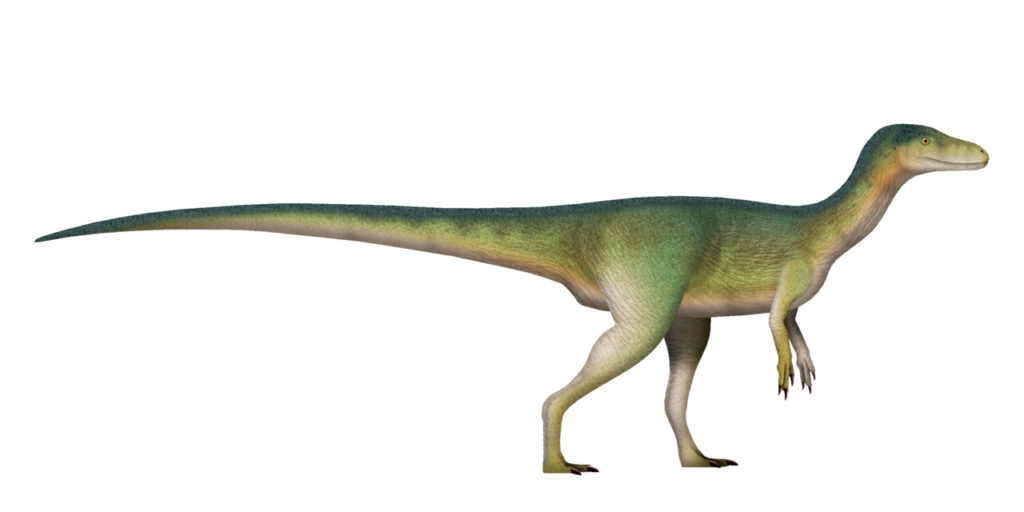
Not everything in paleontology is neatly resolved. Some of the most exciting discoveries raise more questions than they answer, and Nyasasaurus is a perfect example. Nyasasaurus is an extinct genus of avemetatarsalian archosaur from the putatively Middle Triassic Manda Formation of Tanzania that may be the earliest known dinosaur. The keyword there is “may.” The 2013 study suggests that Nyasasaurus may be the earliest known dinosaur, dating to the late Anisian stage, about 243 million years ago, 10 to 15 million years older than any previously described dinosaur, such as Herrerasaurus.
Nyasasaurus is known only from a handful of bones. Taken together, they do not form a complete enough skeleton to determine whether it was a true dinosaur, or simply a dinosaur ancestor, known as a dinosauromorph. It’s a frustrating but fascinating puzzle. It demonstrates that the initial dinosaur radiation occurred over a longer timescale than previously thought, possibly 15 million years earlier, and that dinosaurs and their immediate relatives are better understood as part of a larger Middle Triassic archosauriform radiation. In other words, the dinosaur story started even earlier than you probably thought.
The Competition: Dinosaurs Were Not Yet Kings
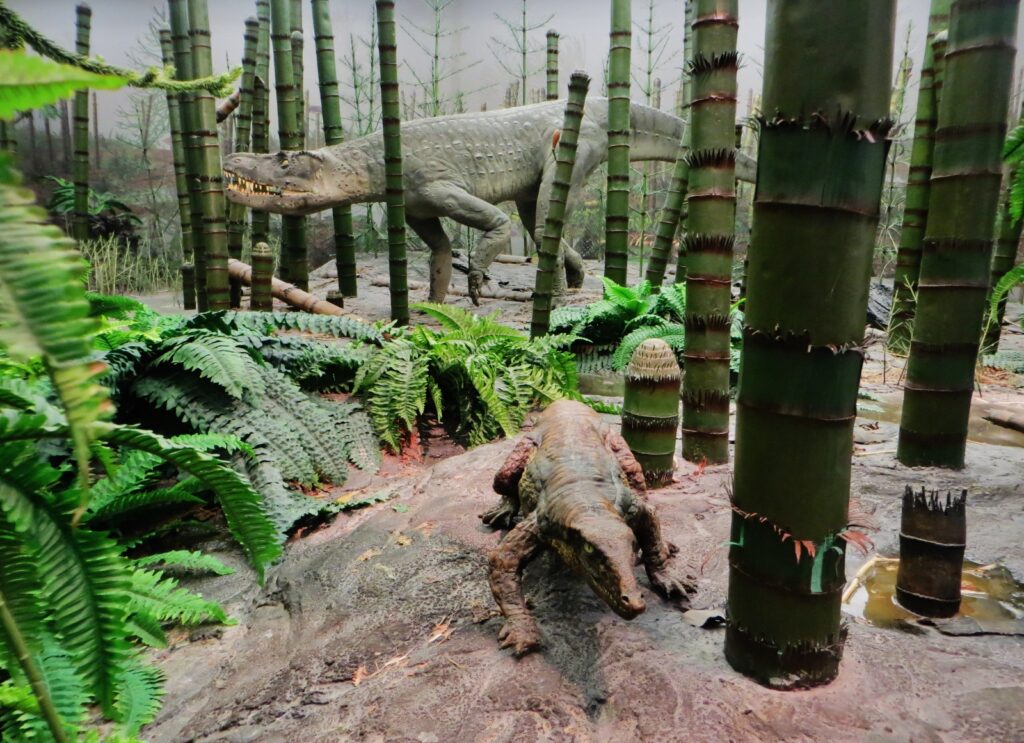
Let’s be real – if you had traveled back to the Late Triassic, you wouldn’t have been most afraid of dinosaurs. Not even close. During the Triassic Period, the dinosaurs were still yet to become the dominant land animals. Instead, it was a group of crocodile-like reptiles known as pseudosuchians that were the top predators. Dinosaurs were almost peripheral, living in the ecological shadows of far more powerful competitors.
Eoraptor was found in close association with therapsids, rauisuchians, archosaurs, Saurosuchus and the dinosaurs Herrerasaurus and Pisanosaurus, all of whom lived in its paleoenvironment. Herbivores were represented by rhynchosaurs, aetosaurs, cynodonts, kannemeyeriid dicynodonts, and traversodontids. These non-dinosaurian herbivores were much more abundant than early dinosaurs. The ecosystem was genuinely crowded, and early dinosaurs were just one player among many. Their eventual dominance was far from inevitable at this stage.
The Triassic-Jurassic Extinction: Dinosaurs Get Their Chance
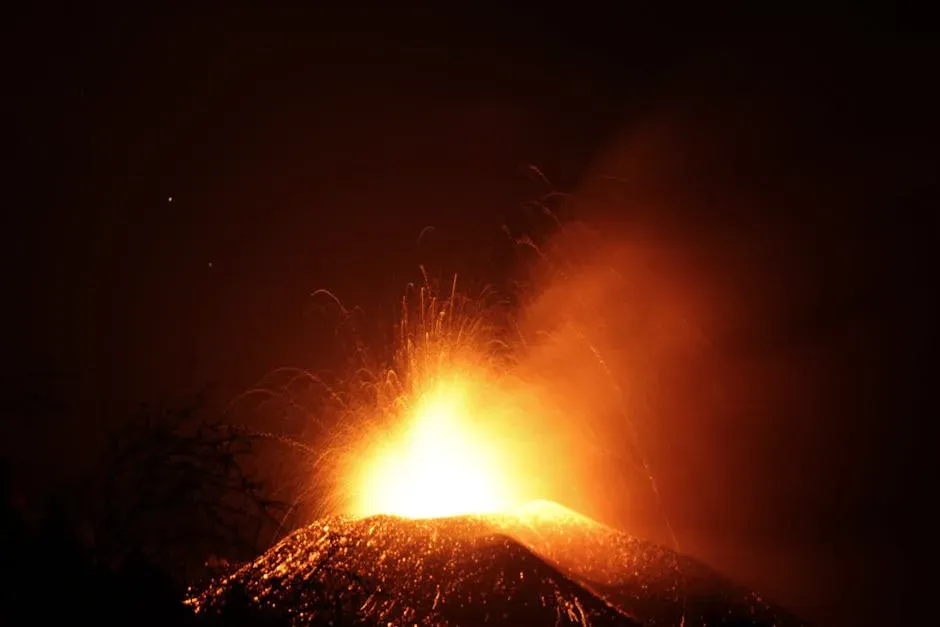
Everything changed not because of something dinosaurs did brilliantly, but because of something catastrophic that happened to everyone else. The Triassic-Jurassic extinction event, about 201 million years ago, saw the end of most of the other groups of early archosaurs, like aetosaurs, ornithosuchids, phytosaurs, and rauisuchians. The competition was wiped from the board. It was accompanied by huge volcanic eruptions that occurred as the supercontinent Pangaea began to break apart about 202 to 191 million years ago, forming the Central Atlantic Magmatic Province, one of the largest known inland volcanic events since the planet had first cooled and stabilized.
Dinosaurs became the dominant terrestrial vertebrates after the Triassic-Jurassic extinction event 201.3 million years ago, and their dominance continued throughout the Jurassic and Cretaceous periods. Some of the early, primitive dinosaurs also became extinct, but more adaptive ones survived to evolve into the Jurassic. It’s a striking reminder that resilience, not raw power, often determines who inherits the Earth. The dinosaurs survived not because they were the biggest, but because they were the most adaptable creatures left standing after the fires died down.
Conclusion: Small Beginnings, Enormous Legacy
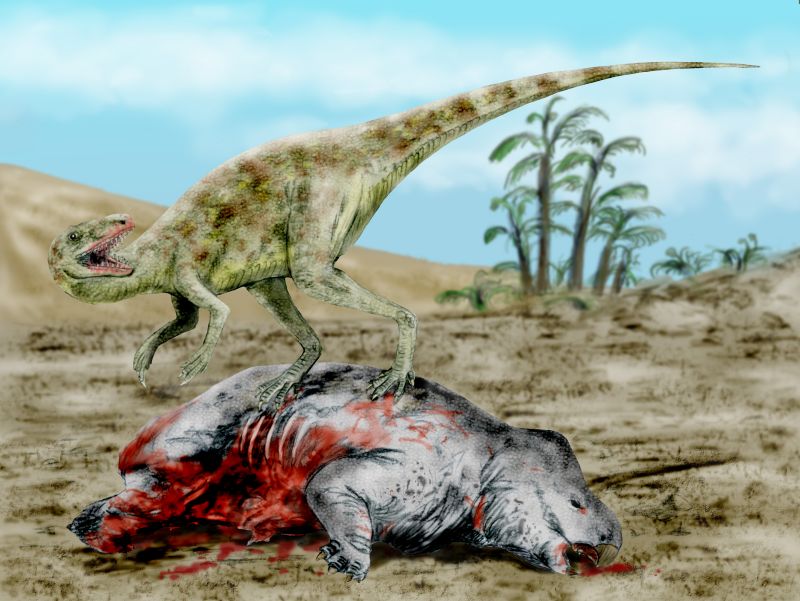
The story of the earliest dinosaurs is really a story about timing and survival. These first creatures, lightweight and overlooked, dwelling in the shadows of more dominant reptiles on a supercontinent most of us will never fully imagine, carried within their small bones the blueprint for some of the most spectacular animals ever to walk the Earth. Eoraptor was a small predatory dinosaur living in the Late Triassic period and is one of the earliest dinosaurs known to science. Scientists believe that Eoraptor represents a lineage that would eventually give rise to the vast majority of predatory dinosaurs.
What’s most awe-inspiring is how much is still unknown. Each new fossil unearthed in Argentina, Zimbabwe, or Tanzania rewrites our understanding of where and when the dinosaur story truly began. The origin of dinosaurs, precisely when and where they first appeared, remains a bit of a puzzle. Researchers are now proposing a surprising location for the birthplace of dinosaurs, based on the locations of the currently oldest-known dinosaur fossils, the evolutionary relationships among these early forms and Earth’s geography during the Triassic Period. The more we discover, the more we realize how much is still buried in the rock.
These weren’t giants when they started. They were small, cautious, opportunistic survivors. And yet they went on to rule the planet for roughly 165 million years. When you consider that our own species has existed for a mere blink of geological time by comparison, it gives you genuine pause. What would you have guessed was lurking in that ancient river valley, waiting to become something extraordinary?