Imagine holding a rock in your hand and being told it might contain the chemical echoes of the very first thing that ever lived on Earth. That is not science fiction. That is what researchers are genuinely working with today. The question of how life first appeared on this planet is one of the oldest puzzles in human history, and in 2026, science is closer than ever to cracking it. Still, no single answer has won the debate.
There are at least half a dozen serious scientific frameworks, each with its own compelling evidence, passionate supporters, and frustrating gaps. Some say life was cooked up in ancient ocean vents. Others believe it fell from the sky. A few are convinced it began in shallow, sun-warmed puddles. Every theory sounds a little wild at first, but that is what makes this so exciting. Let’s dive in.
Theory 1: The Primordial Soup That Shocked the World
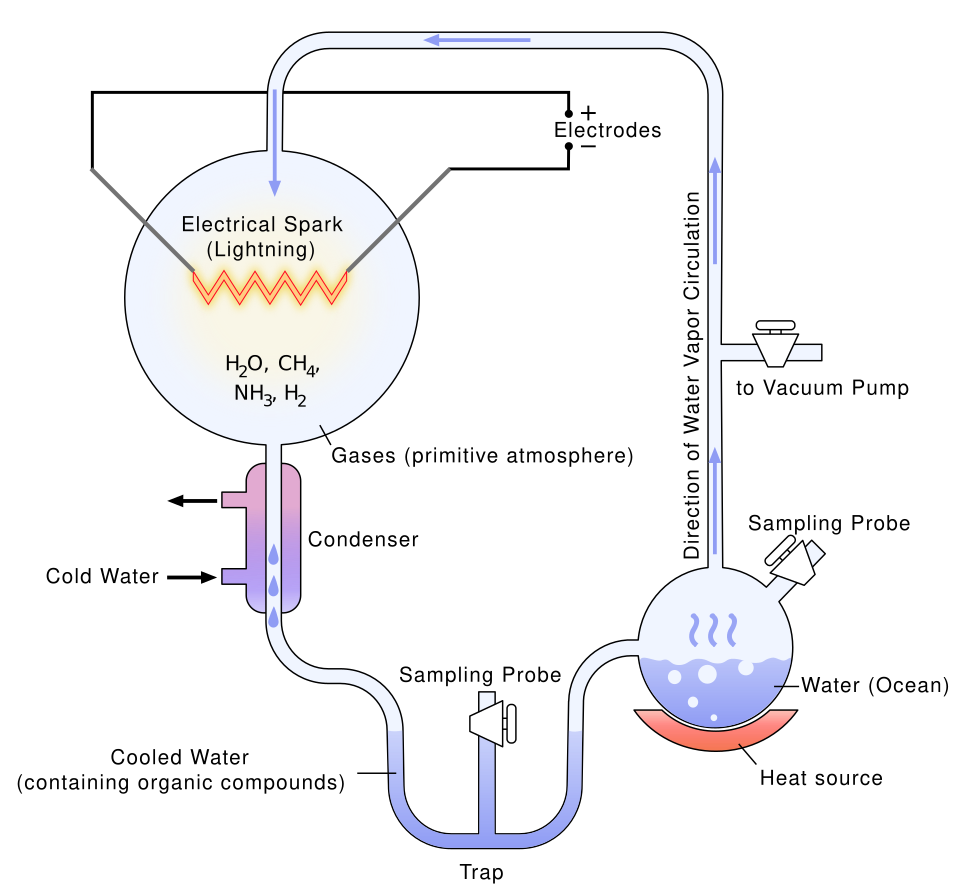
You have probably heard of this one, even if you did not know the name. The origin of life on Earth stands as one of the great mysteries of science. The primordial soup theory suggests that life’s raw ingredients assembled themselves in the ancient oceans under the influence of lightning, heat, and ultraviolet radiation. It is a beautifully simple idea, and for decades, it was the dominant story.
In their famous experiment, Miller and Urey injected ammonia, methane, and water vapor into an enclosed glass container to simulate what were then believed to be the conditions of Earth’s early atmosphere, then passed electrical sparks through the container to simulate lightning. Amino acids, the building blocks of proteins, soon formed. Honestly, when you think about it, that experiment was almost shockingly straightforward for something so profound. The early atmosphere and oceans are now considered to have been chemically quite different from what Miller and Urey used, though later approaches recreated the experiment with more success, creating ten of the twenty amino acids plus the peptide bonds that link them.
Theory 2: The Deep-Sea Hydrothermal Vent Hypothesis
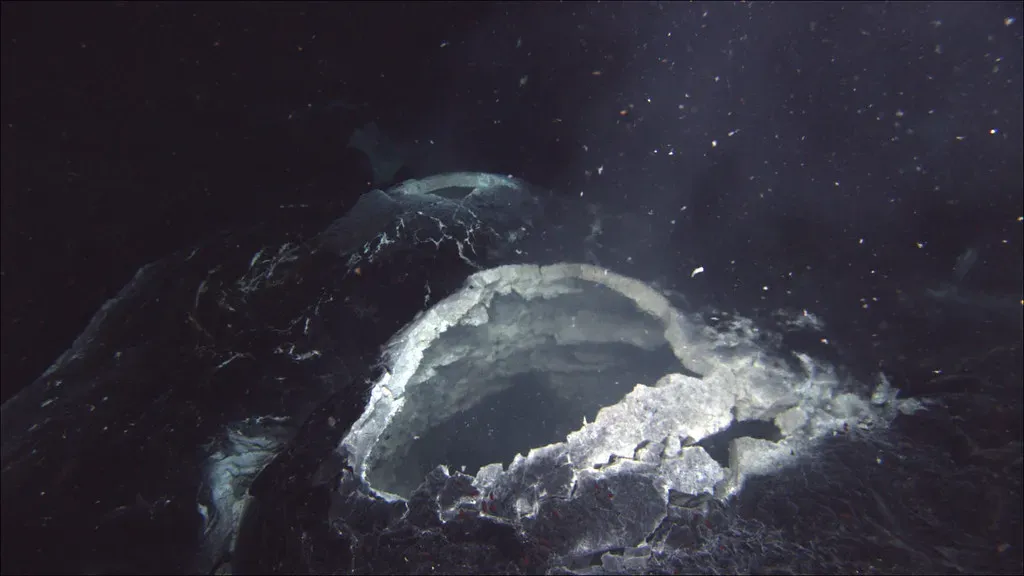
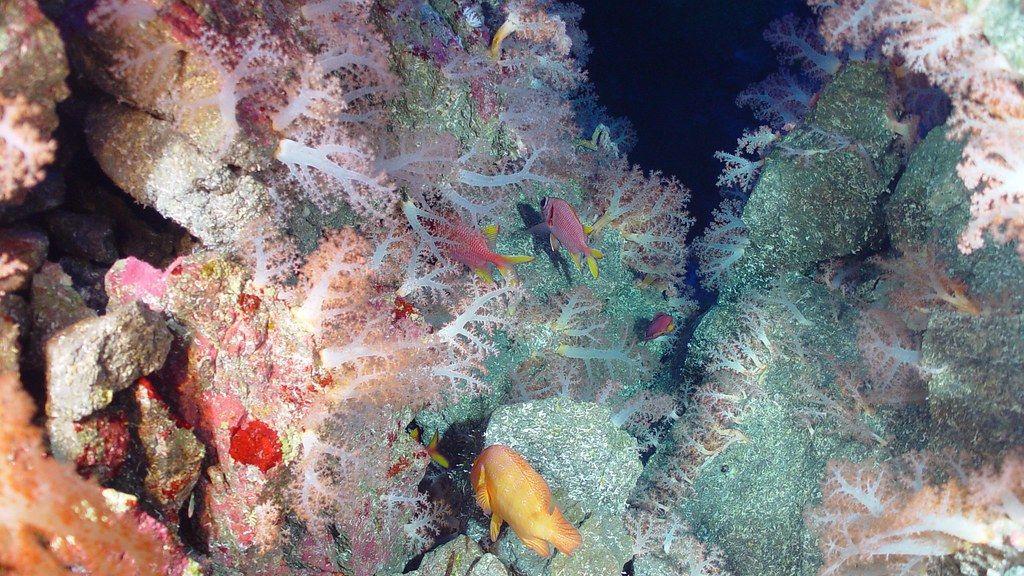
Here is where things get genuinely dramatic. Picture the pitch-black ocean floor, no sunlight, no surface, just scalding mineral-rich water blasting through cracks in the seafloor. In 1977, scientists discovered biological communities unexpectedly living around seafloor hydrothermal vents, far from sunlight and thriving on a chemical soup rich in hydrogen, carbon dioxide, and sulfur. Inspired by these findings, scientists later proposed that hydrothermal vents provided an ideal environment with all the ingredients needed for microbial life to emerge on early Earth.
Researchers argue that the source of energy required at life’s origin has been hiding in plain sight: under the environmental conditions at deep-sea hydrothermal vents, the central biosynthetic reactions of life do not require an external energy source. Rather, these core metabolic reactions release energy all by themselves as long as H2 and CO2 are in supply. A 2025 study took this even further. Research published in the Journal of the American Chemical Society recreated in the laboratory chemical reactions that may have occurred on Earth about four billion years ago, showing that without the presence of enzymes, natural gradients of pH, redox potential, and temperature present in underwater hydrothermal vents could have promoted the reduction of carbon dioxide to formic acid and the subsequent formation of acetic acid.
Theory 3: The RNA World Hypothesis
![Theory 3: The RNA World Hypothesis (Created with the rendering program Protein Explorer [1] using coordinates 1H38 deposited at the RCSB PDB repository. [2], Public domain)](https://nvmwebsites-budwg5g9avh3epea.z03.azurefd.net/dinoworld/cd555ce950fe82547b9252d71702f03e.webp)
Let’s be real, this one is probably the most scientifically influential theory alive right now. The RNA world is a hypothetical stage in the evolutionary history of life on Earth in which self-replicating RNA molecules proliferated before the evolution of DNA and proteins. Alexander Rich first proposed the concept in 1962, and Walter Gilbert coined the term in 1986. The core idea is elegant: before you had the complex DNA-protein machinery of modern life, you had RNA doing both jobs at once, storing information and catalyzing reactions.
Enzymes made of RNA, called ribozymes, can catalyze chemical reactions that are critical for life, so it is conceivable that in an RNA world, ribozymes might have preceded enzymes made of protein. Recent breakthroughs have added serious weight to this idea. A 2025 study showed that a thioester, a high-energy chemical compound important in many of life’s biochemical processes, could unite two prominent origin of life theories: the RNA world, where self-replicating RNA is proposed to be fundamental, and the thioester world, in which thioesters are seen as the energy source for the earliest forms of life. I think this crossover between theories is genuinely exciting because it suggests the real origin story may be a blend of several ideas, not just one.
Theory 4: Darwin’s Warm Little Pond and the Hot Spring Hypothesis
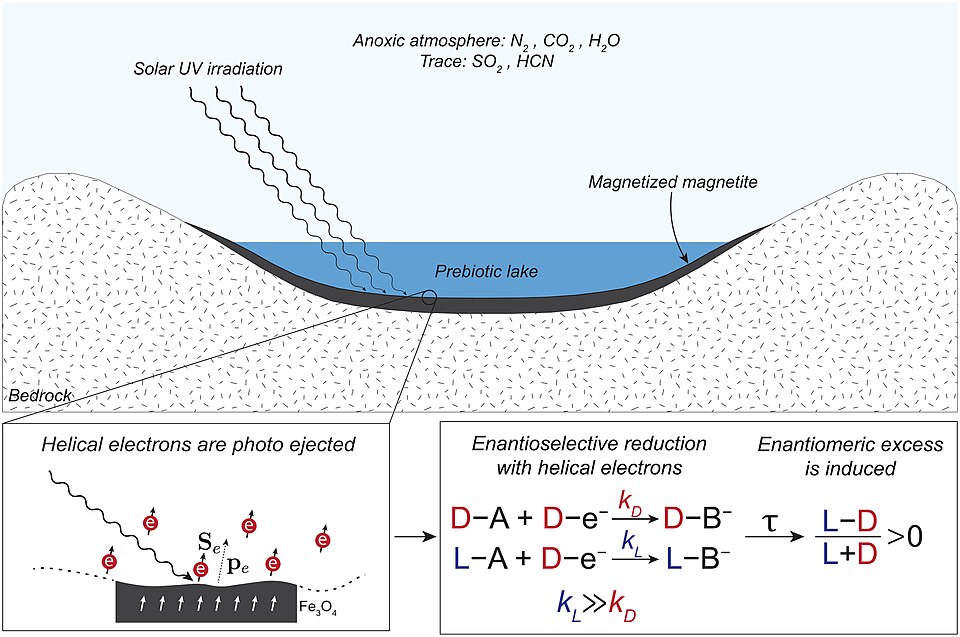
It might surprise you to learn that Charles Darwin, long before anyone had heard the phrase “origin of life research,” quietly sketched out a surprisingly modern idea. A warm little pond is a hypothetical terrestrial shallow water environment on early Earth under which the origin of life could have occurred. The term was originally coined by Charles Darwin in an 1871 letter to his friend Joseph Dalton Hooker. Darwin imagined a small body of water, rich in chemicals, warmed by sunlight, and driven by energy from electricity and heat. Not bad for the 1800s.
In contrast to the dilution that inevitably would occur in a global salty ocean, potential organic reactants can accumulate and be concentrated sufficiently for reactions to occur in small bodies of fresh water on volcanic land masses emerging from the ocean. The modern version of this idea involves wet and dry cycles. Wet and dry cycles can serve as a mechanism to concentrate reactants, generate gradients in temperature or pH, and drive both dehydration and hydrolysis reactions, which are favorable under dry conditions and in solution respectively. Think of it like leaving a cup of coffee out in the sun. It concentrates. That same basic principle, repeated millions of times over millions of years, may have produced the first self-replicating molecules on Earth.
Theory 5: Panspermia – Life Delivered from Space
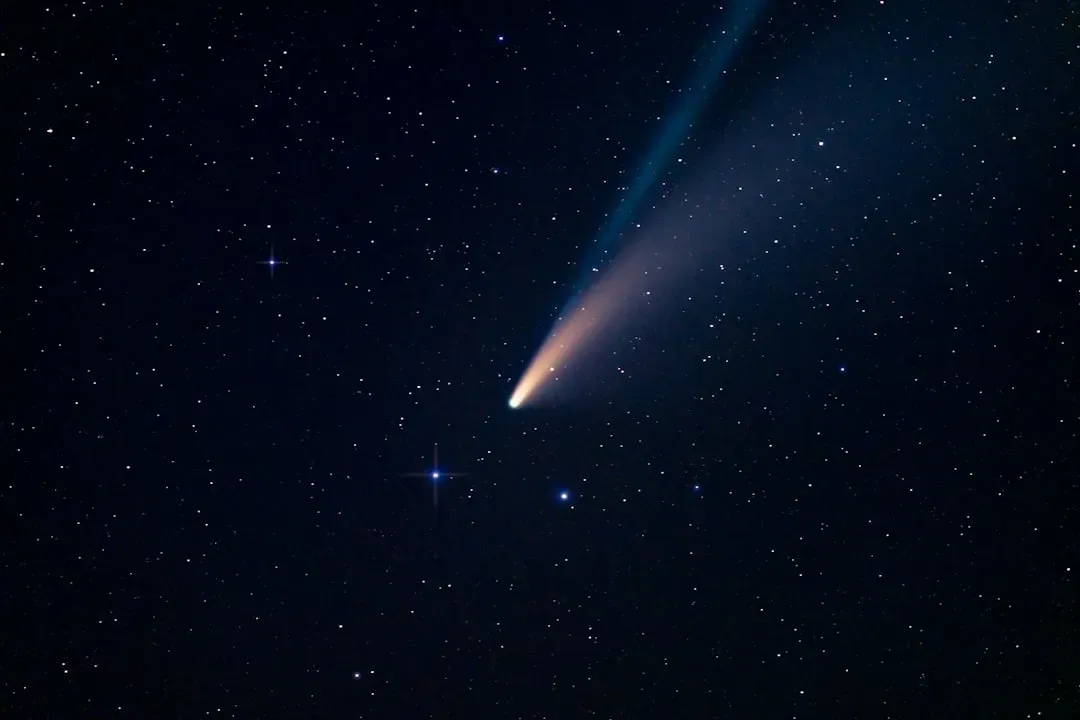
Okay, I know it sounds like the plot of a science fiction film, but bear with me. The panspermia theory argues that life originated in space, in spatial ices, and is continuously distributed to the planets by comets and meteorites. This does not mean little green aliens left microbes on Earth. Rather, it proposes that the raw chemical ingredients, or possibly even simple microbial life itself, hitched a ride on space rocks and landed here during the intense bombardment of early Earth.
Evidence for pseudo-panspermia includes the discovery of organic compounds such as sugars, amino acids, and nucleobases in meteorites and other extraterrestrial bodies, and the formation of similar compounds in the laboratory under outer space conditions. There are practical challenges, of course. Spores would need to be heavily protected against UV radiation, and rocks at least one meter in diameter are required to effectively shield resistant microorganisms against galactic cosmic radiation. Still, the idea remains scientifically alive because some scientists think that some of the molecules important to life may be produced outside the Earth, and that these ingredients could have come from meteorites or comets.
Theory 6: LUCA and the Genetic Blueprint of All Life
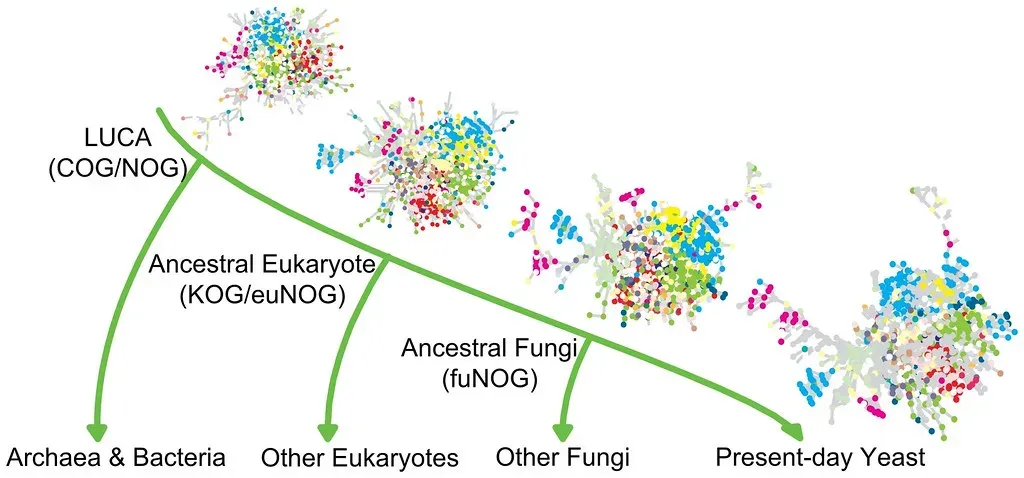
This theory does not compete with the others so much as it sits above them all. LUCA stands for the Last Universal Common Ancestor, and it refers to the single organism from which every living thing on Earth today ultimately descended. It is not exactly the first organism, but it is the earliest common ancestor we can trace. A 2024 study inferred LUCA’s age as around 4.2 billion years ago by analyzing pre-LUCA gene duplicates, with calibration from fossil micro-organisms.
That age for LUCA is quite astonishing: it could have been only a couple of hundred million years after the Moon-forming interplanetary collision. Moreover, researchers estimated that this ancient organism had a genome of around two million base pairs that encoded about 2,600 proteins, roughly comparable to living species of bacteria and archaea, and thus probably quite advanced in evolutionary terms. Think about that for a moment. The Hadean environment was vastly different from modern times: a waterworld seething with volcanism, no continents, a target for errant asteroids and comets, spinning more rapidly with a 12-hour day, and a much closer Moon producing far bigger tides. Yet somehow, in all that chaos, life not only started but got remarkably sophisticated very quickly. It is humbling to consider.
Conclusion: The Greatest Mystery We May Never Fully Solve
What you have just encountered is not a single answer but rather six different windows into the same breathtaking mystery. Each theory carries real scientific weight, and none of them can be fully dismissed. The questions of how life forms, whether life is an inevitable outcome, and how diverse its presentation could be remain some of the most profound in science. Investigations into the origin of life confront key issues such as uncovering universal features of life, the plausibility of alternative biochemistries, and the transition from purely chemical systems to information-bearing, evolvable entities.
It is hard to say for sure which of these theories is the closest to the truth. The honest answer is that the real story might involve several of them working in concert, not one lone mechanism acting in isolation. Life, as we keep discovering, is more resourceful and more surprising than any single theory gives it credit for. All origin of life theories ultimately converge on the same endpoints: genes, proteins, and cells. The paths may be different, but the destination is the same staggering outcome: you, reading this, billions of years later.
So here is the question that should stay with you: if life could emerge from raw chemistry in the hostile chaos of early Earth, what does that say about the likelihood of life elsewhere in the universe? What do you think? Drop your thoughts in the comments below.