Have you ever wondered what Earth looked like billions of years before dinosaurs walked the land? Long before the first T. rex roared or Brachiosaurus stretched its neck to reach treetops, something far smaller and stranger ruled the planet. These ancient pioneers didn’t have bones or teeth or even eyes. They were microscopic organisms, barely visible, yet they transformed our entire world in ways that still shape life today.
The story of how life began and evolved into the complex creatures we know is one of the most fascinating mysteries science has ever tackled. It’s hard to say for sure, but the earliest traces of life appeared somewhere between three and four billion years ago, in a world that would have been utterly unrecognizable to us. The journey from those first simple cells to the mighty dinosaurs that dominated the Mesozoic Era took an almost incomprehensible amount of time. What you’re about to discover might just change how you see the history of our planet forever.
When the Earth Was Young and Life Took Its First Breath
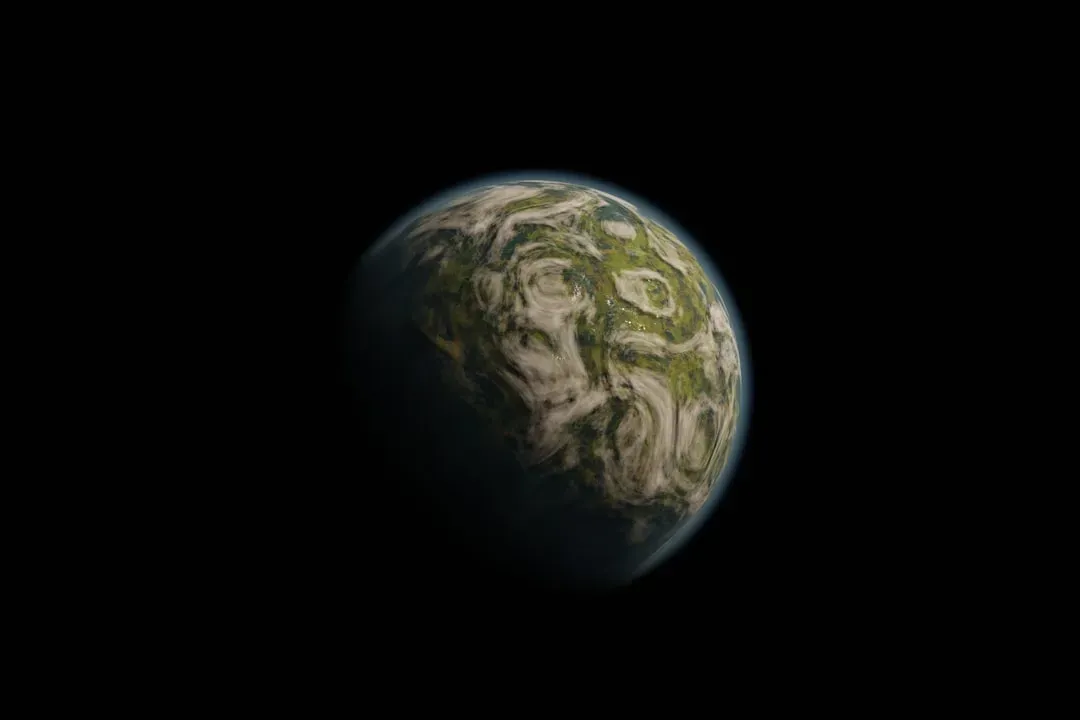
The earliest undisputed evidence of life on Earth dates from at least 3.5 billion years ago, though some scientists believe life could have started even earlier. Picture this: The Earth was already more than 600 million years old when life began, having cooled down from its original molten state. The planet had developed a solid crust, and oceans formed from water vapor that condensed in the atmosphere.
Life most likely emerged on Earth between 4.32 and 3.48 billion years ago, appearing in an environment that would be toxic to most organisms living today. Environmental conditions on Earth were extreme: high temperatures, lack of oxygen, high radiation. Despite these harsh conditions, or perhaps because of them, the first organisms found a way to survive.
Scientists have discovered that microorganisms living near hydrothermal vents led some scientists to suggest them as the birthplaces of Earth’s first life forms. These underwater volcanic chimneys provided the perfect combination of heat, minerals, and chemical energy. Honestly, it’s mind blowing to think that life might have started in such extreme places, thriving where nothing else could.
The Tiniest Pioneers That Changed Everything
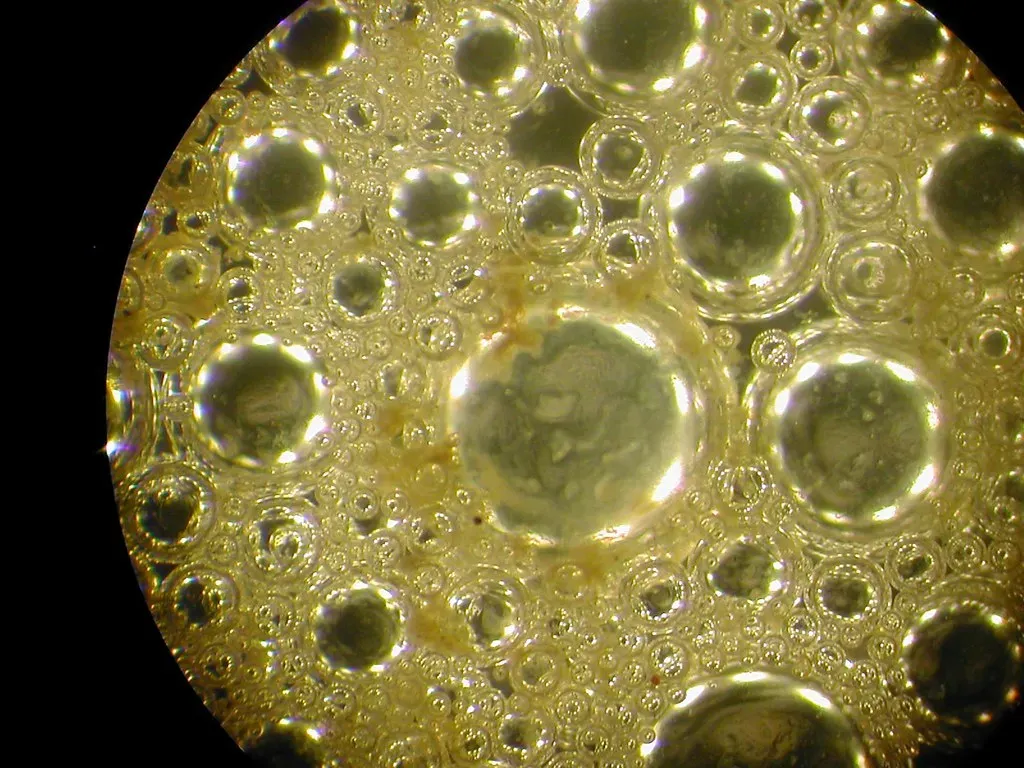
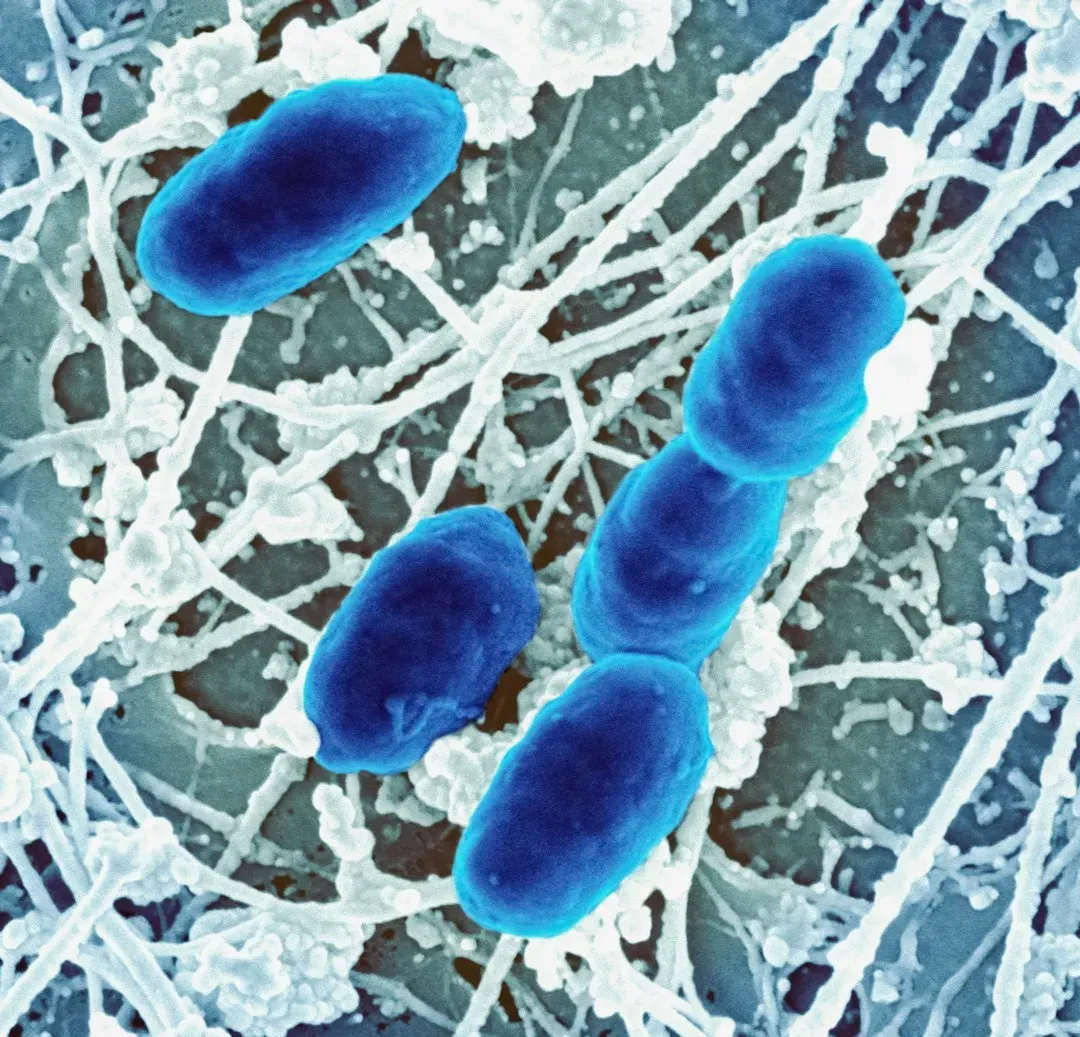
Prokaryotes were the first forms of life on earth, existing for billions of years before plants and animals appeared. These simple bacteria lacked a nucleus and the complex internal structures that modern cells possess, yet they were remarkably resilient. They were essentially microscopic survivors, perfectly adapted to a planet that was nothing like the one we know.
The first organisms on Earth were simple bacteria that dominated the Earth for several billion years. Let’s be real, that’s an incredibly long time for any life form to maintain dominance. These early microbes weren’t just sitting around either. Microscopic bacteria show up in the fossil record as early as 3.4 billion years ago, and as their numbers multiplied and supplies of their chemical fuel were eaten up, bacteria sought out an alternative energy source.
The world these bacteria inhabited was fundamentally different from ours. Some three billion years ago, the Earth’s atmosphere was virtually devoid of oxygen. Think about that for a moment. The very air we breathe simply didn’t exist in any meaningful quantity. The earliest organisms had to make do with anaerobic metabolism, using minerals from the ocean to generate energy instead of oxygen.
Stromatolites: Ancient Monuments Built by Bacteria
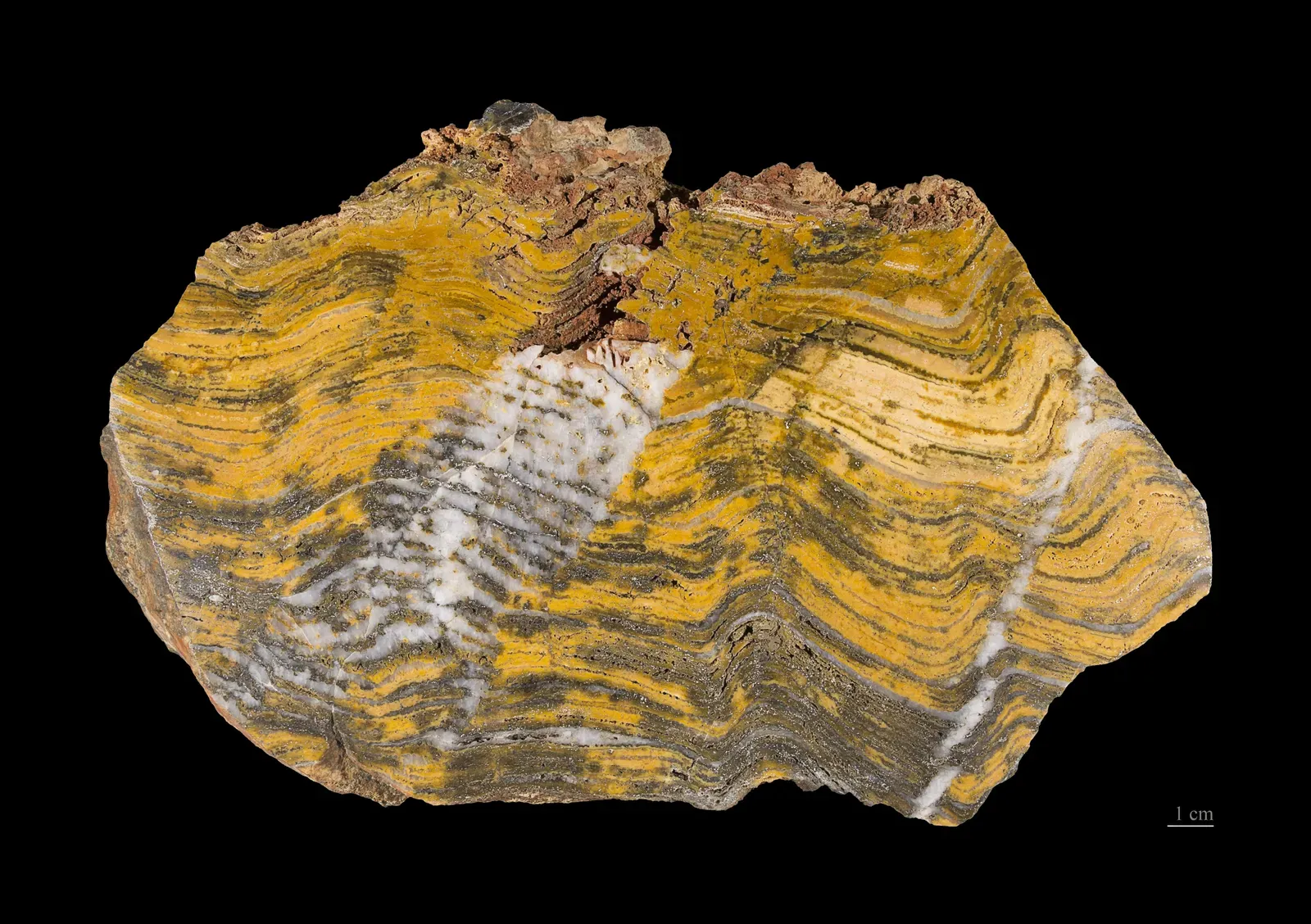
One of the most remarkable pieces of evidence for early life comes in the form of strange layered rock formations called stromatolites. Stromatolites are a major constituent of the fossil record of the first forms of life on Earth, and they peaked about 1.25 billion years ago. These structures weren’t just random rocks. They were actually constructed by living organisms.
Stromatolites are layered structures formed in shallow water by the trapping, binding and cementation of sedimentary grains in biofilms, through the action of certain microbial lifeforms, especially cyanobacteria. Picture colonies of bacteria creating sticky mats that trapped sediment particles day after day, year after year, for thousands of years. Each layer represents a day’s work by countless microscopic builders.
Some of the oldest evidence of life on Earth is 3.49 billion year old fossilized remains of microbial mat structures, which look like wrinkle marks in rocks, found in the Pilbara region of Western Australia. These ancient formations still exist today, and you can actually see them in certain locations like Shark Bay in Australia, where stromatolites continue to grow in shallow, salty waters. It’s like looking at a living fossil, a direct connection to Earth’s ancient past.
Cyanobacteria: The Organisms That Invented Our Atmosphere
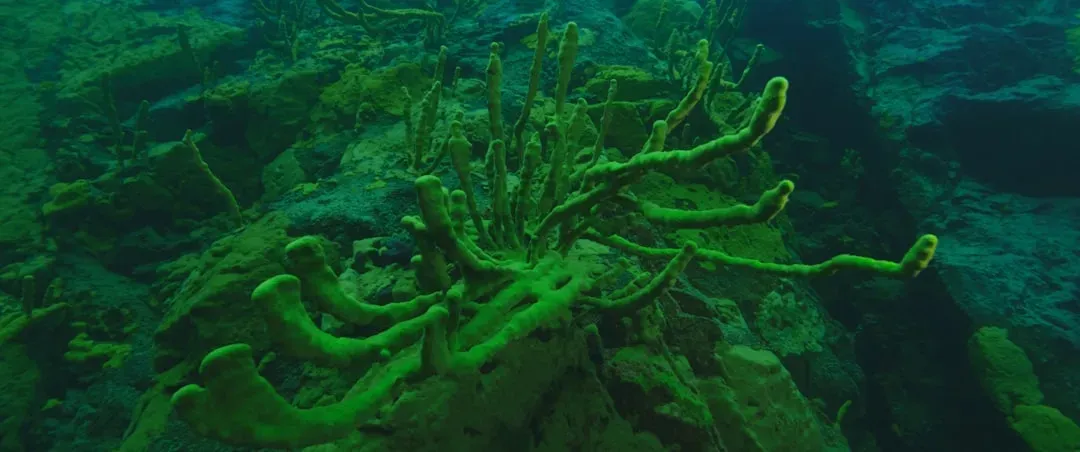
Here’s the thing: one particular group of bacteria changed the world forever. Cyanobacteria are the first organisms known to have produced oxygen, and this innovation would prove to be one of the most consequential events in Earth’s history. Cyanobacteria started out on Earth quite a while ago, with possible fossil examples found in rocks that are around 3500 million years old.
Around 2.7 billion years ago, a peculiar group of microbes, known as cyanobacteria, evolved. These organisms developed the ability to perform photosynthesis, using sunlight to convert carbon dioxide and water into energy. The waste product? Oxygen. The great oxidation event, which released oxygen into Earth’s atmosphere, was catalyzed by cyanobacteria and ultimately led to the evolution of aerobic metabolism.
This wasn’t an overnight process, though. Researchers hypothesize that oxygen released into the seawater by cyanobacteria gradually increased over time, and that over a span of 200 to 300 million years, oxygen was produced at a faster rate than it could react with other elements. The oxygen accumulated in the oceans first, then slowly began escaping into the atmosphere. I know it sounds crazy, but this gradual buildup would eventually transform the entire planet.
The Great Oxidation Event: Earth’s First Environmental Crisis
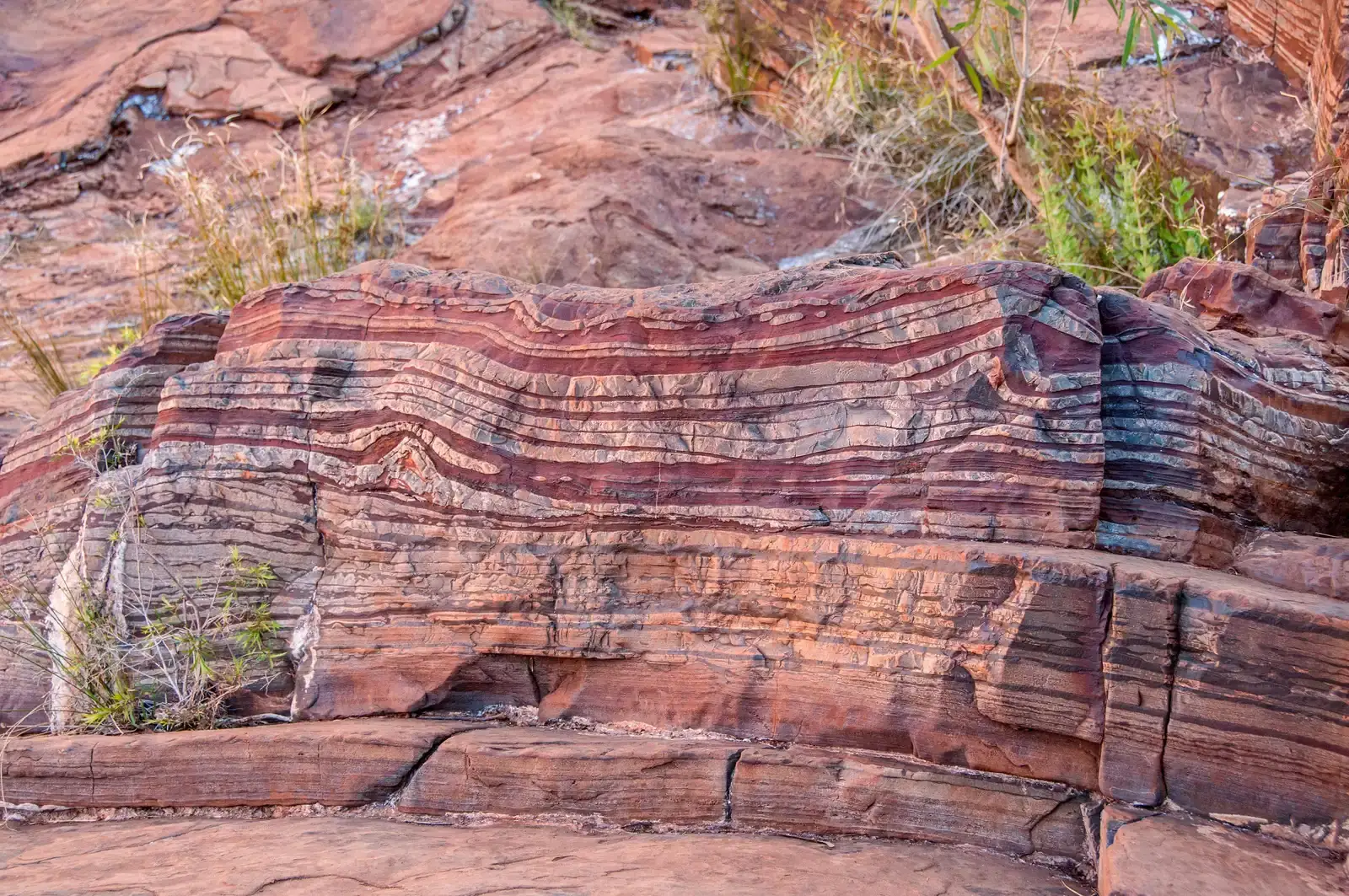
The Great Oxidation Event was a time interval when the Earth’s atmosphere and shallow seas first experienced a rise in the concentration of free oxygen, beginning approximately 2.460 to 2.426 billion years ago. This event fundamentally altered the chemistry of the planet’s surface and atmosphere.
Since life was totally anaerobic 2.7 billion years ago when cyanobacteria evolved, it is believed that oxygen acted as a poison and wiped out much of anaerobic life, creating an extinction event. For organisms that had thrived in an oxygen free world for billions of years, this new atmosphere was deadly. The very substance we need to survive was toxic waste to them.
Yet from this catastrophe came opportunity. Conditions were ripe for the next big step in evolution: aerobic metabolism, and life found a way to survive the poisonous oxygen environment by utilizing the rich potential of oxygen in respiration. Organisms that could harness oxygen as an energy source had access to far more efficient metabolic pathways. The release of oxygen by cyanobacteria was thus responsible for changes in the earth’s atmospheric composition, the rise of aerobic metabolism and, ultimately, the evolution of multicellularity.
From Single Cells to Complex Communities
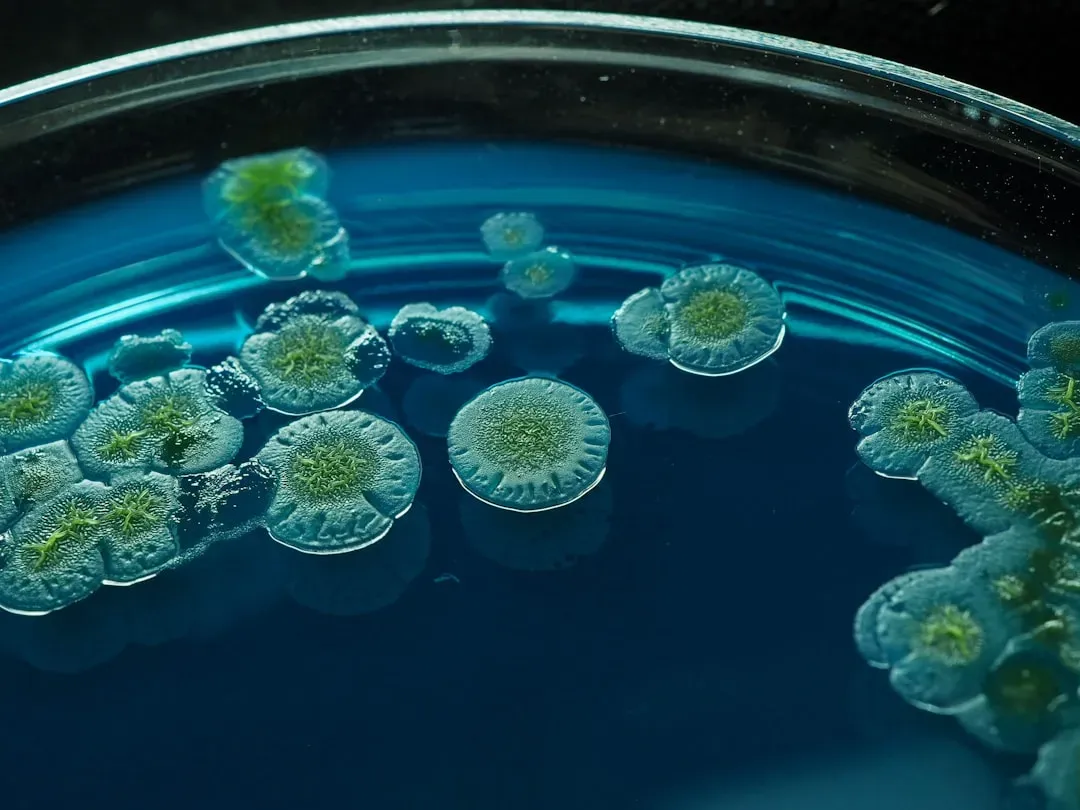
For nearly two billion years after the Great Oxidation Event, life remained relatively simple. Then something extraordinary happened. The first known single celled organisms appeared on Earth about 3.5 billion years ago, but more complex forms of life took longer to evolve, with the first multicellular animals not appearing until about 600 million years ago.
The shift from unicellular to multicellular life was one of biology’s greatest innovations. Multicellularity has evolved independently at least 25 times in eukaryotes, suggesting that under the right conditions, cells naturally find advantages in cooperating. Multicellularity permits increasing complexity by allowing differentiation of cell types within one organism.
Around 600 million years ago, single celled life transitioned to multicellular life forms, begetting a paradigm shift in the definition of life on earth that would set the stage for the evolution of complex organisms. This wasn’t just cells sticking together randomly. These new organisms developed specialized cells with different jobs, working together as a unified whole rather than as individuals.
The Ediacaran World: Strange Creatures Before the Explosion
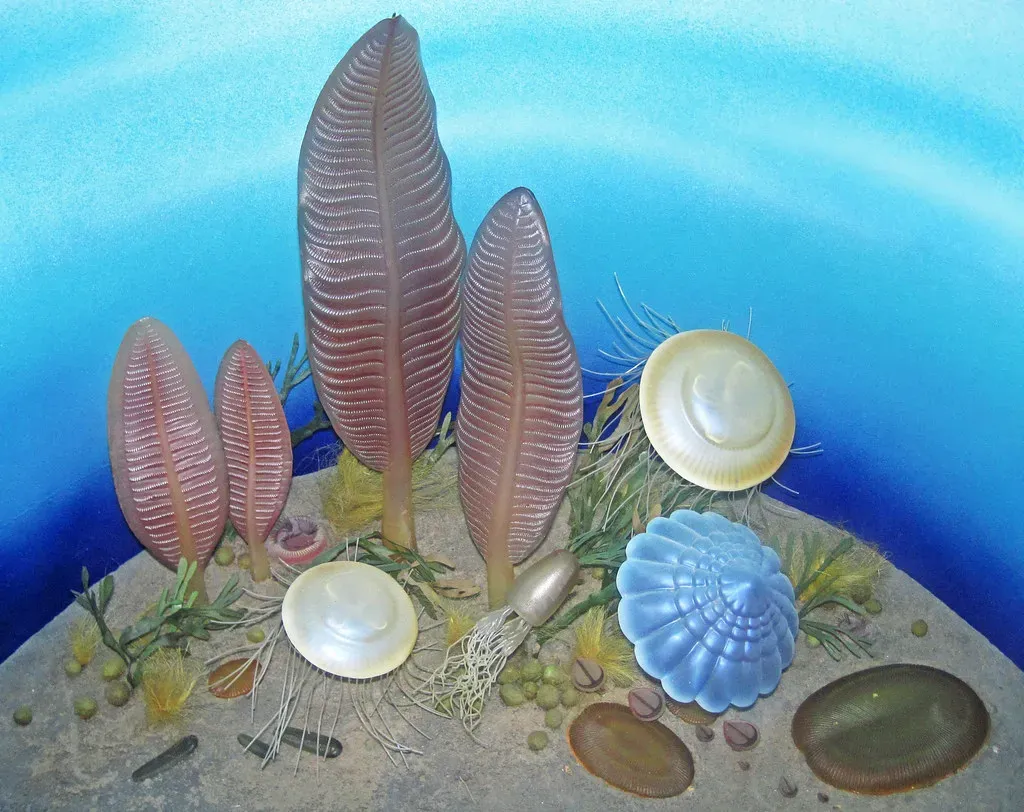
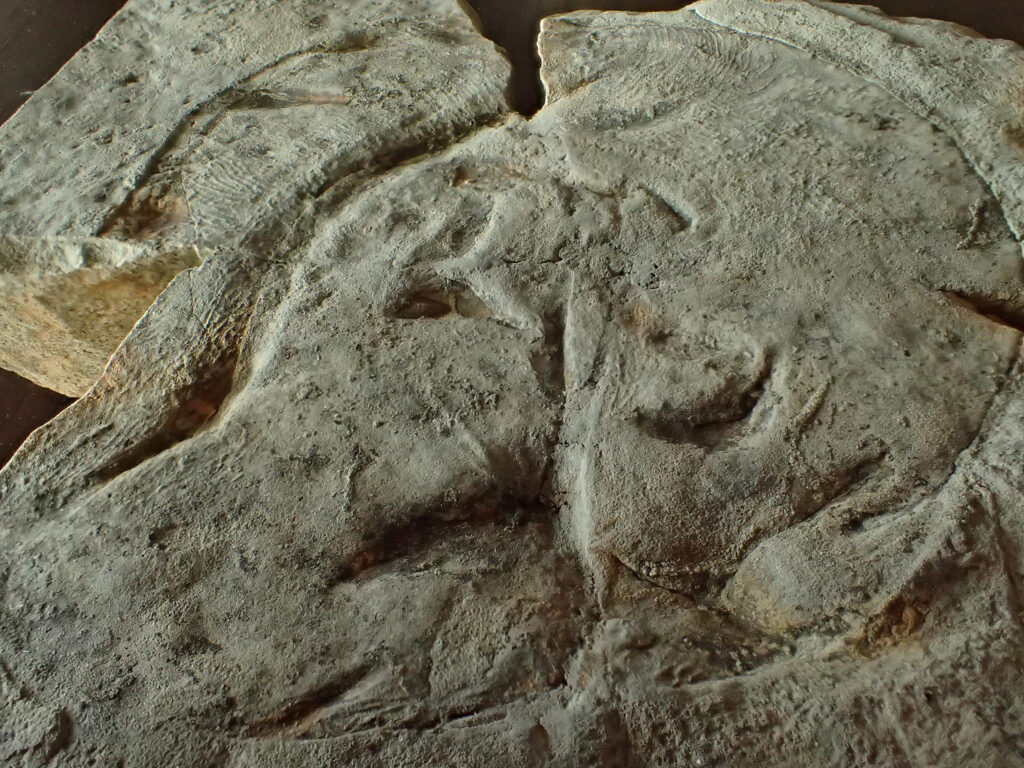
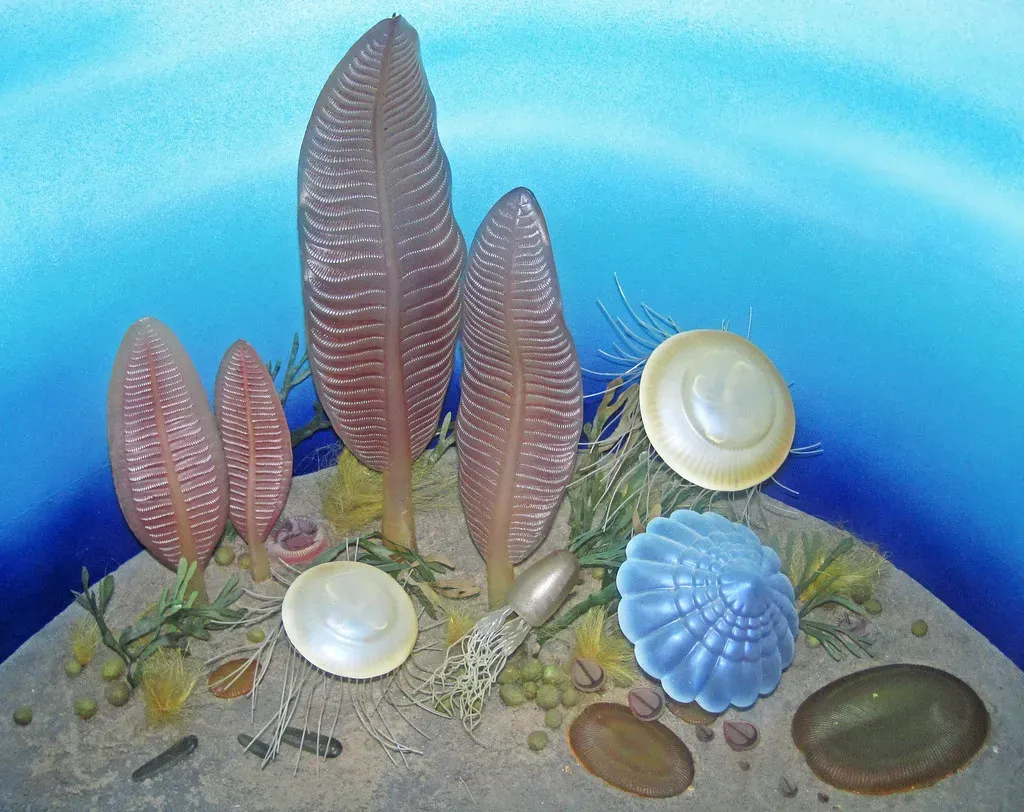
Before dinosaurs, before fish, before anything with a skeleton walked or swam, there were the Ediacaran organisms. A very diverse collection of soft bodied forms is found worldwide and date to between 635 and 542 million years ago, referred to as Ediacaran or Vendian biota. These creatures looked nothing like modern animals.
The simplest of these soft bodied creatures that survived the Precambrian were sponges, lacking organs or a nervous system, living by drawing water through their bodies and filtering out food particles. Others included jellyfish like organisms and segmented flatworms. They lived in oceans that were becoming increasingly oxygenated, creating new ecological opportunities.
The Ediacaran period ended with the beginning of the Cambrian, when hard shelled creatures appeared toward the end of that time span, marking the beginning of the Phanerozoic Eon. The increase in diversity of lifeforms during the early Cambrian is called the Cambrian explosion of life. This rapid diversification produced most of the major animal groups we recognize today, setting the stage for all complex life to come.
The Long Road From Microbes to Dinosaurs
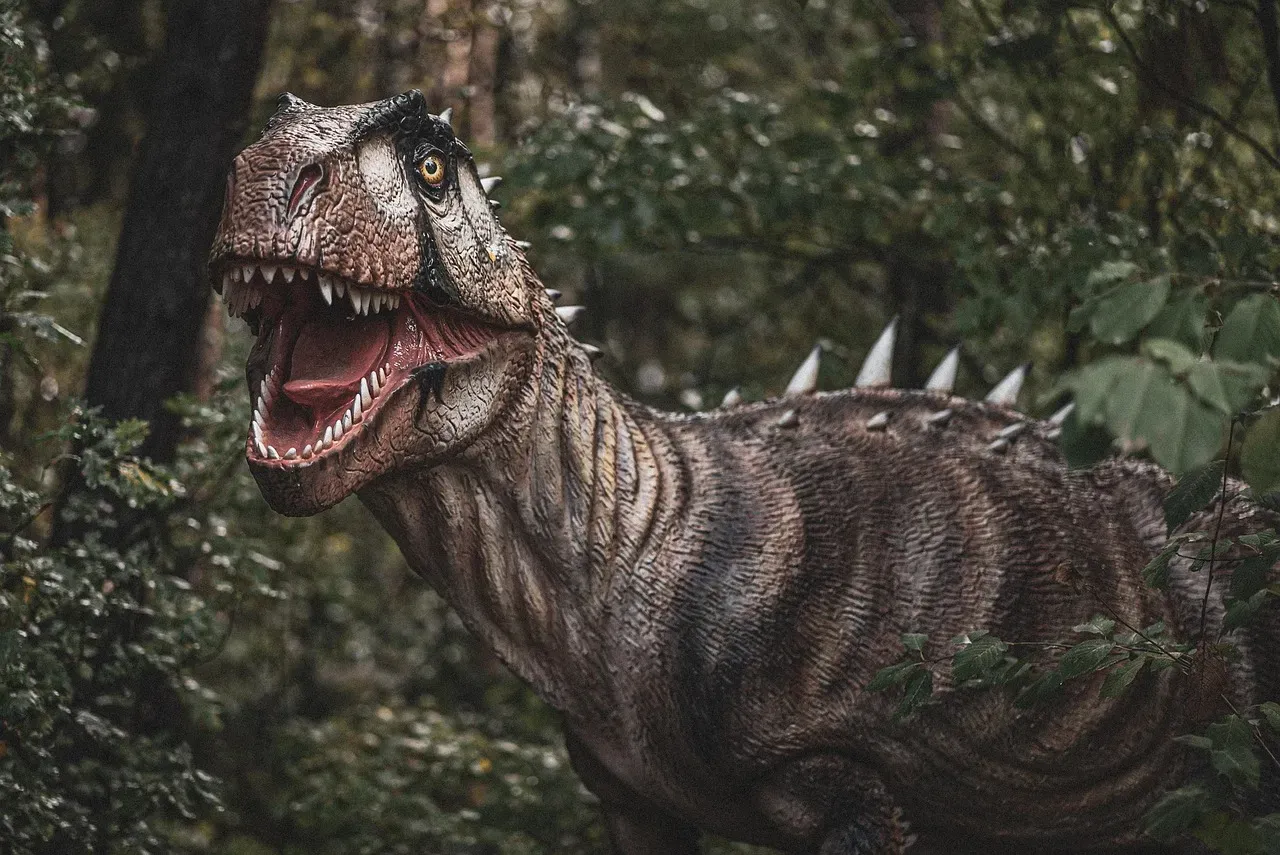
The Precambrian accounts for 88 percent of the Earth’s geologic time, meaning nearly nine tenths of our planet’s history passed before the first dinosaurs appeared. That’s a staggering amount of time for evolution to work its magic. The first billion years featured Bacteria and Archaea living in oceans with much iron but little oxygen, and over the next billion years, as oceans came to have less iron but a bit more oxygen, aerobic metabolisms expanded.
Beginning about 540 million years ago more complex organisms developed on Earth. Fish evolved, then amphibians crawled onto land, followed by reptiles. Finally, during the Mesozoic Era, roughly 230 million years ago, the first dinosaurs appeared. They dominated terrestrial ecosystems for over 160 million years.
The dinosaurs we marvel at today owed their existence to billions of years of prior evolution. Without cyanobacteria pumping oxygen into the atmosphere, complex animal life would have been impossible. Without multicellular organisms developing specialized tissues, there would be no muscles, no bones, no brains. Every innovation built upon what came before.
Conclusion: The Invisible Architects of Life
The story of Earth’s first organisms is ultimately the story of transformation on an almost incomprehensible scale. Microscopic bacteria that lived billions of years ago in a toxic, radiation soaked world managed not just to survive but to fundamentally reshape the entire planet. They filled the atmosphere with oxygen, created vast mineral deposits, and established the biochemical cycles that still sustain all life today.
The ecosystems of life’s first two billion years established the fundamental biogeochemical circuitries of carbon, sulfur, nitrogen and phosphorus cycling that still underpin all functioning ecosystems, and in ways both ecological and evolutionary, we are very much a product of that distant world. The dinosaurs, magnificent as they were, were just one chapter in a much longer story that began with the humblest of all creatures.
Next time you take a breath, remember that you’re inhaling the legacy of ancient cyanobacteria. The oxygen filling your lungs is the gift of organisms so small they’re invisible to the naked eye, yet so powerful they changed the world. What do you think about that incredible journey from the first microscopic life to the age of dinosaurs? Does it change how you see the history written in the rocks beneath your feet?