You think you know Earth. You’ve seen satellite images of continents, watched documentaries about rainforests and polar ice caps. You might even feel like our planet is, by now, a fairly well-understood place. Here’s the thing though – the vast majority of our ocean’s depths remain completely unexplored, and what little science has already uncovered down there is nothing short of extraordinary. The deep ocean is not just a cold, dark void. It is, honestly, the most consequential frontier on the face of this planet.
These crushing, lightless depths may hold the very answer to one of humanity’s oldest questions: where did life come from? What began billions of years ago in total darkness might hold clues that rewrite our understanding of biology, evolution, and maybe even the possibility of life beyond Earth. So let’s dive in.
The Hadal Zone: Earth’s Most Extreme Address
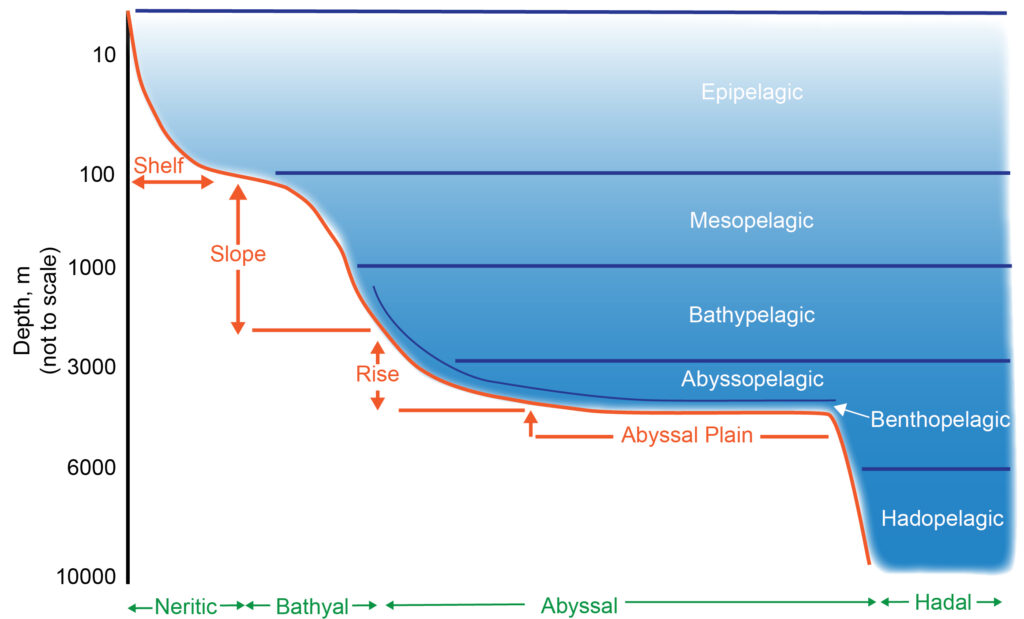
You might think the most extreme place on Earth is somewhere like the Sahara or the Arctic tundra. Think again. The hadal zone, while covering just one to two percent of the ocean floor, accounts for the deepest forty-five percent of the ocean’s vertical depth – a realm of extreme conditions where immense pressure, total darkness, limited food sources, and near-freezing temperatures create an environment commonly considered inhabitable by only a few specialized organisms. That description almost sounds like science fiction, and yet it is very much science fact.
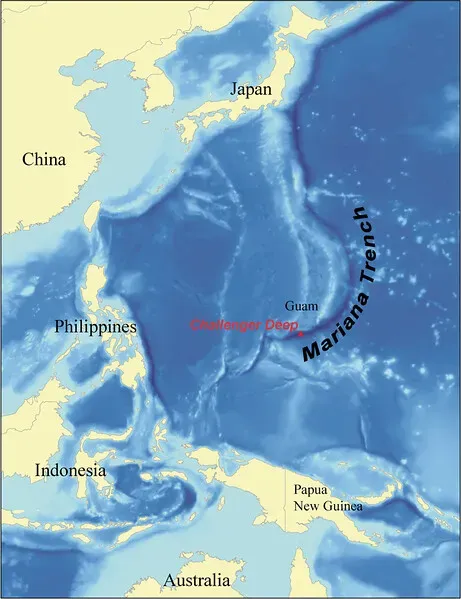
The Mariana Trench plunges over thirty thousand feet below the surface of the Pacific Ocean. The pressure is over one thousand times greater than that at sea level, and at Challenger Deep – the deepest point navigated to date – the temperature is just above freezing. Yet life does not merely survive here. It thrives. To put the scale in perspective, Challenger Deep in the Mariana Trench is more than two kilometers deeper than Mount Everest’s peak. If you placed Everest at the bottom of the trench, its summit would still be submerged under water.
Hydrothermal Vents: The Original Cradle of Life
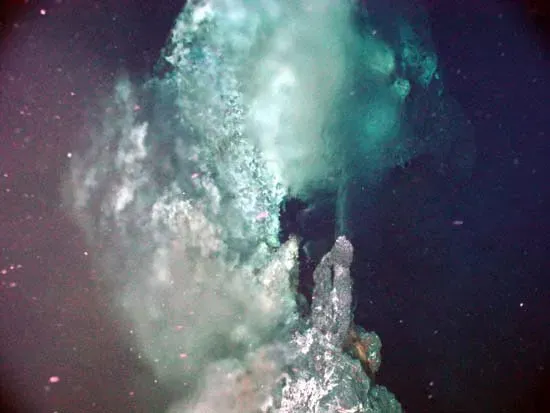
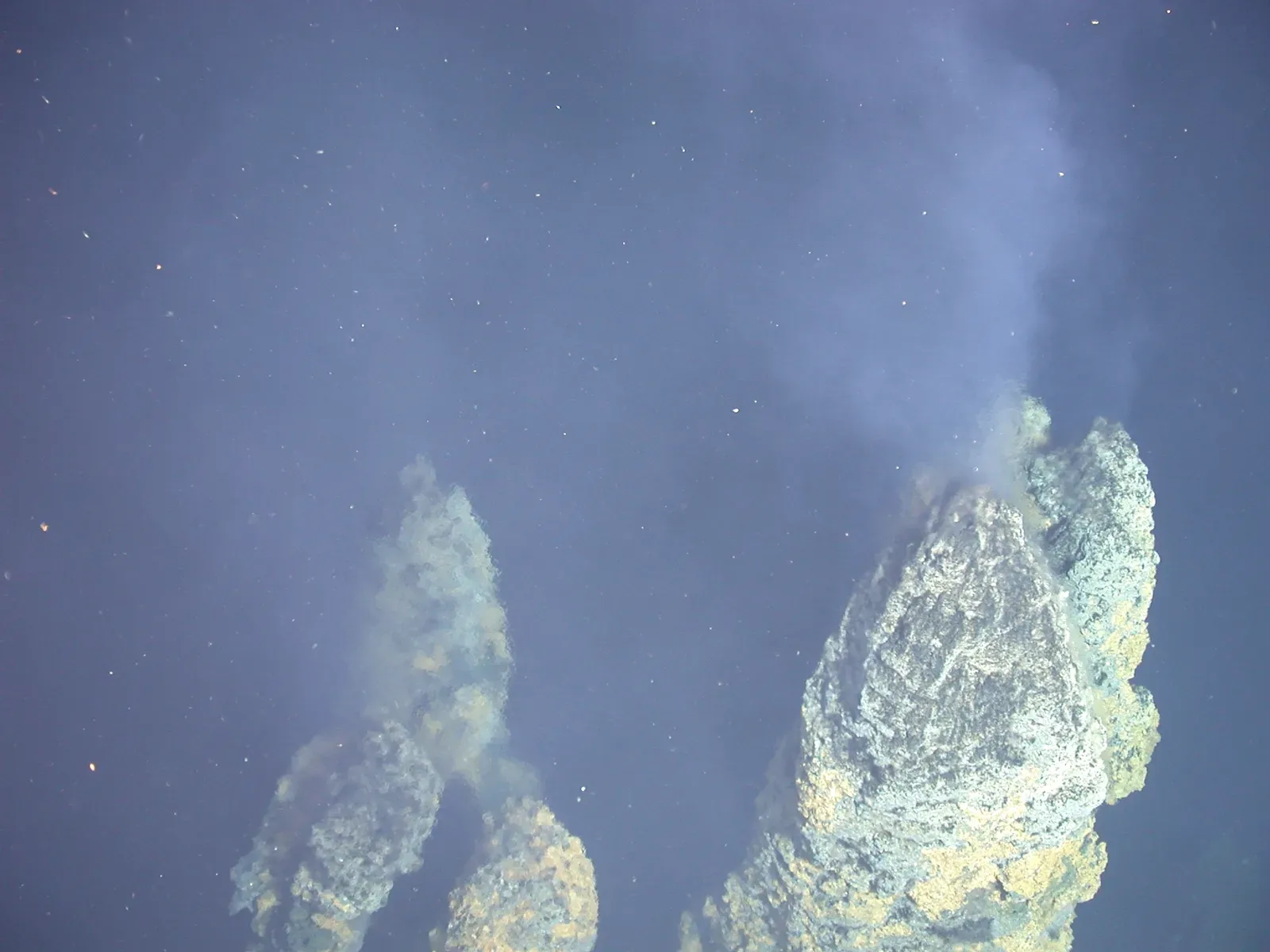
Hydrothermal vents are one of the earliest types of environments to have existed on Earth, having been a feature of our planet and the world’s oceans since the Hadean, roughly 4.6 to 4.0 billion years ago. Think of them as the planet’s original kitchen – impossibly hot, chemically rich, and surprisingly capable of cooking up the ingredients for life. Towering chimneys pump out plumes of black smoke across the seabed. Despite low oxygen levels, high toxicity, and fluid temperatures of up to 350 degrees Celsius, hydrothermal vents host a remarkably diverse array of ocean life, including giant tubeworms, beds of mussels and clams, fluffy crabs, and pink vent fish.
By creating protocells in hot, alkaline seawater, a UCL-led research team added to evidence that the origin of life could have been in deep-sea hydrothermal vents rather than in shallow pools. This is a big deal. For a long time, scientists imagined that life bubbled up in warm little ponds at the surface, like something out of a primordial soup recipe. Under extreme pressure, fluid from ancient seafloor cracks mixed with ocean water could have reacted with minerals from hydrothermal vents to produce organic molecules – the very building blocks that compose nearly all life on Earth.
The Asgard Archaea: Your Ancient, Deep-Sea Relatives
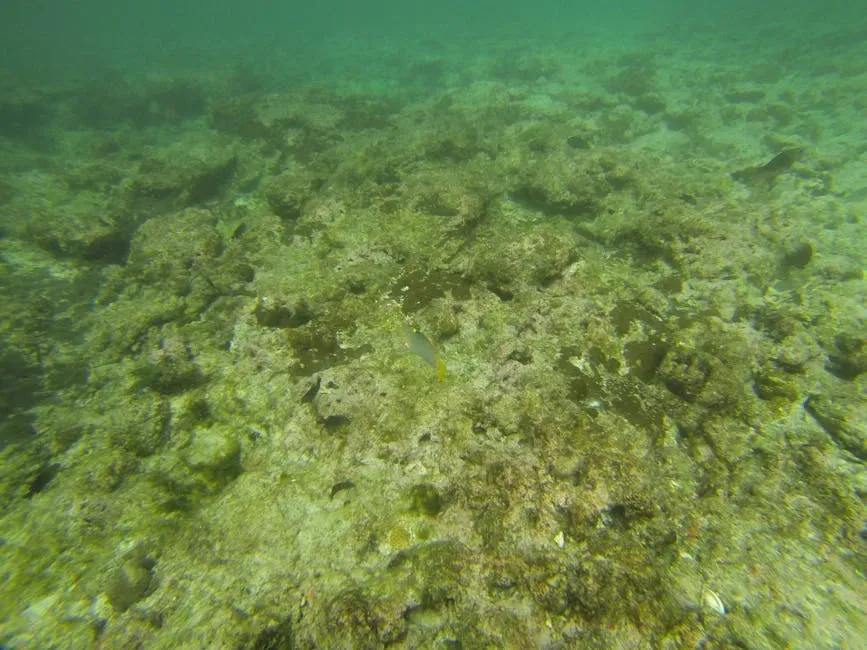
I know it sounds crazy, but some of your most distant relatives might be living right now in the oxygen-starved sediments of the ocean floor. Asgard archaea, named for the celestial home of Norse gods such as Odin and Thor, is a superphylum. A single phylum within this group was first discovered in 2015 near an underwater volcano in the North Atlantic Ocean known as Loki’s Castle, and the microbe was dubbed Lokiarchaeota. The name was not just poetic flair – it was earned.
These organisms live mostly in places with little or no oxygen and are almost unbelievably ancient, with a lineage tracing back perhaps three billion years. Yet their DNA shows that Asgard archaea sit startlingly close to humans on the tree of life. A recent 2026 study shed even more light on them: plants, animals, and fungi – collectively known as eukaryotes – are thought to have emerged when two very different microbes joined forces, one of which depended on oxygen to survive while the other was believed to live only in oxygen-free environments. What puzzled researchers was how these two organisms could have possibly encountered each other in the first place. The deep ocean, it turns out, may be where that extraordinary meeting happened.
Life Without Sunlight: The Miracle of Chemosynthesis
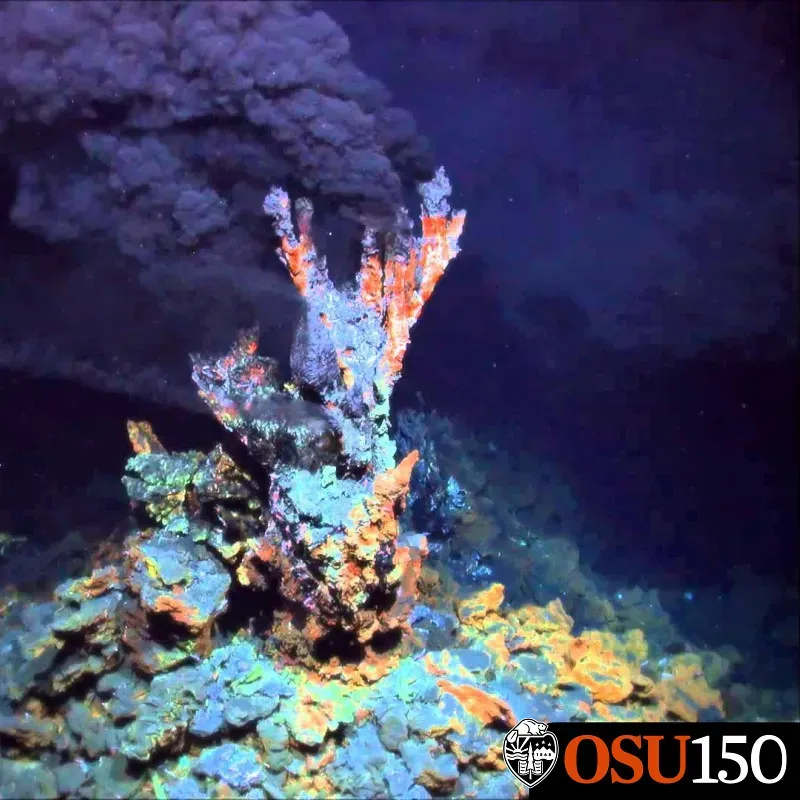
Hydrothermal vents are the only places on Earth where the ultimate source of energy for life is not sunlight but the inorganic Earth itself. That is a staggering thought. Everything you have ever eaten, every plant, every animal that ever fed you, traces its energy back to the sun – except life at the deep ocean’s vents. The ancient process of chemosynthesis actually precedes photosynthesis, and it likely sustained the earliest life on Earth.
Marine researchers exploring extreme depths discovered an astonishing deep-sea ecosystem of chemosynthetic life fueled by gases escaping from fractures in the ocean bed, including methane-producing microbes and marine invertebrates that make their home in unforgiving conditions where the sun’s rays don’t reach. This discovery, published in the journal Nature in 2025, is essentially a living time machine. In the total darkness at the bottom of the world, these creatures live off of chemicals such as methane seeping through cracks in the seafloor – a process called chemosynthesis. It is the same kind of energy-generation strategy that the very first living things on this planet almost certainly used.
Discoveries in the Mariana Trench Rewrite the Rules
A landmark study of the Mariana Trench revealed an unprecedented level of taxonomic novelty, with nearly ninety percent of identified microbial species previously unreported. The study demonstrated that selection pressures, favoring either streamlined or versatile adaptation strategies, dominate in shaping these extreme microbial ecosystems. Nearly ninety percent. That means most of what lives in Earth’s deepest place was completely unknown to science until very recently. Scientists collected sediment from the hadal zone – the deepest part of the ocean – in the Mariana Trench and two other areas, with the investigation revealing thousands of new species and two key adaptations allowing microbes to thrive under intense pressure.
Chinese researchers found colonies of thousands of marine tubeworms and mollusks called bivalves at depths ranging from 2,500 to 9,533 meters deep. This was previously thought to be almost impossible. Studying these mysterious species could yield new medications to fight infections, inflammation, or even cancer, and they show how creatures adapt to extreme environments – insights that could be useful for engineering pressure- or radiation-resistant proteins for space exploration. You read that correctly: the secrets of the deep ocean might one day help humans travel into space.
The Red Sea’s Death Pools and What They Tell Us About Ancient Oceans
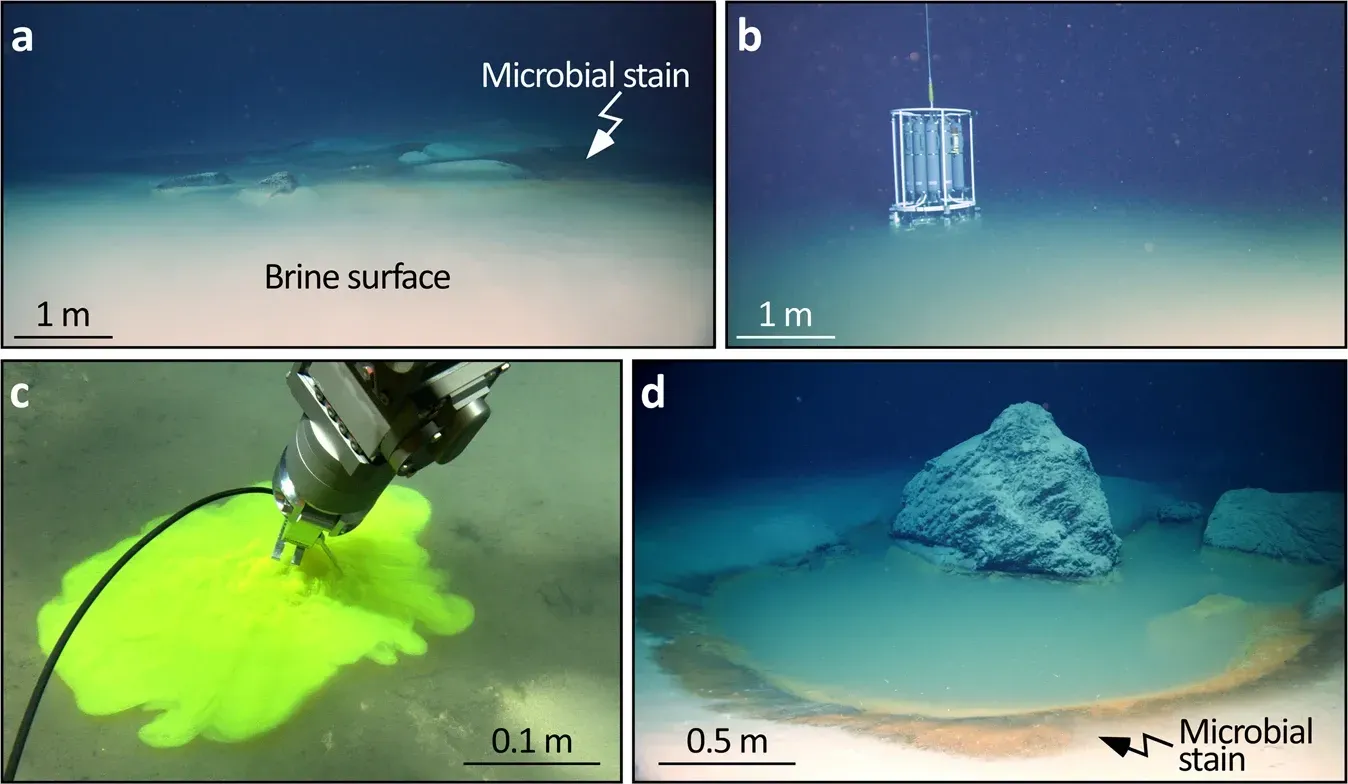
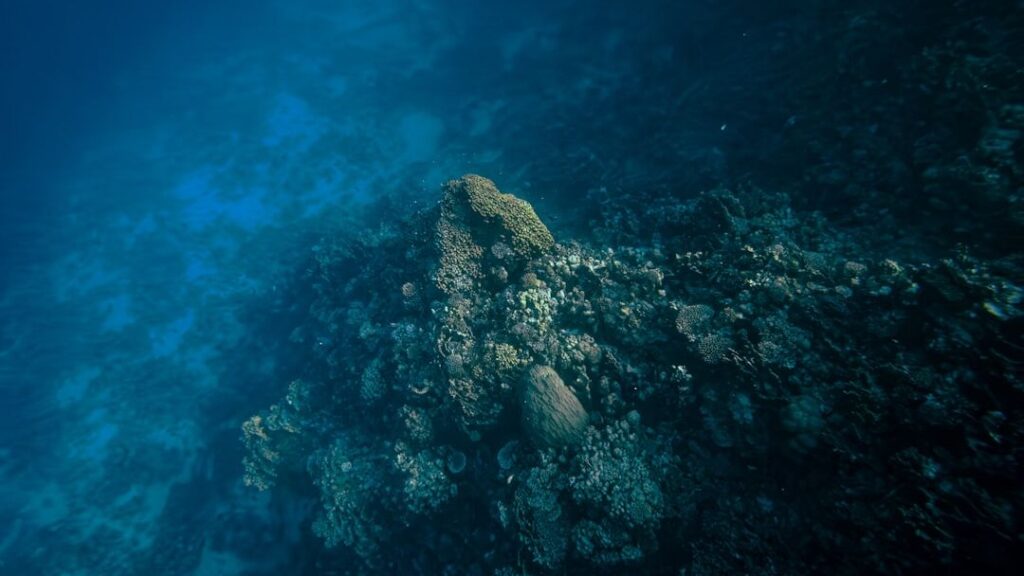
Scientists exploring the depths of the Red Sea uncovered something truly unexpected – an environment so extreme that it defies what we know about life on Earth, hidden beneath the waves and undisturbed, preserving secrets that could reshape our understanding of marine ecosystems, ancient Earth, and even the search for extraterrestrial life. Specifically, researchers found massive, hypersaline brine pools. These deadly pits, discovered thousands of feet beneath the surface, contain such high concentrations of salt and lack of oxygen that any marine creature unfortunate enough to wander in is instantly stunned or killed – yet researchers believe they could hold crucial insights into the origins of life on Earth.
These pools have long been of interest to oceanographers, as similar formations have been discovered in the Mediterranean Sea, the Gulf of Mexico, and the Antarctic Ocean. However, the ones found in the Red Sea stand out due to their depth, isolation, and pristine condition, making them a goldmine for scientific research. Think of these brine pools like perfectly preserved amber. They trap ancient chemical conditions and protect them from being disturbed for thousands – possibly millions – of years. This unique predator-prey dynamic around the pool’s edges is rarely seen elsewhere in the ocean and highlights just how alien and unforgiving these deep-sea environments can be.
Early Complex Life: The Ocean Kept That Secret for Billions of Years
Scientists have discovered that complex life began evolving much earlier than traditional models suggested. Using an expanded molecular clock approach, a team showed that crucial cellular features emerged in ancient anoxic oceans long before conventional timelines proposed. This finding, published in Nature in late 2025, shakes the foundations of what scientists had long assumed about life’s timetable. Microbes emerged at least 3.7 billion years ago, and possibly as early as 4.1 billion years ago, serving not only as the origin of life but also as the primary force shaping Earth’s atmosphere, oceans, and geology for billions of years.
Deep beneath the oceans, at tectonic boundaries where magma met seawater, hydrothermal vents gushed mineral-rich fluids into the abyss. These vents – still active today – are among the most likely cradles of life, where chemosynthetic microbes harnessed the energy of hydrogen sulfide and other inorganic compounds, producing organic matter without sunlight. What’s particularly striking is that if the sun were to suddenly disappear and photosynthesis ceased to occur on our planet, life at the deep-sea hydrothermal vents could continue for millennia. It is a sobering reminder that life at depth plays by entirely different rules.
Why the Deep Ocean Could Hold Answers for Life Beyond Earth
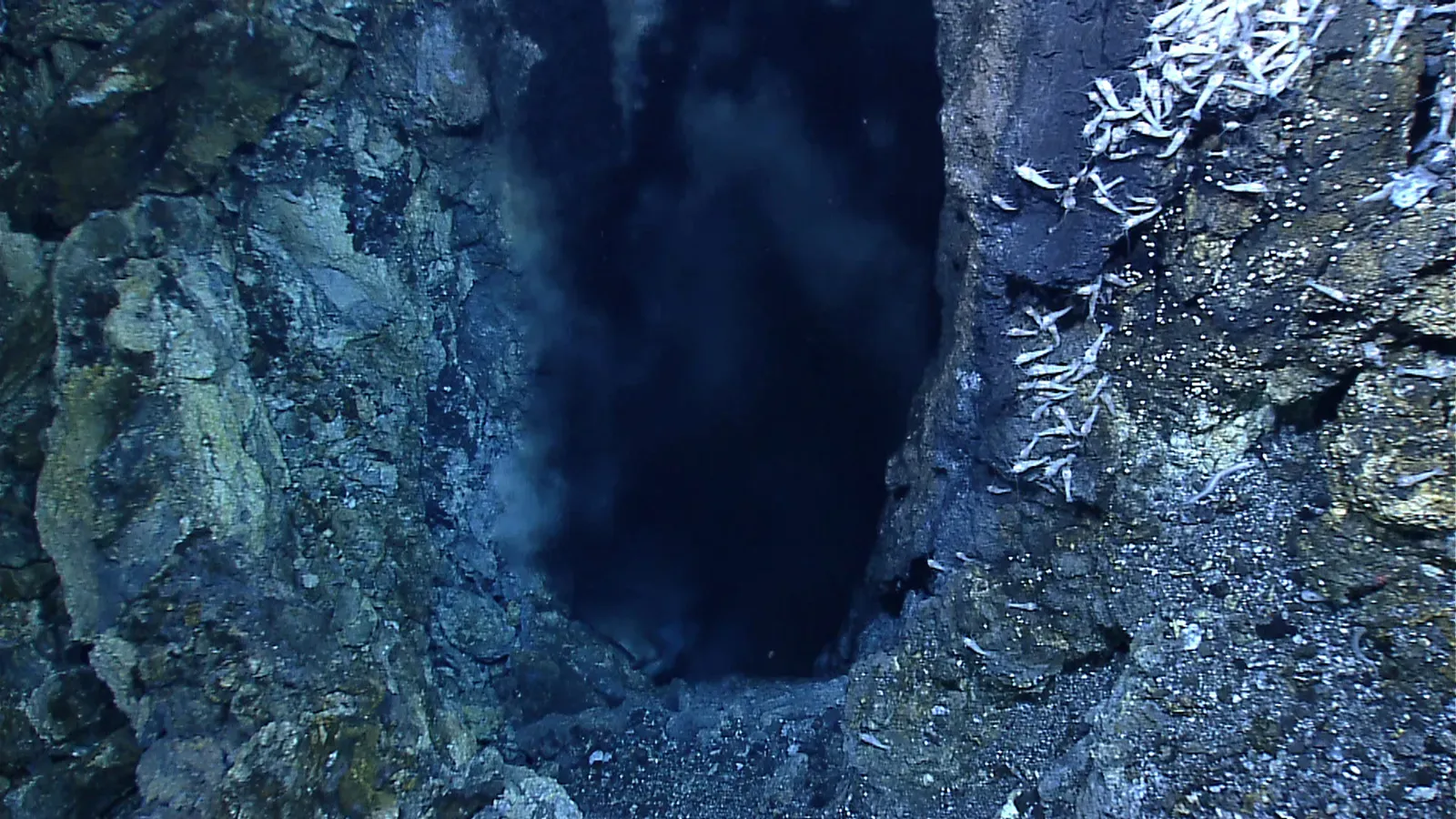
Active hydrothermal vents are thought to exist on Jupiter’s moon Europa and Saturn’s moon Enceladus, and it is speculated that ancient hydrothermal vents once existed on Mars. This is not fringe speculation – it is mainstream astrobiology. If life can thrive in crushing, sunless depths here on Earth, then the same chemistry could, in theory, support life in the hidden oceans of distant moons. Space missions have found evidence that icy moons of Jupiter and Saturn might also have similarly alkaline hydrothermal vents in their seas, and if we want to find life on other planets or moons, studies of Earth’s deep ocean can help us decide where to look.
The discovery of life forms at extreme ocean depths calls into question the boundaries of life itself. Previously, it was believed that the pressures and conditions in Earth’s deepest trenches were too extreme for complex organisms to survive. This revelation suggests that life may be more resilient and adaptable than we ever imagined, and it raises the possibility that similar ecosystems may exist in other remote and unexplored areas of the ocean, as well as on other planets and moons within our solar system. Honestly, if that doesn’t blow your mind, I’m not sure what will.
Conclusion: The Deepest Answers Are Beneath Our Feet
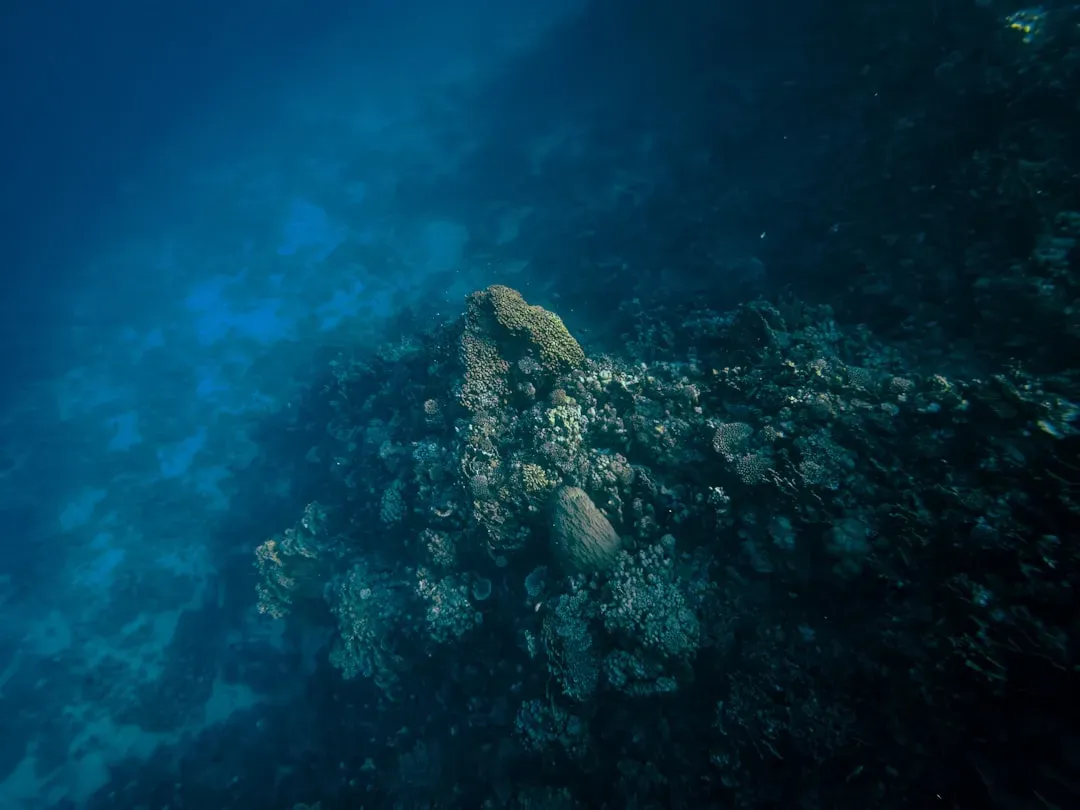
Less than five percent of the ocean floor has been mapped in high resolution. That means the single largest living space on our planet is still, by every practical measure, a mystery. We have better maps of the surface of Mars than we do of our own ocean floor. Every expedition into these depths returns with new species, new chemical signatures, and new evidence that rewrites long-held scientific assumptions.
The deep ocean is not just a historical archive of early life. It is an active, breathing, ancient ecosystem that predates every animal, every plant, and every breath of oxygen in our atmosphere. The creatures living six miles below the surface right now are not just curiosities. They are living evidence that life, once it begins, finds a way to persist through billions of years of radical planetary change. From the Asgard archaea to chemosynthetic tubeworms to hypersaline death pools teeming with microbial survivors, the deep sea is whispering a story to us – and we are only just beginning to listen.
What other secrets do you think the deep ocean is still keeping from us?