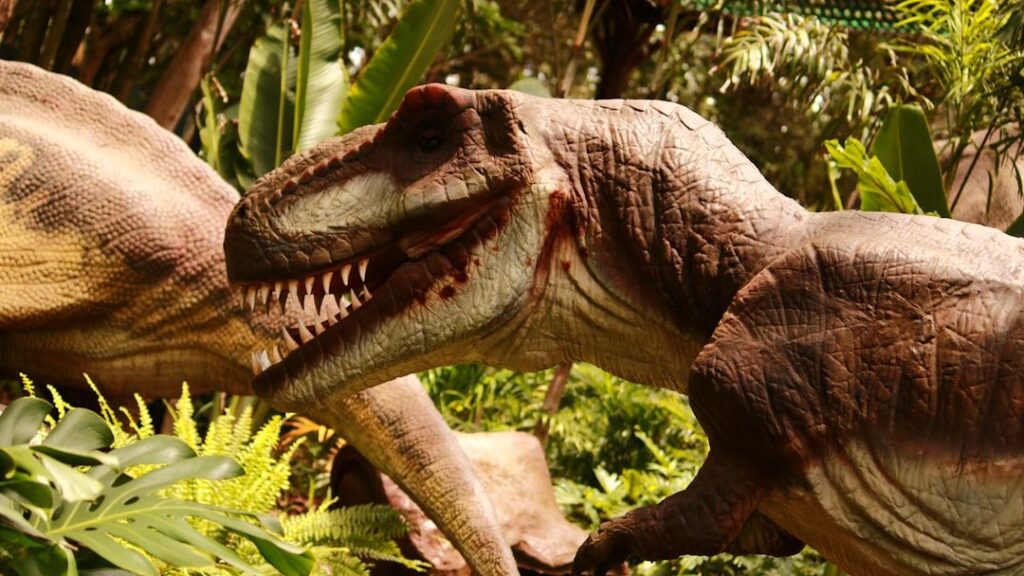
When most people picture dinosaurs, they imagine either a lumbering plant-muncher stripping leaves off a tree, or a roaring predator with blood on its teeth. Simple. Binary. Almost cartoonish. The real picture, though, is far more fascinating and honestly a little mind-bending once you start digging into the fossil evidence.
Paleontologists have spent well over a century piecing together what these ancient giants actually ate, and the answers keep getting weirder and more wonderful. From plant-eaters that secretly snacked on crustaceans, to ancestors of gentle long-necked giants that were originally hardcore carnivores, dinosaur diets defy almost every assumption you might bring to the table. Let’s dive in.
The Big Three: Carnivores, Herbivores, and the Overlooked Omnivores
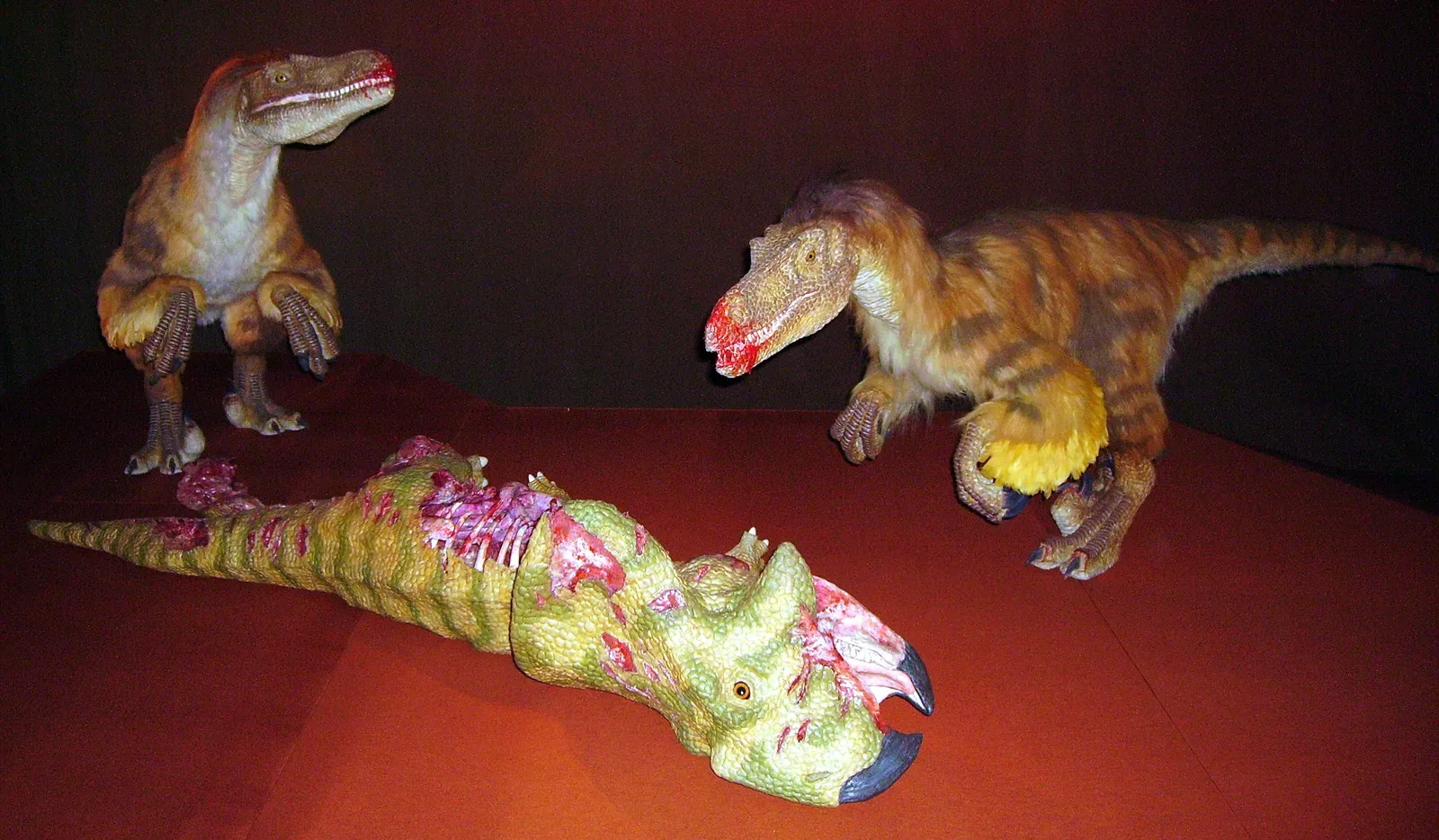
Dinosaur diets and feeding behavior varied widely throughout the clade, including carnivorous, herbivorous, and omnivorous forms. You might think of this as a neat, tidy classification system, but the reality is that the lines between these groups blur in ways that would surprise even the most seasoned dinosaur fan.
Paleontologists believe that about roughly two-thirds of dinosaurs were herbivores, and according to researchers, dinosaurs had varying diets: some ate plants, some ate meat, and some ate both, but most were actually plant eaters. Think about that for a moment. The creatures we most associate with raw, dramatic predation were actually in the minority. The prehistoric world ran, ecologically speaking, on leaves.
Teeth Don’t Lie: What Fossilized Fangs Reveal About Ancient Menus
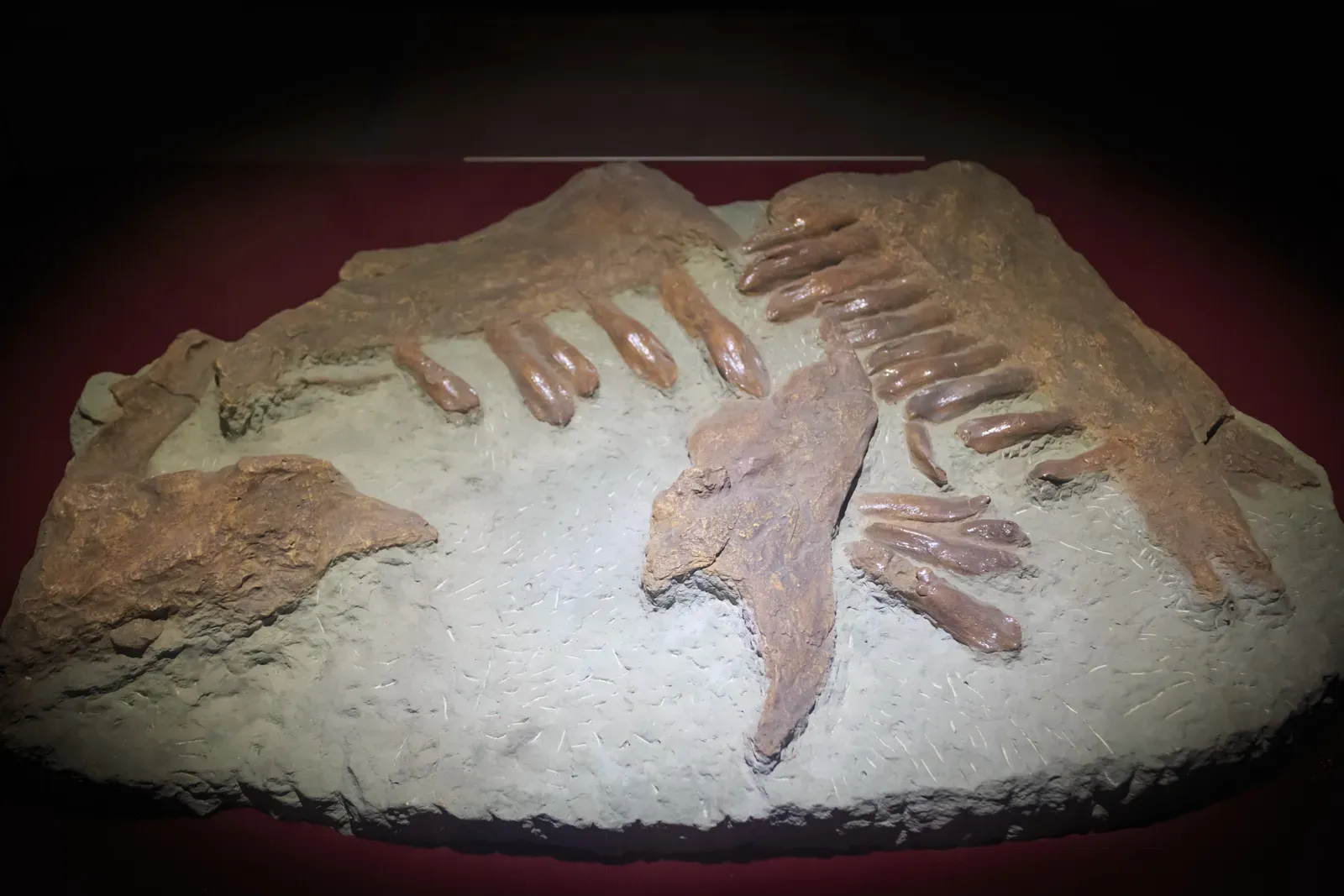
Some of the earliest studies, from the 19th century, relied primarily on the morphology of fossil jaws and teeth to determine dinosaur species dietary preferences and behaviors. Later, other aspects of an animal’s anatomy came into play. It’s a bit like being a detective who only has fingerprints to work with at first, then gradually gains access to DNA evidence, security footage, and eyewitnesses.
The evolution of dinosaur teeth, from the sharp, slicing teeth of carnivores to the broad, grinding molars of herbivores and the versatile teeth of omnivores, showcases nature’s remarkable innovation, allowing these ancient creatures to thrive. Honestly, teeth are one of the most underrated clues in all of paleontology. They hold the entire story of a creature’s survival strategy, frozen in mineral form for millions of years.
Surprising Origins: The Plant-Eaters That Started as Meat-Eaters
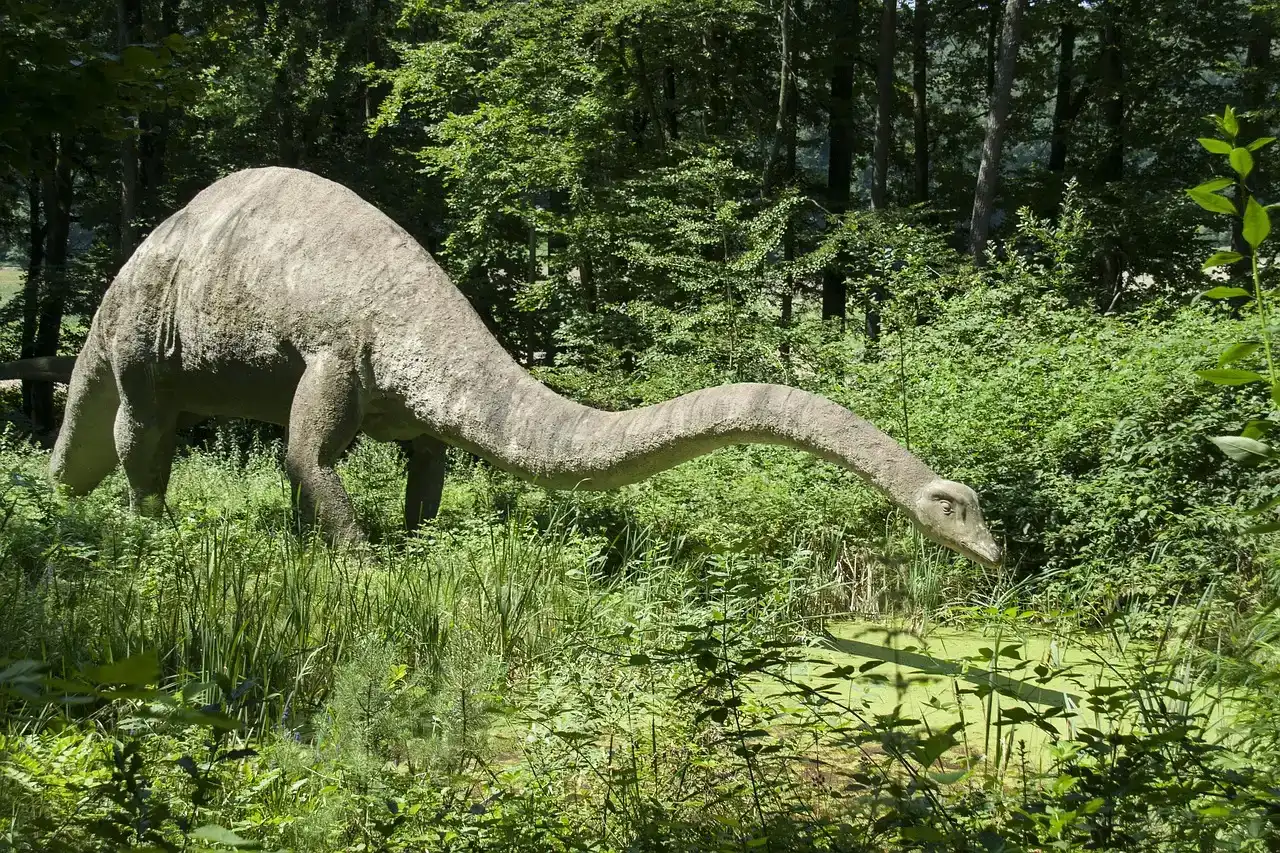
Research findings show that many groups of plant-eating dinosaurs were ancestrally omnivorous and that the ancestors of famous long-necked herbivores, such as Diplodocus, ate meat. I know it sounds crazy, but the peaceful, towering Diplodocus, an animal you’d imagine serenely munching ferns all day, descended from creatures that hunted and consumed other animals. Evolution really does love a plot twist.
Sauropodomorphs underwent a dietary shift from meat-eating to herbivory, experimenting with diverse diets during the Triassic and Early Jurassic, and early ornithischians were likely omnivores. Obligate herbivory was a late evolutionary innovation in both clades. In other words, the image of a sauropod as a born vegetarian is actually scientifically backwards. Their herbivory was a hard-won evolutionary achievement, not a starting point.
When Plant-Eaters Ate More Than Plants
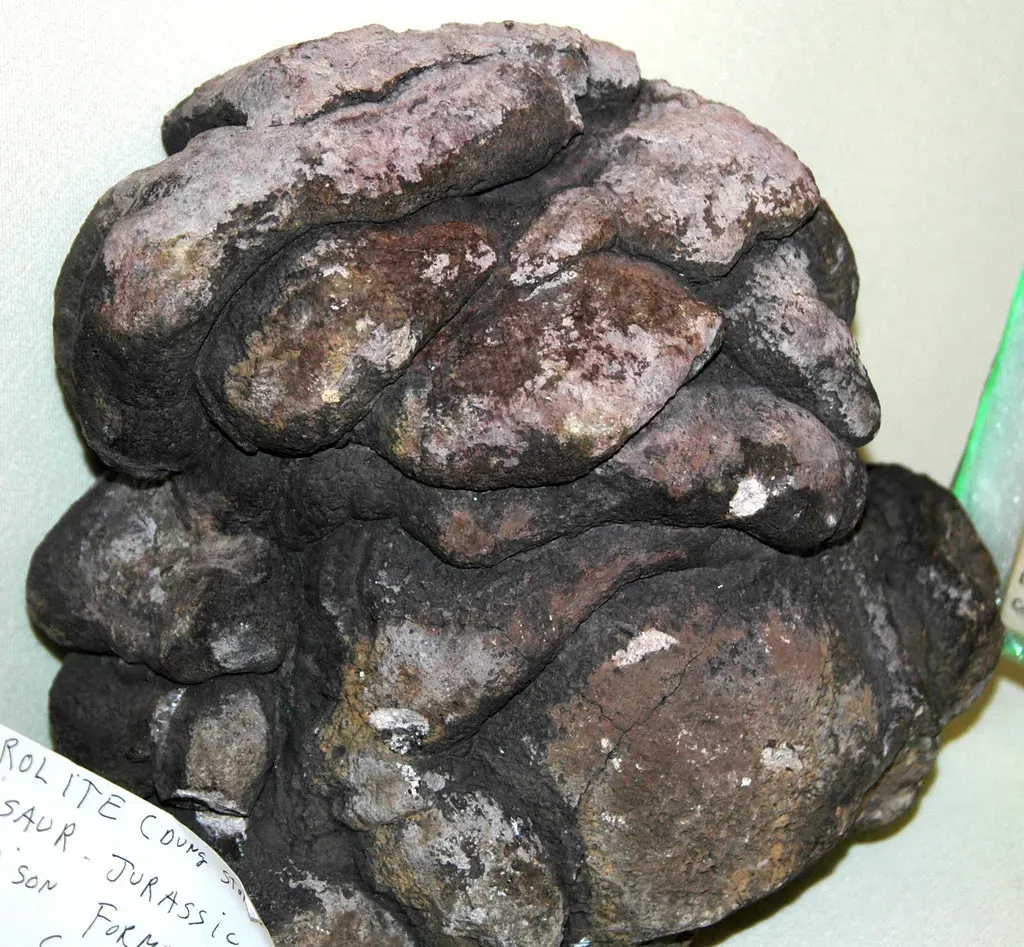
Coprolites, which are fossilized droppings, of some Late Cretaceous hadrosaurs show that the animals sometimes deliberately ate rotting wood. Wood itself is not nutritious, but decomposing wood would have contained fungi, decomposed wood material and detritus-eating invertebrates, all of which would have been nutritious. So you could say these dinosaurs were not really eating wood for the wood itself. They were farming the fungi and invertebrates living inside it. That’s a level of dietary sophistication nobody expected from a duck-billed dinosaur.
Researchers describe fossilized feces that demonstrate recurring consumption of crustaceans and rotted wood by large Late Cretaceous dinosaurs. These multi-liter coprolites from the Kaiparowits Formation are primarily composed of comminuted conifer wood tissues that were fungally degraded before ingestion. Thick fragments of laminar crustacean cuticle are scattered within the coprolite contents and suggest that the dinosaurian defecators consumed sizeable crustaceans that sheltered in rotting logs. There it is. Large “herbivore” dinosaurs, regularly snacking on crustaceans hiding in decaying wood. The prehistoric equivalent of a salad with surprise shrimp.
The Omnivore Advantage: Nature’s Ultimate Opportunists
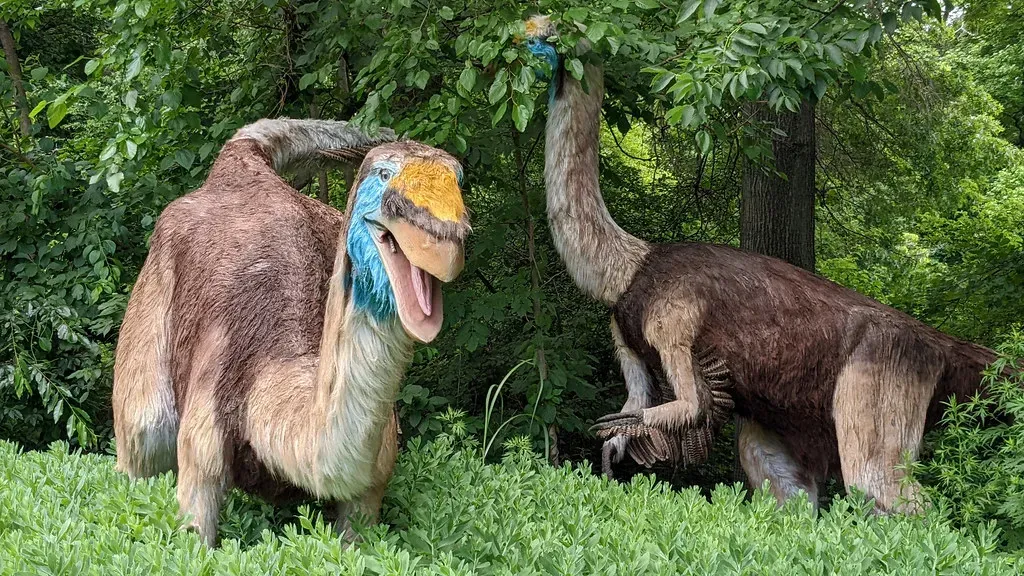
This flexibility allowed omnivorous dinosaurs to adapt to different environments and survive in conditions where food resources could be limited. Think of them as the prehistoric equivalent of a person who can eat anywhere, from a five-star restaurant to a roadside food truck. That dietary flexibility is an extraordinary survival tool.
Their diet included everything from tender leaves, fruits, seeds, and roots to small mammals, lizards, insects, and the eggs of other dinosaurs. This dietary versatility made them natural survivors, capable of thriving in changing environments where resources were scarce. While a carnivore depended on hunting prey and an herbivore on finding abundant vegetation, omnivores could switch strategies depending on the season or food availability. If that doesn’t paint a vivid picture of prehistoric resourcefulness, nothing will.
Herbivore Dinosaurs Were Not All the Same Kind of Eater
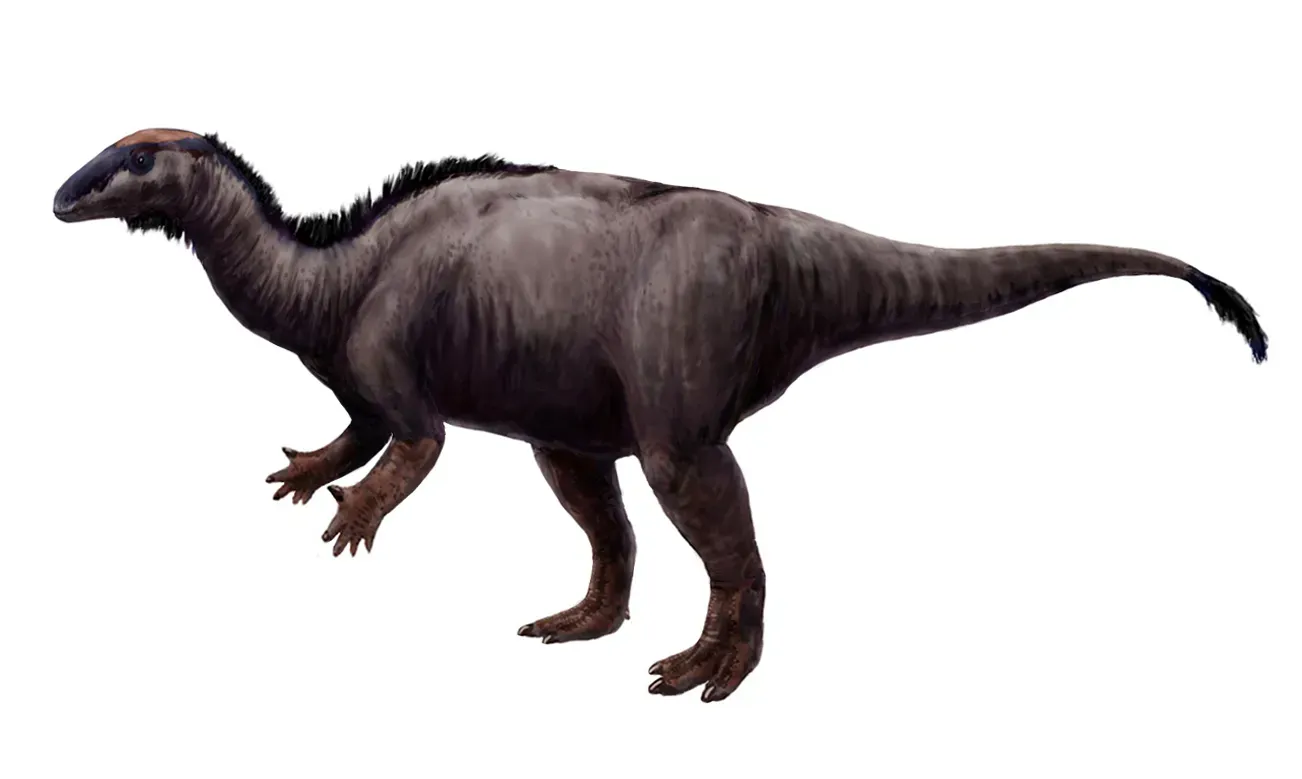
Previously, scientists believed that large herbivorous dinosaurs coexisted by munching on different levels of the tree canopy according to height. However, research shows that plant height wasn’t the only factor driving the differentiation of their diets. The Camptosaurus was a rather discerning eater, preferring softer, more nutritious plant parts such as leaves and buds, while the Camarasaurus ate mostly conifers, with a preference for woody plant tissues. Even among strict plant-eaters, the variety is staggering. It’s almost like the difference between a vegan who lives on kale smoothies and one who survives mostly on pasta.
Although most early dinosaurs were vegetarian, there were a surprising number of differences in the way that these animals tackled eating a plant-based diet, according to a study by scientists from the Natural History Museum and the Universities of Bristol and Birmingham. Scientists used CT scans of dinosaur skulls to track the evolution of early dinosaur herbivores, reconstructing jaw muscles and measuring the animals’ bite force to understand how dinosaur feeding evolved. The technology being applied to these ancient bones today is remarkable, and every new scan seems to chip away at what we thought we knew.
How Diet Shaped the Entire Prehistoric Ecosystem
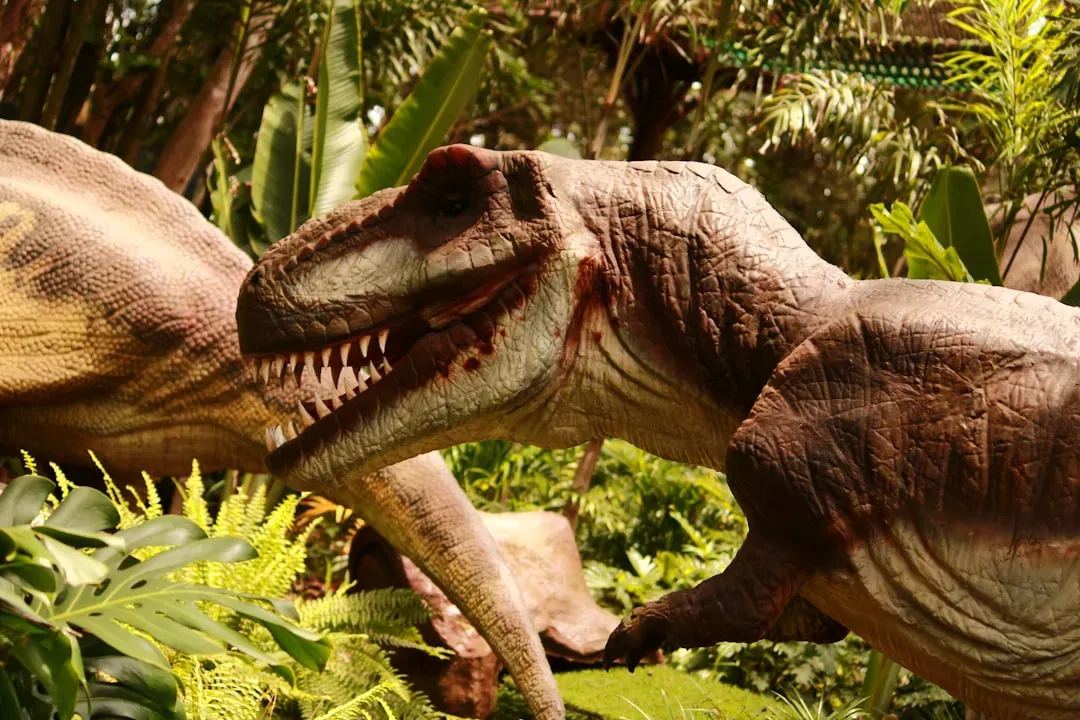
The diet of dinosaurs not only influenced their anatomy and behavior, but also had a significant impact on the structure of prehistoric ecosystems. Carnivores kept herbivore populations in check, while herbivores managed the vegetation in their habitats. Omnivores, on the other hand, acted as ecological all-terrainers, adapting to diverse conditions and opportunities. It’s a balance you can find echoed in virtually every ecosystem on Earth today. Remove one dietary group, and the whole system starts to wobble dangerously.
The diverse feeding mechanisms of dinosaurs played a significant role in their ecological and evolutionary success. By promoting niche partitioning, different feeding behaviors allowed for the coexistence and cladogenesis of various dinosaur species. Feeding behavior influenced many aspects of dinosaur biology, including energy requirements, reproductive strategies, habitat preferences, and population ecology. It’s humbling, really. What a dinosaur chose to eat millions of years ago reverberates through the fossil record in ways we are only beginning to fully understand.
Conclusion: Far More Than Monsters and Munchers
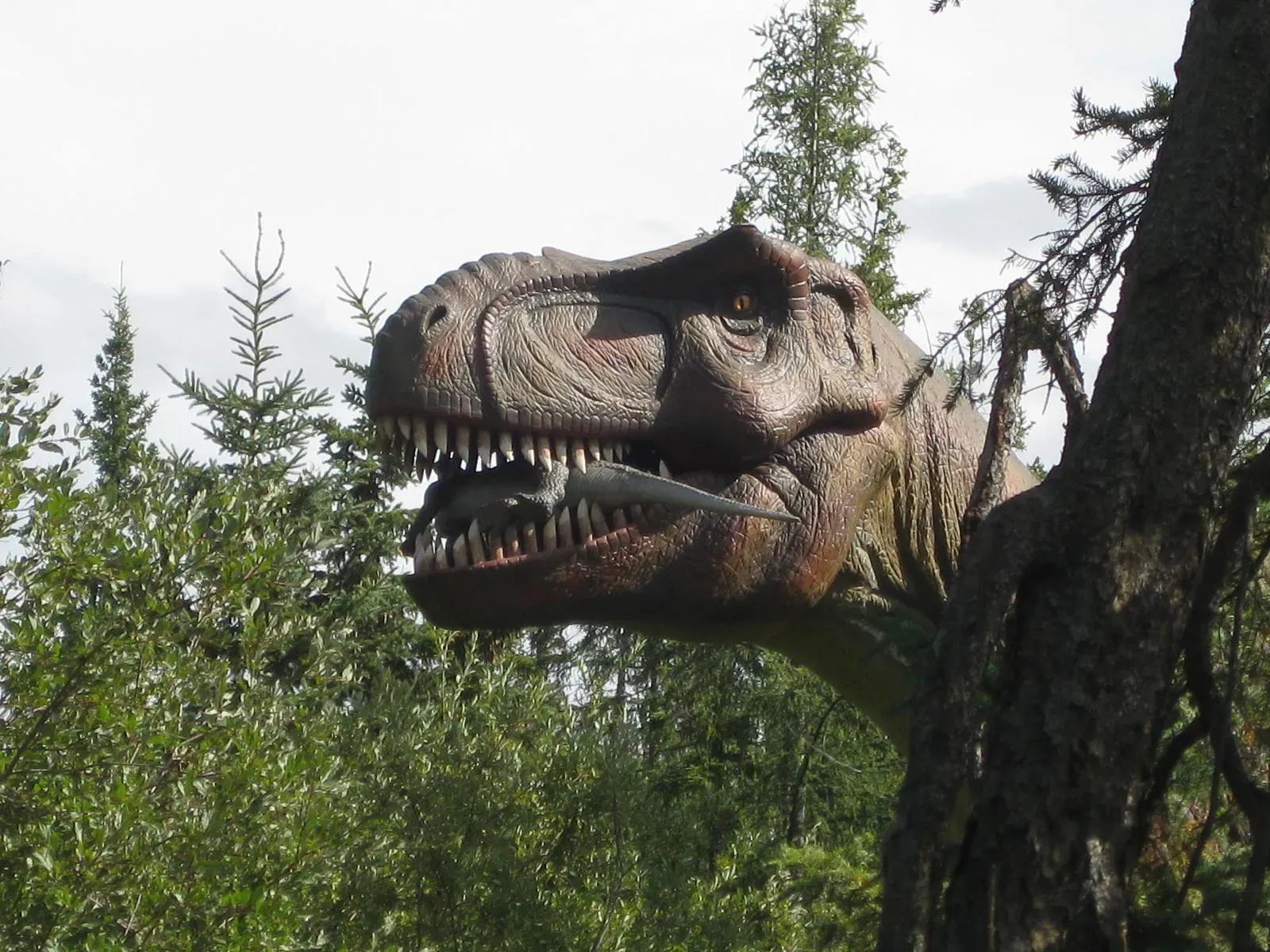
The story of what dinosaurs ate is one of the most underappreciated chapters in natural history. We’ve moved far beyond the simplified idea of big teeth versus flat teeth. Today, fossil chemistry, CT scanning, and machine learning are all being used to decode menus from over 65 million years ago, and the results are consistently astonishing.
What emerges is a portrait of creatures every bit as ecologically nuanced as the animals sharing the planet with us today. Gentle giants that quietly crunched crustaceans. Long-necked veggie lovers descended from dedicated meat-eaters. Omnivores threading the needle between two worlds with impressive finesse. The dinosaur dinner table was, to put it simply, anything but simple.
Next time you picture a Triceratops contentedly grazing or a T. rex on the hunt, remember that the full story is far richer, weirder, and more wonderful than any movie has ever dared to show. What would you have guessed dinosaurs were actually snacking on 80 million years ago?