Picture a world without human calendars, without clocks, without any of the tidy systems we use to mark time. Now picture creatures that weighed as much as a small aircraft, moving across ancient floodplains in response to invisible seasonal cues, guided not by instinct alone but by deeply embedded biological rhythms that scientists are only now beginning to fully unravel. Dinosaurs were not simply enormous, lumbering beasts. They were living, breathing organisms perfectly synchronized with the pulse of their world.
What you are about to discover is that prehistoric life operated on a surprisingly familiar schedule. Growth spurts. Breeding seasons. Annual migrations. Nest-building rituals. When you strip away the millions of years between us and them, what you are left with is something remarkably recognizable – life, repeating itself in cycles, just as it always has. So let’s dive in.
Reading Bones Like a Calendar: The Science of Prehistoric Growth Rings
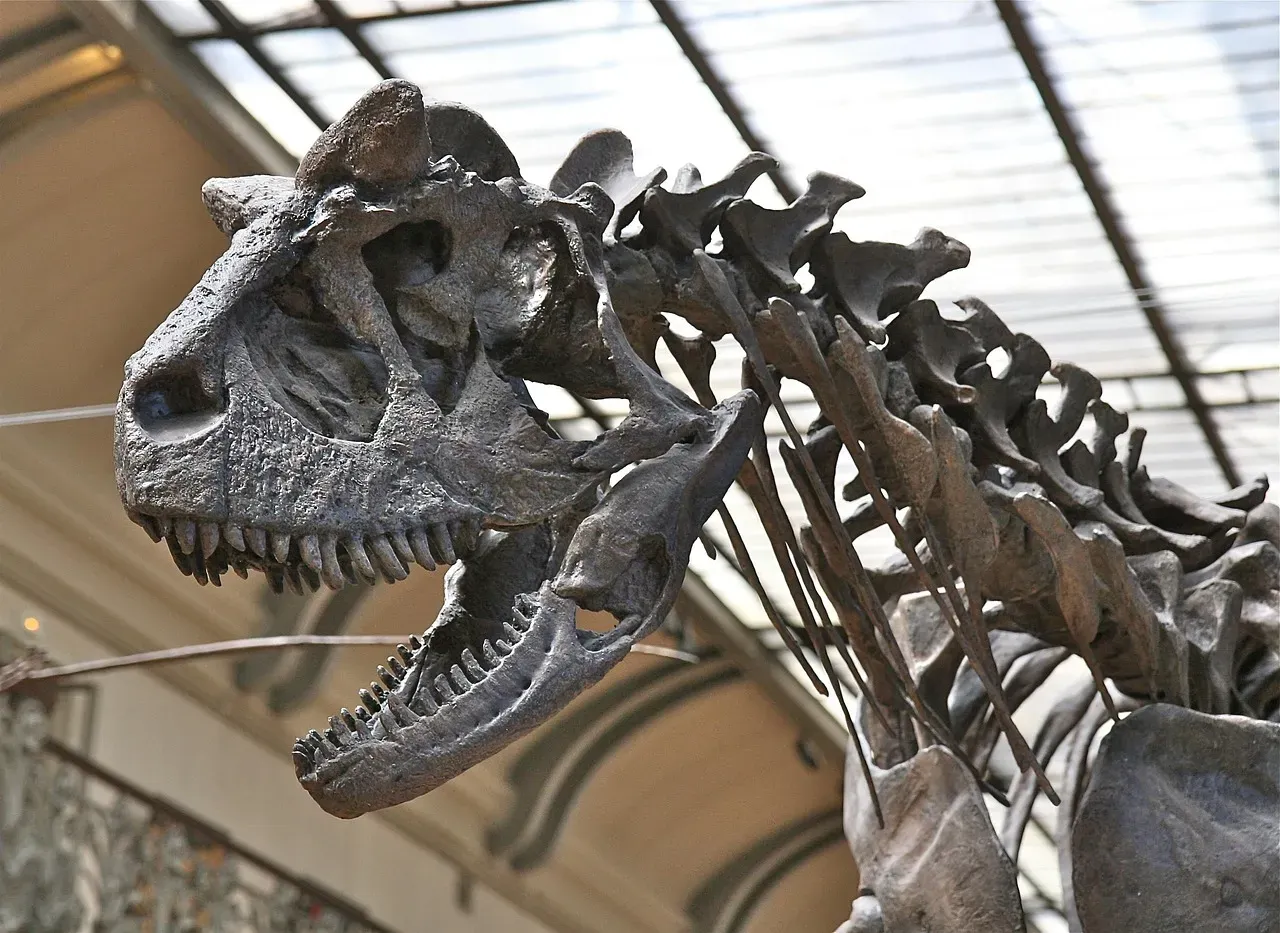
Here is something that might genuinely surprise you. Cross sections of dinosaur bones can reveal actual growth rings – layers of bone laid down during periods of interrupted or slowed growth, often caused by cold or dry seasons. It is, honestly, a lot like counting rings in an ancient tree trunk. You are holding a biological diary written in calcium and collagen.
Some scientists think these rings may reflect a yearly growth stage, meaning that counting them can provide an approximate age for the individual dinosaur. A fibrolamellar dinosaur bone showing multiple lines of arrested growth and periodic growth cycles displays cyclic variation that provides evidence for seasonal growth of dinosaurs, possibly influenced by a monsoon-type paleoclimate. That is not a guess – it is written right there in the fossil, plain as day, if you know how to look.
A strong climate seasonality with shortage of water as the main factor limiting growth during the winter dry season is also supported by distinct growth rings in fossil conifer wood samples from contemporaneous Late Jurassic petrified forests. This means the environment itself was pulsing with rhythm, and the dinosaurs’ bodies recorded every beat. Cyclical growth leaves marks in bone tissue that are at the forefront of discussions about extinct vertebrate physiology – ectotherms show pronounced annual cycles of growth arrest that correlate with decreases in body temperature and metabolic rate.
The Grand Migration: Dinosaurs on the Move With the Seasons
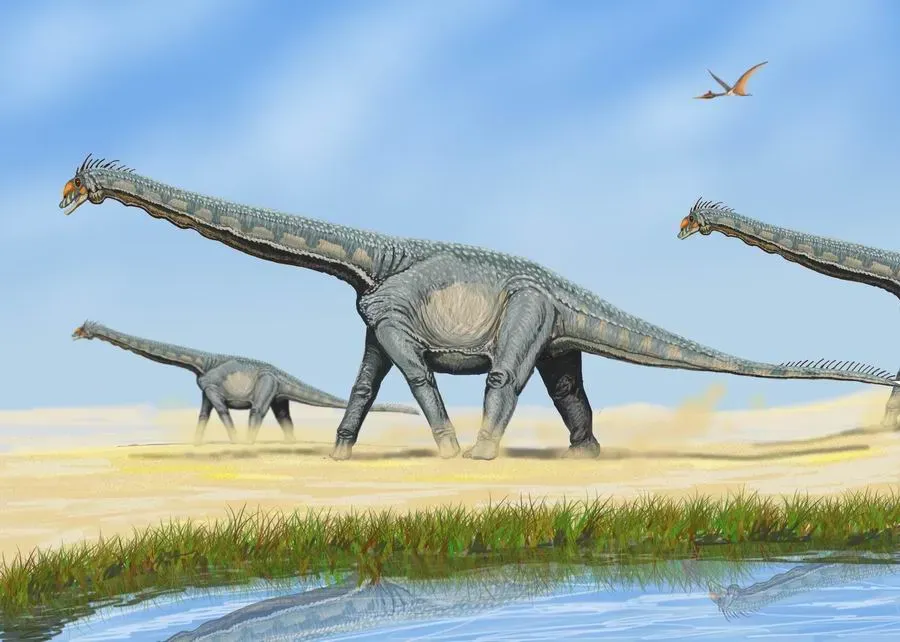
Let’s be real – when most people imagine dinosaurs, they imagine them standing still, ruling a patch of ancient jungle like stationary monarchs. However, recent research suggests that many dinosaurs might have been on the move, migrating across vast distances in search of food, favorable climates, and safe breeding grounds. The scale of these journeys rivals anything you see on modern nature documentaries.
A fossil-teeth analysis has uncovered compelling evidence that dinosaurs migrated seasonally like modern-day birds or elephants. Chemical signals in prehistoric tooth enamel reveal that Camarasaurus dinosaurs walked hundreds of miles on marathon migrations in late Jurassic North America, responding to shifts in food and water availability as they trudged from floodplain lowlands to distant uplands and back again as the seasons changed. Think of the wildebeest crossing the Serengeti – same principle, vastly older story.
Studies of Edmontosaurus fossils from the Late Cretaceous suggest these herbivores migrated seasonally across distances of up to 2,600 kilometers in North America. Isotope analysis of their teeth reveals distinct changes in diet corresponding with different geographical regions, while massive bone beds containing thousands of specimens indicate these dinosaurs traveled in enormous herds, similar to modern wildebeest or caribou. The prehistoric world had its own Serengeti, and it was spectacular.
Nesting Season: The Annual Rhythm of Dinosaur Reproduction
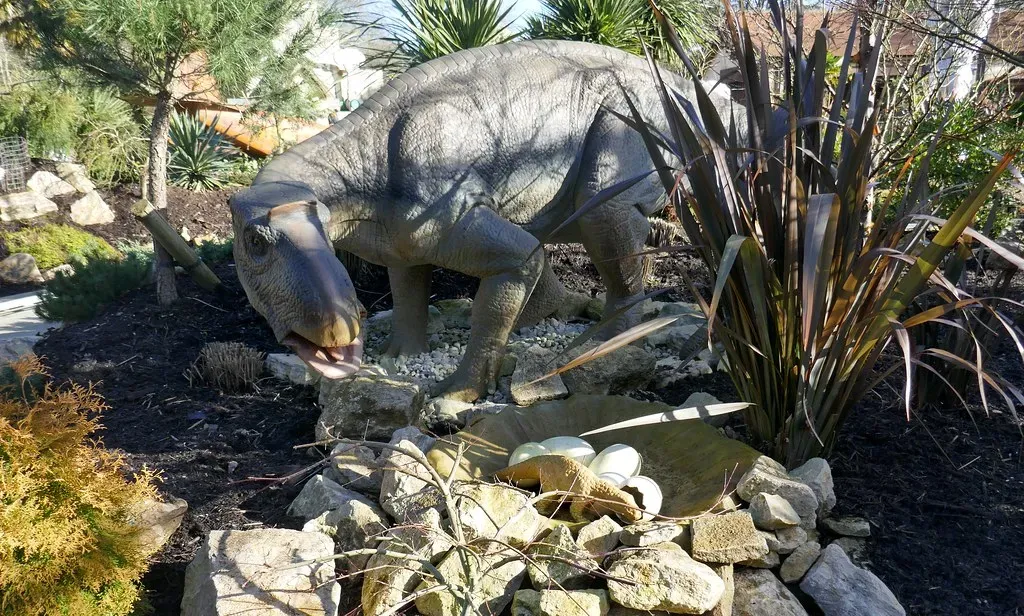
Dinosaur life started in a hard-shelled egg – these came in a variety of shapes and sizes depending on the species, but all had shells with internal structures more similar to modern bird eggs than to those of any living reptile. Reproduction, like everything else in the prehistoric world, followed a seasonal clock. You would be forgiven for thinking it was purely mechanical, but the evidence suggests something far more deliberate.
Remarkable fossil discoveries reveal that many dinosaur species returned to the same nesting grounds year after year, similar to modern sea turtles or certain bird species. The famous Egg Mountain site in Montana contains multiple layers of Maiasaura nests built on top of each other over many seasons, suggesting these hadrosaurs migrated back to specific breeding grounds annually. Seasonally faithful nesting – it is a pattern that cuts across millions of years of evolution.
Large nesting colonies have also been found, suggesting breeding was social for some species, just like many birds today. The oldest dinosaur eggs currently known to science are around 230 million years old, from the Late Triassic. That means this annual nesting ritual has an almost incomprehensibly deep history – generations upon generations returning, season after season, to the same patches of earth.
Parental Devotion Through the Prehistoric Year
I think one of the most emotionally striking revelations in modern paleontology is how invested some dinosaurs were in their offspring. It completely dismantles the cold-blooded, indifferent stereotype. Duck-billed Maiasaura, whose name means “good mother lizard,” is one of the best-known examples of parental behavior. These Late Cretaceous dinosaurs, living around 80 to 75 million years ago, are thought to have nested in large colonies, with parents possibly providing extensive food and protection for their hatchlings.
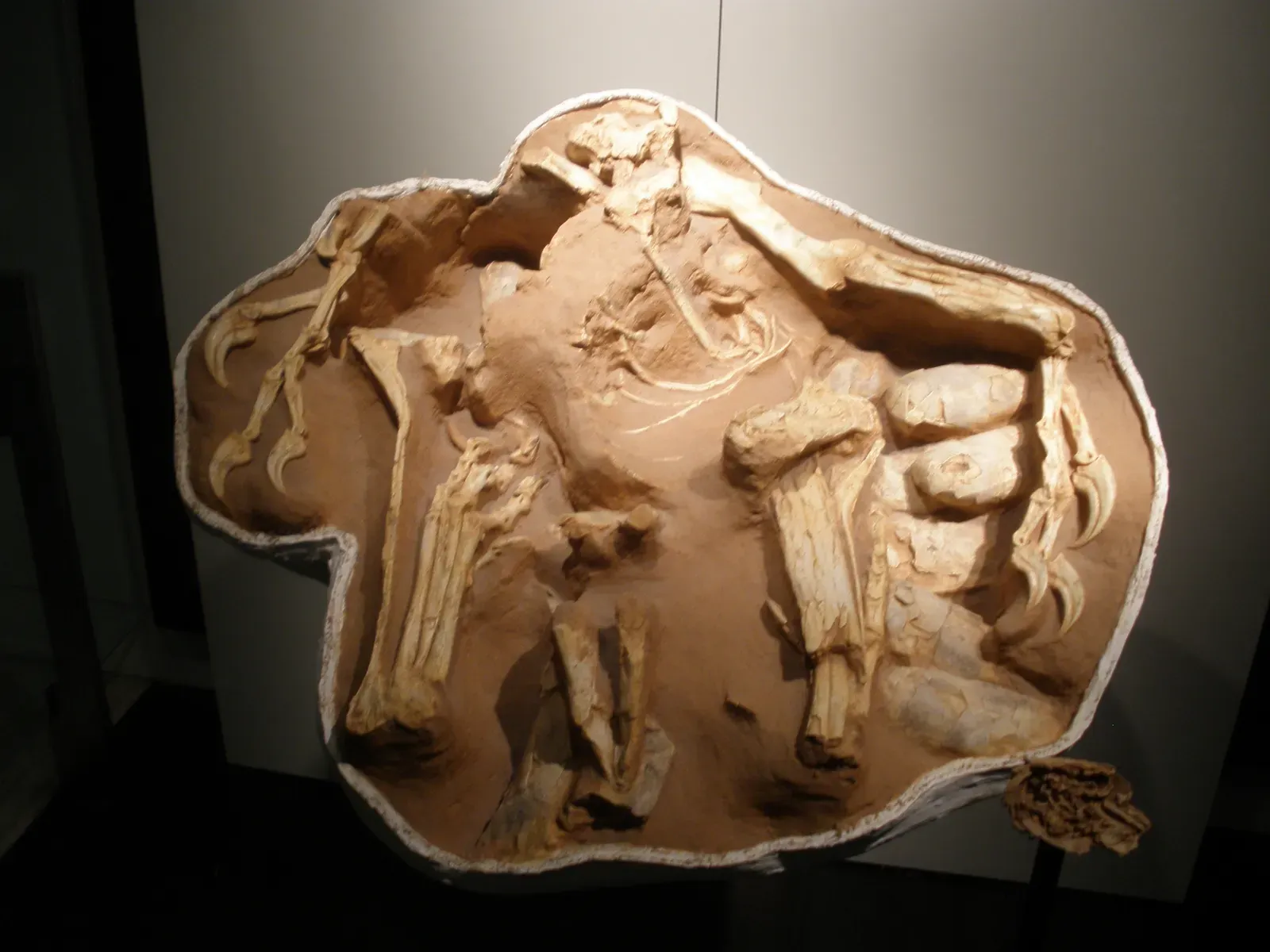
One remarkable discovery is the fossilized remains of “Big Mama,” a 75-million-year-old Oviraptorid found curled up on its nest of eggs, indicating a behavior of protective brooding at the expense of its own safety. The common ancestor of all dinosaurs laid soft-shelled eggs buried in moist soil, and hard-shelled eggs evolved multiple times in several lineages. The rise of colored eggs in the fossil record coincides with the shift to partially open nests that dinosaurs incubated by sitting on them, much as many modern birds do.
Scientists know from previous finds that oviraptorids laid two eggs at a time in a clutch of 30 or more, meaning the mother would have had to stay with or return to the nest, lay her pair of eggs, arrange them carefully in the circle, and bury them appropriately every day for two weeks to a month. That is not abandonment – that is commitment. Seasonal, consistent, and surprisingly tender for an animal that weighs several hundred kilograms.
Surviving the Dark Months: Polar Dinosaurs and the Harshest Seasons
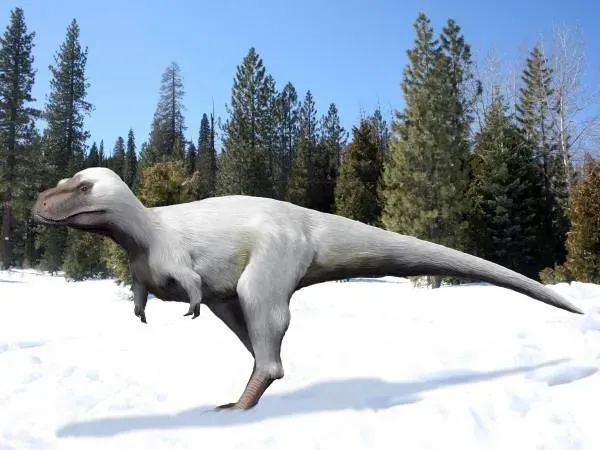
Seasons came back into effect and the poles got seasonally colder, but some dinosaurs still inhabited the polar forests year-round, such as Leaellynasaura and Muttaburrasaurus. Stop and think about that for a moment. There were dinosaurs choosing to stay in polar darkness rather than migrate. That is a bold lifestyle choice, prehistoric style.
Unlike the temperate rainforests that exist today in North America’s Pacific Northwest, each winter the Cretaceous polar forests would have had to survive four months of the year living in the total darkness of polar night. Current evidence strongly suggests many polar dinosaurs, including sauropods, large and small theropods, and ankylosaurs, overwintered in preference to migration. They simply toughed it out – slowing down, conserving energy, and waiting for the light to return.
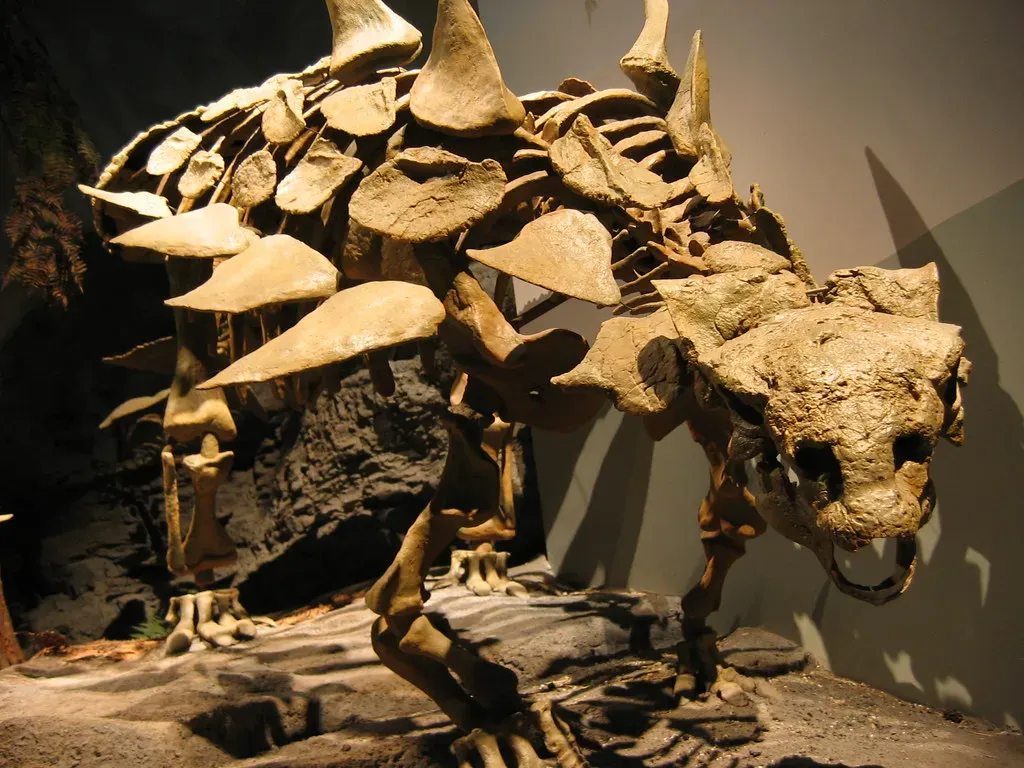
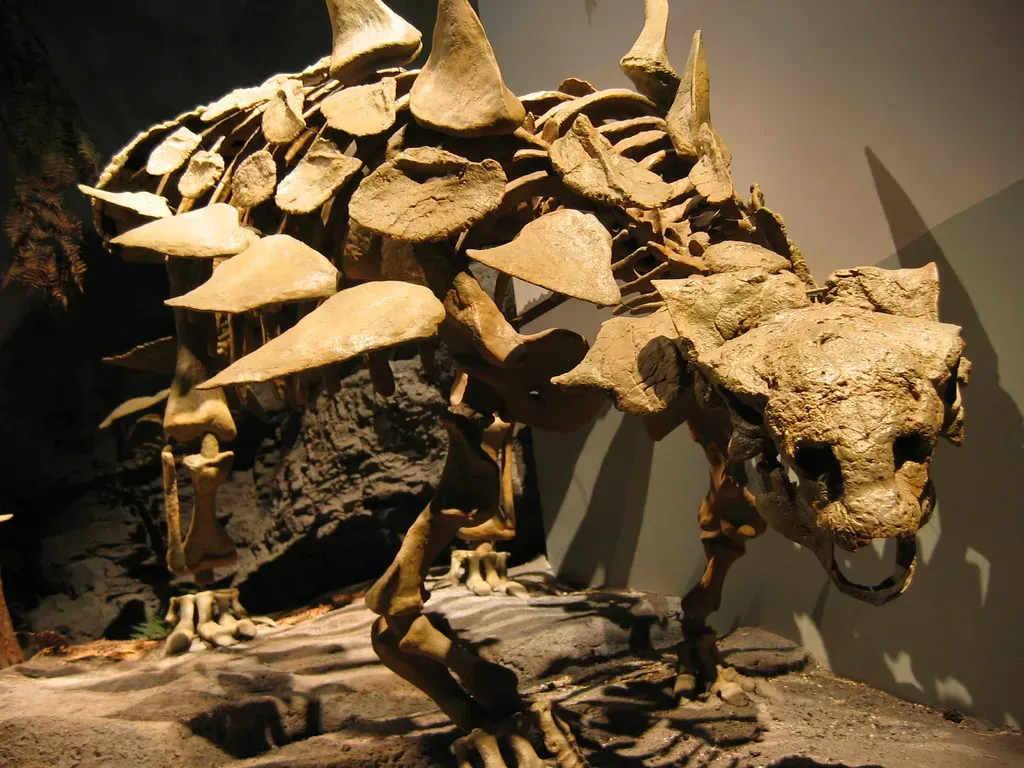
Certain groups appear more predisposed to overwintering based on their physical inability to migrate, such as ankylosaurs and many small taxa including hypsilophodontids and troodontids. Low-nutrient subsistence is found to be the best overwintering method overall. The discovery of the first juvenile dromaeosaurid lower jaw bone on the North Slope of Alaska supports a growing theory that some Cretaceous Arctic dinosaurs did not migrate with the seasons but were year-round residents. Year-round Arctic dinosaurs. It sounds impossible, yet the bones do not lie.
The Prehistoric Calendar of Food and Feast: Seasonal Feeding Cycles
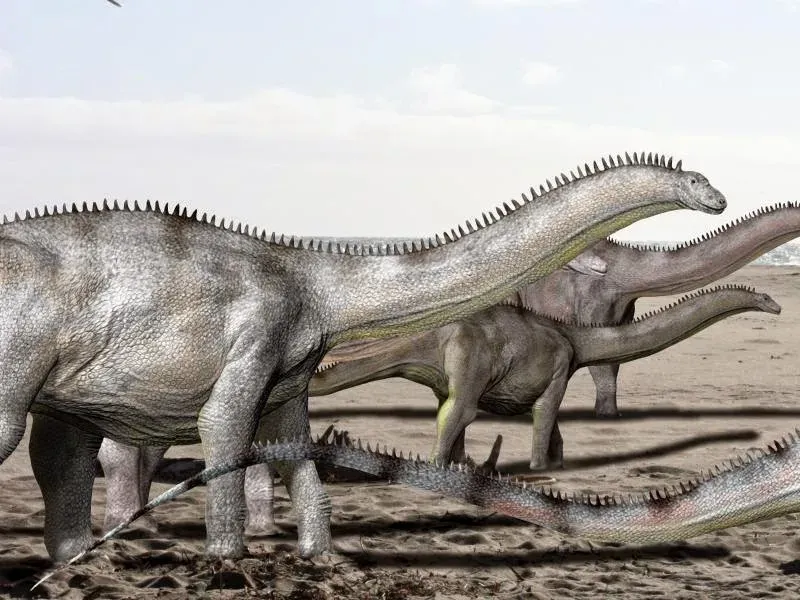
Seasonal food availability would have been a primary driver of dinosaur movement, pushing them to travel as vegetation patterns shifted with changing seasons. Climate avoidance represented another crucial factor, with dinosaurs potentially moving to escape harsh weather conditions in their usual habitats. It is hard to say for sure how sophisticated these feeding rhythms were, but what we do know is that they were consistent enough to leave behind traceable patterns in rock.
Sauropods in western North America were living in an environment that was seasonally dry, with a pronounced wet season and a pronounced dry season. If you have an animal that needs to eat a lot and drink a lot, it is going to have to move to access vegetation and to get water. Simple arithmetic, ancient scale. Evidence from plant fossils indicates distinct wet and dry seasons in many dinosaur habitats, creating cyclical patterns of resource availability.
Flowering plants emerged during the Cretaceous period, influencing herbivorous dinosaurs’ diets. This was a genuinely enormous shift – like watching the entire menu of a restaurant change with the seasons. It was theorized that dinosaurs left the floodplain area as the summer dry season began. As droughts were common, they migrated to better locations in search of food, but would return to their lowlands as the winters began and food was again abundant. Seasonal feast and famine, playing out across millions of years of evolution.
Growth Spurts and Body Clocks: How Dinosaurs Matured Through the Annual Cycle
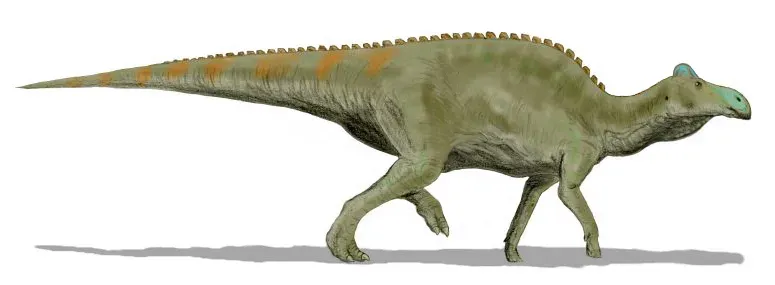
Like mammals, dinosaurs stopped growing when they reached the typical adult size of their species. Dinosaurs of all sizes grew faster than similarly sized modern reptiles, though comparisons with similarly sized warm-blooded modern animals depend on their sizes. Growth was not a slow, cold-blooded crawl – it was an aggressive annual race toward adulthood, driven by biological urgency.
For example, a hadrosaur hatchling can be shown to have grown to over three metres within a year, based on fossil evidence. A single year. That growth rate, tucked inside a tiny hatchling, is almost hard to believe. It has been found that dinosaurs had rapid growth rates, reaching full body size in less than a decade for most groups, and less than two decades for even the largest. By comparison, it takes decades for an elephant to reach its full size – dinosaurs were playing a faster, more urgent game.
New data on dinosaur longevity garnered from bone microstructure are making it possible to assess basic life-history parameters such as growth rates and timing of developmental events. Analyses of these data in an evolutionary context are enabling the identification of developmental patterns that lead to size changes within the Dinosauria. Elevated growth rates are one of the adaptations that set later Mesozoic dinosaurs apart, particularly from their contemporary crocodilian and mammalian compatriots. In short, the annual growth cycle was one of the most powerful competitive advantages these creatures ever developed.
Conclusion: A Prehistoric Clock That Never Really Stopped
What the fossil record ultimately reveals is not just a gallery of ancient monsters. It is a record of rhythm. Seasonal migration. Annual nesting. Growth that surged and paused with the turning of an ancient calendar. Dinosaurs were not simply passive inhabitants of their world – they were actively, biologically synchronized with it, responding to its seasons with a precision that rivals anything we see in modern wildlife.
The more science decodes these prehistoric rhythms, the more the distance between us and them quietly shrinks. The bone rings, the nesting sites, the migration paths etched into ancient rock – they are all pages of the same almanac. A living record written not in ink, but in calcium, isotopes, and fossilized mud. Next time you watch a flock of birds flying south for the winter or notice a tree responding to the first warmth of spring, consider this: you might be watching the last echo of a rhythm that began 230 million years ago. Does that change how you see the world around you?