

If you are over 60, your body is quietly doing something extraordinary every single day: repairing, adapting, and defending itself with far fewer resources than it had decades ago. Yet most of us expect it to run smoothly on ultra-processed snacks, sugary drinks, and oversized portions that would have baffled our distant ancestors. There is something slightly shocking about realizing that people who lived thousands of years ago, with no nutrition labels or fitness trackers, often ate in ways that line up surprisingly well with what modern science now calls healthy aging.
The idea of a “dinosaur diet” is not about gnawing on raw meat or chewing leaves in your backyard. It is about revisiting ancient eating patterns that have been quietly supported by modern research on longevity, brain health, and chronic disease prevention. When nutritionists talk about what really works long term, they keep circling back to principles that look a lot like old wisdom: eat real food, mostly plants, in reasonable amounts, and not all day long. For seniors, especially, these old patterns can be powerful tools for staying strong, sharp, and independent longer than previous generations ever thought possible.
1. The Hunter-Gatherer Plate: Mostly Plants, Some Protein, Hardly Any Packaging
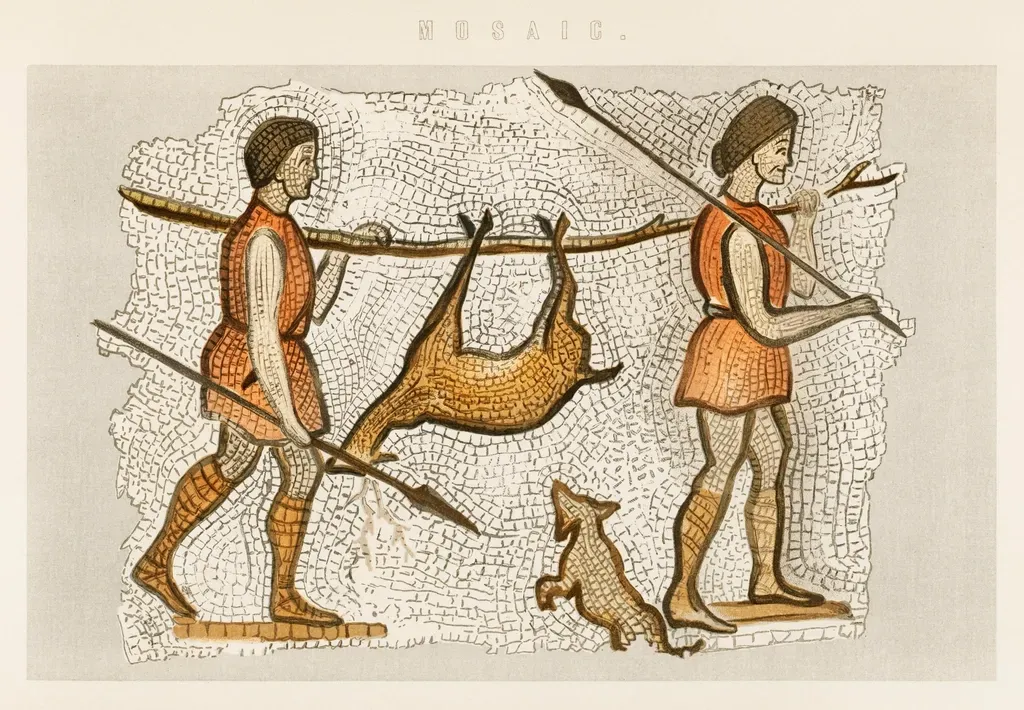
Imagine walking into your kitchen and seeing it the way an ancient hunter-gatherer would: fruits, vegetables, nuts, seeds, beans, maybe a bit of fish or meat, and almost nothing that comes in a box with a cartoon on the front. Anthropologists studying traditional hunter-gatherer societies have consistently found diets high in fiber-rich plant foods and relatively low in added sugars and refined grains. Modern research has linked this kind of pattern to lower rates of heart disease, type 2 diabetes, and obesity, all of which are major concerns for older adults.
For seniors, moving even partway toward a hunter-gatherer style plate can mean crowding out the foods that spike blood sugar and fuel inflammation. Think of half your plate covered in colorful vegetables and fruits, a palm-sized portion of lean protein like fish, eggs, or beans, and a small serving of intact grains such as oats, quinoa, or barley. I watched my own older relative, who used to lean heavily on frozen meals and white bread, slowly shift toward this simpler pattern; over a year, their energy improved, their doctor cut back one blood pressure medication, and they said they “finally felt lighter in their own skin,” even without a dramatic weight loss goal.
2. The Ancient Mediterranean Way: Olive Oil, Herbs, and Slow, Social Meals
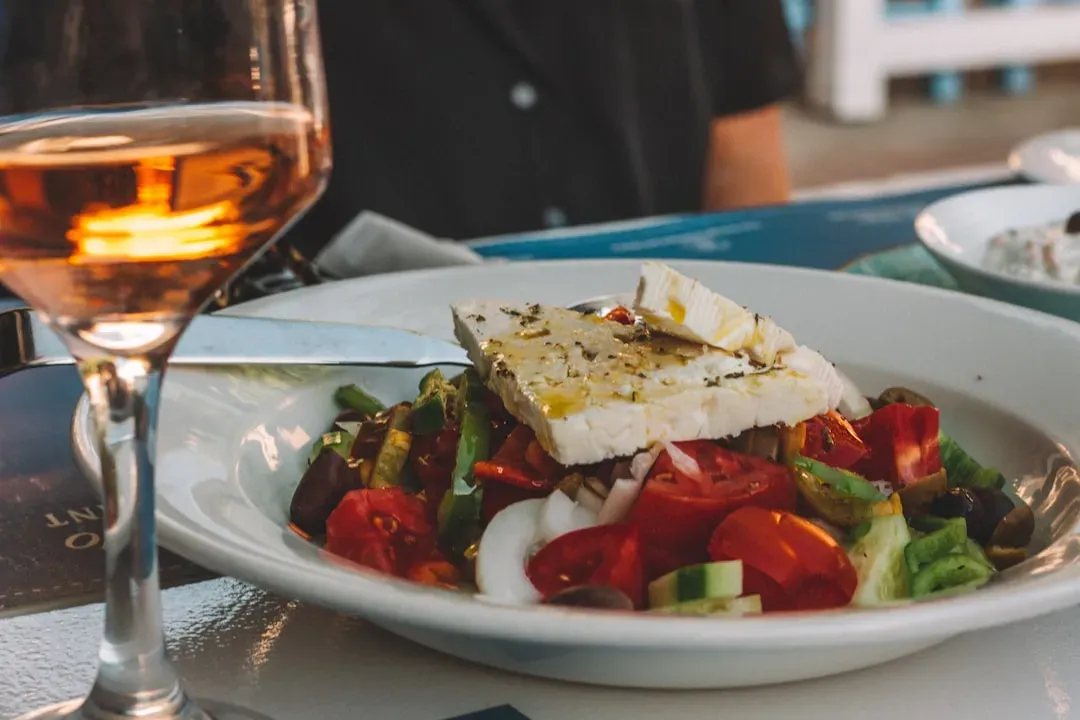
If the hunter-gatherer pattern is about what ends up on your plate, the ancient Mediterranean style is also about how you eat it. Traditional Mediterranean diets from coastal regions historically emphasized vegetables, legumes, whole grains, fruits, nuts, and plenty of olive oil, with modest amounts of fish, fermented dairy like yogurt, and only small portions of meat. Large, long-term studies in modern times have shown that people who follow a Mediterranean-style diet tend to have better heart health, improved cholesterol profiles, and a lower risk of cognitive decline as they age.
For seniors, this pattern is especially appealing because it is both protective and enjoyable. Dishes like lentil soup with olive oil, grilled fish with herbs, and tomato salads can be easy to chew, easy to digest, and full of flavor without heavy sauces or excess salt. There is also a social element that many nutritionists quietly cheer for: the habit of lingering over meals with others, eating slowly, and turning food into connection instead of a rushed task. I am convinced that for many older adults, the act of sitting down with a friend to share a simple bean stew and salad is as therapeutic as the nutrients in the food itself.
3. The “Feast and Pause” Rhythm: Gentle Time-Restricted Eating, Not Harsh Fasting

For most of human history, people did not graze from morning until midnight; food came in waves, and the body had natural breaks from digestion. Today, researchers studying intermittent fasting and time-restricted eating are finding that simply shortening the daily eating window can support better blood sugar control, improved insulin sensitivity, and potentially healthier aging. The key for seniors, though, is to approach this idea gently and safely, not with extreme fasts that can cause dizziness, weakness, or medication problems.
A practical, more ancient-feeling rhythm might look like eating all your meals between, say, 8 a.m. and 6 p.m., giving your body an overnight pause without late-night snacks. This pattern lets digestive hormones, repair processes, and the brain’s “cleanup” systems work more effectively, according to growing research on circadian biology. Many older adults report they sleep better and feel less bloated when they stop eating a couple of hours before bed. It is important, of course, to talk with a healthcare provider, especially if you take medications for blood sugar or blood pressure, but used wisely, this old feast-and-pause rhythm can be a quiet game changer.
4. The Fermented and Foraged Tradition: Feeding Your Inner Ecosystem
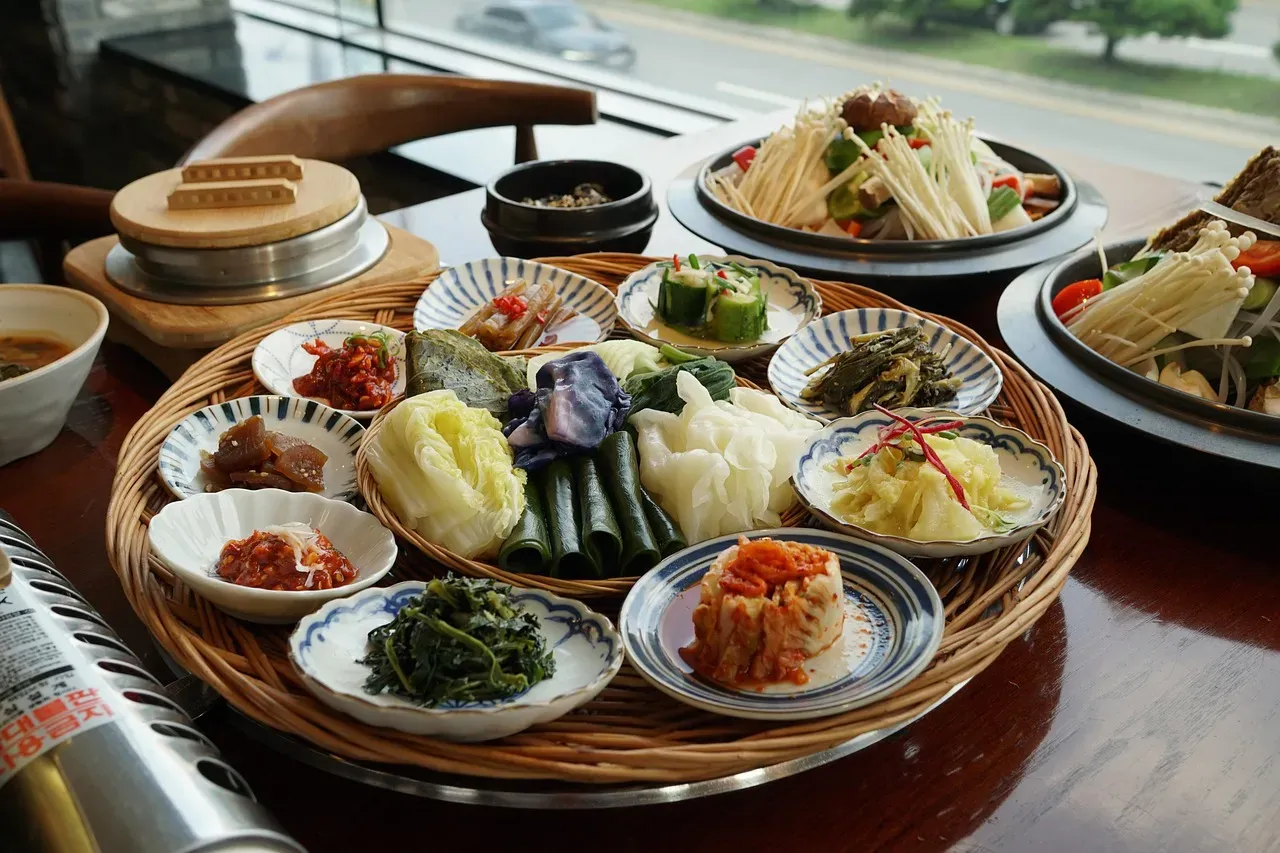
Long before probiotics were marketed in capsules, people all over the world relied on fermented foods and wild or minimally cultivated plants as necessities, not wellness trends. Think about ancient staples like sauerkraut, kimchi, kefir, yogurt, fermented fish sauces, and naturally leavened breads. These foods, along with diverse leafy greens, herbs, and roots, helped nourish the trillions of microbes in the gut, which modern science now recognizes as a central player in immunity, mood regulation, and metabolism. For seniors, whose gut microbiome can become less diverse over time, revisiting this pattern can be especially beneficial.
Adding a small serving of fermented foods each day, such as live-culture yogurt, kefir, miso, or raw sauerkraut, alongside a variety of fiber-rich plants, gives that inner ecosystem something to thrive on. I have seen older adults who once struggled with constipation, bloating, or frequent infections notice gradual improvements after leaning into these old-fashioned foods. The change does not have to be dramatic; even swapping a sugary dessert for a bowl of yogurt with berries and a sprinkle of nuts nods to both fermentation and foraging traditions. In a world obsessed with sterile surfaces and ultra-refined ingredients, there is something oddly comforting about remembering that a little controlled microbial chaos in our food has supported human health for centuries.
Conclusion: Looking Backward Might Be the Smartest Way Forward

When you zoom out and look at these four ancient patterns side by side, a clear theme emerges: the human body, especially an aging one, seems to thrive on simplicity, rhythm, and real food. None of these approaches promise overnight miracles or celebrity-level transformations, and that is exactly why they are worth paying attention to. They fit with what we now understand about inflammation, oxidative stress, gut health, and cognitive decline, but they also fit real life: affordable ingredients, flexible recipes, and no need for special shakes or high-tech gadgets.
My own opinion is that older adults are often sold the most complicated, expensive solutions while the most powerful tools are sitting quietly in the produce aisle and pantry. Going “dinosaur” with your diet does not mean rejecting modern medicine or becoming perfect; it means honoring the patterns that allowed humans to reach old age in the first place. If you are a senior, or love someone who is, starting with just one of these shifts – more plants, a Mediterranean-style meal, a gentler eating window, or a daily fermented food – can be a strong act of self-respect. The past is not a prison; sometimes it is a blueprint. Which ancient habit are you most tempted to bring back to your own table?