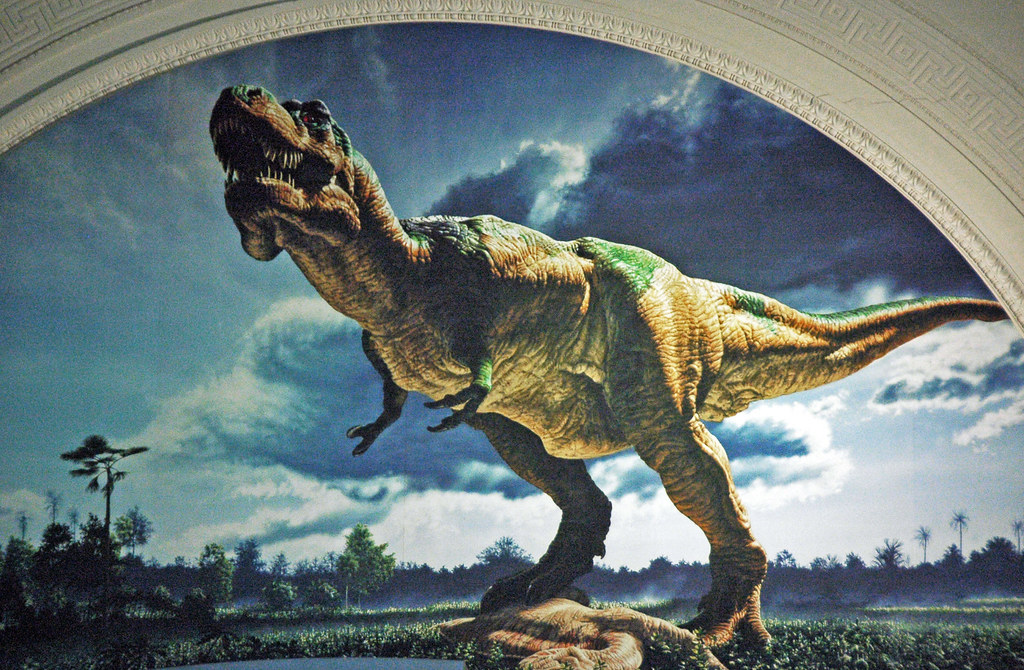
Every few weeks, a dinosaur meme goes viral and suddenly everyone is an expert on T. rex, Velociraptor, or that one long-neck they remember from a childhood movie. The problem is, a lot of these viral “facts” are leftovers from the 1980s, misunderstood lab results, or just plain made up. They spread because they’re simple, dramatic, and easy to turn into a shareable post – but real science is messier, weirder, and way more interesting.
We now have fossils with preserved feathers, dinosaur poop, soft tissue traces, and CT scans of skulls. We know far more than we did a generation ago, yet social media keeps recycling the same old myths like a broken Jurassic jukebox. Let’s dig into the dinosaur “facts” that just will not die – and what scientists actually think is going on.
Myth 1: Dinosaurs Were Just Giant, Stupid Lizards
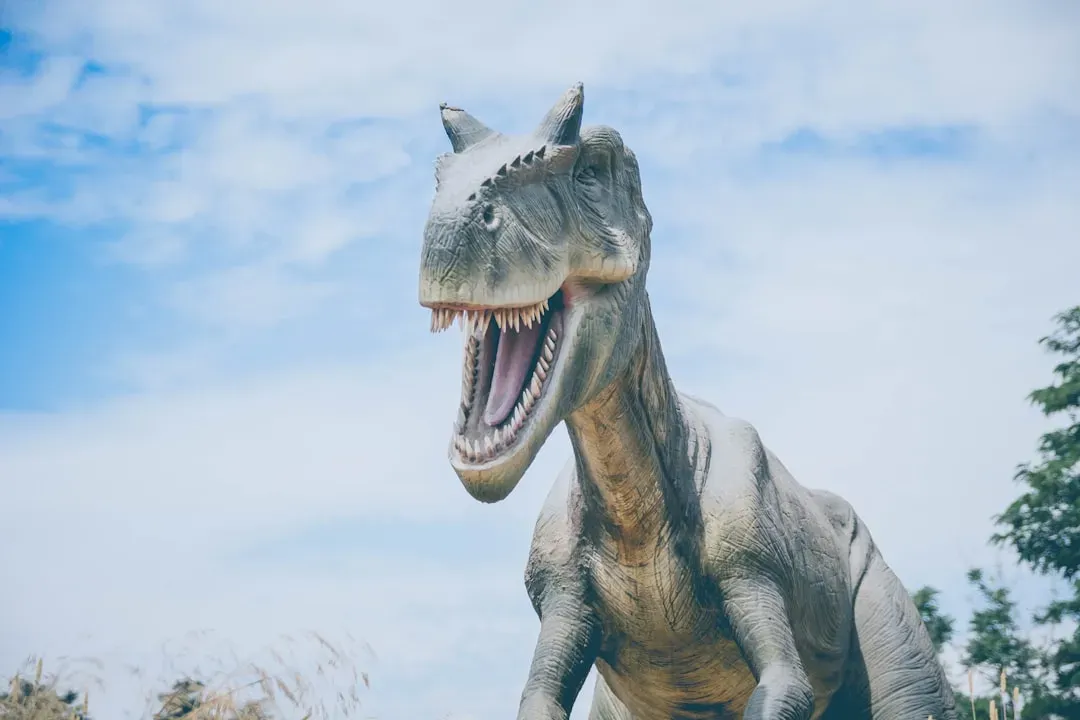
This one is ancient, and it refuses to go away. The idea that dinosaurs were slow, lumbering, dim-witted lizards shuffling through swamps is a relic from early twentieth-century science that still echoes through memes today. You still see jokes about “bird brains” slapped on a T. rex, as if these animals spent 150 million years just blundering into extinction.
Modern research paints a very different picture. Many theropods (the group including T. rex and Velociraptor) had relatively large brains for their body size compared to living reptiles, with brain-to-body ratios overlapping with modern birds. Dinosaurs show complex behaviors in their fossil record: nesting colonies, brooding postures, herd movement patterns, and possible parental care. They were closer to highly specialized, active, problem-solving animals than to the lumbering idiots pop culture still loves to mock.
Myth 2: All Dinosaurs Were Scaly, Grey, and Reptile-Looking
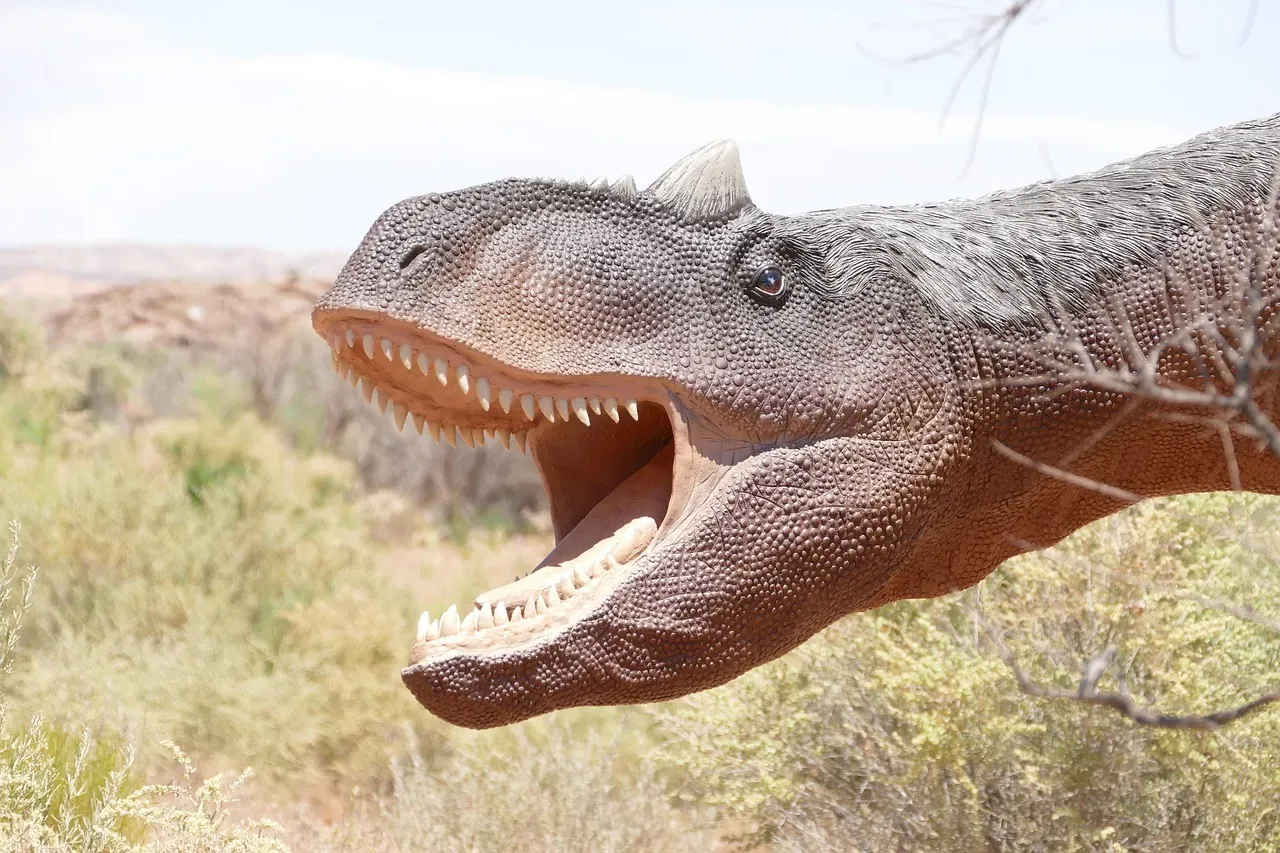
Social media loves the gritty “realistic” render of a dull green T. rex stomping through brown mud, as if camouflage only came in one shade and dinosaurs all shopped from the same color palette. The assumption that “realistic” equals “mud-colored lizard” is one of the most persistent aesthetic myths out there. It feels safe and serious, so people cling to it.
Fossils have blasted this idea wide open. We now have dinosaur specimens with preserved feathers and even microscopic pigment structures, suggesting shades of reddish brown, blacks, whites, and patterned color schemes. Many non-avian dinosaurs likely had a mix of scales and filaments or feathers, with bodies that might have looked more like strange, oversized ground birds or fuzzy reptiles than smooth grey statues. If anything, our reconstructions are probably still too boring, not too flashy.
Myth 3: T. rex Couldn’t See You If You Didn’t Move
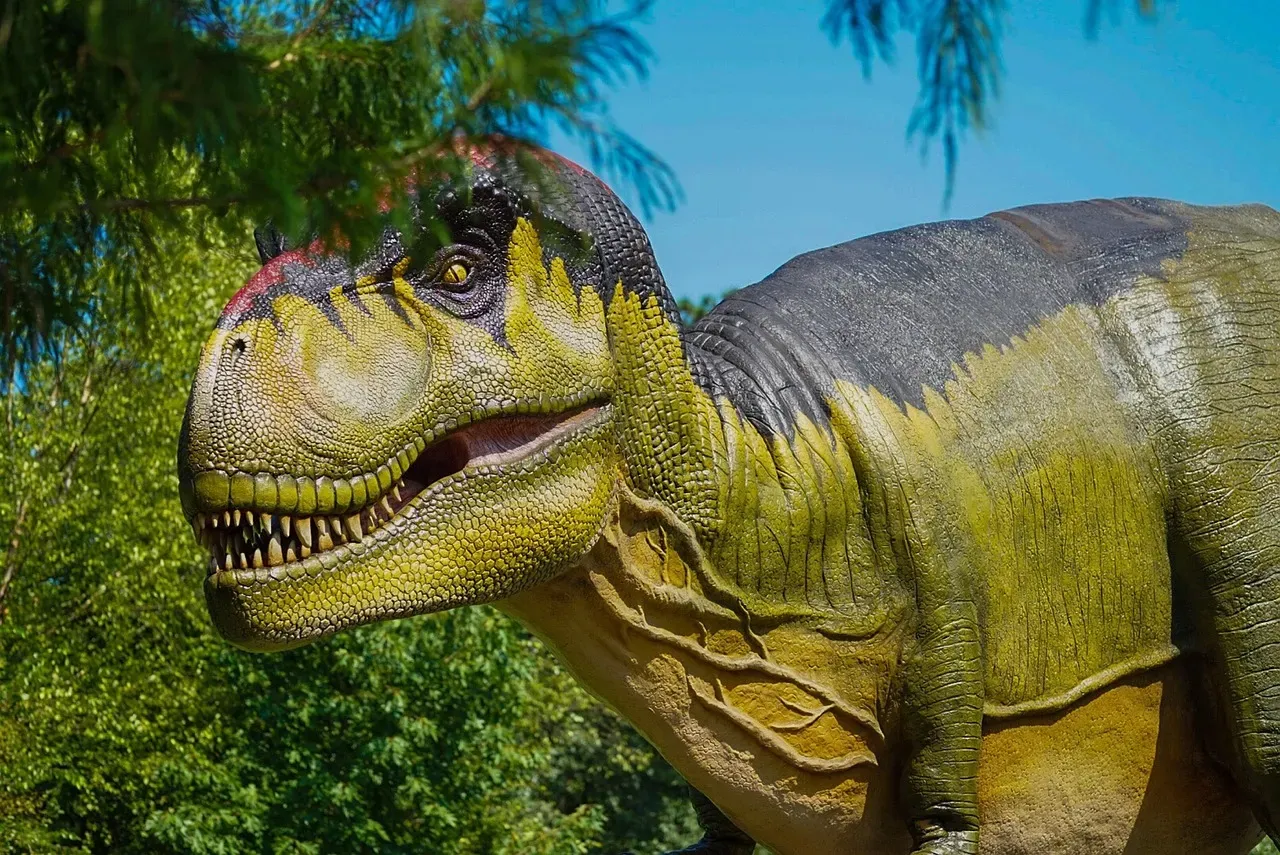
Studies of T. rex skulls and eye socket placement suggest forward-facing eyes and strong binocular vision, more like a hawk or an owl than a snake that only notices motion. The size of its optic lobes and the structure of the skull point to good depth perception, which would be extremely useful for a predator targeting large moving prey. If you stood still in front of a living T. rex, your problem would not be invisibility. Your problem would be that you are standing in front of a T. rex.
Myth 4: Dinosaurs Went Extinct and That Was That
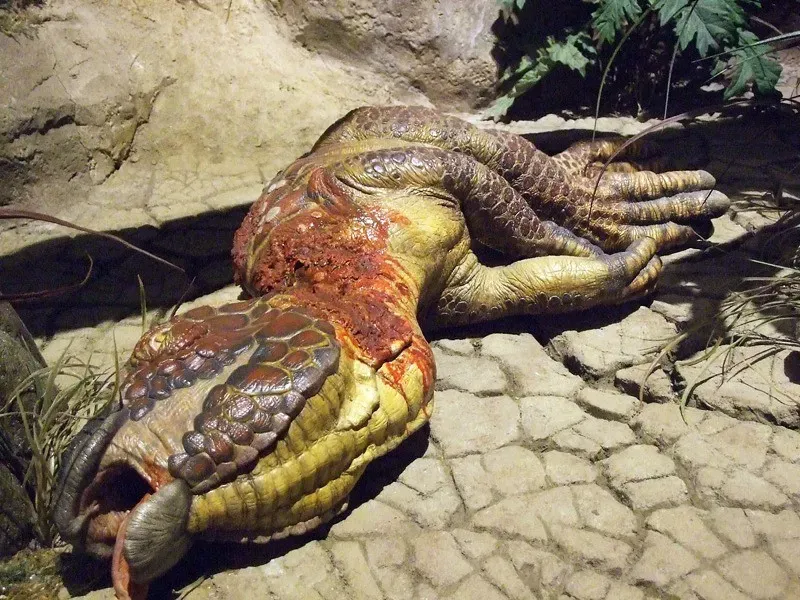
One of the laziest “facts” on social media is that dinosaurs all died out at the end of the Cretaceous and disappeared forever. It is a clean, tragic story: giant reptiles, asteroid, instant extinction. The truth is more complicated and, honestly, much cooler. Saying “dinosaurs are gone” is like saying “the Roman Empire vanished” while ignoring every modern country that inherited its language, laws, and infrastructure.
Birds are living dinosaurs, full stop. They are descended from small, feathered theropods that survived the asteroid impact and went on to diversify in the new world that followed. When you watch a hawk circle, a rooster strut, or a pigeon bob its head in a city square, you are watching the last surviving dinosaur lineage doing just fine. The non-avian dinosaurs are gone, but the dinosaur story absolutely did not end – it just changed shape and kept flying.
Myth 5: We Already Know Exactly What Dinosaurs Looked Like
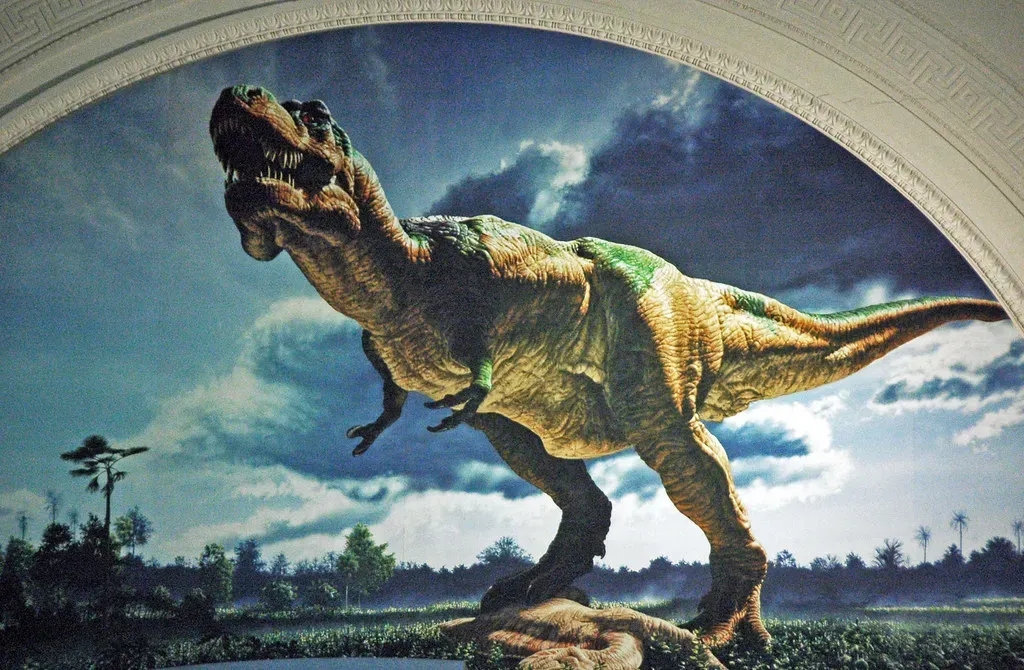
There’s a strange confidence online that we’ve nailed down the precise look of every famous dinosaur, down to muscle outlines and skin texture. People argue in comments about whether a new reconstruction is “wrong” because it does not match a movie design, as if that movie was a documentary. The reality is that for many species, especially the older discoveries, we are filling in a lot of blanks with educated guesses.
Fossils rarely preserve soft tissue in detail. We are often working with bones and, if we are lucky, impressions of skin or feathers from a few individuals. Muscle bulk, posture, soft-tissue crests, throat sacs, and even the exact arrangement of feathers can be uncertain or debated. Paleoartists now talk openly about “shrink-wrapping,” where earlier depictions made animals look too skinny and skeletal. Today’s reconstructions are more fleshed out and varied, but they are still hypotheses, not photographs from the past.
Myth 6: Dinosaurs Were Doomed Because They Were “Too Big”
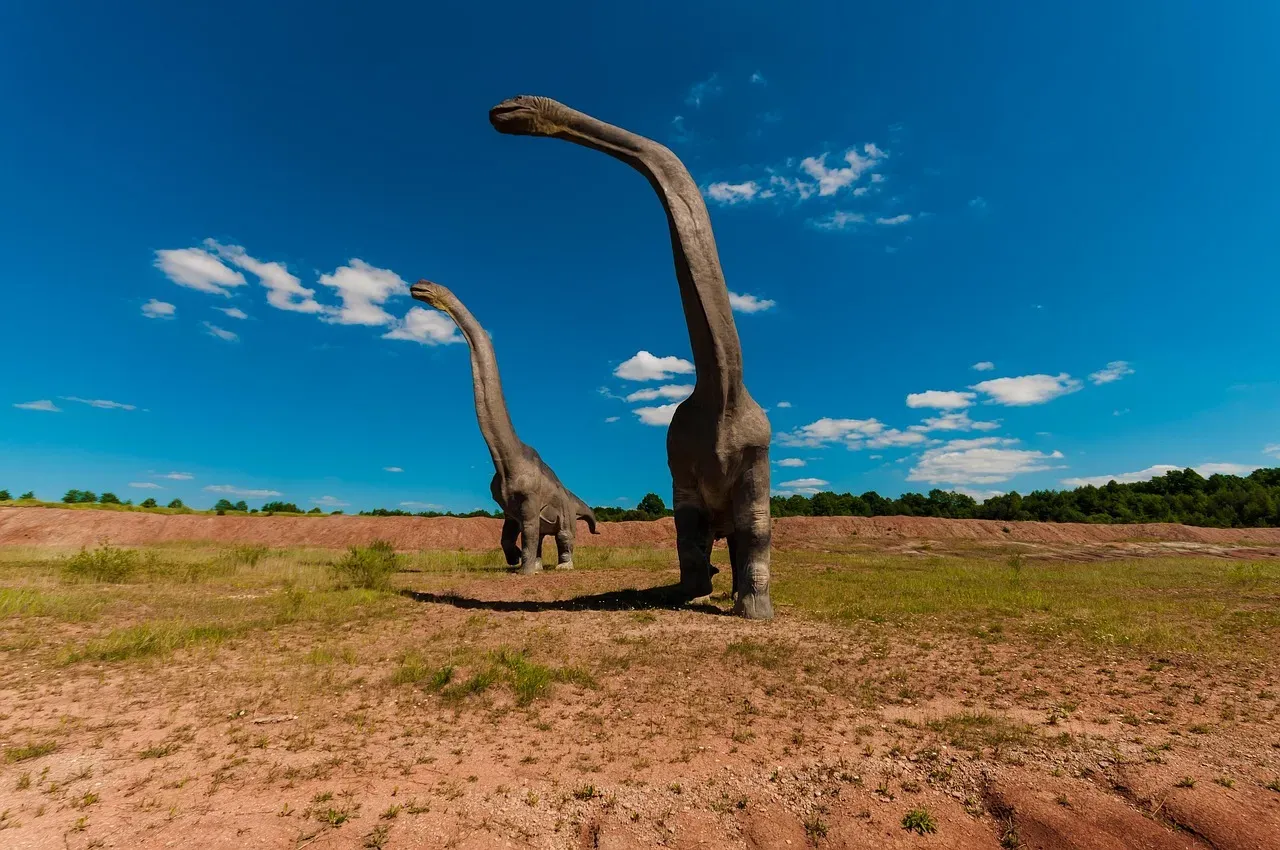
There’s a very popular story that dinosaurs were evolutionary dead-ends, “too big to survive,” and destined to vanish no matter what. It fits a dramatic moral lesson about excess and downfall, so it spreads fast. But the fossil record does not really support the idea that simple bigness was their fatal flaw.
Dinosaurs thrived for a breathtakingly long time across different sizes, from chicken-sized runners to the largest land animals ever. Many lineages were small, agile, and ecologically flexible. The end-Cretaceous mass extinction looks more like a sudden, catastrophic event triggered by an asteroid impact and massive environmental change, not a slow decline caused by being oversized. If that rock had missed, it is entirely possible large and small dinosaurs would still dominate today – and we might be arguing on social media about some totally different group of “failed” animals.
Myth 7: Scientists Are Constantly “Changing the Story,” So Nothing Is Real
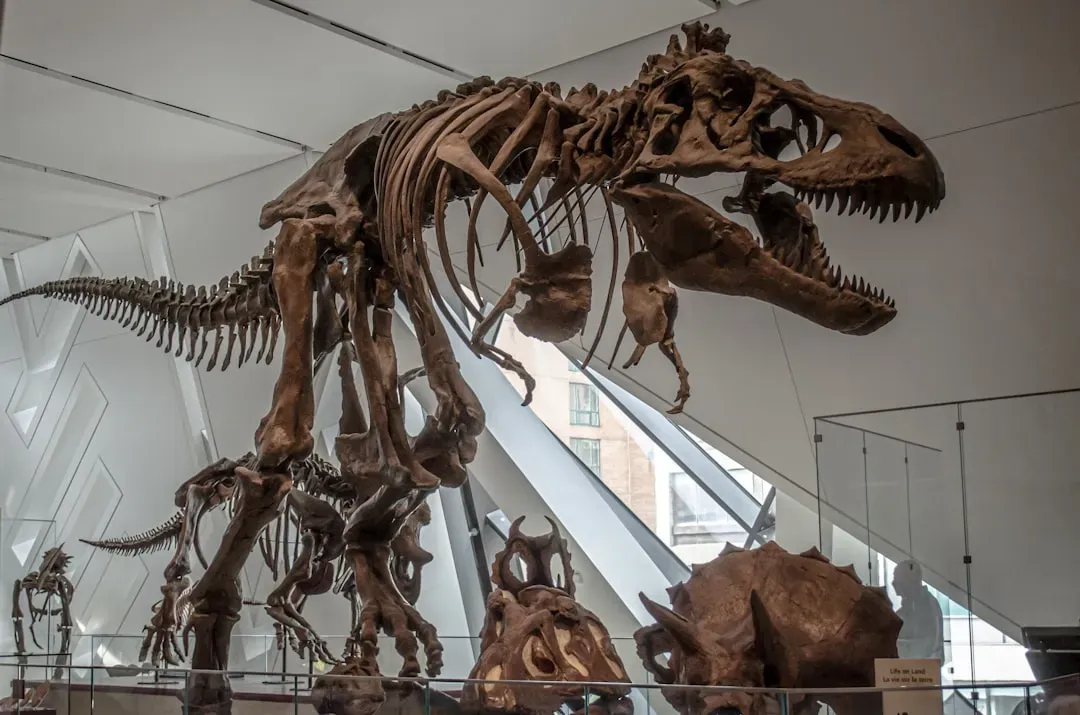
Every time a new study revises dinosaur posture, feather coverage, or behavior, you can almost predict the comments: scientists keep changing their minds, so why trust them at all? It is framed like a gotcha, as if updating ideas with new evidence is a weakness instead of the whole point of science. This myth quietly feeds conspiracy thinking and exaggerated skepticism.
In reality, dinosaur science has improved because we keep changing our minds when the data demands it. New fossils, better imaging technology, biomechanical modeling, and comparisons with living animals refine old guesses. When scientists move from “T. rex dragged its tail” to “T. rex held its tail off the ground for balance,” that is not flip-flopping – it is progress. The story is changing because we are actually learning, and any field that refuses to update itself is the one you should really distrust.
Myth 8: Dinosaurs Are Just for Kids and Pop Culture

A quieter but stubborn myth is that dinosaurs are mainly a kids’ obsession or a Hollywood playground, not serious science. You see this in the way people dismiss new findings as “ruining childhoods” when feathers are added or old movie designs get corrected. It assumes that the main function of dinosaurs is nostalgia, not discovery.
But dinosaur research is deeply tied to climate science, evolution, biomechanics, and even planetary science. Studying how dinosaur ecosystems collapsed helps us understand mass extinctions and long-term environmental change. Analyzing bone growth rings, eggs, and nests sheds light on metabolism and life histories that blur the line between reptiles and birds. Dinosaurs are not just movie monsters; they are a laboratory for understanding how complex life responds to disaster, adapts, and sometimes survives against ridiculous odds.
Conclusion: Why These Myths Stick – and Why It Matters
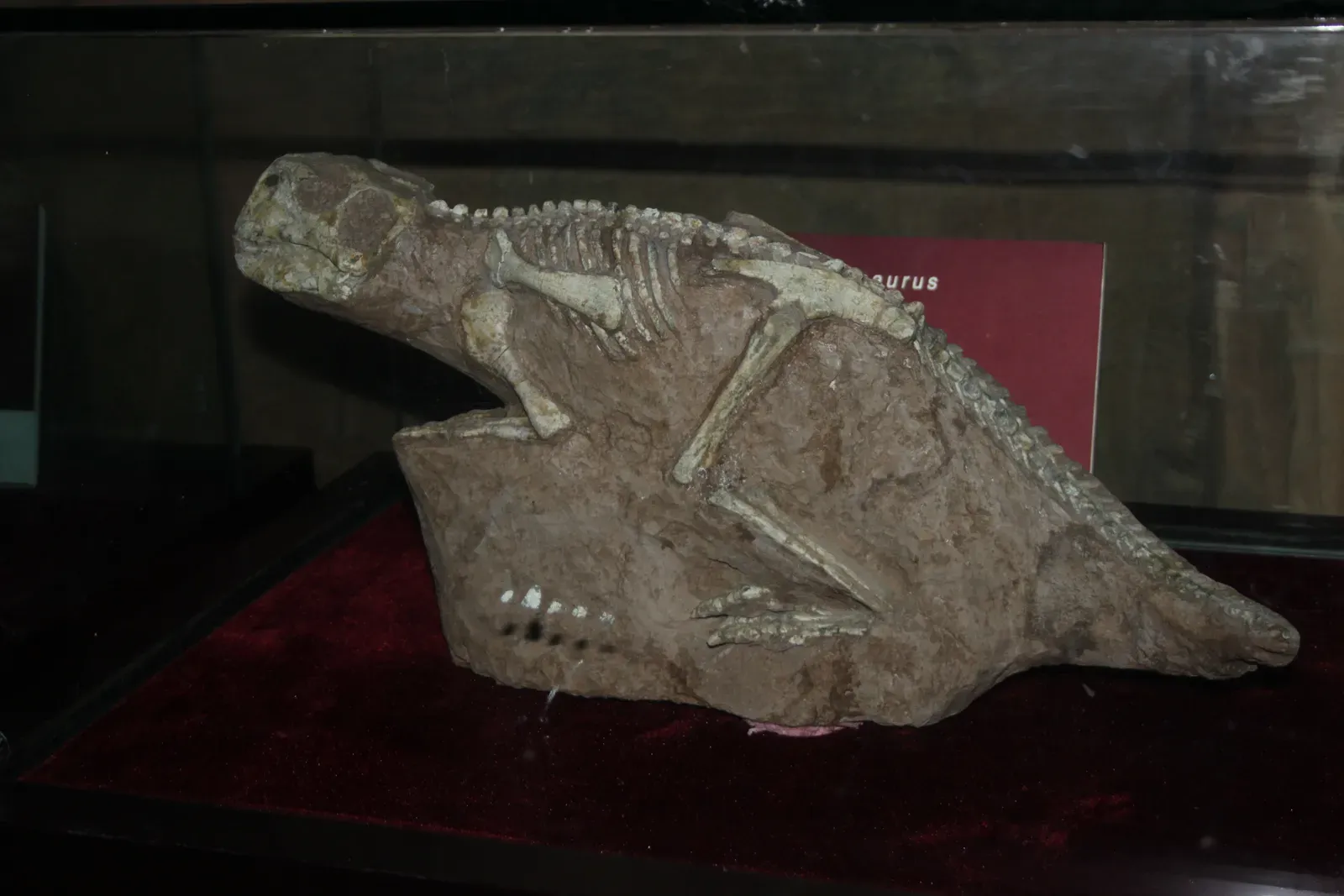
I think these dinosaur myths hang on because they make the past feel simple and cinematic: dumb lizards, doomed giants, a single dramatic extinction, all wrapped up neatly. The truth is more unsettling and more inspiring at the same time. Dinosaurs were smart in their own ways, wildly diverse, sometimes fluffy, sometimes terrifying, and they did not “fail” – they were blindsided by an event that would have wrecked almost any biosphere.
When we cling to outdated dinosaur “facts,” we are not just getting trivia wrong; we are shrinking our sense of how strange and resilient life really is. Letting the old myths die means accepting that the world is more complicated than the stories we grew up with – and that science is allowed to change its mind as it learns. Personally, I find that way more exciting than any perfectly preserved childhood image. Which of these myths are you secretly still attached to?