
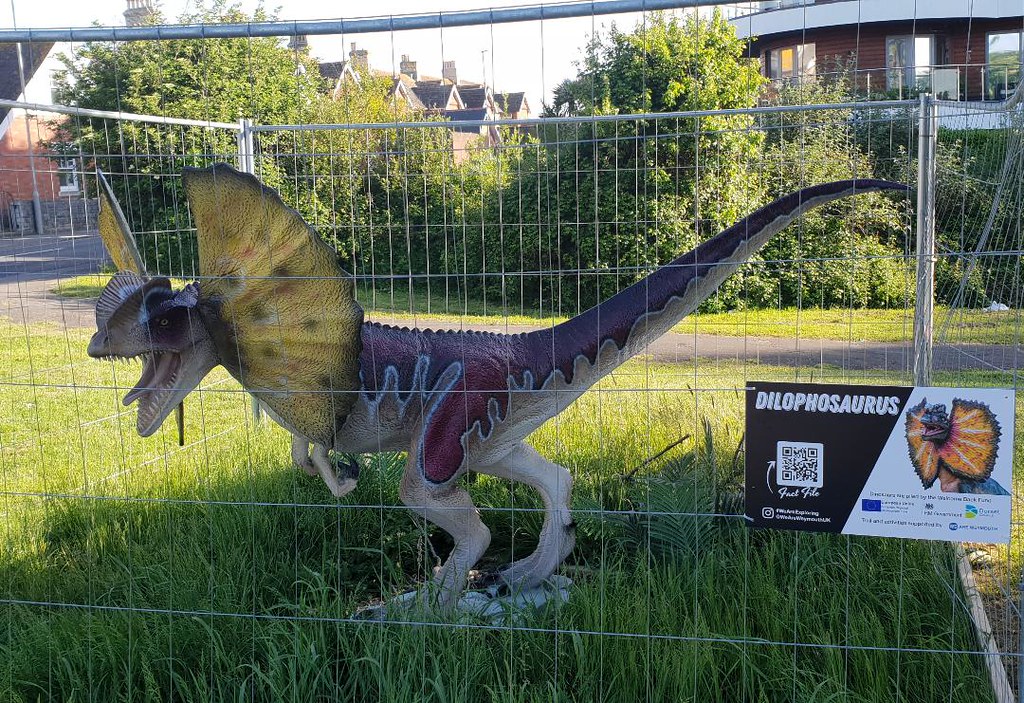
Everyone remembers the scene. Dennis Nedry, alone in the rain, hears something coo like a parakeet right before a dog-sized dinosaur unfurls a rubbery neck frill and spits venom in his face. For thirty years, that moment has taught millions of people exactly one lesson about Dilophosaurus: it’s the cute one, the joke before the real monsters show up.
Paleontologists tell a very different story, and it’s not a minor correction. The real Dilophosaurus was bigger, stranger, and far more dangerous than anything that made it into the film, and almost every detail Hollywood gave it – the size, the venom, the frill – turns out to be pure invention. Here’s what the fossil record actually says happened.
The Movie Villain That Was Never Supposed to Scare You
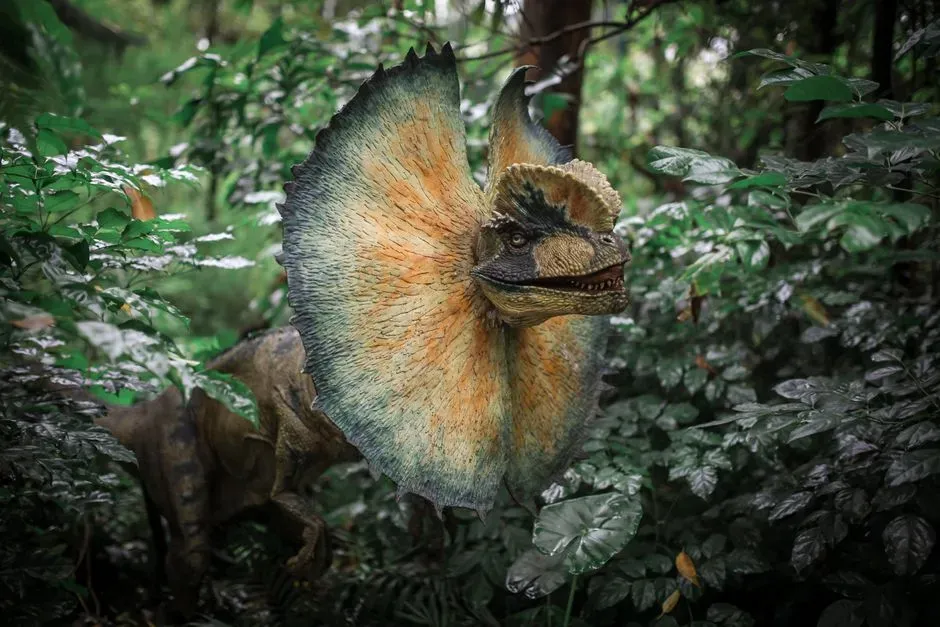
In Jurassic Park, Dilophosaurus is wolf-sized and armed with a party trick: it pops open a cartoonish frill and shoots blinding venom before it strikes. That single creative choice is why generations of moviegoers still picture it as a small, almost comical dinosaur – the “cute” one right before it kills a man in a jeep. It was never meant to compete with the film’s Tyrannosaurus or Velociraptors on threat level.
Here’s the twist nobody talks about: the filmmakers deliberately shrank Dilophosaurus to make it visually distinct from Velociraptor, which they ironically made much larger than reality ever supported. One dinosaur got an unearned size upgrade for drama. The other got demoted so the scene would work on screen, and that demotion is the entire reason its pop-culture reputation is a lie.
The Real Size Nobody Warned You About
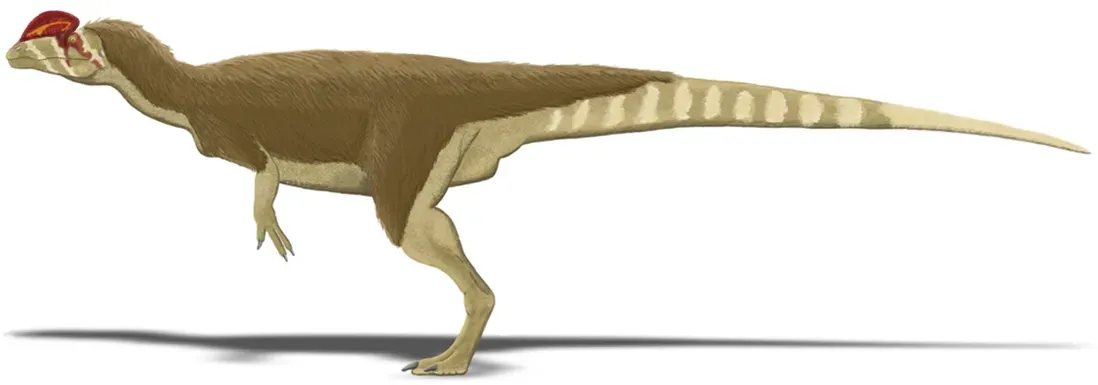
Forget the dog-sized creature from the film. The real Dilophosaurus stretched up to 20 feet long, weighed around 1,000 pounds, and stood roughly 6 feet tall at the hip. Picture an adult brown bear standing on its hind legs, then imagine it built for speed instead of brute grappling.
This animal roamed what’s now Southwestern North America early in the Jurassic period, somewhere between 183 and 193 million years ago, and it was the largest known land animal on the continent at the time. There was nothing bigger, nothing scarier, walking anywhere near it. It didn’t need a frill or venom to dominate – its sheer size on the food chain already made it apex.
Fast Facts
- Length: up to 20 feet nose to tail
- Weight: around 1,000 pounds
- Height at the hip: roughly 6 feet
- Lived: 183 to 193 million years ago
- Range: Southwestern North America
The Venom Was Always a Lie
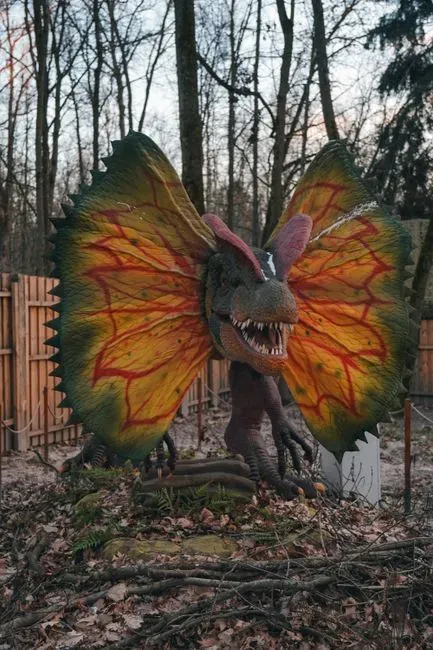
Dilophosaurus never spit poison. It never had access to venom in any form, and the idea came entirely from the screenplay, not from a single fossil. There’s no evidence that any dinosaur, ever, used venom as a weapon – a fact that quietly demolishes one of the most confidently repeated “facts” casual dinosaur fans bring up at parties.
The structure of its teeth and jaws shows no trace of venom glands or ducts, which means a venomous Dilophosaurus wasn’t just unproven – it was anatomically impossible. Venom is already rare among modern reptiles, limited to a handful of snakes and the Komodo dragon, and it’s never been documented in any dinosaur lineage. The scene that made this animal famous is, biologically speaking, complete fantasy.
That Frill? Stolen From a Totally Different Animal
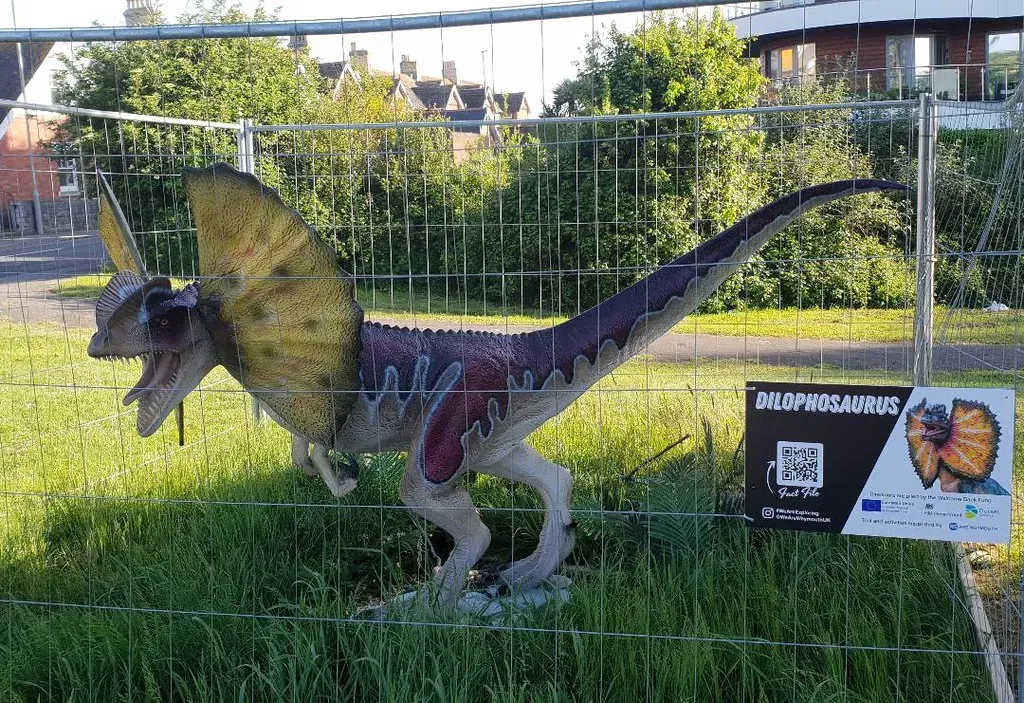
The neck frill Dilophosaurus flares open in the movie wasn’t a fictional exaggeration of something real – it was borrowed wholesale from the frilled lizard, Chlamydosaurus kingii, a reptile that lives in Australia and New Guinea. Filmmakers took a display feature from an animal on the opposite side of the world and grafted it onto an Early Jurassic dinosaur that never had anything like it.
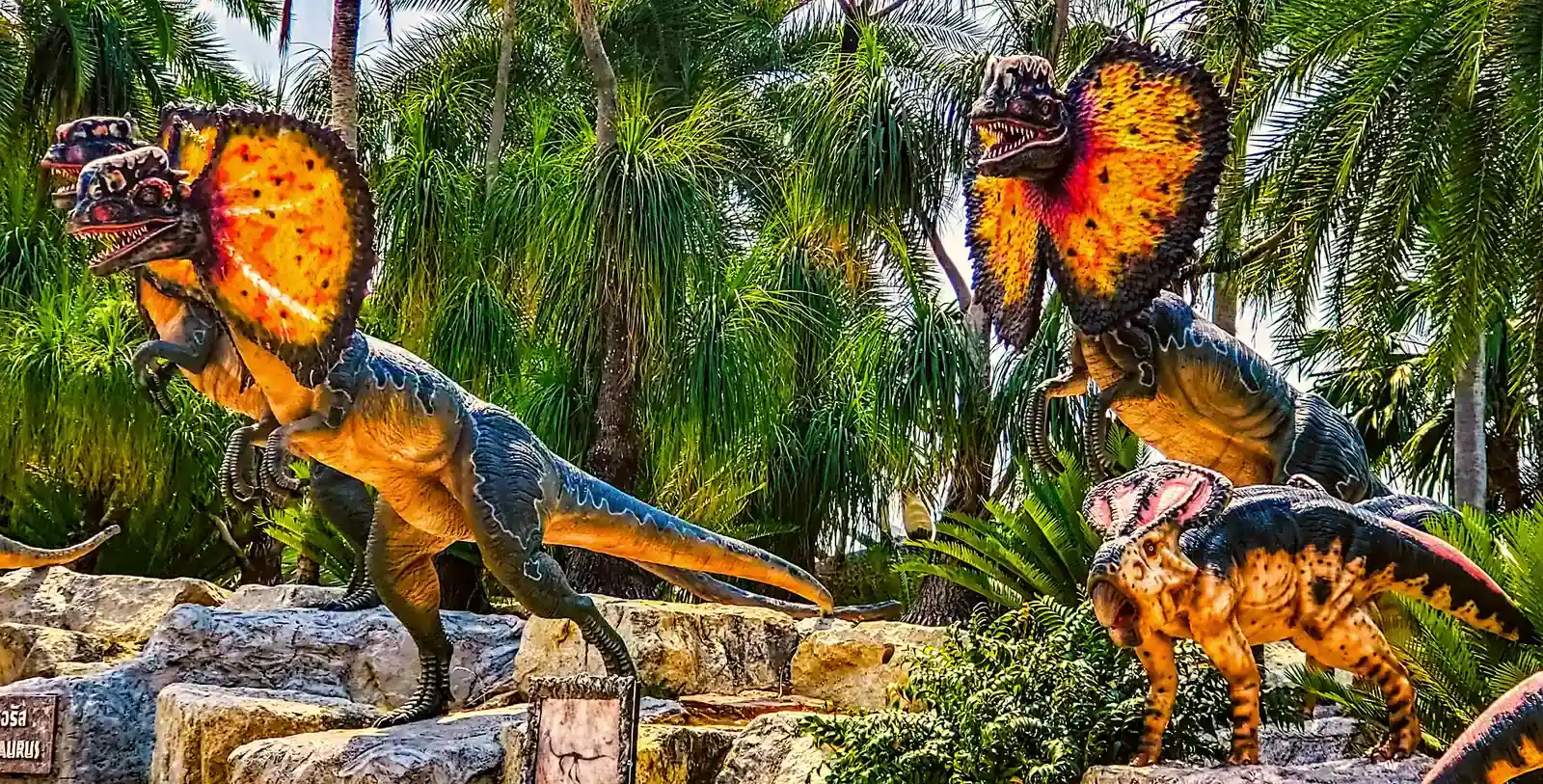
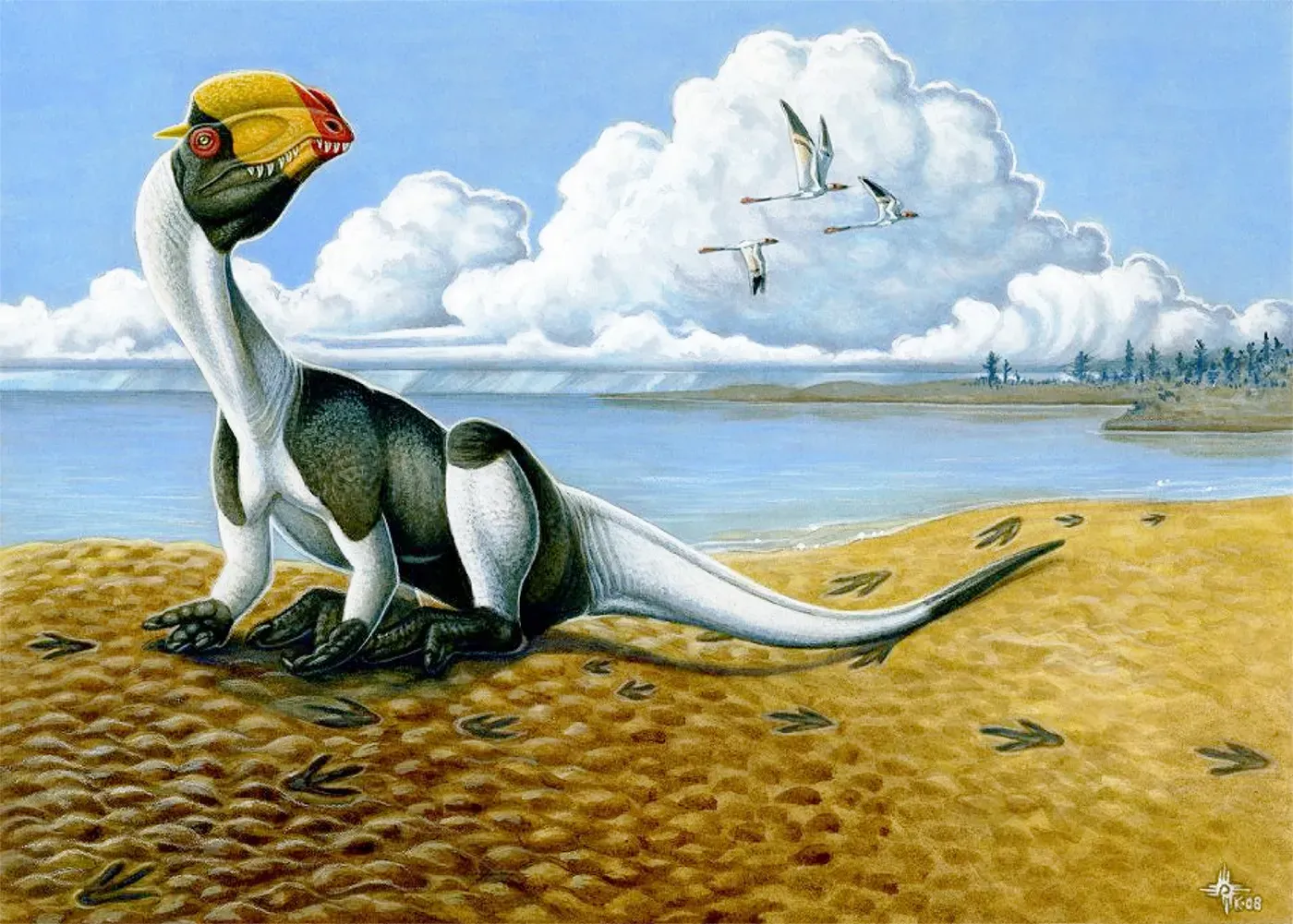
What Dilophosaurus actually had was quieter and, honestly, creepier. It carried two distinctive, semicircular crests running along the top of its skull, likely used for display rather than combat. As a more primitive predator, it lacked forward-facing eyes and true stereo vision, which means it may have hunted largely by scent. A 20-foot animal tracking you by smell, with bony crests instead of a rubbery frill, is a stranger predator than anything the movie invented.
Worth Knowing
- Real crests: two semicircular ridges atop the skull, not a rubbery frill
- Borrowed feature: the movie’s frill comes from Australia’s frilled lizard
- Vision: no forward-facing eyes or true stereo vision
- Likely hunted partly by scent rather than sight
The Jaw Fight Paleontologists Still Haven’t Settled
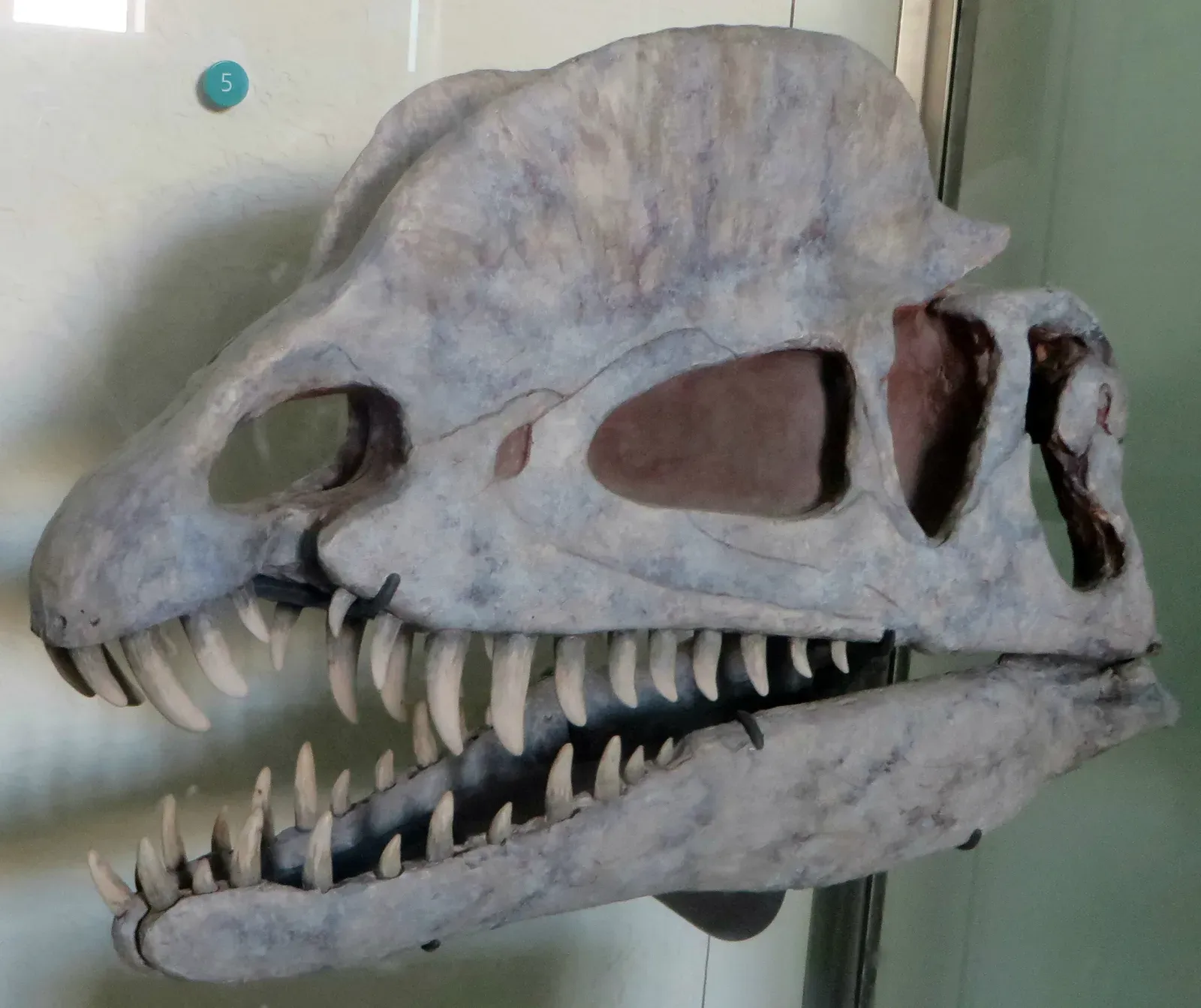
This is the part of the story that’s genuinely unresolved, and it makes for great trivia-night ammunition. The skull has a large notch in the upper jaw, between the teeth of the premaxilla and maxilla, that creates a structural weak point. For decades, that notch convinced paleontologists this dinosaur’s bite was built for snatching prey, not crushing bone.
Then a newer study flipped the argument. Researchers found evidence of a strong jaw, powerful musculature, and bones reinforced with internal air pockets – essentially biological bubble wrap strengthening the skeleton from the inside. So which is it: a weak-jawed opportunist, or a reinforced killer built to take punishment? Paleontologists genuinely disagree, and that unresolved fight is exactly the kind of “textbooks are still being rewritten” detail most casual dino fans never hear about.
Quick Compare
- Older theory: notched jaw suggests a delicate, snatch-and-grab bite
- Newer theory: reinforced skull and strong jaw muscles suggest a powerful bite
- Status: still actively debated among paleontologists today
What Its Teeth Actually Say It Ate
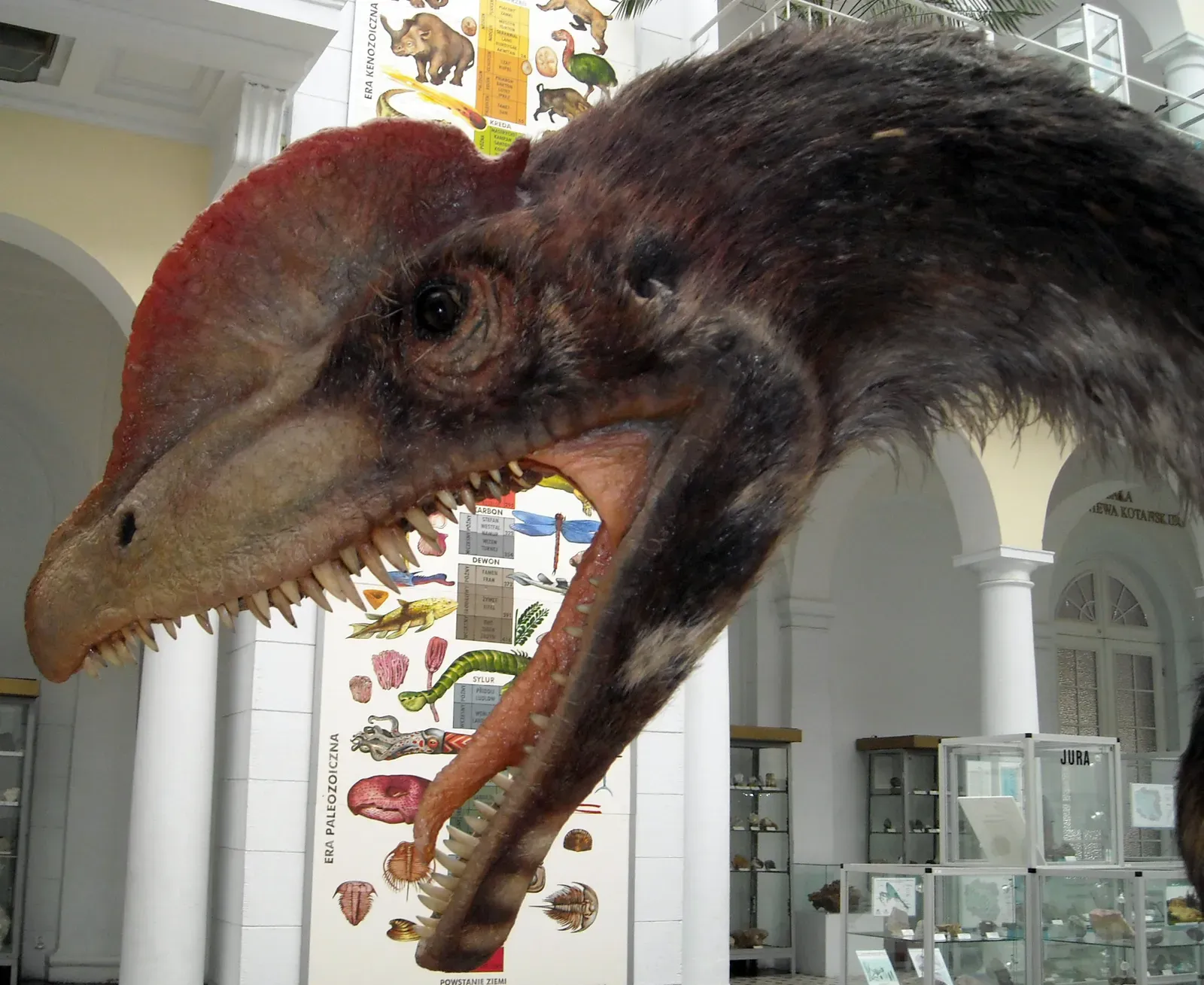
Forget the idea of Dilophosaurus as a background scavenger picking at scraps. Fossil evidence shows it hunted actively – bite marks found on Sarahsaurus bones suggest Dilophosaurus targeted large dinosaurs as prey. That’s a direct fossil record of one predator biting into another dinosaur, not speculation borrowed from a nature documentary.
At the same time, its diet looks surprisingly varied for something once imagined as a one-trick venom-spitter. It appears to have been an opportunistic feeder, taking small mammals, reptiles, fish, and possibly carrion when the opportunity arose. Some researchers think it leaned into a semi-aquatic hunting style, wading into rivers for fish much like Spinosaurus is believed to have done, an idea supported by similarities to modern fish-eating gharials. A dinosaur capable of ambushing land animals and fishing in rivers is a far more versatile killer than a single spitting gimmick ever suggested.
The Pack-Hunting Theory the Movie Accidentally Got Right
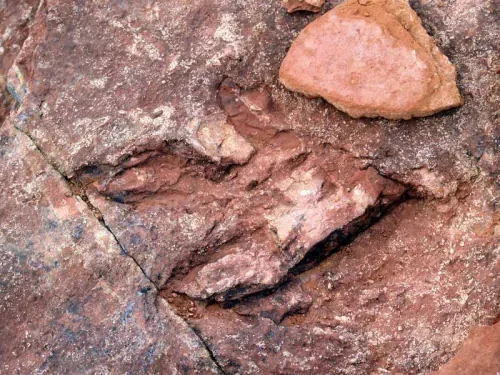
Here’s the strange part: this is one area where the film may have stumbled onto something real, even while exaggerating almost everything else. Trackway evidence shows multiple individuals moving together, suggesting Dilophosaurus likely lived and hunted in small groups. That’s actual footprint evidence preserved in stone, not a screenwriter’s guess.
Some researchers push the idea further, proposing that groups may have coordinated to take down prey larger than any single animal could handle alone. Combine that with the Sarahsaurus bite marks and you get a picture of pack predators potentially ganging up on bigger targets. The evidence isn’t unanimous – some experts argue the head crests were used for communication and social behavior, while others say there’s no clear proof these animals spent much time in groups at all. Even with that uncertainty, a possible 20-foot pack hunter is a far cry from the solo, dog-sized menace audiences remember.
The Apex Predator Hollywood Never Wanted You to Meet
This is the fact that should have been the headline all along, not the venom gimmick. Before the Jurassic transition, most carnivorous dinosaurs were small-bodied, and Dilophosaurus was an early sign of bigger things to come – a preview of the giant carnivores that would eventually rule the planet.
At roughly 7 meters long and 400 kilograms, this theropod prowled what is now Arizona about 193 million years ago as the largest land predator of its time. No venom, no popping frill, no cartoonish coo required. Just raw size, possible group coordination, a still-debated but formidable bite, and a varied diet that made it the single most dangerous thing walking – and possibly swimming – through its own ecosystem. The movie shrank it down to make room for “scarier” dinosaurs, but in its own world, nothing outranked it.
Quick Compare
- Movie size: dog-sized vs. Real size: up to 20 feet long and around 1,000 pounds
- Movie weapon: spitting venom vs. Real weapon: none – no venom glands ever existed
- Movie display: rubbery flaring frill vs. Real display: bony head crests
The Bottom Line
Hollywood didn’t just get Dilophosaurus wrong – it did the exact opposite of what the fossils show. The real animal was triple the size of its movie counterpart, had no venom, no frill, and possibly hunted in coordinated groups capable of bringing down prey larger than itself. Scientists still argue over its bite force, but nobody disputes that it was, for its time and place, the biggest and most dominant predator in North America.
If you ask me, the “harmless” pop-culture version is the single most successful dinosaur myth still in circulation, and it’s overdue for a correction. The real Dilophosaurus didn’t need a party trick to be terrifying – it was already the scariest thing in the room. Which other movie dinosaur do you think got its threat level completely backwards? Drop your pick in the comments.