You might think of dinosaurs as massive, scaly creatures that vanished from Earth 66 million years ago. Yet every morning, you wake up to the songs of their direct descendants. The robins in your yard, the pigeons on city streets, and the eagles soaring overhead are all living dinosaurs. This isn’t poetic metaphor; it’s scientific fact.
Decades of major new discoveries and studies have convinced researchers that there’s a direct link between modern bird species and theropod dinosaurs. The story of how some dinosaurs escaped the great extinction and transformed into the diverse world of birds we see today is one of evolution’s most remarkable tales. Let’s explore the fascinating journey from fearsome predators to flying marvels.
The Revolutionary Discovery That Changed Everything

It began in the 1960s with the revolutionary discovery of Deinonychus, a small predatory dinosaur that lived about 115 million years ago. This wasn’t just another fossil find. Deinonychus shattered long-held beliefs about dinosaurs being slow, lumbering reptiles.
It not only showed unique similarities to birds, but also appeared to be an intelligent, fast-moving pack hunter, rather than a slow, plodding reptile. Scientists suddenly saw dinosaurs in a completely new light. The discovery that Deinonychus had feathers helped transform the way we think about dinosaurs. This finding sparked what paleontologists now call the “dinosaur renaissance,” fundamentally changing our understanding of these ancient creatures.
When Dinosaurs Sprouted Feathers
In 1996 the first feathered dinosaur was announced and many others have come to light since. Perhaps most surprising of all was the discovery of dinosaurs with feathers. These discoveries completely revolutionized how scientists viewed dinosaur appearance and behavior.
The fossil record now reveals an incredible diversity of feathered dinosaurs. Moreover, fossils of more than thirty species of non-avian dinosaur with preserved feathers have been collected. The most important discoveries at Liaoning have been a host of feathered dinosaur fossils, with a steady stream of new finds filling in the picture of the dinosaur–bird connection and adding more to theories of the evolutionary development of feathers and flight.
These weren’t primitive fuzz-covered creatures either. Long pennaceous feathers also attach to the tip of the forelimbs of some of these maniraptorans, and in the case of the peculiar dromaeosaurid Microraptor, they form a wing of essentially modern design. Some dinosaurs had developed remarkably sophisticated plumage millions of years before true birds appeared.
The Theropod Connection
It’s an unlikely relationship, but the humble pigeon is a descendant of the group of dinosaurs that also includes the mighty Tyrannosaurus rex. This connection might seem impossible, yet the evidence is overwhelming.
Birds belong to the theropod group of dinosaurs that included T. rex. Theropods are all bipedal and some of them share more bird-like features than others. The present scientific consensus is that birds are a group of maniraptoran theropod dinosaurs that originated during the Mesozoic era.
The anatomical similarities are striking. Birds and extinct non-avian dinosaurs share many unique skeletal traits. These shared features range from bone structure to behavior patterns, painting a clear picture of evolutionary continuity.
The Gradual Transformation Over Millions of Years

The Current Biology journal report released on Thursday confirms this new picture, finding that the dinosaur forebears of birds began gradually evolving avian traits almost as soon as dinosaurs appeared on Earth some 230 million years ago. This wasn’t a sudden leap but an incredibly long process of gradual change.
The gradual evolutionary change – from fast-running, ground-dwelling, bipedal theropods to small, winged, flying birds – probably started about 160 million years ago. Birds became more and more ‘birdy’ gradually. There was no big jump from non-bird to bird among dinosaurs, just a seamless transition.
The fossil evidence reveals that many characteristics we associate with birds actually evolved in dinosaurs first. Many features and behaviours that characterise living birds were also found in their dinosaur ancestors. This includes everything from complex nesting behaviors to sophisticated brain structure.
The Shrinking Giants
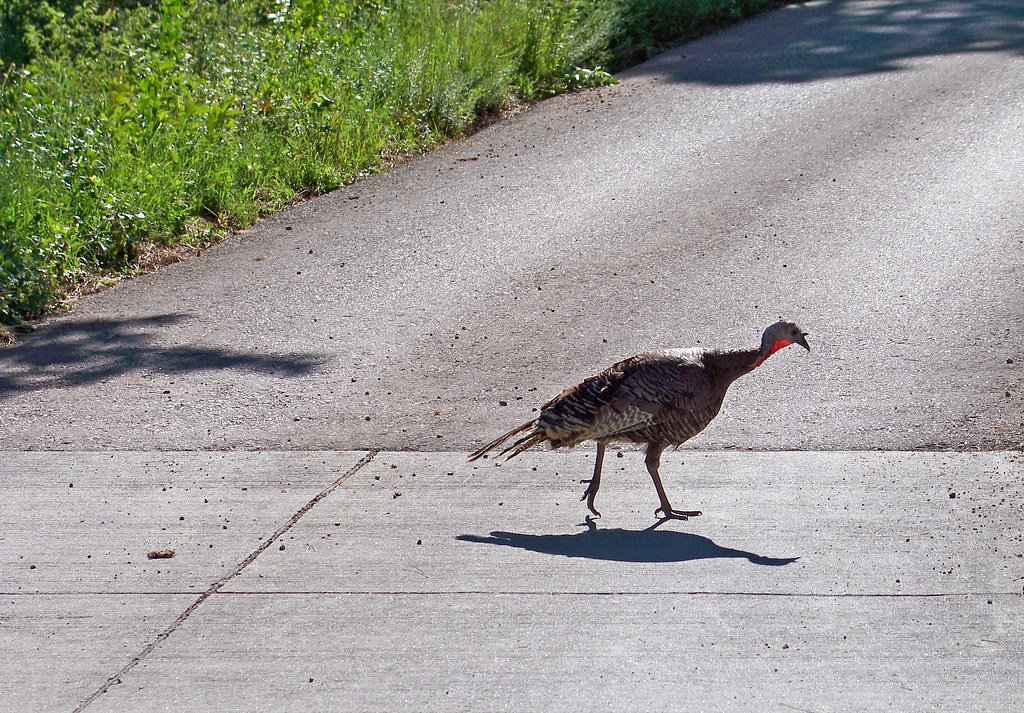
One of the most crucial changes was size reduction. The theropods most closely related to avians generally weighed between 100 and 500 pounds – giants compared to most modern birds – and they had large snouts, big teeth, and not much between the ears.
In August, a research team led by Michael Lee of the South Australian Museum in Adelaide reported in Science magazine that bird ancestors decreased in weight from about 359 pounds (163 kilograms) to 1.8 pounds (0.8 kilograms) over 50 million years to reach the size of Archaeopteryx. This dramatic size reduction was essential for flight. New research suggests that bird ancestors shrank fast, indicating that the diminutive size was an important and advantageous trait, quite possibly an essential component in bird evolution.
Archaeopteryx: The Famous Transition
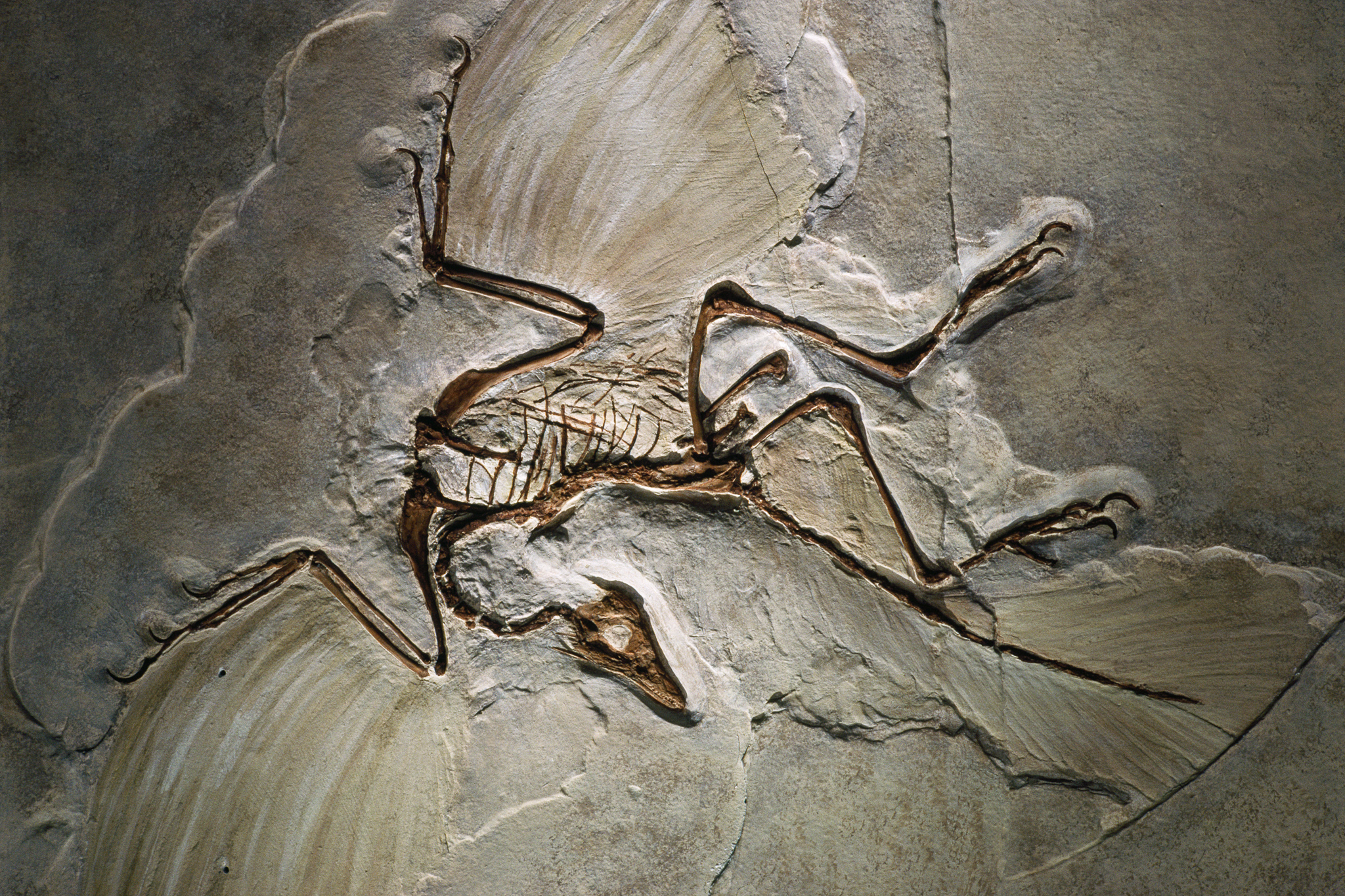
The type specimen of Archaeopteryx was discovered just two years after Charles Darwin published On the Origin of Species. Archaeopteryx seemed to confirm Darwin’s theories and has since become a key piece of evidence for the origin of birds, the transitional fossils debate, and confirmation of evolution.
For decades, paleontologists’ only fossil link between birds and dinosaurs was archaeopteryx, a hybrid creature with feathered wings but with the teeth and long bony tail of a dinosaur. This remarkable fossil showed a perfect blend of dinosaurian and avian features.
Archaeopteryx feathers, although less documented than its other features, were very similar in structure to modern-day bird feathers. Despite the presence of numerous avian features, Archaeopteryx had many non-avian theropod dinosaur characteristics. It truly represented a snapshot of evolution in action, capturing the transition between two major groups of animals.
Beyond Flight: Brains and Behavior

CT scanning of these specimens, conducted by Amy Balanoff of Stony Brook University, has revealed that these species had a big brain and that the forward-most part of the organ was expanded. A large forebrain is what makes birds so intelligent and acts as their in-flight computer, allowing them to control the complicated business of flying and to navigate the complex 3-D world of the air.
Scientists do not yet know why these dinosaurs evolved such keen intelligence, but the fossils clearly show that the ancestors of birds got smart before they took to the skies. The enlarged brains weren’t a consequence of flight but preceded it, suggesting intelligence evolved for other reasons entirely.
Behavioral similarities also reveal the deep connection between dinosaurs and birds. Fossils of troodontids with their skeleton arranged such that the hindlimbs are flexed beneath the belly, the neck is turned backwards, and the head is tucked between the wing and the body have documented that at least some of the maniraptoran precursors of birds had already evolved stereotypical resting poses familiar to many birds.
The Great Extinction and Survival
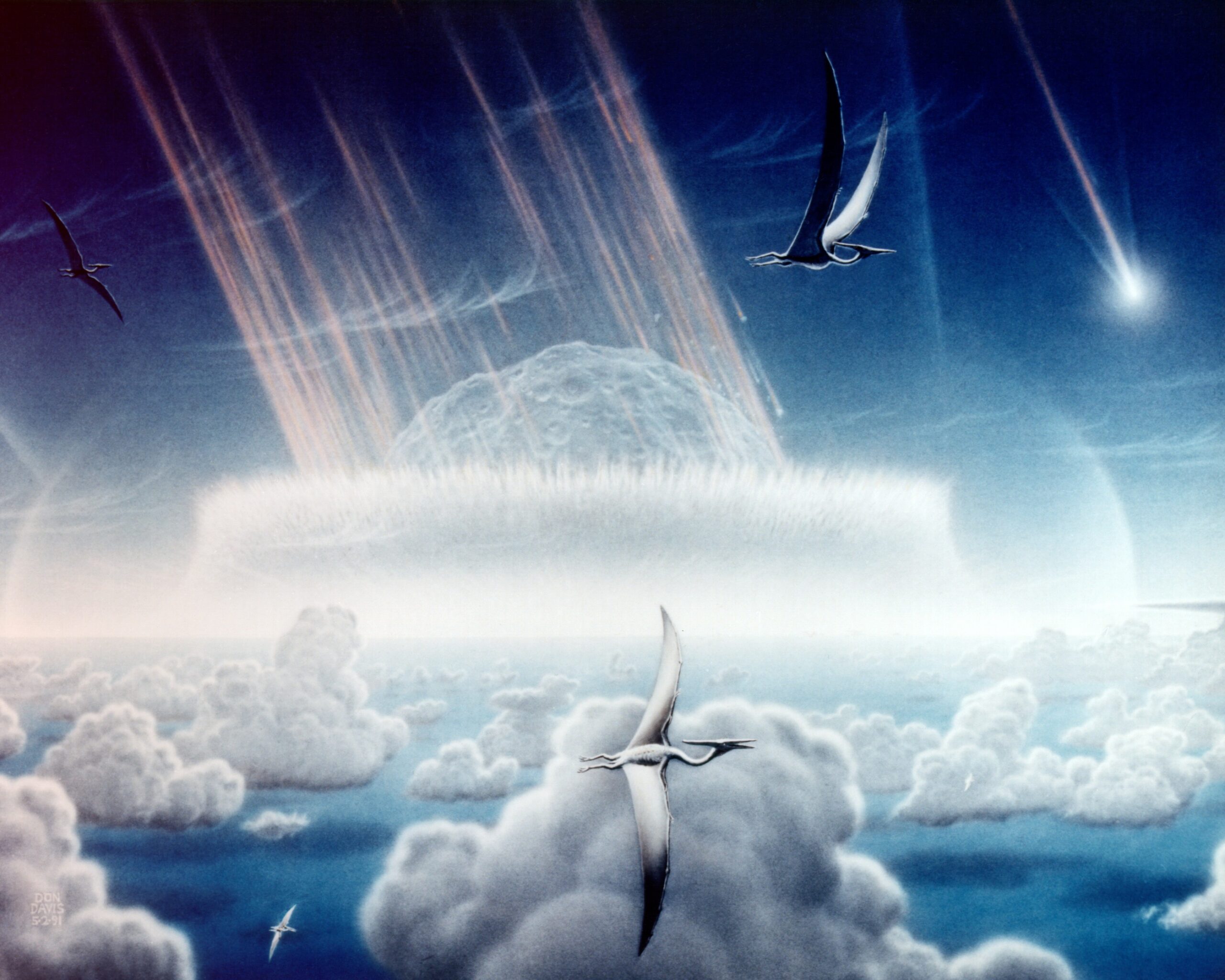
Unlocking fight as an evolutionary niche in a new way may also have been what allowed birds to escape the extinction of other dinosaurs some 66 million years ago. Small dinosaurs that flew had a lot of advantages over other ones. The ability to fly gave these dinosaurs crucial survival advantages during the catastrophic event that ended the age of dinosaurs.
The birds that survived the end-of-Cretaceous extinction were likely ground-dwelling (not arboreal) and thus persisted despite the worldwide destruction of forests. Their versatility in both terrestrial and aerial environments proved decisive for survival.
After surviving the great extinction, birds underwent rapid diversification. Yet once those avian features were in place, birds took off. Brusatte’s study of coelurosaurs found that once archaeopteryx and other ancient birds emerged, they began evolving much more rapidly than other dinosaurs.
Modern Evidence in Living Birds
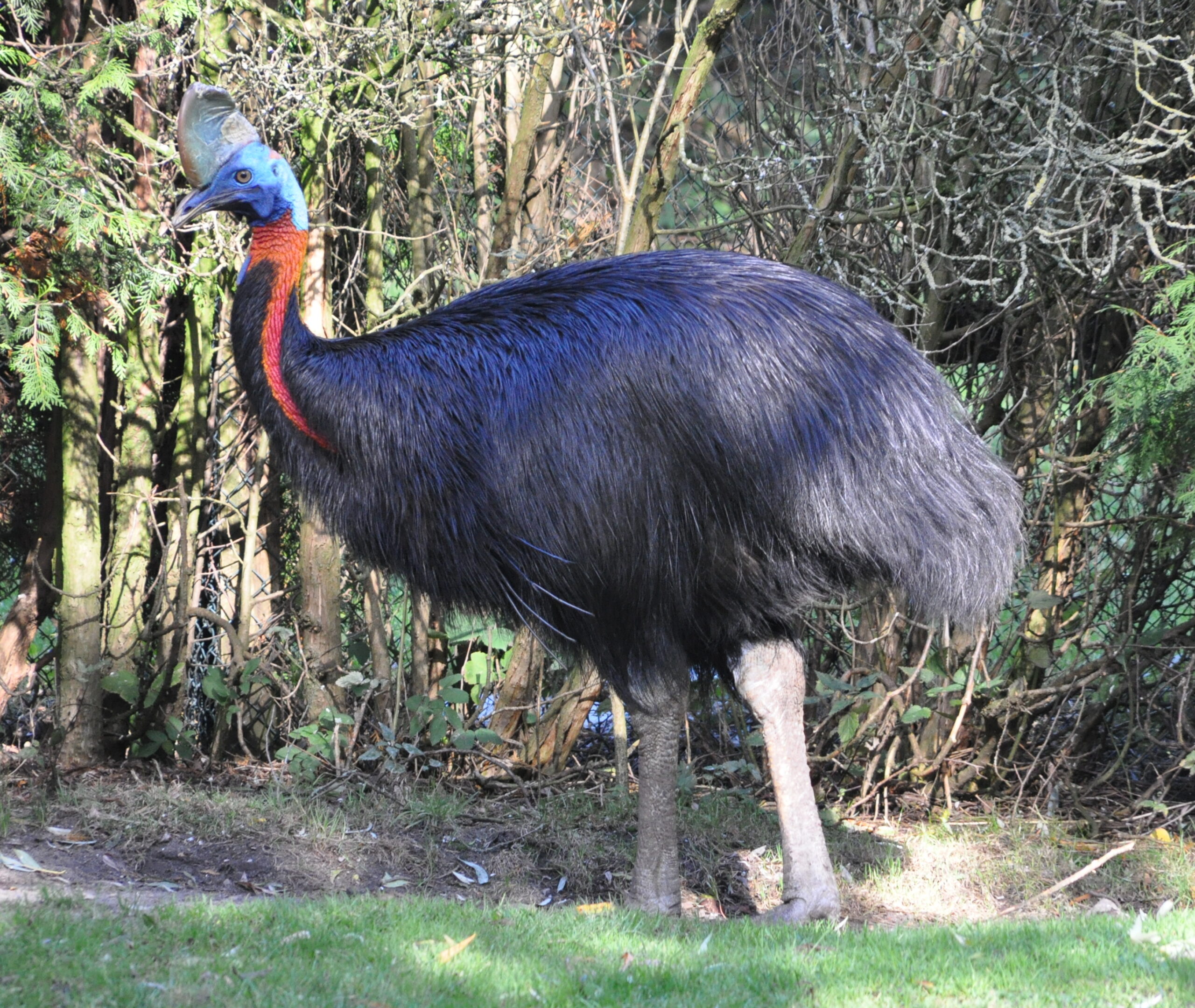
There’s no longer really any doubt that birds are a type of dinosaur. These days, the debate is about details. The evidence extends far beyond fossils to include molecular data, developmental biology, and behavioral studies.
Walking on two legs, having feathers, laying eggs, warm bloodedness – they’re just inherited features from dinosaurs. Every aspect of bird biology reflects their dinosaurian heritage. Birds inherit their bipedalism from theropods, explaining why they evolved flight using just their forelimbs, unlike bats or pterosaurs.
When you observe birds today, you’re seeing living dinosaurs in action. Drop any preconceptions of dinosaurs, which are likely reptile-centric and warped by Spielberg; the real dinosaurs are outside your window. Yes, birds are dinosaurs.
Recent Discoveries Continue the Story
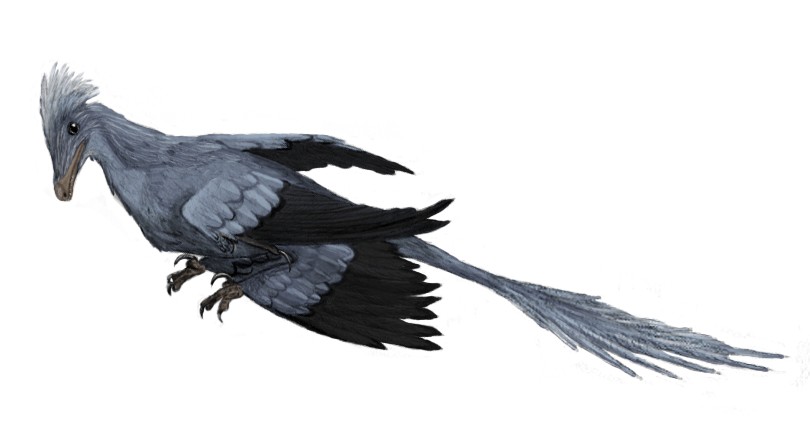
Palaeontologists at University College Cork (UCC) in Ireland have discovered that some feathered dinosaurs had scaly skin like reptiles today, thus shedding new light on the evolutionary transition from scales to feathers. The researchers studied a new specimen of the feathered dinosaur Psittacosaurus from the early Cretaceous (135-120 million years ago), a time when dinosaurs were evolving into birds.
So our discovery suggests that early feathered animals had a mix of skin types, with bird-like skin only in feathered regions of the body, and the rest of the skin still scaly, like in modern reptiles. This finding shows that the transition from reptile to bird characteristics happened in a patchwork fashion across different parts of the body.
Recent studies continue to refine our understanding of this remarkable evolutionary transition. The discovery of this new feathered dinosaur species provides crucial evidence for the hypothesis that birds evolved from a group of theropod dinosaurs. The presence of feathers on this dinosaur suggests that these structures developed earlier than previously thought, playing a vital role in the transition from reptile to bird.
Conclusion: Living Dinosaurs Among Us
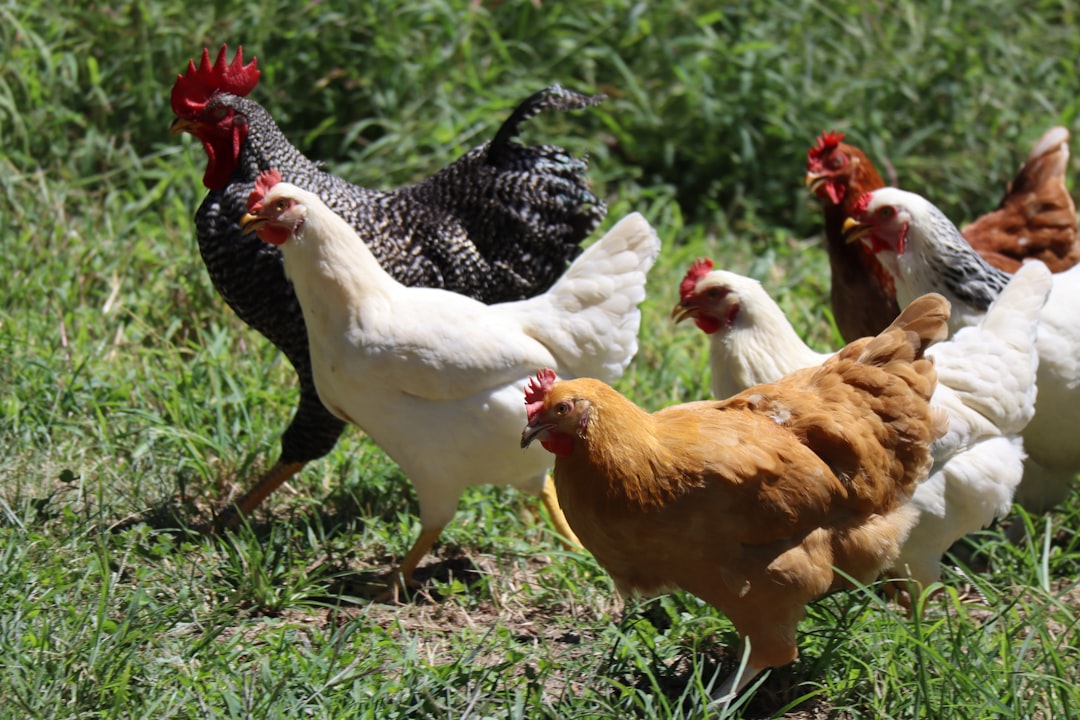
A wealth of recently discovered fossils has finally settled the century-old controversy about the origin of birds and it has made the evolutionary saga toward modern birds one of the best documented transitions in the history of life. This paper reviews the evidence in support of the origin of birds from meat-eating dinosaurs, and it highlights the array of fossils that connect these fearsome animals with those that fly all around us.
The story of how dinosaurs became birds represents one of evolution’s greatest success stories. Through gradual changes over tens of millions of years, some theropod dinosaurs developed feathers, shrank in size, evolved sophisticated brains, and eventually took to the skies. When the great extinction struck 66 million years ago, these flying dinosaurs survived while their earthbound relatives perished.
Birds that fill the world’s skies today are living dinosaurs, reminders of a distant and strange past. Every time you see a bird, you’re witnessing the continuation of a lineage that stretches back over 150 million years. The next time you hear birds singing at dawn, remember that you’re listening to the descendants of some of the most successful survivors in Earth’s history. What do you think about it? Tell us in the comments.