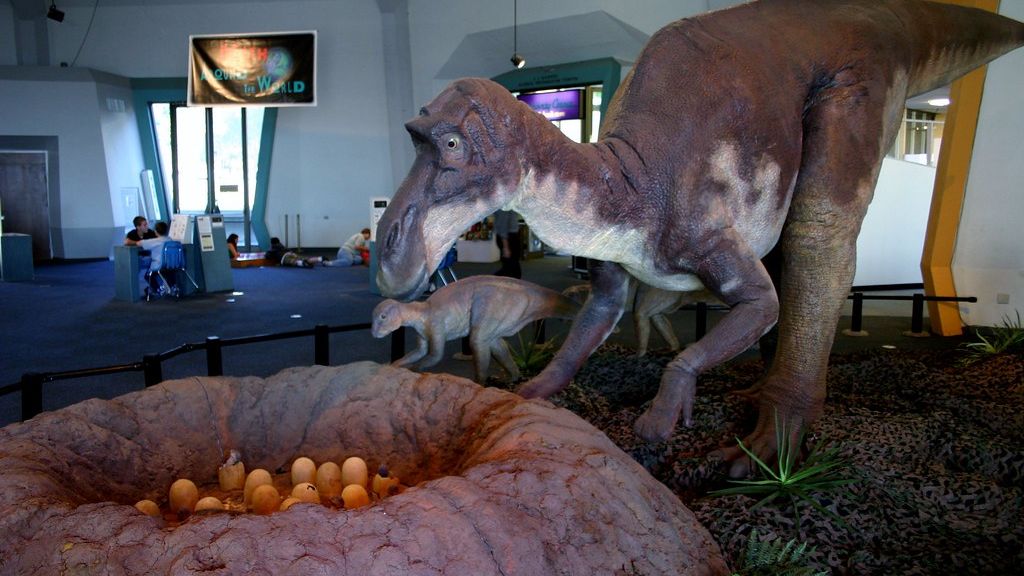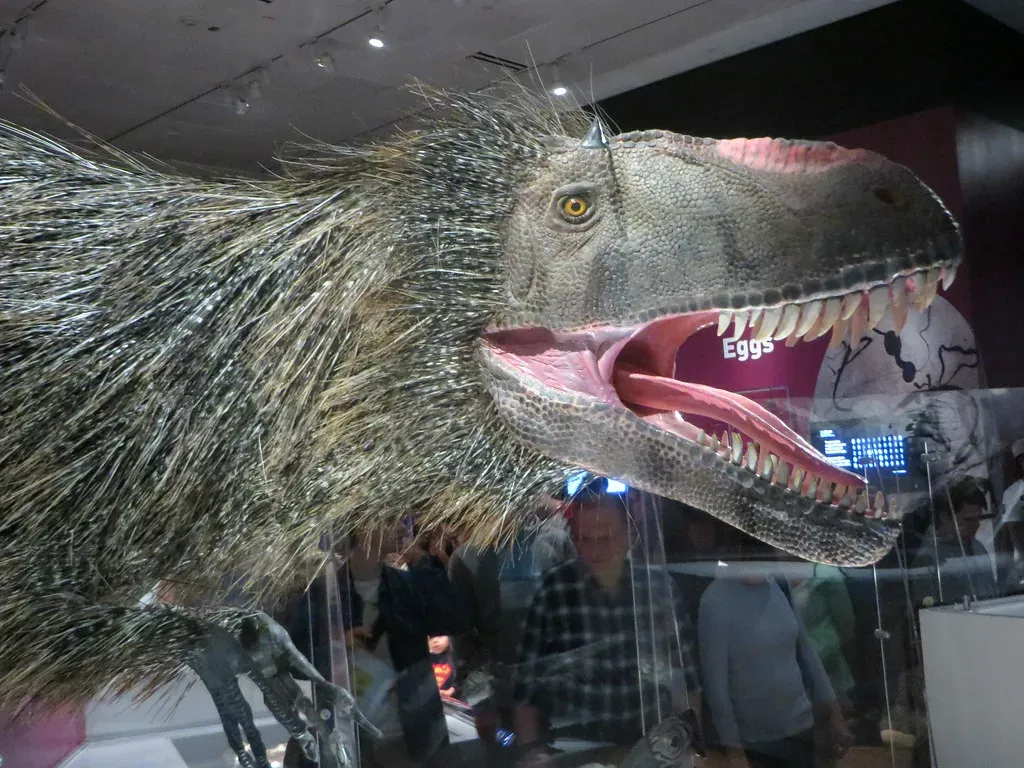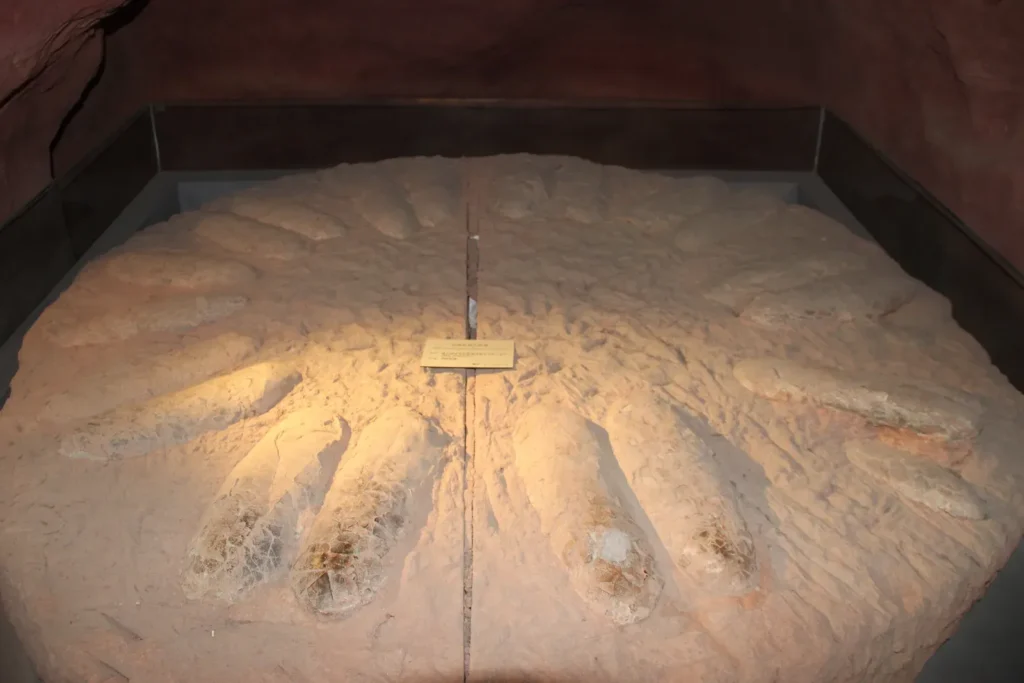
Imagine stumbling across something in the middle of a remote desert that completely dismantles what the scientific world assumed to be true for over a century. That is essentially what happened when fossilized dinosaur eggs began emerging from ancient rock and sand, not just as biological curiosities, but as deeply personal records of prehistoric family life. These stone-hard remnants of birth and nurture have reshaped paleontology in a way that no set of bones ever fully could.
You might think of dinosaurs as solitary, cold-blooded creatures with zero interest in their offspring. Think again. The story locked inside fossil eggs is far warmer, far more surprising, and honestly, far more relatable than most people expect. Let’s dive in.
The Moment Science First Recognized a Dinosaur Egg
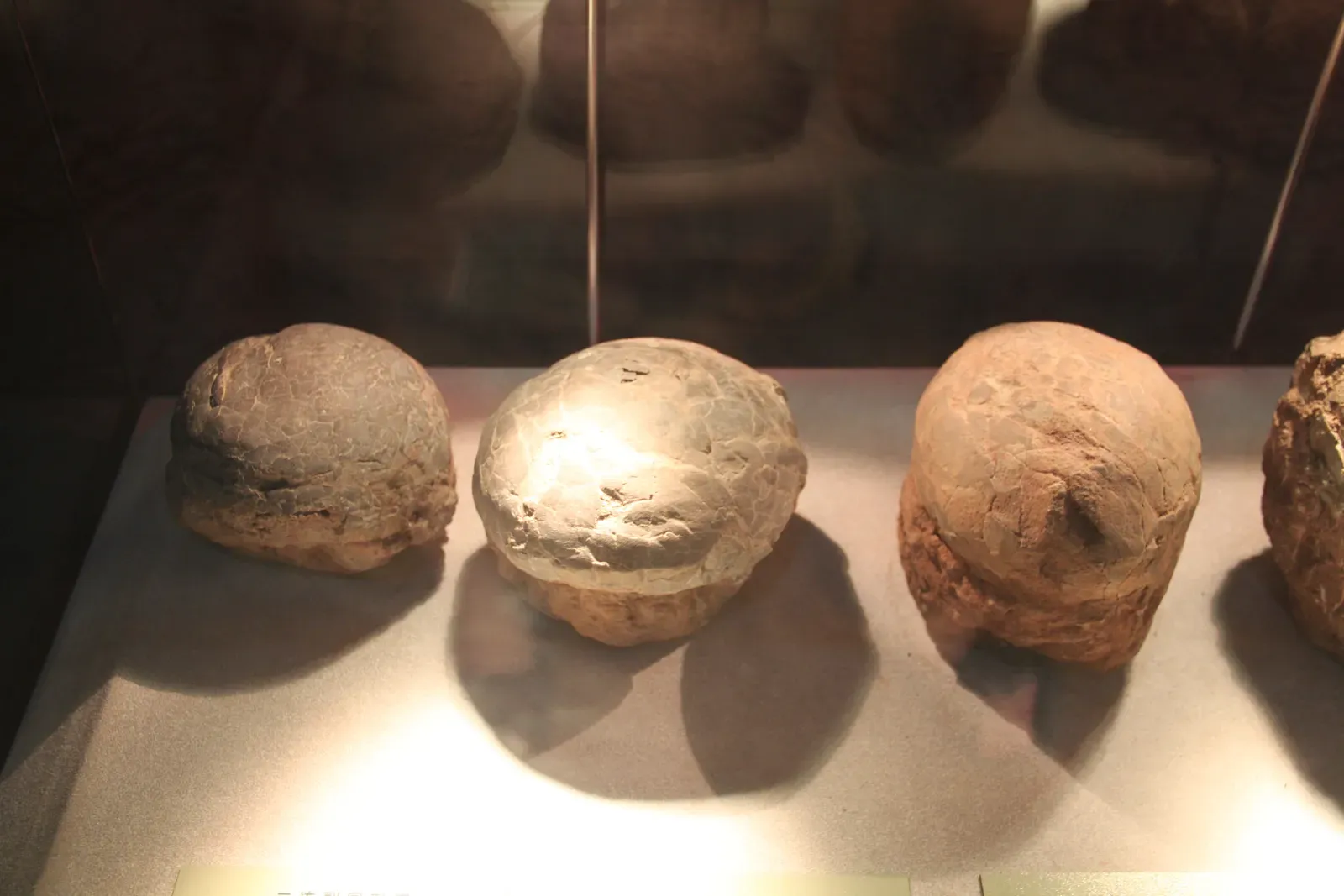
The first scientifically recognized dinosaur egg fossils were discovered in 1923 by an American Museum of Natural History crew while searching for evidence of early humans in Mongolia. It was a completely accidental find, the kind that makes you wonder how many other world-changing discoveries were stumbled upon rather than sought. A team member named George Olsen spotted what looked like strange stones poking out of a sandstone ledge at the Flaming Cliffs, and the rest, as they say, is history.
One of the greatest highlights of that expedition occurred at the Flaming Cliffs of Mongolia, involving the discovery of eggs that, after first analysis, were thought to belong to the dinosaur Protoceratops. The team was stunned, skeptical, and then overwhelmed with excitement. These eggs were mistakenly attributed to the locally abundant herbivore Protoceratops, but are now known to be Oviraptor eggs. A mistaken identity that would ironically become one of paleontology’s most valuable lessons.
The Oviraptor Scandal: A Wrongly Accused Egg Thief
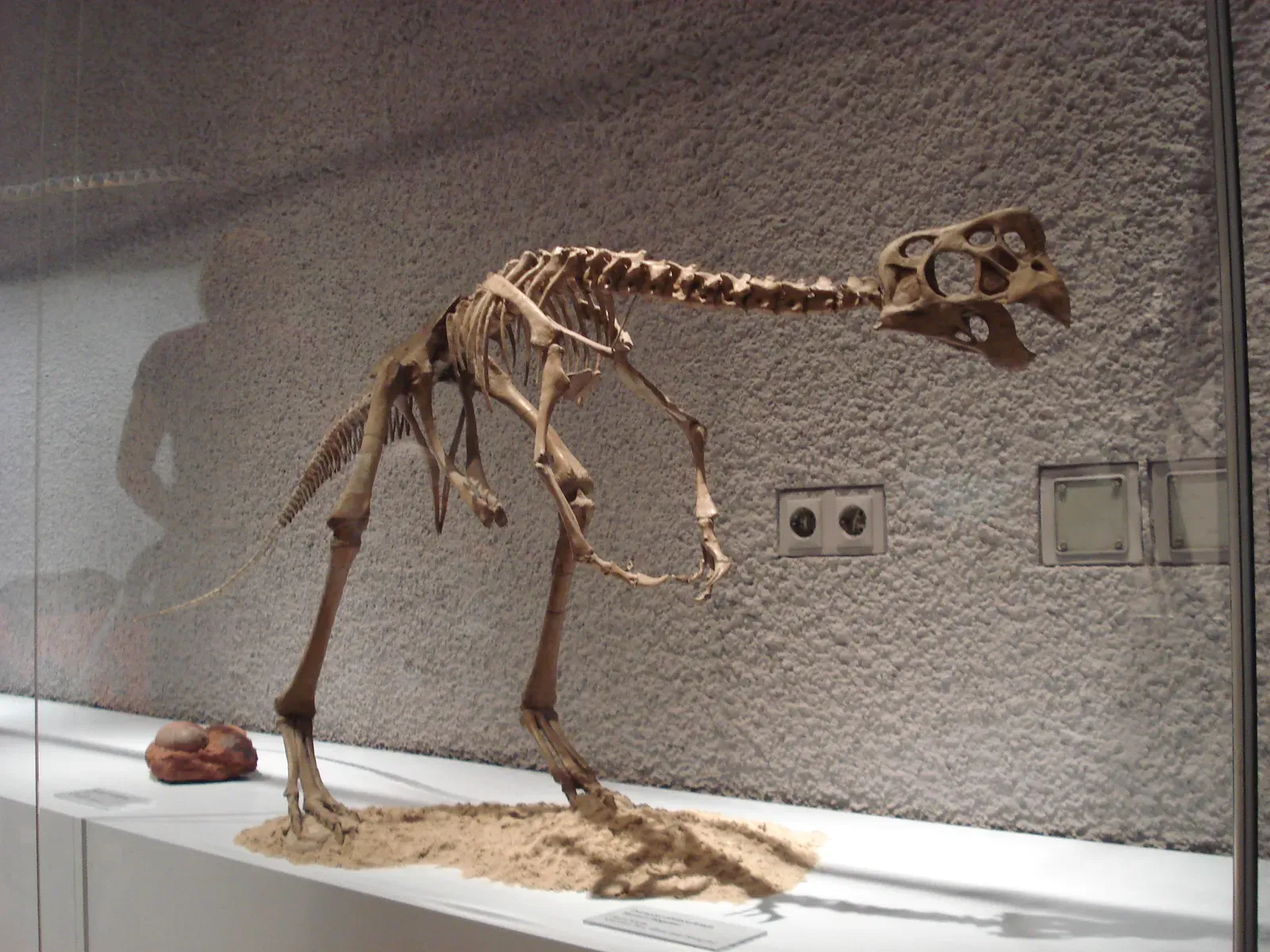
Here’s the thing about science: sometimes a bad assumption sticks around for decades before someone finally pulls the thread. Oviraptor, whose name is derived from the Latin for “egg thieves,” was first discovered in the 1920s in association with eggs that were thought to belong to the small ceratopsian dinosaur Protoceratops, and based on this find, scientists thought Oviraptor may have stolen and eaten other dinosaurs’ eggs. The creature was branded a criminal without a fair trial.
It has now been confirmed that the eggs actually belonged to Oviraptor, and there is no other evidence that it stole eggs. In fact, oviraptorids show substantial evidence of putting their lives on the line for their young. The Citipati osmolskae fossil dubbed “Big Mama” was a discovery that provided substantial evidence for how dinosaurs behaved with their eggs. The Oviraptor story is a powerful reminder that first impressions, even in science, can be spectacularly wrong.
Fossilized in the Act: A Parent Caught Brooding
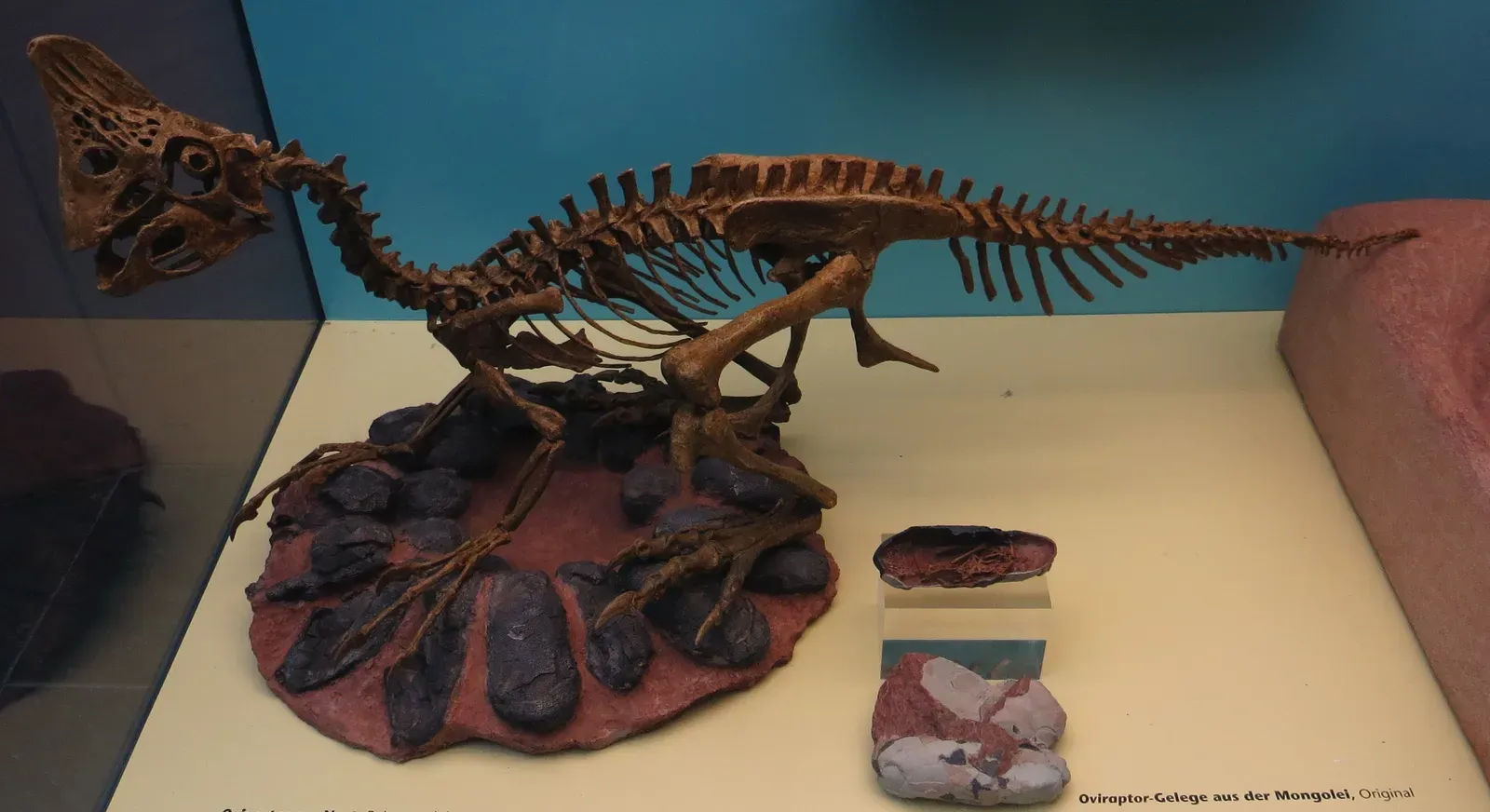
If you want a genuinely moving prehistoric moment, consider this. A roughly 70-million-year-old fossil showed an adult oviraptorid theropod dinosaur sitting atop a nest of its eggs, with multiple eggs including at least three that contain embryos clearly visible, along with the forearms, pelvis, hind limbs, and partial tail of the adult. This is not just a fossil. This is a parent frozen in time at the most devoted moment of its life.
Though a few adult oviraptorids had been found on nests of their eggs before, no embryos had ever been found inside those eggs prior to this discovery. In this specimen, the babies were almost ready to hatch, which confirms beyond a doubt that this oviraptorid had tended its nest for quite a long time. Dinosaurs preserved on their nests are rare, and fossil embryos are even rarer, making this the first time a non-avian dinosaur has been found sitting on a nest of eggs that preserve embryos in a single spectacular specimen. Honestly, it’s hard not to feel something when you picture that.
Soft Eggs, Buried Secrets, and a Shattered Assumption
For most of paleontology’s history, scientists assumed all dinosaurs laid hard-shelled eggs, since their closest living relatives, birds and crocodilians, do exactly that. For more than a century, most paleontologists hypothesized that all dinosaurs laid hard-shelled eggs, an assumption that seemed safe because the closest living relatives of dinosaurs also lay hard-shelled eggs. In 2020, however, that assumption was completely overturned. The scientific world did a collective double-take.
In a new study published in the journal Nature, researchers used a novel geochemical approach to show that the earliest dinosaur eggs had soft, leathery shells. Yale paleontologists Jasmina Wiemann and Matteo Fabbri are co-corresponding authors of the study, along with first author Mark Norell of AMNH, who analyzed new embryo-bearing egg fossils ascribed to the dinosaurs Protoceratops and Mussaurus. To trace the evolution of dinosaur eggs, researchers plotted a family tree back to roughly 250 million years ago and found that the common ancestor of all dinosaurs most likely laid soft eggs. A single geochemical technique rewrote an entire chapter of natural history.
What Egg Shells Tell You About Nesting Style and Parental Investment
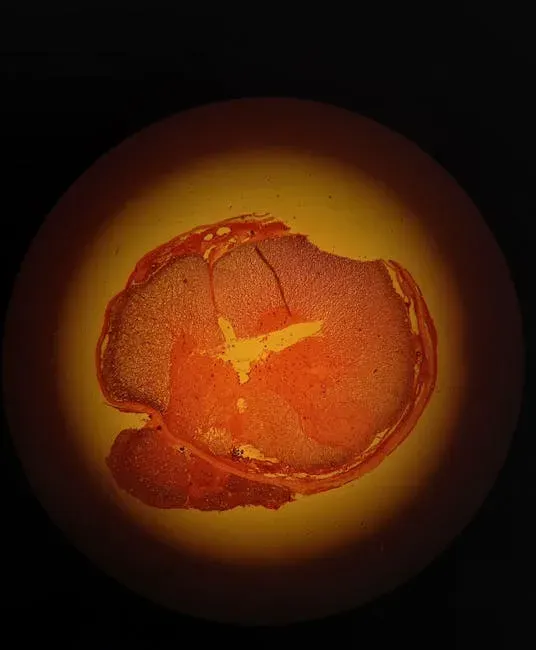
You would not think a tiny, fossilized eggshell fragment could say so much, but you would be wrong. The density and width of pores, combined with eggshell thickness, can be used to predict the gas conductance of a dinosaur’s egg, providing information about both nesting behavior and climate. Eggs buried in sediment have higher rates of gas conductance than those laid in the open, and eggs laid in arid environments have lower gas conductance to prevent water loss. It is almost like reading a diary written in chemistry.
Even among only the hard eggs of dinosaurs, there are considerable differences in the architecture of the eggshell, and such varied eggshell structure indicates vastly different nest styles, incubation methods, and times between egg-laying and hatching. When looked at under a microscope, fossilized eggs that are more porous are thought more likely to have been intentionally buried by the parent. This burial strategy is mostly seen in modern reptiles as well as megapodes, also known as incubator birds, such as the Australian brush turkey. A single eggshell, it turns out, is practically a parenting manual.
Nesting Colonies and the Social Lives of Dinosaurs
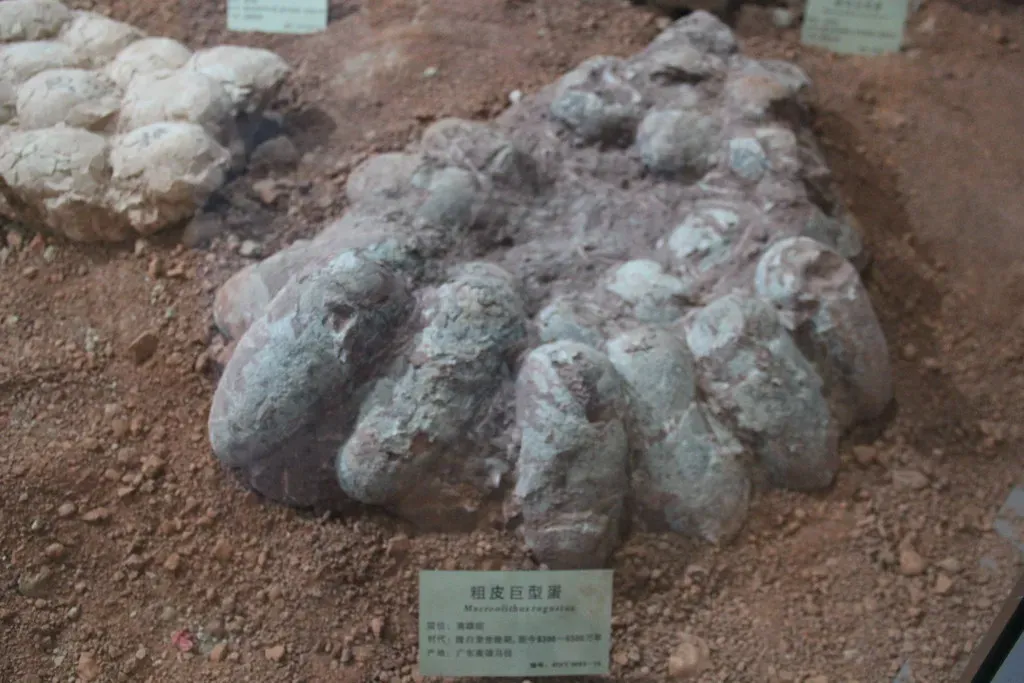
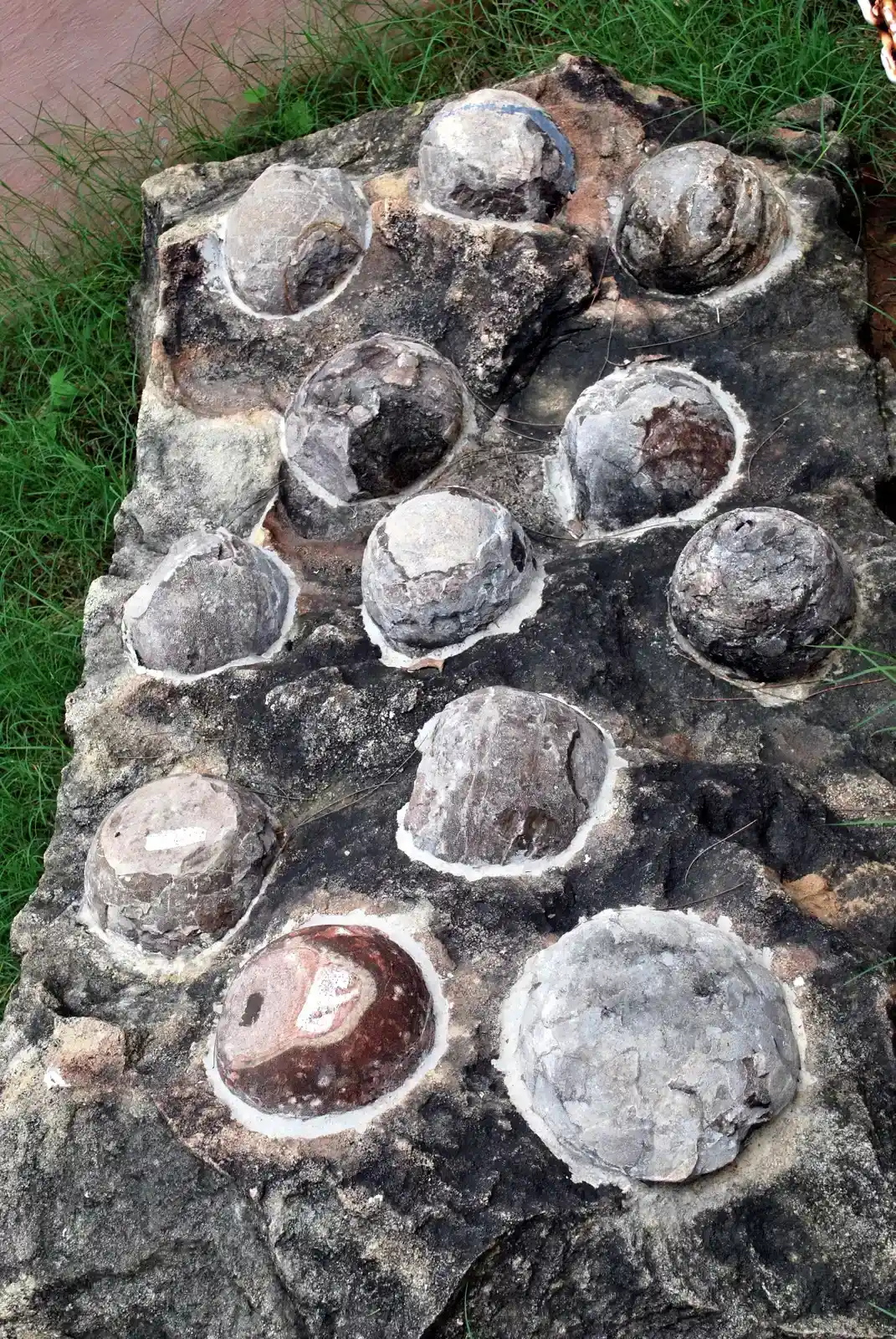
Most people picture dinosaurs as solitary giants, wandering their territories alone. The fossil record, however, tells a very different story. Paleontologists working in central India made a rare discovery of a fossilized dinosaur hatchery with 92 nests and 256 eggs belonging to colonies of giant plant-eating titanosaurs, and a study of the nests and their bowling ball-size eggs revealed intimate details about the lives of these colossal, long-necked sauropods. That is a neighborhood, not just a nest.
From the close proximity of the nests, researchers inferred the dinosaurs laid eggs together in colonies or rookeries, as many birds do in the present day. Fossils indicated that all the eggs were laid and hatched in the same nesting season, providing evidence that the dinosaurs nested in colonies, with about sixty percent of them hatching successfully, a relatively high hatching rate similar to that of modern birds and crocodilians that protect their eggs, which supports the argument that these dinosaurs also looked after their nests. There is something almost moving about imagining an ancient landscape dotted with hundreds of giant nesting pairs, all working toward the same goal.
The Surprising Truth About Dinosaur Dads
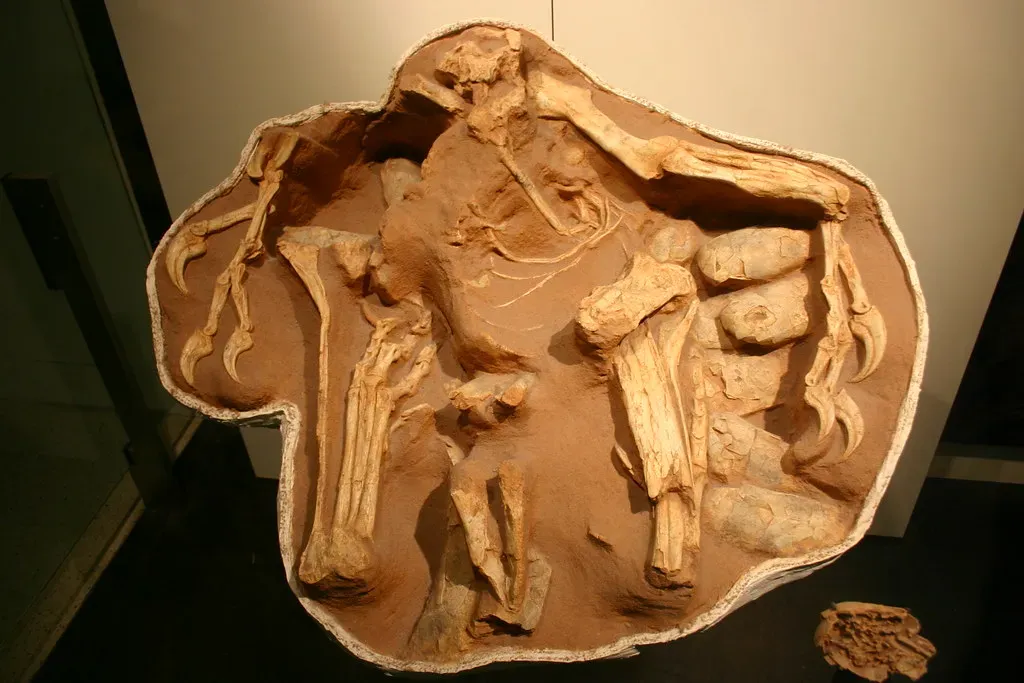
Here is a twist that most people never see coming. When it comes to who was actually sitting on those nests, it may not have been the mother at all. Evidence for dinosaur parental care most famously comes from a fossil of what was thought to be a mother Oviraptor found sitting on a nest of eggs, but new understanding of dinosaur skeletons suggests this “Big Mama” should actually be renamed “Big Papa,” and male paternal care may have been the ancestral form of parental care, with birds evolving from theropod dinosaurs. That challenges a lot of our instinctive assumptions about gender roles in parenting, even across millions of years.
Because these parents did not move in time to avoid whatever catastrophe buried them, it has been hypothesized that, like the modern day emu, the father brooded the eggs in a lethargic state, eating and drinking little until his charges emerged. The paternal care theory is further supported by the large clutch sizes in such nests, which may have been the result of a polygamous mating system in which multiple females laid their eggs in the same nest. In the most primitive group of living birds, including the ostrich, it is usually the male birds that sit on eggs. I think that detail alone is worth sitting with for a moment.
Egg Color, Incubation Science, and the Bird Connection
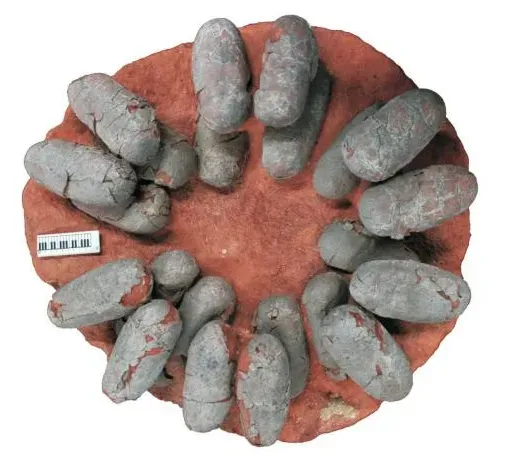
One of the most unexpectedly beautiful discoveries from dinosaur eggs is that some of them were colorful. Not white. Not beige. Oviraptors, small birdlike dinosaurs that lived during the Late Cretaceous period around 70 million years ago, left behind plenty of fossilized nests for paleontologists to study, and their fossilized nests have provided a wealth of information from the pattern of egg-laying to the color of the eggs, which were blue-green. That vivid detail links them unmistakably to modern birds.
Instead of sitting on their eggs all day, oviraptors “co-parented” with the sun. It is unlikely that large dinosaurs sat atop their clutches, and supposedly they used the heat of the sun or soil to hatch their eggs, like turtles. Results show that many oological characters and reproductive behaviors associated with modern birds are rooted among non-avian theropods, with a reproductive evolutionary cline from crocodilians to modern birds that includes a noticeable pattern of coeval development between the accretion of eggshell layers and brooding and incubating behaviors. Every bird egg you have ever seen is essentially a living inheritance from the dinosaur age.
Conclusion: Parenthood Is Older Than You Think
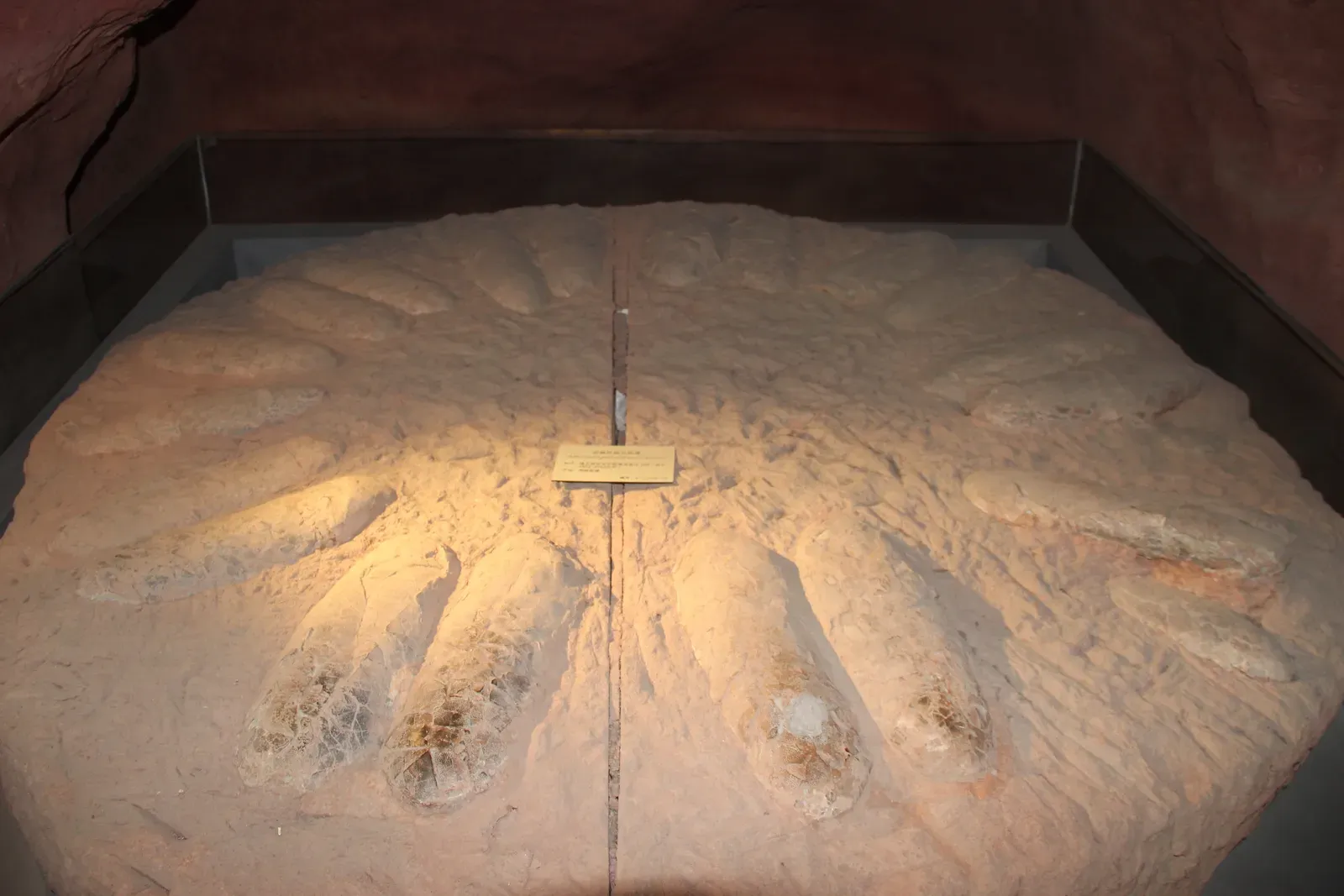
It is easy to reduce dinosaurs to their teeth and their terror. Pop culture has done an extraordinary job of making them feel dangerous and cold. Yet the evidence locked inside fossilized eggs tells a completely different story. Even the most terrifying dinosaurs could have had a softer side when it came to putting in time and effort for their young. For millions of years, parents across the animal kingdom have cared for their eggs and young, providing both time and resources, sometimes to their own detriment, and dinosaurs were no exception.
With each new find, it becomes clearer that modern birds got many of their iconic traits from their dinosaur ancestors. Parental instinct, nest-building, colony living, even the color of eggs: all of it stretches back into the deep past in ways that are genuinely humbling. Whatever future fossil finds serve up, there is no question that they will open more windows of understanding into the behavioral ecology of long-extinct dinosaurs, and our understanding will also be informed not only by the fossils themselves but by interpretation of the behavior of modern species.
The next time you watch a bird tenderly sitting on its nest, remember: you are witnessing a behavior that is at least 70 million years old. What do you think about that? Drop your thoughts in the comments.