Every time a paleontologist brushes the last grain of sediment from an ancient bone, the story of life on Earth shifts a little. Sometimes a lot. You might think we have already mapped out the major chapters of prehistoric history, given the decades of excavations and museum halls filled with towering skeletons. Honestly, that assumption couldn’t be more wrong.
The truth is, the fossil record is still yielding jaw-dropping surprises, constantly reshaping what we thought we knew about evolution, extinction, and the wildly complex ecosystems that existed long before humans arrived. From tiny two-pound dinosaurs to predators that prowled prehistoric rivers in Asia, the pace of discovery in the 2020s has been nothing short of extraordinary. Let’s dive in.
The Nanotyrannus Bombshell: Two Tyrants, Not One
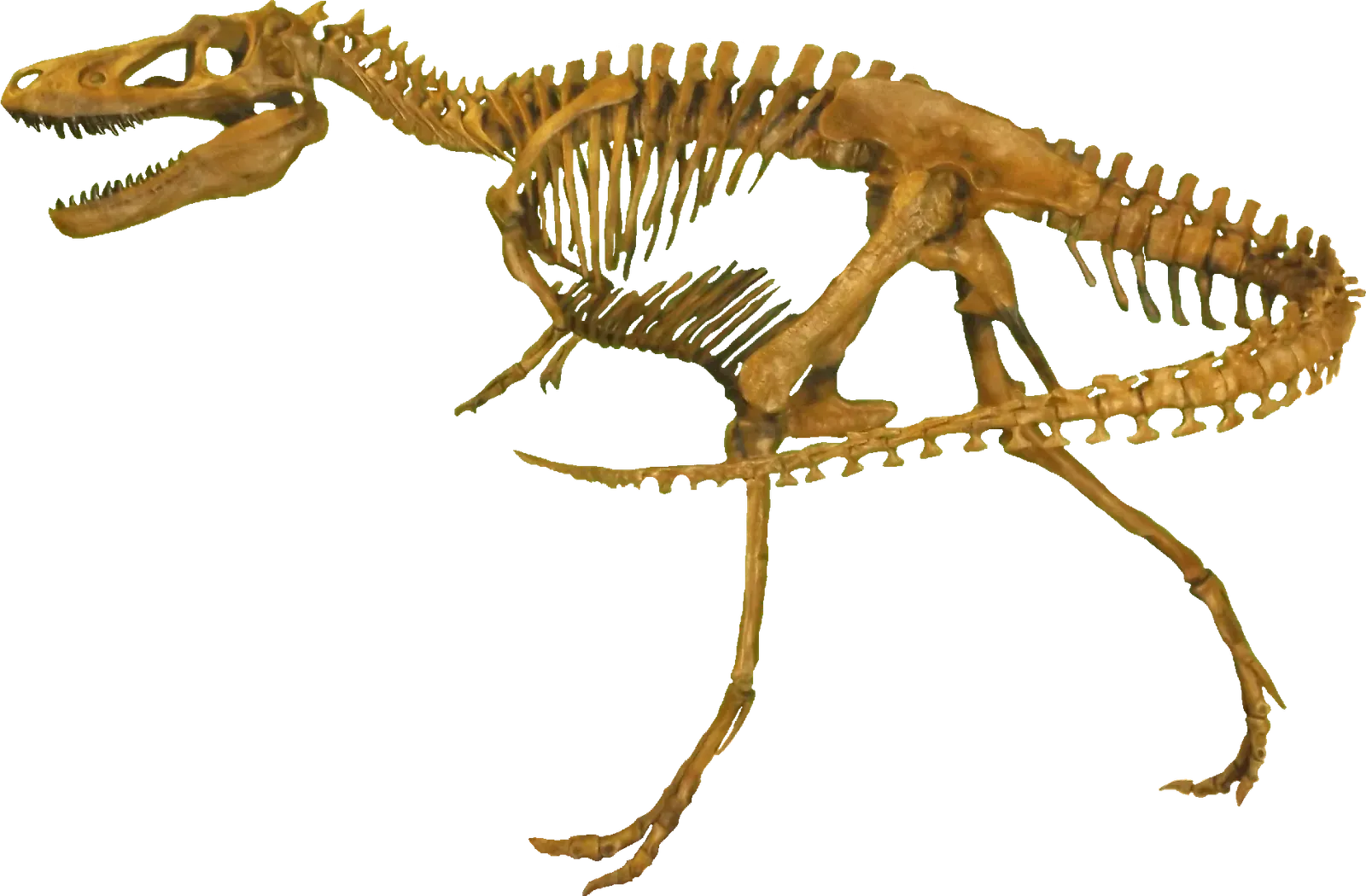
For decades, the debate raged in paleontology circles like a never-ending argument between two stubborn friends. Was Nanotyrannus its own species, or just a teenage T. rex? The famous “Dueling Dinosaurs” fossil, found in Montana, contains two dinosaurs locked in prehistoric combat: a Triceratops and a small-bodied tyrannosaur, now identified as the most complete skeleton ever found of Nanotyrannus lancensis. That discovery, it turned out, was about to end one of the longest-running arguments in dinosaur science.
Using growth rings, spinal fusion data, and developmental anatomy, researchers demonstrated that the specimen was around 20 years old and physically mature when it died, with skeletal features including larger forelimbs, more teeth, and fewer tail vertebrae that are fixed early in development. For years, paleontologists had used Nanotyrannus fossils to model T. rex growth and behavior, but this new evidence reveals those studies were based on two entirely different animals, and that multiple tyrannosaur species inhabited the same ecosystems in the final million years before the asteroid impact. Let’s be real: few discoveries in recent memory have so completely rewritten our picture of a single geological moment.
Dinosaurs Were Thriving Right Up Until the Asteroid Hit
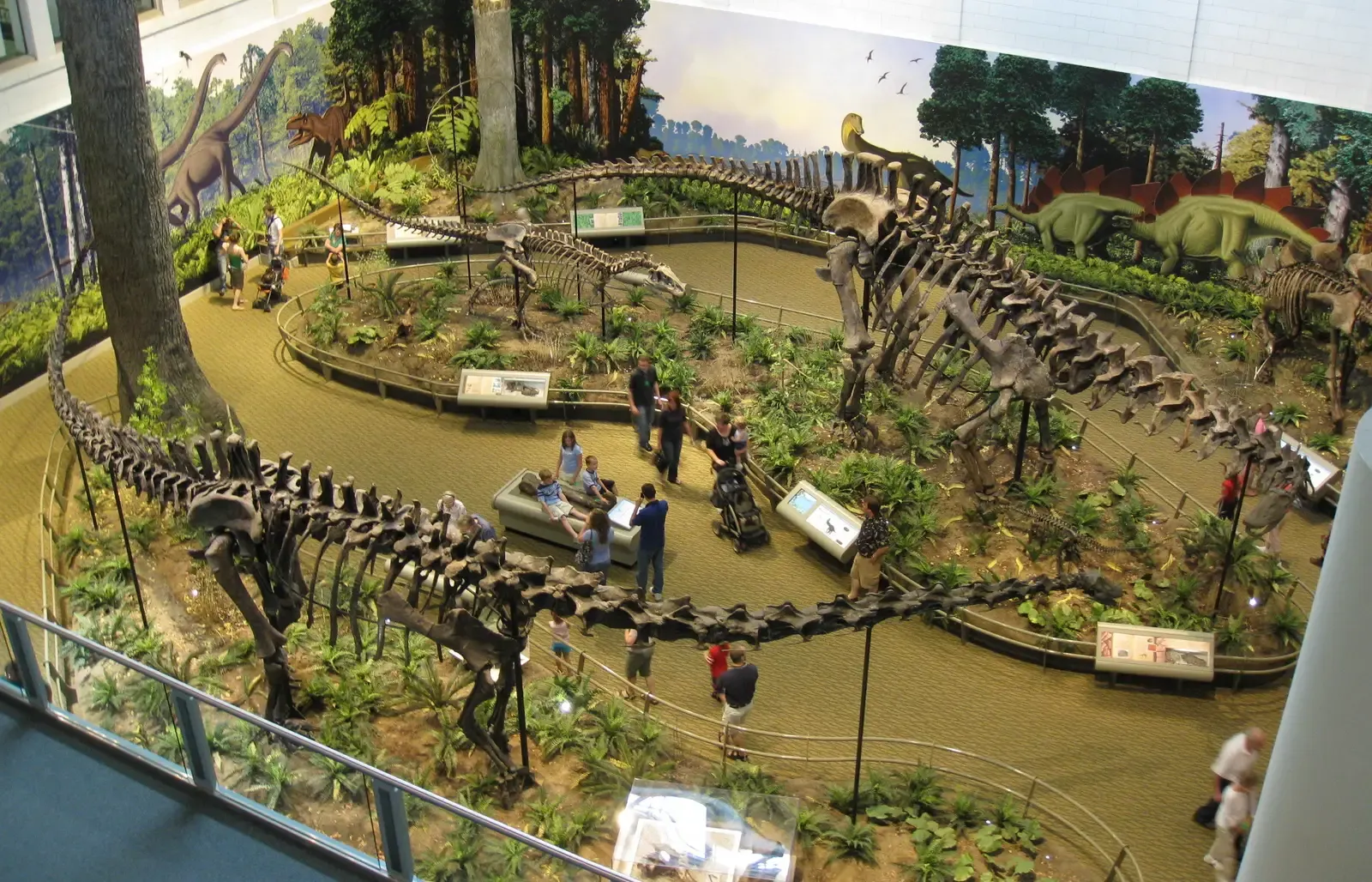
Here is something that might surprise you. The old idea that dinosaurs were already dwindling before the famous asteroid struck 66 million years ago has taken a serious hit. A study reported in October found that an array of dinosaurs in New Mexico lived within 400,000 years of the impact and were not millions of years older as previously reported, and the community was made up of different species and even different dinosaur groups than equivalent communities found to the north in Montana, Colorado, and other locales.
Not only does this suggest dinosaurs were spinning off new species right until the end, but the identification of several dinosaur communities on the same continent hints that undiscovered dinosaurs may still be lying in rocks that date to just before the mass extinction. Think about that like finding out a civilization you thought was in decline was actually still building new cities, weeks before disaster struck. New finds in New Mexico reveal a species-rich and diverse dinosaur ecosystem thriving literally just before the impact, and coupled with other sites in North America, this research reveals that the dinosaurs might have kept going if space hadn’t intervened.
The Bizarre Hollow-Spiked Dinosaur That Rewrote Skin Science
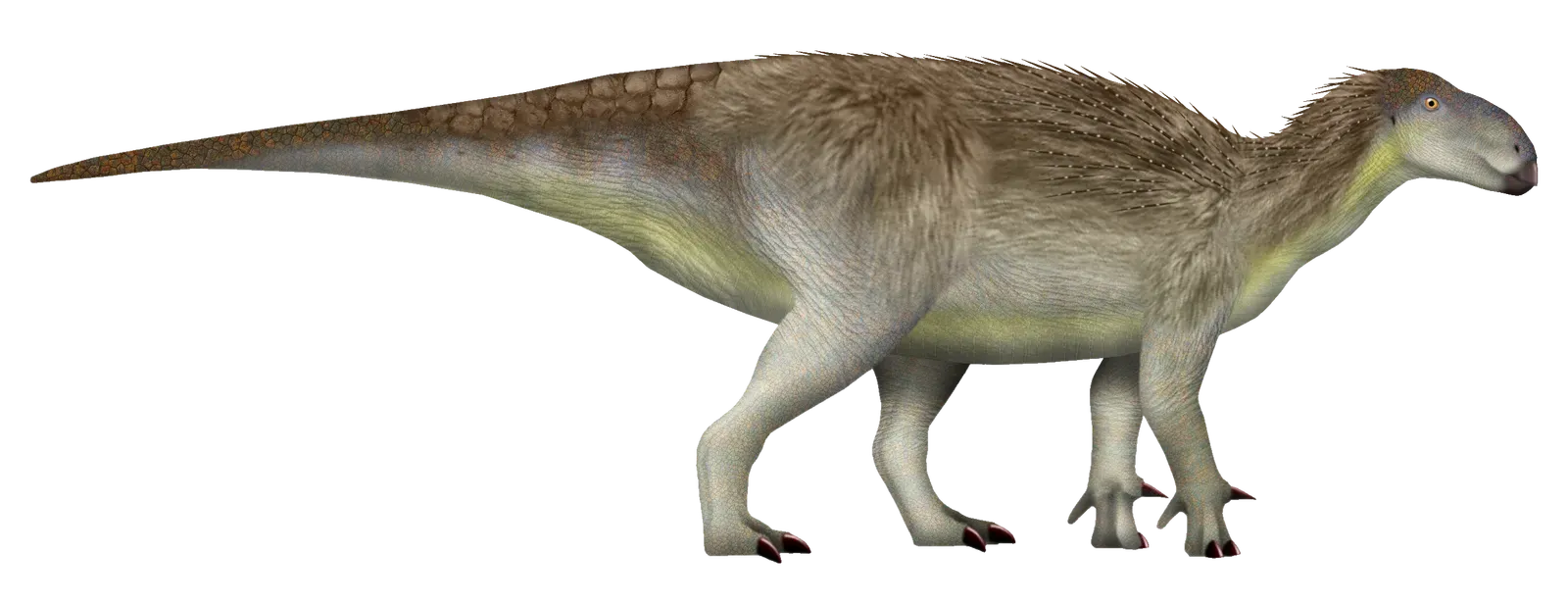
You think you know dinosaurs. Then a discovery like this one comes along and makes you feel like a complete beginner. Scientists in China uncovered an exceptionally preserved juvenile iguanodontian with fossilized skin so detailed that individual cells are still visible, and even more astonishingly, the plant-eating dinosaur was covered in hollow, porcupine-like spikes, which are structures never before documented in any dinosaur. The species has been named Haolong dongi, and it’s shaking up everything we assumed about dinosaur body coverings.
The hollow spikes may have served as a defensive adaptation, functioning in a way similar to the quills of a porcupine by discouraging predators from attacking, but defense may not have been their only purpose, as researchers suggest the spikes could also have helped regulate body temperature, a process known as thermoregulation. Using advanced imaging techniques such as X-ray scanning and high-resolution histological analysis, the team was able to study the fossil at the cellular level and found that individual skin cells had been preserved for approximately 125 million years, a level of detail that allowed scientists to reconstruct the structure of the unusual hollow spikes. It is, without exaggeration, one of the most remarkable preservation stories in modern paleontology.
A Two-Pound Dinosaur That Cracked an Evolutionary Mystery
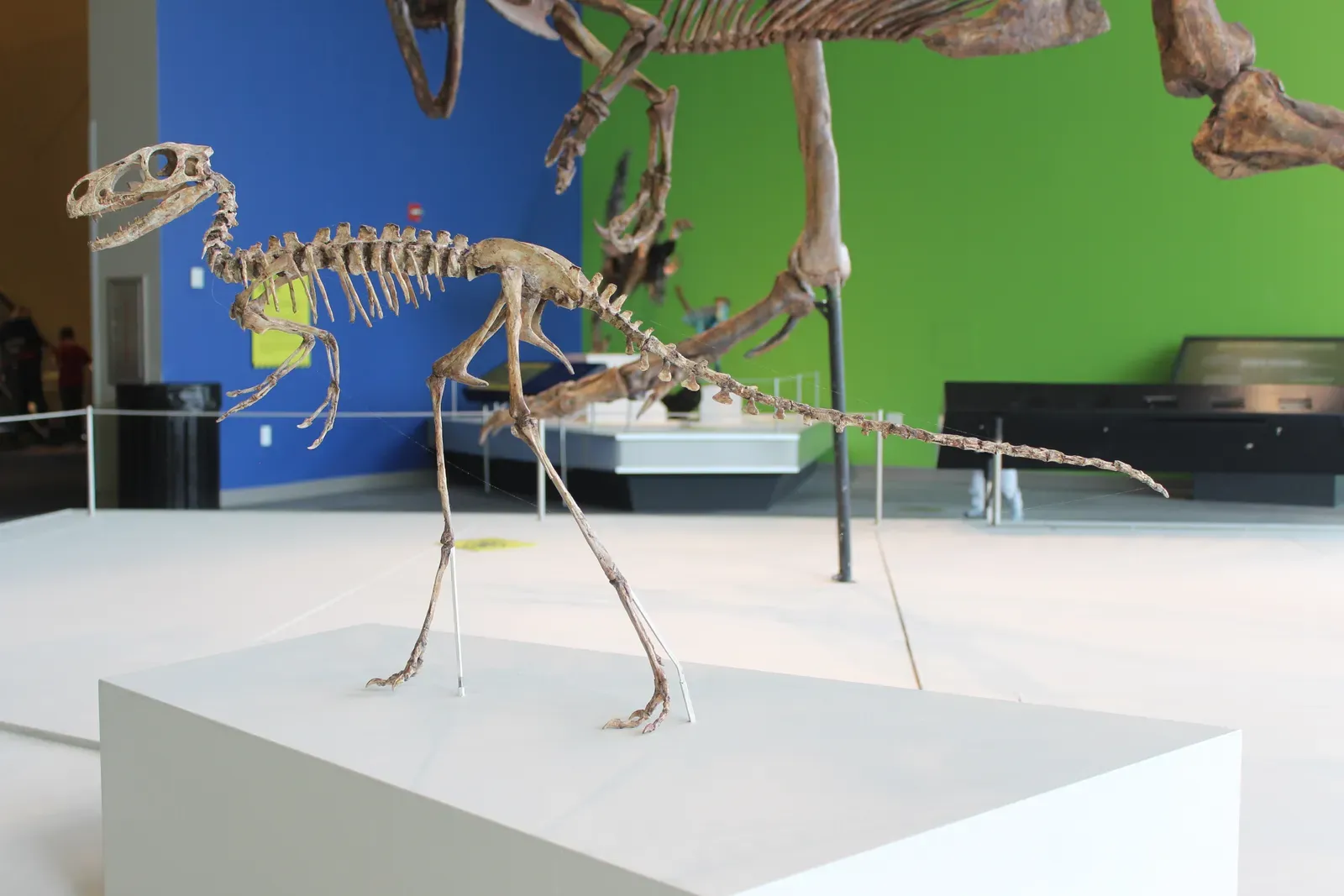
Not every groundbreaking discovery involves a giant predator. Sometimes the most exciting thing is something small enough to hold in your hand. A nearly complete dinosaur skeleton discovered in Patagonia is helping scientists crack the mystery of alvarezsaurs, a bizarre group of bird-like dinosaurs, and the fossil of Alnashetri cerropoliciensis reveals that these animals became tiny before developing their later specialized features, such as stubby arms and ant-eating adaptations. Weighing under two pounds, the dinosaur is one of the smallest known from South America.
For decades, scientists struggled to understand this group because most well-preserved fossils had been discovered in Asia, and fossils from South America were often incomplete, leaving major gaps in the evolutionary story. By studying additional alvarezsaur fossils preserved in museum collections across North America and Europe, the team also found evidence that these animals appeared much earlier than scientists previously believed. It is a powerful reminder that evolutionary timelines are almost never as tidy as our textbooks suggest, and a single complete skeleton can overturn decades of assumptions in one fell swoop.
Spinosaurids in Asia: A Continent-Spanning Discovery
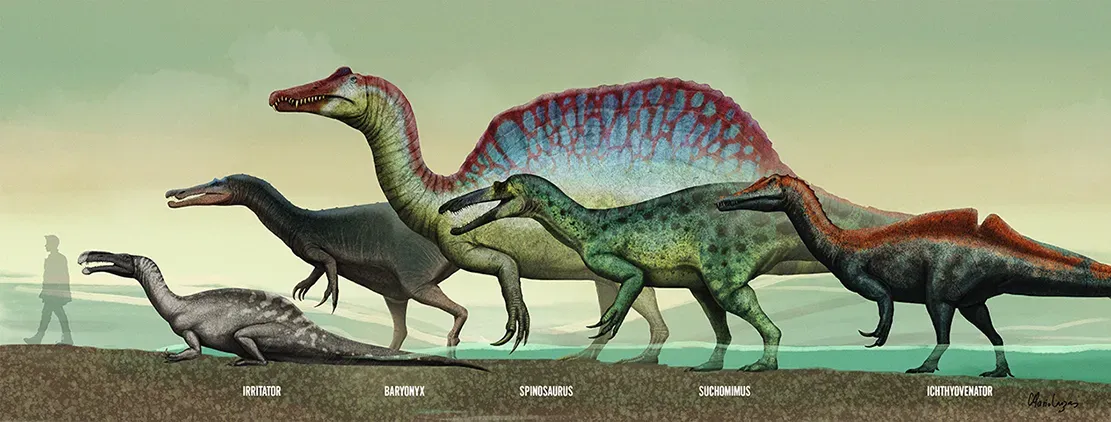
Most people associate giant fish-eating spinosaurid dinosaurs with Africa and Europe. That mental image is now considerably more complicated. Among the most dramatic vertebrate fossil announcements of 2025 was a massive Early Cretaceous spinosaurid recovered from Thailand’s ancient river deposits, estimated at 25 feet long, which stalked tropical waterways 125 million years ago and shows enough skeletal differences from Spinosaurus and European spinosaurids to suggest a distinct Asian radiation of the family, with the find including one of the most complete spinosaurid assemblages in Asia.
Spinosaurids are among the most charismatic dinosaurs, but their global distribution and ecological range remain poorly sampled, and this discovery fills a major biogeographic gap, showing that extreme body size and semi-aquatic specialization evolved repeatedly across continents. Convergent evolution is one of nature’s most fascinating tricks, sort of like how sharks and dolphins independently evolved similar torpedo-shaped bodies despite being completely unrelated. The completeness of the fossil allows paleontologists to test hypotheses about convergent evolution, skull hydrodynamics, and niche partitioning in ways that fragmentary specimens simply cannot.
Doolysaurus and the Rise of East Asian Paleontology
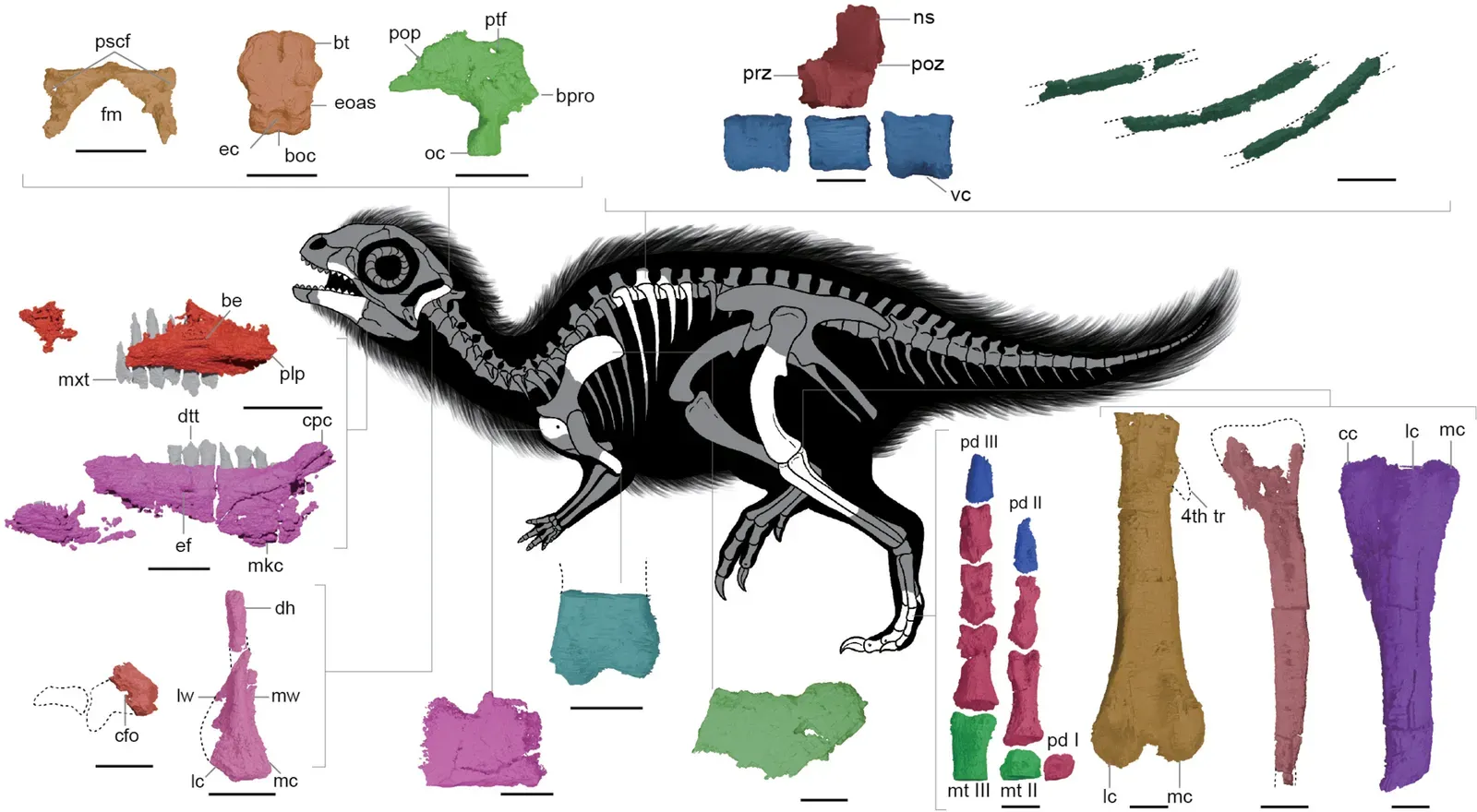
South Korea is not usually the first place you picture when you imagine a major dinosaur discovery. Yet that is exactly where one of the most endearing finds of recent years was made. A tiny dinosaur no bigger than a turkey has captured scientists’ attention, and researchers from the University of Texas at Austin and the Korean Dinosaur Research Center discovered an early-branching neornithischian dinosaur in South Korea and named it Doolysaurus after a famous Korean cartoon character.
The fossil, found on Korea’s Aphae Island, is the first new dinosaur species identified in the country in 15 years, and even more remarkably, it includes rare skull fragments hidden inside rock, revealed using advanced imaging technology, and the study sheds new light on dinosaur diversity in East Asia during the age of dinosaurs. Scientists think there are likely more fossils buried in the islands of Korea, CT scanning suggests many discoveries may lie just under the surface, and future studies could yield new dinosaur species, eggs, or more complete skeletons, offering clearer glimpses of ancient East Asia. It’s hard to say for sure, but this region may become one of the next great hotspots of paleontological discovery.
Zavacephale and the Secrets of Dome-Headed Dinosaurs
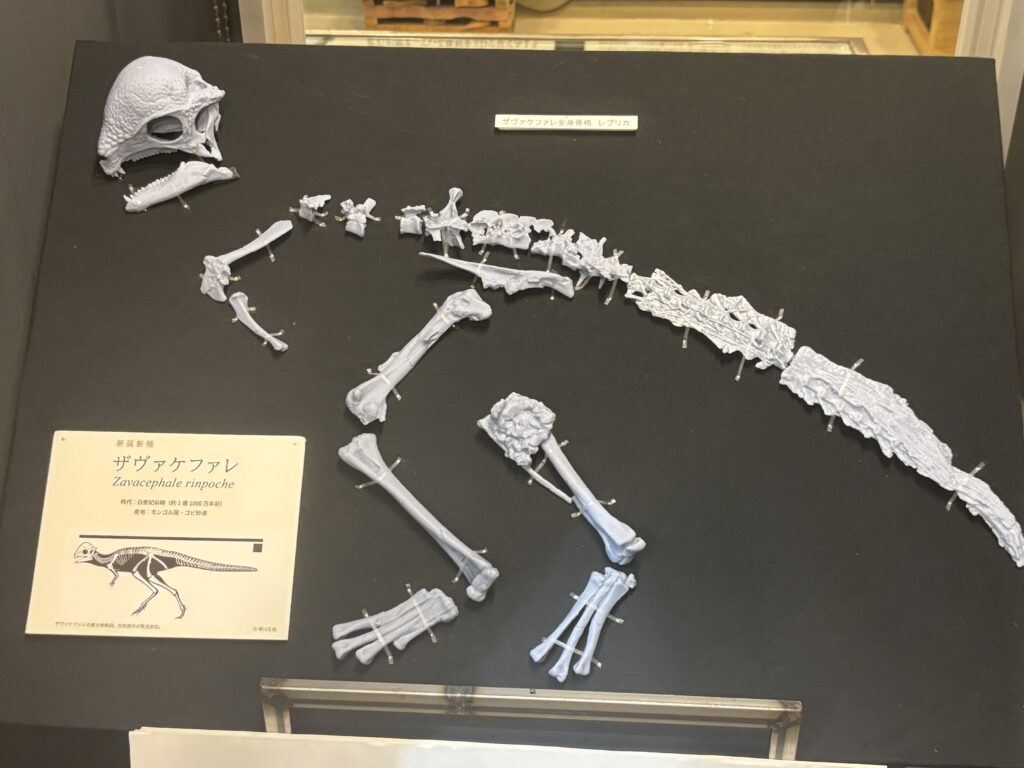
Some dinosaur groups remain stubbornly mysterious, even after over a century of study. Pachycephalosaurs, the dome-headed dinosaurs famous for what looks like built-in crash helmets, have resisted full understanding because of one frustrating quirk of preservation. Most of what’s known about them comes from the thick, reinforced domes of their skulls, which stay preserved better than the rest of their skeletons. That is a bit like trying to understand an entire human civilization by studying only people’s helmets.
However, the newly named Zavacephale, found in 110-million-year-old rocks of Mongolia and described in Nature in September, had the majority of its skeleton intact. This group of dinosaurs is poorly understood because most are known only from incomplete skulls, but Zavacephale preserves a largely complete skeleton, and is the most complete skeleton known from this strange group. Despite being the oldest pachycephalosaur yet known, Zavacephale had a domed skull similar to its relatives that came millions of years later, suggesting the iconic dome shape appeared early and persisted stubbornly across tens of millions of years of evolution. That level of anatomical consistency is genuinely rare, and Zavacephale now stands as a keystone specimen for understanding this entire lineage.
Conclusion: The Past Is Still Being Written
Every year, paleontologists remind us of something genuinely humbling: the story of prehistoric life is nowhere near complete. You might assume the major chapters have all been filed and catalogued, but discoveries like Haolong dongi’s hollow spikes, Nanotyrannus as a confirmed separate species, and a fully thriving dinosaur ecosystem just before the asteroid impact tell a very different story.
The tools are sharper now. CT scans, molecular analysis, and advanced imaging are revealing details locked inside rock for hundreds of millions of years. Advances in fossil protein sequencing and bone micro-analysis are expected to unlock new biological details from iconic specimens, and renewed attention on ancient forests and early land plants may reveal how ecosystems rebounded after ancient climate shocks.
The prehistoric world was stranger, richer, and far more surprising than any generation of scientists has yet fully appreciated. Each new species discovered is not just a name added to a list. It is a window into an entire living world that existed long before us. What do you think the next discovery will overturn? Tell us in the comments.