When you picture a plant-eating dinosaur from the Cretaceous, you probably imagine a slow, lumbering giant trudging through a prehistoric jungle, blindly munching on anything green within reach. Honest moment here – that image is satisfying, but it is also wildly incomplete. The herbivores of the Cretaceous were far more sophisticated, resourceful, and ecologically nimble than most people give them credit for.
From the armor-clad ankylosaurs to the trumpet-crested hadrosaurs and the colossal titanosaurs, these animals were not passive players in their world. They were active shapers of entire ecosystems, capable of surviving shifting climates, adapting their diets, navigating new habitats, and competing brilliantly with one another for millions of years. The more science digs up, quite literally, the more astonishing the picture becomes. So let’s dive in.
A World Built for Survivors: The Cretaceous Stage
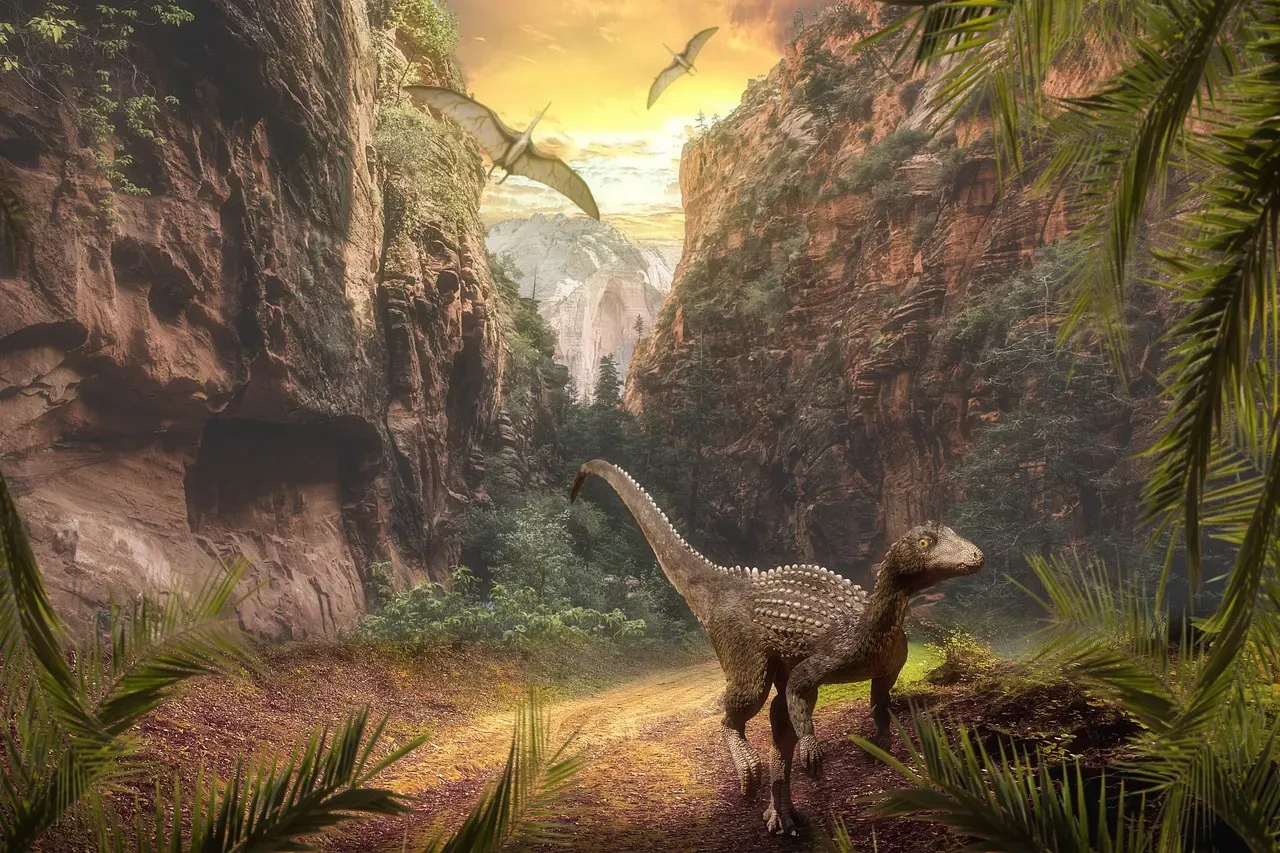
The Cretaceous is a geologic period that lasted from about 143.1 to 66 million years ago, making it the third and final period of the Mesozoic Era, as well as the longest. If you think of the Mesozoic as a three-act drama, the Cretaceous is where the plot truly thickens. It was a period with a relatively warm climate, resulting in high eustatic sea levels that created numerous shallow inland seas, while dinosaurs continued to dominate on land, and forests extended to the poles.
Closer to the ground, an explosion of biodiversity was underway during the Cretaceous period. Ants and termites made their first appearance. Flowering plants were arriving for the first time and bringing with them pollinators, fungi, and herbivores, including the first marsupials. This was not a static, simple world. It was a constantly evolving puzzle, and the herbivores that thrived in it had to be endlessly flexible to stay alive.
Hadrosaurs: The Duck-Billed Masters of Adaptability
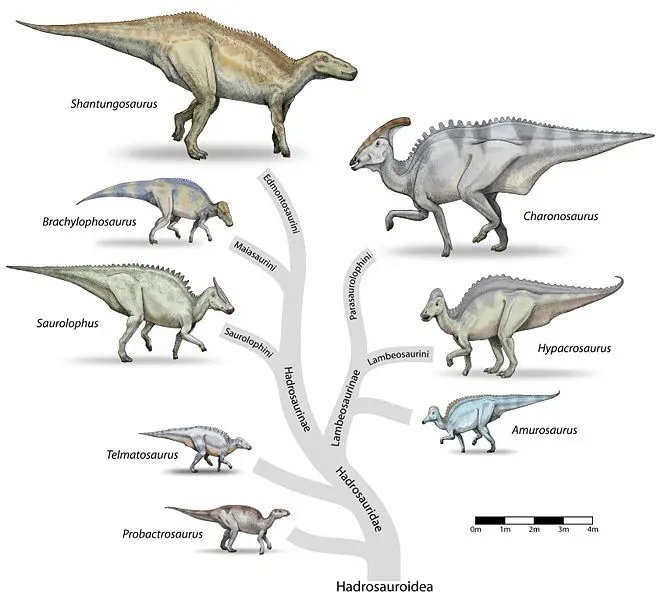
Hadrosaurs were the most successful of the late Cretaceous dinosaurs in terms of their relative abundance and wide distribution, and they apparently were social animals, living in herds for at least part of the year and migrating seasonally in some places. Let’s be real – that alone puts them in a league of their own. Think of them as the wildebeest of the Cretaceous, but far more complex.
The extent of the hadrosaur fossil record testifies to the many environments the dinosaur lived in, with remains found across the Americas, Europe, and Asia, and they were even at home in polar environments. A 2012 study compared Edmontosaurus fossils from Alaska’s Prince Creek Formation against the Horseshoe Canyon Formation in Alberta, and in the polar specimens, the fossils showed evidence of cyclical changes in the bone’s blood vessels, suggesting seasonal adaptations to one location, as opposed to migration to warmer climates. Even during a harsh winter, hadrosaurs were able to thrive.
Teeth That Never Quit: The Hadrosaur Dental Revolution
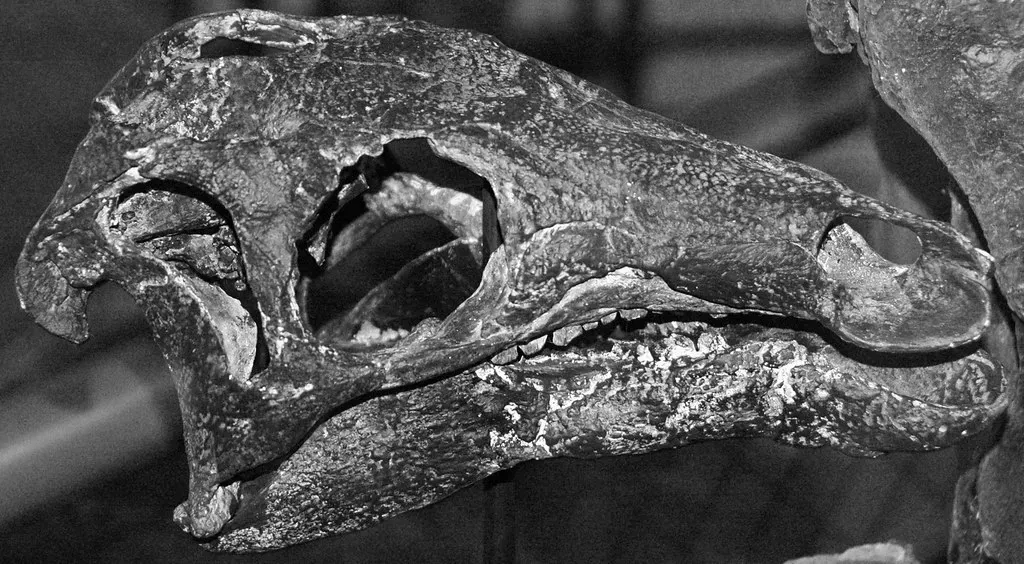
New research has revealed just how voracious these dinosaurs were, with their average tooth worn away in less than two months as they consumed enormous amounts of plants. Some of Earth’s most successful herbivores may have had hundreds of thousands of teeth in their lifetime. That is, honestly, one of the most jaw-dropping facts in all of paleontology. Imagine going through that many trips to the dentist.
You can see a sequential increase in the complexity of their adaptations for herbivory as they evolved. At the start, they had single rows of fairly simple teeth with limited wear, probably because these dinosaurs focused on fruits and softer plants. By the time the hadrosaurs evolved, they had vastly more teeth which developed a large blade-like edge on one side and a series of ridges behind it, and by the end of the Late Cretaceous, hadrosaurs had rows of tightly packed teeth which were worn through rapidly as they ate tough plants. This is evolution working in real time, a living arms race between dinosaur teeth and increasingly tough Cretaceous vegetation.
Ceratopsians: Horns, Frills, and Unexpected Dietary Finesse
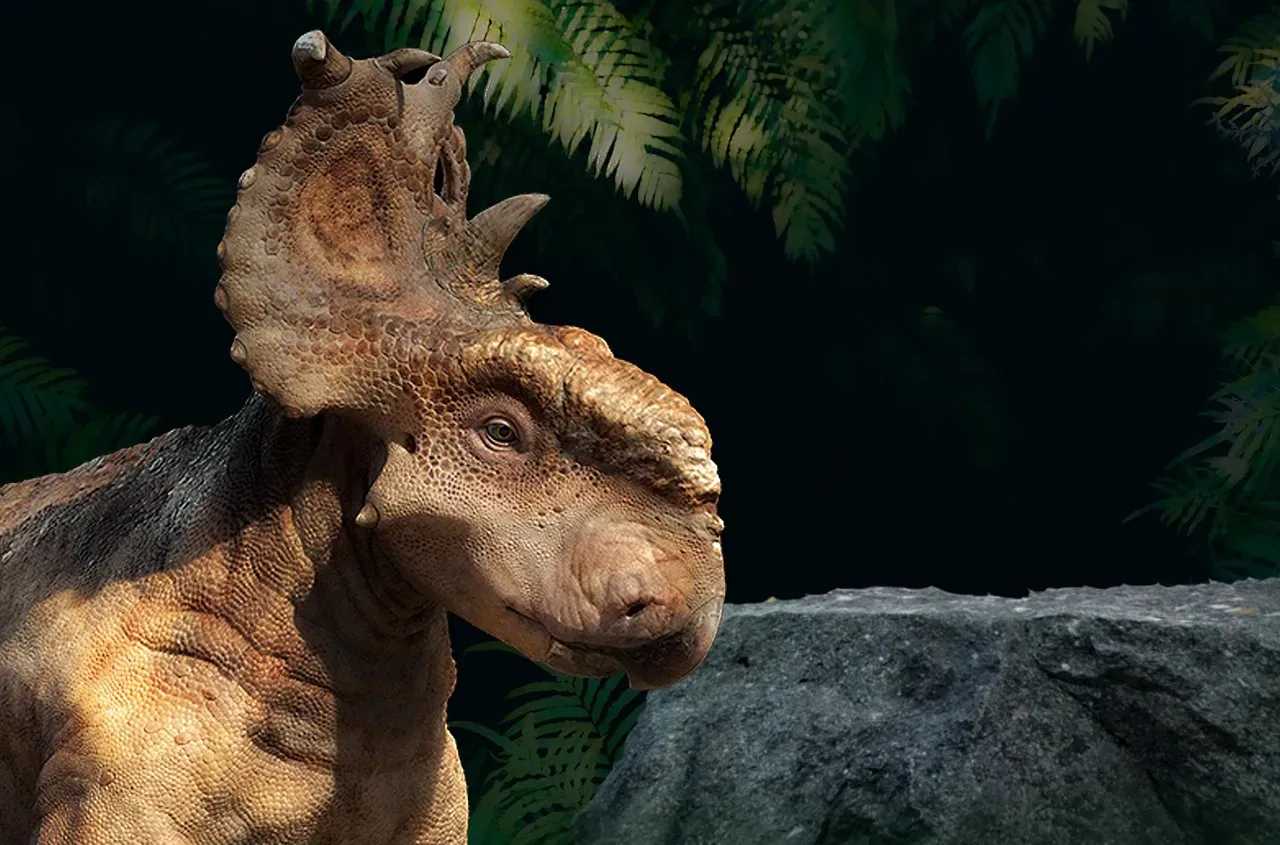
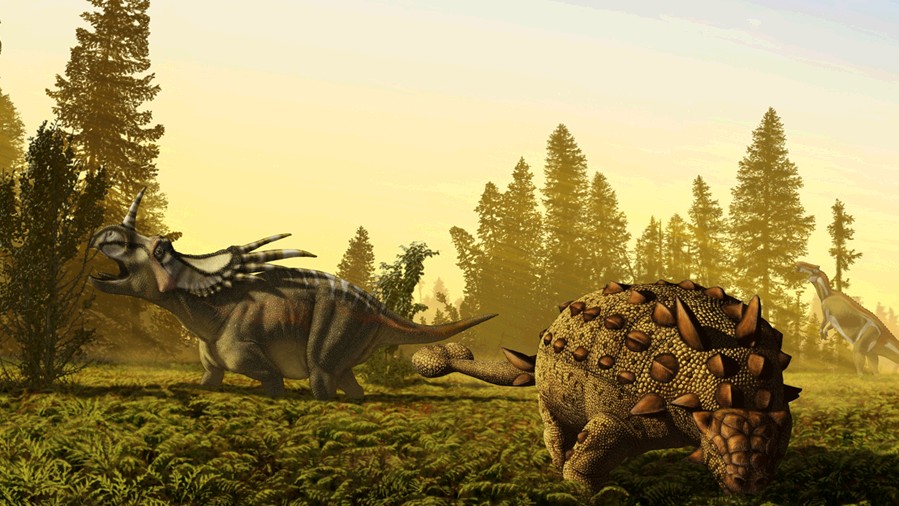
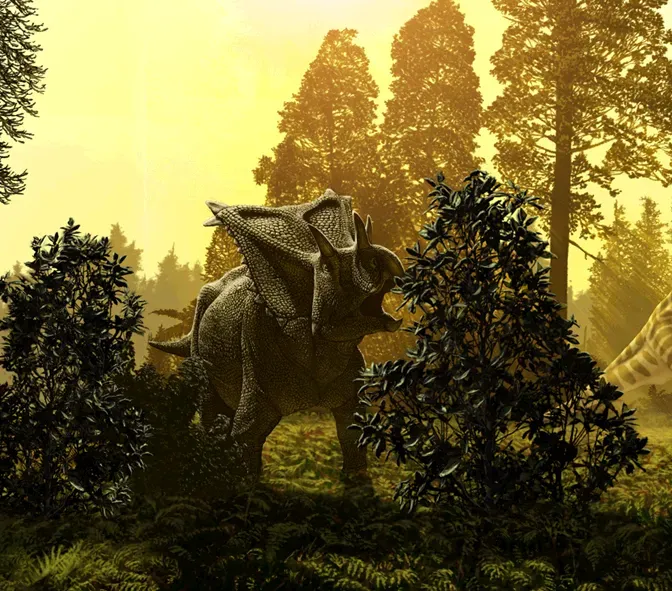
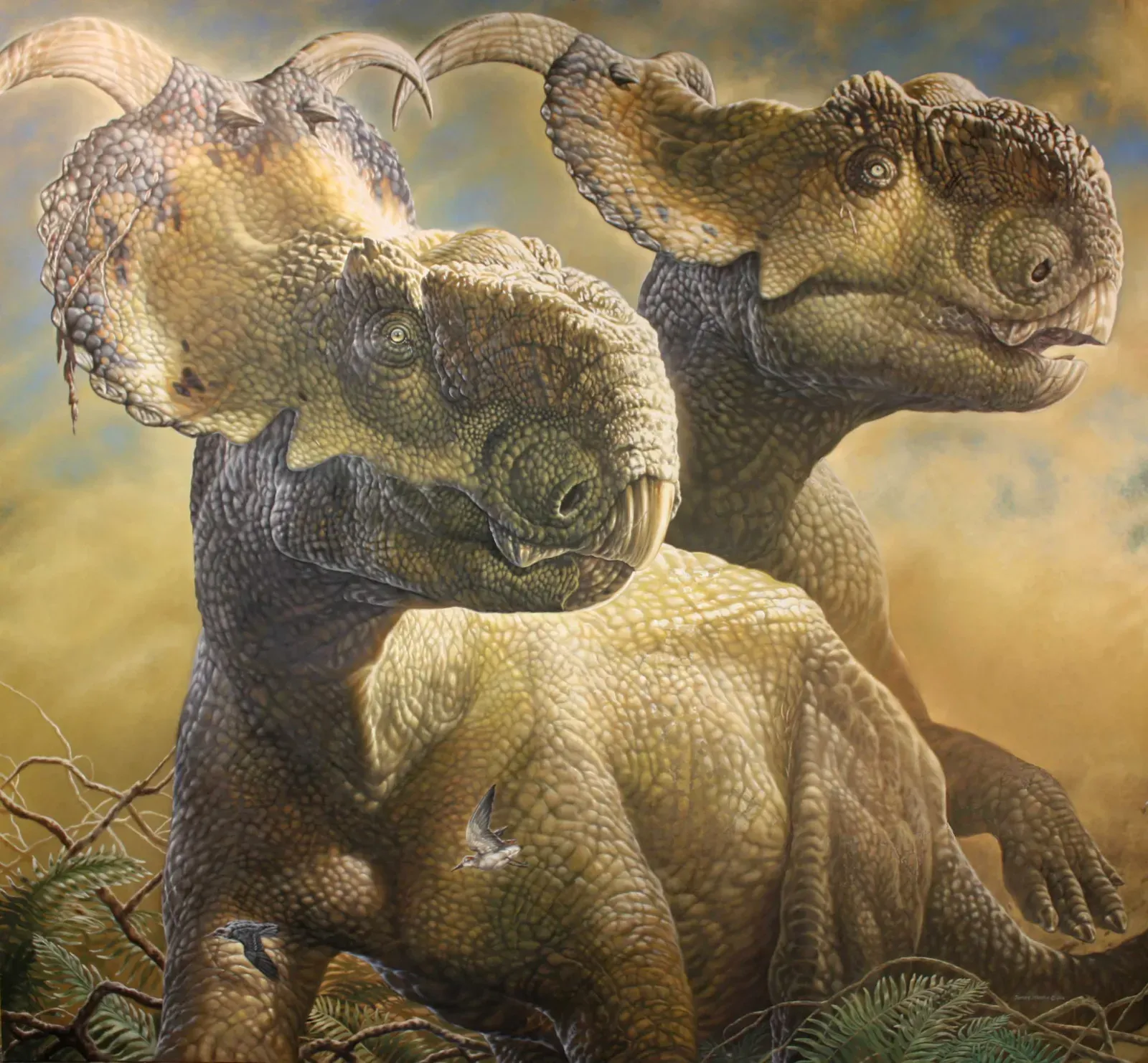
Ceratopsians, a group of herbivorous dinosaurs including the iconic Triceratops, captivate our imagination with their unique features and evolutionary history. These creatures were characterized by beaks, frills, and horns that might have served various purposes such as defense or display. Triceratops, for instance, sported three prominent horns on its face and an expansive frill shielding its neck. This dinosaur roamed North America during the Late Cretaceous period around 68 million years ago.
Unlike other herbivorous dinosaurs that relied purely on size or speed for survival, Triceratops may have been capable of delivering fatal wounds to attackers with its powerful horns. Fossil evidence also suggests that it had a unique dental system with constantly replacing shearing teeth, allowing it to efficiently process tough vegetation, possibly making it one of the dominant plant-eaters of the Late Cretaceous. Here’s the thing – a creature that heavy, that well-armed, and that dentally sophisticated was not just surviving. It was thriving through extraordinary biological engineering.
Ankylosaurs: Armored Herbivores With Surprisingly Selective Tastes
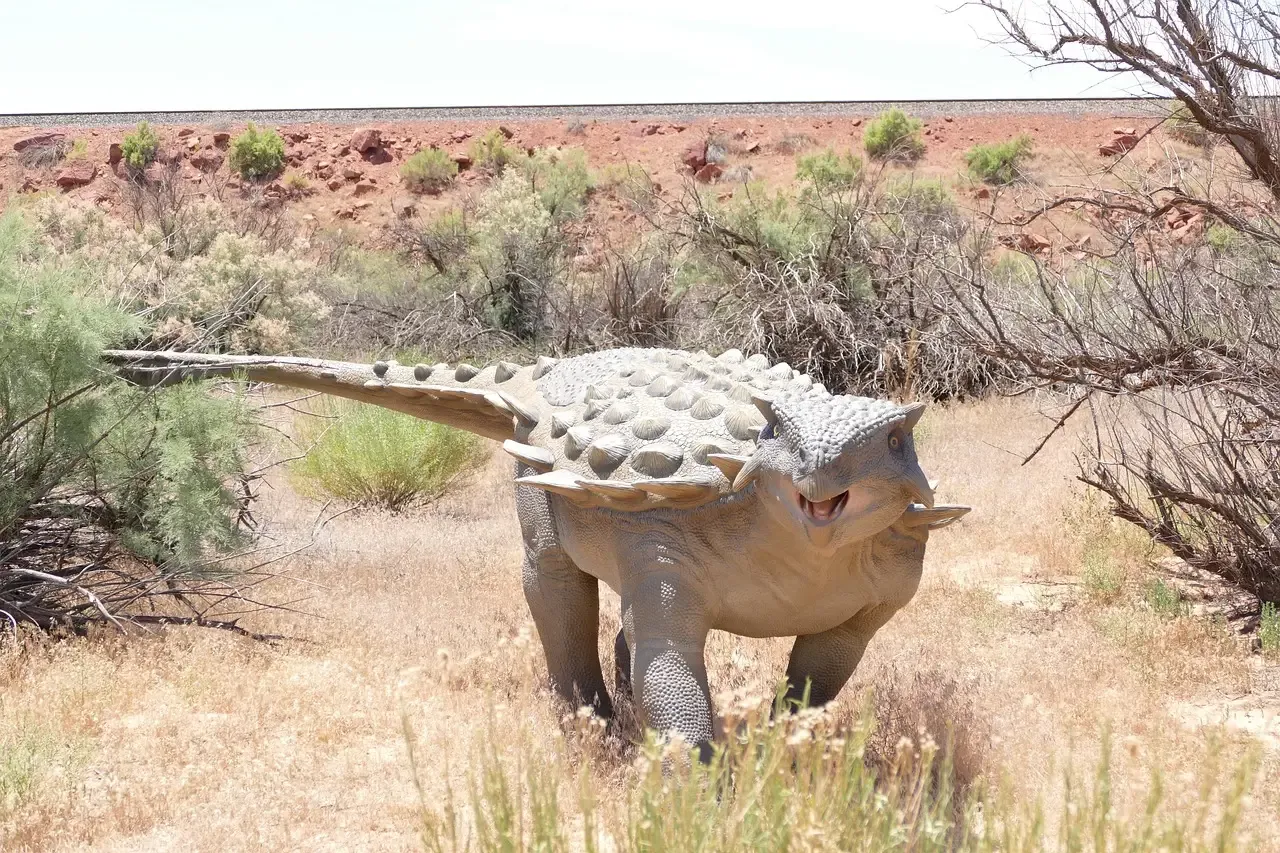
Few herbivorous dinosaurs were as heavily armored as Ankylosaurus, a true fortress on legs that took defense to an extreme. Its entire body was covered in thick osteoderms, even extending to its eyelids, ensuring that no predator could easily penetrate its defenses. Unlike other plant-eating dinosaurs, its skull structure suggests an exceptionally keen sense of smell, a crucial adaptation for detecting approaching danger in dense vegetation where visibility would have been limited.
Details of the dietary paleoecology of one nodosaur reveal selective feeding on ferns, preferential ingestion of leptosporangiate ferns to the exclusion of other fern types, and incidental consumption of cycad and conifer leaves. The exceptionally well-preserved holotype of the armored dinosaur Borealopelta markmitchelli from the Early Cretaceous of northern Alberta preserves a distinct mass within the abdominal cavity. That stomach content analysis is remarkable. You are essentially reading a dinosaur’s last meal from 110 million years ago. These animals were not random grazers – they were selective eaters with real food preferences.
Titanosaurs: Globe-Trotting Giants of the Cretaceous World
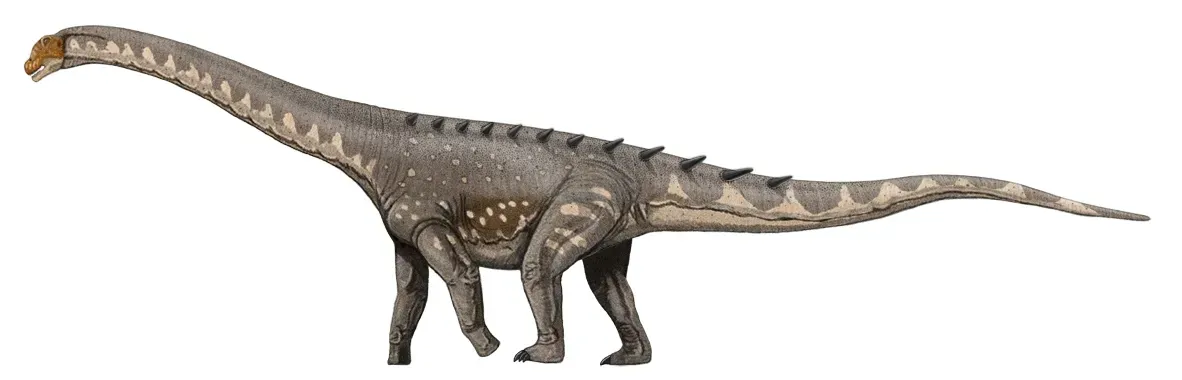
Titanosaurs were a diverse group of sauropod dinosaurs, including genera from every continent. They were the last surviving group of long-necked sauropods, with taxa still thriving at the time of the extinction event at the end of the Cretaceous. Finding fossils on every single continent, including Antarctica, is a staggering testament to just how adaptable and wide-ranging these creatures actually were.
Some of the smallest titanosaurs, such as Magyarosaurus, inhabited Europe, which was largely made up of islands during the Cretaceous, and were likely island dwarfs. Another taxon of tiny titanosaurs, Ibirania, lived in a non-insular context in Upper Cretaceous Brazil and is an example of body size reduction resulting from other ecological pressures. The size range in this group alone, from whale-sized giants to creatures no bigger than a large horse, tells you everything you need to know about how remarkably adaptable titanosaurs truly were.
Dietary Flexibility: When Herbivores Ate More Than Plants
Large plant-eating dinosaurs are usually presumed to have been strictly herbivorous, because their derived teeth and jaws were capable of processing fibrous plant foods. This inferred feeding behavior offers a generalized view of dinosaur food habits, but rare direct fossil evidence of diet provides more nuanced insights into feeding behavior. Fossilized feces demonstrate recurring consumption of crustaceans and rotted wood by large Late Cretaceous dinosaurs. I know it sounds crazy, but plant-eating dinosaurs occasionally snacked on crustaceans and decaying wood. That is one of the most surprising paleontological discoveries in recent memory.
The similarity of these coprolites to those from multiple stratigraphic levels in the Two Medicine Formation demonstrates that dinosaur taxa from different regions engaged in feeding on decaying wood in different habitats. It is notable that these two formations are separated by at least 1,000 km and 10 degrees in latitude, representing paleoenvironments interpreted as wet and subtropical versus more temperate. It is more plausible that these coprolites represent a periodic dietary switch by herbivorous dinosaurs that consumed other plant tissues during most of the year. Flexible, opportunistic, and spread across two very different environments – this kind of behavioral range is nothing short of extraordinary.
Niche Partitioning: How So Many Giants Coexisted
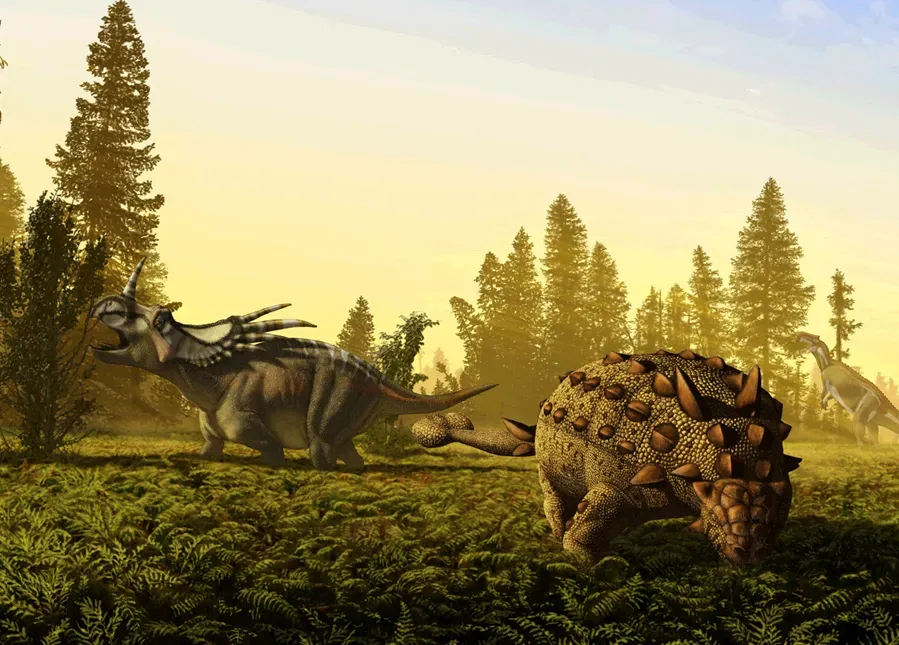
Herbivore coexistence on the Late Cretaceous island continent of Laramidia has been a topic of great interest, stemming from the paradoxically high diversity and biomass of these animals in relation to the relatively small landmass available to them. Various hypotheses have been advanced to account for these facts, of which niche partitioning is among the most frequently invoked. Think of it like this – it’s the ecological equivalent of multiple restaurants on the same street, each specializing in something different to avoid direct competition.
Using a meta-analysis of 21 ecomorphological variables measured across 14 genera, contemporaneous taxa are demonstrably well-separated in ecomorphospace at the family and subfamily level. Moreover, this pattern is persistent through the approximately 1.5 million year timespan of the formation, despite continual species turnover, indicative of underlying structural principles imposed by long-term ecological competition. In other words, these communities were not chaotic – they were structured, competitive, and surprisingly organized across enormous spans of time.
Ecosystem Engineers: How Herbivores Shaped Their World
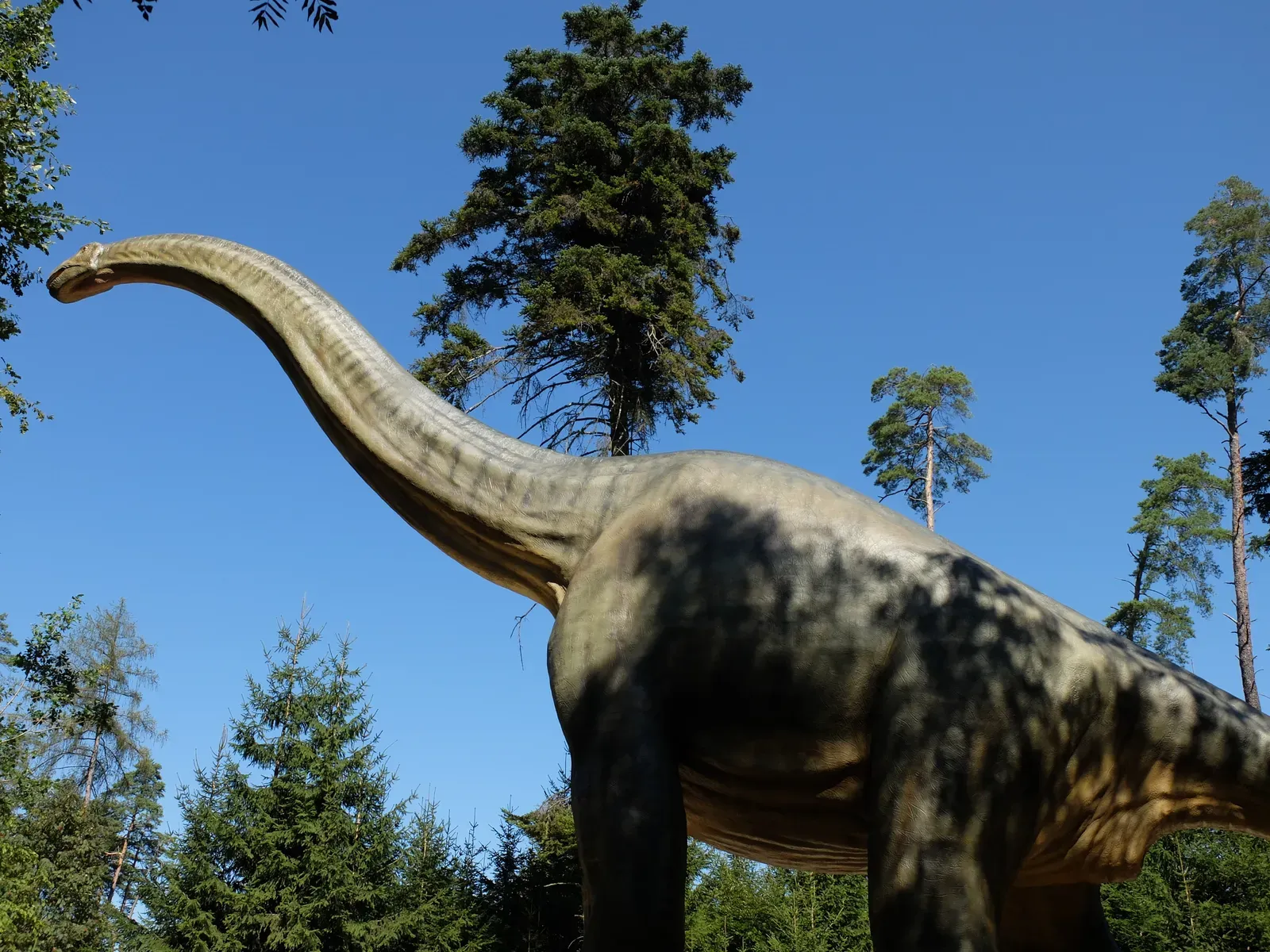
Cretaceous herbivores were not just inhabitants of their environments – they were active shapers of the landscape. Large herbivores, especially sauropods, acted as ecosystem engineers. Their immense size and dietary needs had far-reaching effects on their habitats: by consuming vast amounts of plant material, they created clearings in forests, promoting habitat diversity, their heavy footsteps compacted soil, affecting water retention and plant growth patterns, and their droppings distributed nutrients across the landscape, fertilizing plants.
Herbivorous dinosaurs evolved remarkable adaptations, including specialized teeth and complex digestive systems, to thrive on the tough vegetation of the Cretaceous period. These evolutionary advancements allowed them to play a crucial role in shaping the ecosystems of their time. As they fed on a variety of plants, these dinosaurs contributed significantly to the dispersal of seeds, affecting the distribution and abundance of plant species across different landscapes. You could almost think of them as the landscapers of the Mesozoic – without them, the forests, plains, and wetlands of the Cretaceous would have looked completely different. Their influence rippled through entire food webs, from the soil beneath their feet to the predators that tracked them.
Conclusion
The herbivores of the Cretaceous were, by any fair measure, among the most ecologically sophisticated animals Earth has ever seen. They were not passive leaf-munchers waiting to be eaten. They evolved staggering dental innovations, partitioned resources with remarkable precision, shaped entire landscapes, occasionally expanded their diets in ways that still surprise scientists today, and spread themselves across virtually every corner of the planet. The fossil record keeps rewriting our assumptions about them, and that is a genuinely exciting thing.
Perhaps the most powerful takeaway is this: adaptability, not just size or strength, is what made these animals so dominant for so long. In a world that was constantly shifting, whether through changing plant communities, rising seas, or new competitors, the herbivores that succeeded were the ones willing to be flexible. It is a lesson that feels strangely relevant even today. What surprises you most about how these ancient giants actually lived? Tell us in the comments.