Picture yourself standing in a place that was once a lush floodplain, where gigantic creatures roamed beneath towering conifer trees. Colorado’s ancient landscape looked nothing like the mountain state you know today. Back when massive dinosaurs ruled the earth, this region was a hotspot for some of the most fearsome predators to ever walk the planet. The rocks beneath your feet hold secrets that took over a hundred years to uncover, and the story they tell is far more thrilling than you might expect.
When Colorado Was a Prehistoric Battleground
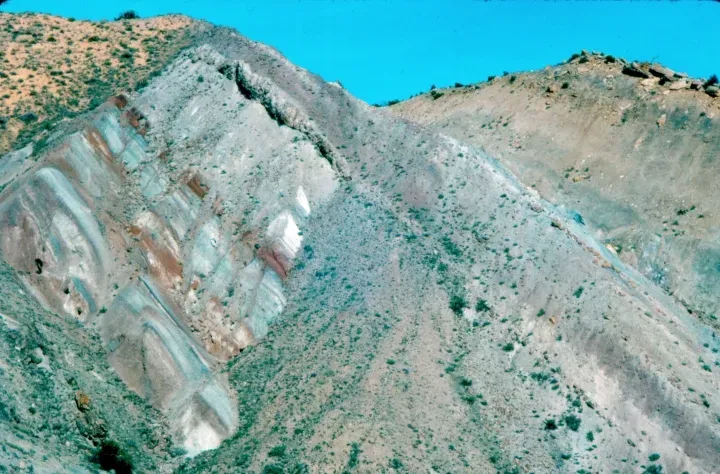
The Morrison Formation, a distinctive sequence of Upper Jurassic sedimentary rock found in the western United States, has been the most fertile source of dinosaur fossils in North America. This wasn’t just some ordinary patch of ancient earth. Radiometric dating indicates that the Morrison Formation is between 148 million and 155 million years old.
During this time, Colorado existed as part of a semi-arid landscape filled with rivers, floodplains, and sprawling vegetation. The climate was dry, similar to a savanna, and since there were no angiosperms, the flora was quite different, with conifers as the dominant plants along with ginkgos, cycads, tree ferns, and horsetail rushes. What happened here shaped our understanding of prehistoric life forever.
The Apex Hunter That Dominated the Jurassic
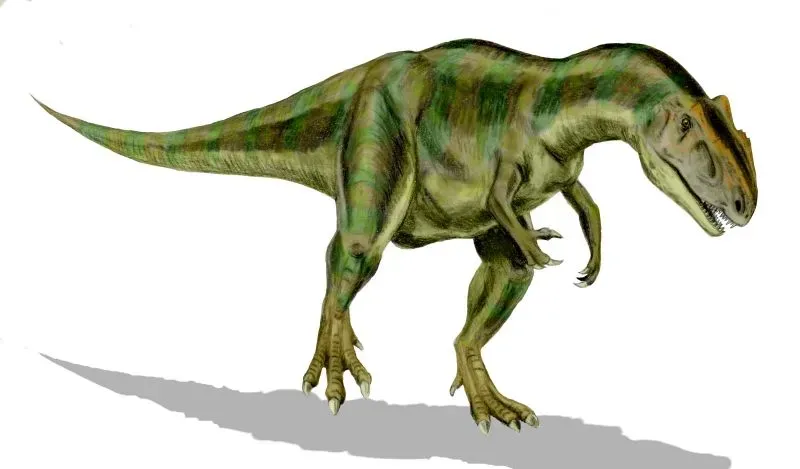
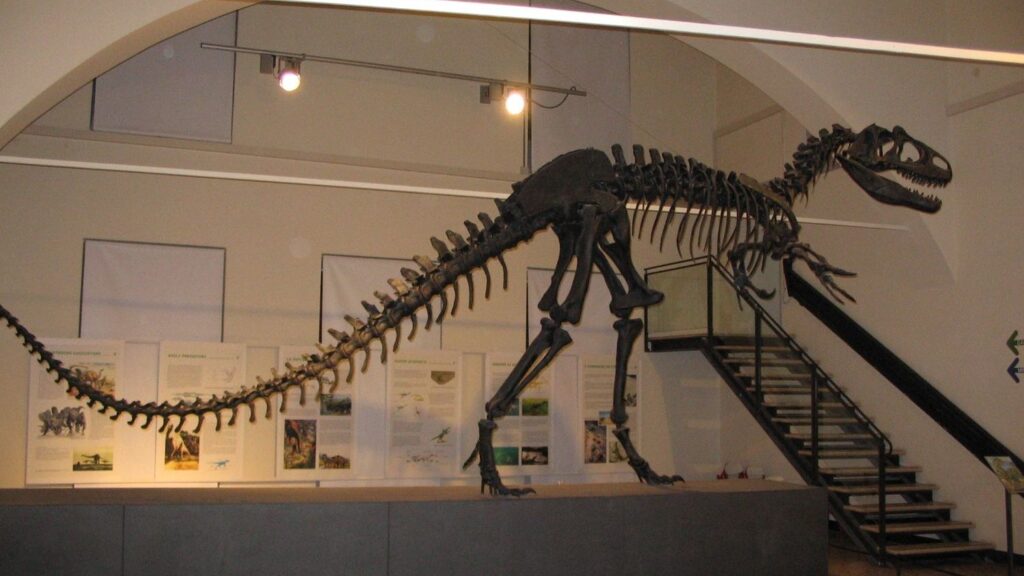
As the most abundant large predator of the Morrison Formation, Allosaurus was at the top of the food chain and probably preyed on large herbivorous dinosaurs such as ornithopods, stegosaurids, and sauropods. Let’s be real, this wasn’t some small-time predator. Measuring 25-35 feet (7-10 meters) long, Allosaurus was the most common carnivorous dinosaur in Morrison Formation ecosystems. The creature’s very name tells you something about its uniqueness.
The name “Allosaurus” means “different lizard”, alluding to its lightweight vertebrae, which Marsh believed were unique. Allosaurus is characterized by a large and slender head, crests over its forward-facing eyes, and many dagger-like serrated teeth, which means it had good depth perception for hunting prey and could easily tear into flesh. Honestly, if you encountered one of these beasts in its prime, running would’ve been your only option.
Built for the Kill: Anatomy of a Perfect Predator
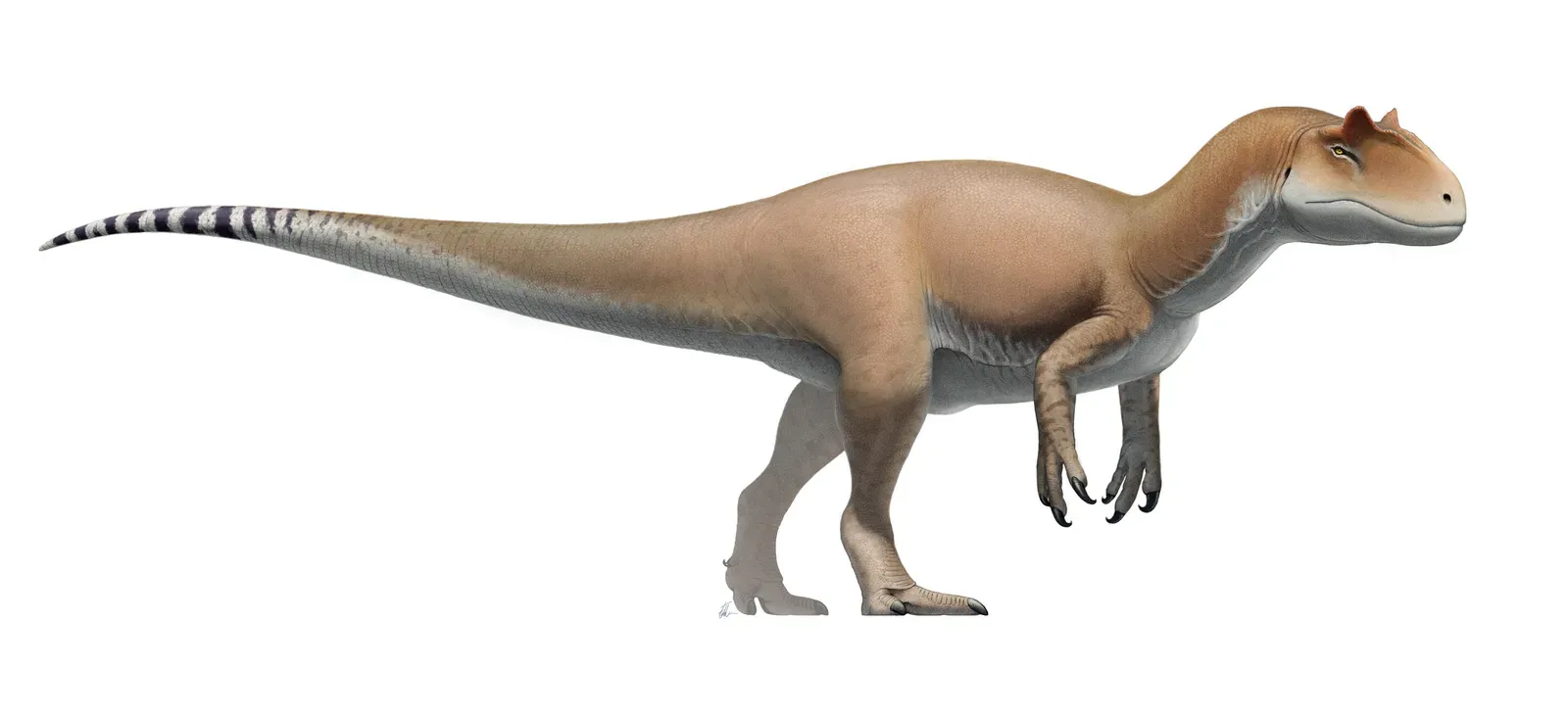
Allosaurus, a late Jurassic dinosaur, was a large fearsome predator with immense muscular jaws and long serrated teeth for eating flesh. What made this dinosaur particularly deadly wasn’t just its size. The snout of Allosaurus was narrower than the back part of the skull, which was stoutly built for predation, and the back part of the skull was also dropped down relative to the snout, allowing Allosaurus to have more teeth in contact with its prey when it snapped its jaws shut.
Think about that for a moment. This creature’s entire skull was engineered for maximum damage. Allosaurus had long muscular legs and was faster than other dinosaurs of the time, including the Sauropods that it hunted. Running on two feet, the carnivore sprints about 21 miles an hour, about as fast as a car driving through a neighborhood, and with eight-inch-long claws, it grabs Stegosaurus and chomps down with 70 sharp, thick teeth. Speed combined with weaponry like that made Allosaurus virtually unstoppable.
Colorado’s Fossil Gold Mine
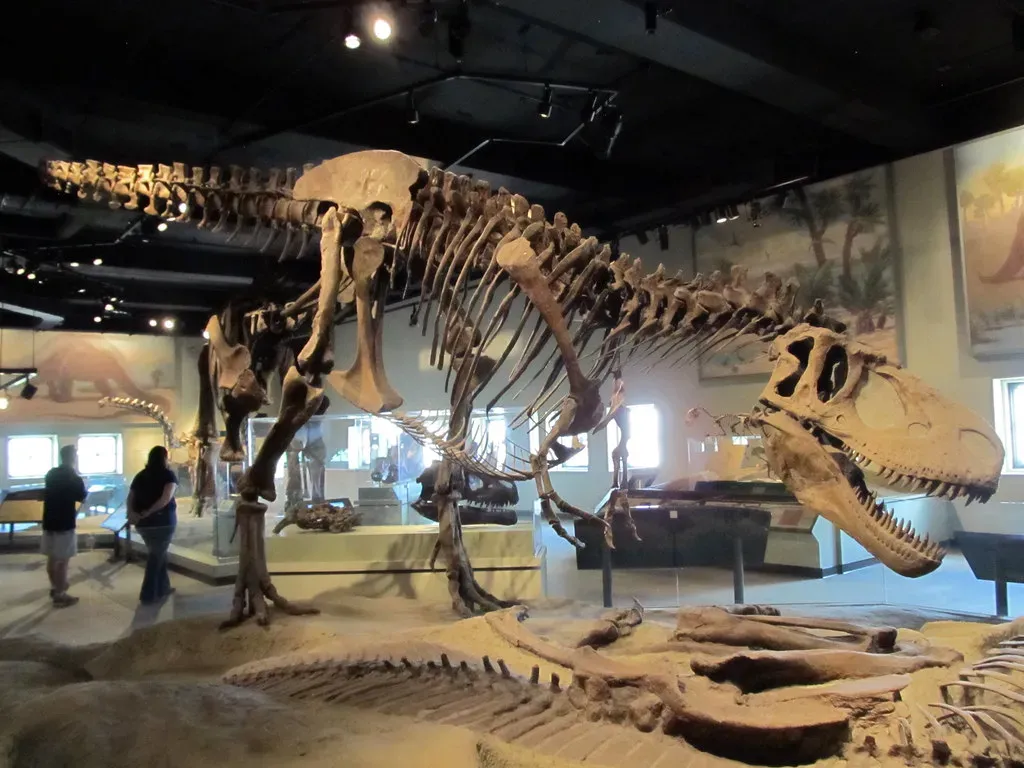
The first described fossil in the taxonomic history of Allosaurus came from Middle Park, near Granby, Colorado, probably from Morrison Formation rocks. This discovery opened the floodgates to what became known as the Bone Wars. The formation was named after Morrison, Colorado, where some of the first fossils were discovered by Arthur Lakes in 1877, and that same year, it became the center of the Bone Wars, a fossil-collecting rivalry between early paleontologists Othniel Charles Marsh and Edward Drinker Cope.
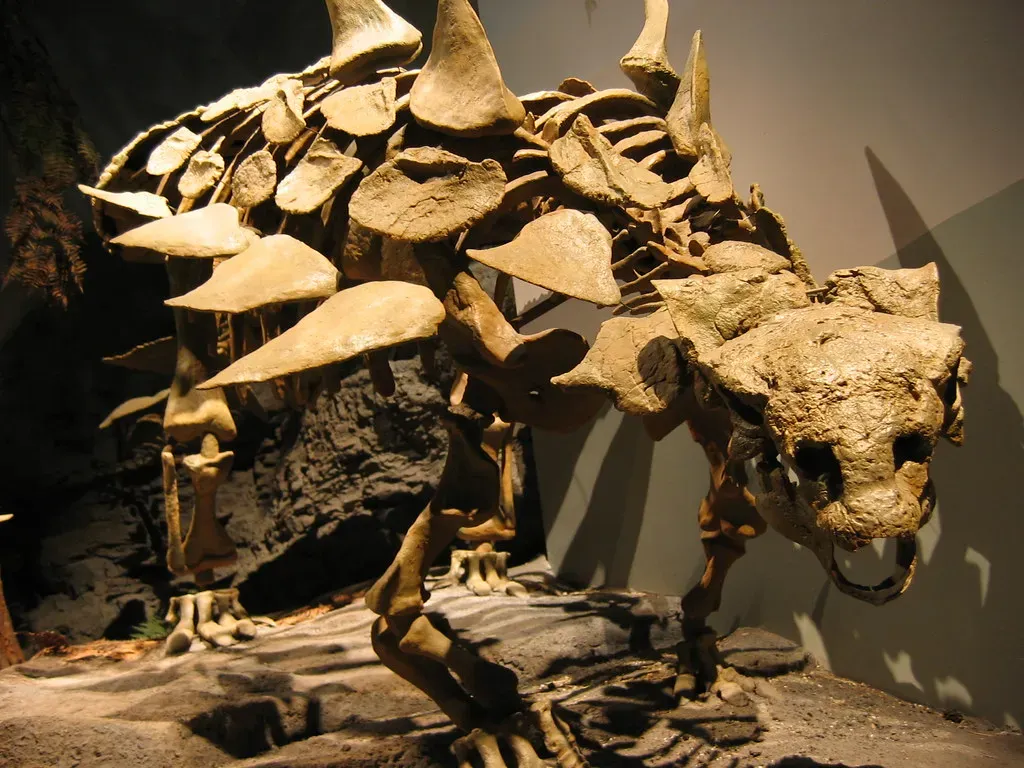
The rivalry between these two scientists might sound petty now, but it led to some of the most significant paleontological discoveries in history. Garden Park, Colorado was one of the three major sites excavated during the Bone Wars in 1877, and the first nearly complete skeletons of Stegosaurus, Ceratosaurus, and Allosaurus were discovered at the site in the 1883-1886 Yale field seasons. These weren’t just random bones scattered about. We’re talking about treasure troves that rewrote science textbooks.
Hunting Strategies and Feeding Behavior
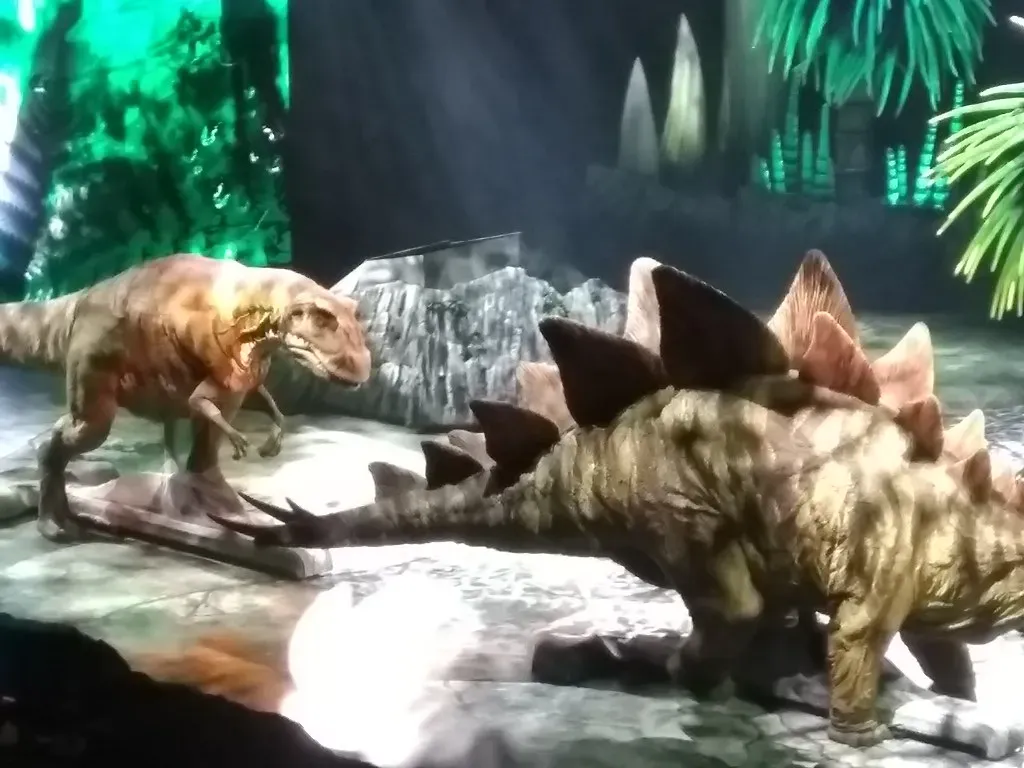
Here’s where things get really interesting. Recent research on dino skulls found that Allosaurus could open its jaw so wide that it might’ve sometimes slashed its toothy upper jaw at prey, like a sharp knife, and once it was time to grab a bite, Allosaurus likely ripped off pieces of meat by yanking its head backward, similar to how falcons and other raptors dine. This wasn’t your typical bite-and-hold predator.
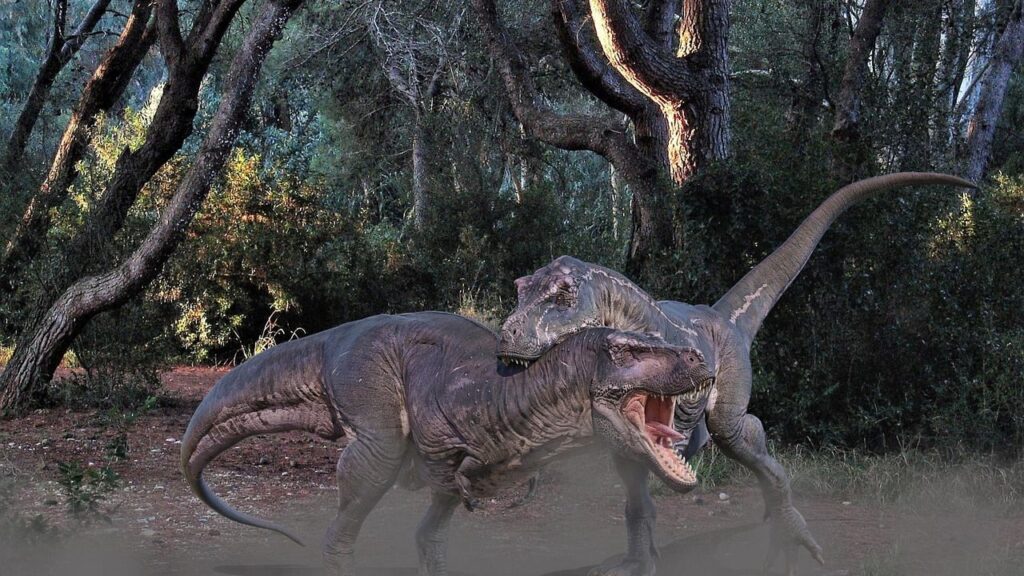
Scientists have debated whether Allosaurus had cooperative social behavior and hunted in packs or was a solitary predator that forms congregations, with evidence supporting either side. The truth is, we might never know for sure. It is possible that Allosaurus was also a scavenger, feeding upon carcasses of dead or dying animals. Whether hunting alone or in groups, whether chasing live prey or scavenging, Allosaurus adapted to survive in one of the most competitive ecosystems ever to exist.
Evidence of a Brutal Existence
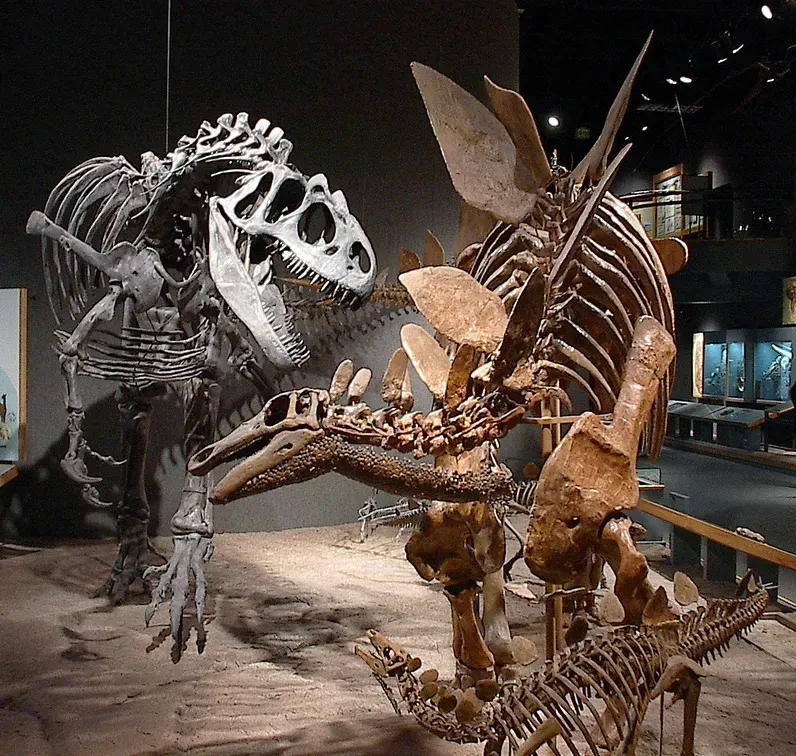
A recent study published in PLOS ONE examined over 2,000 dinosaur bones from the Mygatt-Moore Quarry in western Colorado, a site dating back 152 million years that is rich in fossilized remains from the Jurassic period. What researchers found was shocking. The bones revealed a high frequency of theropod bite marks, many more than are typically found at dinosaur-dominated fossil sites.
This tells us that life wasn’t easy, even for apex predators. Notable specimens, such as “Big Al,” have contributed significantly to our understanding of Allosaurus, and “Big Al,” in particular, has provided insights into the dinosaur’s growth patterns, health issues, and possible behavior, with the specimen exhibiting numerous injuries, suggesting a life filled with violent encounters and hardships. Every meal was a battle. Every day was a fight for survival.
A Legacy Written in Stone
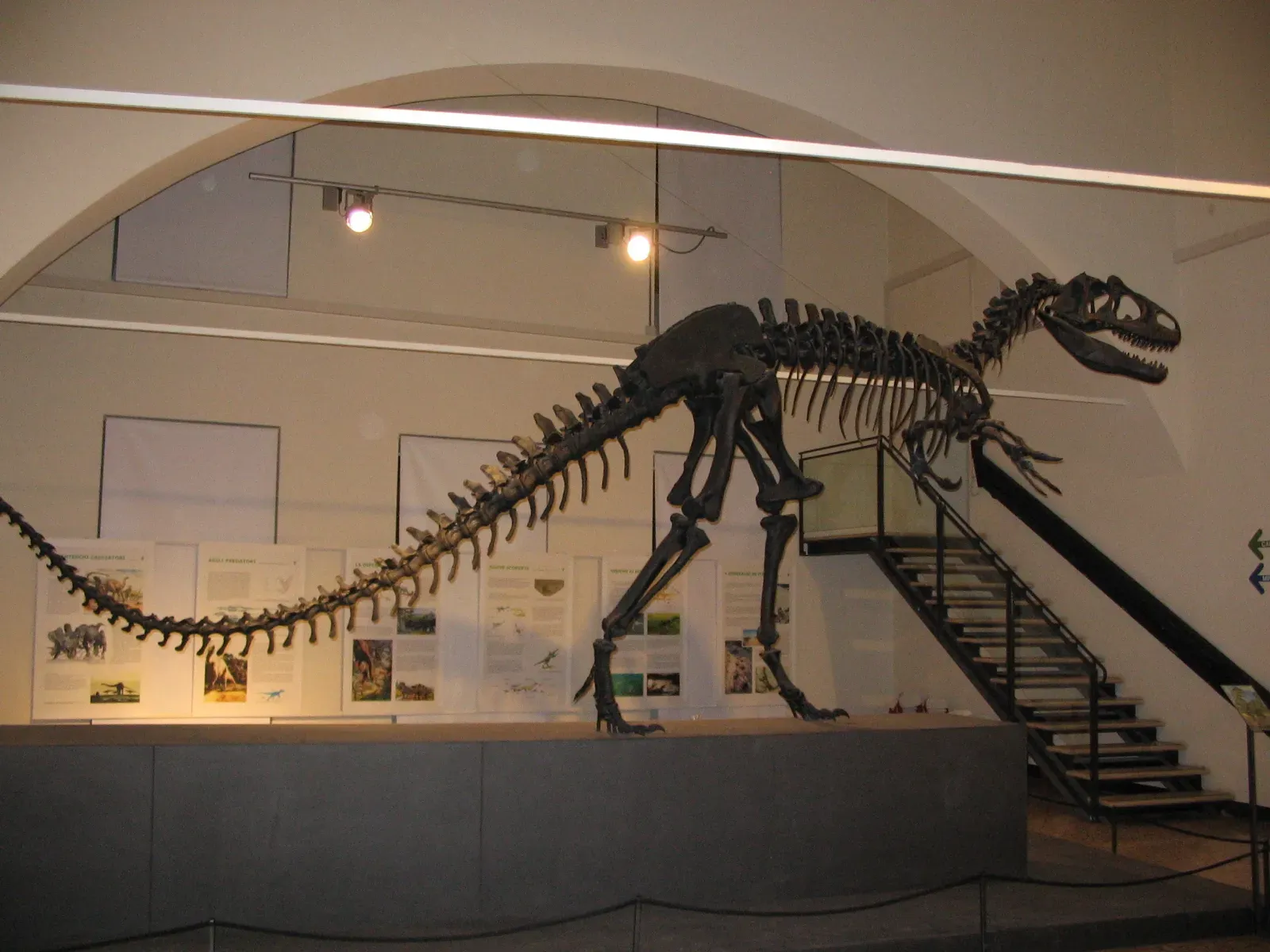
Stretching over 20 feet and sporting a mouthful of dagger-like teeth, Allosaurus terrorized other dinosaurs during the Late Jurassic Period some 150 million years ago, living in western North America alongside other well-known species like the armored Stegosaurus and a number of supersized sauropod dinosaurs like Diplodocus. The creature’s dominance shaped entire ecosystems. Many species of animals appeared to be thriving in the Morrison Formation at the end of the Jurassic, suggesting that the extinction was a relatively sudden event rather than a gradual dwindling of species over a more extended period.
Then, as quickly as they had dominated, they vanished. By the end of the late Jurassic, Allosaurus went extinct with many of the other dinosaurs during the faunal turnover leading into the Cretaceous. What caused this sudden shift remains one of paleontology’s great mysteries. These fearsome predators ruled Colorado’s ancient landscape for millions of years, leaving behind a fossil record so rich that scientists are still uncovering new insights today.
Standing in Colorado now, surrounded by mountains and modern civilization, it’s hard to imagine that beneath your feet lies evidence of one of nature’s most perfect killing machines. Allosaurus wasn’t just – it was a testament to evolution’s ability to create the ultimate predator. The rocks remember, even if we can barely comprehend the world they once inhabited. What do you think it would’ve been like to witness these magnificent creatures in their prime?