Picture yourself standing on a planet that’s been around for over four and a half billion years. You think the weather forecast is unpredictable now? Try imagining our planet frozen solid, covered in ice from pole to pole, or sweltering under temperatures that would make a sauna feel like a cool breeze. These aren’t scenes from a science fiction movie. Throughout Earth’s history, the planet’s climate has changed dramatically.
You might wonder how we even know about these ancient climate swings when nobody was around with a thermometer to measure them. Let’s be real, the answer lies in some pretty clever detective work that scientists have been piecing together for decades. Ready to travel back in time?
Reading Earth’s Hidden Climate Records
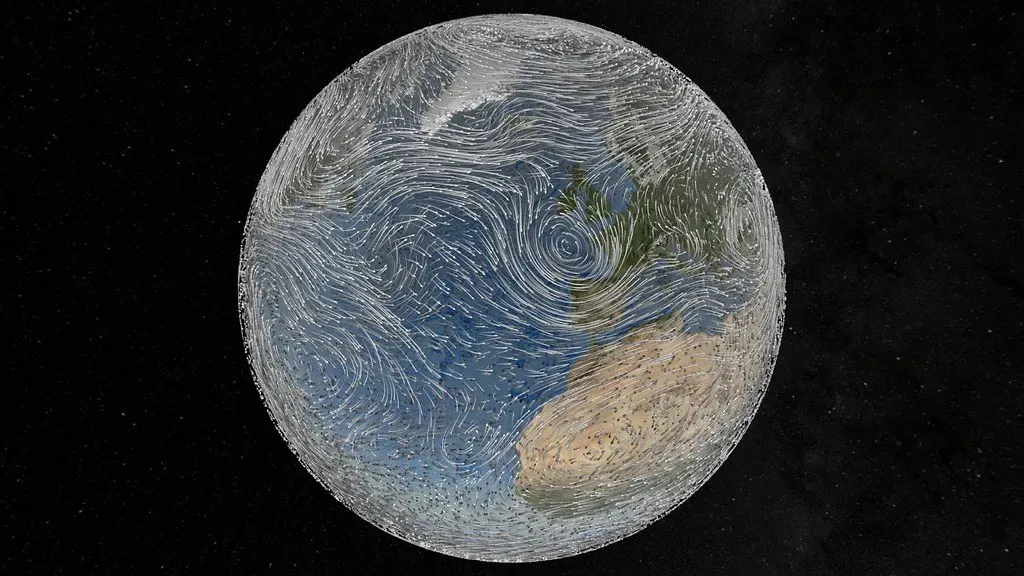
Scientists use a variety of proxy methods from Earth and life sciences to obtain data previously preserved within rocks, sediments, boreholes, ice sheets, tree rings, corals, shells, and microfossils. Think of these proxies as nature’s time capsules. Every layer of ice drilled from Antarctica, every ancient sediment pulled from the ocean floor, tells a story about what the climate was like millions of years ago.
Paleoclimatologists analyze isotopes of water in the annual layers of ice to determine the regional temperature when it fell as snow. The technique sounds complex, yet it’s actually quite elegant. By examining the ratio of different oxygen isotopes in these materials, researchers can reconstruct temperatures from periods long before humans walked the Earth. The really fascinating part is how multiple datasets from different locations around the world often agree with each other, giving us confidence that we’re reading Earth’s ancient diary correctly.
When Earth Became a Giant Snowball
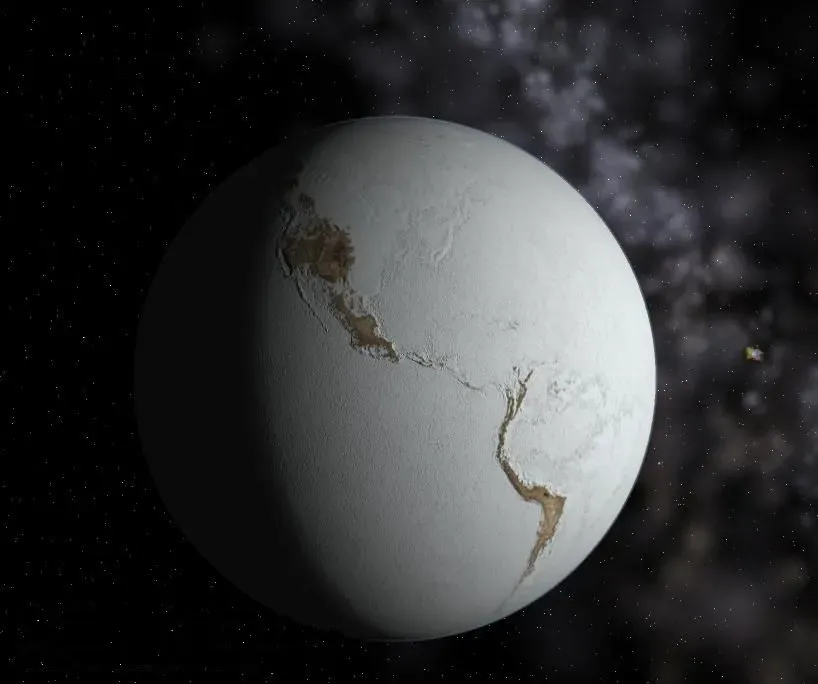
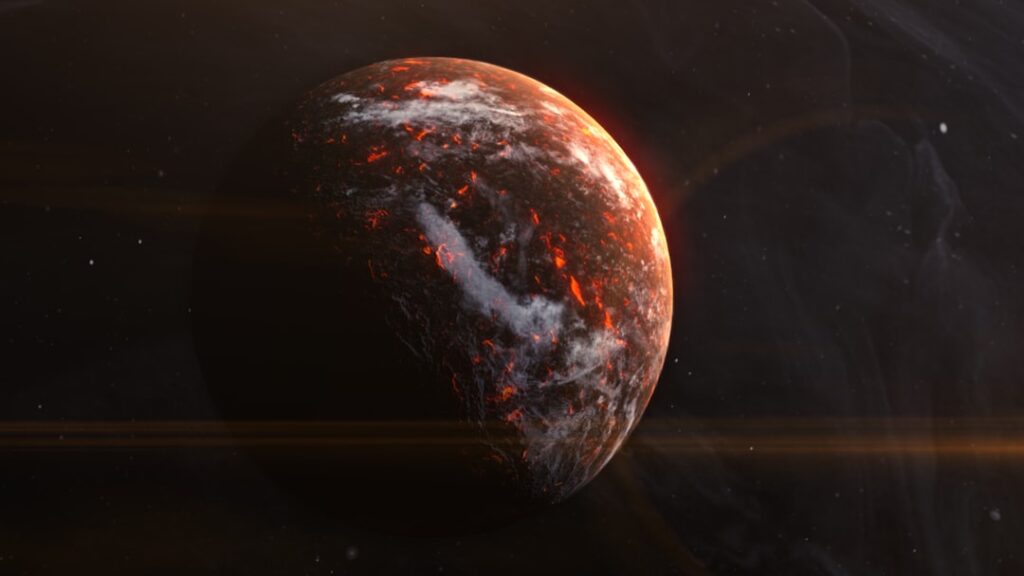
The Snowball Earth is a geohistorical hypothesis proposing that during one or more of Earth’s icehouse climates, the planet’s surface was nearly entirely frozen, with little or no liquid water exposed, most commonly associated with the Cryogenian Period, which included at least two major glacial episodes: the Sturtian and Marinoan. Imagine that. Our entire planet looking like one massive ice cube floating in space.
Models suggest that the global average temperature was about minus fifty degrees Celsius and the temperature at the equator would be similar to that at the poles today. This wasn’t just a harsh winter we’re talking about. This was a climate state so extreme that it’s hard to wrap your head around. The first Snowball lasted for fifty eight million years. Yet incredibly, life found a way to survive even under these brutal conditions.
Recent research from Scotland has revealed something surprising. These rocks preserve the full suite of climate rhythms we know from today, annual seasons, solar cycles, and interannual oscillations, all operating during a Snowball Earth. Even in the most frozen state imaginable, Earth’s climate system had an innate tendency to fluctuate.
The Ice Ages You Thought You Knew
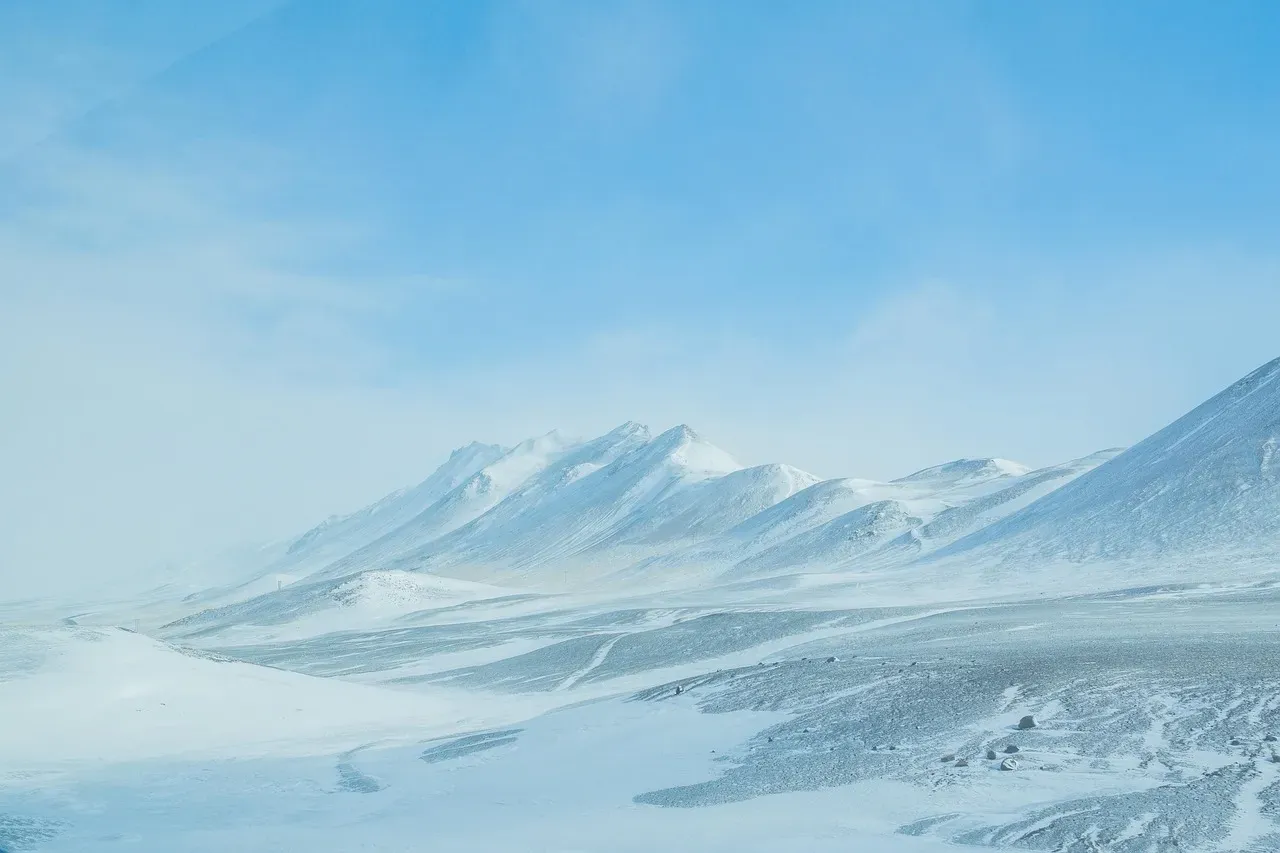
Over the very long term, Earth is currently in an icehouse period called the Late Cenozoic Ice Age, which started thirty four million years ago, with colder and warmer periods within this ice age. Here’s something that might surprise you: we’re technically still living in an ice age right now. Seriously. The presence of ice sheets in Greenland and Antarctica means the conditions are still met.
A team of scientists has nailed down the temperature at the peak of the last ice age, a time known as the Last Glacial Maximum, to about forty six degrees Fahrenheit. To put that in perspective, the average global temperature about twenty one thousand years ago was about six degrees Celsius colder than today. That might not sound like much, yet this temperature difference was enough to bury vast swaths of North America and Europe under massive ice sheets.
Thick ice sheets covered much of Europe and North America; in the UK, ice extended up to one thousand meters above your head. Picture walking through London with a kilometer of ice towering above you. It’s difficult to imagine now.
The Furnace Period: When Earth Overheated
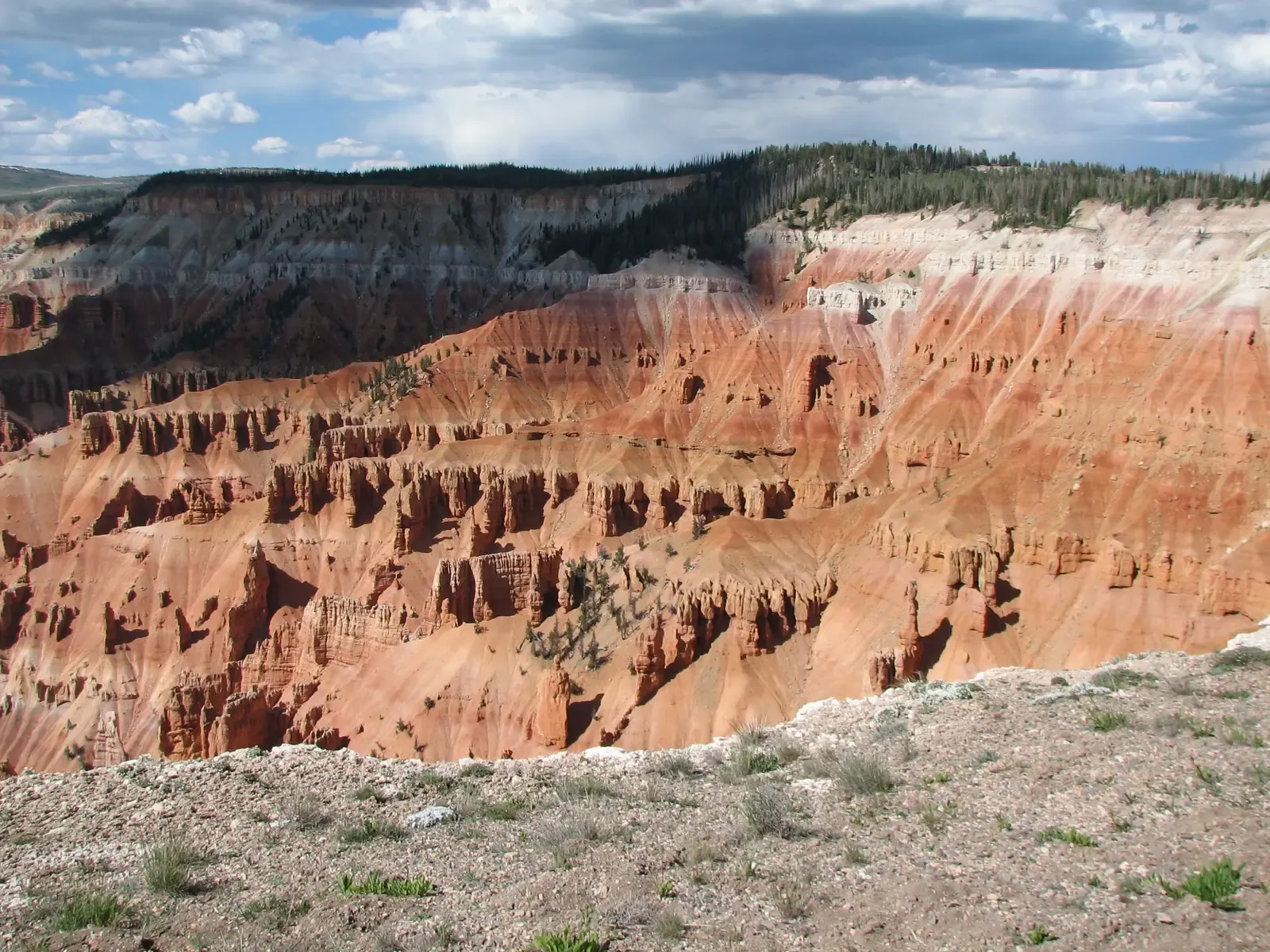
Now let’s flip the script entirely. The Paleocene Eocene Thermal Maximum was a geologically brief time interval characterized by a five to eight degrees Celsius global average temperature rise and massive input of carbon into the ocean and atmosphere, occurring around fifty five point eight million years ago. This event stands out as one of the most rapid warming episodes in Earth’s history.
Off the coast of Antarctica, a location today that is close to freezing, the oceans were about twenty degrees Celsius at the peak of the PETM. Can you imagine swimming in balmy waters near Antarctica? A recent paper indicates that temperatures off the coast of West Africa were thirty six degrees Celsius which is ninety seven degrees Fahrenheit. That’s essentially bathwater temperature, and frankly, nearly uninhabitable for most marine life.
The PETM was associated with the largest deep sea mass extinction event in the last ninety three million years and remarkable diversification of life in the surface ocean and on land. The oceans became more acidic, oxygen levels plummeted in the deep sea, and ecosystems were fundamentally transformed. Sound familiar? Scientists today study the PETM precisely because it offers insights into what rapid carbon release can do to our planet.
The Age of Giant Insects and Mega Oxygen
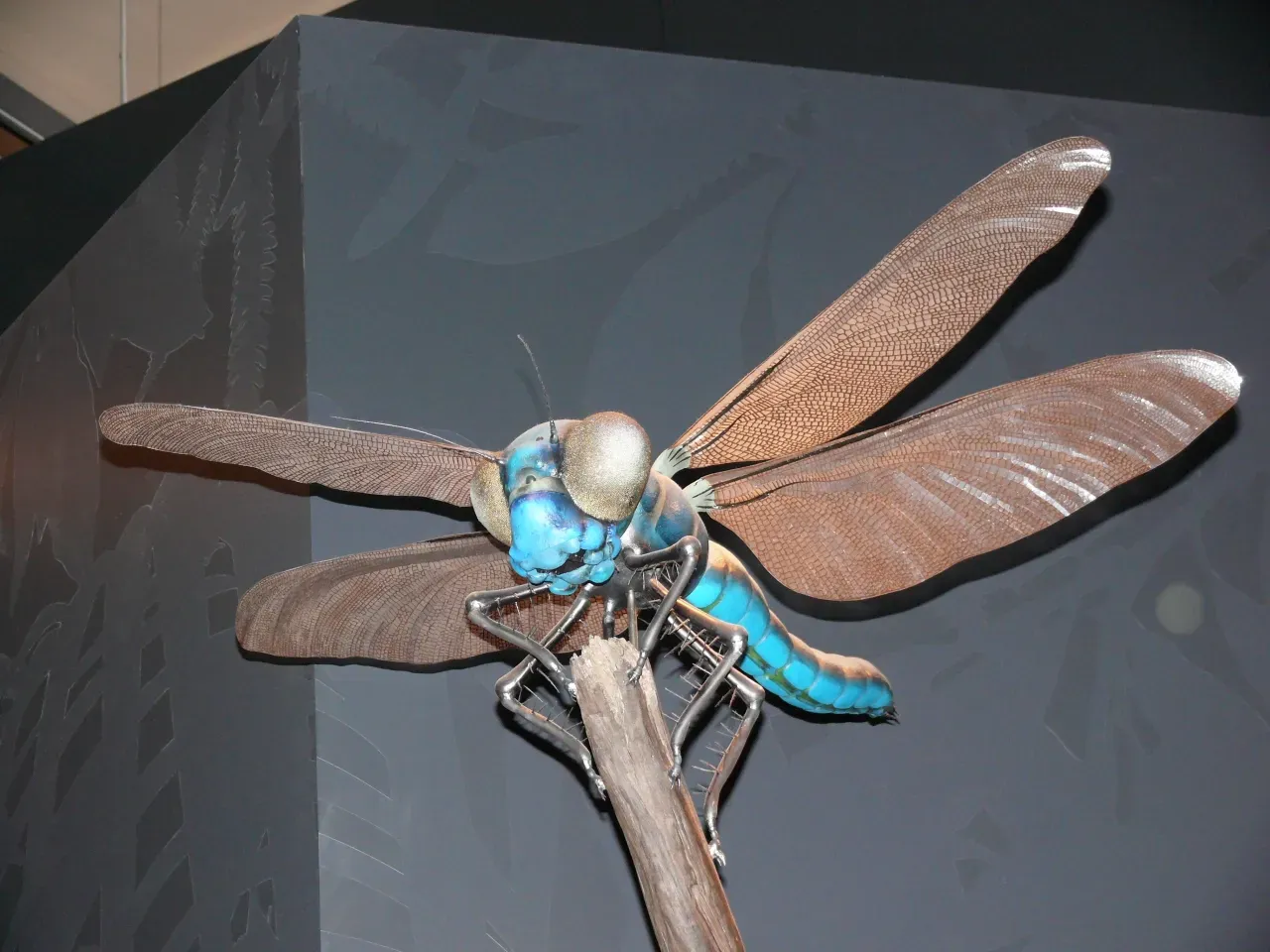
If you think oxygen levels have always been stable at today’s roughly twenty one percent, think again. The growth of vast forests removed huge amounts of carbon dioxide from the atmosphere, leading to a surplus of oxygen, with atmospheric oxygen levels peaking around thirty five percent during the Carboniferous period.
Here’s where things get really wild. A fossil dragonfly discovered in nineteen seventy nine had a wingspan of some twenty inches, with an even larger form with a thirty inch wingspan known from fossils of this Carboniferous time. These weren’t just big bugs. They were flying monsters made possible by an atmosphere supercharged with oxygen. Deadly poisonous centipedes some six feet in length crawled in the company of mammoth cockroaches and scorpions as much as three feet long.
The reason for these behemoths relates directly to insect physiology. Insects breathe through a network of tubes rather than lungs, and the amount of available oxygen directly limits how large they can grow. With thirty five percent oxygen available, evolution took full advantage.
What Drives These Massive Climate Swings
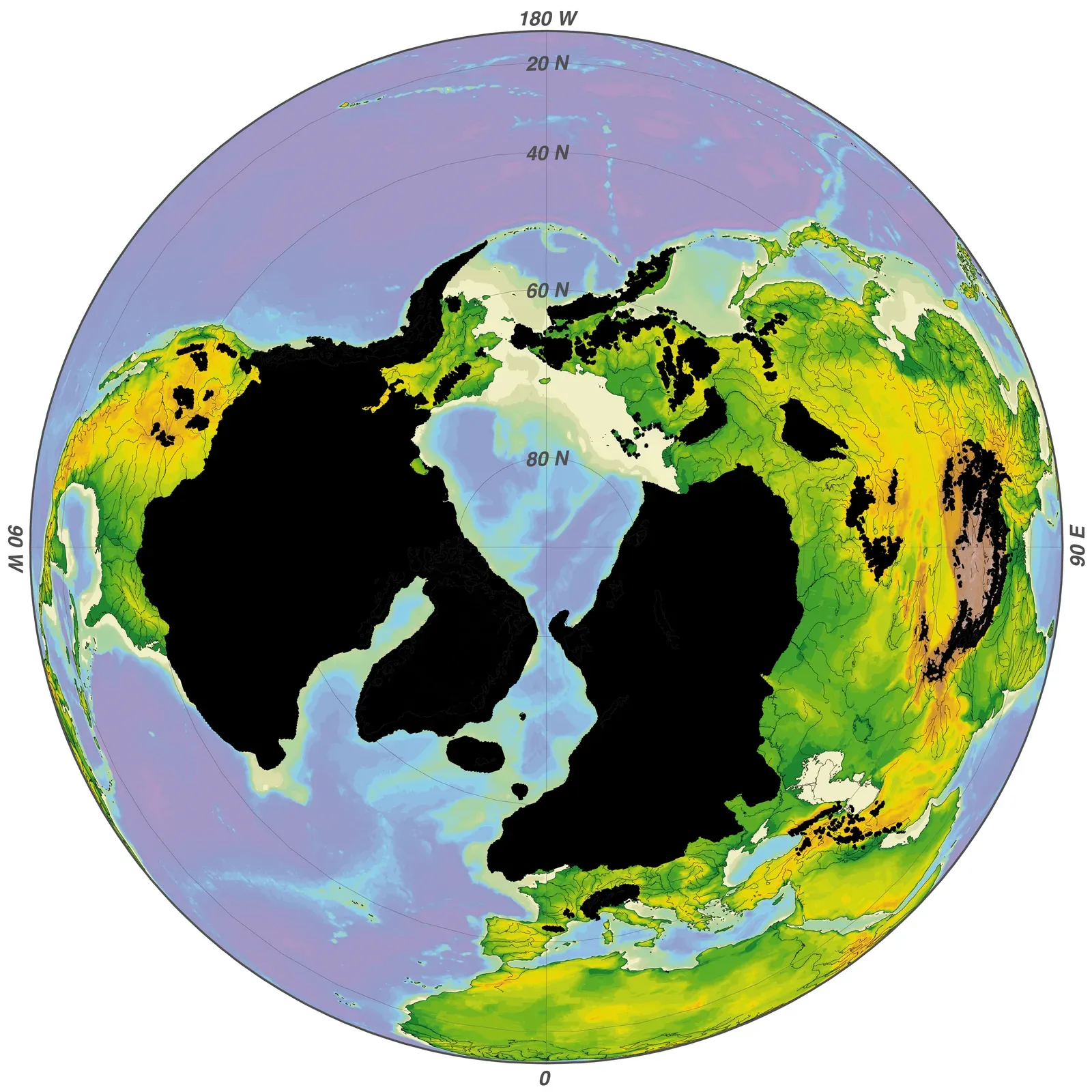
You’re probably wondering what causes these dramatic shifts. The answer isn’t simple, yet several key factors play crucial roles. The Milankovitch cycles are a set of cyclic variations in characteristics of Earth’s orbit around the Sun, with each cycle having a different length, and there is strong evidence that these cycles affect the occurrence of glacial and interglacial periods within an ice age.
When broadly viewing the paleoclimate record, one clear trend emerges: when the concentration of carbon dioxide in the atmosphere increases, temperature increases along with it, and vice versa. This relationship has held true for millions of years. It’s not speculation or theory anymore. It’s observed fact backed by countless data points from ice cores, sediments, and other climate archives.
One significant trigger in initiating ice ages is the changing positions of Earth’s ever moving continents, which affect ocean and atmospheric circulation patterns, and when plate tectonic movement causes continents to be arranged such that warm water flow from the equator to the poles is blocked or reduced, ice sheets may arise. Geography matters more than you might think when it comes to global climate.
Volcanic Eruptions and Climate Chaos
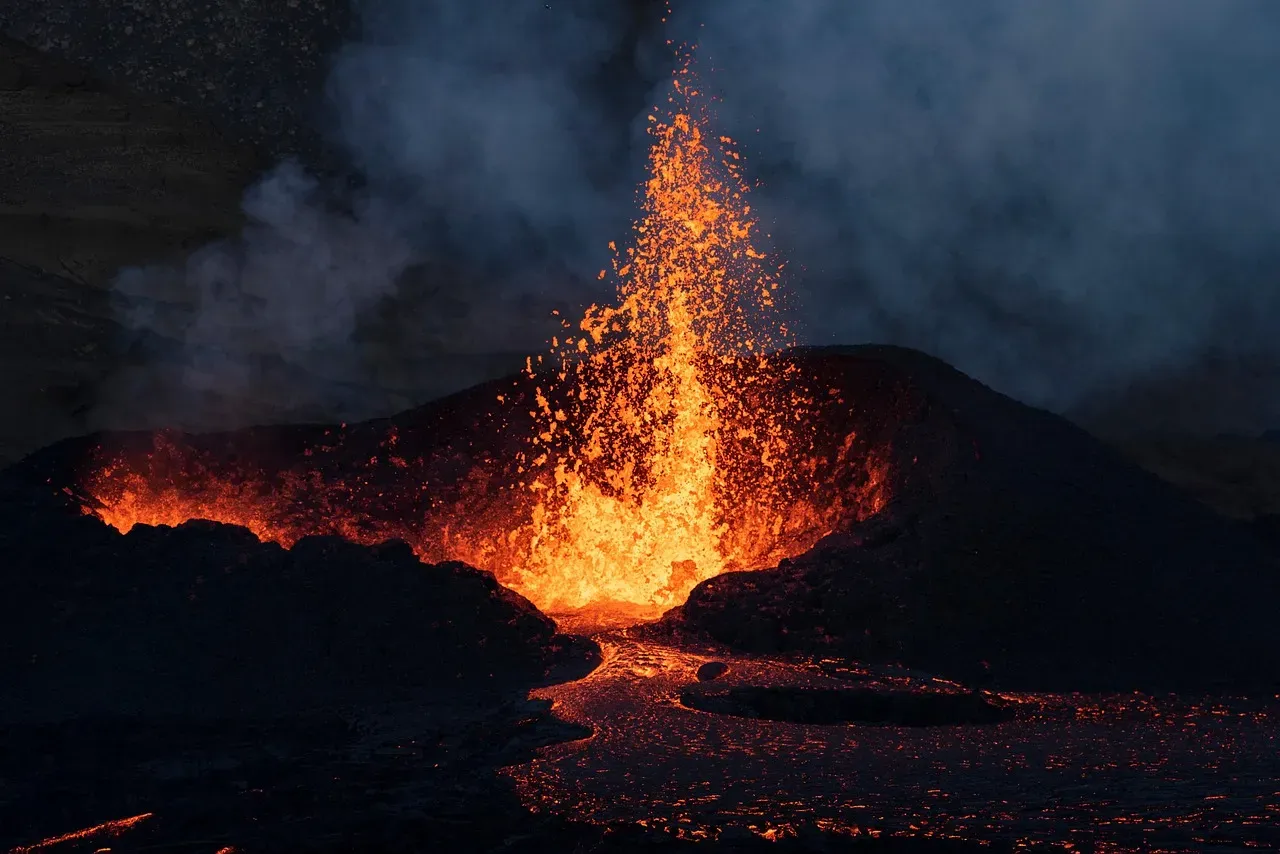
Cooling can be extremely rapid and catastrophic, with massive volcanic eruptions causing this by ejecting fine ash and sulfates into the atmosphere, including historic cold episodes beginning in various periods. Volcanoes can act as climate wildcards, capable of plunging the planet into temporary cold snaps that last for years or even decades.
Let’s consider the double edged sword of volcanic activity. One of the leading candidates for the cause of the observed carbon cycle disturbances and global warming during the PETM is volcanic activity associated with the North Atlantic Igneous Province, which is believed to have released more than ten thousand gigatons of carbon. Volcanoes can both cool and warm the planet depending on what they’re ejecting and over what timescale.
Recent modeling work has even suggested that asteroid impacts could trigger snowball Earth conditions. The impact winter following an asteroid impact comparable in size to the Chicxulub impact could have led to a runaway ice albedo feedback and global glaciation. Once ice starts forming, it reflects more sunlight back to space, causing more cooling, which creates more ice. It’s a vicious cycle.
Lessons From Deep Time
Paleoclimate studies indicate that most ancient changes in climate happened over very long periods of time, on the order of tens of thousands to millions of years, not one hundred or two hundred years. This is perhaps the most unsettling aspect of our current situation. The historic and geologic records contain no compelling evidence of rapid rises in temperature such as the Earth is currently experiencing.
At the end of the last ice age, seventeen thousand years ago, the Earth warmed about five and a half degrees Celsius over seven thousand years, about ten times slower than climate change today. Nature’s past experiments with rapid climate change, like the PETM, resulted in mass extinctions and fundamental ecosystem reorganization. We’re running an experiment on ourselves in real time, yet at a pace that’s essentially unprecedented in the geological record.
The Earth system is remarkably resilient, having been kicked around in a whole lot of ways throughout history, and if it gets a big input of carbon dioxide, it does take that carbon and put it back into sediments gradually over about a million years. Earth will be fine in the long run. The question is whether human civilization can weather the adjustment period.
Conclusion: Earth’s Climate Pendulum Never Stops Swinging
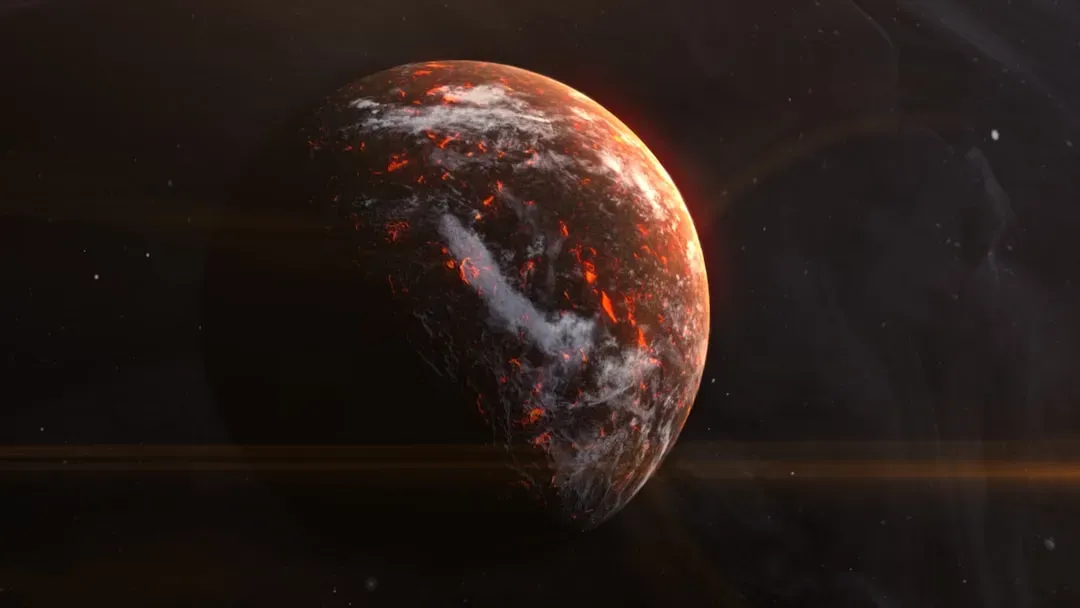
From frozen wastelands where ice stretched to the equator to greenhouse worlds where palm trees grew near the poles, Earth’s climate has swung between extremes that would be unrecognizable to us today. These weren’t minor adjustments. They were complete transformations of the planetary environment that rewrote the rules for what could survive and where.
The evidence preserved in ancient rocks, ice cores, and fossils tells us that our planet’s climate system is incredibly sensitive to changes in atmospheric composition, orbital mechanics, and continental configurations. What took millions of years in the past is now happening in decades. Earth has been both snowball and furnace, sometimes within the span of a few million years. The planet will adapt and survive whatever we throw at it. Life always finds a way, even if it takes a few million years to recover from the worst catastrophes.
What do you think is the most fascinating climate shift in Earth’s ancient past? Did anything surprise you about how dramatically different our planet once was?