You might walk through your neighborhood without giving it a second thought. Streets, buildings, trees swaying in the breeze. It all feels so permanent, doesn’t it?
Yet beneath your feet lies a record that tells an entirely different story. The ground you stand on has witnessed unimaginable transformations over billions of years. Think about it: our planet has been molten, frozen solid, dominated by creatures we’d barely recognize, and reshaped by forces so powerful they dwarf anything in recorded history. Here’s the thing though – those ancient events aren’t just interesting footnotes in a geology textbook. They’re actively influencing the world you experience right now, in ways that might surprise you. From the mountains you see on the horizon to the climate patterns affecting your daily weather, from the soil growing your food to the very air you breathe, Earth’s prehistoric past has left fingerprints everywhere. Let’s dive into how our planet’s ancient secrets continue to write the story of our present.
Ancient Rocks Tell Stories of a Planet in Constant Motion
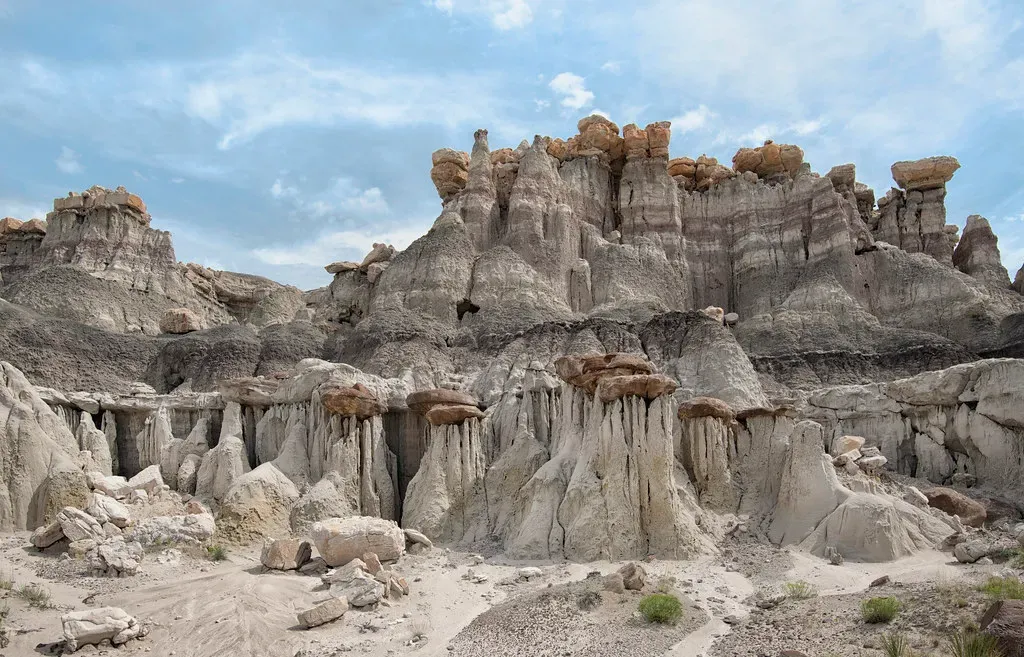
The exposed remnant of the ancient ocean floor, called the Nuvvuagittuq outcrops, dates to 4.16 billion years ago, making it the only rock determined to be from the first of four geological eons in our planet’s history: the Hadean. When researchers examine these incredibly old rocks in northern Quebec, they’re essentially holding pieces of Earth’s earliest days in their hands.
It’s hard to say for sure, yet these ancient formations provide glimpses into a world that was unimaginably different from ours. Earth formed approximately 4.54 billion years ago through accretion from the solar nebula, and initially, Earth was molten due to extreme volcanism and frequent collisions with other bodies. Imagine a hellish landscape where temperatures soared and the very ground beneath was liquid. That’s where we came from.
Scientists discovered that the remnants of supercontinents hidden deep within the mantle, the large zone beneath the planet’s thin crust, are older than previously thought. The finding suggests that the rocky mantle isn’t as uniformly blended by Earth’s internal churning as once believed. In fact, there are many hidden structures, such as these ancient tectonic plates, that may shape activity in the mantle and on Earth’s crust in ways yet to be understood.
This matters because these buried structures influence where earthquakes happen today and where volcanic activity emerges. You’re living on a planet with ancient memories stored deep inside.
The Atmosphere You Breathe Was Manufactured Over Billions of Years
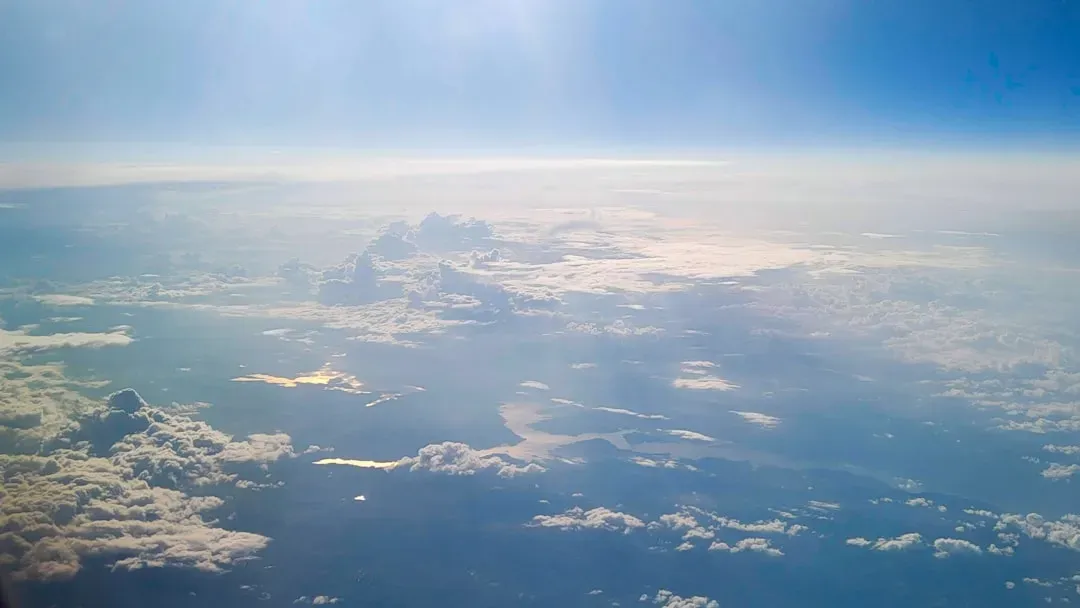
Let’s be real – you probably take breathing for granted. Yet the composition of our atmosphere is one of the most dramatic legacies of Earth’s deep past.
The Earth’s magnetic field was established 3.5 billion years ago. The solar wind flux was about 100 times the value of the modern Sun, so the presence of the magnetic field helped prevent the planet’s atmosphere from being stripped away, which is what probably happened to the atmosphere of Mars. Without that ancient magnetic shield, you wouldn’t be here reading this. Mars lost most of its atmosphere, becoming the cold, barren world we observe today.
To warm the planet above freezing, models show that the Archean atmosphere would have needed 100–1000 times more CO2 than present atmospheric level. Early Earth’s atmosphere was radically different, dominated by greenhouse gases that kept the planet warm enough for liquid water despite a dimmer young sun. Over time, life itself began rewriting atmospheric chemistry. The oxygen you depend on? That came from ancient microorganisms performing photosynthesis billions of years ago.
The transition wasn’t smooth either. Major climate shifts occurred throughout Earth’s history, creating feedback loops that still operate in modified forms today. Understanding how carbon dioxide and temperature were linked in the ancient past helps scientists predict what might happen as we alter atmospheric composition now.
Climate Lessons From a Planet That’s Been Hot, Cold, and Everything Between
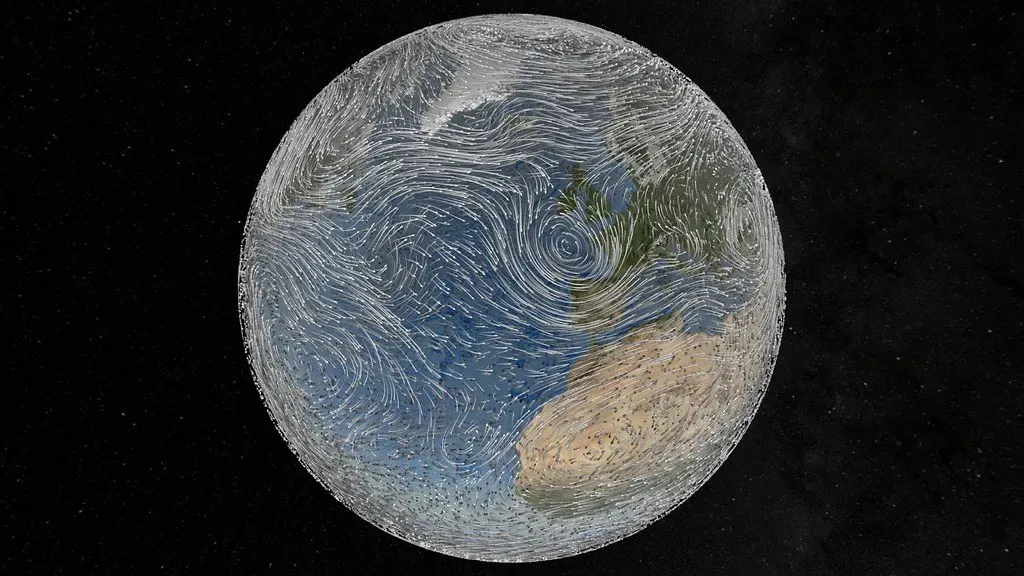
One of the warmest times was during the geologic period known as the Neoproterozoic, between 600 and 800 million years ago. Conditions were also sometimes sweltering between 500 million and 250 million years ago. And within the last 100 million years, two major heat spikes occurred: the Cretaceous Hot Greenhouse (about 92 million years ago), and the Paleocene-Eocene Thermal Maximum (about 56 million years ago).
These weren’t just minor temperature fluctuations. We’re talking about a planet dramatically different from today. Throughout Earth’s history, the planet’s climate has changed dramatically. The climate of ancient Earth is called its paleoclimate, and scientists study it to understand how Earth’s climate might change in the future.
Paleoclimate records show that whenever carbon dioxide levels rose, temperatures followed. This pattern has held for millions of years. Whenever CO2 rises, temperatures will rise too, a pattern that has held for the past 100 million years. It’s not speculation; it’s a fundamental relationship written in ancient rocks and ice.
There have been several past periods when the Earth’s temperature fell in this range. “And they look really, really different from today. Sea levels were 30 or 40 feet higher, vegetation patterns were quite different, rainfall patterns were quite different. So they give us a sense that a few degrees is a big deal.” Honestly, when you understand how dramatically different Earth looked with just a few degrees of warming, current climate discussions take on new urgency.
Mountains and Continents That Wandered Across the Globe
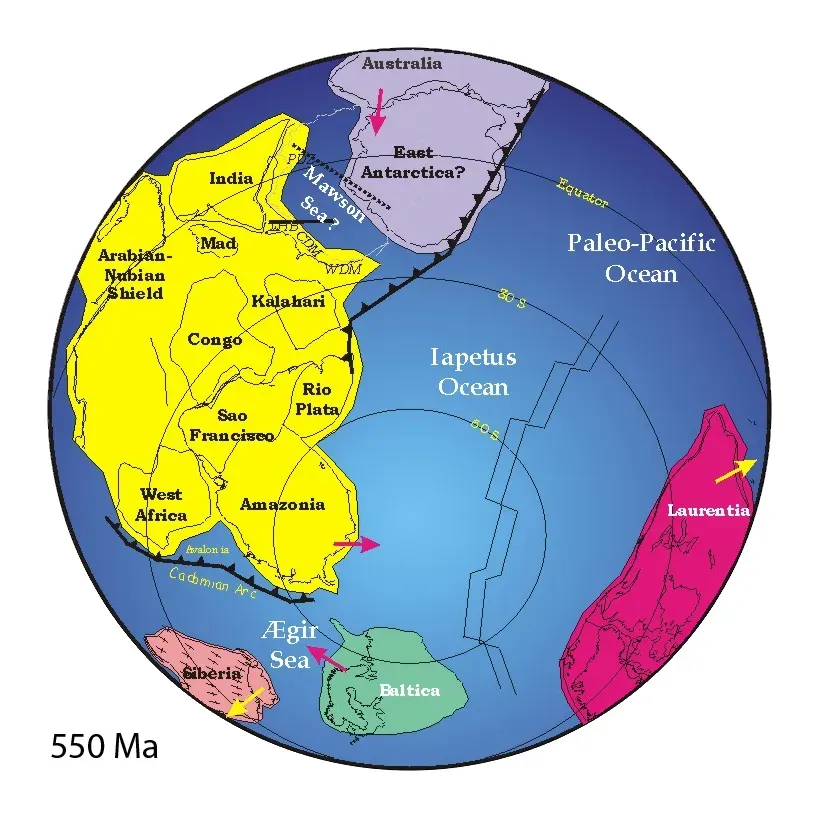
The land beneath you hasn’t always been where it is now. Actually, it’s been on quite a journey.
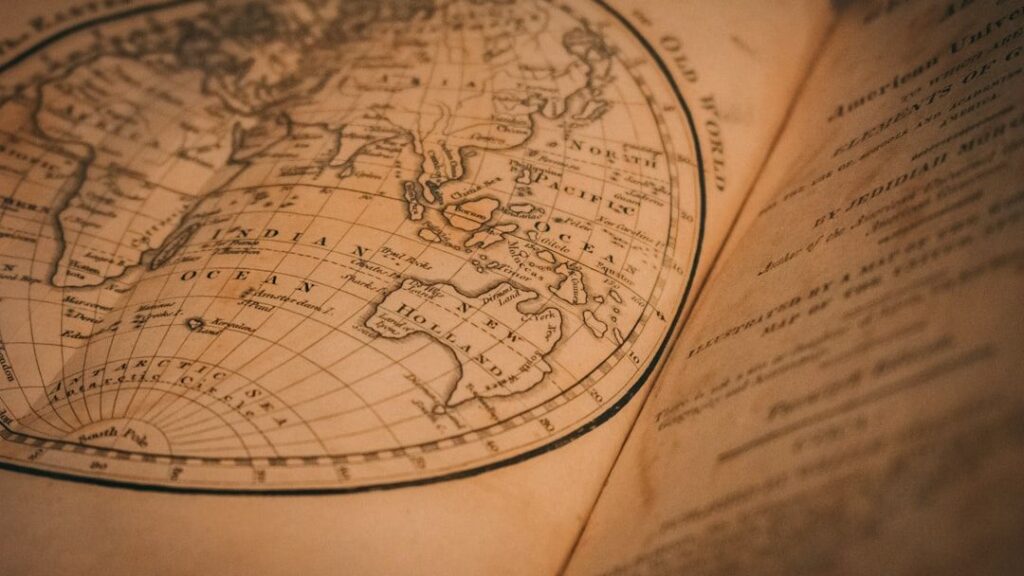
Laurasia became North America and Eurasia, while Gondwana split into South America, Africa, Australia, Antarctica and the Indian subcontinent, which collided with the Asian plate. This impact gave rise to the Himalayas. Those towering peaks weren’t just pushed up randomly – they represent the collision of continents that drifted across the planet over millions of years.
Fossil evidence and mountain belts provide some of the clues. For example, the Permian-age fossil plant Glossopteris had seeds too heavy to be blown across an ocean. Yet Glossopteris fossils are found in South America, Africa, Australia, India, and Antarctica! The mountain belts along the margins of North America, Africa, and Europe line up as well and have similar rock types, an indication that the continents at one time were joined as Pangaea.
This ancient supercontinent’s breakup shaped modern geography, biodiversity, and even weather patterns. The breakup of Pangea not only shaped our modern world’s geography, but biodiversity at the time as well. Species evolved in isolation on separated landmasses, creating the diversity of life we see today. The Atlantic Ocean? It’s essentially a gap that opened as continents drifted apart. Your location on Earth is temporary on geological timescales.
Mass Extinctions That Reset the Biological Clock
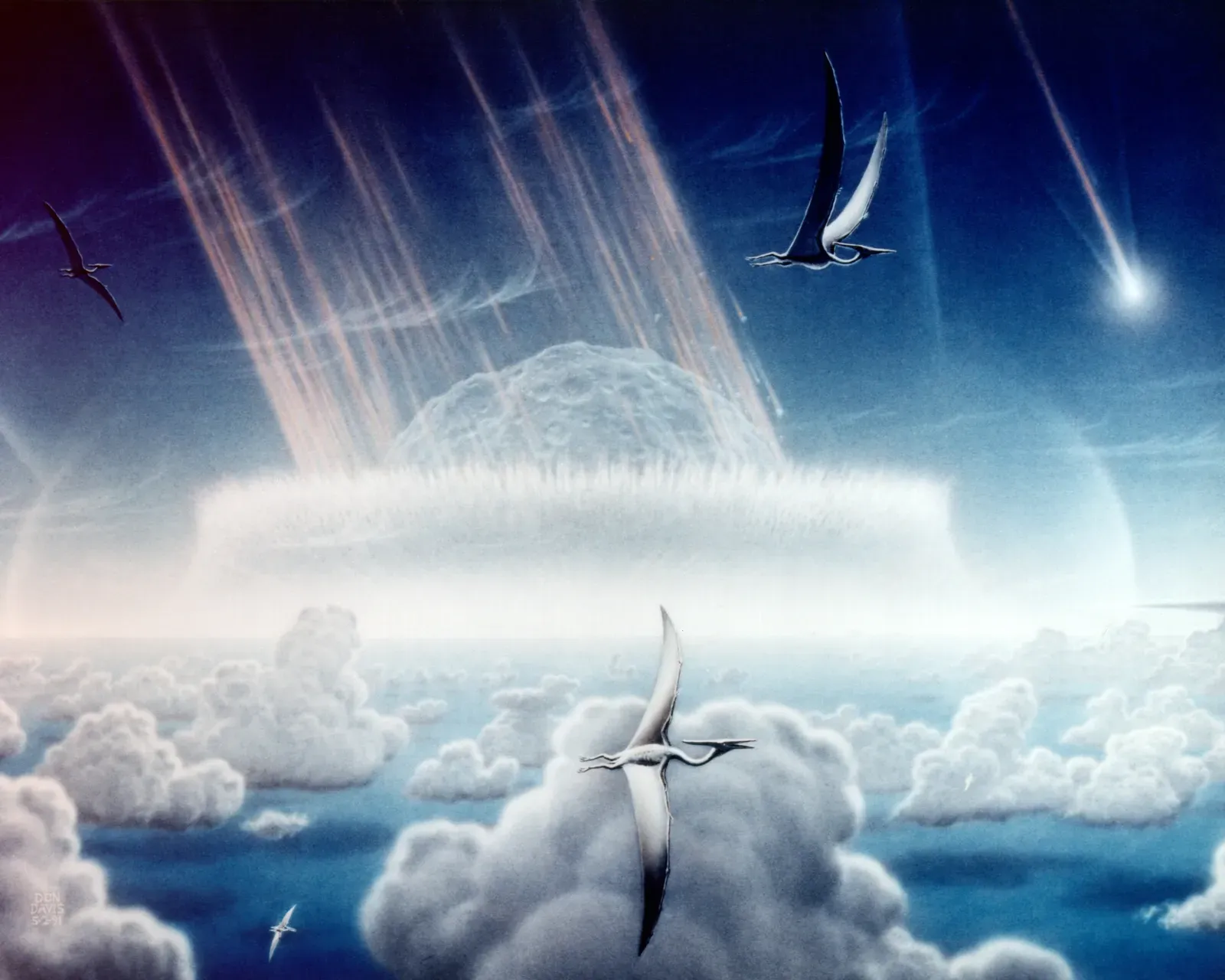
Life on Earth has faced some catastrophic resets. I know it sounds crazy, but nearly all life has been wiped out more than once.
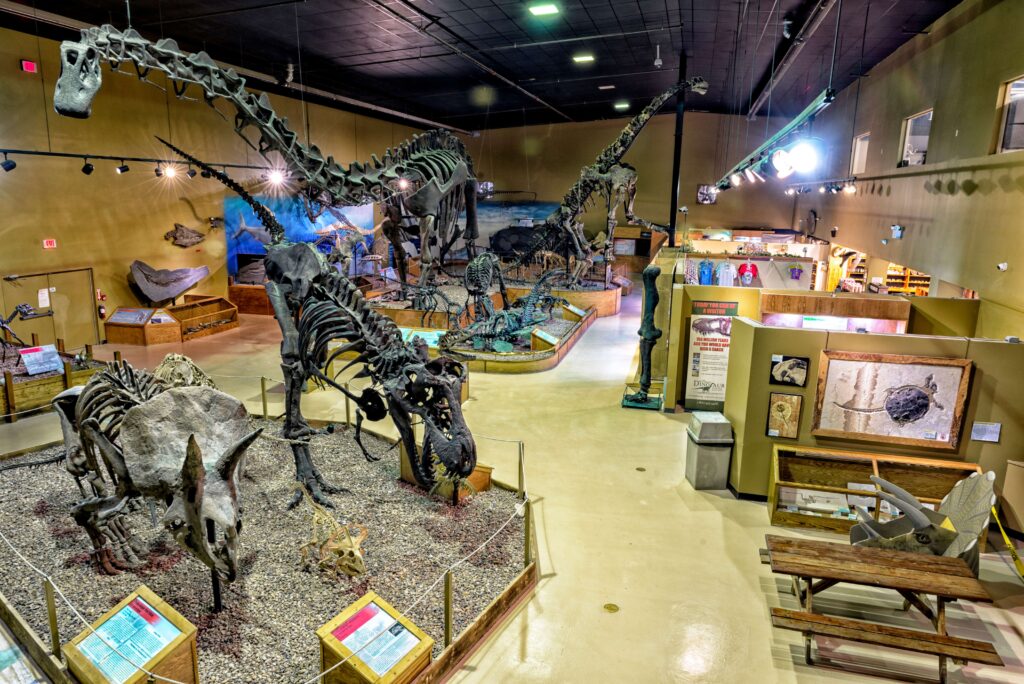
Similar to the end of the Paleozoic era, the Mesozoic Era ended with the K-Pg Mass Extinction (previously known as the K-T Extinction) 66 million years ago. This extinction event was likely caused by a large bolide (an extraterrestrial impactor such as an asteroid, meteoroid, or comet) that collided with earth. The dinosaurs’ reign ended suddenly, creating opportunities for mammals to flourish and eventually lead to human evolution.
Yet that wasn’t the worst extinction event. The Permian Age extinction at 250 million years ago is believed to have wiped 95% of life from the planet. Imagine nearly everything alive simply vanishing. The causes involved massive volcanic eruptions, climate chaos, and ocean chemistry changes.
These ancient catastrophes fundamentally shaped which lineages survived and which disappeared forever. In the absence of the dinosaurs, mammals began to flourish, and the Cenozoic Era is often called “the age of the mammals.” Without that asteroid impact, you almost certainly wouldn’t exist – mammals might never have dominated, and primates would never have evolved.
How Prehistoric Humans Left Marks That Echo Through Millennia
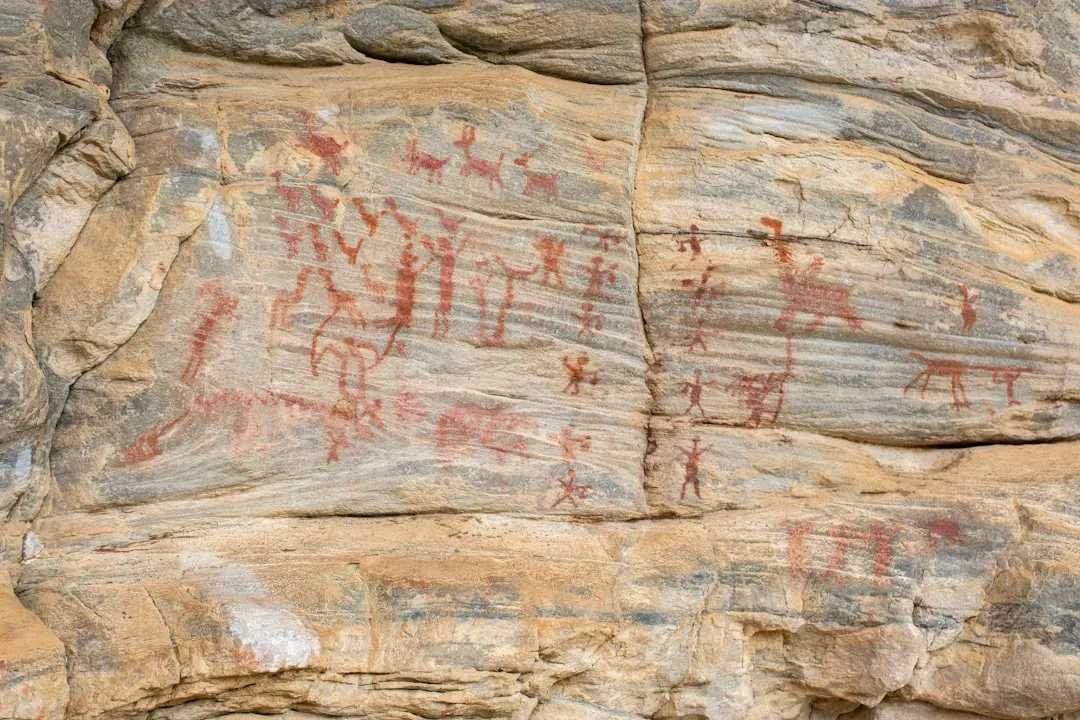
Even our own species has a longer environmental track record than most people realize. The idea that humans only recently started affecting ecosystems is actually wrong.
Prehistoric human-driven extinctions in addition to recent ones were probably an important influence on present global mammal diversity patterns. They even suggested that areas normally thought by ecologists to be biodiversity hot spots, like mountains, may in fact reflect their role as refuges for species otherwise affected by hunting and habitat destruction, rather than reflecting a natural pattern.
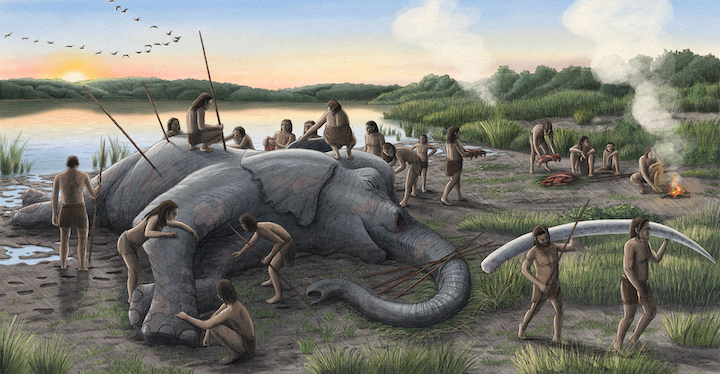
Your ancestors were more powerful than you might think. A battery of such studies is beginning to point firmly to the prehistoric human colonisation of new parts of the planet as a major driver of extinction and environmental change; possibly the leading cause of the megafauna extinctions. When humans arrived in new continents, large animals often disappeared shortly afterward.
Large herbivores played a role in regulating vegetation, which in turn affected carbon storage and albedo (the reflectivity of the Earth’s surface). The shift from grasslands to forests in some regions increased carbon sequestration but also reduced surface reflectivity, potentially contributing to local and regional climate changes. These changes rippled through entire ecosystems, altering landscapes in ways that persisted for thousands of years. The “pristine wilderness” people imagine before European colonization often actually reflected millennia of human landscape management through controlled burning and selective hunting.
Ancient Ecosystems That Don’t Exist Anymore
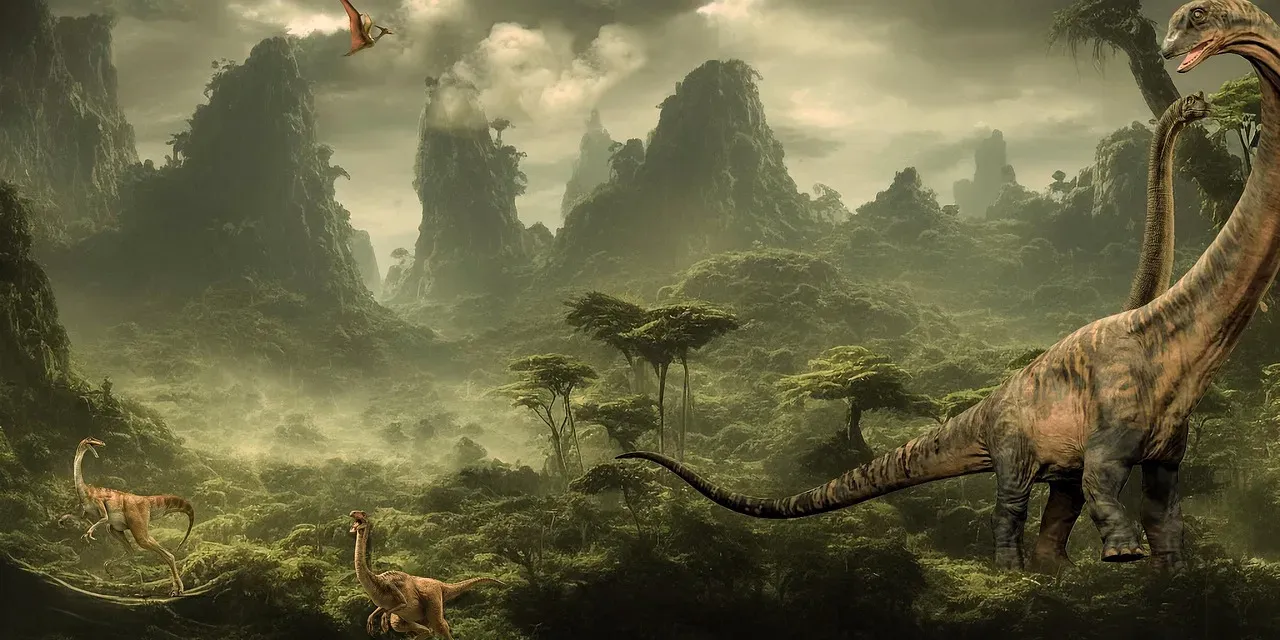
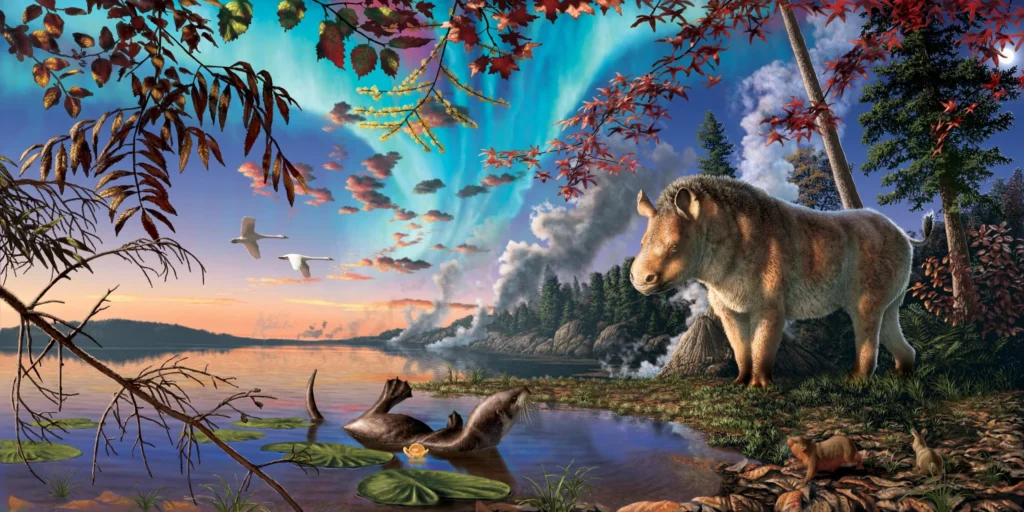
To understand the environmental pressures that shaped human evolution, scientists must first piece together the details of the ancient plant and animal communities that our fossil ancestors lived in over the past 7 million years. Because putting together the puzzle of millions-of-years-old ecosystems is a difficult task, many studies have reconstructed the environments by drawing analogies with present-day African ecosystems, such as the Serengeti. A study led by a University of Utah scientist calls into question such approaches and suggests that the vast majority of human evolution occurred in ecosystems, unlike any found today.
This is fascinating because it means we evolved in environments we literally cannot visit or fully recreate. For all of these traits, they found that the makeup of ancient herbivore communities differed significantly from those of today. This is key, as herbivores directly shape the structure of ecosystems in ways that impact a wide variety of animal and plant species.
The combinations of species, the climate patterns, the vegetation structures – they were fundamentally different. Nearly all of the transitions between one cultural period and the next occurred at times of ecological and environmental changes. Thus the Paleoindian period, 13,500 to 11,250 years ago, was characterized by the presence of cold-adapted plants such as sedges and spruce and pine trees; the so-called Early Archaic period, 11,250 to 8200 years ago and corresponding to warmer climes, saw a decrease in pine and an increase in oak trees.
Our ancestors adapted to changing conditions repeatedly, developing new tools and strategies as ecosystems transformed around them. That adaptability is part of your inherited toolkit.
Ice Ages and the Rhythms That Still Influence Modern Climate
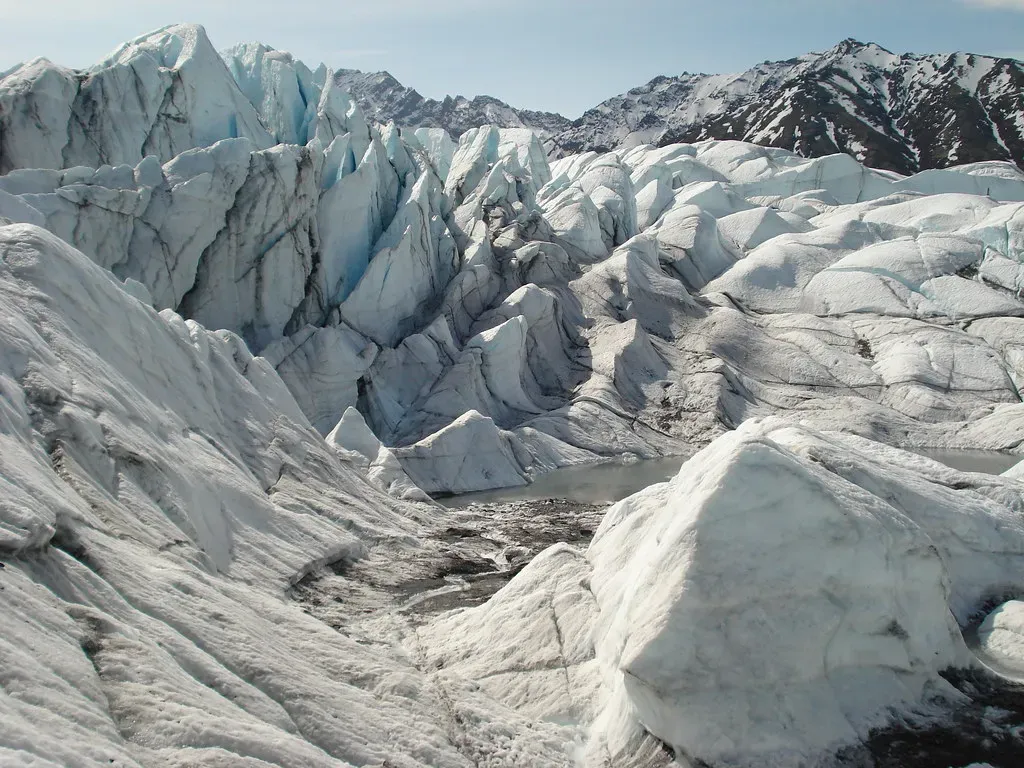
It was only roughly 12,000 years ago that the world was in an “ice age” mode. Ice ages have occurred many times in Earth’s history. These weren’t brief cold snaps – they were extended periods when ice sheets covered vast portions of continents.
The cycles of ice ages follow patterns related to Earth’s orbital variations, called Milankovitch cycles. These continue to operate today, though human influences now complicate the picture. These warming upticks are related to variations in Earth’s climate like Milankovitch cycles. In the last 500,000 years, there have been 5 or 6 interglacials, with the most recent belonging to our current time, the Holocene.
We’re living in an interglacial period – essentially a warm break between ice ages. At the end of the last ice age, 17,000 years ago, the Earth warmed about 5.5° C over 7,000 years – about ten times slower than climate change today, but fast by the standards of the past. “And in that time period, we see the biggest rainfall changes that the world has seen in the last 100,000 years. The biggest droughts in West Africa, the biggest collapses of the Asian monsoon, the wettest times in South America, the wettest times in the American West.
These dramatic shifts happened during transitions, not just at climate extremes. It’s the adjustment periods that caused the most disruption. Something to think about as our climate changes far more rapidly today.
Conclusion: Reading Earth’s Autobiography
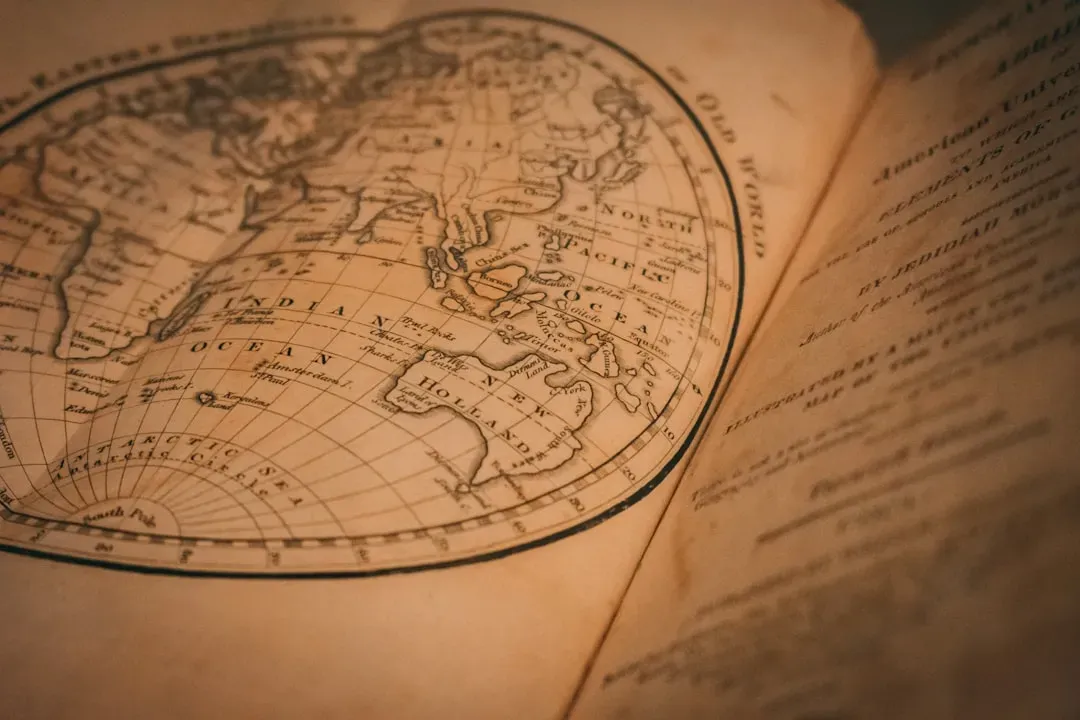
Our planet has quite the résumé. From a molten hellscape to a snowball possibly frozen solid, from continents colliding to create mountains that still tower today, from mass extinctions to the slow accumulation of oxygen in the air – Earth’s history is written everywhere around you.
Understanding past climate changes helps us understand how Earth’s climate is changing now, and how it might further change in the future. The rocks, the atmosphere, the continents, the ecosystems – they’re all products of billions of years of planetary evolution. You’re not just living on Earth; you’re living within its ongoing story.
The mountains you admire, the weather patterns you experience, the diversity of life you encounter, even the soil that grows your food – all carry the signature of Earth’s ancient past. These aren’t just interesting facts for trivia night. They’re the foundation of everything we depend on. When we understand how profoundly the past shapes the present, we gain perspective on how our current actions might shape the future. What ancient secrets do you think still remain buried, waiting to reshape our understanding of Earth? The planet has been keeping records far longer than we’ve been around to read them.