There’s something fascinating about realizing that our planet has been through so much more than we often imagine. When you think about climate change, it’s easy to assume the patterns we see today are somehow unique to our modern world. Here’s the thing though. Earth has been a climate shape shifter for billions of years, swinging between extremes that would make our current concerns look almost modest by comparison.
The Mesozoic Era, spanning from about 252 to 66 million years ago, tells a story of dramatic environmental transformation featuring hot greenhouse climates and the tectonic breakup of Pangaea. This was the age when dinosaurs ruled, but more importantly for our purposes, it was a time when climate variability wasn’t an anomaly but the norm. Understanding what happened back then isn’t just an academic exercise. It gives us perspective on how dynamic our planet’s climate system truly is.
A Greenhouse World Without Polar Ice
Earth’s climate during the Mesozoic Era was generally warm, with much less difference in temperature between equatorial and polar latitudes than exists today. Imagine dense forests growing near both poles. No ice caps anywhere. Unlike today, there were no polar ice caps during most of this era.
The temperatures weren’t just a bit warmer either. The whole Earth is modelled to have been warmer than now by 5 to 10 degrees Celsius, creating conditions so different from today that they challenge our understanding of what normal climate actually means. Dense forests grew close to both poles and experienced months-long daylight, with warm summers and cold, sometimes snowy winters in darkness. It’s hard to say for sure, but life found ways to thrive in conditions we might consider extreme.
The Carbon Dioxide Connection
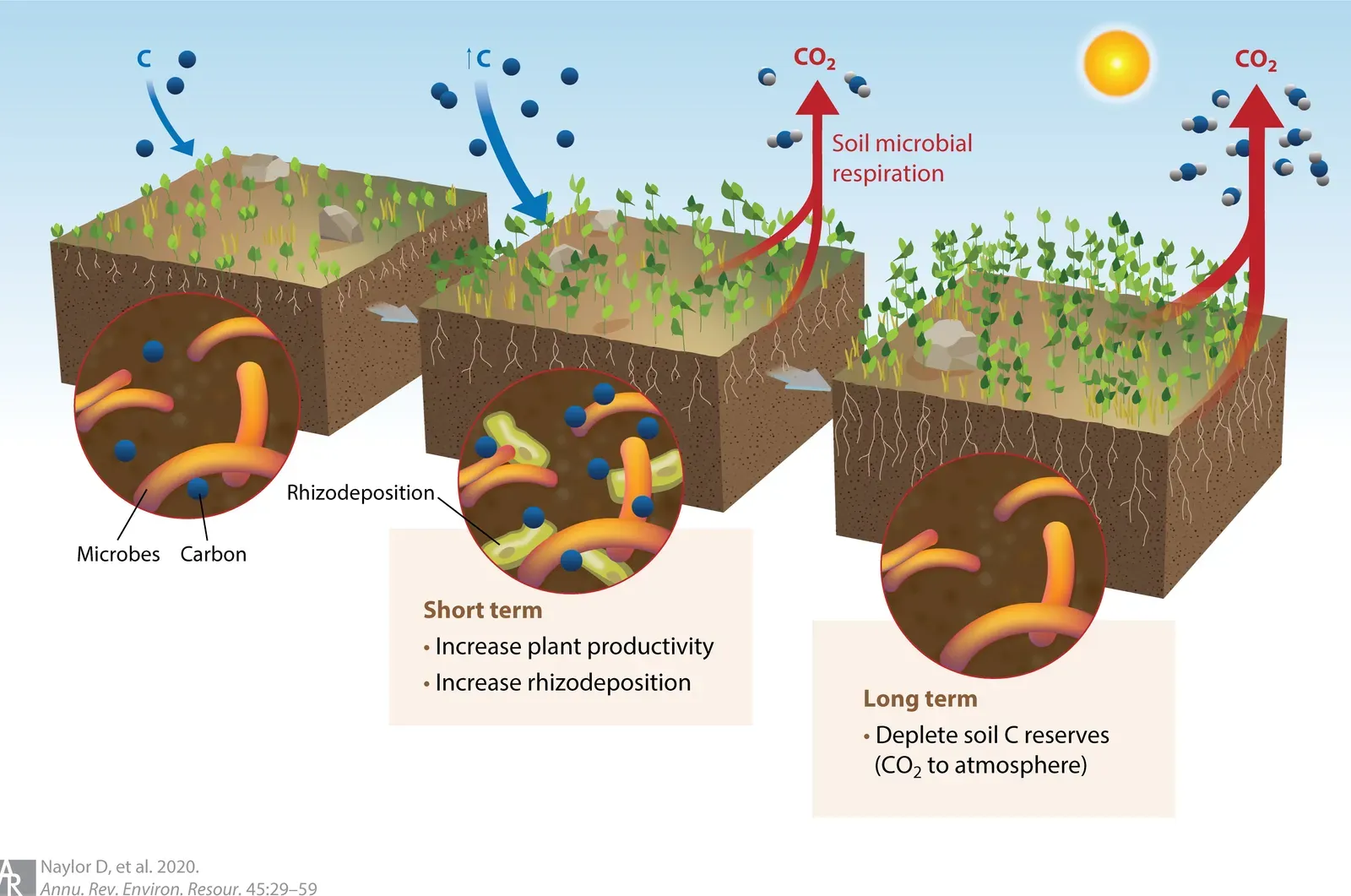
Let’s be real about something. For most of the Mesozoic era, carbon dioxide levels were high at 1,000 to 2,000 parts per million, with transient excursions to even higher concentrations exceeding 2,000 parts per million. That’s roughly three to six times higher than preindustrial levels. Think about that for a moment.
Atmospheric carbon dioxide rose from approximately 420 parts per million in the Triassic period about 200 million years ago to a peak of approximately 1,130 parts per million in the Middle Cretaceous about 100 million years ago. These weren’t brief spikes caused by catastrophic events. They were sustained atmospheric conditions that persisted for millions of years. Together with elevated levels of carbon dioxide and the brightening Sun, tectonic changes influenced the global climate, producing warm and humid greenhouse conditions.
From Pangaea to Fragmented Continents
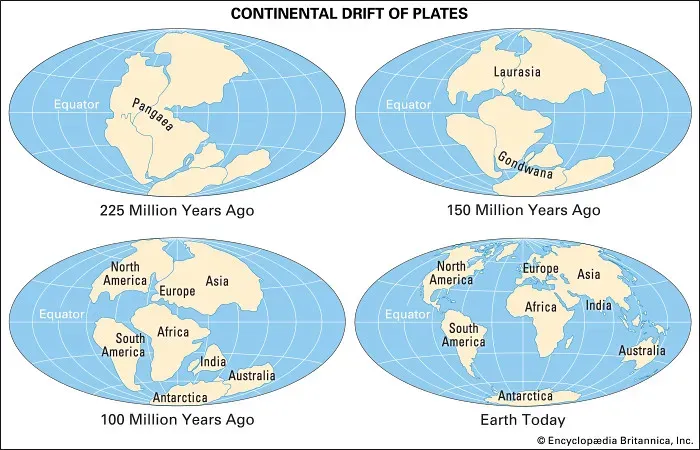
Picture one massive supercontinent surrounded by a single vast ocean. A single large landmass such as Pangea would be expected to experience an extreme, strongly seasonal continental climate with hot summers and cold winters. The interior regions were probably brutal. The Triassic climate was relatively hot and dry, and much of the land was covered with large deserts.
Then everything started changing. The supercontinent Pangaea began to break apart into separate landmasses, and sea levels began to rise during the Jurassic, probably caused by an increase in seafloor spreading with ocean waters displaced by as much as 200 meters above today’s level. Pangaea began to rift into smaller divisions creating new shoreline around the Tethys Ocean, temperatures continued to increase then stabilized, and humidity increased with the proximity of water causing deserts to retreat. The whole planetary geography was being rewritten.
Sea Levels That Drowned Continents
A warming trend was driven by increasing solar luminosity and rising sea levels, with ocean areas typically reflecting less solar radiation than land so higher sea levels and flooding of continental areas coincided with warmer global mean temperatures. The oceans weren’t just rising a few meters. They were transforming entire landscapes.
The global sea level was higher, submerging the continents and creating shallow seas, with the flooding of coastlines shrinking all continents so that only 18 percent of the Cretaceous world was covered by land compared with 29 percent today. Honestly, it’s crazy to think about how much of what we’d recognize as dry land was underwater. Shallow seas covered vast stretches of what are now continents. These epicontinental seas fundamentally altered ocean circulation patterns and climate systems in ways we’re still working to fully understand.
Climate Variability Within the Greenhouse
The climate of the Mesozoic was varied, alternating between warming and cooling periods, though overall the Earth was hotter than it is today. Even within this generally warm period, there were fluctuations. Warm periods in the Triassic and mid-Cretaceous and cool periods in the Jurassic and end-Cretaceous resulted from carbon dioxide changes indicated by different reconstructions.
Paleogeographic changes including rising sea levels as well as increasing solar luminosity and changing vegetation patterns provided a baseline warming trend of approximately 3.5 degrees Celsius from the Late Triassic to the Late Cretaceous. It wasn’t a simple linear progression toward warmth. Seasonal and zonal temperature contrasts as well as continental aridity showed an overall decrease from the Late Triassic Early Jurassic to the Late Cretaceous. The climate was evolving in complex ways that responded to multiple interacting factors.
Life’s Remarkable Adaptation
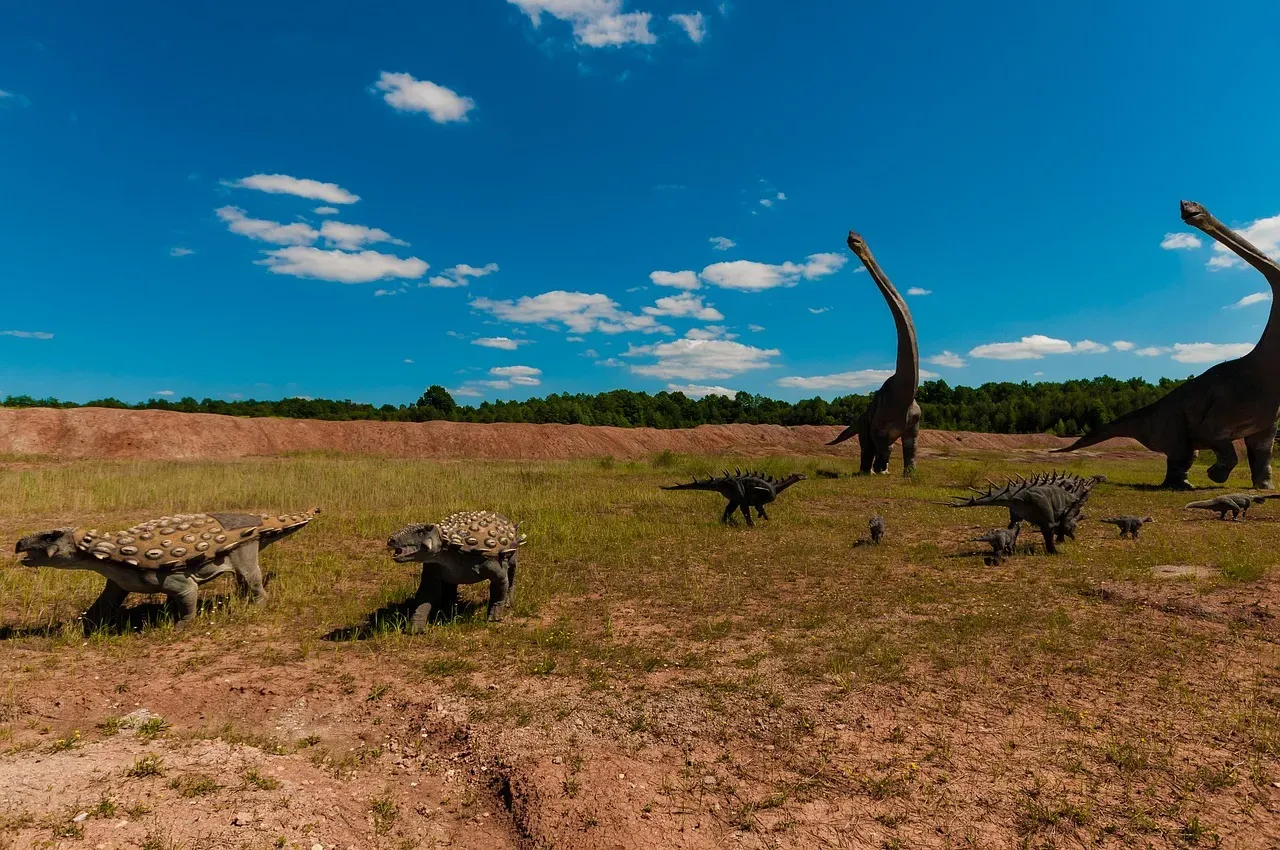
Dinosaurs first appeared in the Mid-Triassic and became the dominant terrestrial vertebrates in the Late Triassic or Early Jurassic, occupying this position for about 150 or 135 million years until their demise at the end of the Cretaceous. That’s an extraordinary run. These creatures thrived through climate conditions that varied significantly over geological timescales.
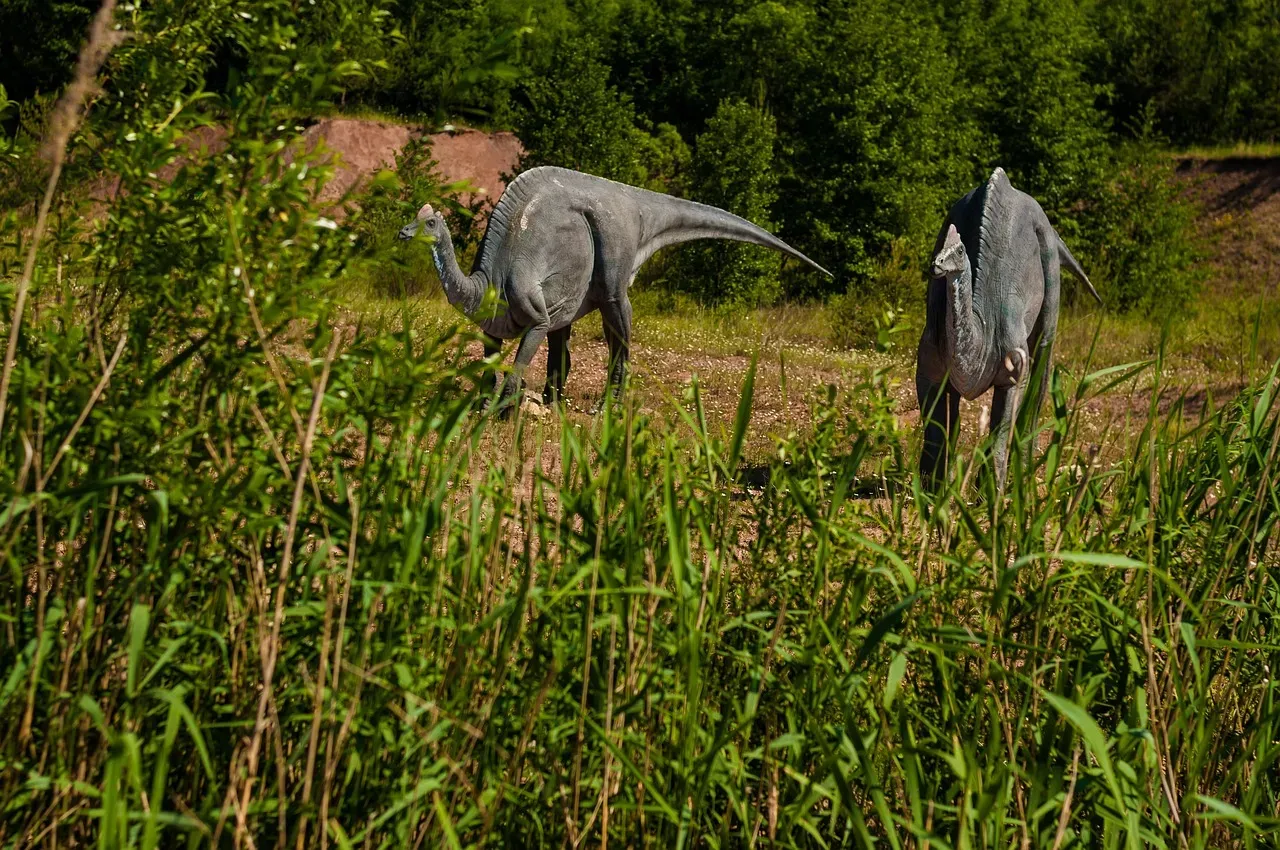
The diversity of life exploded. The first mammals also appeared during the Mesozoic but would remain small, less than 15 kilograms, until the Cenozoic, and flowering plants appeared in the Early Cretaceous and would rapidly diversify through the end of the era. What’s striking is how life didn’t just survive these conditions but flourished and evolved in remarkable ways. Evolution shaped organisms that were perfectly suited to high carbon dioxide levels, warmer temperatures, and dramatically different ecological conditions than we see today.
The Catastrophic End and Climate’s Role
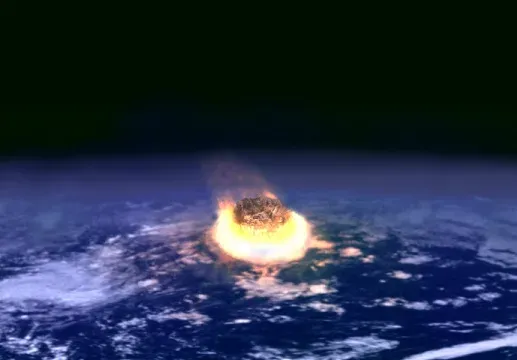
It is now generally thought that the extinction resulted from the impact of a massive asteroid 10 to 15 kilometers wide creating the Chicxulub impact crater and devastating the global environment 66 million years ago. The impact itself was devastating enough. Approximately 66 million years ago an asteroid nearly 10 kilometers across hit Earth near what is now the Yucatan Peninsula at an estimated speed of 20 kilometers per second producing explosive energy equivalent to 100 teratons of TNT.
Yet it was the massive changes in climate after the impact rather than the asteroid impact itself that likely caused the mass extinction. The impact would have created a dust cloud that blocked sunlight for up to a year inhibiting photosynthesis. The climate disruption following impact created an impact winter that made survival impossible for many species. The decline of dinosaurs was likely driven by global climate cooling and herbivorous diversity drop, with the latter likely due to hadrosaurs outcompeting other herbivores. Climate change, whether gradual or catastrophic, has always been a primary driver of evolutionary change.
What the Mesozoic Teaches Us Today
A detailed understanding of the factors that drove Mesozoic climate trends will not only provide insight into Earth’s history but also help scientists study the consequences of human-caused warming of our planet. The lessons are clear when you look at them honestly. Our planet has experienced dramatic climate shifts throughout its history. What made the Mesozoic different from today isn’t that climate changed, but rather the rate and causes of that change.
The rate of change that we are experiencing today because of human-driven greenhouse gas emissions is among the very highest that Earth has ever seen, and while higher levels of carbon dioxide in the atmosphere are normal states for our planet with our current lower state being unusual, it is this rate of change that is the most important. The Mesozoic climate transformed over millions of years. Life had time to adapt, evolve, and migrate in response to shifting conditions. Today’s rapid changes compress that timescale dramatically. That’s the crucial difference we need to understand.
The Mesozoic Era reminds us that Earth’s climate has never been static. It’s been a dynamic, ever-changing system responding to continental drift, volcanic activity, ocean circulation, atmospheric composition, and solar radiation. These ancient greenhouse worlds weren’t disasters. They were simply different states of our planet’s climate system. Yet they also show us how profoundly climate shapes life, geography, and the future trajectory of our planet. What do you think about it? Tell us in the comments.