You walk into a room and immediately sense the tension hanging in the air. Someone near you feels anxious, and suddenly your chest tightens. A friend calls to vent about their day, and hours later you’re exhausted, carrying their frustration like a weight on your shoulders. If this sounds familiar, you’re likely an empath, someone who doesn’t just understand emotions but actually absorbs them.
Being highly sensitive is a gift, really. You connect deeply, you care intensely, and you notice things others miss entirely. Yet here’s the thing: without the right tools, that gift can leave you feeling completely drained, overwhelmed, and depleted. The world doesn’t always understand what it’s like to feel everything so deeply. That’s why you need specific habits to protect your precious energy while still honoring your empathic nature.
Create Clear and Firm Boundaries

Setting boundaries is not selfish but essential for self-care, and it’s one of the most important aspects of protecting yourself as an empath. Yet for many sensitive souls, saying no feels almost impossible. You might worry about disappointing someone or causing conflict. You may worry that setting boundaries will hurt other people’s feelings or lead to conflict, so to avoid feeling guilty, you’ll ignore your own needs.
Start small if you need to. Practice saying no when you feel overextended or overwhelmed, which will help cut down on unnecessary drainage of your energy. Think of boundaries as guardrails, not walls. They keep you safe while still allowing genuine connection. If someone drains you with every interaction, get honest and tell them you understand their pain but must limit your interactions to take care of yourself. It might feel uncomfortable at first, especially if you’ve spent years prioritizing everyone else’s needs. That discomfort is actually growth happening.
Establish a Regular Grounding Practice

Grounding is one of the simplest and most powerful ways to protect your energy, helping you come back into your body and into the present moment instead of getting swept up in emotional or energetic noise. When you’re ungrounded, you’re like a leaf in the wind, tossed around by every emotional current around you.
Nature has a wonderfully grounding effect, helping you clear your mind and feel closer to the earth, so aim to get outside often and seek out green areas. Walk barefoot on grass. Place your hands on a tree. Feel the solid earth beneath you. Over time, grounding becomes less of a recovery tactic and more of a daily habit, an anchor that keeps you balanced, centered, and clear, and the more you practice it, the more naturally it becomes part of how you move through the world. Even five minutes of intentional grounding can reset your entire nervous system.
Use Visualization Techniques for Protection

Visualize a beautiful shield of white or pink light completely surrounding your body and extending a few inches beyond it, and within the protection of this shield, feel yourself centered, happy, and energized. This might sound a bit unusual if you’ve never tried it, but visualization is surprisingly effective for sensitive people.
A 2016 study found that guided visualization techniques reduced stress hormone levels by up to 25% in empaths and highly sensitive individuals, so visualization meditation can be a powerful shield for your energy field. You can imagine yourself inside a protective bubble, or picture other people’s emotions as water that simply flows over you without penetrating. Shielding is a quick way to protect yourself, and many empaths and sensitive people rely on it to block out toxic energy while allowing the free flow of positivity, so call on it regularly. The beauty of this practice is you can do it anywhere, anytime you need it.
Practice Mindful Breathing Exercises
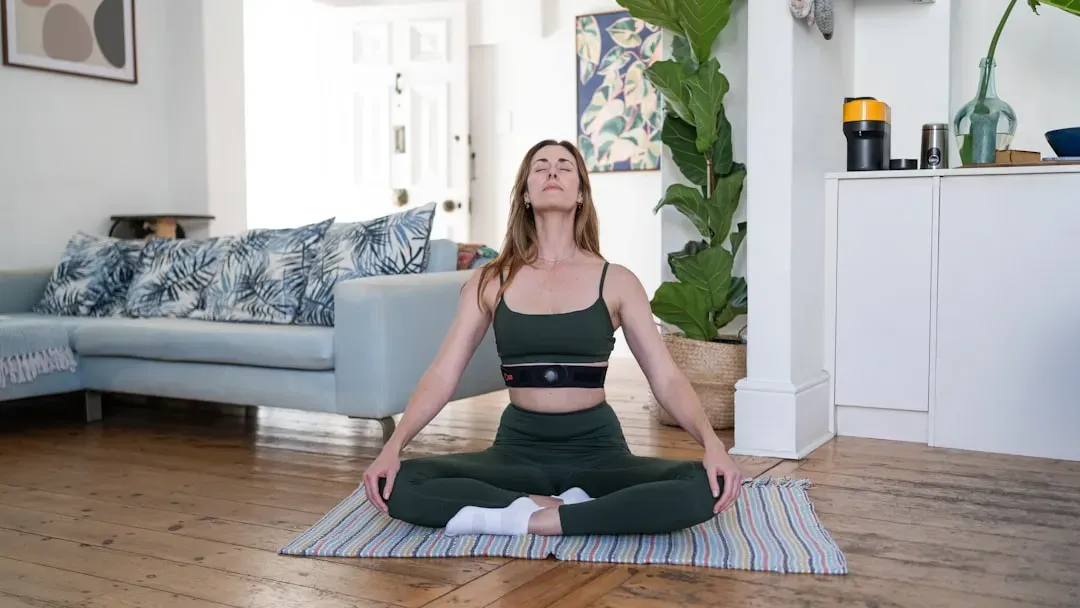
Your breath is perhaps your most underrated tool for energy protection. When you’re absorbing everyone else’s emotions, your breathing often becomes shallow and rapid. Bringing awareness back to your breath creates an immediate shift.
Practice the 4-4-8 breathing method, inhaling for 4, holding for 4, and exhaling for 8, as research showed that rhythmic breathing techniques can activate the parasympathetic nervous system, reducing anxiety in empaths and highly sensitive people by up to 40%. Take three conscious breaths before entering new environments or interactions, as returning to your breath throughout the day helps you stay centered in your own energy and prevents unconscious absorption of other emotional states. Think of conscious breathing as hitting a reset button on your nervous system. It’s simple, it’s free, and it works remarkably well.
Cultivate a Daily Gratitude Practice

As an empath or highly sensitive person, you might be often operating out of lower vibrational energy because you’re picking up on others around you who are doing the same, and when in these lower states, things can start to feel heavy and emotional. Gratitude acts as a powerful antidote to emotional heaviness.
UC Davis psychologist Dr. Robert Emmons found that gratitude practices increased happiness levels by 25% and reduced stress hormones by up to 23% in empaths and highly sensitive people. Start your morning by listing three things you appreciate. They don’t have to be grand. Maybe it’s the warmth of your coffee, the comfort of your bed, or a kind text from a friend. As you begin to feel into gratitude, you’ll realize you feel better almost immediately, and since you’ve shifted up into a higher frequency of being, your energy is more stable and protected. This simple shift in focus can completely transform your day.
Develop a Journaling Routine

Journaling is an enjoyable way to release overwhelming emotions, as putting pen to paper and writing whatever’s on your mind can be a release and also reconnect you with your own emotions. For empaths who often struggle to distinguish their feelings from others’, journaling becomes essential.
Make note of the physical reactions your body has to particular emotions like tense jaw or flushed skin, and keep a journal for a few months simply noting the feelings you had each day, noticing any daily, weekly, or monthly trends. This practice creates clarity. You begin to recognize patterns. You understand what truly belongs to you and what you’ve absorbed from someone else. Writing also gives your emotions a place to go instead of storing them in your body where they create tension and fatigue.
Limit Your Exposure to Overstimulating Content

Avoid heart-wrenching movies and books, and TV news, which is deliberately created to jerk our emotions around, as you are not being irresponsible or unfeeling if you aren’t intimately familiar with the suffering going on at every place around the world since you feel enough pain already. Let’s be real, you don’t need to watch every disturbing documentary or scroll through endless negative news feeds to be an informed, caring person.
Honor your need to detach from your environment from time to time by limiting your use of technology and creating quiet time for yourself, then immerse yourself in nature. Choose what you consume deliberately. Commit to not being on social media platforms that contribute to anxiety or encourage doom scrolling, and have morning and evening rituals to signal to your body and create routines of safety. Your nervous system will thank you for this. The world’s suffering isn’t lessened by you absorbing it all.
Schedule Regular Solitude and Recharge Time

Spending eight hours in a busy office is draining, and socializing after work is not fun or relaxing as it might be for some people, so because empaths need quite a bit of time alone, they need to set boundaries to create that time and protect it from other activities. Solitude isn’t antisocial or selfish. It’s absolutely necessary for your wellbeing.
Spend 5 to 10 minutes in quiet meditation to reconnect to your inner self, and dedicate time each day for yourself, even if it’s just a few minutes of sacred solitude. Block it in your calendar like any other important appointment. Turn off your phone. Let people know you’re unavailable. When you protect your energy, you can show up better for others in genuine need of help, and you can take care of those around you with more kindness and compassion because your needs have already been met. Think of it like charging your phone overnight so it actually works the next day.
Conclusion
Being an empath in this world can feel exhausting some days. You feel so much, absorb so much, and care so deeply. Yet with these eight habits, you’re not trying to shut down your sensitivity or build impenetrable walls around your heart. Instead, you’re learning to honor your gift while protecting the energy that makes you who you are.
Your ability to deeply understand emotions and connect with others on a soul level is a unique strength, and by implementing these strategies, you’ll stay aligned with your purpose and create a thriving, fulfilling life, as being an empath is a gift that allows you to connect with the world in profound ways. Start with one habit that resonates most. Practice it until it feels natural. Then add another. Slowly, you’ll build your own personal toolkit for navigating this emotionally intense world.
What habit are you going to try first? Your energy is precious, and you deserve to protect it.