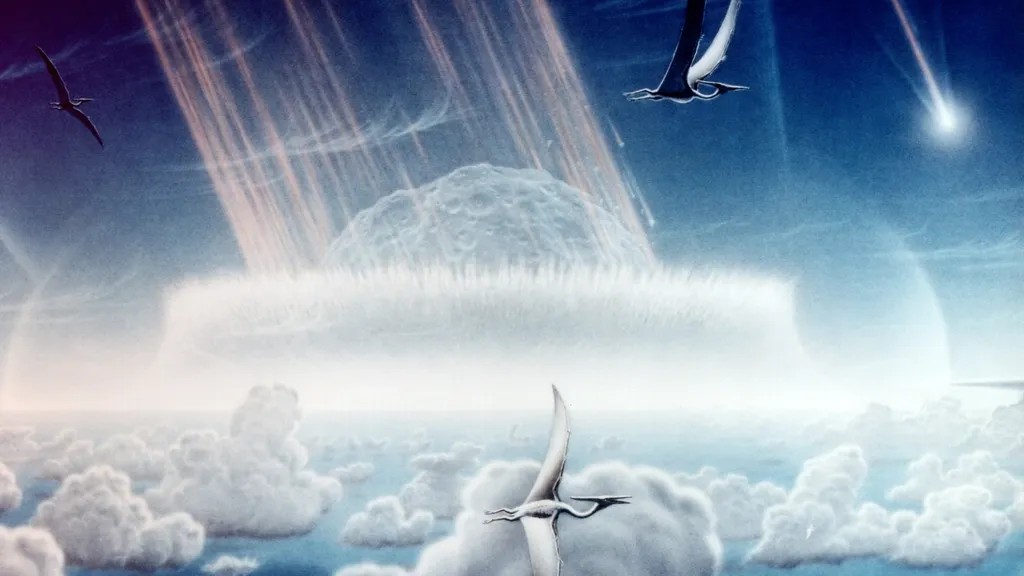
Sixty-six million years ago, life on Earth experienced one of the most violent resets in its entire history. In a geological instant, an entire world of creatures vanished, and the planet was never the same again. It is honestly one of the most haunting stories science has ever told. You can almost picture it: a warm spring afternoon, somewhere in what is now North America, a Tyrannosaurus rex pausing mid-meal as an unexpected light appears on the horizon.
What followed was a cascade of disasters so interconnected and so deadly that scientists are still piecing together exactly how it all unfolded. The closer researchers look, the more complicated, and frankly more fascinating, the picture becomes. New theories are reshaping what you thought you knew about the day the dinosaurs died. Let’s dive in.
The Rock That Ended an Era: Understanding the Chicxulub Impact
Here’s the thing about the Chicxulub asteroid: its sheer scale defies easy comprehension. An asteroid nearly 10 kilometers across hit the Earth near what is now the Yucatan Peninsula, striking at an estimated speed of 20 kilometers per second, more than 58 times the speed of sound. To put that in perspective, that is roughly the distance from the Earth’s surface to the upper stratosphere, all compressed into one flying rock.
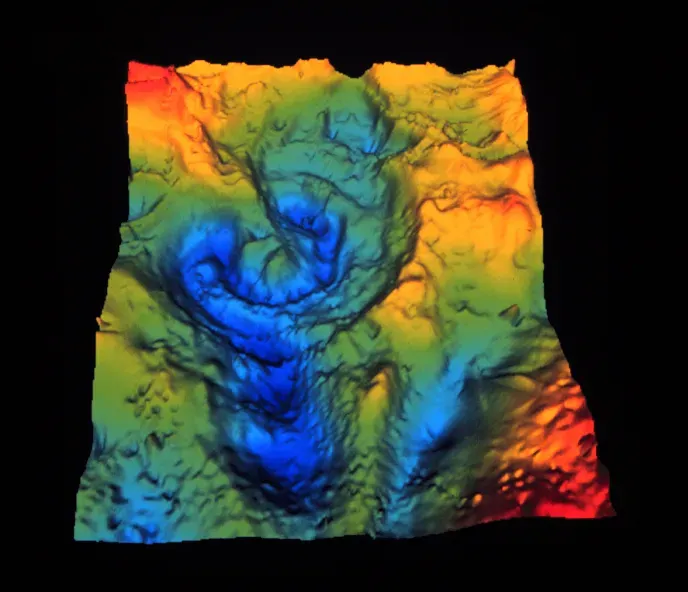
The impact produced as much explosive energy as 100 teratons of TNT, equivalent to 4.5 billion times the explosive power of the Hiroshima atomic bomb. The crater it left behind, now known as the Chicxulub crater, is buried underneath the Yucatan Peninsula in Mexico, formed slightly over 66 million years ago, and is estimated to be around 200 kilometers in diameter, buried to a depth of about one kilometer beneath younger sedimentary rocks.
The discovery of the impact’s evidence came in 1980 when a team of researchers led by Nobel prize-winning physicist Luis Alvarez, his son geologist Walter Alvarez, and chemists Frank Asaro and Helen Vaughn Michel, found that sedimentary layers from all over the world at the Cretaceous-Paleogene boundary contain a concentration of iridium hundreds of times greater than normal. That iridium spike, found on every continent, became one of the most compelling pieces of geological evidence in history. It was, in essence, the fingerprint of the impactor, sprayed across the entire planet in a single catastrophic afternoon.
Were Dinosaurs Already in Trouble Before the Asteroid Hit?
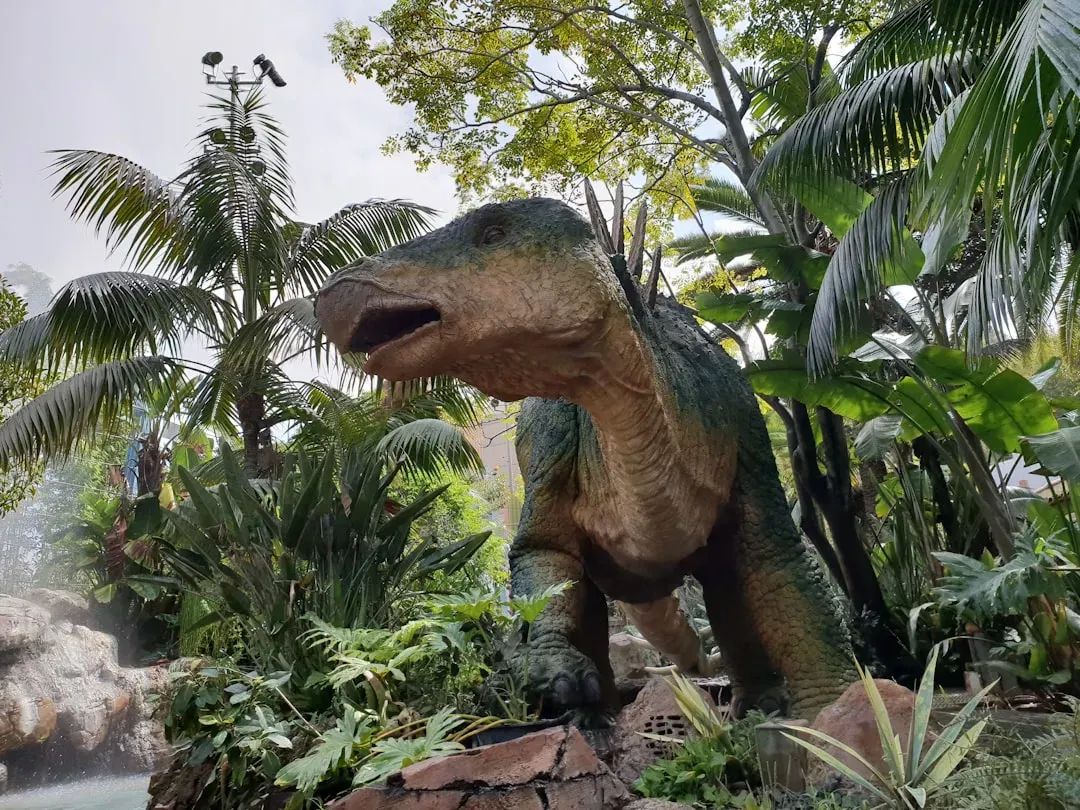
This is one of the great debates in paleontology, and honestly, it is a debate that may never fully close. It’s a long-standing debate: were dinosaurs thriving when an asteroid hit Earth one fateful spring day 66 million years ago, or were they already on their way out, and the space rock delivered a final, devastating blow? For decades, the fossil record seemed to suggest a slow decline, which made intuitive sense.
A study published in Current Biology analyzed the fossil record of North America in the 18 million years up to the asteroid impact. Taken at face value, more than 8,000 fossils suggest the number of dinosaur species peaked about 75 million years ago and then declined in the nine million years leading up to the asteroid strike. The research team found this trend was due to fossils from that time being less likely to be discovered, primarily because of fewer locations with exposed and accessible rock from the very latest Cretaceous.
Before the dinosaur extinction, North America experienced significant changes: sea levels fell, a large inland sea vanished, and mountain ranges rose. As a result of these geologic shifts, much of the sediment that could have preserved fossils from that time is no longer exposed. It is also buried under vegetation, cities, and other obstacles. In other words, the apparent decline in dinosaur diversity might just be a fossil record illusion. Think of it like trying to judge a country’s population from a phone book that gets thinner every decade, not because fewer people exist but because fewer people bother to list their number.
The Identity of the Killer: What Kind of Asteroid Was It?
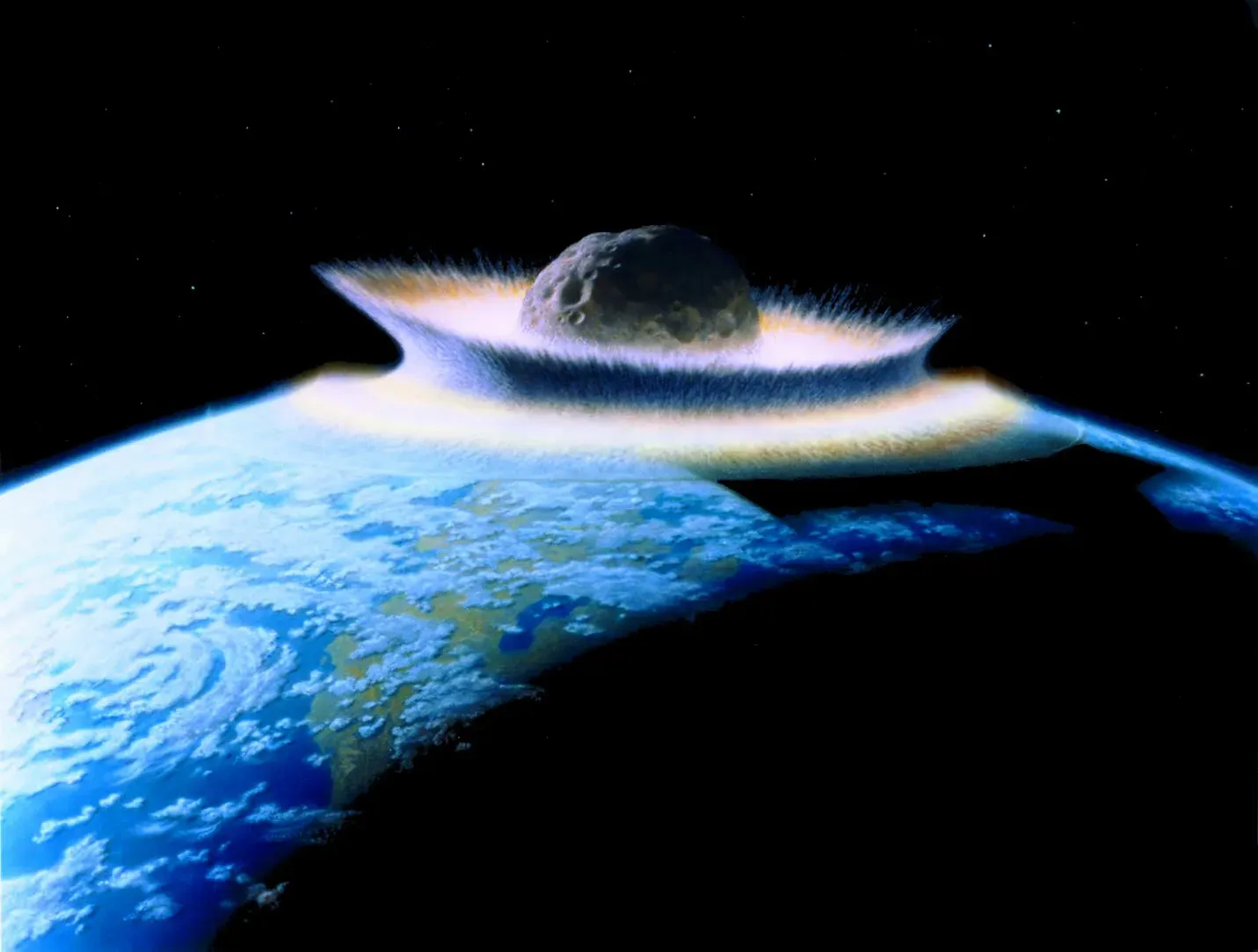
You might assume that after decades of study we would know exactly what type of space rock smashed into the Yucatan. Surprisingly, scientists only recently pieced together the chemical identity of the impactor with much greater confidence. Researchers published a study in the journal Science piecing together the chemical identity of the asteroid, and the evidence suggests the dino killer was a rare clay-rich mudball containing materials from the dawn of the solar system. That is a remarkable thing to think about.
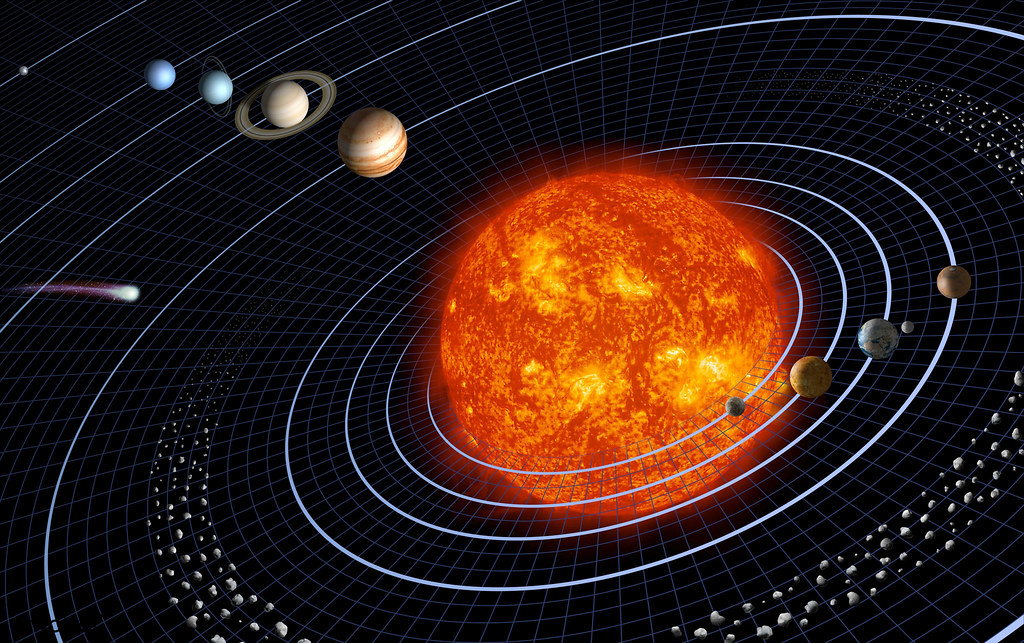
The asteroid that killed the dinosaurs was probably a carbonaceous chondrite, an ancient space rock that often contains water, clay and organic, carbon-bearing compounds. While carbonaceous chondrites make up the majority of rocks in space, only about five percent of the meteorites that fall to Earth belong to this category. So not only was the impact cosmically catastrophic, it was also statistically unusual. There is broad consensus that the Chicxulub impactor was a C-type asteroid with a carbonaceous chondrite-like composition, and these types of asteroids originally formed in the outer Solar System, beyond the orbit of Jupiter. It traveled an unimaginable distance before its date with destiny.
The Impact Winter: When the Sun Disappeared for Years
If the collision itself was terrifying, what followed was arguably worse. Slow, cold, relentless, and inescapable. According to experts, dust from pulverized rock, amounting to around 2,000 gigatons, was propelled into Earth’s atmosphere, overshadowing the sun and severely disrupting plant photosynthesis. Imagine every single plant on the planet being starved of sunlight simultaneously. The food chain simply collapsed from the bottom up.
Fine silicate dust generated by the Chicxulub impact had a dominant role in the global cooling and disruption of photosynthesis that followed, according to palaeoclimate simulations constrained by grain-size analysis of Cretaceous-Palaeogene boundary sediments. The resulting impact winter was characterized by a significant drop in global temperatures, with new simulations indicating a decrease of up to 25 degrees Celsius in some areas. This chilling effect persisted for about 20 years, with the most severe phase lasting for the first 5 to 8 years. Twenty years of darkness. It is hard to overstate how absolutely lethal that would have been for almost every ecosystem on Earth.
Carbon, together with sulfate aerosols and dust, initiated an impact winter and global darkening that curtailed photosynthesis and is widely considered to have caused the K-Pg mass extinction. As one paleontologist described it, what really drove the doom was what happened afterward, as the dust and grime from the asteroid impact went into the atmosphere and blocked out the sun. The Earth went dark and cold for a few years. The asteroid didn’t kill all the dinosaurs in one go, but it was a more stealthy murderer, which triggered a war of attrition that led three out of every four species to die.
The Volcanic Suspect: Were the Deccan Traps Also to Blame?
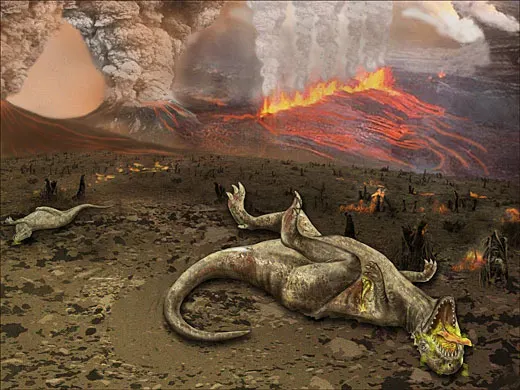
Here is where science gets genuinely complicated and, I think, genuinely exciting. The asteroid was not the only catastrophic force at work around 66 million years ago. Climate change caused by volcanic eruptions may have played a role in massive die-offs for the dinosaurs, long before a comet or asteroid impact sealed their fate. The culprit in question is a region in India called the Deccan Traps.
The Deccan Traps date back to around 66 million years ago, when magma from deep inside Earth erupted to the surface. In some parts of the Deccan Traps, the volcanic layers are more than two kilometers thick, making this the second-largest volcanic eruption ever on land. During their nearly one million years of eruptions, the Traps are estimated to have pumped up to 10.4 trillion tons of carbon dioxide and 9.3 trillion tons of sulfur into the atmosphere. The scale of that is almost as mind-bending as the asteroid itself.
Still, the scientific community has not fully agreed on how much blame the volcanoes deserve. Simulations reveal that the asteroid alone rendered the planet uninhabitable for all dinosaurs other than birds. Perhaps counterintuitively, the volcanoes of the Deccan Traps may have actually made Earth more hospitable, not less. Yet other research pushes back on that conclusion. According to two independent research teams, the massive Deccan Traps started erupting about 400,000 years before the Chicxulub impact and wrapped up about 600,000 years after. The timing overlap with the extinction is simply too striking to dismiss entirely, and scientists continue to debate its significance.
What Survived and Why: The Unexpected Story of Life After Impact
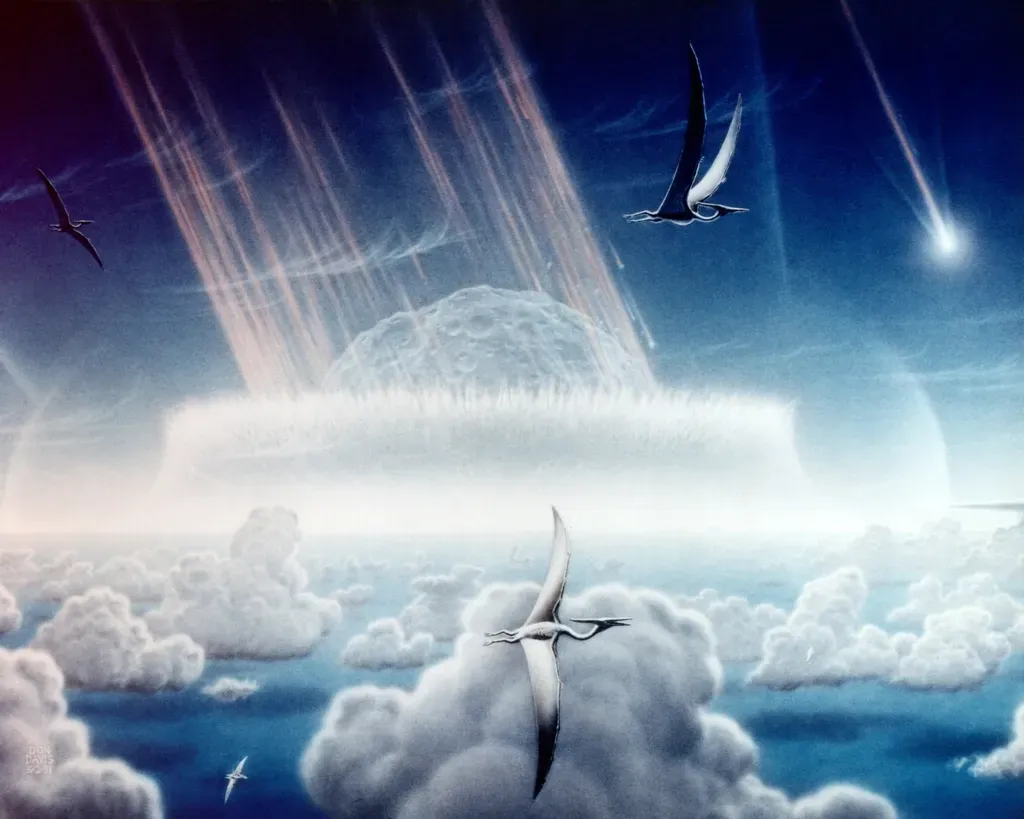
The Cretaceous-Paleogene extinction event was a major mass extinction of three-quarters of the plant and animal species on Earth, which occurred approximately 66 million years ago. The event caused the extinction of all non-avian dinosaurs and most other tetrapods weighing more than 25 kilograms, with the exception of some ectothermic species such as sea turtles and crocodilians. So why did some creatures make it while others didn’t? The answer has a lot to do with size, diet, and a fair amount of luck.
What is perhaps even more astonishing than the extinction is how fast life bounced back afterward. The asteroid that struck the Earth 66 million years ago devastated life across the planet, wiping out the dinosaurs and other organisms in a hail of fire and catastrophic climate change. New research shows that it also set the stage for life to rebound astonishingly quickly. New species of plankton appeared fewer than 2,000 years after the world-altering event.
After the asteroid impact, the Gulf of Mexico records an ecological recovery process that is quite different from that of the global ocean, as continuous hydrothermal activity created a unique marine environment. Essentially, the very crater that killed the dinosaurs may have also acted as a cradle for new life. Research also argues that non-avian dinosaurs likely promoted open habitats and that their extinction might have resulted in widespread emergence of dense forest cover. The world the survivors inherited was not just emptier. It was physically, structurally different, and that difference shaped every ecosystem we see today.
Conclusion
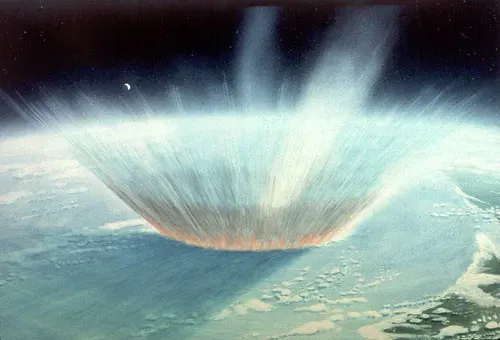
The end-Cretaceous extinction is not just ancient history. It is a story about how fragile the balance of life on Earth truly is, and how quickly everything can change. What began as a simple narrative, a rock from space wiped out the dinosaurs, has evolved into a richly layered scientific mystery involving impact physics, volcanic systems, fossil record bias, atmospheric chemistry, and the stubborn resilience of life itself.
The latest research confirms that you were almost certainly never given the full picture in school. Dinosaurs were probably thriving right up until that spring day 66 million years ago. The impactor was a rare type of ancient, water-bearing rock from the outer solar system. The killing mechanism was not the blast itself but a prolonged, planet-wide winter that dismantled food chains across the globe. Massive volcanism in India added its own layer of stress. Yet somehow, against all odds, life found its way back.
It’s hard to say for sure what would have happened had that asteroid arrived even minutes later, or not at all. What we do know is that the world we live in today, with its mammals, its birds, its forests and its ecosystems, was born from that catastrophic reset. The dinosaurs didn’t just die. Their disappearance made room for us. What do you think would have happened if that asteroid had missed entirely? Tell us in the comments.