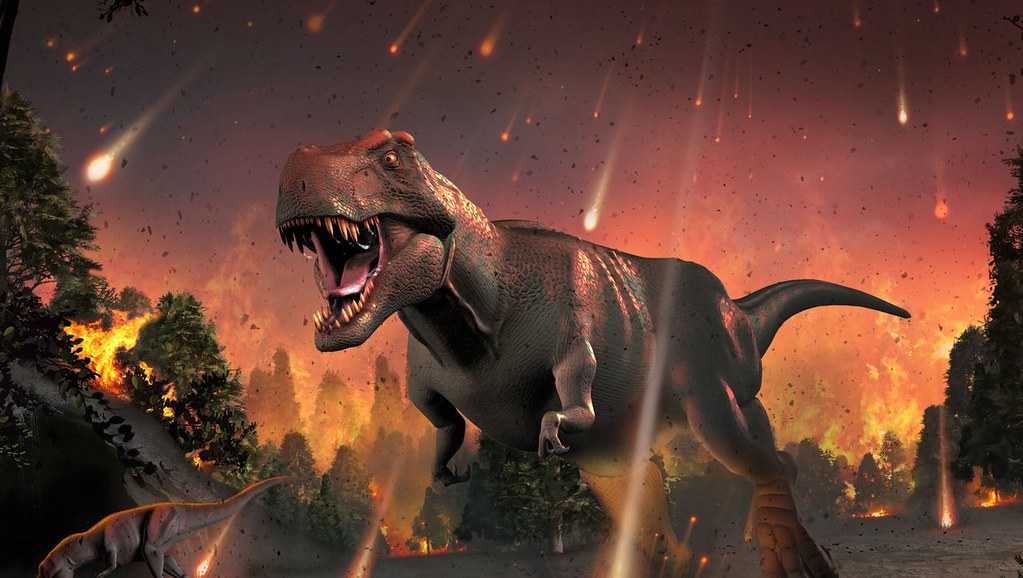
Sixty-six million years ago, the most dominant creatures to ever walk the Earth simply vanished. You’d think something that ruled the planet for roughly 165 million years would be nearly indestructible. Yet in what amounts to a geological blink of an eye, they were gone. The story of how that happened is one of the most dramatic, fiercely debated, and endlessly fascinating chapters in the history of life itself.
Honestly, the deeper you look into it, the more jaw-dropping it gets. It’s not just about a rock from space, though that’s certainly part of it. It’s about chain reactions, cascading disasters, darkness, starvation, fire, and a world turned completely upside down in the space of months. So, let’s dive in.
A Rock from the Outer Solar System Sealed Their Fate
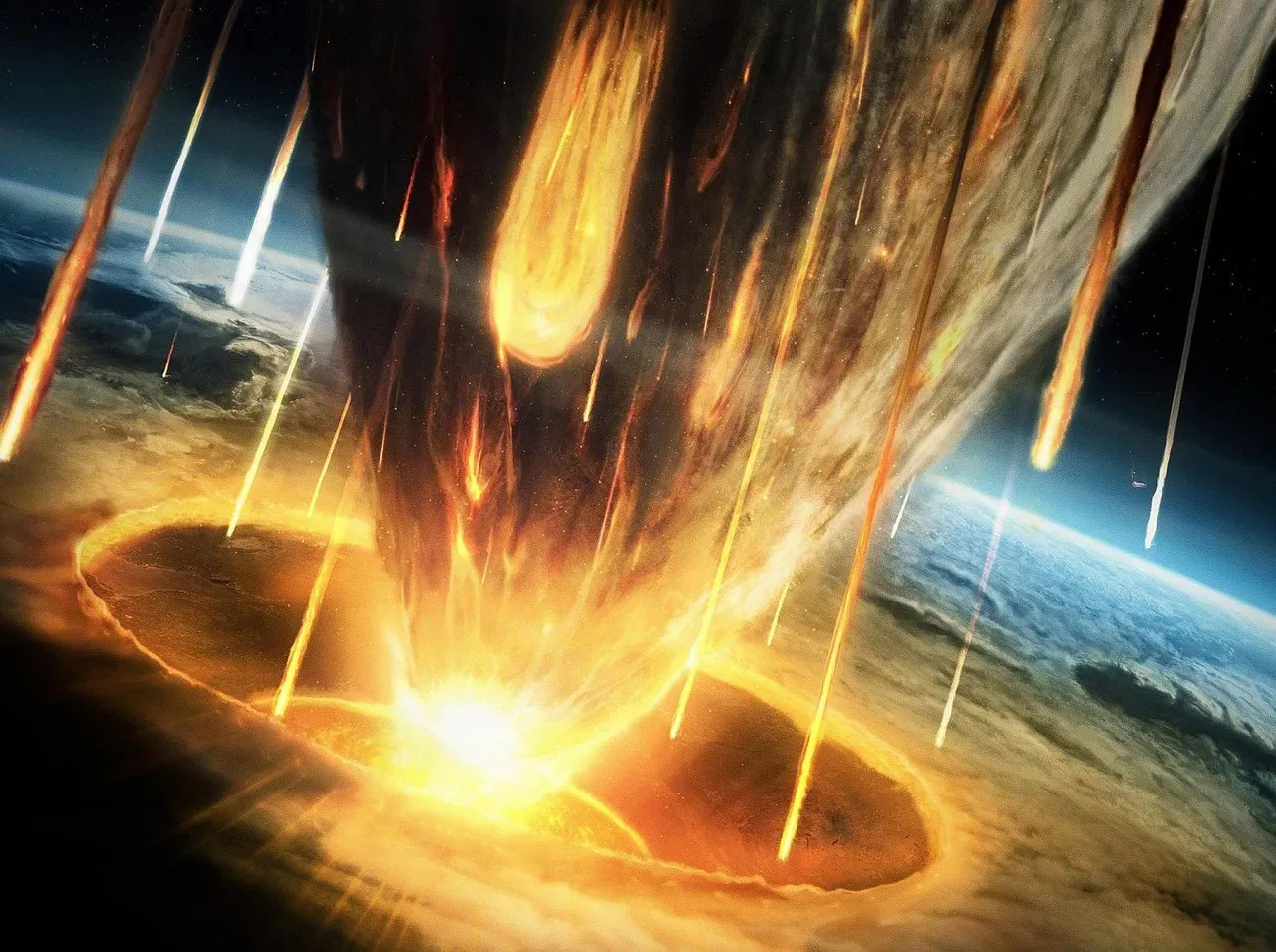
Let’s be real, when most people think about what killed the dinosaurs, they picture a giant asteroid falling from the sky. They’re not wrong. According to a widely accepted theory, the mass extinction at the Cretaceous-Paleogene boundary was triggered by the impact of an asteroid at least 10 kilometres in diameter near Chicxulub on the Yucatán Peninsula in Mexico. That’s roughly the size of a mid-sized city, hurtling through space before smashing into Earth.
Here’s something that might blow your mind, though. This wasn’t just any old rock from our cosmic neighborhood. The object that smashed into Earth and kick-started the extinction that wiped out almost all dinosaurs 66 million years ago was an asteroid that originally formed beyond the orbit of Jupiter, according to geochemical evidence from the impact site in Chicxulub, Mexico. It came from the far outer reaches of the solar system, drifted through space for billions of years, and then, with almost theatrical timing, found Earth.
The Discovery That Changed Everything: The Chicxulub Crater
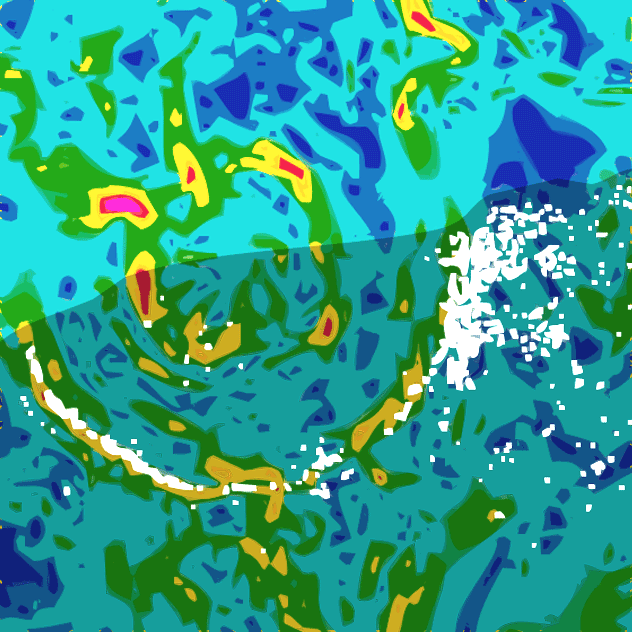
For a long time, scientists suspected an impact but had no smoking gun. Then the evidence started piling up. In 1980, a team of researchers led by Nobel prize-winning physicist Luis Alvarez, his son geologist Walter Alvarez, and chemists Frank Asaro and Helen Vaughn Michel, discovered that sedimentary layers found all over the world at the Cretaceous-Paleogene boundary contain a concentration of iridium hundreds of times greater than normal. Iridium is extremely rare on Earth but is abundant in asteroids. Finding it everywhere, all at once, in a single geological layer, was a stunning clue.
The crater was formed slightly over 66 million years ago when an asteroid, about ten kilometers in diameter, struck Earth. The crater is estimated to be 200 kilometers in diameter and is buried to a depth of about 1 kilometer beneath younger sedimentary rocks. Think about that scale. The crater is named after the nearby town of Chicxulub, a name derived from the Mayan language meaning “tail of the devil.” Fitting, honestly. Incredibly fitting.
The Day the World Caught Fire: Immediate Catastrophe
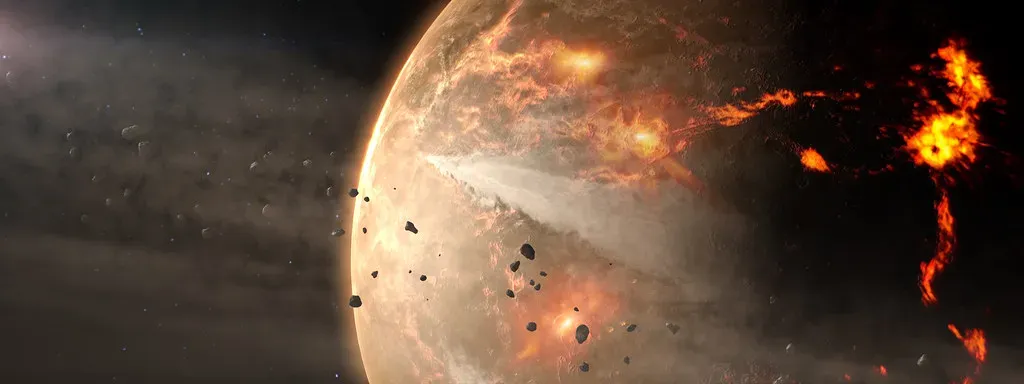
A mountain-sized impactor fell out of the sky at kilometers-per-second speed, slamming into the shallow sea off what is now Mexico’s portion of the Yucatán Peninsula. The impact released as much energy as 100 million nuclear bombs, gouging a 200-kilometer-wide, 20-kilometer-deep scar in Earth’s crust and unleashing monstrous earthquakes, tsunamis and firestorms. Everything within hundreds of miles was simply vaporized. Nothing survived it.
The asteroid triggered a fireball that incinerated anything within hundreds of miles and released a powerful tsunami that may have reached a height of more than 1,000 feet. Imagine a wave taller than the Eiffel Tower crashing across continents. Some of the debris thrown into the atmosphere returned to Earth, the friction turning the air into an oven and sparking forest fires as it landed all over the world. Then the intensity of the heat pulse gave way to a prolonged impact winter, the sky blotted out by soot and ash as temperatures fell. The world went from furnace to freezer in a matter of weeks.
The Impact Winter: When the Lights Went Out
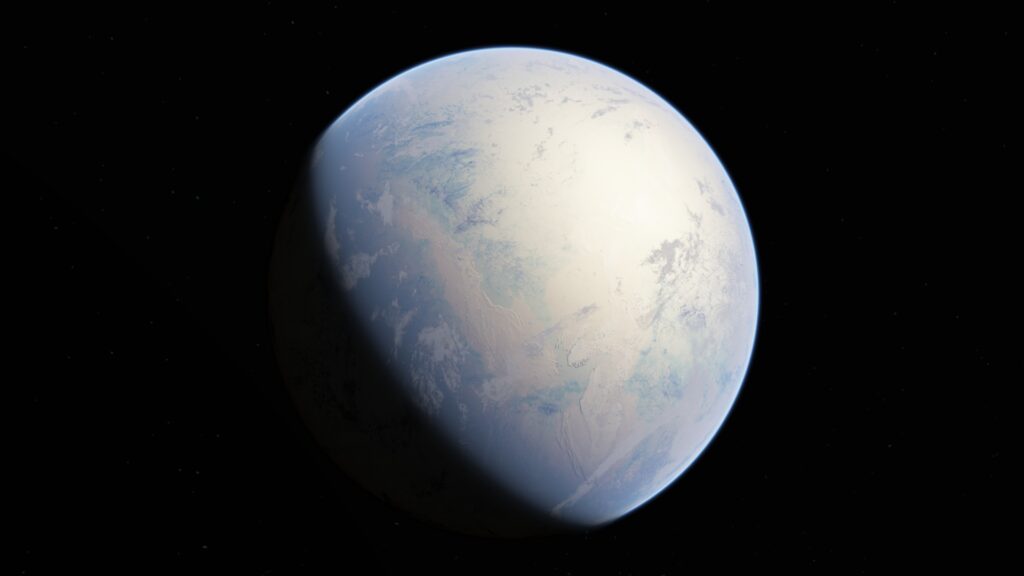
If you think the fire and the tsunamis were bad, the real silent killer came afterward. The main culprit is most likely the “impact winter,” which was caused by massive release of dust, soot, and sulfur into the atmosphere, leading to extreme cold, darkness, and a collapse in global photosynthesis, with lasting effects on ecosystems for years to decades after impact. Picture a world where the sun simply disappears. For living things that depend on plants, and the plants that depend on sunlight, this was a death sentence.
The model showed soot particles were so good at absorbing sunlight that photosynthesis levels dropped to below one percent of normal for well over a year. Below one percent. That’s essentially zero. According to experts, dust from pulverized rock, amounting to around 2,000 gigatons, was propelled into the Earth’s atmosphere, overshadowing the sun and severely disrupting plant photosynthesis. These findings were made possible through advanced modeling techniques, which demonstrated that the atmospheric dust, equivalent to over 11 times the mass of Mt. Everest, persisted for up to 15 years, triggering a global nuclear winter, which ultimately caused the dinosaur extinction.
What About the Volcanoes? The Great Debate Settled
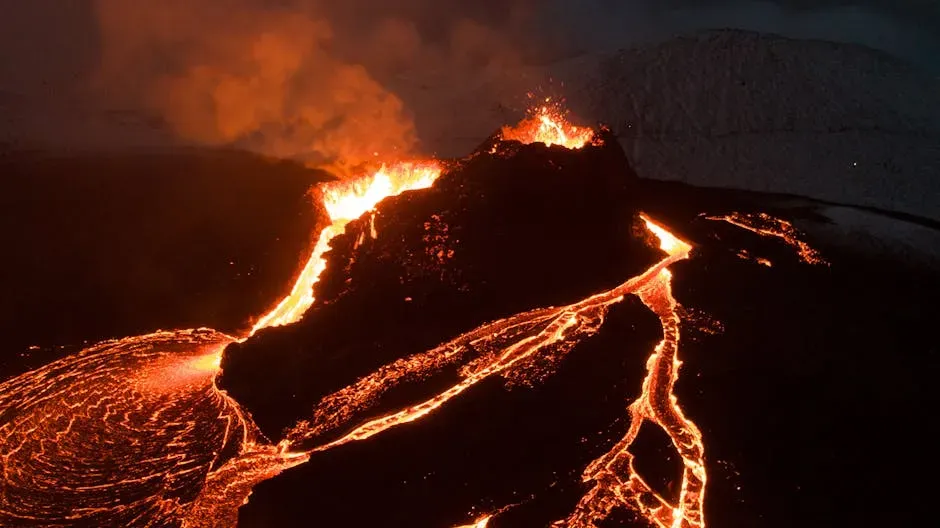
For decades, a fierce argument raged in scientific circles. Some experts pointed to the Deccan Traps, a colossal region of ancient volcanism in what is now India, as a possible co-killer. Earth scientists have fiercely debated for decades whether a massive outpouring of lava on the Indian continent, which occurred both prior to and after the meteorite impact, also contributed to the demise of dinosaur populations roaming the Earth. These volcanic eruptions released vast amounts of CO2, dust, and sulphur, thereby significantly altering the climate on earth. It seemed like a reasonable suspect.
Here’s the thing, though. Recent research has largely settled the argument. Climate scientists from Utrecht University and the University of Manchester showed that while the volcanism caused a temporary cold period, the effects had already worn off thousands of years before the meteorite impacted. The scientists therefore conclude that the meteorite impact was the ultimate cause of the dinosaur extinction event. The new publication provides compelling evidence that while the volcanic eruptions in India had a clear impact on global climate, they likely had little to no effect on the mass extinction of the dinosaurs. The asteroid, it seems, gets the blame. Alone.
Who Survived and Why: The Dawn of a New World

Here’s where the story takes a turn that I find genuinely moving. The catastrophe wasn’t only about destruction. The asteroid that killed the dinosaurs also wiped out every land-dwelling animal weighing over five kilograms. It caused wildfires, acid rain, protracted darkness and global cooling that made the world as inhospitable as some of the most barren places known today. Yet something survived. A precious few.
The only birds that survived were ground-dwellers, including ancient relatives of ducks, chickens, and ostriches. Following the cataclysm, these survivors rapidly evolved into most of the lineages of modern birds we are familiar with today. Small size was a lifesaver in the most literal sense. In the wake of the extinction, many groups underwent remarkable adaptive radiation, sudden and prolific divergence into new forms and species within the disrupted and emptied ecological niches. Mammals in particular diversified in the following Paleogene Period, evolving new forms such as horses, whales, bats, and primates. In a very real way, the death of the dinosaurs is why you and I exist today.
Conclusion
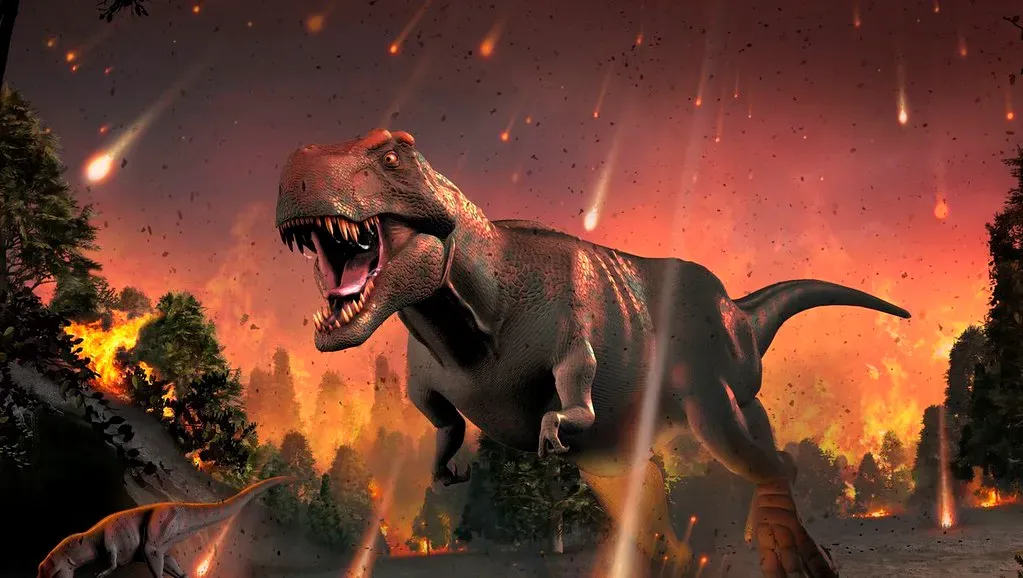
The extinction of the dinosaurs is so much more than a cautionary tale about a bad day in geological history. It is a story about the fragility of ecosystems, the randomness of survival, and the staggering consequences of a single event cascading across an entire planet. It is now widely accepted that the devastation and climate disruption resulting from the impact was the primary cause of the Cretaceous-Paleogene extinction event, a mass extinction of 75% of plant and animal species on Earth, including all non-avian dinosaurs.
Science keeps refining the details, chasing down the exact sequence of events with ever-more sophisticated tools. In a grand, almost poetic sense, the doom of the dinosaurs and the dawn of mammals were set eons ago by the very same process that helped kick-start life on our planet in the first place. We are here because something catastrophic happened out there, once, long ago. The next time you see a bird outside your window, remember, you are looking at a living dinosaur. One of the very few that made it through the worst day in the history of life on Earth.
What do you think? If you had been a small creature on that planet 66 million years ago, would you have made the cut? Tell us your thoughts in the comments.