For decades, you’ve been told a simple story. A massive asteroid slammed into Earth roughly sixty-six million years ago, and the dinosaurs vanished in a catastrophic blink. It’s a narrative so embedded in popular culture that questioning it seems almost sacrilegious. Yet, recent scientific discoveries are shaking the foundations of this seemingly ironclad theory, and what researchers are finding might completely rewrite the final chapter of the dinosaur era.
Here’s the thing: the more scientists dig, the messier the truth becomes. Were these ancient giants truly doomed, slowly declining toward an inevitable end? Or were they thriving communities, cut down in their prime by a cosmic fluke? The answers emerging from laboratories and fossil beds across the globe are far more complex than anyone imagined.
Dinosaurs Were Thriving, Not Dying
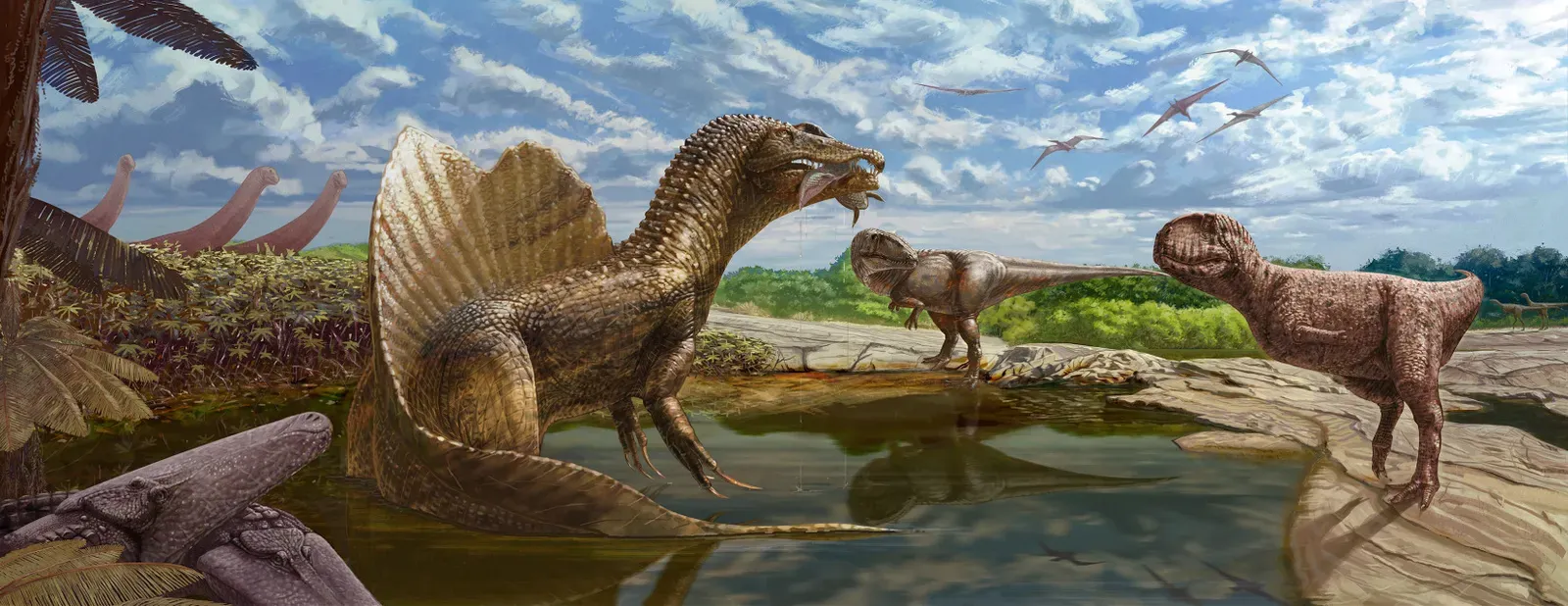
Recent findings reveal that dinosaurs were not fading away at all – they were thriving. New research has revised dates for rock formations in New Mexico to between 66.4 and 66 million years old, meaning the dinosaurs found within lived within the last half-million years before the asteroid strike. This contradicts decades of assumptions.
Think about what this means. Within the Naashoibito Member of the Kirtland Formation, scientists found evidence of rich dinosaur ecosystems that continued to flourish until just before the asteroid struck. You’re not looking at a slow fade to black. You’re witnessing a vibrant world in full swing, suddenly silenced.
Among the dinosaurs that dominated the landscape in prehistoric New Mexico during this period were true giants, like the immense long-necked herbivore Alamosaurus. These weren’t struggling remnants of a dying lineage; they were apex organisms commanding their environments.
The Fossil Record Lied to Us
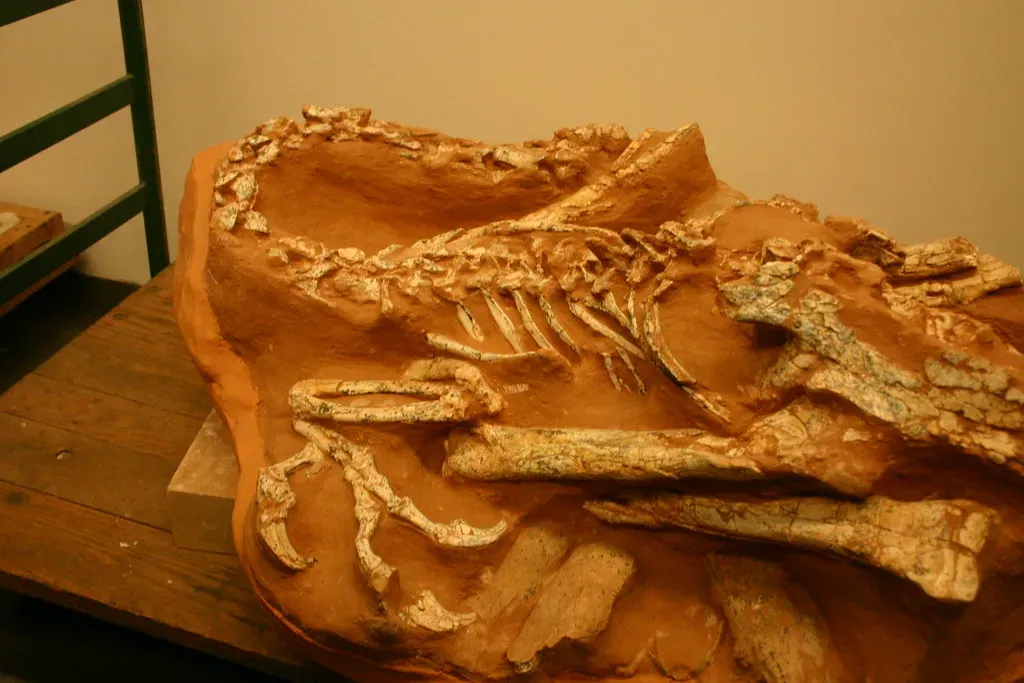
The fossils available for study from the final period – more than eight thousand specimens – suggest the number of dinosaur species peaked about seventy-five million years ago and then declined in the nine million years leading up to the asteroid strike. Sounds convincing, right? Except it’s probably wrong.
The likelihood of detection declined over four time periods, with the most influential factor being how much relevant rock was exposed and accessible. In plain language, you’re not seeing fewer dinosaurs because there were fewer dinosaurs. You’re seeing fewer fossils because the rocks that could preserve them are buried under cities, forests, or simply eroded away.
Lead study author Chris Dean noted there’s been an awareness since the 1970s that the fossil record is not accurate but is a biased reflection of the past, and only in very recent years have scientists started to see the full extent of the bias issue. Honestly, it’s a humbling admission. We’ve been reading an incomplete book and calling it gospel.
The Diversity No One Expected
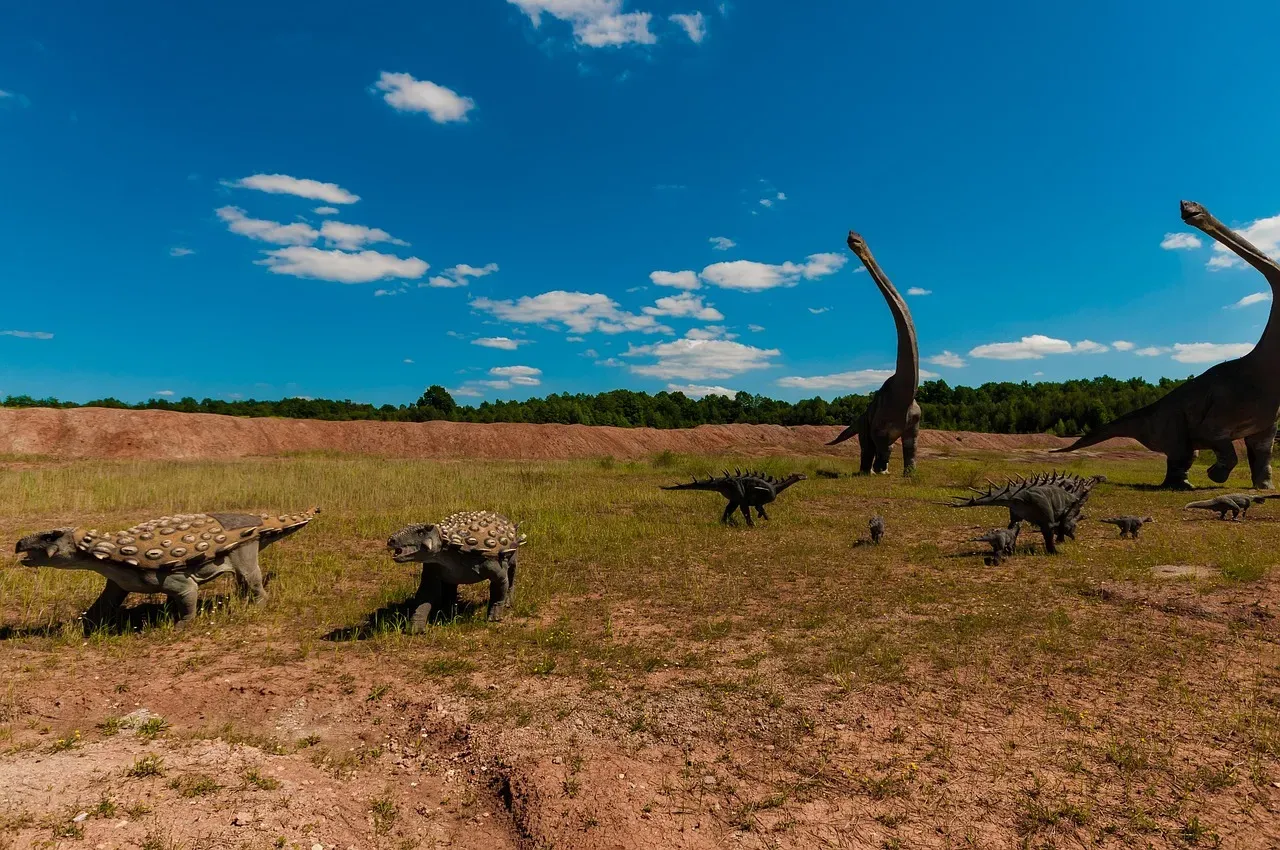
What makes this revelation even more fascinating is the sheer diversity researchers are uncovering. The dinosaurs of this era were likely more diverse than previously understood, and there wasn’t a uniform dinosaur fauna in North America that made them susceptible to extinction. You had distinct biological provinces, almost like different countries with their own unique species.
While certain species like Tyrannosaurus rex were prevalent in both northern and southern regions, northern regions were home to numerous horned triceratops and typical duck-billed dinosaurs like edmontosaurus, while southern regions included duck-billed dinosaurs with elaborate crests and gigantic long-necked sauropods. Picture it: ecosystems as varied as modern Africa compared to the Arctic.
One such sauropod, alamosaurus, measured nearly thirty meters in length and weighed more than a Boeing 737. Let’s be real – creatures this enormous don’t appear in ecosystems on the verge of collapse. They dominate healthy, food-rich environments.
The Asteroid Wasn’t Part of a Gradual Decline
During the final eighteen million years before extinction, the proportion of land the four dinosaur clades likely occupied remained constant overall, suggesting their potential habitat area remained stable and risk of extinction stayed low. This is critical. Stable habitats mean stable populations.
Assistant professor Andrew Flynn emphasized that dinosaurs were not on their way out going into the mass extinction – they were doing great, they were thriving, and the asteroid impact seems to knock them out, countering a long-held idea of a long-term decline making them more prone to extinction. It’s hard to say for sure, but the evidence keeps pointing in one direction.
You might wonder how scientists missed this for so long. The answer lies in geology itself. Before the dinosaur extinction, North America experienced significant changes: sea levels fell, a large inland sea vanished, mountain ranges rose, and as a result of these geologic shifts, much of the sediment that could have preserved fossils from that time is no longer exposed and is buried under vegetation, cities, and other obstacles.
When Volcanism Takes the Blame
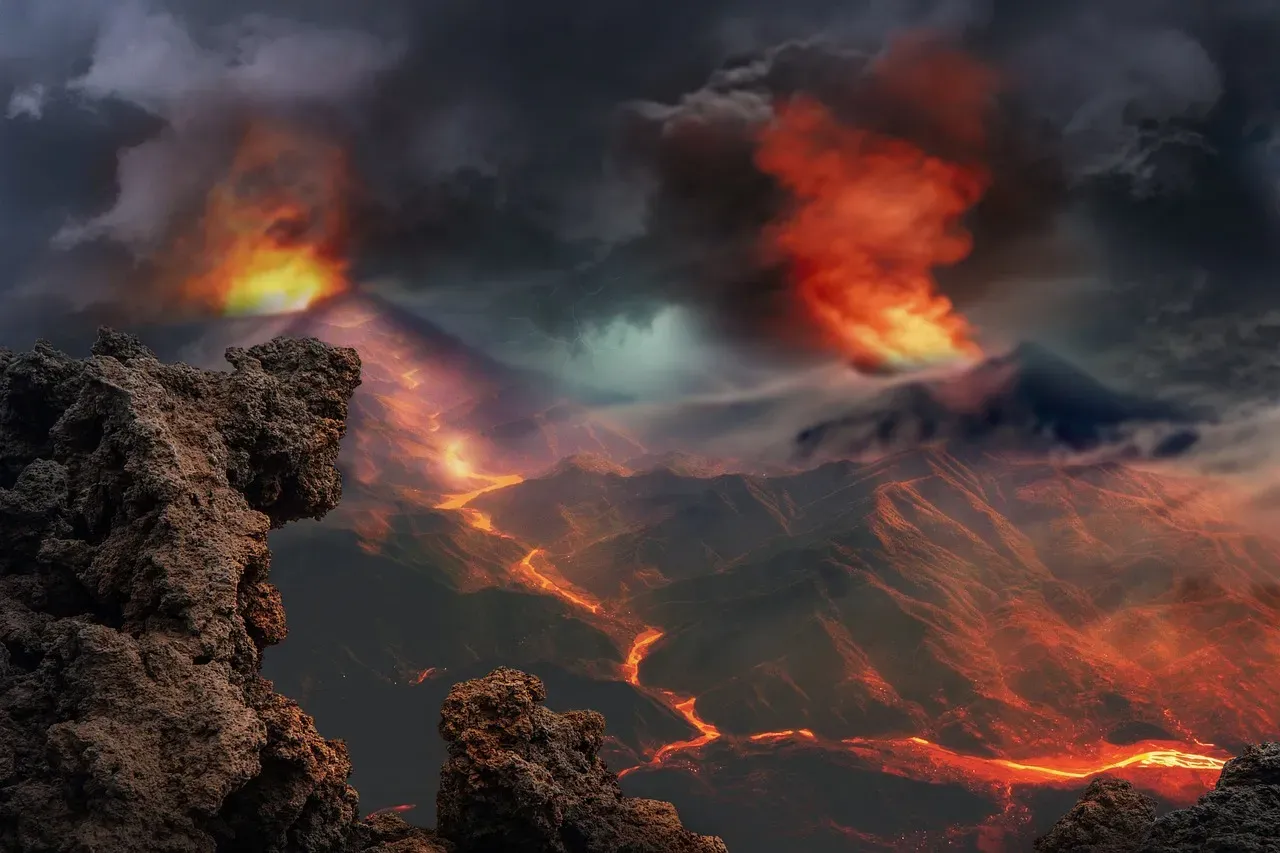
For years, some scientists pointed to massive volcanic eruptions in India – the Deccan Traps – as a contributing factor or even the primary cause of extinction. Volcanic CO2 emissions caused gradual warming over the final period, though a brief cold snap occurred thirty thousand years before the extinction event, likely triggered by volcanic sulfur emissions that blocked sunlight.
One lead scientist noted that volcanic eruptions and associated CO2 emissions drove warming across the globe and sulfur would have had drastic consequences for life on earth, but these events happened tens of thousands of years before the mass extinction and played only a small part in the extinction of the dinosaurs. Devastating? Sure. Extinction-level? Not quite.
Research supports the asteroid impact as the main driver of the non-avian dinosaur extinction, while induced warming from volcanism mitigated the most extreme effects of asteroid impact, potentially reducing the extinction severity. The volcanoes might have actually helped some creatures survive the immediate aftermath by warming a world plunged into darkness.
The Impact Winter That Changed Everything
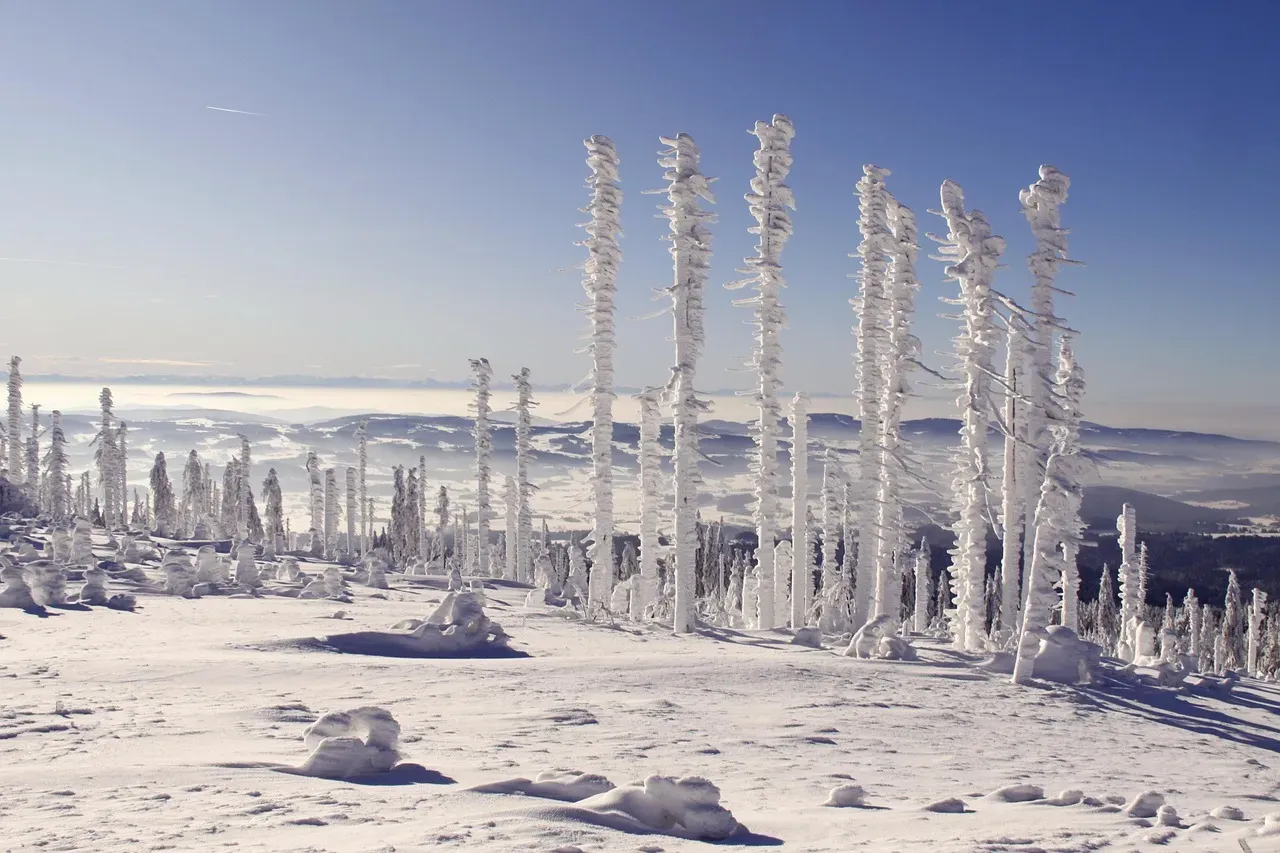
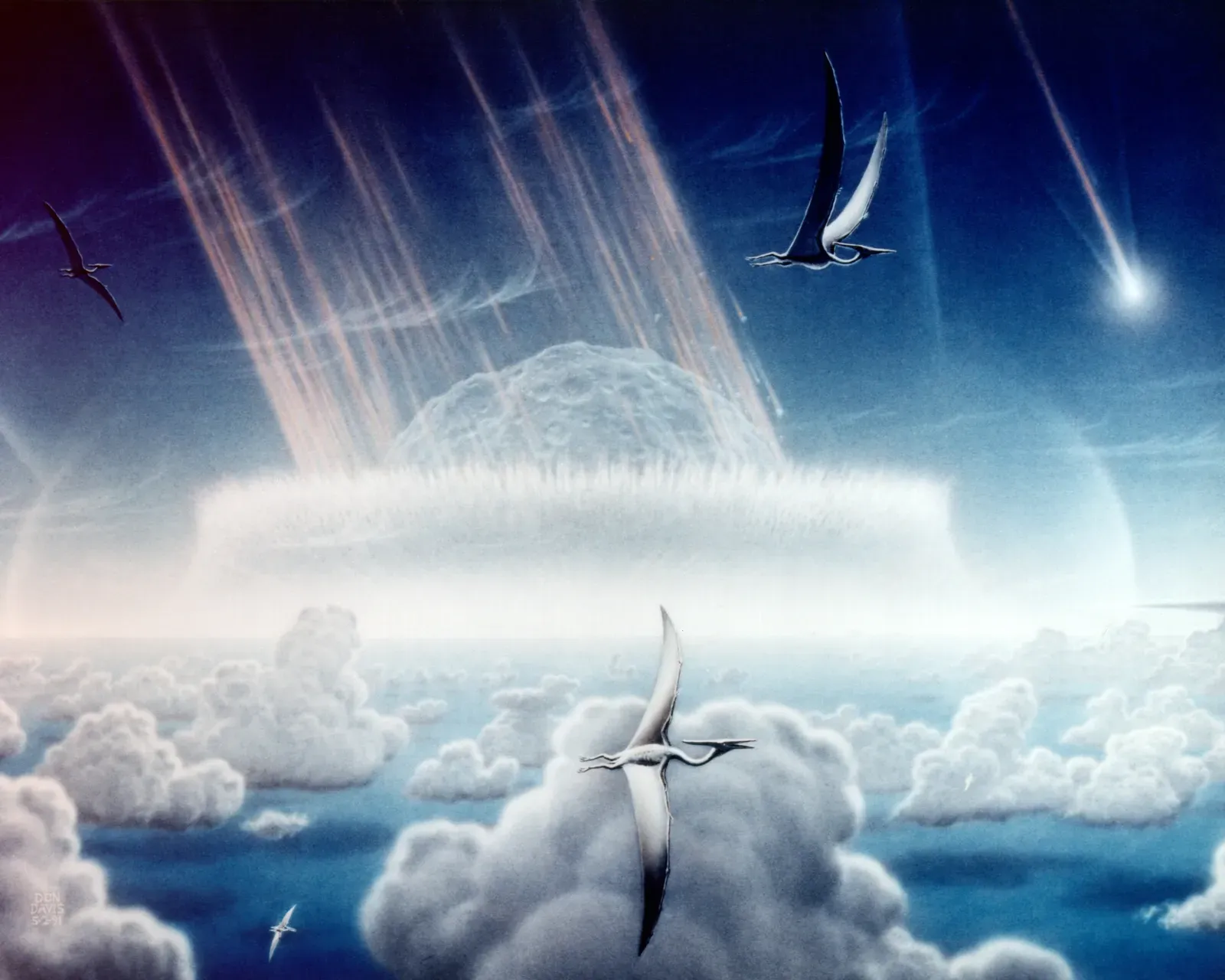
Fine dust from pulverized rock blotted out the sun, causing a global winter up to fifteen years long, and plants died from lack of photosynthesis, causing many plant-eating animals to die as a result. Imagine a world without sunlight for over a decade. No plants grow. Herbivores starve. Carnivores follow soon after.
The dust would have shut down photosynthesis for up to two years, and these first two years, during the darkest part of the global winter, would have been a severe challenge for land and marine animals. I know it sounds crazy, but the mechanism of extinction wasn’t fire and brimstone – it was darkness and cold.
Asteroid impact models generate a prolonged cold winter that suppresses potential global dinosaur habitats. You can be the most successful species on the planet, but when the sun disappears and temperatures plummet, survival becomes nearly impossible for large, metabolically demanding animals.
Why Some Survived and Others Didn’t
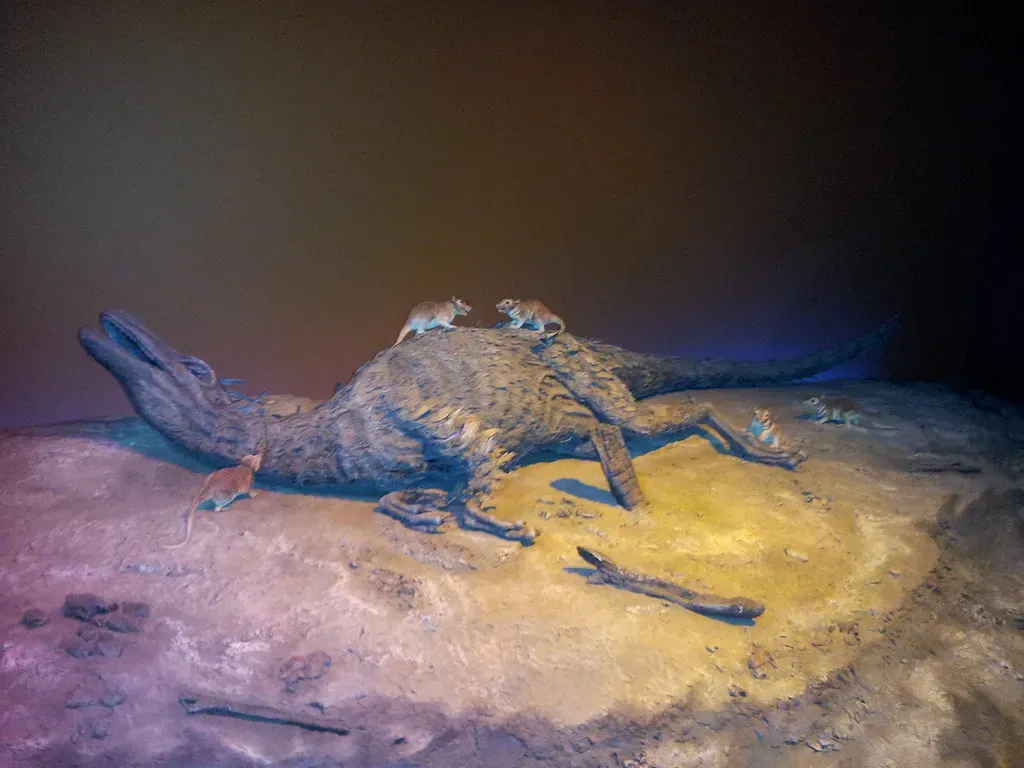
One of the most puzzling aspects of the extinction event is the selectivity. The event caused the extinction of all non-avian dinosaurs and most other tetrapods weighing more than twenty-five kilograms, with the exception of some ectothermic species such as sea turtles and crocodilians. Why did crocodiles make it when T. rex didn’t?
The growing consensus about the endothermy of dinosaurs helps to understand their full extinction in contrast with their close relatives, the crocodilians, as ectothermic crocodiles have very limited needs for food and can survive several months without eating, while endothermic animals of similar size need much more food to sustain their faster metabolism. Cold-blooded creatures could hunker down and wait out the catastrophe. Warm-blooded dinosaurs burned through calories too quickly.
Birds, of course, are the exception. The surviving group of dinosaurs were avians, a few species of ground and water fowl, which radiated into all modern species of birds. Small body size, ability to fly to different environments, and opportunistic feeding habits probably gave them the edge. It’s a powerful reminder of life’s adaptability and fragility working in tandem.
What This Means for Everything We Thought We Knew
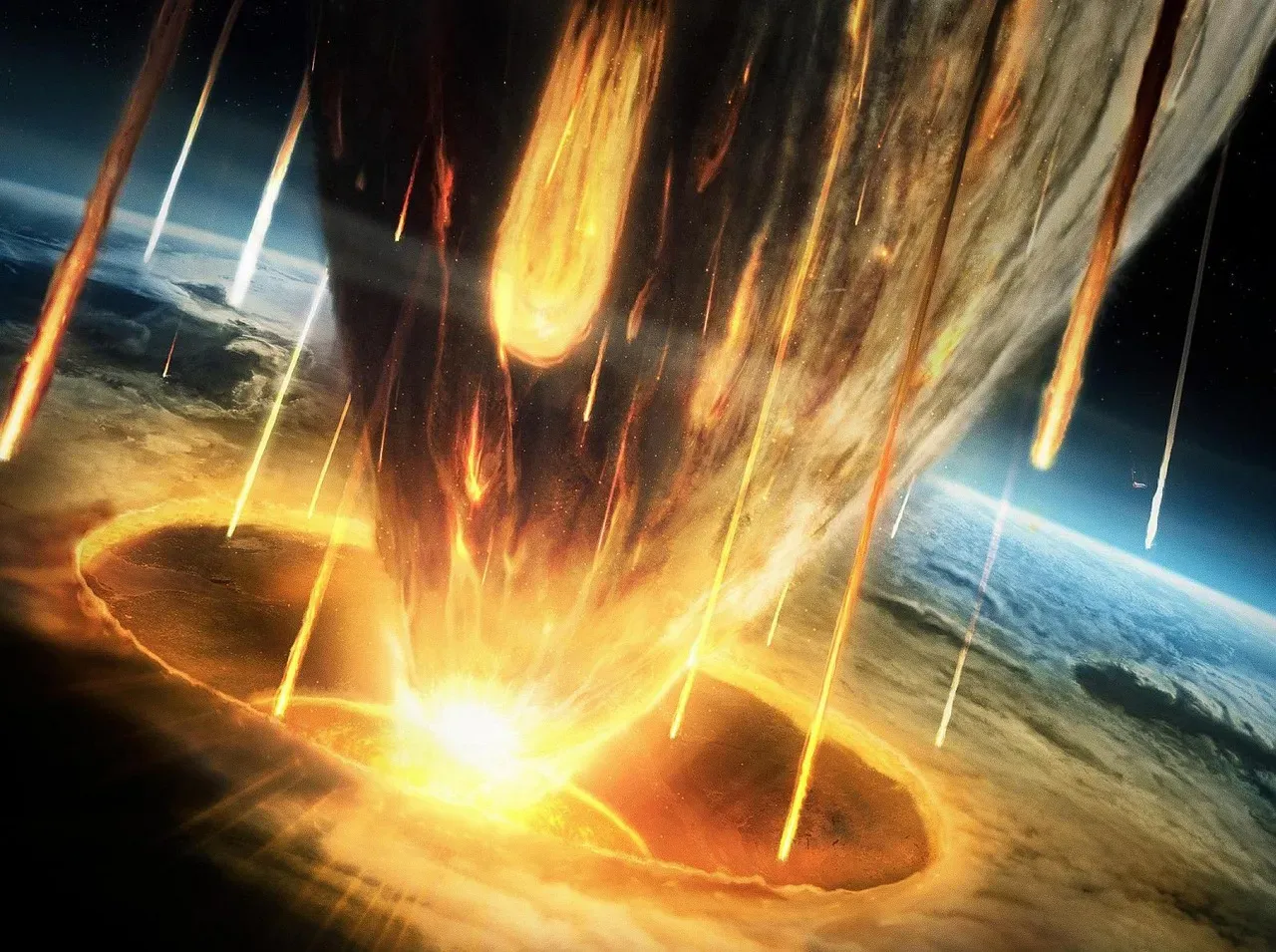
Researchers noted that dinosaurs were probably not inevitably doomed to extinction at the end of the Mesozoic, and if it weren’t for that asteroid, they might still share this planet with mammals, lizards, and their surviving descendants: birds – the asteroid impact was a cataclysmic fluke, not the final blow to an already dying group but the abrupt end to a thriving and diverse reign.
Let that sink in for a moment. You could be sharing your morning commute with descendants of Triceratops. Velociraptors might have evolved into intelligent tool-users. The entire trajectory of mammalian evolution – including our own existence – hinged on a single cosmic accident.
The asteroid impact brought the age of dinosaurs to an abrupt end, but the ecosystems they left behind became the foundation for a new evolutionary chapter, and within just three hundred thousand years, mammals began rapidly diversifying, developing new diets, sizes, and ecological roles, with the same temperature-related patterns that once defined dinosaur ecosystems continuing into the Paleocene epoch. We’re living in the world the dinosaurs left behind – not one they were destined to abandon.
The new research fundamentally reshapes how you should understand extinction itself. It wasn’t gradual decline meeting inevitable end. It was thriving ecosystems meeting unforeseen catastrophe. The difference matters. One narrative suggests that dominant species eventually wear out their welcome on Earth. The other reminds you that even the most successful reign can end in an instant when the universe throws a curveball.
What do you think about it? Does it change how you view the fragility of life on Earth, knowing that dominance offers no protection against cosmic accidents? Tell us in the comments.