There is something quietly extraordinary about an animal that vanished roughly 66 million years ago yet still manages to sell out museum exhibitions, dominate blockbuster cinema, and spark genuine awe in children and seasoned scientists alike. You’d think we’d have moved on by now. We haven’t. If anything, the fascination is only growing stronger.
You are constantly fed new material about these creatures, with fresh discoveries popping up in your news feeds and fictionalized portrayals appearing in movies and TV documentaries. It’s a loop that never quite closes, a mystery that never quite resolves. So what is it about these ancient giants that keeps you coming back? Let’s find out.
The Staggering Scale of Prehistoric Life
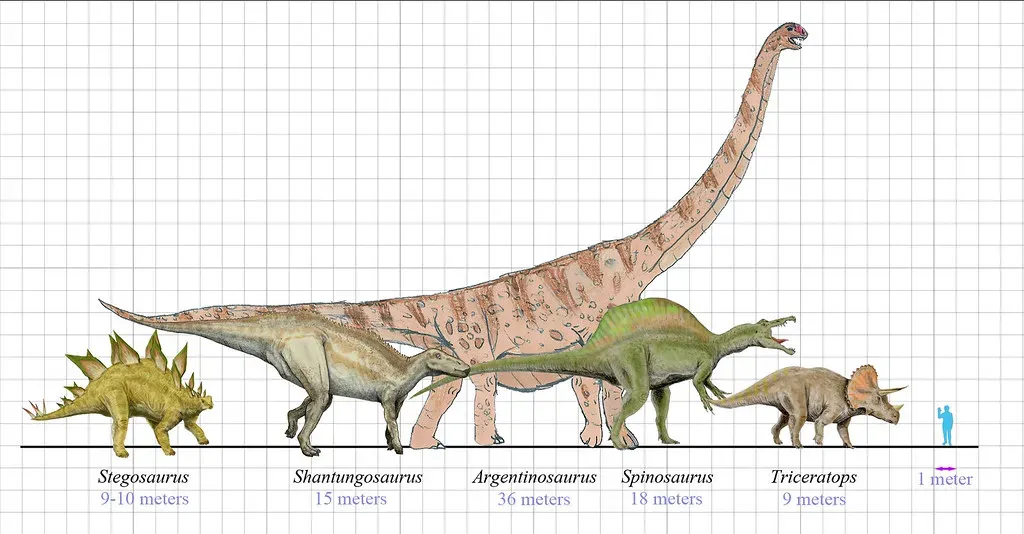
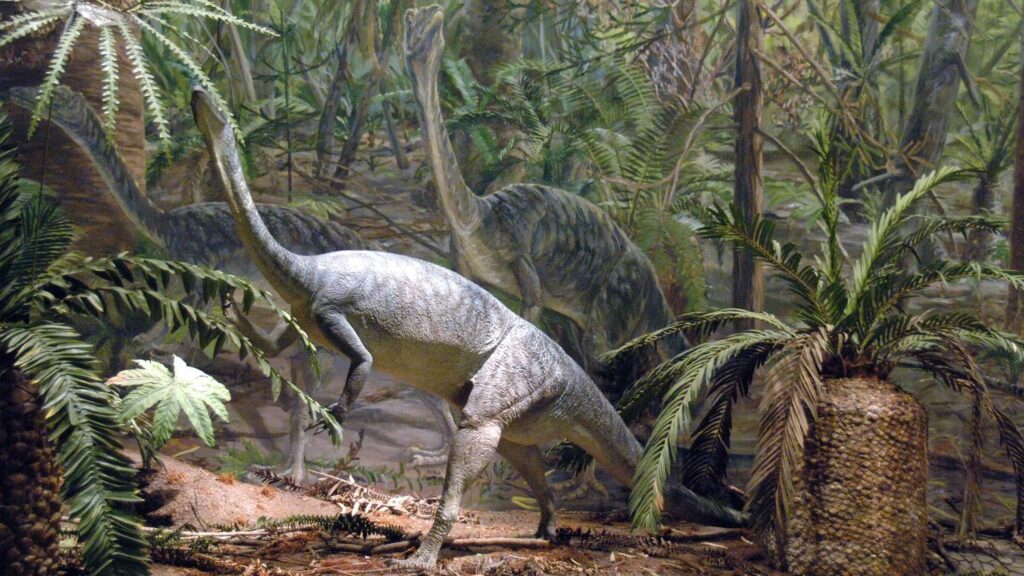
Let’s be real: the sheer size of dinosaurs is probably the first thing that hooked you. The classic reason for the popularity of dinosaurs is that they were “big, fierce, and extinct.” Animals like Brachiosaurus, Tyrannosaurus, Stegosaurus, and other favorites were generally larger than any terrestrial animals alive today, and seem overly gifted with spikes, fangs, claws, and other traits that spark wonder about what such armaments were actually for.
Gigantic, four-legged, long-necked, plant-eating sauropod dinosaurs of the Jurassic and Cretaceous periods, such as Brachiosaurus, were the largest animals to ever walk the Earth, weighing up to 70 tonnes, the equivalent of 12 African elephants. Think about that for a moment. Twelve elephants. Stacked on a single living creature. While Homo sapiens have populated the planet for just around 300,000 years, dinosaurs lived here for more than 150 million years, incredibly diverse and adaptable, surviving all three geological periods of the Mesozoic Era: Triassic, Jurassic, and Cretaceous.
An Unfinished Mystery That Science Keeps Reopening
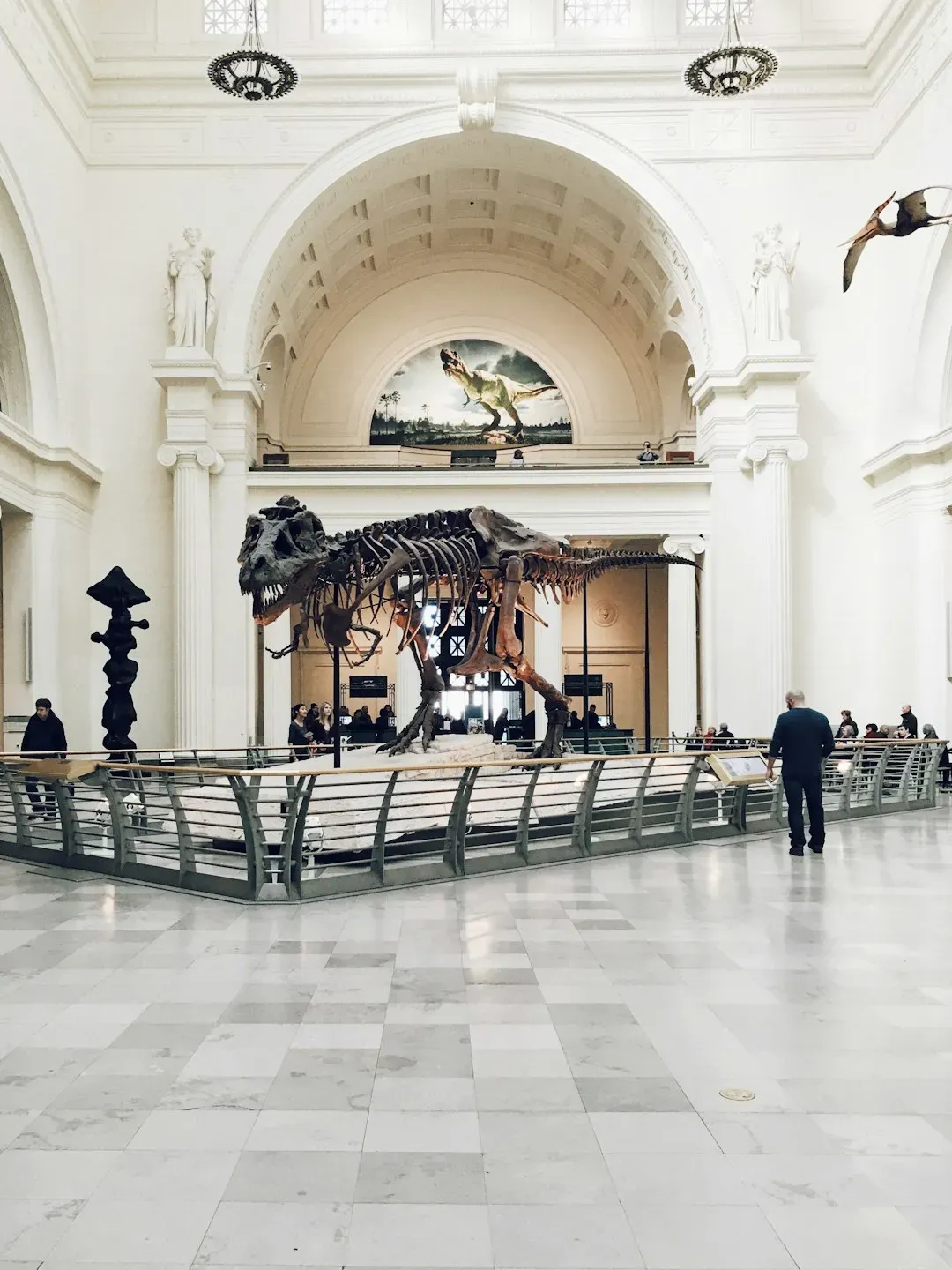
Dinosaurs may be long extinct, but 2025 made it abundantly clear that they are anything but settled science. Over the past year, new fossils, reanalyses of famous specimens, and the use of increasingly sophisticated tools have continued to upend what we thought we knew about how these animals lived. Honestly, it’s almost a little humbling. Generations of experts, and still the picture keeps changing.
From reinterpretations of iconic predators to ancient trackways that capture fleeting moments of Jurassic life, recent research has shown how much information is still locked inside bones, teeth, and footprints that have been studied for decades. You might think paleontology is a tidy science, but it’s actually one of the messiest and most thrilling fields on the planet right now. Every bone fragment carries a story that hasn’t been told yet.
A Golden Age of Discovery You Are Living Through Right Now
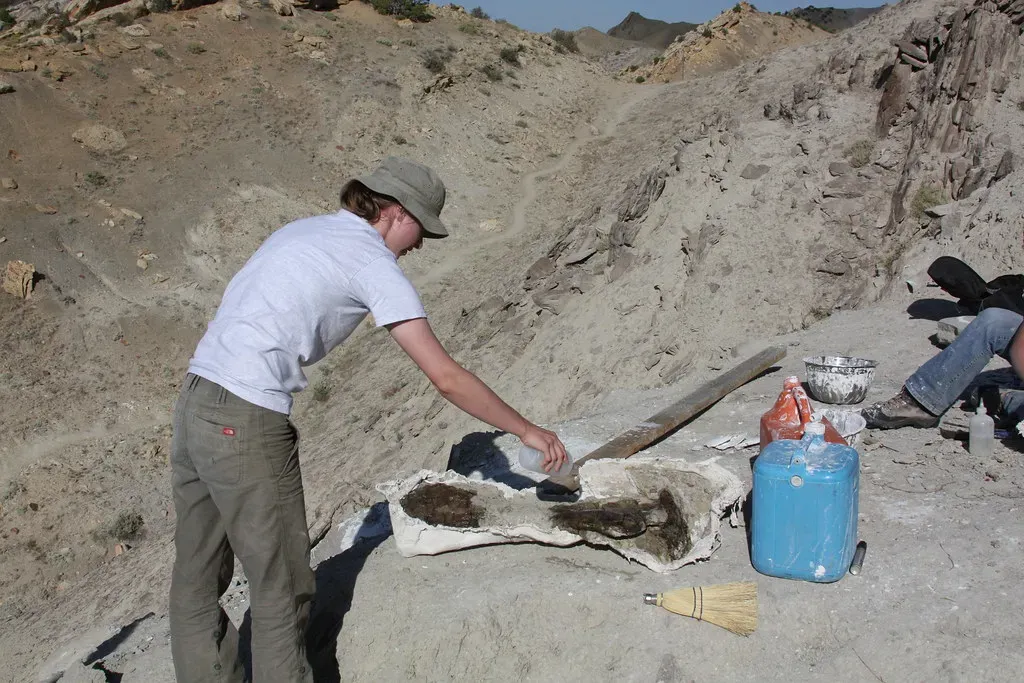
A golden era in dinosaur science is driving the current fascination with dinosaurs. Around 1,400 dinosaur species are now known from more than 90 countries, with the rate of discovery accelerating in the last two decades. The year 2025 alone saw the discovery of 44 new dinosaur species, nearly one a week. Let that number settle in for a second. Nearly one brand-new species every single week.
Many new discoveries come from paleontological hotspots such as Argentina, China, Mongolia, and the US, but dinosaur fossils are also being found in many other places, from a Serbian village to the rainswept coast of northwest Scotland. You don’t need to be in the Gobi Desert to be part of this story. The fossils are literally turning up everywhere, and with each new find, the world you think you know gets a little stranger and more wonderful.
The Nanotyrannus Bombshell That Rewrote the Late Cretaceous
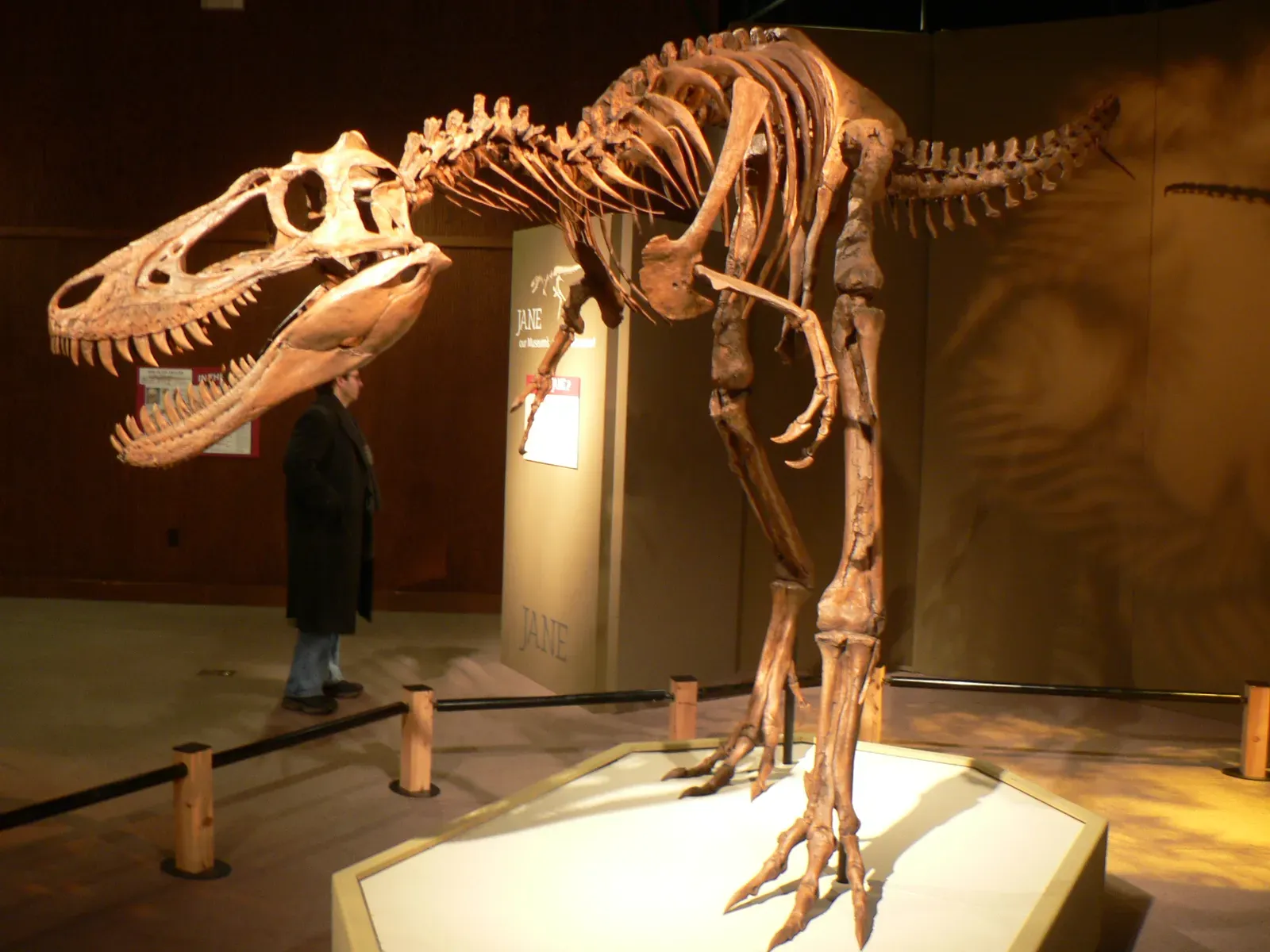
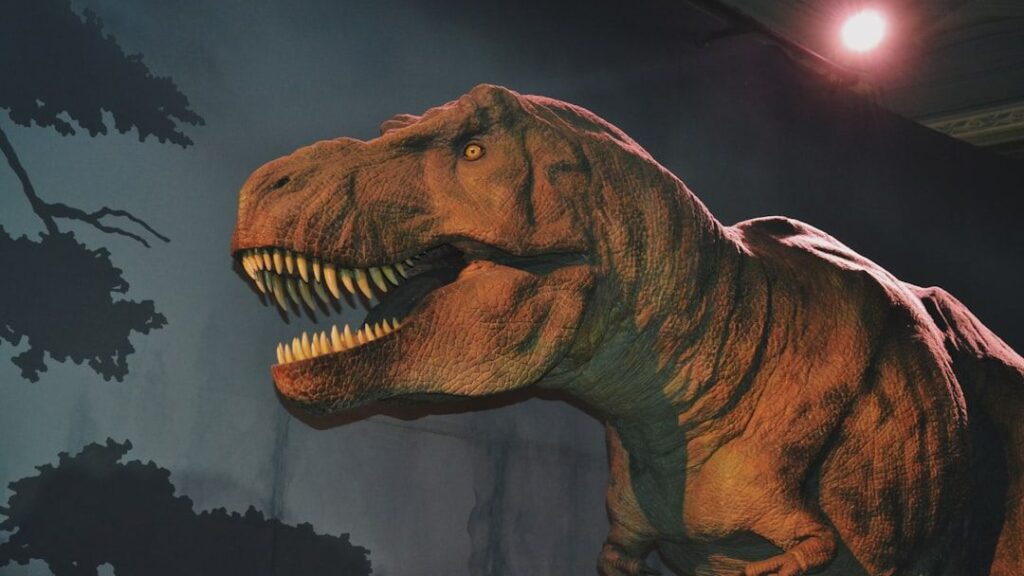
Few paleontological debates are as dramatic as the Nanotyrannus controversy, and in 2025 it finally reached a landmark resolution. Nanotyrannus is nothing short of a notorious dinosaur. Since it was first named in 1988, paleontologists argued over whether medium-sized tyrannosaur fossils found in the same rocks as T. rex were juvenile T. rex or a unique predator. In recent years, evidence appeared to favor the juvenile T. rex hypothesis, but an analysis in Nature of a specimen nicknamed “Bloody Mary” found enough anatomical evidence to support Nanotyrannus as distinct, including fewer tail vertebrae, more teeth, and longer, stronger forearms.
Together, the 2025 studies ended a 35-year-long controversy and revealed Nanotyrannus as a slender, agile pursuit predator built for speed. This discovery completely reframed the idea that T. rex was the lone predator of its time, challenging long-held assumptions about late Cretaceous ecosystem dynamics. Multiple tyrannosaur species coexisted in the last million years before the asteroid impact, suggesting a richer and more competitive ecosystem than previously imagined. It’s the kind of discovery that makes you want to pick up a fossil book and start over from page one.
Weird, Wonderful, and Utterly Unlike Anything You’ve Ever Seen
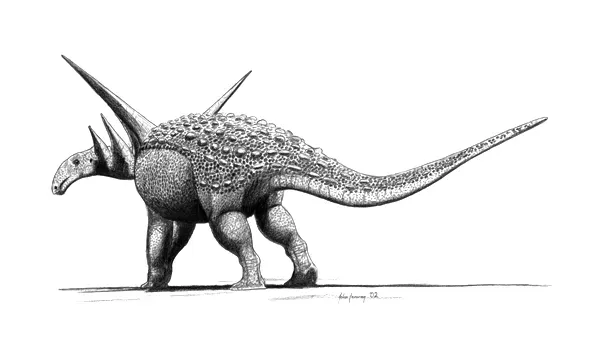
Sometimes the strangest part of dinosaur science isn’t the size. It’s the sheer alien weirdness. A 125-million-year-old dinosaur recently rewrote what scientists thought they knew about prehistoric life. Scientists in China uncovered an exceptionally preserved juvenile iguanodontian with fossilized skin so detailed that individual cells are still visible. Even more astonishing, the plant-eating dinosaur was covered in hollow, porcupine-like spikes, structures never before documented in any dinosaur.
The new fossils of Spicomellus reveal it as the oldest known member of the ankylosaurs, heavily armored, low and squat plant-eaters. Spicomellus is characterized by its bizarre armor, bristling with long spines all over the body, including a bony collar around the neck with spines the length of golf clubs. Dubbed the “punk rock dinosaur” by the BBC, it is changing our understanding of ankylosaur evolution. Punk rock dinosaurs. You truly cannot make this stuff up.
The Living Proof That Dinosaurs Never Actually Left
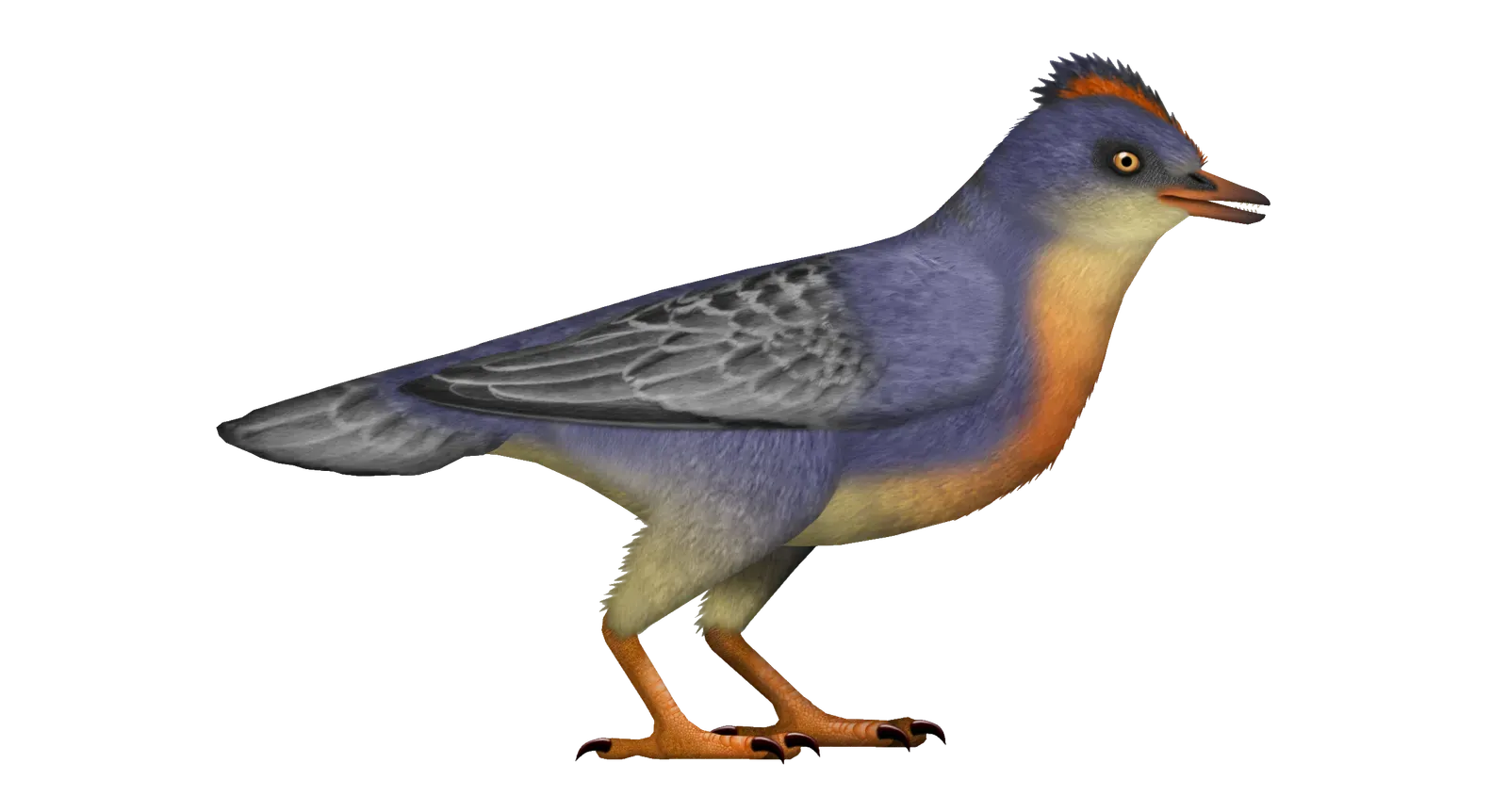
Here is the thing that might genuinely blow your mind if you haven’t heard it before: dinosaurs aren’t actually extinct. Not entirely. Birds are the most diverse group of land animals on Earth, and they are also dinosaurs, the only ones that survived the mass extinction event 66 million years ago. The pigeon you casually ignore on a city street? That’s a dinosaur. A literal, living dinosaur.
Among the most revolutionary insights emerging from 200 years of research on dinosaurs is that the clade Dinosauria is represented by approximately 11,000 living species of birds. Recent years have witnessed tremendous progress in understanding the deep evolutionary origins of numerous distinctive avian anatomical systems, enabled by exciting new fossil discoveries leading to an ever-expanding phylogenetic framework. Baminornis, discovered in China and described in early 2025, instantly expanded scientists’ knowledge of the earliest birds. Baminornis is unlike Archaeopteryx, hinting at a complex evolutionary story, and in parallel, a remarkably well-preserved Archaeopteryx specimen shed unprecedented light on the first birds.
The Role of Pop Culture in Keeping the Flame Alive
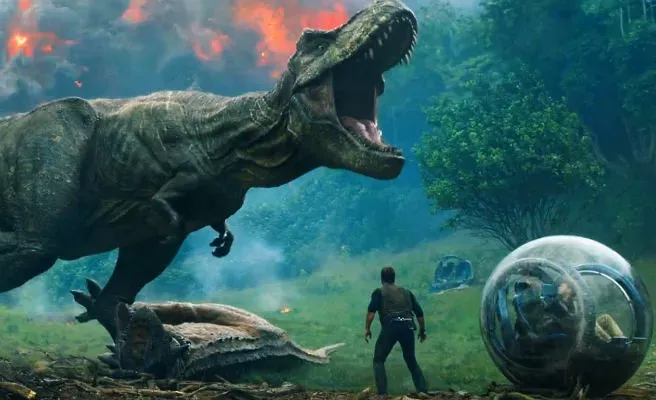
You can’t discuss our ongoing dinosaur obsession without giving credit where it’s due: pop culture has been doing heavy lifting for decades. Films like “Jurassic Park” and its sequels have collectively grossed billions worldwide, attesting to the enduring fascination and popularity of these colossal creatures. Think of it like a feedback loop. You see the movie, you get curious, you visit the museum, and suddenly you’re a convert for life.
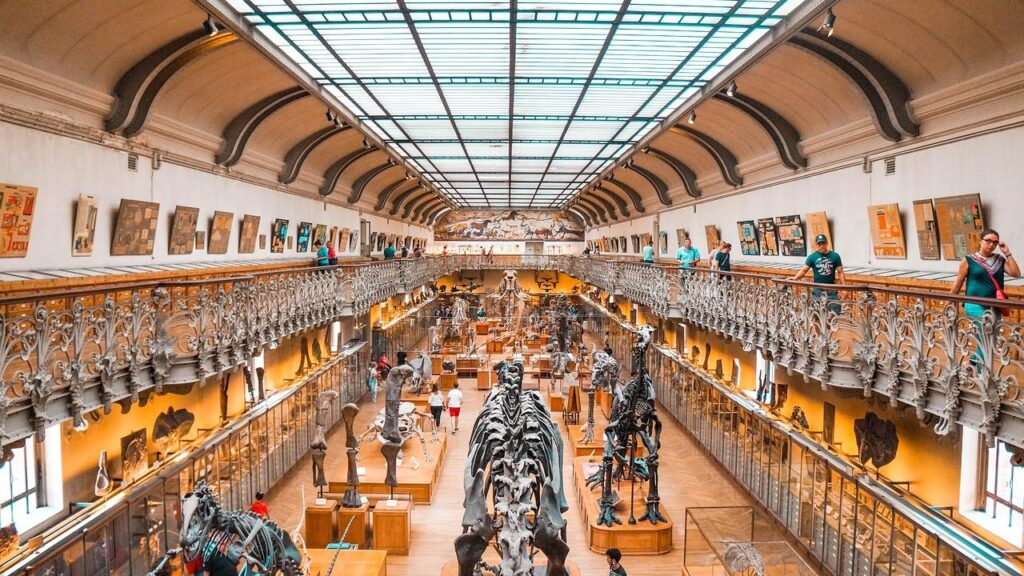
In 2025, the BBC revived their landmark series Walking With Dinosaurs, while July saw the release of Jurassic World Rebirth, the seventh film in the Jurassic Park franchise. Rising auction prices for dinosaur skeletons became a rich source of media headlines, and a record-breaking number of visitors, 6.3 million in 2024 to 2025, flocked to the Natural History Museum in London, where dinosaurs are a key draw. Nearly six and a half million people. For bones. Extraordinary.
Why Children Fall So Hard for Dinosaurs
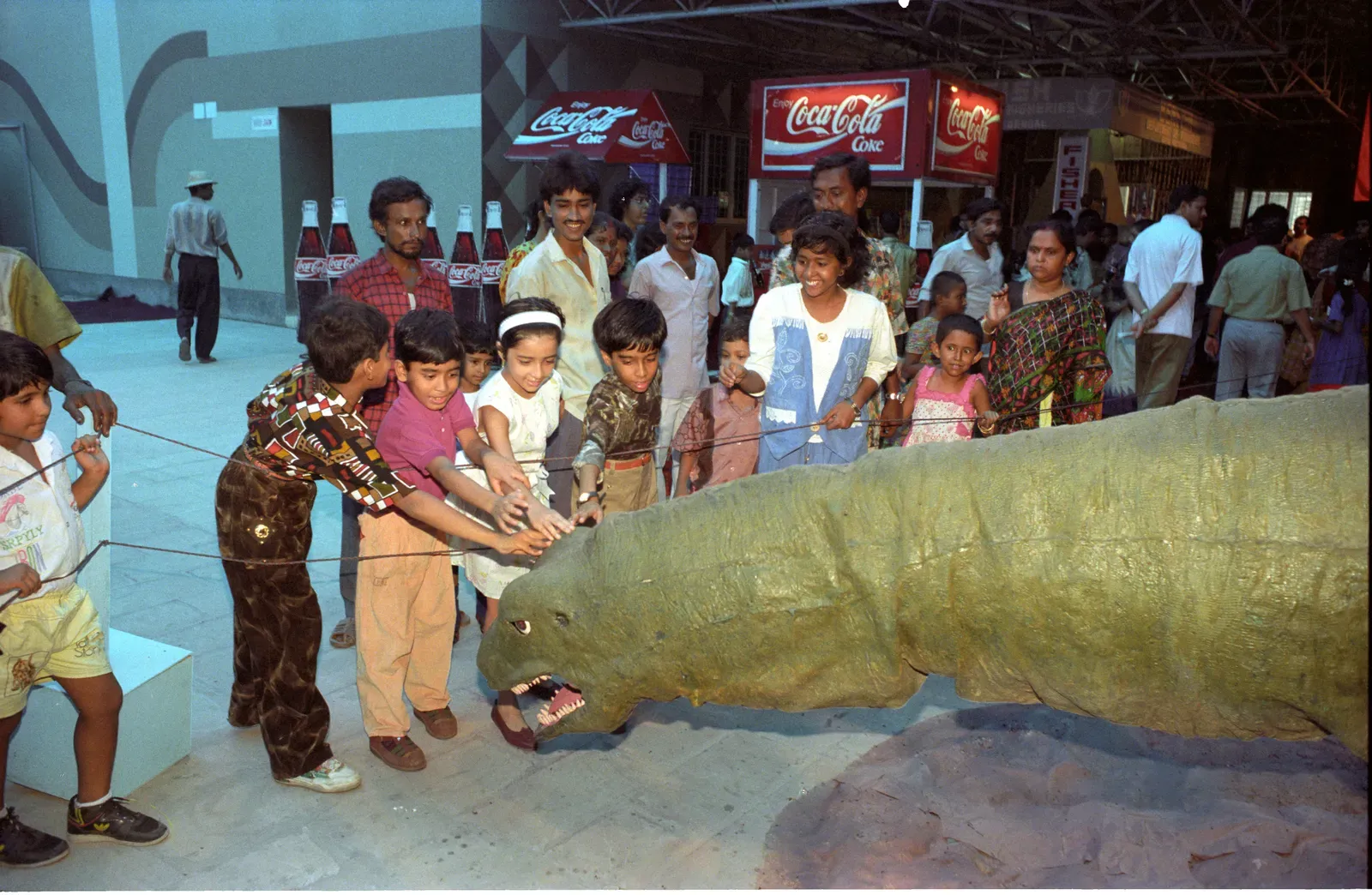
If you’ve ever watched a five-year-old confidently rattle off the names of a dozen dinosaur species, you know this is something special. Children aren’t afraid of dinosaurs because these massive creatures are extinct. Children don’t have to worry about being chased by a T. rex, so they feel safe coming up with fantastical, imaginary stories and scenarios involving them. It’s a thrilling danger with a built-in safety net.
A 2008 study by Indiana University discovered that “sustained intense interests, particularly in a conceptual domain like dinosaurs” can help children develop increased knowledge and determination, a stronger attention span, and deeper information-processing skills. Dinosaurs have complicated names and can be divided into various types including herbivores, carnivores, and omnivores. Being able to memorize facts and show off their knowledge can be empowering for children, helping them feel a sense of pride and intelligence, and giving them unique information to share with adults, teachers, and other children. It’s basically a masterclass in early cognitive development, disguised as dinosaur obsession.
Technology Is Transforming What You Can Know About Ancient Life

The tools paleontologists use today would have seemed like science fiction just a generation ago. Medical scanners, particle accelerators, and chemical analyses are letting researchers virtually separate rock from bone and see fossils’ tiniest hidden features. From the colors of dinosaurs’ eggs and feathers to the shapes of their brains, the dinosaur encyclopedia now includes unprecedented details on how these animals were born, grew up, and lived.
Dinosaur footprints have always been mysterious, but a new AI app called DinoTracker is cracking their secrets. DinoTracker analyzes photos of fossil tracks and predicts which dinosaur made them, with accuracy rivaling human experts. One research team dated minerals preserved within the space inside a fossil dinosaur eggshell to get a direct age, while another analyzed radioactive isotopes preserved within the eggshell itself. Such techniques will allow paleontologists to determine more accurate dates for fossil sites, which is essential to working out which dinosaur species lived together and how dinosaurs evolved over time. Science, it turns out, keeps finding new ways to listen to ancient bones.
Conclusion
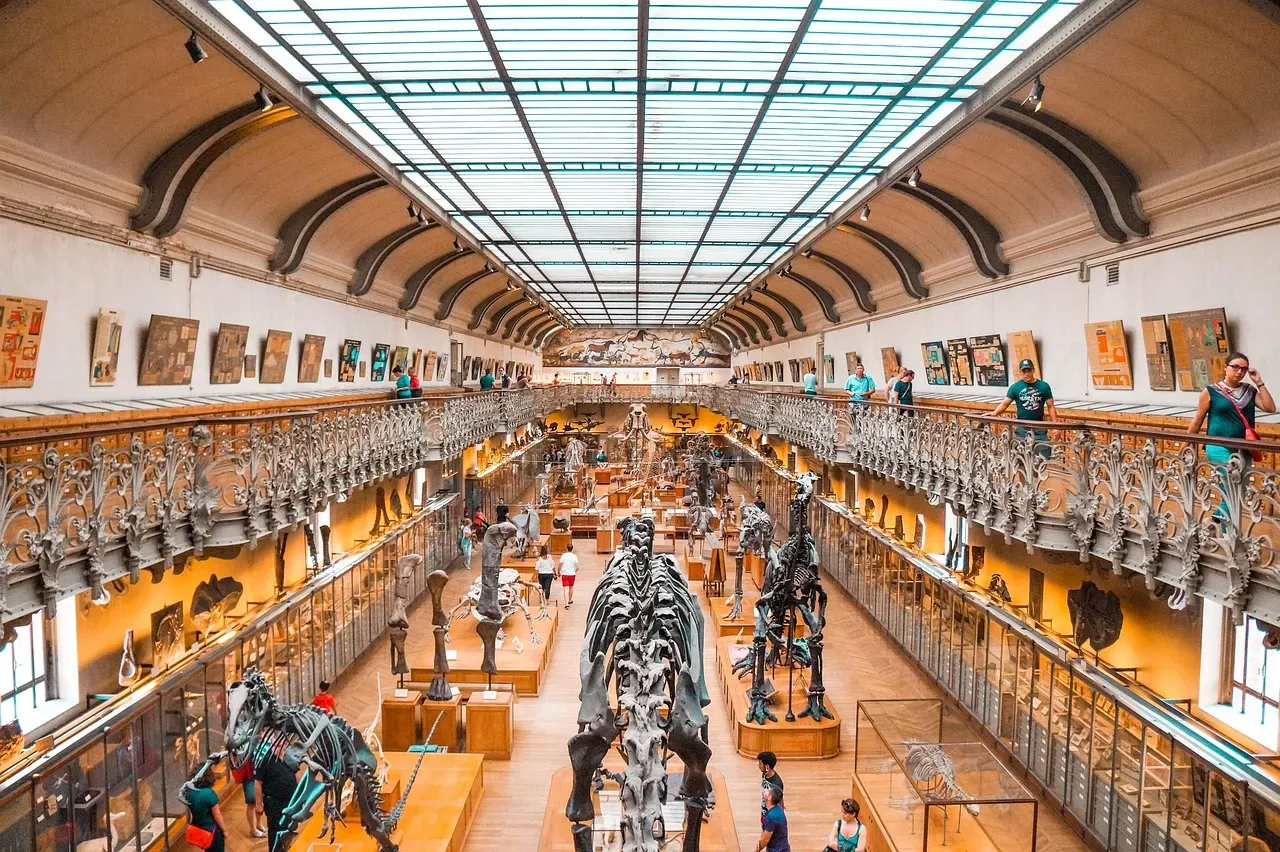
Dinosaurs have earned their place in the permanent gallery of human wonder. They are not just relics. They are a mirror. You look at them and see survival, transformation, mystery, and the humbling reminder that Earth’s story stretches far beyond anything your own species has witnessed. They thrived for over 150 million years, adapted beyond every challenge thrown at them, and in some form, never truly left.
Every year, science hands you a new piece of the puzzle. A porcupine-spiked herbivore from China. A second Jurassic bird overturning a century of assumptions. A slender tyrannosaur confirmed after 35 years of debate. Scientific advances continue to show us that dinosaurs weren’t the one-note menaces sometimes seen in popular culture. They courted each other with elaborate displays and squabbled for social status. They suffered broken bones and infections. They snapped after bugs and nibbled on ferns. Their days were as rich and varied, frenzied and humdrum, as those of the birds outside your windows.
Perhaps that’s the deepest reason they still captivate you. In their lives, you can almost recognize your own. What will the next discovery reveal? That, honestly, is the most thrilling question in science right now. What do you think the next big dinosaur discovery will change about everything we know?