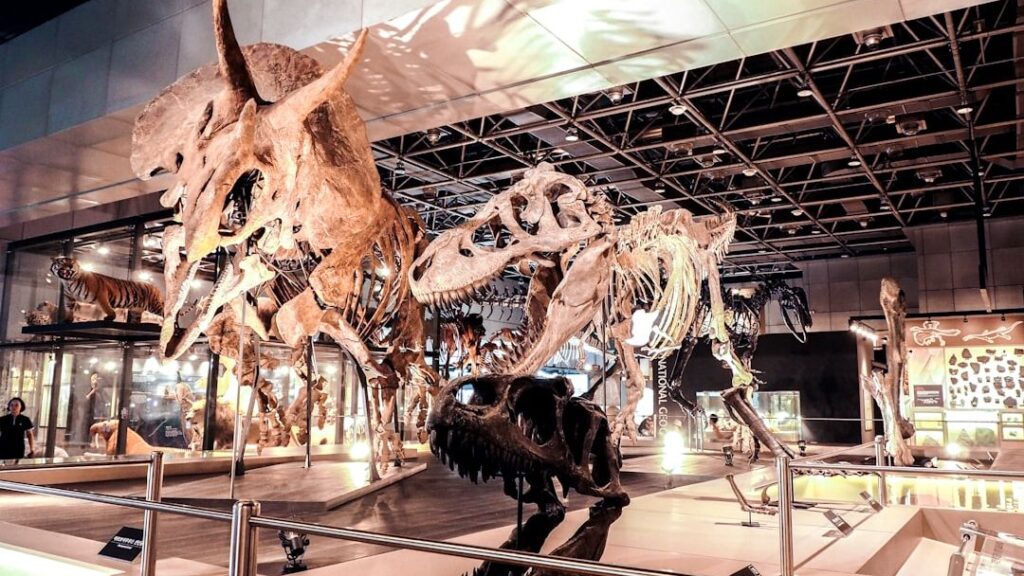
For millions of years, dinosaurs dominated every corner of our planet. Then, roughly 66 million years ago, they vanished. Honestly, this isn’t just an ancient mystery gathering dust in a museum somewhere.
Scientists are still debating what happened to these magnificent creatures. New research emerges nearly every year, challenging what we thought we knew. Some theories gain traction, while others fall apart under scrutiny. Let’s dive into the latest discoveries and see what modern science is revealing about one of Earth’s greatest whodunits.
The Fossil Record Isn’t Telling the Whole Story
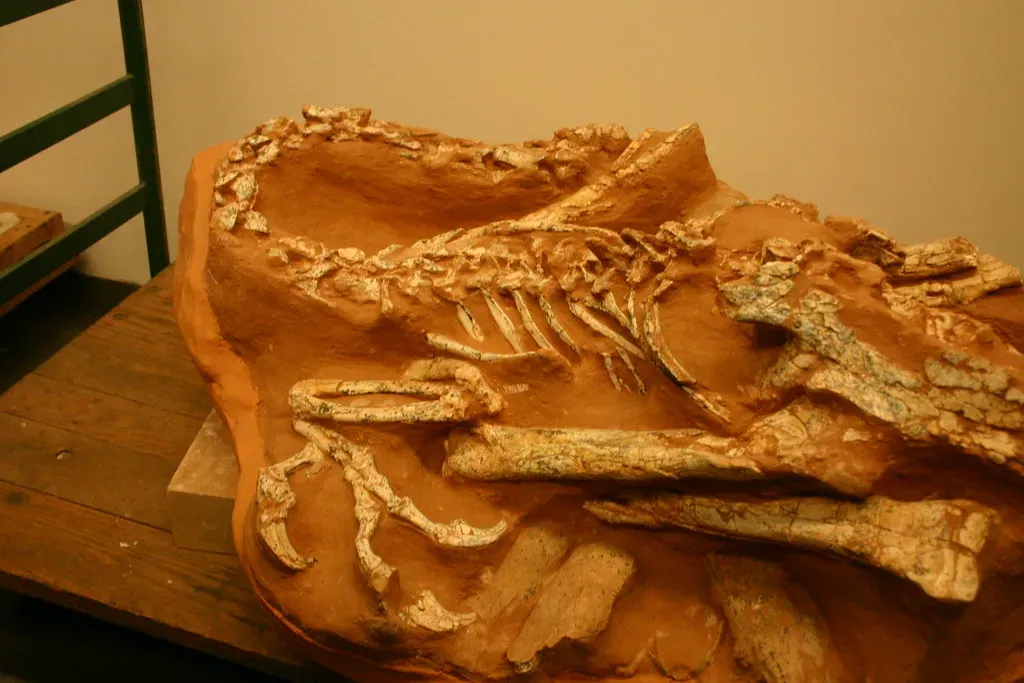
Recent analysis published in Current Biology adds to growing evidence that dinosaurs were doing just fine before the asteroid’s deadly impact. New research led by scientists at University College London challenges the idea that dinosaur species gradually declined, suggesting that gaps in the fossil record might better explain the lack of specimens.
Here’s the thing. Limited exposed rock from that time period may have created an illusion of declining dinosaur diversity, as natural geological changes might have reduced where and how fossils could be preserved. What looks like extinction could simply be bad luck in finding bones. The likelihood of detection declined over four time periods, with the most influential factor being how much relevant rock was exposed and accessible.
Was the Asteroid Really a Knockout Punch
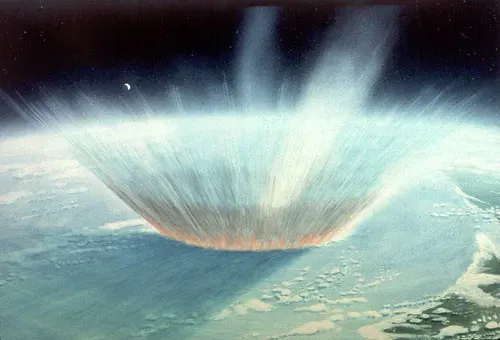
You’ve probably heard about the Chicxulub crater in Mexico. Scientists were able to link the extinction event to a huge impact crater along the coast of Mexico’s Yucatán Peninsula, and at about 93 miles wide, the Chicxulub crater seems to be the right size and age to account for the dino die-off. The evidence is compelling, I’ll admit.
An oddly high amount of the metal iridium in the Cretaceous-Paleogene layer is relatively rare in Earth’s crust but more abundant in stony meteorites, which led scientists to conclude that the mass extinction was caused by an extraterrestrial object. Global mean surface temperatures decreased by between roughly 10 and 70 degrees Celsius and took decades to return to normal values. That’s not just a bad day. That’s a planetary catastrophe.
Volcanic Eruptions Enter the Ring
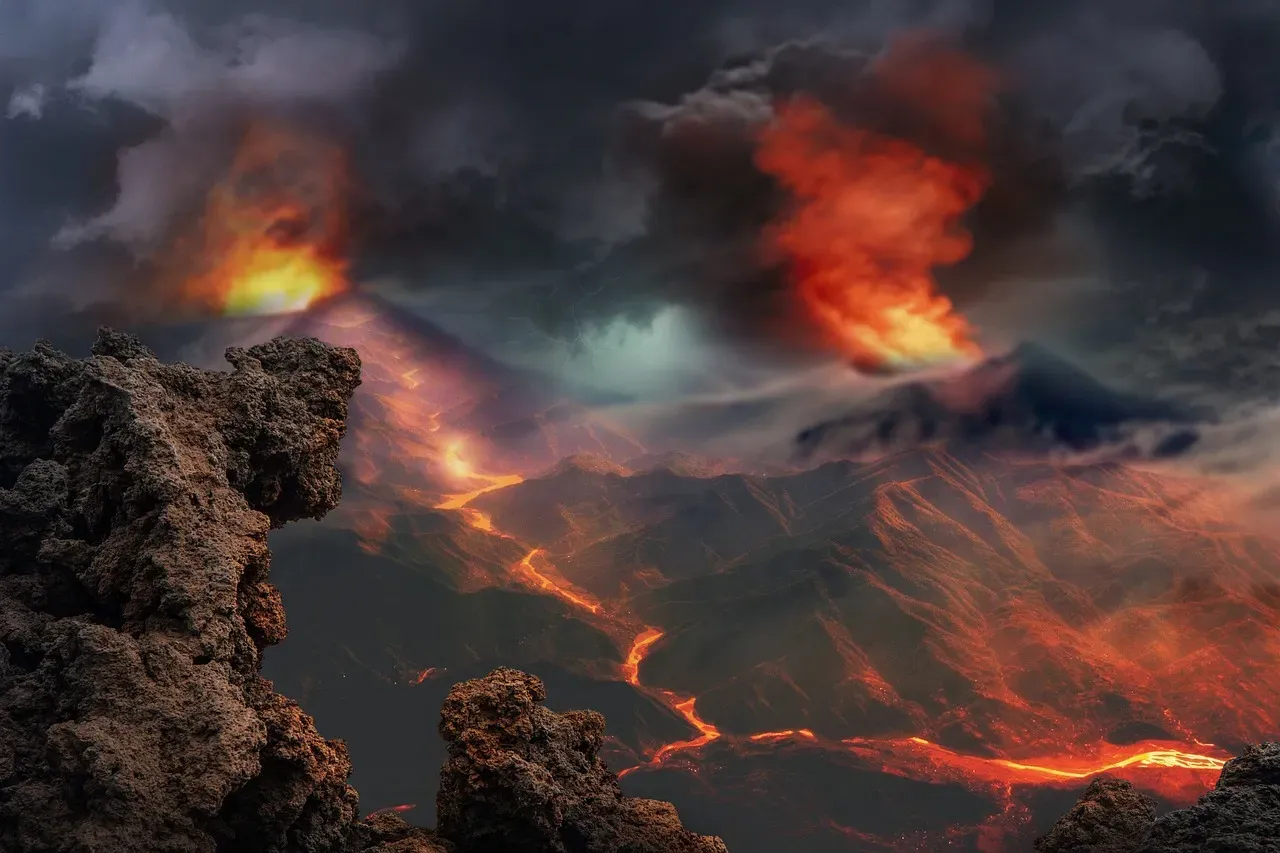
Yet the debate isn’t settled. Although the Chicxulub meteorite impact is widely recognized as the main cause of the dinosaurs suddenly dying off, massive volcanic eruptions, known as the Deccan Traps, were going off at roughly the same time in present-day India and have also been proposed as a contributing factor.
Computer simulations suggest that massive bursts of gas produced by the Deccan Traps eruptions were solely capable of causing the extinction event, with eruptions lasting roughly a million years and spewing massive amounts of gas-ridden lava across what’s now western India. Still, many scientists remain skeptical. According to an international, Yale-led team of researchers, volcanic activity did not play a direct role in the mass extinction event that killed the dinosaurs, as it was all about the asteroid.
Climate Change Before It Was Cool
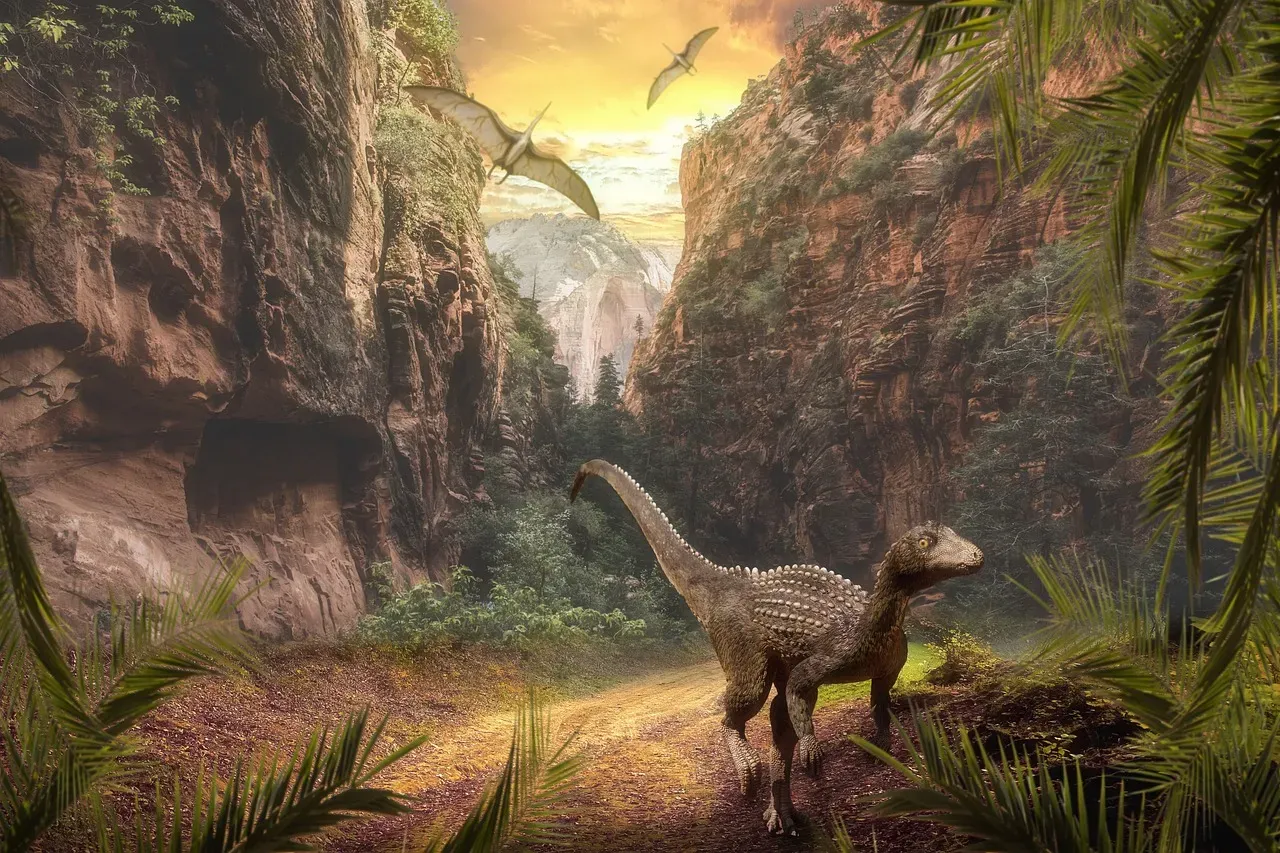
Prior to the asteroid’s crash landing, Earth was experiencing a period of climate change, making things harder for life on our planet. Think about that for a second. The dinosaurs might have been stressed before their final moment arrived.
Research found a decline across dinosaurs, where diversification shifted to a declining-diversity pattern around 76 million years ago, likely driven by global climate cooling and herbivorous diversity drop. Competition among plant eaters might have weakened entire ecosystems. Volcanic carbon dioxide emissions caused gradual warming over this period, however, a brief cold snap occurred 30,000 years before the extinction event, likely triggered by volcanic sulfur emissions that blocked out light from the sun.
Were Dinosaurs Already in Decline
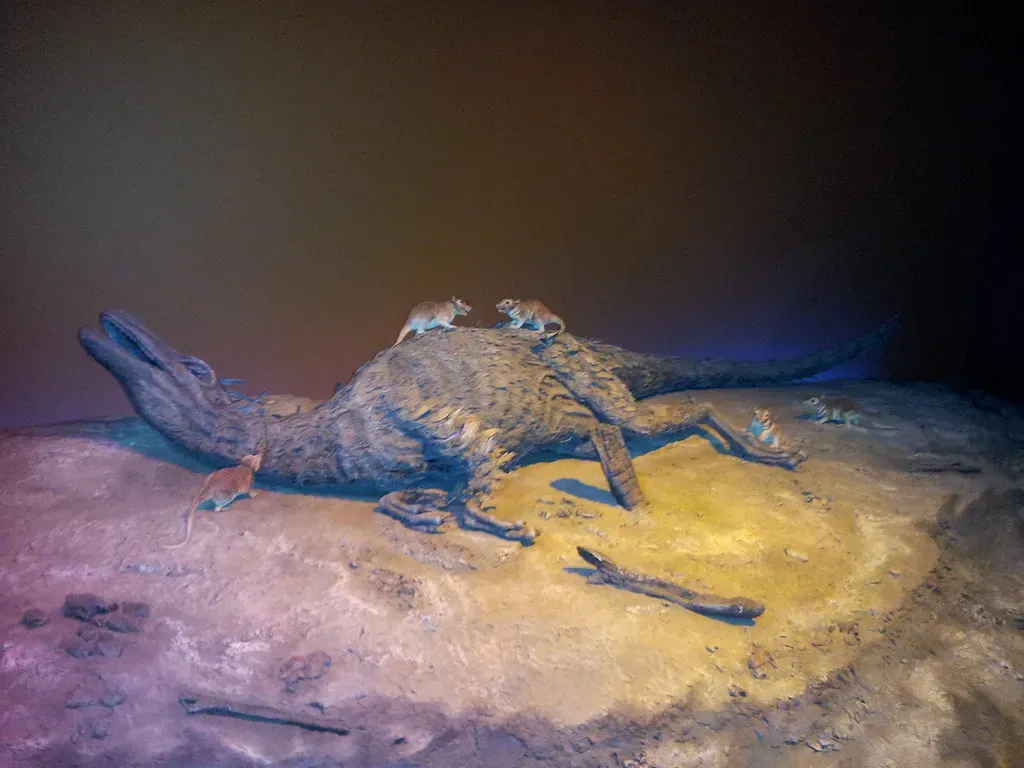
This question has sparked fierce arguments in paleontology circles. Some scientists suggest that dinosaurs were probably not inevitably doomed to extinction at the end of the Mesozoic, and if it weren’t for that asteroid, they might still share this planet with mammals, lizards, and their surviving descendants: birds.
Others disagree entirely. Analysis of speciation-extinction dynamics for six key dinosaur families found a decline across dinosaurs, and the decline of dinosaurs was likely driven by global climate cooling and herbivorous diversity drop. It’s hard to say for sure, but perhaps the dinosaurs were hanging on by a thread when disaster struck. Non-avian dinosaurs likely promoted open habitats and their extinction might have resulted in widespread emergence of dense forest cover.
Computer Models Versus Human Intuition
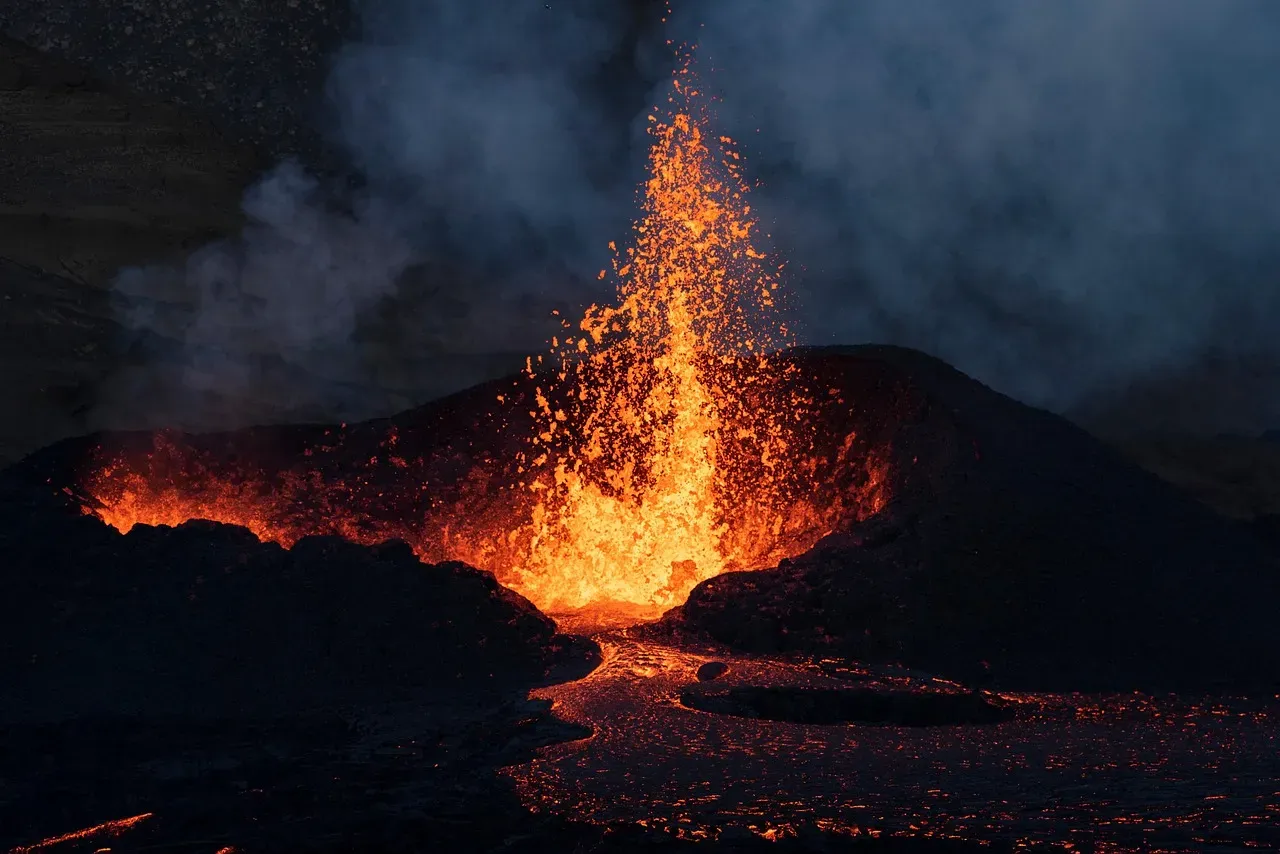
An artificial intelligence analysis suggests volcanism alone could account for the non-avian dinosaurs’ demise, though computers noted a plunge in biological activity after the impact on a timescale too short to be from volcanism. Machine learning is getting involved now, which adds another layer to this puzzle.
Scientists who have commented publicly have generally expressed skepticism, with one noting that like any model, output depends on input. You can program a computer to crunch numbers, but can it really understand what happened when a six-mile-wide rock slammed into Earth? Many scientists are not convinced that these findings provide the ultimate answer to this long-standing, complex question. The human element in science still matters.
What Survived Tells Its Own Tale
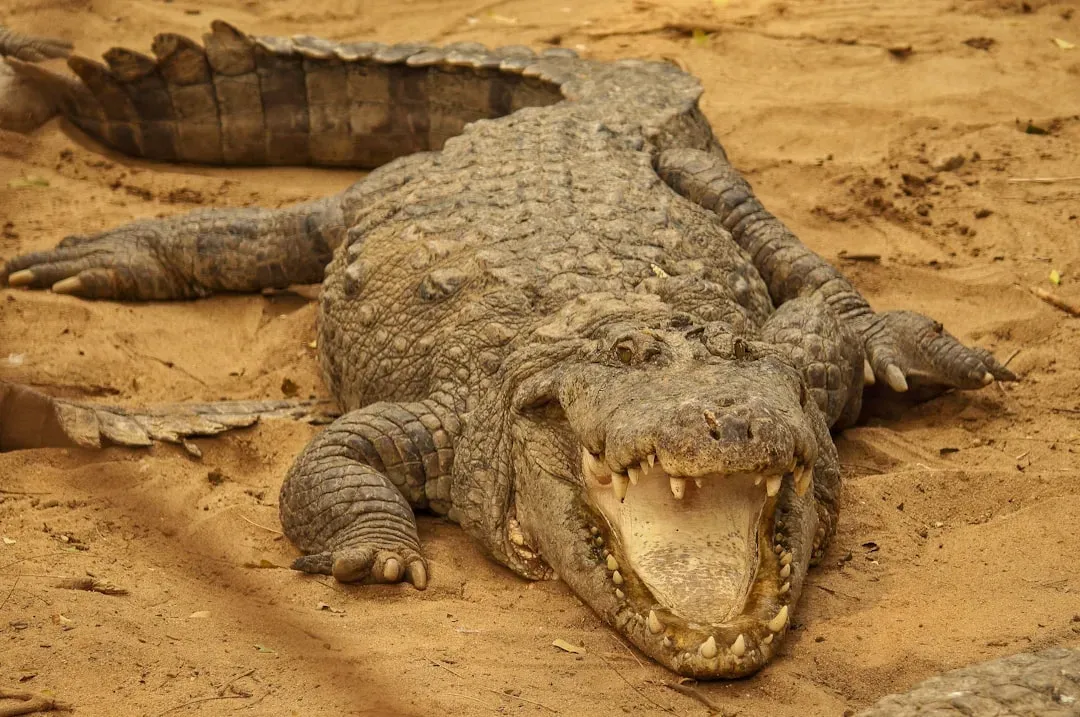
Strangely, turtles, crocodilians, lizards, and snakes were either not affected or affected only slightly, while effects on amphibians and mammals were mild. That’s genuinely bizarre when you think about it. Why did massive, adaptable dinosaurs die while slow-moving turtles made it through?
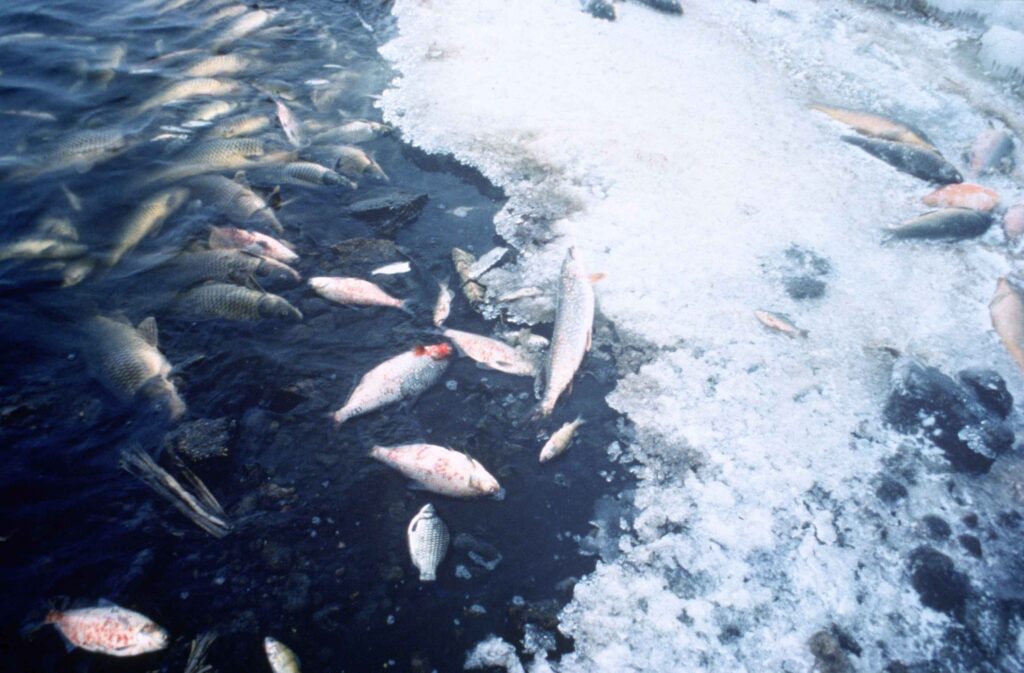
While some mammals, birds, small reptiles, fish, and amphibians survived, diversity among the remaining life-forms dropped precipitously, and in total, this mass extinction event claimed three quarters of life on Earth. The patterns don’t make obvious sense. Whatever killed the dinosaurs was selective, brutal, and swift. Among the casualties, ammonites, some microscopic plankton, pterosaurs and large marine reptiles all died out.
Conclusion: The Mystery Continues
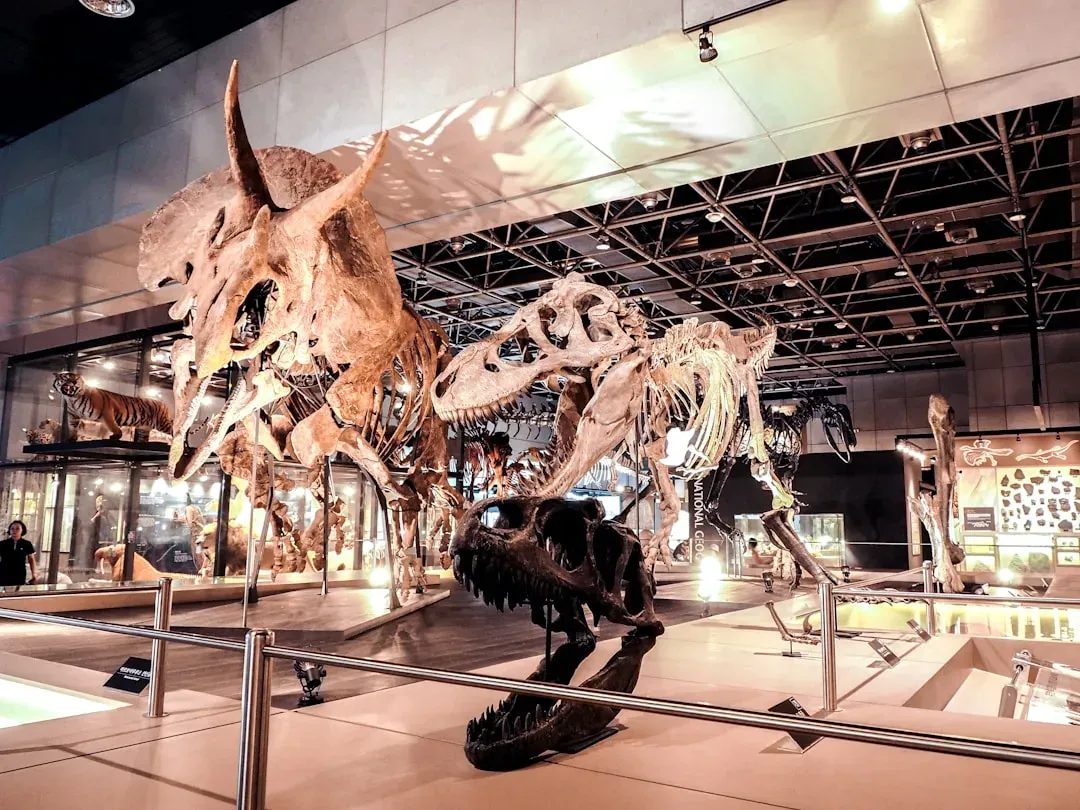
We’re living in 2026, and scientists are still arguing about what happened 66 million years ago. That should tell you something about how complex this event truly was. The asteroid impact remains the leading candidate, supported by overwhelming physical evidence from the Chicxulub crater and global iridium deposits.
However, volcanic eruptions, climate shifts, and ecosystem stress all played roles we’re only beginning to understand. Perhaps the real answer lies not in choosing one theory over another, but in recognizing that multiple factors converged at exactly the wrong time for the dinosaurs. Nature rarely operates with single causes when it comes to mass extinctions.
What do you think really happened? Was it a single catastrophic blow, or did the dinosaurs face a perfect storm of disasters? The debate rages on, and each new discovery brings us closer to understanding one of the most dramatic turning points in Earth’s history.