Close your eyes and picture a Tyrannosaurus rex. Odds are, you just heard it too – that earth-shattering, gut-punch roar that Hollywood has drilled into your brain since you were a kid. It’s one of the most iconic sounds in cinematic history. The only problem? Science is now pretty confident it never actually happened.
The question of what dinosaurs truly sounded like is one of the most fascinating puzzles in all of paleontology. You might be surprised to learn how far the real answer strays from what you’ve seen on screen. From booming closed-mouth hums to otherworldly resonating crests, the prehistoric soundscape was something far stranger and, honestly, far more interesting. Let’s dive in.
Why the Jurassic Park Roars Were Basically Fiction
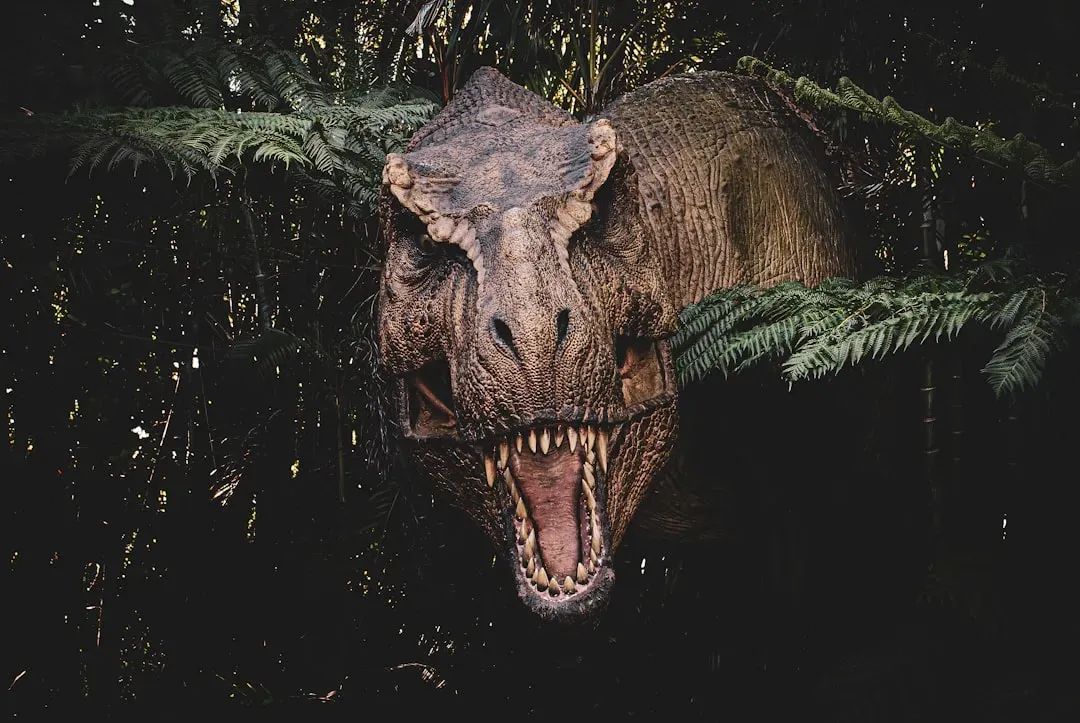
Let’s be real – the roaring T. rex is one of cinema’s greatest lies. The exciting, blood-curdling roars in the Jurassic Park franchise are not scientifically accurate. Current evidence supports that Tyrannosaurus rex made closed-mouth vocalizations, but in the films, the Tyrannosaurus opens its mouth every time it roars. That’s the exact opposite of what researchers now believe.
Here’s the thing – those iconic sounds weren’t even recorded from reptiles. The majority of the sounds used to create the Tyrannosaurus sonic palette came from recordings of elephant bellows. Also used were crocodilian growls, roars from lions and tigers, the sound of water coming up from a whale’s blowhole, and even growls from the sound producer’s dog. Creative? Absolutely. Scientifically grounded? Not so much.
The Science of Paleoacoustics: Studying Sounds That No Longer Exist
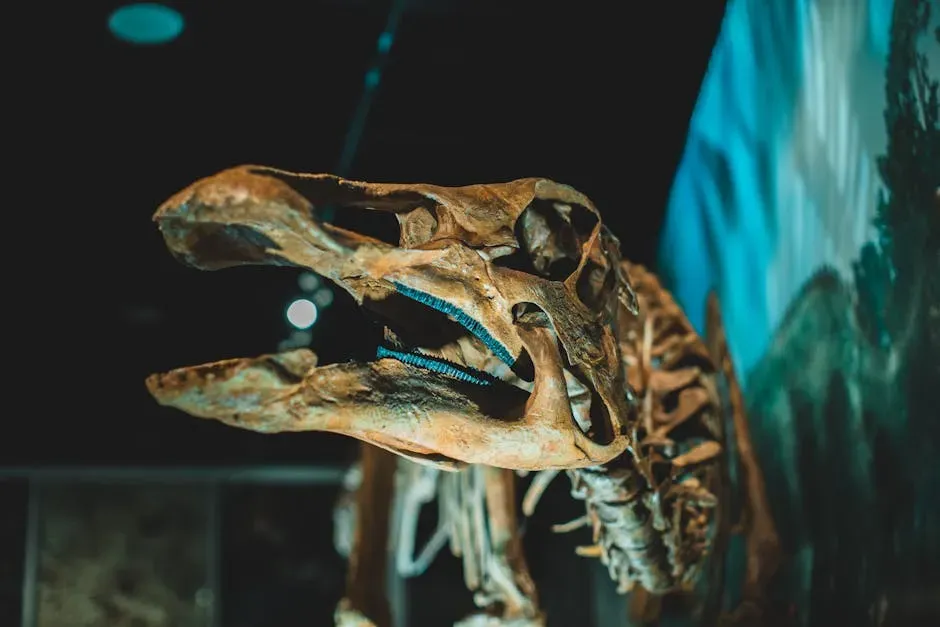
You might wonder how scientists even approach this problem. After all, the reality is that we don’t know for sure what sounds dinosaurs made, because sound does not fossilize. We can only make educated guesses based on the anatomy of their vocal organs and the sounds of their living relatives, such as reptiles and birds. It’s a bit like trying to reconstruct music from a broken instrument.
This specialized field is known as paleoacoustics. Dr. Julia Clarke, a paleontologist at the University of Texas, has been key to learning more about paleoacoustics – the study of sound associated with fossils – in non-avian dinosaurs and their evolutionary descendants, birds. Using recently discovered rare fossils and advanced analysis techniques, scientists are now piecing together clues to unravel the potential sounds made by dinosaurs. The puzzle is difficult, but far from impossible.
Closed-Mouth Vocalizations: The Surprising Truth About Dinosaur Sounds
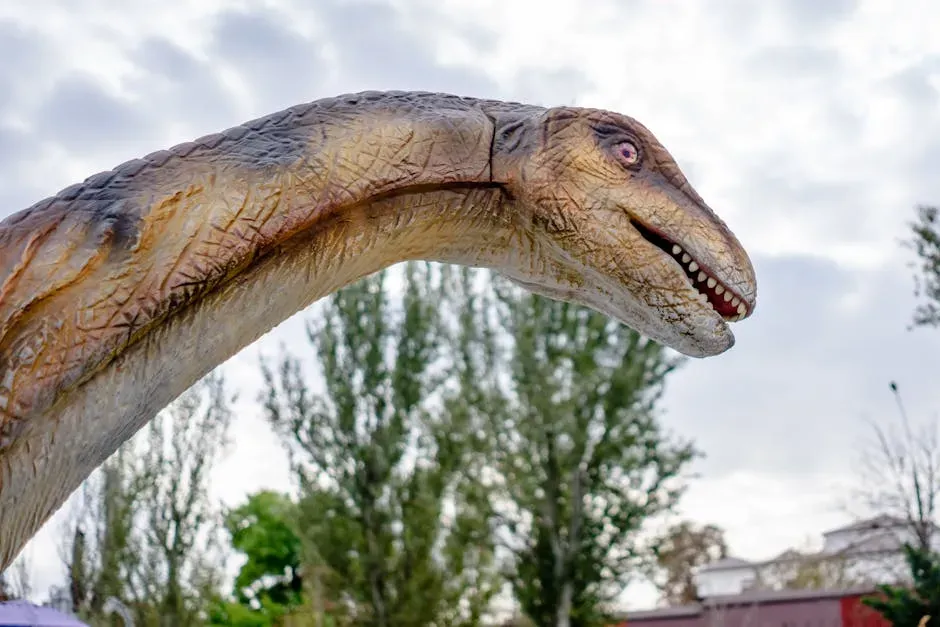
So if dinosaurs didn’t roar, what did they do? The answer is something you probably weren’t expecting. Scientists theorize that many dinosaurs may have produced closed-mouth vocalizations – sounds made by inflating the esophagus or tracheal pouches while keeping the mouth closed, producing something comparable to a low-pitched swooshing, growling, or cooing sound. Think less lion, more pigeon.
A line of research published in the journal Evolution examined vocalization data from more than 200 bird and crocodilian species – the closest living relatives of dinosaurs. Researchers found that closed-mouth vocalization evolved independently at least sixteen times within this group. The study demonstrated that this trait appears repeatedly across the archosaur family tree, suggesting deep evolutionary roots. That kind of repeated evolution is a powerful signal that this behavior was deeply wired into the biology of the group.
The Larynx vs. the Syrinx: A Crucial Evolutionary Fork
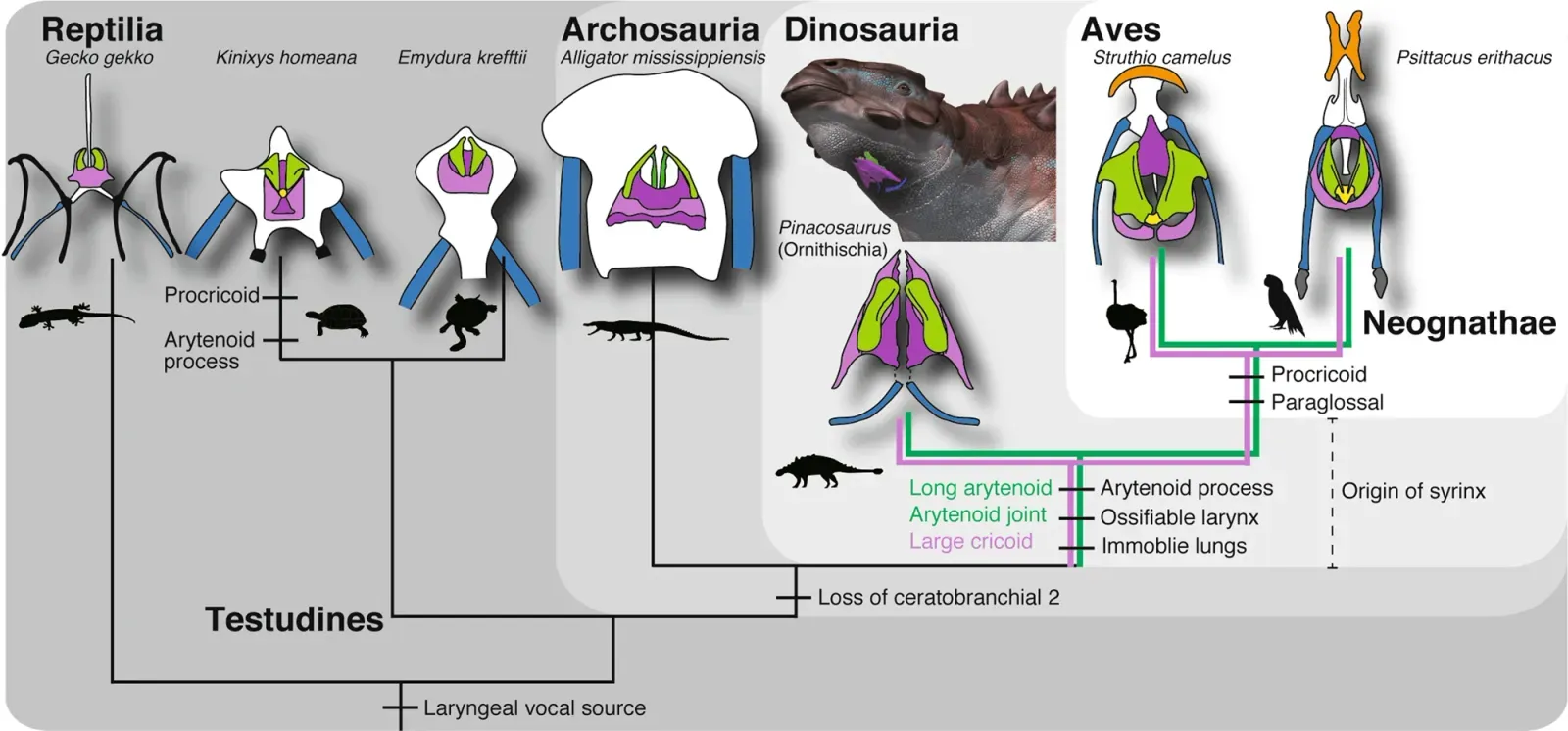
You’ve probably never thought much about the difference between a larynx and a syrinx, but this distinction sits right at the heart of the dinosaur sound debate. Crocodilians possess a larynx, a conventional voice box located within the throat that most tetrapods use to create sound. Meanwhile most birds have abandoned the larynx in favour of the syrinx, a similar organ unique to birds, located at the junction between the lungs. The syrinx’s location allows for more precise control of airflow, enabling the complex songs that many perching birds are known for.
The syrinx likely evolved after the split between bird-line archosaurs (including dinosaurs) and crocodile-line archosaurs. This timing indicates that non-avian dinosaurs probably lacked a syrinx and instead used other mechanisms for sound production. In other words, the melodious birdsong you hear outside your window every morning is a relatively recent evolutionary invention – one that most dinosaurs never got to enjoy.
Fossilized Voice Boxes: The Rare Clues That Changed Everything
For a long time, the debate over dinosaur sounds was stuck in the realm of pure speculation. The problem was always the evidence: vocal cords, larynxes, and soft tissues decompose, leaving only bones and teeth for scientists to interpret. Without direct fossil evidence, the debate over dinosaur sounds remained speculative. Then, everything shifted.
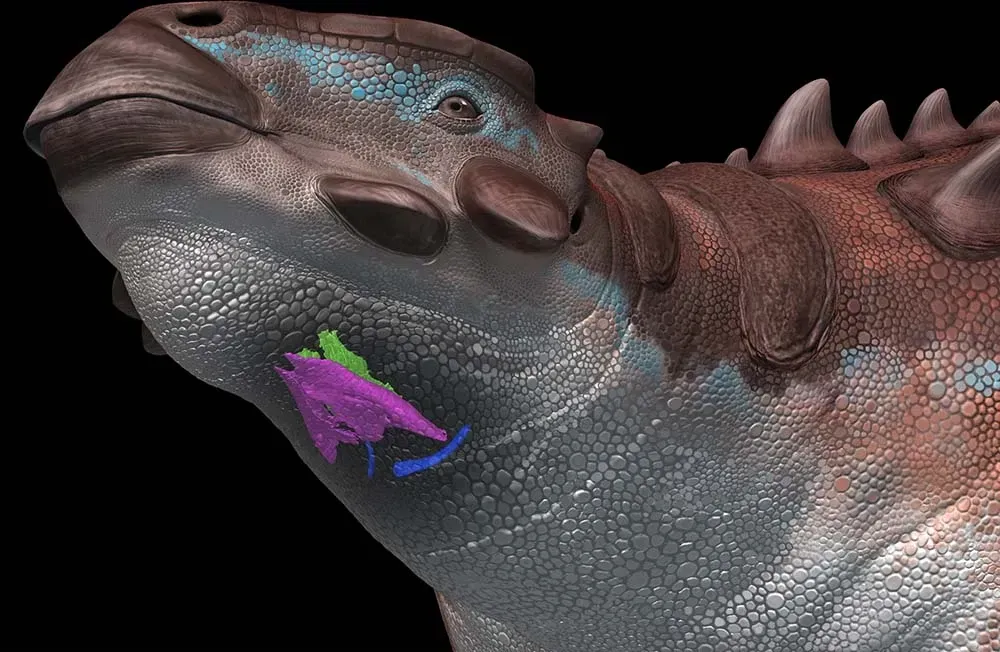
That changed in 2023. Researchers published the first description of a fossilized voice box from a non-avian dinosaur, and a second discovery followed in early 2025. The specimens suggest dinosaurs produced sounds closer to a cooing dove or a booming emu than anything resembling a mammalian roar. Researchers discovered preserved parts of the Pinacosaurus larynx, where sounds are produced in the throat. They compared this ancient dinosaur larynx with those of modern birds and crocodiles, concluding that Pinacosaurus’ larynx was likely capable of producing a wide range of sounds: rumbling, grunting, roaring, and even chirping.
The Hadrosaur’s Built-In Musical Instrument
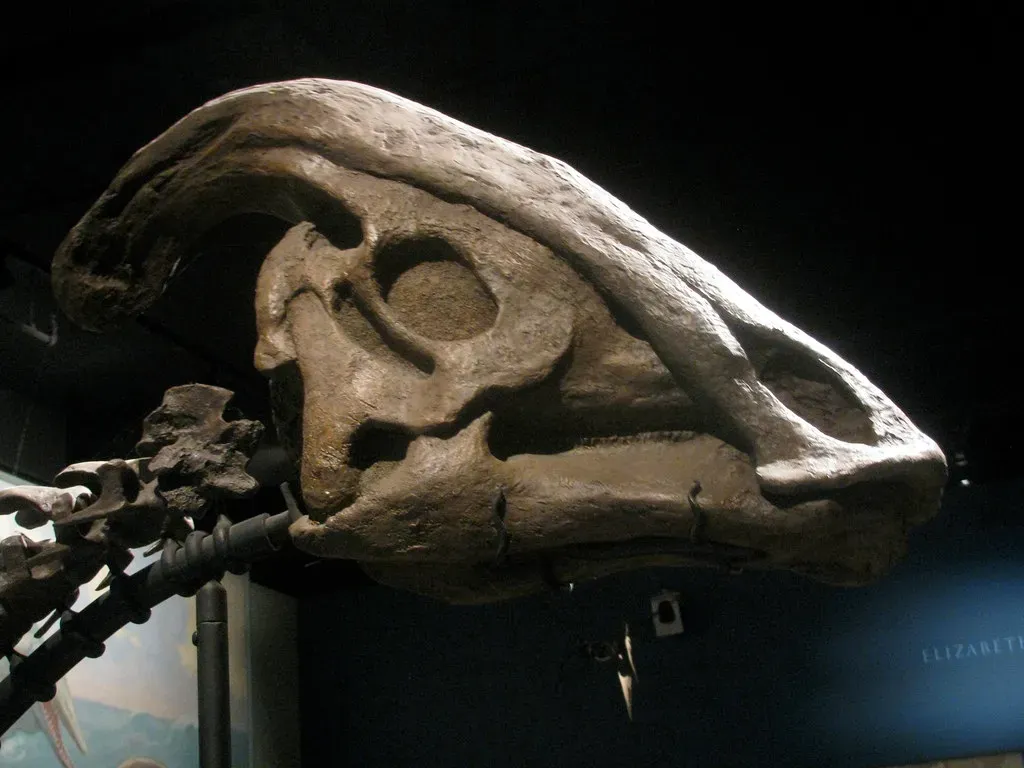
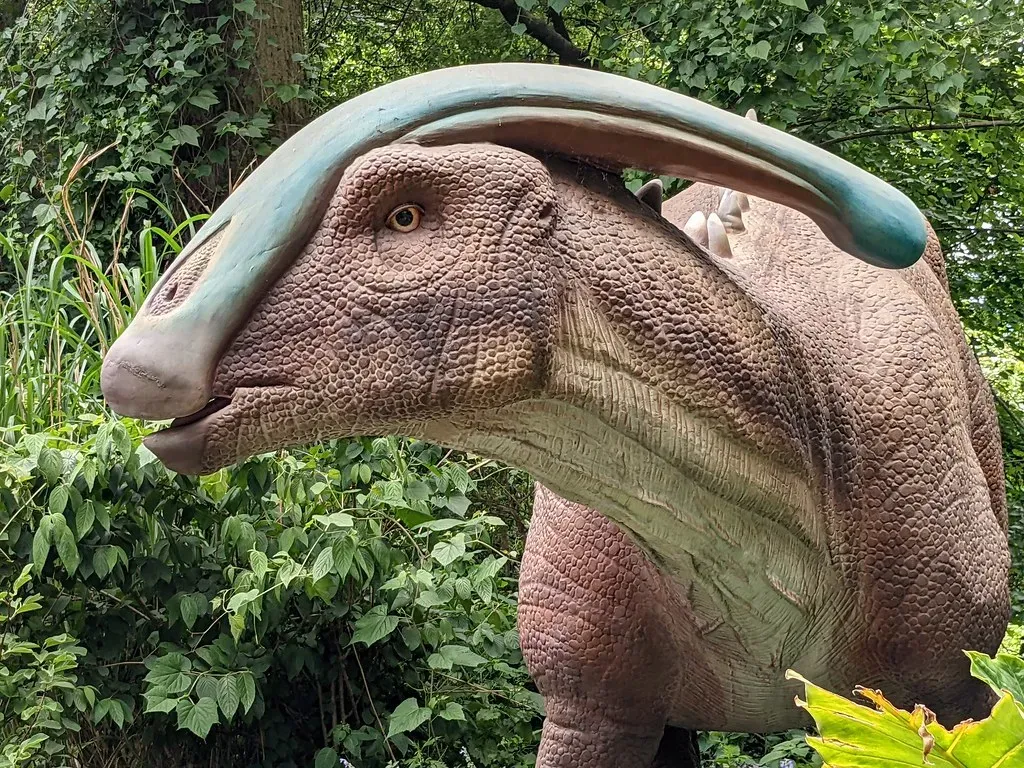
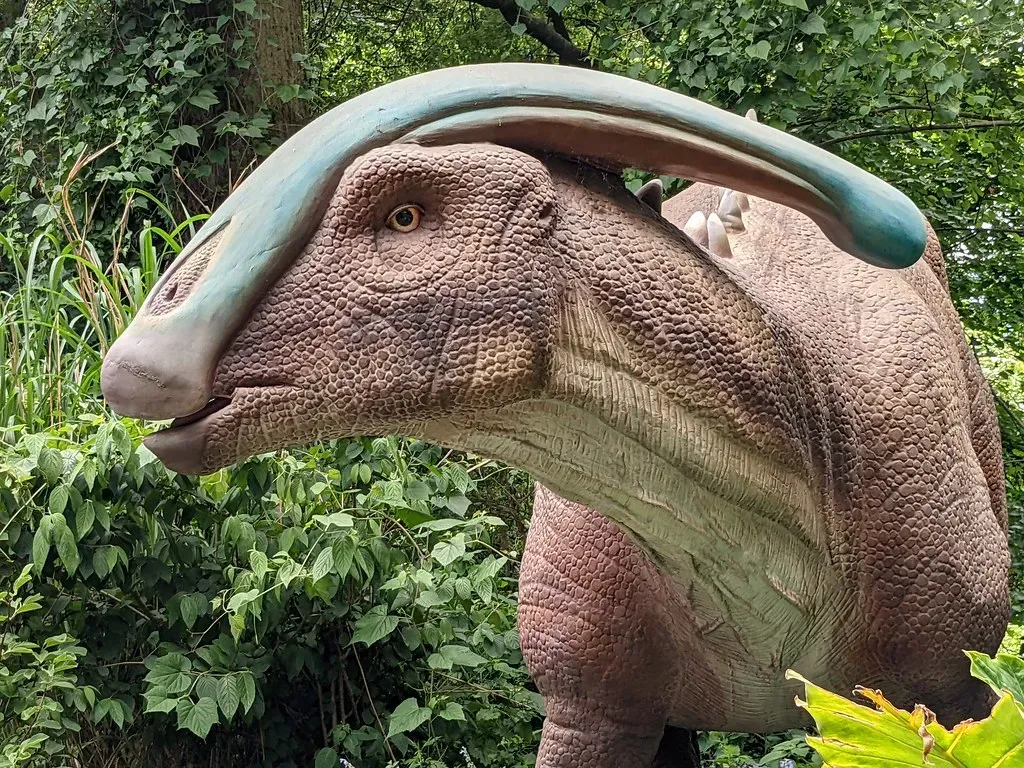
Some dinosaurs took sound production to a genuinely bizarre level. Some hadrosaurs, such as Lambeosaurus and Parasaurolophus, had hollow crests on their heads that were connected to their nasal passages. These crests could have acted as resonating chambers that amplified and altered the sounds they made. Imagine walking through a Cretaceous forest and hearing what amounts to a living trombone.
Paleontologists have used CT scans of fossil specimens to create computer models of these structures, simulating the sounds they could produce. The results generated calls described by researchers as otherworldly – deep, resonant tones closer to brass instruments than to animal vocalizations. These crests acted as in-built resonators, channelling air through the skull and creating enhanced sounds through the nose. With each species’ crest being a different shape, they may have each had their own unique range of sounds. Honestly, that’s stunning.
Body Size, Evolution, and the Strange Physics of Prehistoric Sound
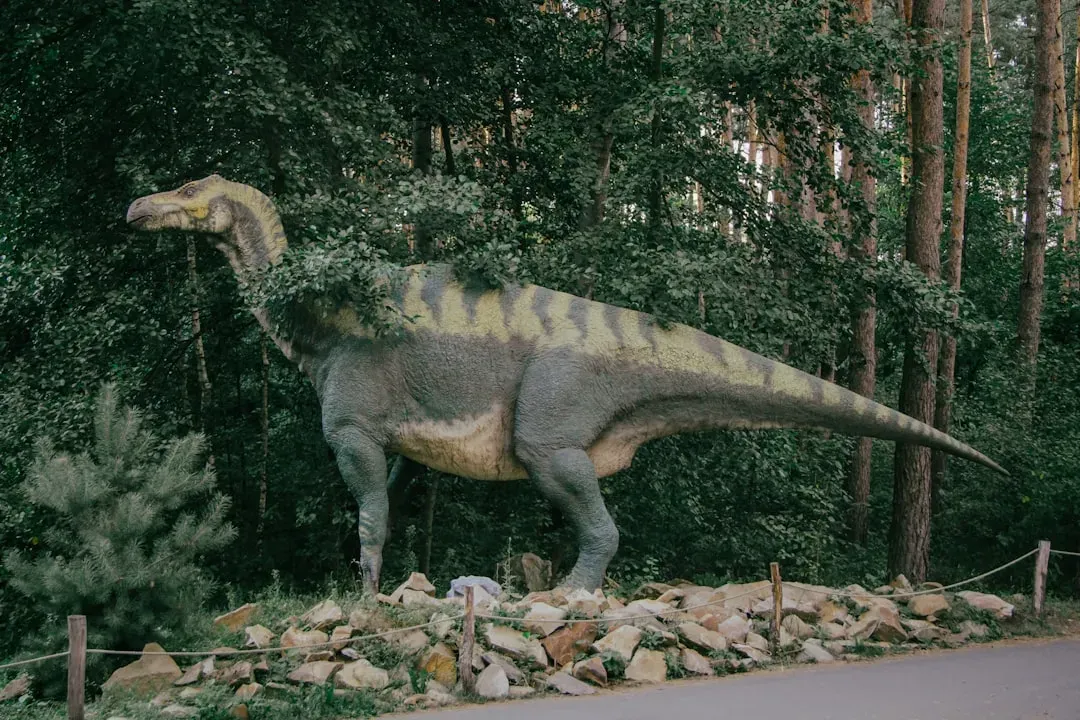
You might think bigger animals always make louder and deeper sounds, and in a general sense, you’d be right – but the physics behind dinosaur vocalization goes deeper than that. Modern birds including doves, ostriches, and emus use closed-mouth vocalization to generate low-frequency sounds that travel long distances without exposing the caller to predators. The anatomical requirements for closed-mouth vocalization align with the physical constraints of large bodies: bigger animals naturally produce lower frequencies, and keeping the mouth shut during sound production offers clear survival advantages.
A significant amount of lung pressure is required to inflate the elastic cavity that powers closed-beak reverberations, which means the technique is employed almost exclusively by larger bird species. In terms of evolution, however, the technique is rather accessible. The size and physiology of a given animal will have a profound effect on its vocal range. T. rex almost certainly didn’t sound like a lion or a bear, but when an animal twice the size of an elephant with a cavernous mouth and a chest full of air chambers pushes air through its larynx, it’s going to make a lot of noise. Just maybe not the noise you were picturing.
Conclusion: A Mystery Worth Keeping
The honest truth is that we may never have a perfect answer. Sound is not preserved. Many of the sounds animals make are related to their behaviour, which we know very little about. Yet that uncertainty is part of what makes this scientific pursuit so compelling. Every fossilized larynx, every CT scan of a hadrosaur crest, every behavioral study of a modern crocodile or emu pulls back the curtain just a little more.
What we do know challenges everything popular culture taught you. We can be fairly confident that dinosaurs had a larynx and weren’t making complex songs. Rather, they had a vocabulary comparable in many ways to crocodilians and more primitive bird species, allowing for a great variety of sounds, including closed-mouth vocalisations – hisses, croaks, rumbles, squawks, honks, booms, and perhaps even sounds that we might call roars.
The Mesozoic soundscape was likely an alien symphony – low, resonant, strange, and nothing like the Hollywood blockbuster you grew up watching. There’s something almost poetic about that. The creatures that ruled the Earth for over 160 million years may have spoken in whispers and booms we can barely imagine. What do you think – does that make them more mysterious, or more magnificent? Tell us in the comments.