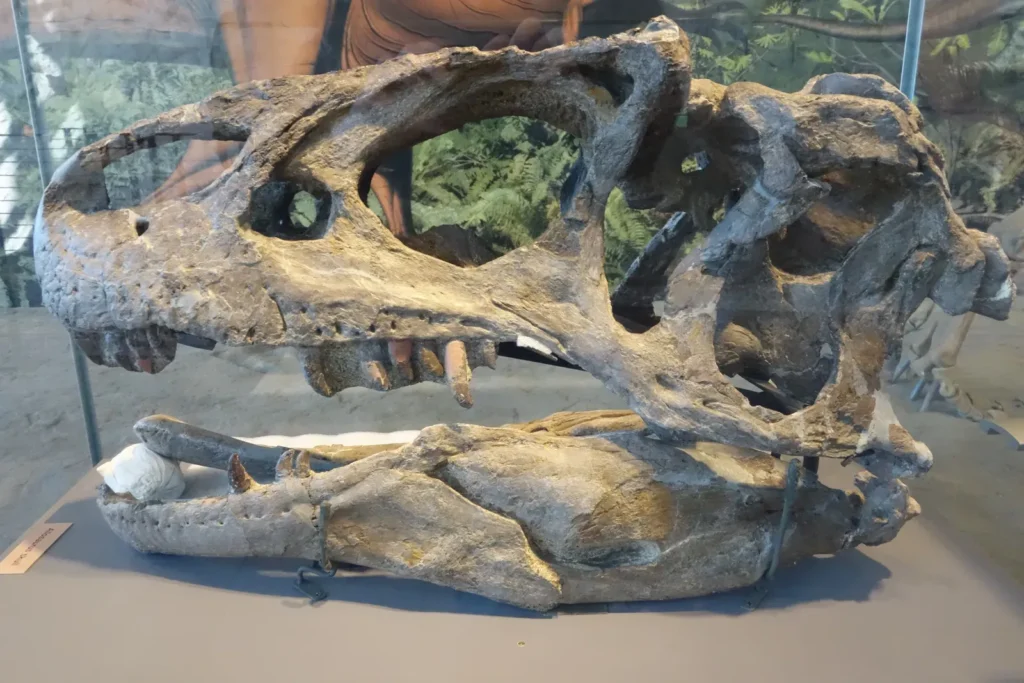
Dinosaurs ruled the Earth for well over 160 million years. That’s a staggering amount of time, especially when you consider that our own species has only been around for a tiny fraction of that span. Yet for most of modern history, scientists painted these prehistoric giants as little more than giant, lumbering automatons running almost entirely on instinct. Slow. Dull. Mindless.
Turns out, that picture might be missing quite a few brushstrokes. Recent research into dinosaur brains has been upending decades of assumptions, pushing scientists to rethink everything from how these animals hunted to how they may have interacted socially. It’s a rabbit hole that gets more fascinating the deeper you go. So let’s dive in.
How Scientists Actually Study a Brain That No Longer Exists
Here’s the thing that makes this whole field so wild: you can’t study a dinosaur brain directly, because dinosaur brains don’t fossilize. The soft tissue rots away long before anything gets preserved. So how on Earth do scientists figure any of this out?
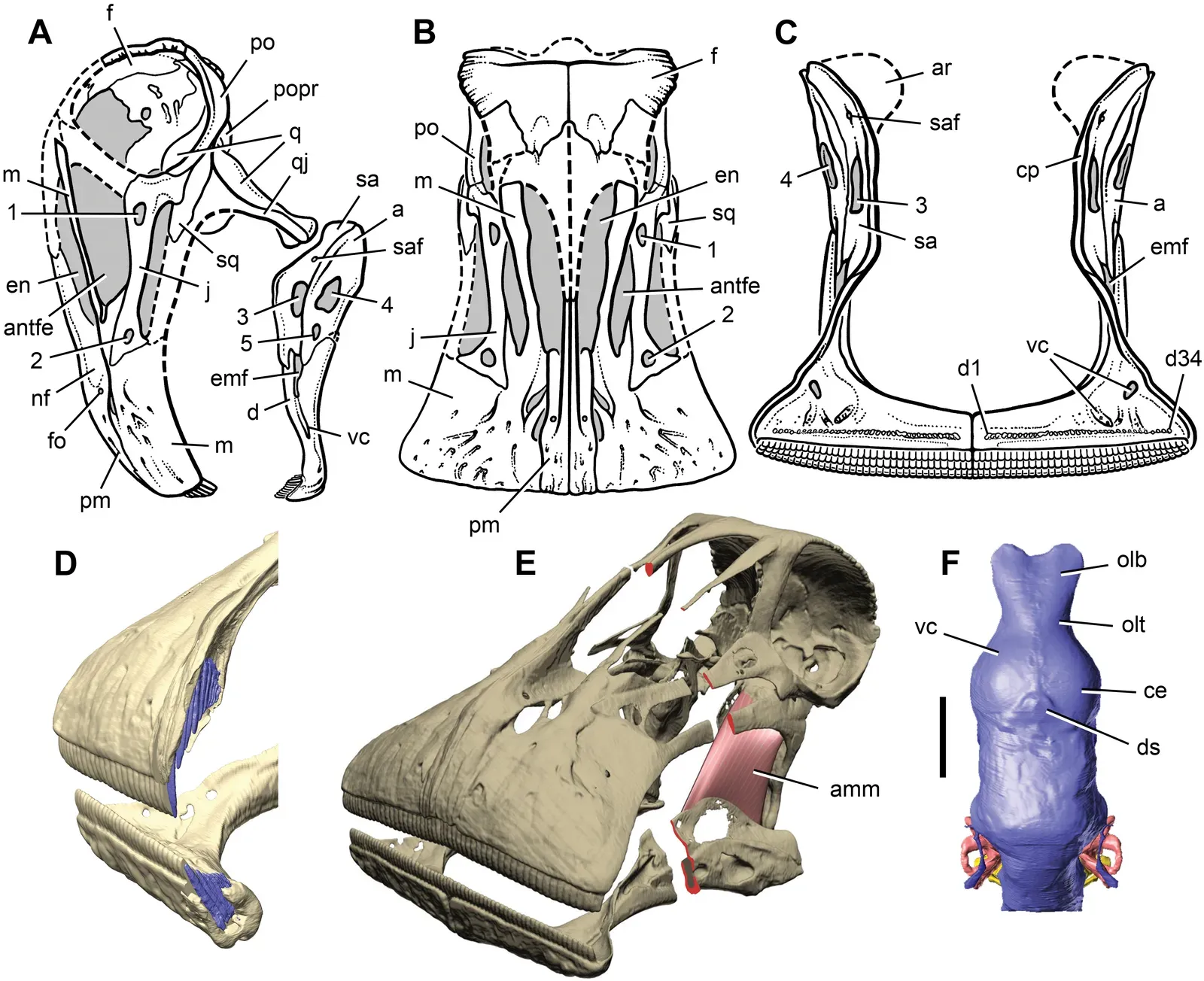
The answer lies in something called an endocast. An endocast is sediment that filled in the space of an animal’s brain cavity after death, taking on its shape. Think of it like a rock cast of the brain’s former home. These endocasts can be extremely accurate, showing details like ventricles and nerves, because the bones of the skull tightly surround the brain itself.
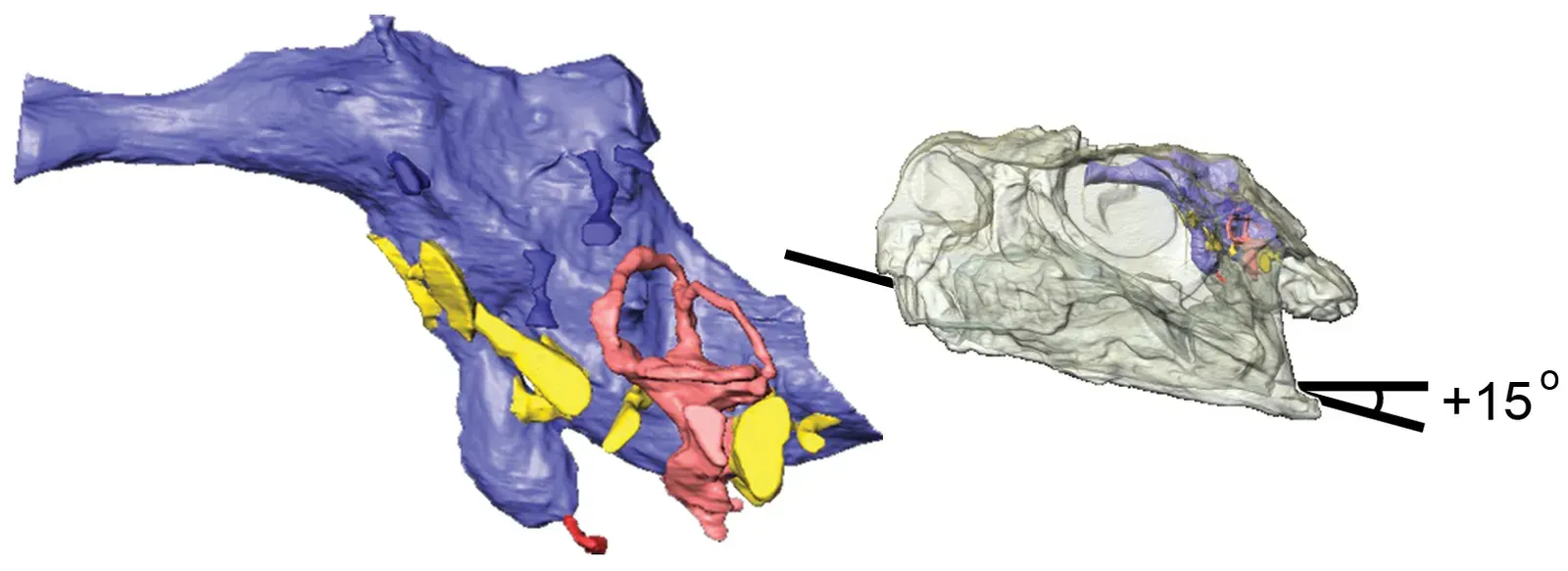
Paleoneurologists rely on molds and images of the inside of a dinosaur skull, called endocasts, to get an idea of the brain’s relative shape and size. More recently, technology has changed the game considerably. Modern medical imaging techniques, including computed tomography (CT), allow paleontologists to create accurate three-dimensional representations of dinosaur cranial anatomy, enabling better evaluations of brain size, shape, and function.
With the application of non-destructive 3D imaging techniques like CT scan and synchrotron radiation scanning, paleontologists can now observe previously hidden structures without causing damage to the fossils. It’s a genuinely exciting time to be in this field, honestly. We’re extracting information from ancient stone that no one thought possible a generation ago.
The Old View: Dinosaurs as Dim-Witted Giants
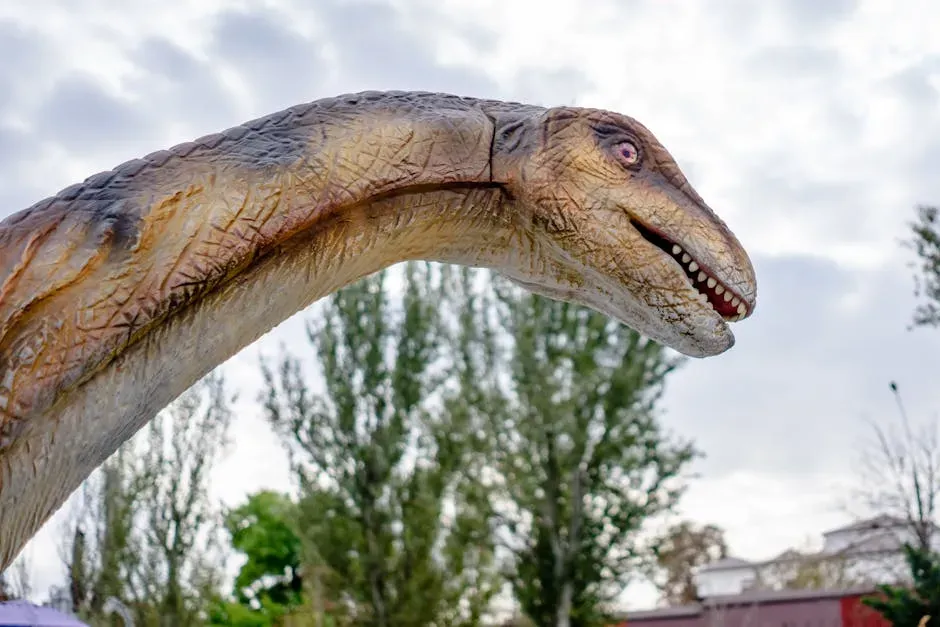
Early paleontologists assumed that dinosaurs were unintelligent, based on both the size of their brains in relation to their bodies and because they were considered closely related to reptiles. For a long time, that was just accepted as fact. Nobody questioned it too hard.
The narrative started shifting slowly. Paleontologists made little progress in understanding dinosaur cognition until the 1970s, when scientists developed a new system for estimating intelligence based on relative brain size, called the encephalization quotient, or EQ. This was genuinely revolutionary for the field. Advancements in paleontology, particularly the development of the EQ in the 1970s, shifted these views, with the measure suggesting that some dinosaurs, particularly theropods, might have had intelligence levels comparable to modern birds.
Over the past fifty years, the scientific view and public image of the intelligence and behavioral sophistication of dinosaurs has undergone considerable transformation. That’s an understatement, if you ask me. What started as a small revision has grown into a full-blown rethinking of what these animals were capable of.
The Encephalization Quotient: Measuring What a Brain “Should” Weigh
You may be wondering what exactly the encephalization quotient measures. It’s not just raw brain size. Jerison developed the concept of the encephalization quotient to use brain-body ratios to assess intelligence, essentially measuring the extent to which a brain exceeds the size needed to operate the sensory and motor functions of a body of a given size, with the extra brain matter then presumptively related to higher-order perception, cognition, and motor planning.
The EQ scale stretches from 0.0 to 8.0, the value generally given for the human brain, with animals with higher EQ values assumed to be more intelligent. The value for humans means their brain is roughly seven times larger than expected for a mammal of similar mass. That context matters a lot when evaluating dinosaurs. Scientists use the encephalization quotient, a measure comparing brain size to expected brain size based on body mass, to estimate relative intelligence across species. While mammals typically have higher EQs than reptiles, certain dinosaur groups show surprisingly high values.
Troodontids, small carnivorous theropods, possessed EQs comparable to those of modern birds and some mammals, suggesting enhanced cognitive abilities. Tyrannosaurus rex, despite its fearsome reputation as a brute predator, had an EQ higher than many contemporary reptiles, indicating potential for complex behaviors beyond simple instinct. So the old image of T. rex as purely an instinct-driven machine? It’s more complicated than that.
Troodon: The Einstein of the Prehistoric World
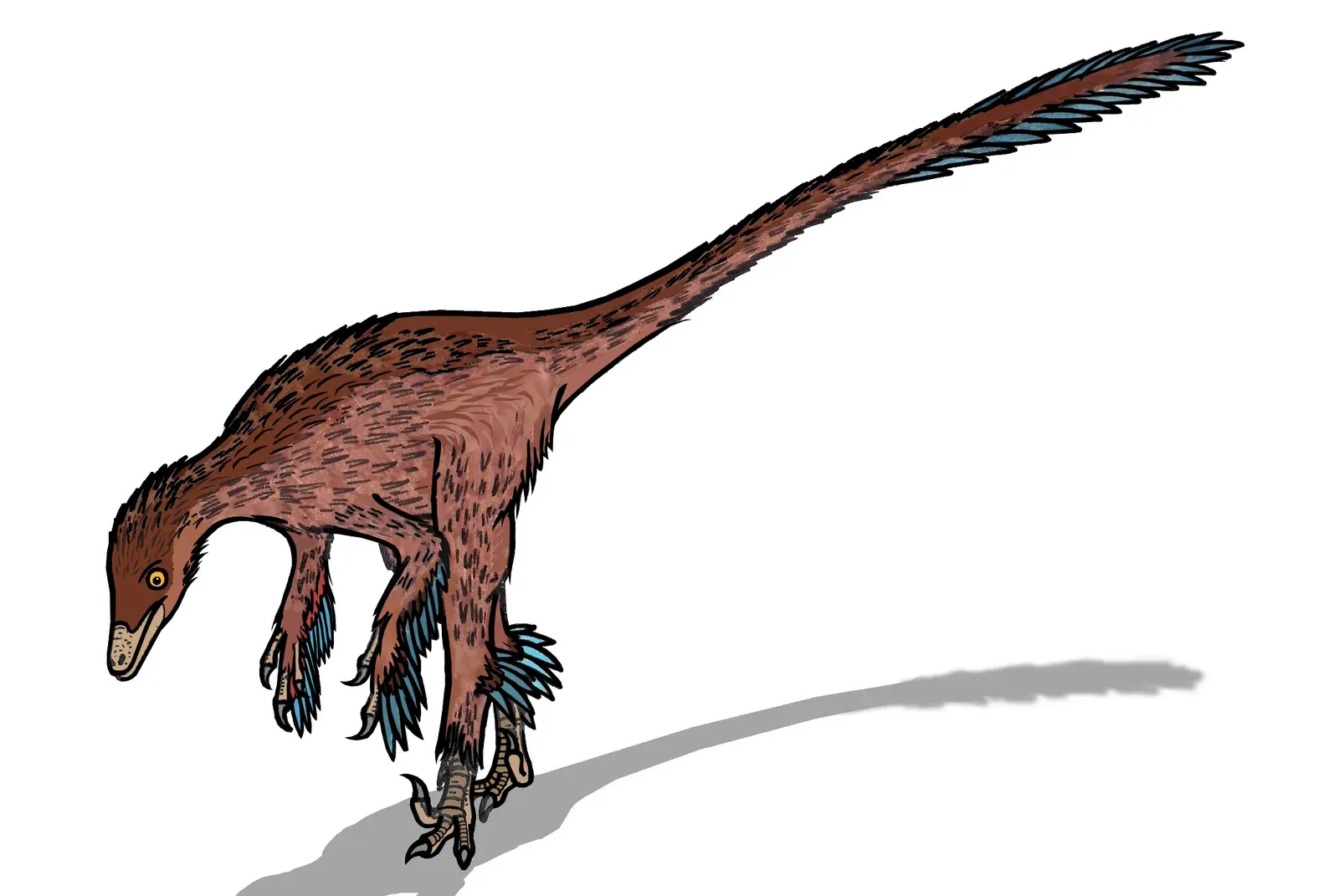
If there’s one dinosaur that completely shatters the “dinosaurs were dumb” narrative, it’s Troodon. What truly sets Troodon apart from other dinosaurs is its extraordinary brain-to-body ratio, which was the highest among all known dinosaurs. Endocasts of Troodon skulls reveal a brain size approximately six times larger than what would be expected for a reptile of its size.
This enlarged brain, particularly in the cerebrum and visual processing regions, indicates advanced cognitive abilities compared to other dinosaurs of the time. Scientists estimate that Troodon had an encephalization quotient similar to that of modern birds and some mammals. That’s remarkable. Its EQ was several times higher than that of massive carnivores like T. rex or Allosaurus and was comparable to modern flightless birds such as emus and ostriches.
The expanded cerebrum suggests Troodon likely possessed enhanced problem-solving abilities, spatial awareness, and possibly complex social behaviors. Additionally, the well-developed optic lobes indicate sophisticated visual processing capabilities, which would have been advantageous for hunting and navigating its environment. When you add in the fact that a defining feature of its anatomy was the presence of large, forward-facing eyes, which likely granted it a degree of binocular vision and excellent depth perception, combined with the sheer size of the eye sockets, suggesting that Troodon may have been a nocturnal or crepuscular hunter active during low-light conditions, you start to see a picture of a genuinely sophisticated predator.
The Neuron Count Debate: Monkey-Smart or Crocodile-Smart?
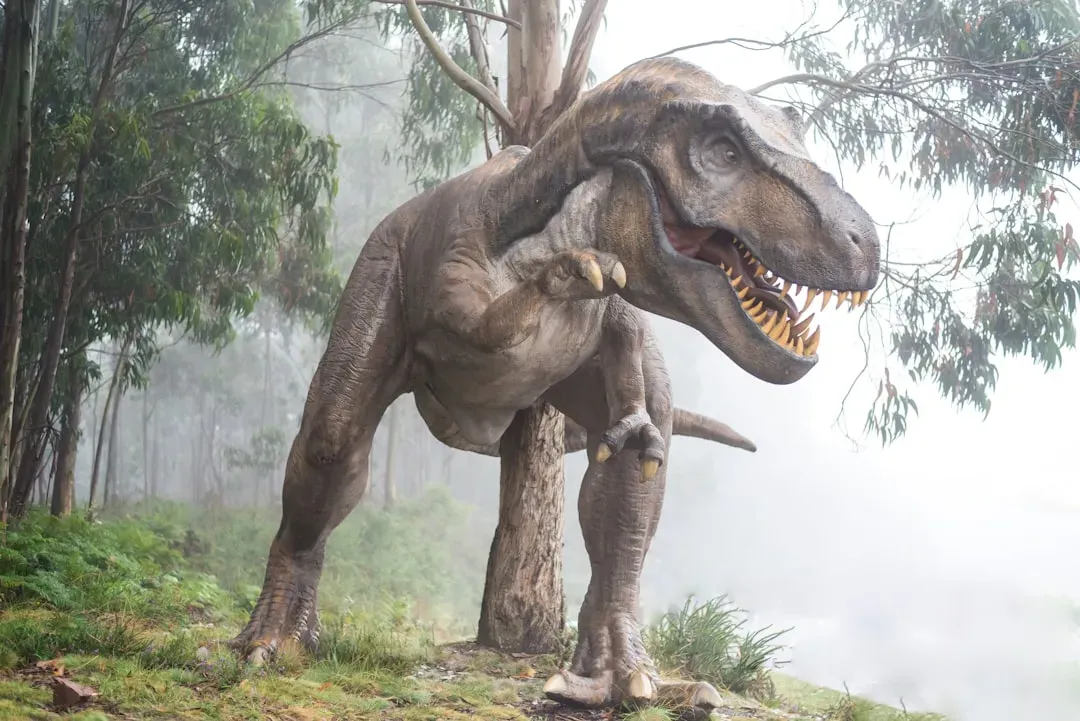
This is where things get really spicy. A 2023 study by Vanderbilt University neuroscientist Suzana Herculano-Houzel dropped like a bomb into the paleontology world. Herculano-Houzel calculated the likely number of neurons in dinosaurs’ pallium, a brain structure responsible for advanced cognitive functions and corresponding to the cortex in mammals. Her conclusion? Staggering.
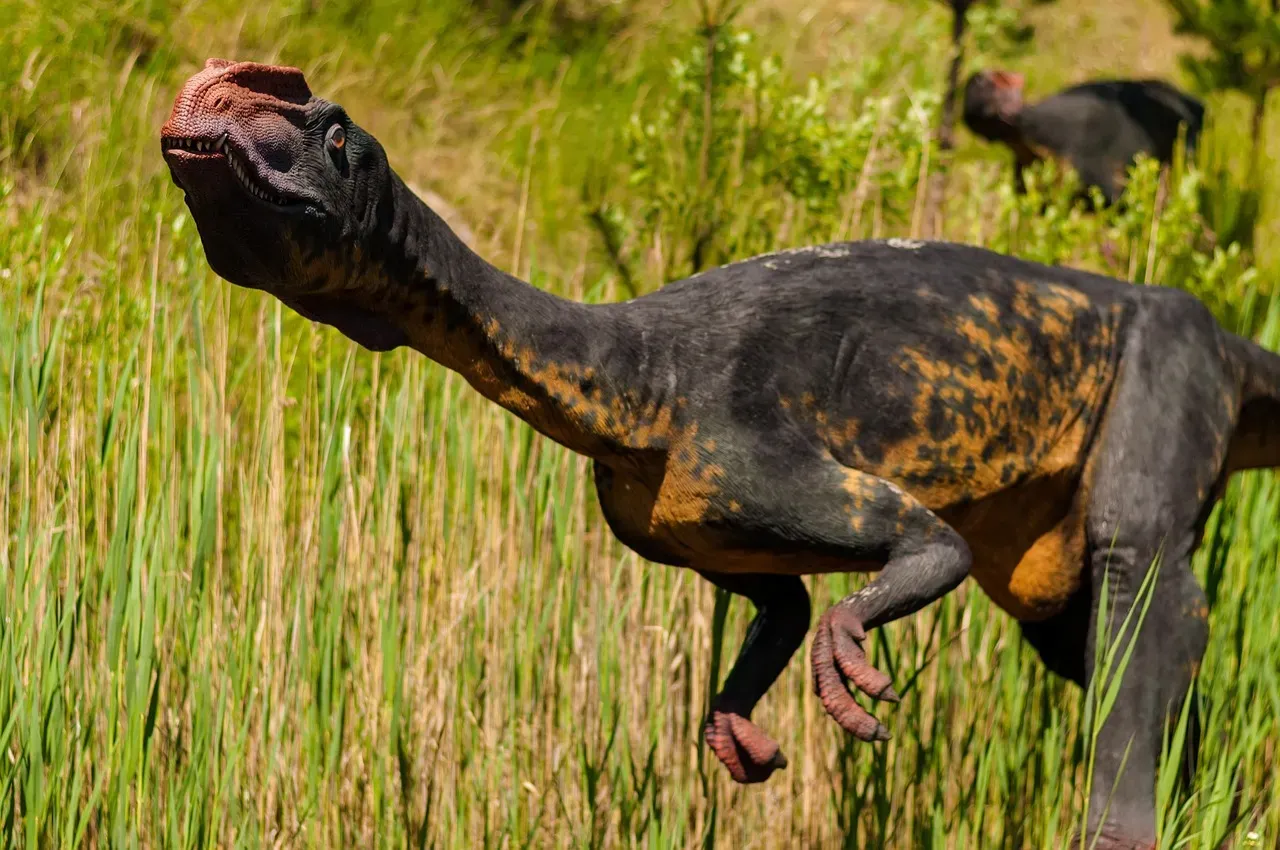
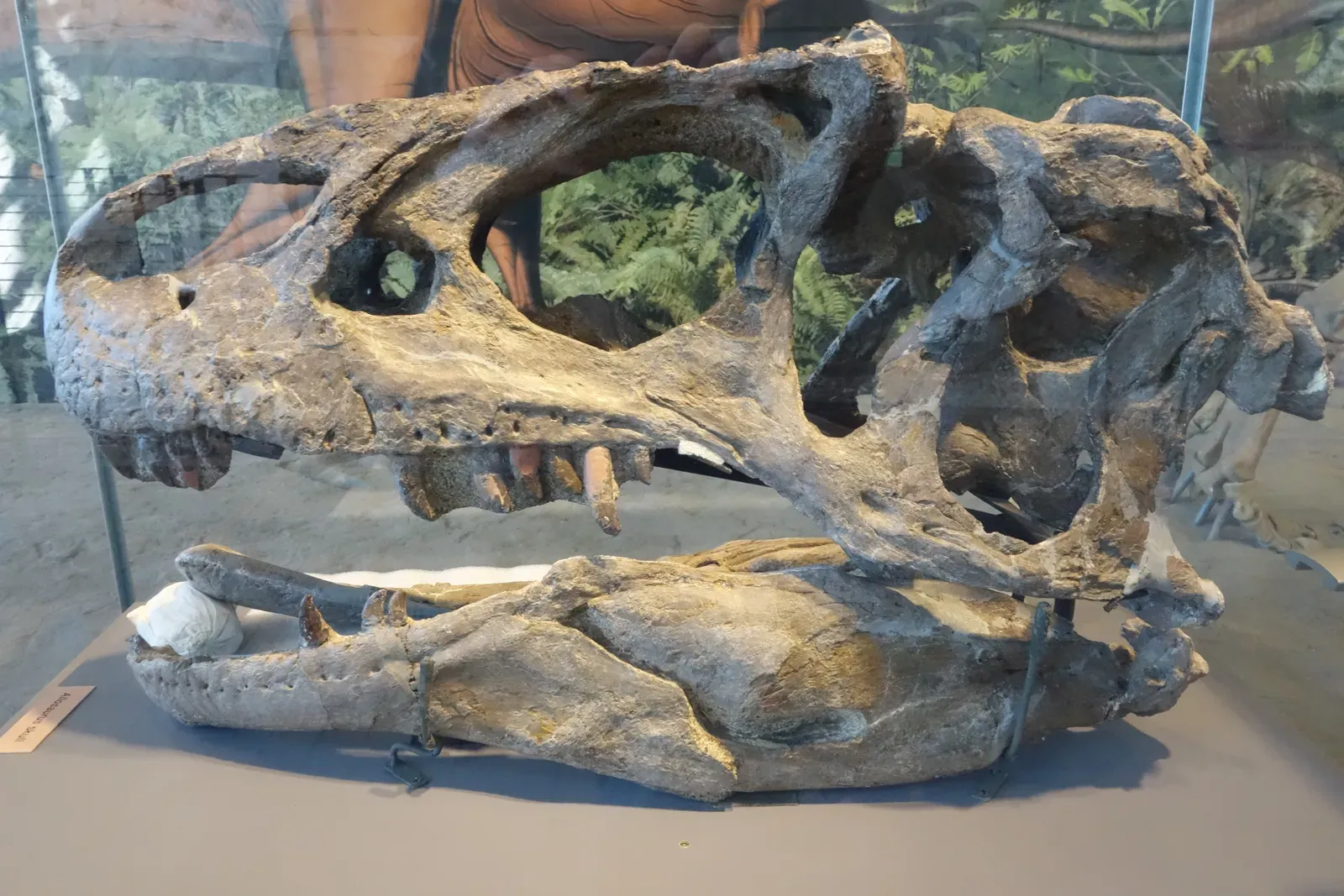
Alioramus, a six-meter-long theropod that lived about 70 million years ago in what is now Mongolia, had just over 1 billion neurons in its cortex, similar to capuchin monkeys. And T. rex, with its brain weighing about one-third of a kilogram, had an estimated 3.3 billion cortical neurons, a higher density than baboons. That’s a genuinely jaw-dropping claim. It was claimed that these high neuron counts could directly inform on intelligence, metabolism and life history, and that T. rex was rather monkey-like in some of its habits.
Not everyone was convinced, though. The new study’s co-authors argued that Herculano-Houzel’s neuron estimates were wrong, because they were based on faulty assumptions about dinosaur brains. To come up with her estimate, Herculano-Houzel compared T. rex to some of its living relatives, specifically birds like emus and ostriches. While birds are descendants of theropods, the same group of dinosaurs T. rex belonged to, theropods themselves were reptiles, and their skulls were probably more like those of today’s living reptiles than birds, the new study’s authors argue.
The number of neurons also tends to scale with body size, so even if T. rex did have as many neurons as a baboon, that does not mean the dinosaur’s intelligence was on par with a primate’s. Larger animals simply need more neurons for basic biological functions. It’s a bit like comparing the size of an airplane engine to a car engine and assuming the plane drives faster on roads. They’re just built for different things.
What Living Dinosaurs Can Tell Us: The Bird Connection
Here’s a perspective-shifter that tends to blow people’s minds. Birds are not just related to dinosaurs. They literally are dinosaurs. Studies of brain evolution in the dinosaur-bird transition show a general trend toward increased brain size relative to body mass, particularly in regions associated with sensory processing, coordination, and higher cognition. Research into living dinosaur descendants, birds, has revealed remarkable intelligence in corvids such as ravens and crows, and parrots, suggesting the neurological foundation for complex cognition was already present in the theropod lineage.
Despite having very small heads, birds have more densely packed brain cells than many mammals and so can possess roughly as many neurons as primates. The result is that some birds, such as parrots and corvids, show great cognitive abilities comparable to the smartest non-human mammals. So if you want a rough mental model for what an advanced dinosaur brain might have been capable of, picture a very smart crow inside a body the size of a horse. Eurasian magpies, for example, have only about 400 million neurons, but they’re highly intelligent creatures that can work in teams, play games, use tools, and imitate human speech.
A remarkable 2024 fossil discovery further illuminated this lineage. The extraordinary three-dimensional preservation of a skull allowed researchers, led by the University of Cambridge and the Natural History Museum of Los Angeles County, to digitally reconstruct the brain of a bird they named Navaornis hestiae. Navaornis lived approximately 80 million years ago in what is now Brazil, before the mass extinction event that killed all non-avian dinosaurs. The fossil fills a 70-million-year gap in our understanding of how the brains of birds evolved, between the 150-million-year-old Archaeopteryx, the earliest known bird-like dinosaur, and birds living today. Navaornis had a larger cerebrum than Archaeopteryx, suggesting it had more advanced cognitive capabilities than the earliest bird-like dinosaurs.
Social Behavior, Parental Care, and What the Fossils Actually Show
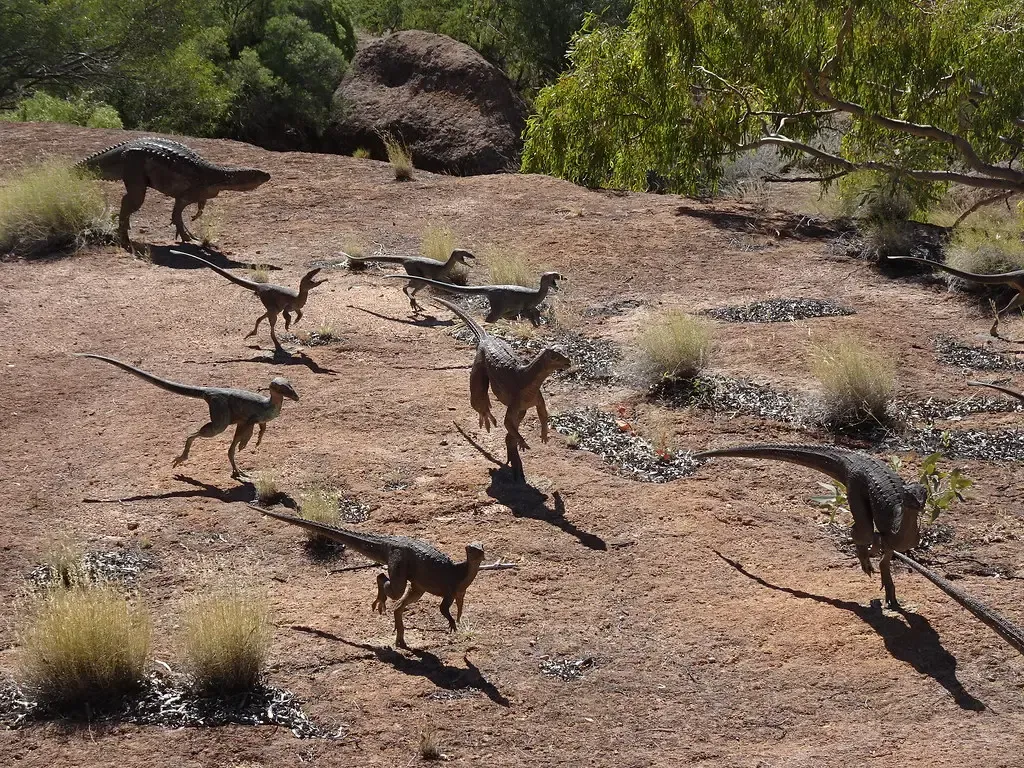
Intelligence, as we understand it today, isn’t just about brain size. It shows up in behavior. Fossil evidence increasingly suggests many dinosaur species lived in complex social groups, a lifestyle that typically demands higher intelligence. Trackway discoveries show multiple individuals of the same species traveling together, while nesting sites with communal arrangements indicate coordinated parental care in species like Maiasaura, whose name literally means “good mother lizard.”
Researchers have also found dinosaur fossils where they had been brooding their eggs, sitting on top of a nest of eggs keeping them warm. That’s another bird behavior visible in the fossil record of non-avian dinosaurs. That kind of behavior requires a level of sustained, purposeful action that goes well beyond simple reflexes. The name Maiasaura means “good mother lizard,” and fossil nests show evidence of parental care. This herbivore from the Late Cretaceous lived in large herds, possibly to protect young from predators, and had a brain capable of complex social behavior, suggesting intelligence beyond simple survival instincts.
Numerous published studies have presented various lines of evidence that many dinosaur species functioned at least at an avian level of behavioral and cognitive complexity. That’s a sentence that would have been considered almost radical just a few decades ago. Today, it’s increasingly the mainstream scientific consensus. To reliably reconstruct the biology of long-extinct species, researchers argue we should look at multiple lines of evidence, including skeletal anatomy, bone histology, the behaviour of living relatives, and trace fossils.
The Bigger Picture: What It All Means for Understanding Intelligence
Step back for a moment and think about what this debate really reveals. It’s not just about dinosaurs. These analyses can tell us much about how evolutionary history shapes the development of cognitive abilities. Evolution can find many ingenious solutions but cannot invent something from scratch; it must work with what it has available. Understanding how and if brain architecture imposes limits on the development of higher intellectual faculties could reveal much about the evolution of abilities and behaviors of various types of animals.
While debates continue regarding the best methods to assess intelligence, whether through absolute or relative brain size, the consensus is that dinosaurs exhibited a range of cognitive abilities, making them some of the most complex animals of their time. Future research may further clarify their intelligence and its implications for understanding the evolution of cognition in both dinosaurs and their avian descendants.
New fossil discoveries, particularly from sites with exceptional preservation, regularly yield specimens with preserved soft tissues that may eventually include actual brain matter. Techniques borrowed from forensic science are being adapted to analyze trace elements in fossil bones that could indicate metabolic rates, a factor closely tied to brain function and potential intelligence. As these and other investigative methods advance, our perception of dinosaur cognitive abilities will likely continue shifting toward recognition of their complex and varied intelligence.
I think the most honest takeaway here is that we’ve barely scratched the surface. Every time paleontologists think they have a handle on what dinosaurs were like, a new discovery or a new method reshuffles the deck. That’s not frustrating. That’s science working exactly as it should.
Conclusion: Rethinking the Rulers of the Mesozoic
The old image of dinosaurs as slow, dumb reptiles wasting time before their inevitable extinction has well and truly crumbled. What’s replacing it is far more interesting: a diverse group of animals that ranged from basic instinct-driven herbivores to highly perceptive, socially complex predators with brain structures that still surprise researchers today. The general consensus on non-bird dinosaurs is that they were most likely on par in cognitive terms with turtles, lizards, and crocodylians, though bird-like maniraptorans were likely more similar to birds like emus and ostriches. Yet even that baseline is more impressive than the dim caricature once sold to the public.
The debate over T. rex’s neuron count, the remarkable brain-to-body ratio of Troodon, the fossil evidence of nest-brooding and herding behavior, and the living proof of dinosaurian intelligence still soaring in every crow and parrot today, all of it points to one unavoidable conclusion. These animals were not the mindless monsters that movies and old textbooks suggested. They were the product of hundreds of millions of years of evolutionary pressure, and they thrived spectacularly because of it.
Honestly, the most astonishing part of this whole story is not what dinosaurs were capable of. It’s how long it took us to even ask the question properly. What does that say about the assumptions we might still be carrying into the lab today?