When you watch a sparrow leap from a branch, or a hawk spiral lazily on a thermal current overhead, you are looking at something far more ancient than it appears. You are, in a very literal scientific sense, watching a dinosaur in action. That idea still sounds wild to many people, but paleontologists and evolutionary biologists have been building a compelling, detailed, and occasionally jaw-dropping case for it over the course of more than a century.
The story of how massive, ground-pounding theropods gave rise to creatures capable of powered flight is one of the most dramatic transformation stories in all of natural history. It involves feathers that existed millions of years before anyone flew, bones that became hollow like drinking straws, bodies that shrank across geological time, and debates that still make scientists argue fiercely over coffee. So let’s dive in.
You Are Literally Related to a Dinosaur: The Theropod Connection
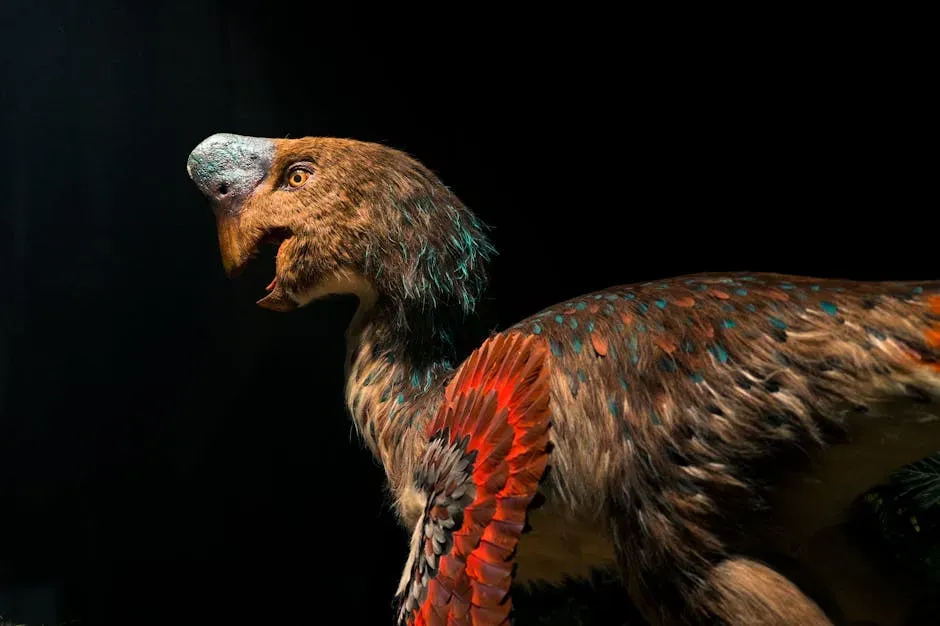
Let’s be real – when most people picture a dinosaur, they imagine something enormous, scaly, and catastrophically dangerous. That image makes the bird-dinosaur connection feel absurd. Here’s the thing though: the science is overwhelming. Birds don’t merely resemble dinosaurs or descend from them – they are dinosaurs, specifically theropods, the same group that includes Tyrannosaurus rex and Velociraptor.
In the last two decades it became clear that all birds originated in theropods – a group of bipedal dinosaurs characterized by having hollow bones and three-toed limbs – whose most famous representatives are the T. rex and the Velociraptor of Spielberg’s Jurassic Park. So, the next time you stare at a pigeon pecking crumbs off the pavement, just know you are sharing space with a genuine, card-carrying member of the dinosaur family. Unsettling? Maybe. Incredible? Absolutely.
Archaeopteryx: The Ancient Wing That Changed Everything
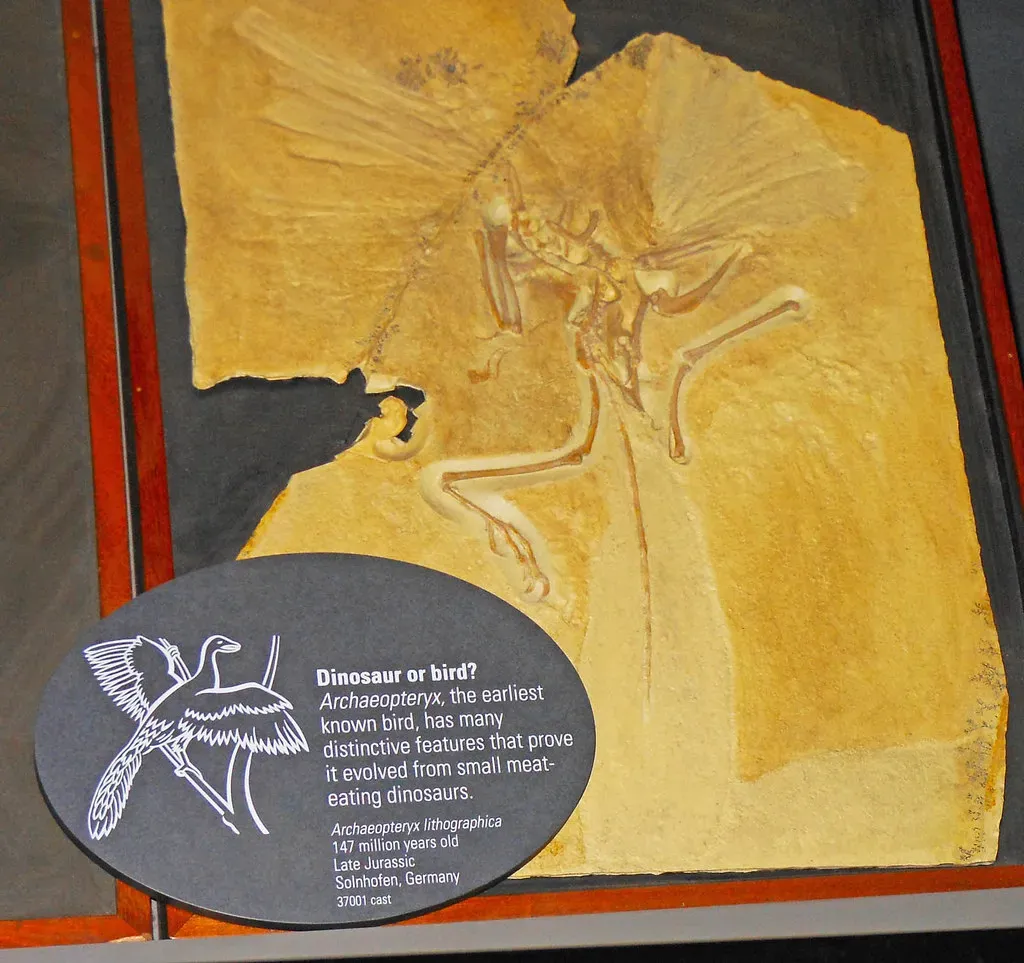
The type specimen of Archaeopteryx was discovered just two years after Charles Darwin published On the Origin of Species. Archaeopteryx seemed to confirm Darwin’s theories and has since become a key piece of evidence for the origin of birds, the transitional fossils debate, and confirmation of evolution. It is hard to overstate just how perfectly timed that discovery was – as if the Earth itself decided to hand scientists the evidence they needed.
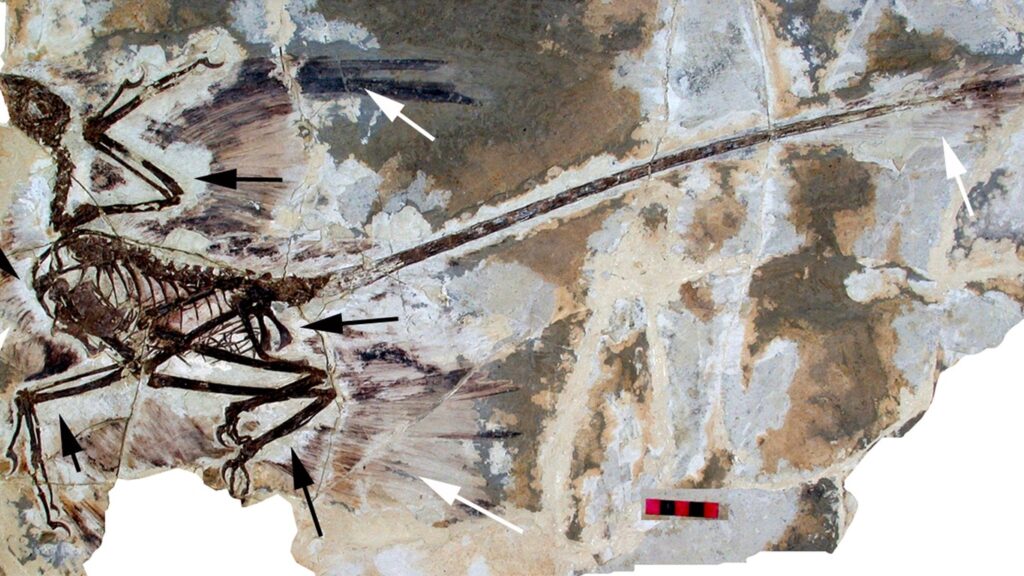
Unlike all living birds, Archaeopteryx had a full set of teeth, a rather flat sternum, a long bony tail, and three claws on the wing. However, its feathers, wings, furcula, and reduced fingers are all characteristics of modern birds. Think of it as a biological creature caught mid-transformation, a living passport stamped with two worlds at once. Archaeopteryx was roughly the size of a raven, with broad wings that were rounded at the ends and a long tail compared to its body length, reaching up to 50 centimeters in body length with a wingspan of up to 70 centimeters.
Could Archaeopteryx Actually Fly? The Answer Surprised Everyone
For decades, scientists squabbled over whether Archaeopteryx was truly capable of powered flight or just a glorified glider. The debate wasn’t academic. It cut to the heart of how flight itself began. Then a remarkable fossil changed the conversation entirely.
Researchers published a description of a pigeon-sized specimen in the journal Nature, reporting that ultraviolet light and CT scans had revealed soft tissues and structures never seen before in this ancient bird, including feathers indicating that Archaeopteryx could achieve powered flight. Specifically, researchers detected the first evidence in Archaeopteryx of a group of flight feathers called tertials, which grow along the humerus between the elbow and the body and are an important component of all powered flight in modern birds. That single discovery sent a quiet but powerful shockwave through paleontology.
Feathers Before Flight: Nature’s Accidental Invention
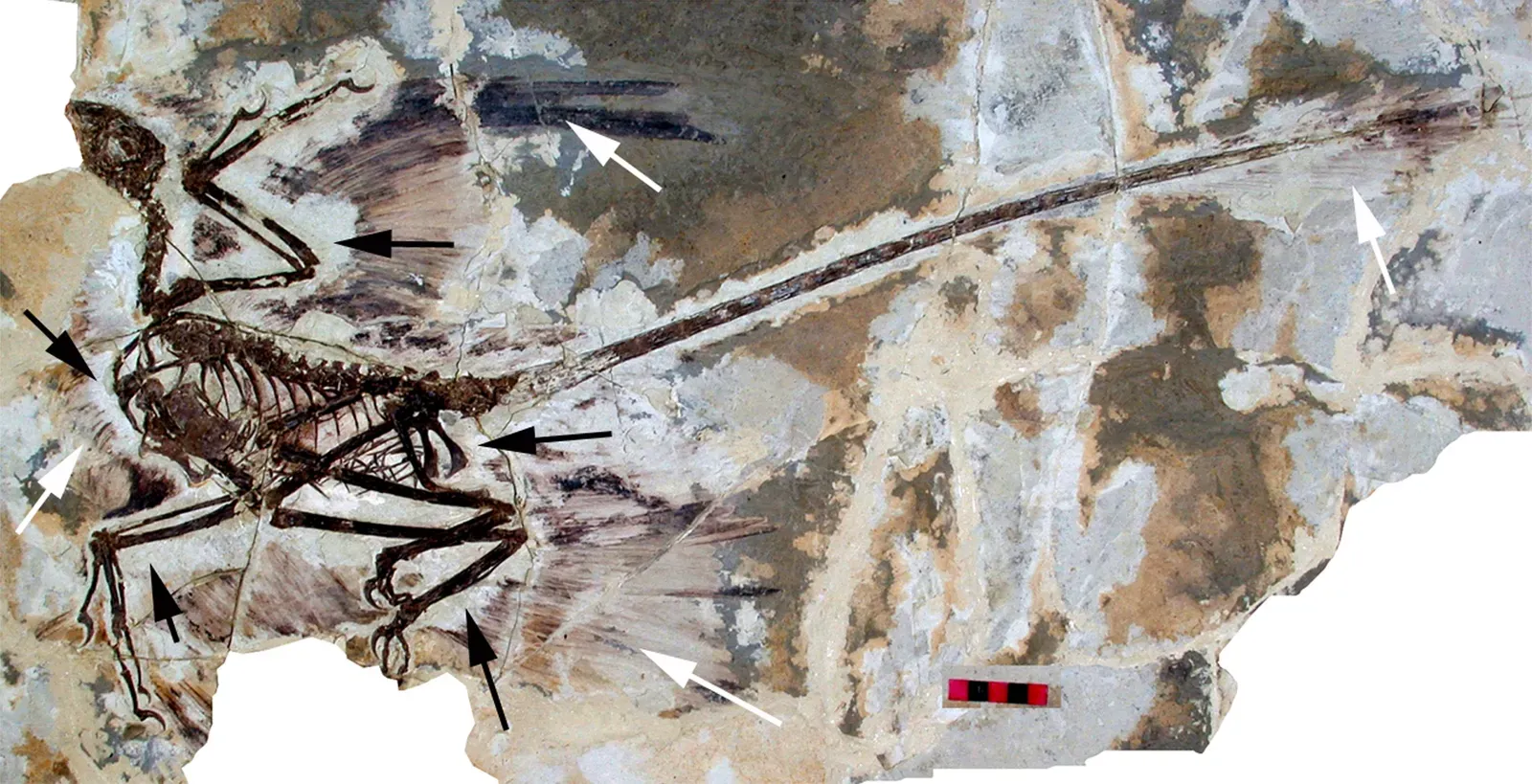
You might assume feathers evolved because dinosaurs needed to fly. That instinct is almost certainly wrong. Members of the Penneraptoran group began to develop feathers before they were able to fly; the original purpose of feathers might have been for insulation or to attract mates. Feathers were, in a sense, a brilliant accident – a solution to one problem that eventually solved an entirely different one.
Feathers are nature’s Swiss Army knives, multipurpose tools that can enable flight, impress mates or rivals, and retain warmth and brood eggs while an animal sits on a nest. Indeed, they have so many uses it has been hard to figure out which purpose they first evolved to serve. In the lineage leading to birds specifically, the order of key transitions was: the evolution of insulative feathers, then a reduction in size with an increment in metabolism, and then the emergence of flight. Feathers came first. Flight came later. That order matters enormously.
Getting Smaller to Get Airborne: The Shrinking Dinosaur Paradox
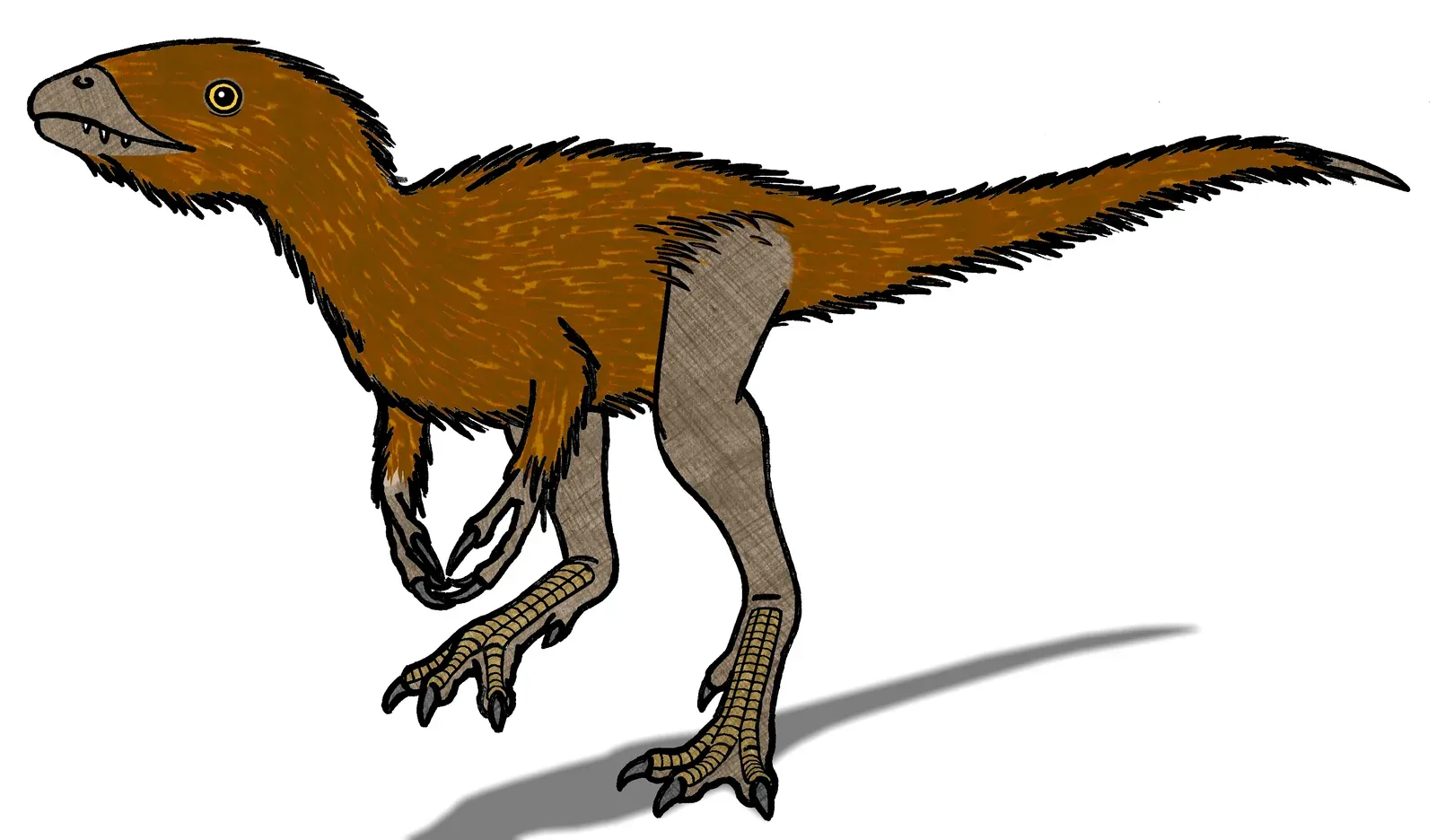
Here is something that sounds completely counterintuitive: one of the most important things bird ancestors did to eventually fly was to get dramatically, relentlessly smaller. While most dinosaur lineages were scaling up into giants, one group quietly ran in the opposite direction. Some coelurosaurs started shrinking as far back as 200 million years ago – 50 million years before Archaeopteryx emerged – at a time when most other dinosaur lineages were growing larger.
Research indicates that this size reduction coincided with other bird-like traits, including accelerated growth rates, changes in bone structure for reduced weight, and increased metabolic rates. This evolutionary trend toward smaller bodies represents a crucial factor that allowed these dinosaurs to survive when their larger relatives perished. Think of it like a massive cargo ship slowly redesigning itself, piece by piece, into a sleek speedboat. Except it took about 50 million years, give or take.
The Bone Architecture of Flight: Hollow, Light, and Brilliant
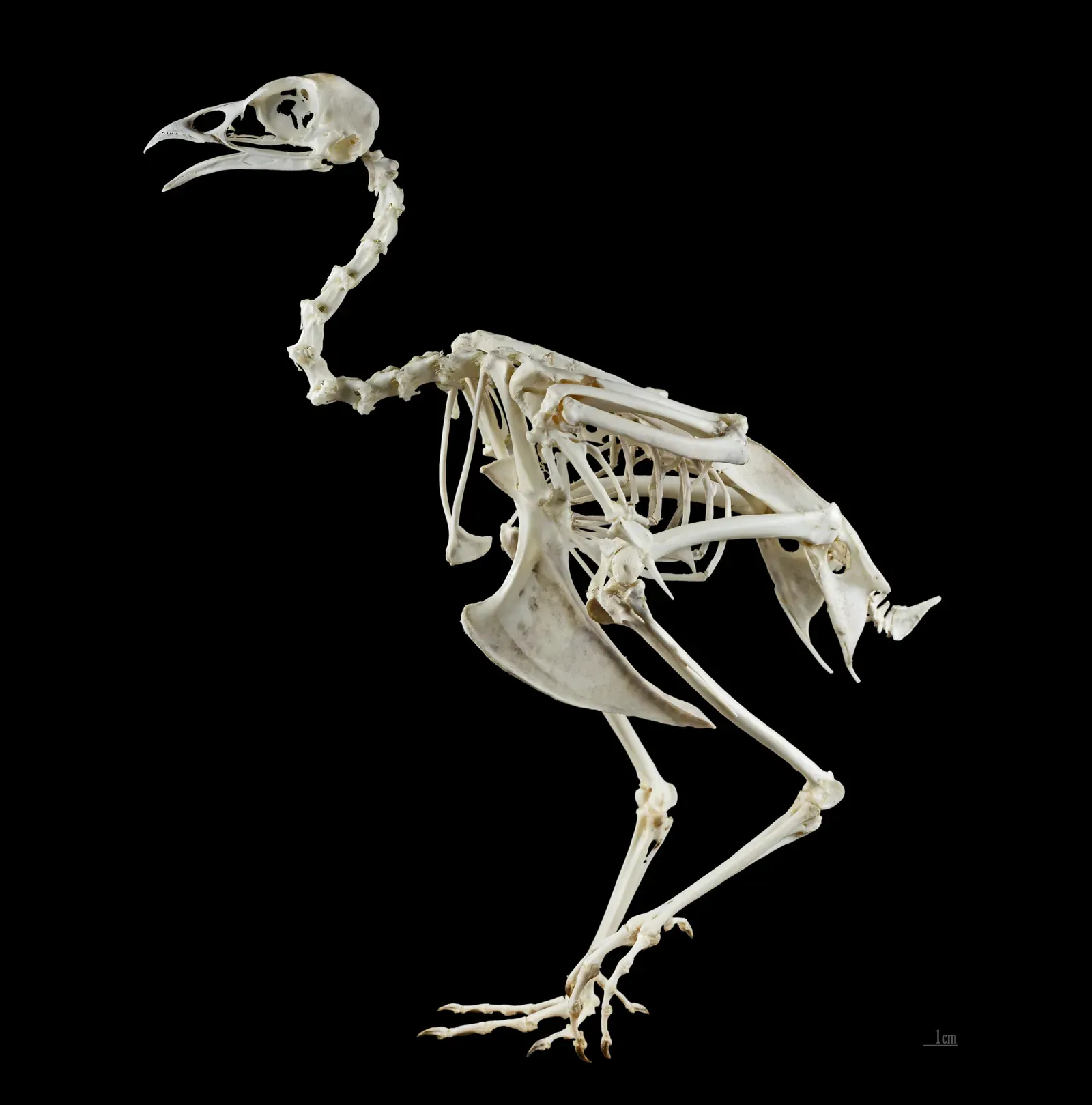
The distinctive hollow bones and rapid growth of birds, both of which are important for flight, also have deep dinosaurian roots. Many dinosaurs had bones hollowed out by air sacs, a telltale sign that they had ultraefficient flow-through lungs that take in oxygen during not only inhalation but also exhalation. In birds, this type of lung delivers the juice needed to maintain their high-energy way of life, in addition to lightening the skeleton for flight.
There is something almost elegant about how these structural innovations stacked on top of each other over millions of years. Perhaps the most recognizable skeletal feature is the furcula, or wishbone, which evolved from the fused clavicles of theropod dinosaurs. This structure first appeared in theropods such as Allosaurus and became increasingly specialized in bird-like dinosaurs, ultimately functioning as an essential spring-like mechanism that stores and releases energy during flight in modern birds. Every time you make a wish by snapping a turkey bone, you are holding a piece of dinosaur engineering history in your hands.
Ground Up or Trees Down? The Oldest Flight Debate in Science
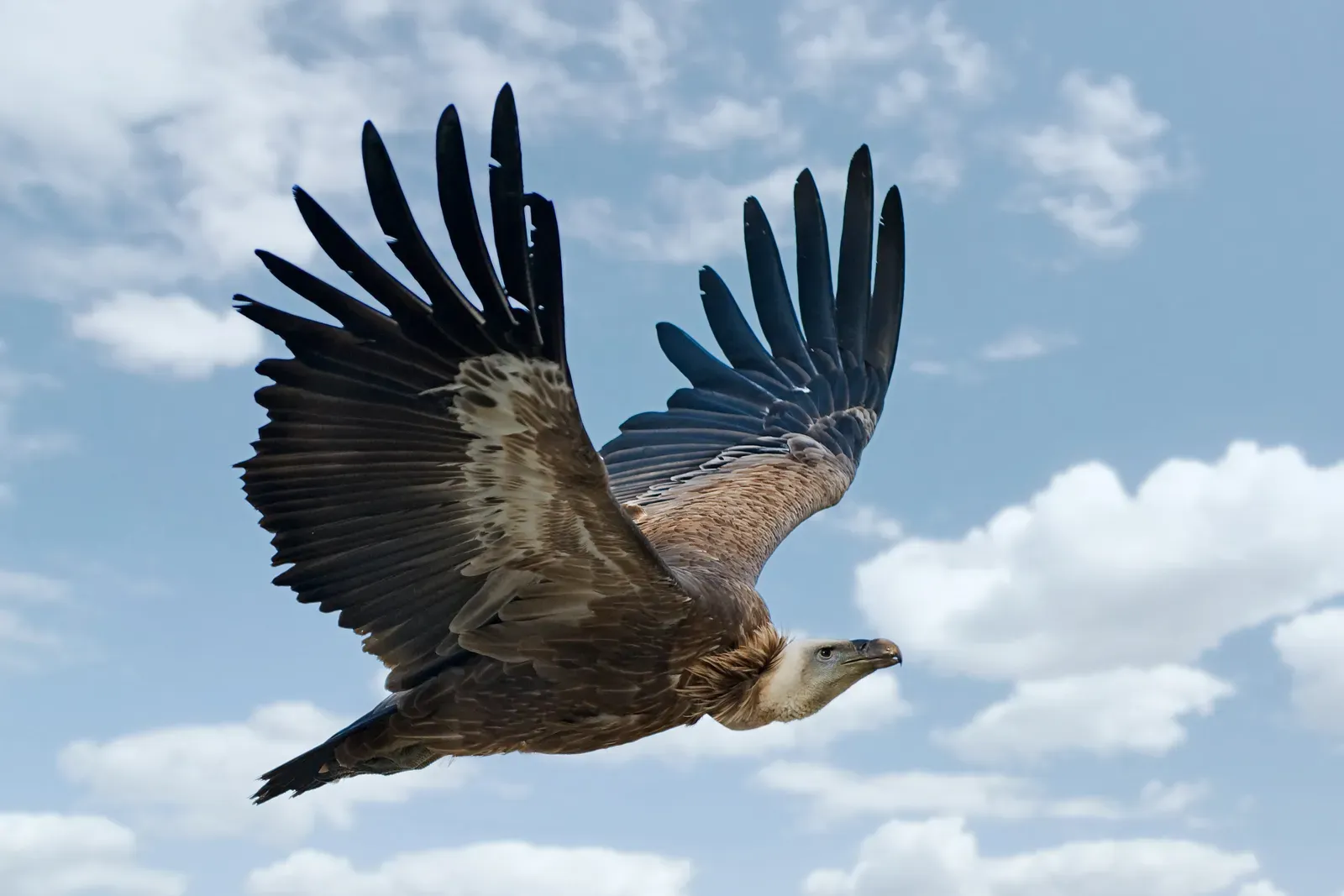
Honestly, this is the argument that just refuses to die – and that is a good thing. The origin of avian flight is a classic macroevolutionary transition with research spanning over a century. Two competing models explaining this locomotory transition have been discussed for decades: ground up versus trees down. The ground-up theory imagines a fast-running, feathered theropod gradually developing lift as it chased prey. The trees-down model pictures a tree-climbing creature learning to glide before it learned to flap.
Ground-up theories typically assume that the animal with proto-wings would have been flapping its wings, whereas trees-down theories typically assume that the animal would have been using its wings more for gliding. Today, many people in the field believe that the truth probably lies in between the two extremes, pointing to living birds, noting that there are loads of birds that spend plenty of time in different environments, both on the ground and in trees. It’s hard to say for sure, but the answer may simply be: both, at different times, in different lineages.
Flight Evolved Multiple Times – and Not All Attempts Survived
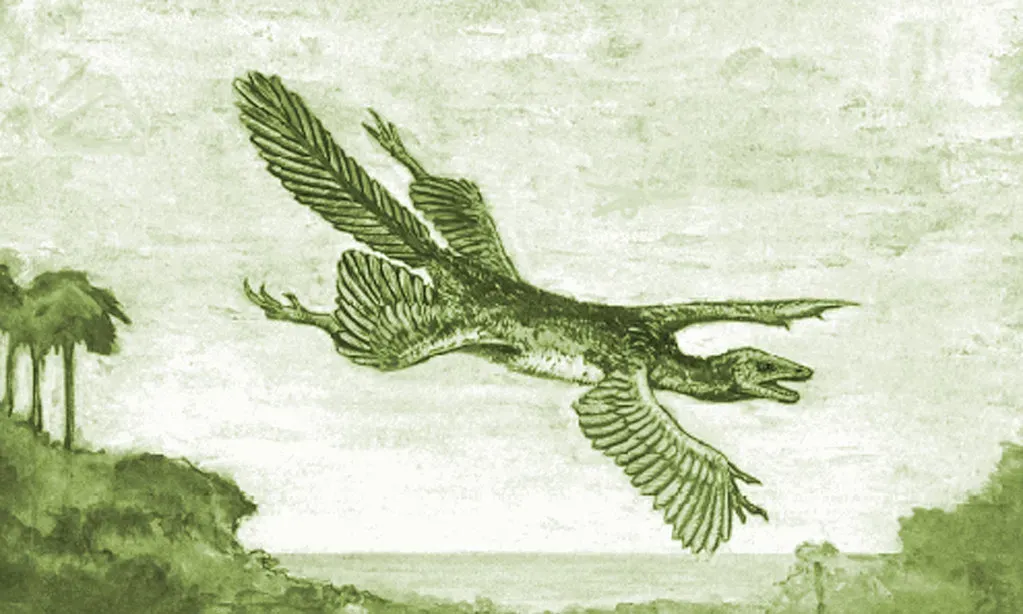
One of the most surprising revelations from recent paleontology is that flight was not a single, clean evolutionary invention. It happened in patches, experiments, and dead ends. Despite having bat-like wings, two small dinosaurs, Yi and Ambopteryx, struggled to fly, only managing to glide clumsily between the trees where they lived, and unable to compete with other tree-dwelling dinosaurs and early birds, they went extinct after just a few million years. The findings support that dinosaurs evolved flight in several different ways before modern birds evolved.
The apparent splendor of dinosaur feathers spawned a radical new hypothesis for the origin of wings: they first evolved as advertisements, billboards projecting from the arms and legs and tail. Then these suave-winged dinosaurs suddenly found themselves with big, broad surfaces that also, by the laws of physics, had an aerodynamic function. In other words, flight evolved by accident. Nature, it seems, is less of a deliberate engineer and more of a remarkably creative opportunist.
From Extinction to Everywhere: How Birds Conquered the World

When the asteroid struck 66 million years ago and wiped out the non-avian dinosaurs, it could have ended the bird story too. Instead, it opened an extraordinary door. Approximately 66 million years ago, a mass extinction event led to the demise of the non-avian dinosaurs. Some theropod dinosaurs survived and evolved into modern birds. The extinction of non-avian dinosaurs opened up ecological niches that allowed birds to diversify and evolve into various forms, adapting to different environments and lifestyles.
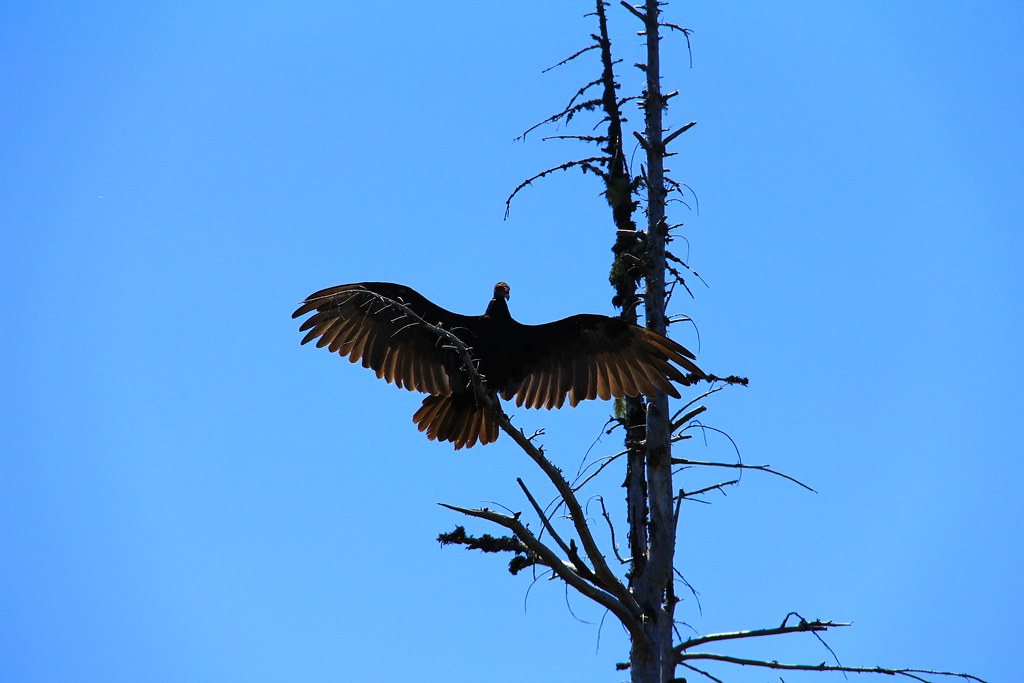
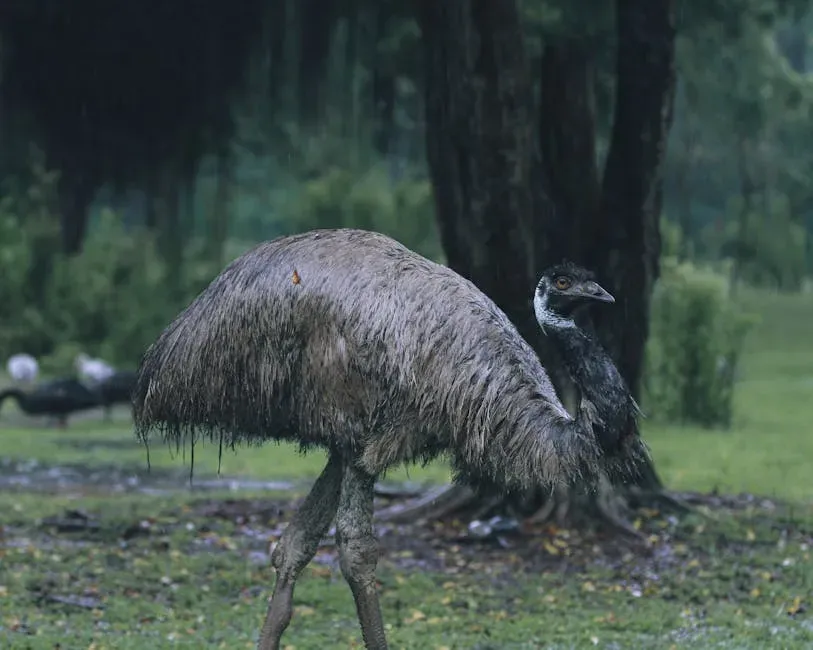
The world’s 11,000-plus bird species represent the last surviving members of the dinosaur lineage, having evolved into remarkably diverse forms adapted to practically every terrestrial environment. From the massive flightless ostrich to the tiny bee hummingbird, from the deep-diving emperor penguin to the high-soaring albatross, birds have modified their ancestral dinosaur blueprint in extraordinary ways. The survivors did not just persist – they exploded into one of the most breathtaking diversification events in the history of life on Earth.
Conclusion
The story of how dinosaurs became birds is not a neat, straight line. It is a sprawling, tangled, magnificently messy saga that unfolded across more than 150 million years of trial and error, lucky accidents, environmental pressures, and gradual physical reinvention. Feathers came before flight. Shrinking preceded soaring. Hollow bones, wishbones, and expanding brains all arrived long before the first true burst of powered flight lifted something into the prehistoric sky.
What strikes me most about all of this is how deeply it challenges the way we usually think about evolution. We imagine nature moving purposefully toward a goal, but the evidence tells a different story. Birds are the survivors of a long, strange, beautiful experiment – one that is still running today every time a starling wheels overhead or a hummingbird holds itself perfectly still in the air.
The next time you hear birdsong outside your window, you might pause and consider: you are hearing a dinosaur. One that figured out, over millions of improbable years, how to fly. What other impossible transformations might be quietly unfolding in the natural world right now, too slowly for any of us to notice?