Imagine waking up one morning to find that nearly every living thing you’ve ever known has simply vanished. No birds. No insects. No fish in the ocean. Just a silent, poisoned world draped in the smell of rotten eggs. That’s approximately the scene 252 million years ago, when Earth came closer to complete biological oblivion than at any other point in its four-billion-year history.
Scientists call it the “Great Dying.” It’s the single most catastrophic event in the story of life on this planet, dwarfing even the asteroid strike that ended the dinosaurs. You’d think we’d know exactly what caused it by now. Surprisingly, the full truth is still being pieced together, layer by layer, fossil by fossil. Let’s dive in.
A World Teetering on the Edge of Total Annihilation
Before you can appreciate the scale of the disaster, you have to understand just how vibrant and complex life was in the late Permian period. Pangaea, the massive supercontinent, had formed and was surrounded by the vast Panthalassic Ocean, and increasing temperatures throughout the Permian allowed for a rapid diversification of organisms, with terrestrial plant life exploding and providing an important food source for land animals. Reefs filled the shallow seas, insects dominated the land, and a dazzling variety of creatures thrived across every corner of the globe.
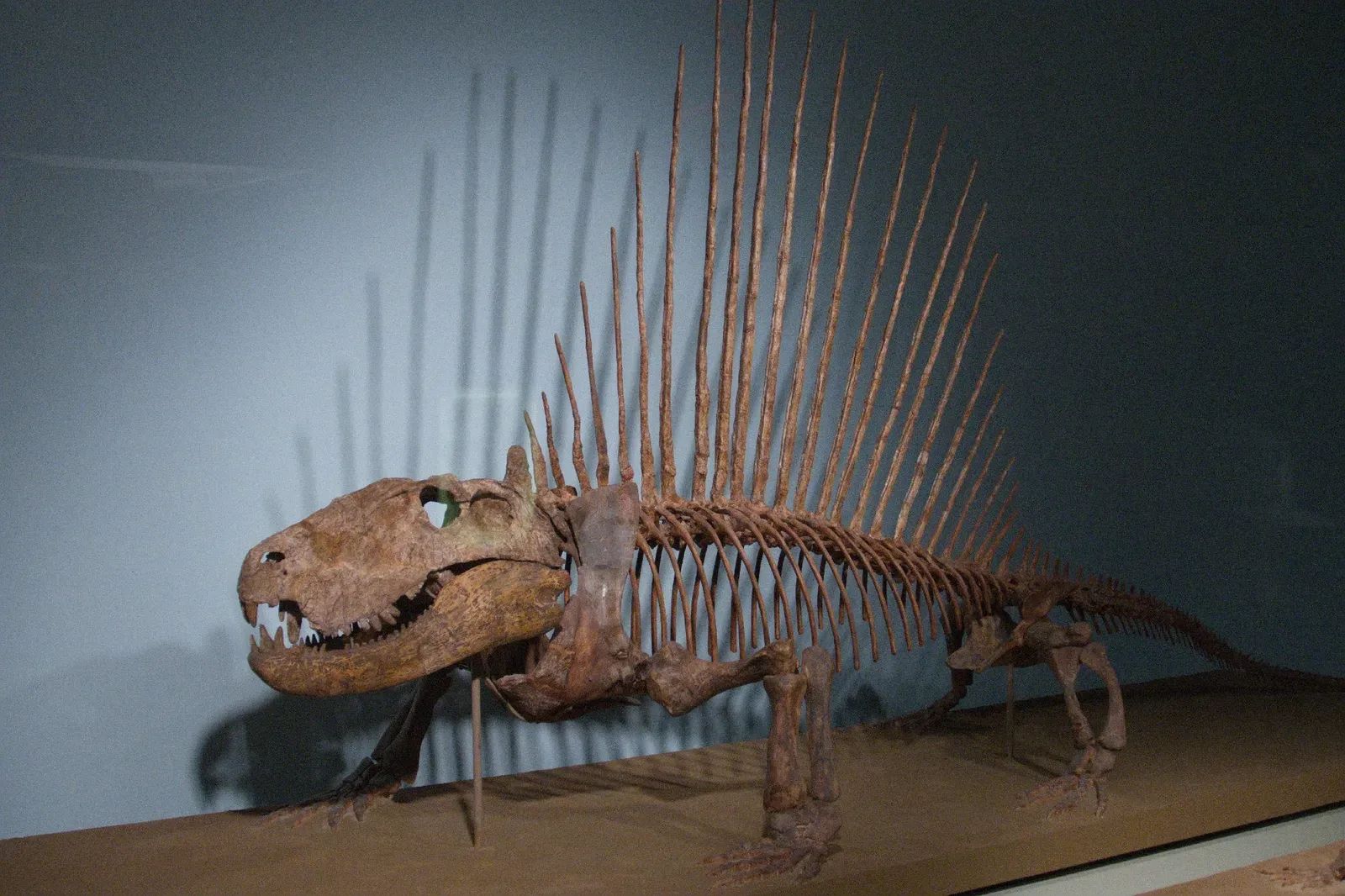
Two important types of animals dominated land during the Permian: synapsids and sauropsids. Synapsids, which had one temporal opening in their skulls, are thought to be the ancestors of mammals, and a well-known synapsid was Dimetrodon, famous for the large sail on its back. Crucially, Dimetrodon is more closely related to mammals than to dinosaurs and went extinct during the Permian, around 40 million years before the earliest dinosaurs appeared. This rich, layered world vanished almost overnight in geological terms. Honestly, the speed and totality of it is still staggering to contemplate.
The Scale of the Catastrophe: Numbers That Defy Comprehension
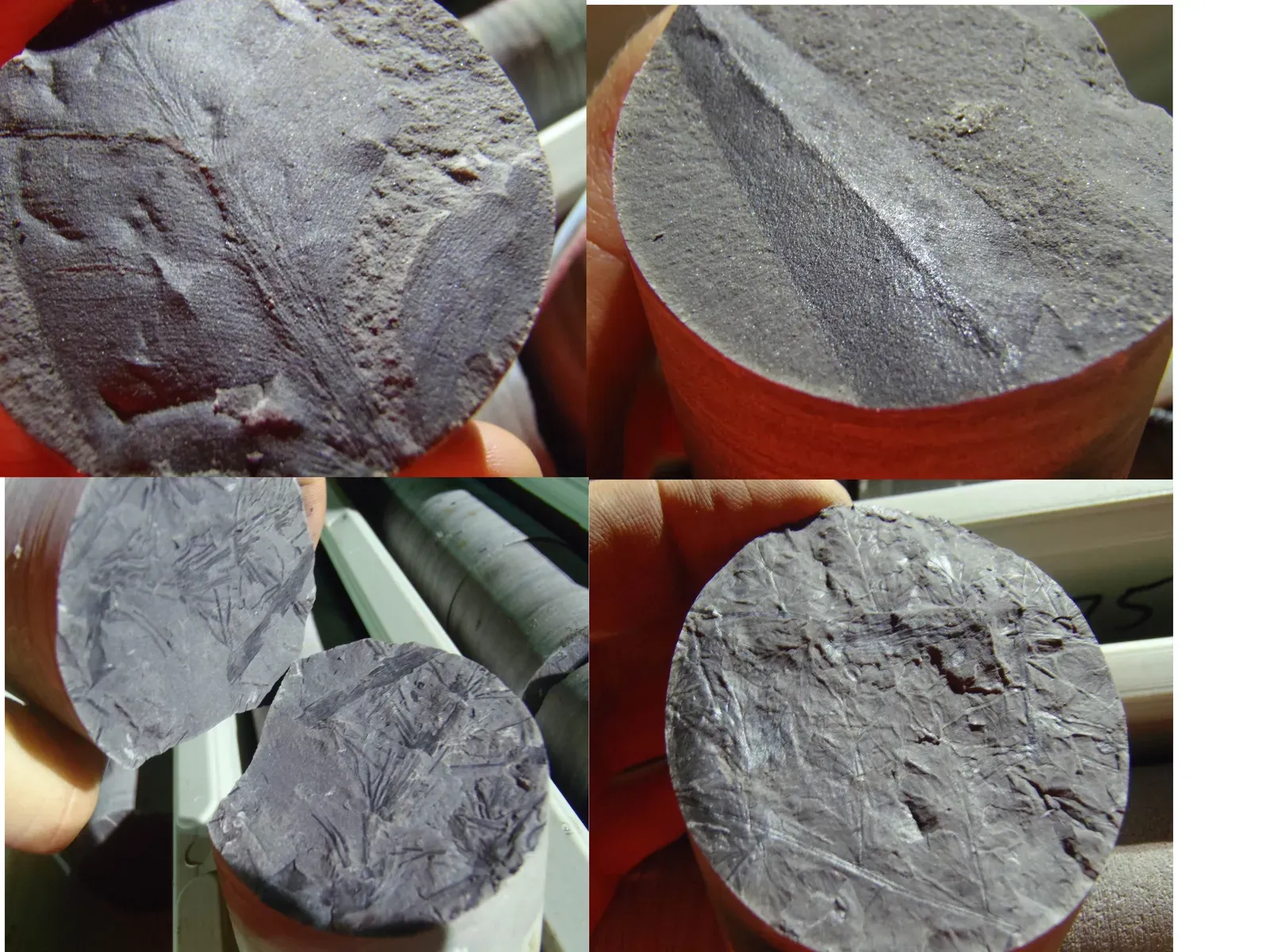
The Permian extinction was characterized by the elimination of about 90 percent of the species on Earth, which included more than 95 percent of the marine species and 70 percent of the terrestrial species. Think about that for a moment. It’s not like a bad year for nature. It’s the near-total erasure of everything Earth had spent hundreds of millions of years building.
On land, more than two-thirds of amphibian and reptile species and nearly one-third of insect species were wiped out, which is particularly noteworthy because insects tend to be survivors, and this is the only mass extinction that greatly affected them. Whatever happened during the Permian-Triassic period was much worse than any other extinction: no class of life was spared, including trees, plants, lizards, proto-mammals, insects, fish, mollusks, and microbes. No hiding place. No survivors’ corner.
The Siberian Traps: Earth’s Most Terrifying Volcanic Event
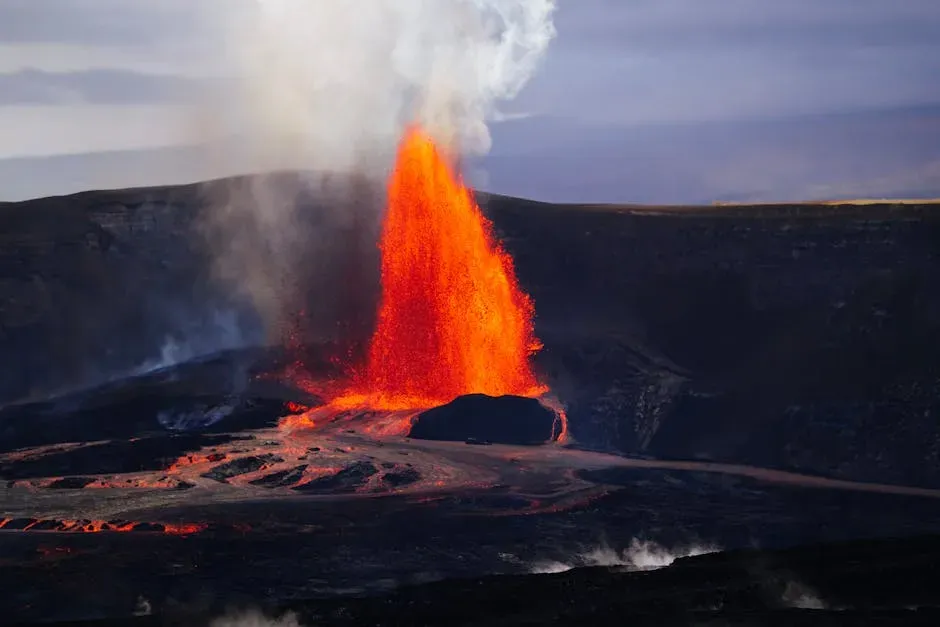
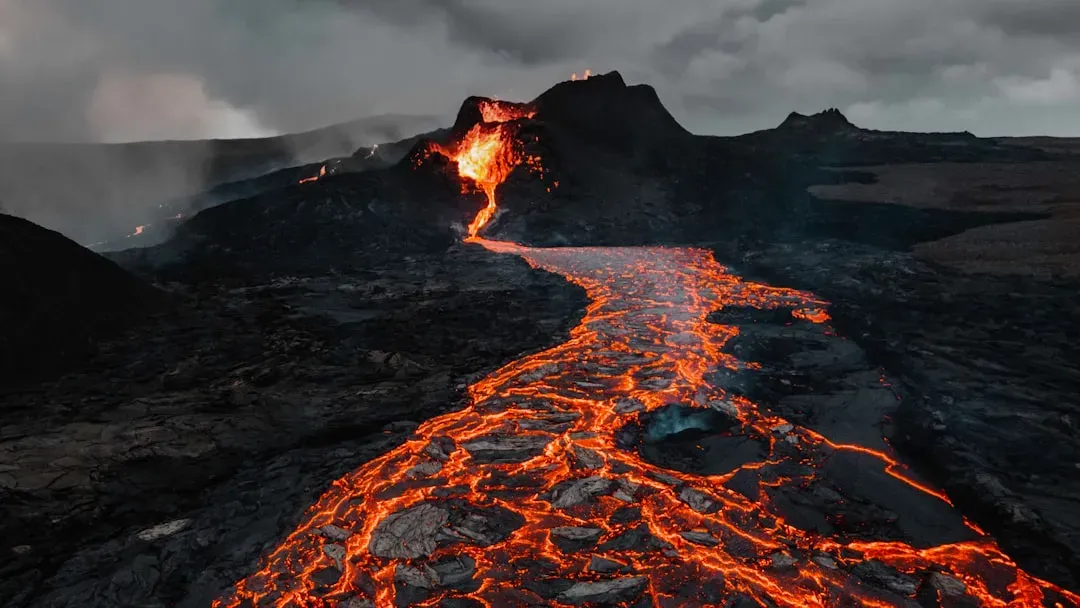
Here’s where things get dramatic. The scientific consensus is that the main cause of the extinction was the flood basalt volcanic eruptions that created the Siberian Traps, which released sulfur dioxide and carbon dioxide, resulting in oxygen-starved and sulfurous oceans, elevated global temperatures, and acidified oceans. Picture a volcanic event so massive it makes anything in recorded human history look like a kitchen fire.
The flood basalt eruptions that produced the Siberian Traps extruded lava over roughly two million square kilometers, about the size of Saudi Arabia, and the date of these eruptions matches well with the extinction event. The emission of large magnitudes of carbon dioxide, sulfur dioxide, halogens, and metals by the eruptions led to global warming, oceanic anoxia, oceanic acidification, ozone reduction, acid rain, and metal poisoning, triggering major extinctions in both terrestrial and marine ecosystems. It was, by any measure, the most destructive geological event in half a billion years.
When the Oceans Stopped Breathing: Anoxia and Acid
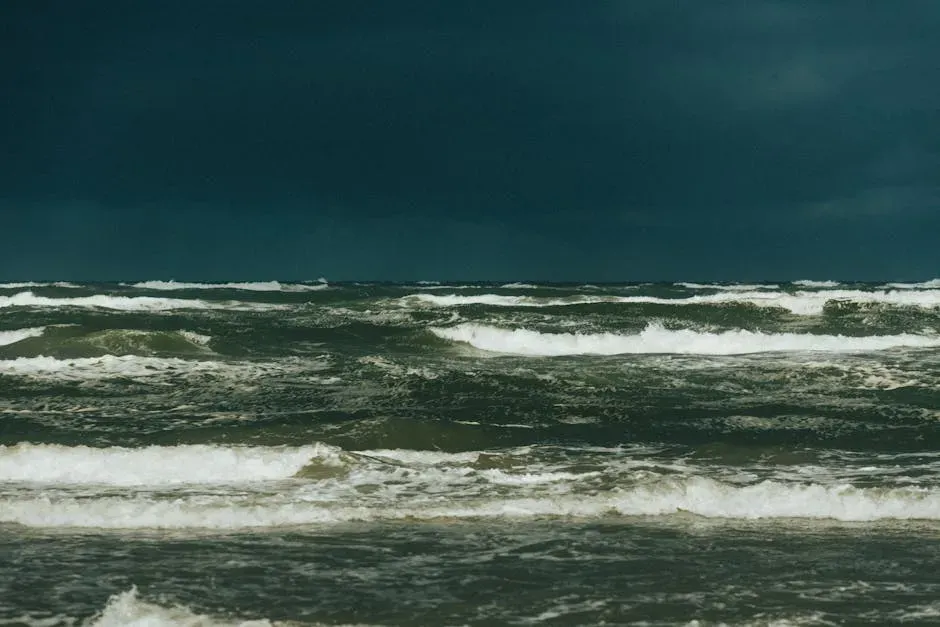
You can think of the oceans during the end-Permian like a slow-cooking pot with the lid sealed shut. A transition from oxygenated to anoxic and sulfurous conditions is seen in most global sections, and decreased ocean ventilation coincided with rapidly rising temperatures, with many extinction scenarios attributing the losses to both anoxia and high temperatures. The sea was quite literally suffocating every creature living in it.
Research combining models of ocean conditions and animal metabolism showed that the Permian mass extinction in the oceans was caused by global warming that left animals unable to breathe, as temperatures rose and the metabolism of marine animals sped up, while the warmer waters could not hold enough oxygen for them to survive. High-temperature-intolerant shallow-water dwellers, such as corals, large foraminifers, and radiolarians, were eliminated first. The ocean didn’t just lose its inhabitants; it lost its entire ecological architecture.
The Poison Gas Theory: Hydrogen Sulfide and the Ozone Collapse
This is where the story takes a truly disturbing turn. Some scientists argue that volcanic warming was only the trigger, not the main weapon. In the end-Permian, as the levels of atmospheric oxygen fell and the levels of hydrogen sulfide and carbon dioxide rose, the upper levels of the oceans could have become rich in hydrogen sulfide catastrophically, killing most of the oceanic plants and animals, while the hydrogen sulfide dispersing in the atmosphere would kill most terrestrial life.
Another piece of the puzzle is that hydrogen sulfide gas destroys the ozone layer, and researchers have found fossil spores from the end-Permian that show deformities suspected to have been caused by ultraviolet light. Explosive volcanism in the Siberian Large Igneous Province is evidenced by massive pyroclastic deposits and is postulated to be the most likely trigger, causing a wide range of damaging effects including ocean anoxia, hydrogen sulfide poisoning, acid rain, ozone depletion, and global warming. It’s a cascade of horrors, each one feeding the next like a nightmare you can’t wake up from.
The Collapse of Forests and the Broken Carbon Cycle
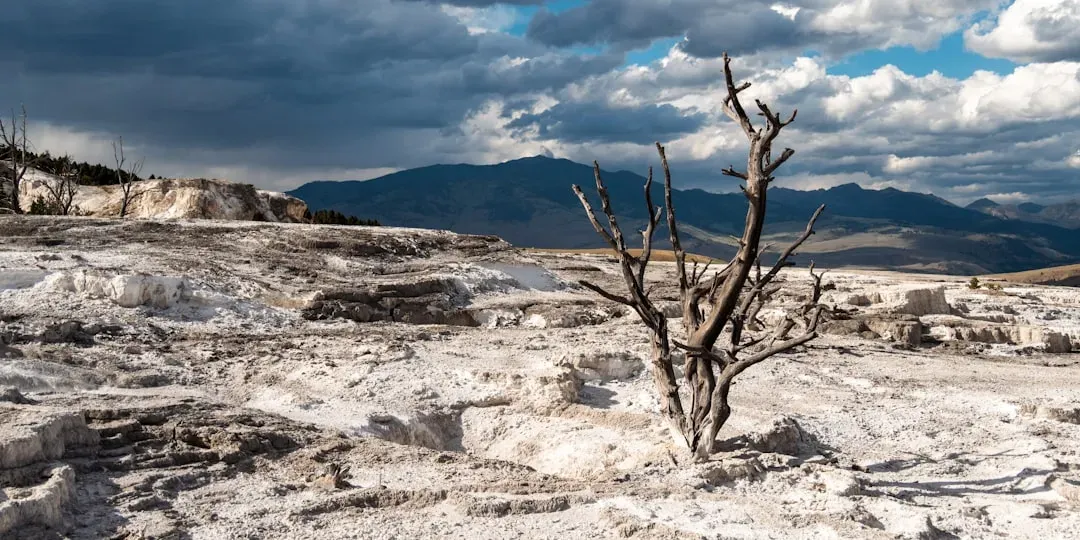
Here’s something that might genuinely surprise you. Recent research reveals that it wasn’t just the volcanoes themselves doing the killing. Scientists from the University of Leeds thought the answer may lie in a climate tipping point: the collapse of tropical forests, noting that the Great Dying is unique because it is the only extinction event in which the plants all die off. When you lose the forests, you lose the planet’s most essential carbon sponge.
Researchers confirmed that the loss of vegetation during the mass extinction significantly reduced the planet’s ability to store carbon, keeping very high carbon levels in the atmosphere. Forests are vital climate buffers as they absorb and store planet-heating carbon, and they also play a crucial role in silicate weathering, a chemical process involving rocks and rainwater that is a key way of removing carbon from the atmosphere, helped by tree and plant roots breaking up rock. Once the forests collapsed, Earth lost its primary repair mechanism. The planet had no way to heal itself.
The Long Road Back: Five Million Years of Struggle
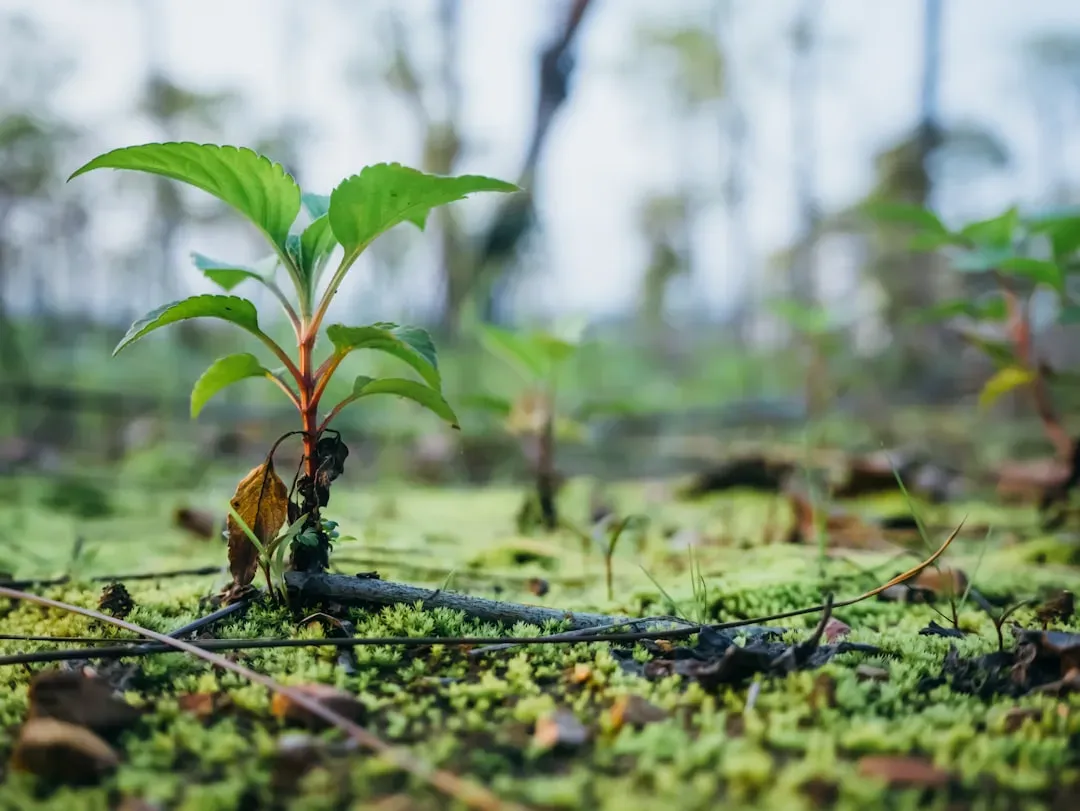
The end-Permian mass extinction not only decimated taxonomic diversity but also disrupted the functioning of global ecosystems and the stability of biogeochemical cycles, and explaining the five-million-year delay between the mass extinction and Earth system recovery remains a fundamental challenge in both Earth and biological sciences. Life didn’t simply bounce back. The planet remained deeply hostile for an almost unimaginable stretch of time.
Ammonoids and some other groups diversified relatively quickly within a few million years, but extinctions continued through the Early Triassic period. Triassic ecosystems were rebuilt stepwise from low to high trophic levels, and a stable, complex ecosystem did not re-emerge until the beginning of the Middle Triassic, roughly eight to nine million years after the crisis. A positive aspect of the recovery was ultimately the emergence of entirely new groups, such as marine reptiles and decapod crustaceans, as well as new tetrapods on land, including eventually the dinosaurs. Destruction, it turns out, also makes room for reinvention.
Conclusion: A Warning Written in Stone
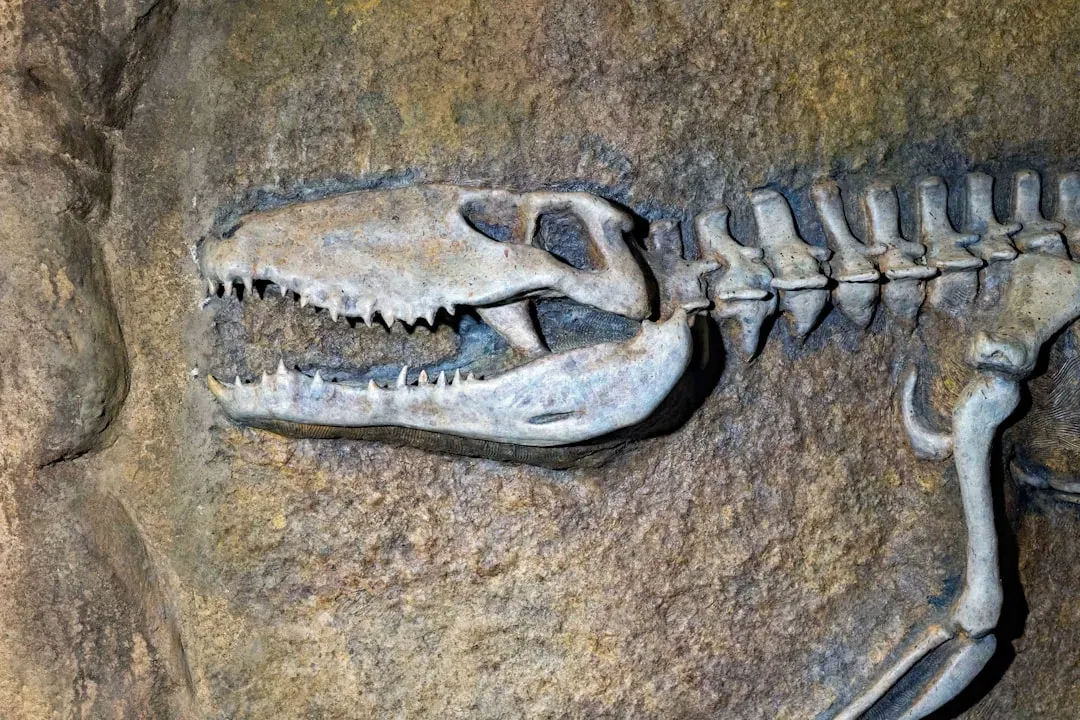
The Permian extinction is Earth’s ultimate cautionary tale, a story written in rock and fossil that humanity would do well to read carefully. The situation in the late Permian, with increasing greenhouse gases in the atmosphere creating warmer temperatures on Earth, is strikingly similar to what we see today. The parallels are uncomfortable, to say the least.
The Permian-Triassic mass extinction was a complex event likely caused by a confluence of factors, with Siberian Traps volcanism currently considered the most significant driver, while an asteroid impact, methane hydrate release, and ocean anoxia likely played contributing roles, with the precise interplay between these factors remaining an area of ongoing research. No single smoking gun. Just an overwhelming, unstoppable convergence of catastrophes that rewrote life on Earth from scratch.
What we know for certain is this: the planet recovered, but it took millions of years and required building an entirely new biological world. The Great Dying asks us a deeply unsettling question. If we push our own planet past its tipping points, can we count on a second chance? What do you think? Share your thoughts in the comments below.