You’re probably picturing a dinosaur right now. Maybe it looks like the scaly beasts from old textbooks or blockbuster films. Here’s the thing, though: what we thought we knew about dinosaur feathers keeps changing. And honestly, that’s what makes paleontology exciting. Scientists keep uncovering wild surprises that completely reshape our understanding of these ancient creatures.
Feathers weren’t just about flying. They served more purposes than you’d think. Some dinosaurs sported elaborate plumage for attracting mates, while others had simple fuzz for warmth. Recent fossil discoveries have revealed a stunning array of feather types that existed millions of years before birds took to the skies. So let’s dive in and see what’s turning paleontology on its head.
Feathers Appeared Far Earlier Than Scientists Expected
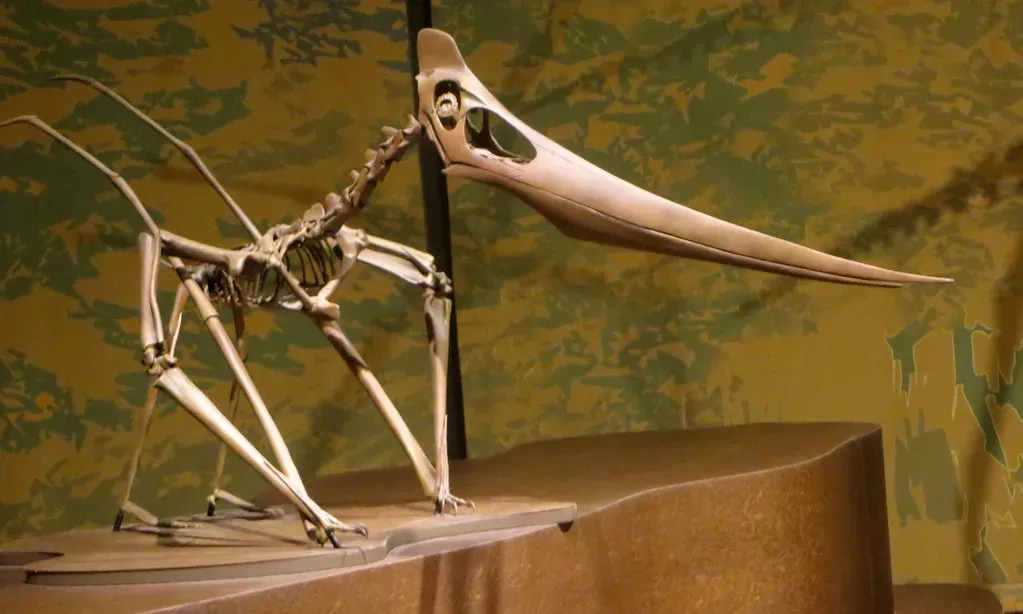
Proto-feathers emerged around 200 million years ago in certain dinosaurs, but researchers now suspect they might be even older. Paleontologists continue to discuss the possibility of their even earlier presence in the common ancestor of dinosaurs and pterosaurs around 240 million years ago. That timeframe pushes feather origins way back into deep prehistory.
Pterosaur fossils dating to about 160 million years ago contained branching featherlike structures called pycnofibres that appeared in tufts, suggesting that the origin of feathers predated both the pterosaurs and the dinosaurs. Think about it: feathers might have evolved in a common ancestor roughly a quarter of a billion years ago. That completely reshapes how we view these structures.
Multiple Dinosaur Groups Had Completely Different Feather Types
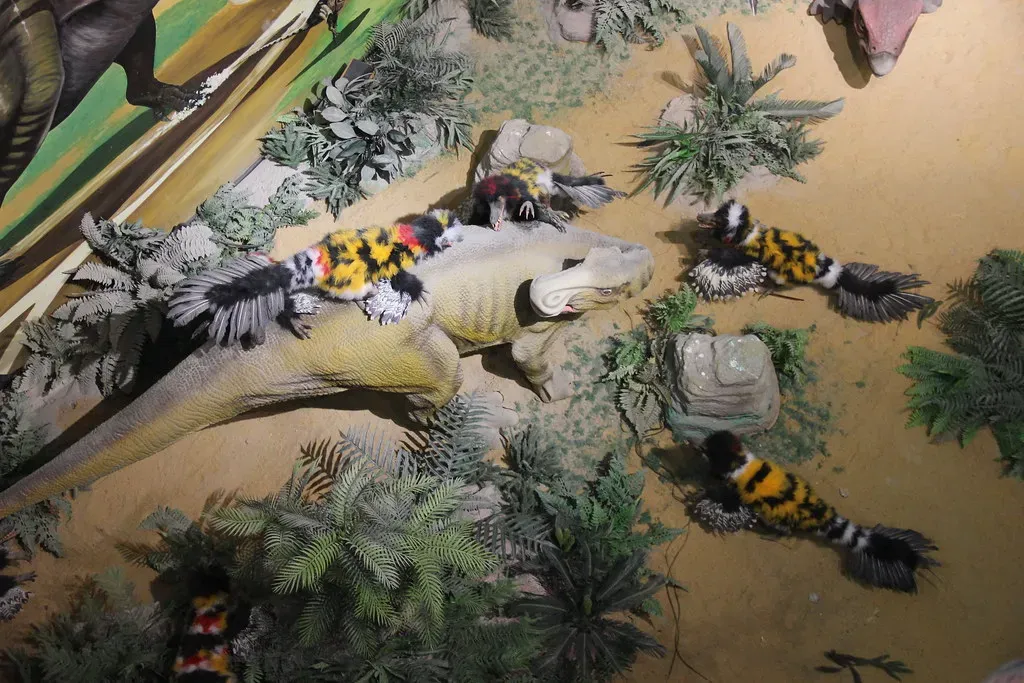
It gets weirder. Feathers weren’t limited to bird ancestors. Among non-avian dinosaurs, feathers or feather-like integument have been discovered in dozens of genera, spanning wildly different dinosaur families. Kulindadromeus from Russia had three different types of filaments including ribbon-like structures covering almost its entire body, Tianyulong had long fur-like fuzz on its neck, back and tail, and Psittacosaurus had a row of stiff bristles on the base of its tail.
These dinosaurs weren’t closely related to birds at all. They had their own unique fluff. The diversity is staggering when you realize how many branches of the dinosaur family tree independently evolved their own versions of feathers.
Dinosaurs Mixed Scaly Reptile Skin With Feathery Patches
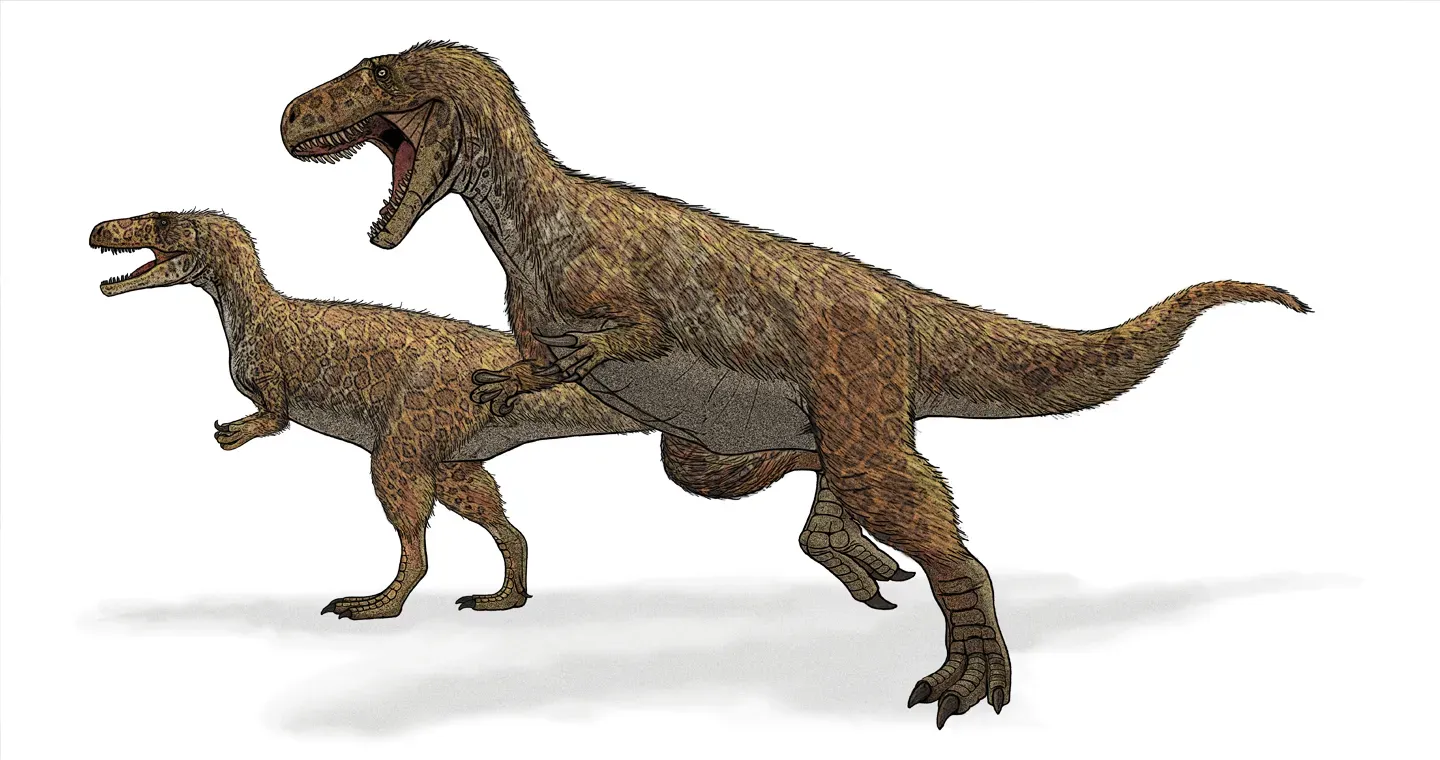
Scientists discovered zoned development in dinosaur skin, with zones of reptile-style scales and zones of bird-like skin with feathers. Early feathered animals had a mix of skin types, with bird-like skin only in feathered regions of the body, and the rest of the skin still scaly, like in modern reptiles. Imagine a creature that’s part scaly lizard, part fuzzy bird. Strange, right?
This zoned development would have ensured that the skin protected the animal against abrasion, dehydration and pathogens. The body basically created specialized zones where feathers could grow while keeping protective scales elsewhere. It’s like nature was experimenting with different textures on the same canvas.
Some Feathered Dinosaurs Lost Their Ability to Fly
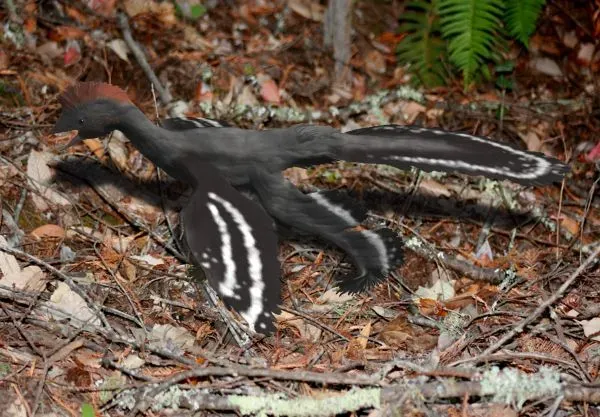
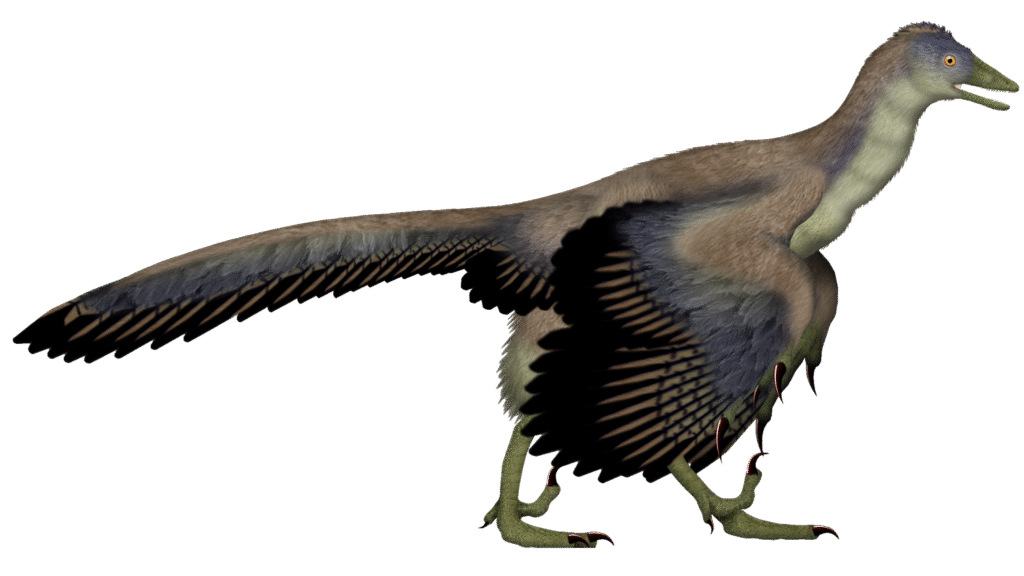
Fossils of Anchiornis huxleyi from 160 million years ago showed that these dinosaurs had lost the ability to fly, offering a glimpse into the functioning of creatures that lived long ago and their impact on the evolution of flight. Yes, you read that correctly. These dinosaurs were covered in feathers but couldn’t fly. This finding suggests that the development of flight throughout the evolution of dinosaurs and birds was far more complex than previously believed.
Evolution doesn’t move in a straight line. Anchiornis huxleyi now joins the list of dinosaurs that were covered in feathers but not capable of flight, highlighting how complex and diverse wing evolution truly was. Flight was gained, lost, and regained multiple times across different lineages.
Feathers Evolved for Display, Not Just Flying
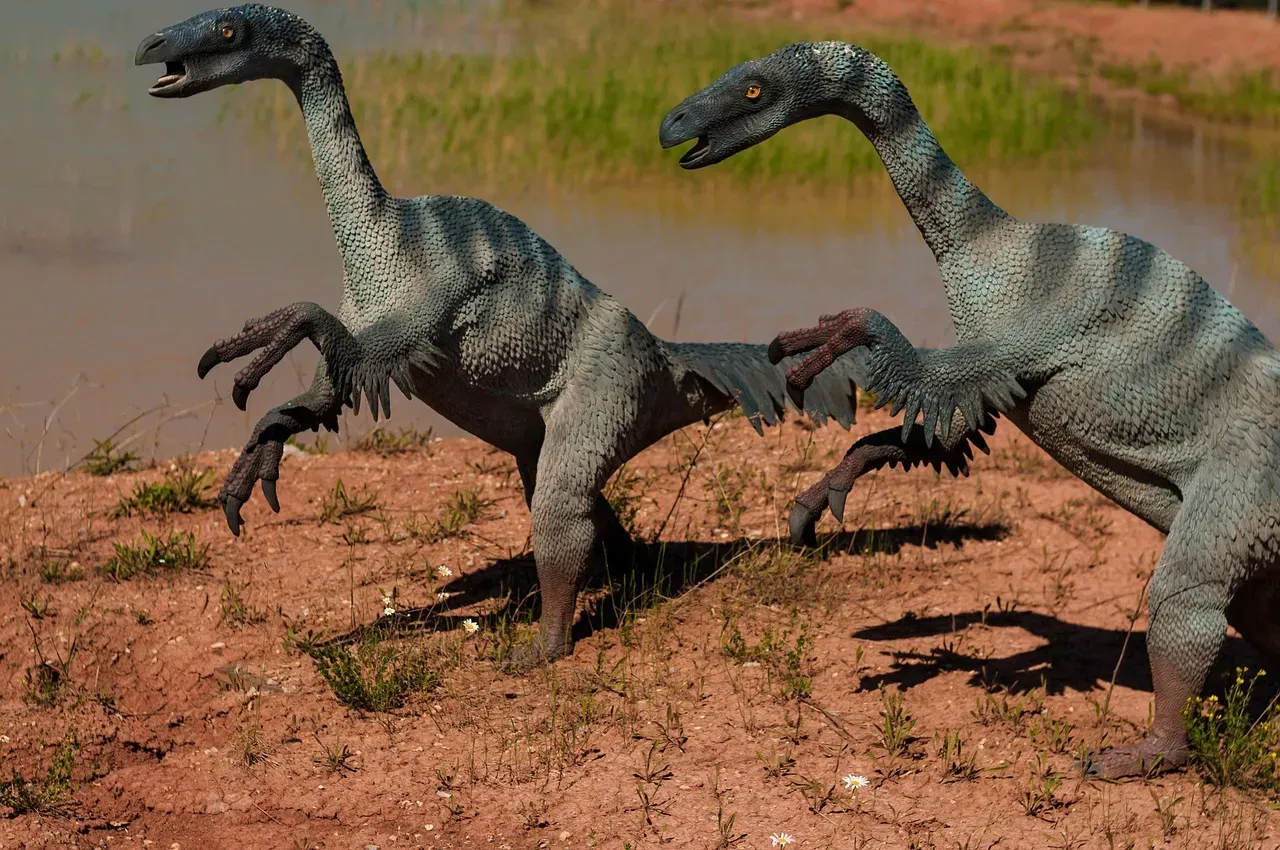
Let’s be real: flight came later. There is an increasing body of evidence that supports the display hypothesis, which states that early feathers were colored and increased reproductive success, implying that all later functions of feathers, such as thermoregulation and flight, were co-opted. Basically, dinosaurs developed flashy plumage to attract mates before anyone thought about flying.
Some specimens have iridescent feathers, and these pigmented and iridescent feathers may have provided greater attractiveness to mates, providing enhanced reproductive success when compared to non-colored feathers. Picture a peacock-like dinosaur strutting around with shimmering feathers millions of years before birds existed. Nature’s always been about showing off.
Color Patterns Were Surprisingly Complex
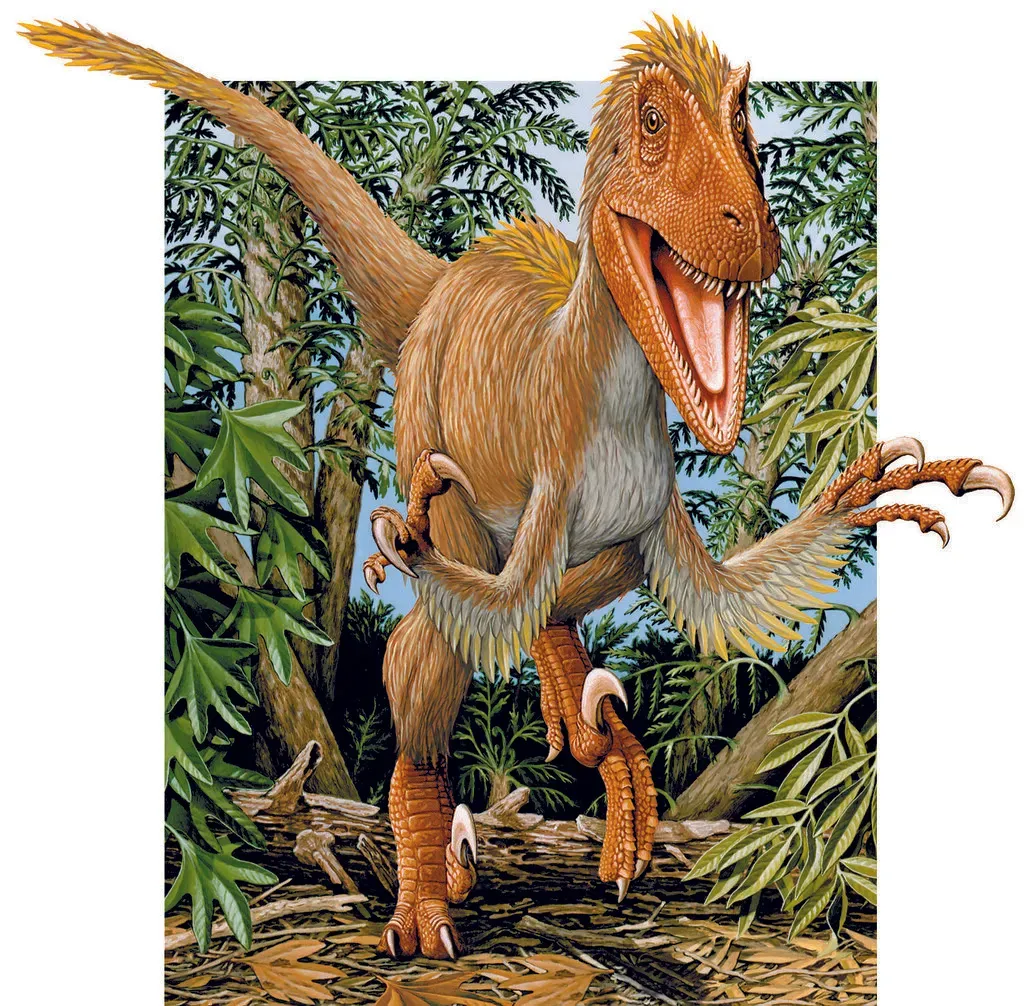
Researchers detected that a juvenile Diplodocus would have had conspicuous patterns across its scales, suggesting sauropod dinosaurs were not uniformly gray or brown but had complex color patterns like other dinosaurs, birds and reptiles. Forget boring brown dinosaurs. Sinosauropteryx was rust red with a red and white-striped tail, not unlike today’s red pandas.
Research on melanosomes preserved in feathered dinosaur specimens has led to reconstructions of the life appearance of several dinosaur species including Anchiornis, Sinosauropteryx, Microraptor, and Archaeopteryx. We can now say with confidence that the ancient world was a lot more colorful than anyone imagined.
New Discoveries Keep Challenging What We Thought We Knew
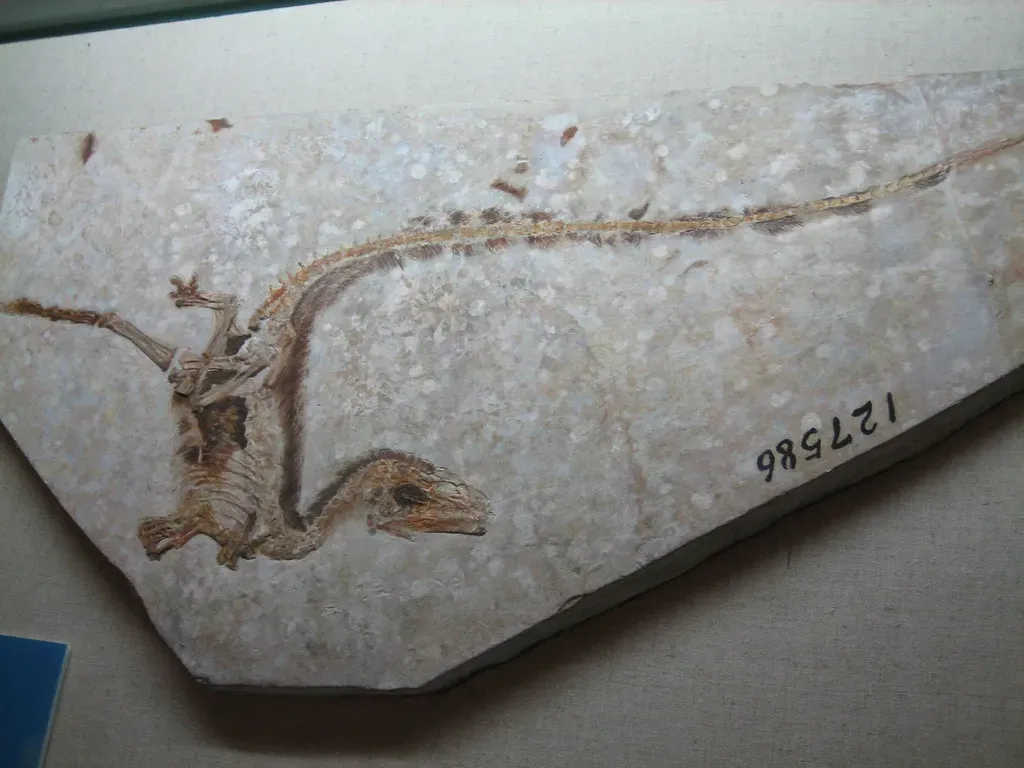
Two feathered dinosaurs, Sinosauropteryx lingyuanensis and Huadanosaurus sinensis, feathered theropods that lived about 125 million years ago in northeastern China, were described together in 2025. One fossil preserved two mammal skeletons inside the abdomen, showing the predator swallowed its prey before burial locked the details in stone. Fossils like these keep popping up in museum collections where they’ve sat for years.
Many discoveries were found not in the wild, but in museum collections, proving that major discoveries can still be hiding in plain sight. Scientists are looking at old specimens with fresh eyes and modern technology, finding details previous researchers missed entirely. The evolution story is far from complete.
Conclusion
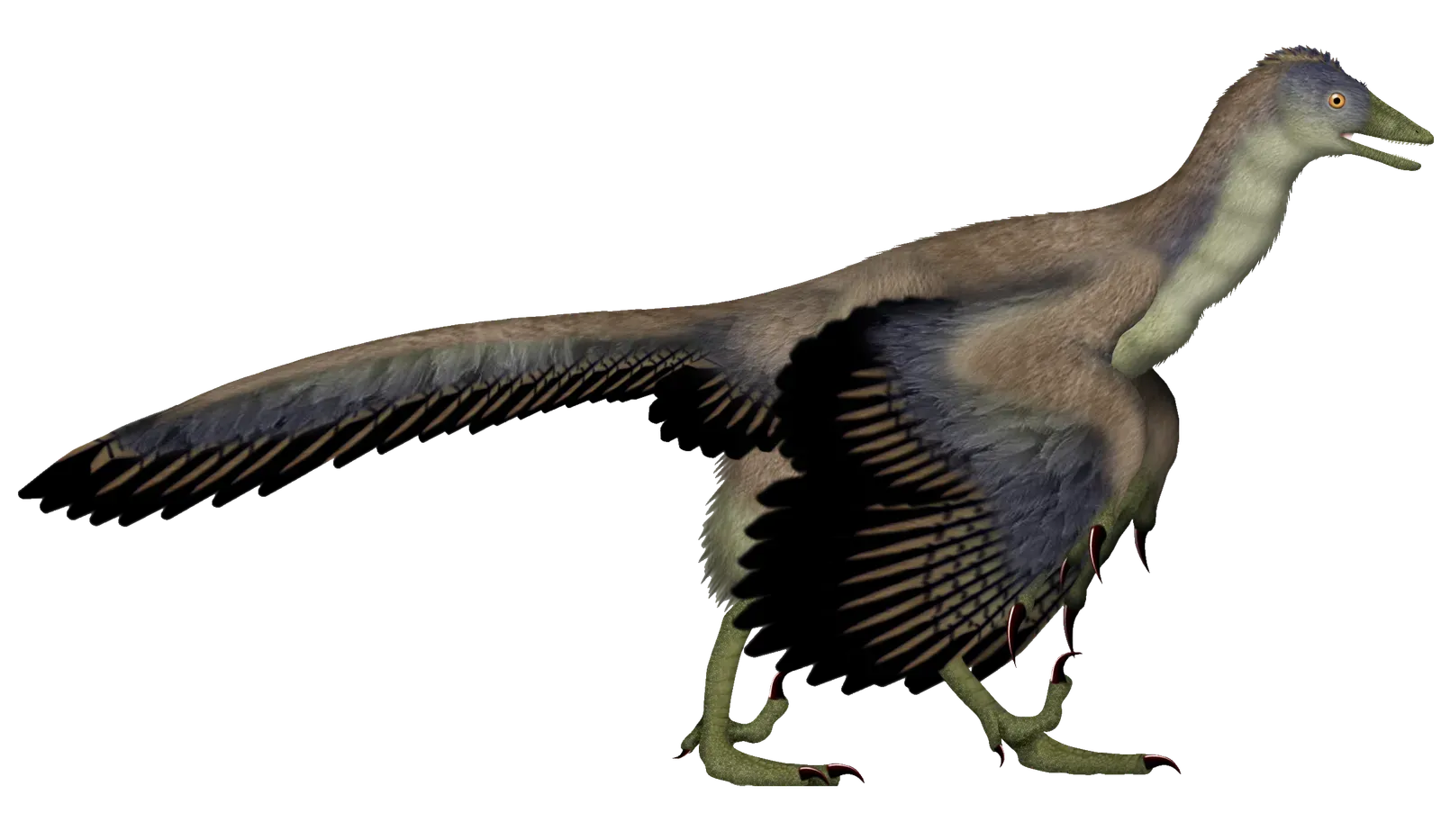
So what does all this mean? Honestly, it’s hard to say for sure, but we now know feathers had an incredibly complex evolutionary history. They appeared earlier, spread more widely, and served more functions than scientists ever imagined. Dinosaurs experimented with countless feather types, colors, and structures across millions of years.
The boundary between dinosaurs and birds becomes fuzzier the more we learn. What seemed like a clear evolutionary path turns out to be a tangled web of experimentation, loss, and innovation. What do you think about it? Tell us in the comments.