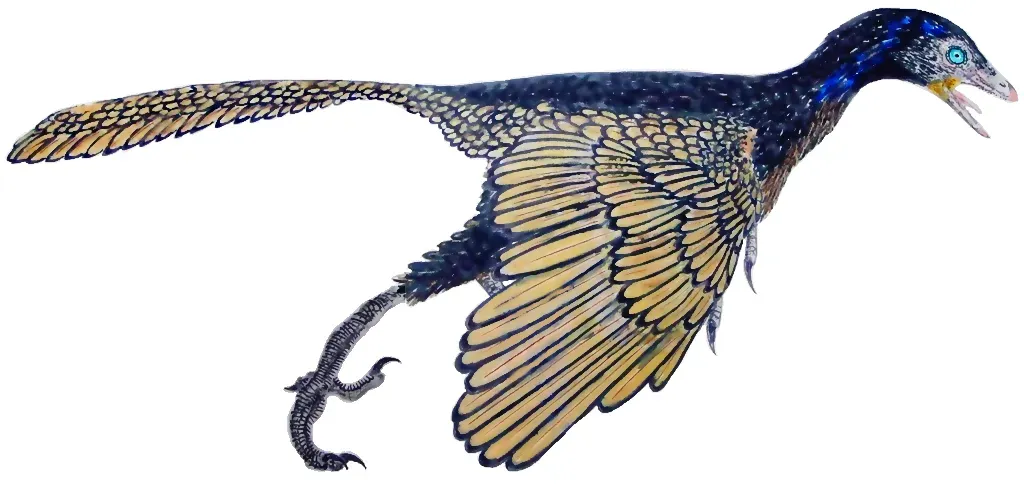
Picture this: you’re walking through a prehistoric forest, and instead of the scaly giants from your childhood books, you’re surrounded by creatures covered in wisps of fuzz, brilliant plumes, and even shimmering iridescent feathers. Sounds wild, right? Yet this vision is becoming closer to reality as researchers continue to unearth evidence that’s completely reshaping what we know about dinosaurs and how feathers came to be.
For decades, we thought we had the feather story figured out. They evolved for flight, simple as that. Turns out, we were way off base. The evolution of dinosaur feathers is turning out to be far more complex, diverse, and frankly surprising than scientists ever imagined. From simple filaments to elaborate display structures, feathers served purposes we’re only beginning to understand.
Feathers Appeared Long Before Flight Ever Did
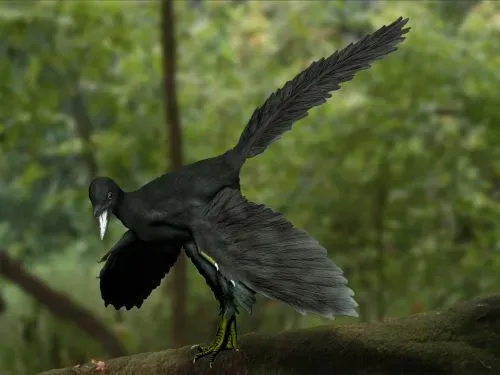
Here’s the thing that really throws people: feathers clearly appeared prior to the origin of either birds or flight and must have had a deeper, dinosaurian ancestry. Let’s be real, that changes everything. For years, textbooks claimed feathers evolved specifically for flying, as if nature had some grand blueprint in mind.
Feathers evolved and diversified in nonavian theropods before the origin of birds and before the origin of flight. The earliest feathered dinosaurs were running around on the ground, hunting prey or foraging for plants, with no intention of taking to the skies. These structures likely started out as simple insulation or perhaps as colorful displays to attract mates or warn off rivals.
The Unexpected Discovery of Zoned Development
Soft, bird-like skin initially developed only in feathered regions of the body, while the rest of the skin was still scaly, like in modern reptiles. This revelation came from studying Psittacosaurus fossils, and it’s honestly fascinating. Imagine a creature that’s part fuzzy, part scaly, like nature couldn’t quite decide which direction to go.
Researchers at University College Cork used ultraviolet light to reveal patches of preserved skin that were invisible under normal lighting conditions. This zoned development would have maintained essential skin functions, such as protection against abrasion, dehydration and parasites. The first dinosaurs to experiment with feathers could therefore survive better, mixing the protective qualities of scales with the new advantages that feathers offered.
A Spectacular Range of Feather Types Emerged
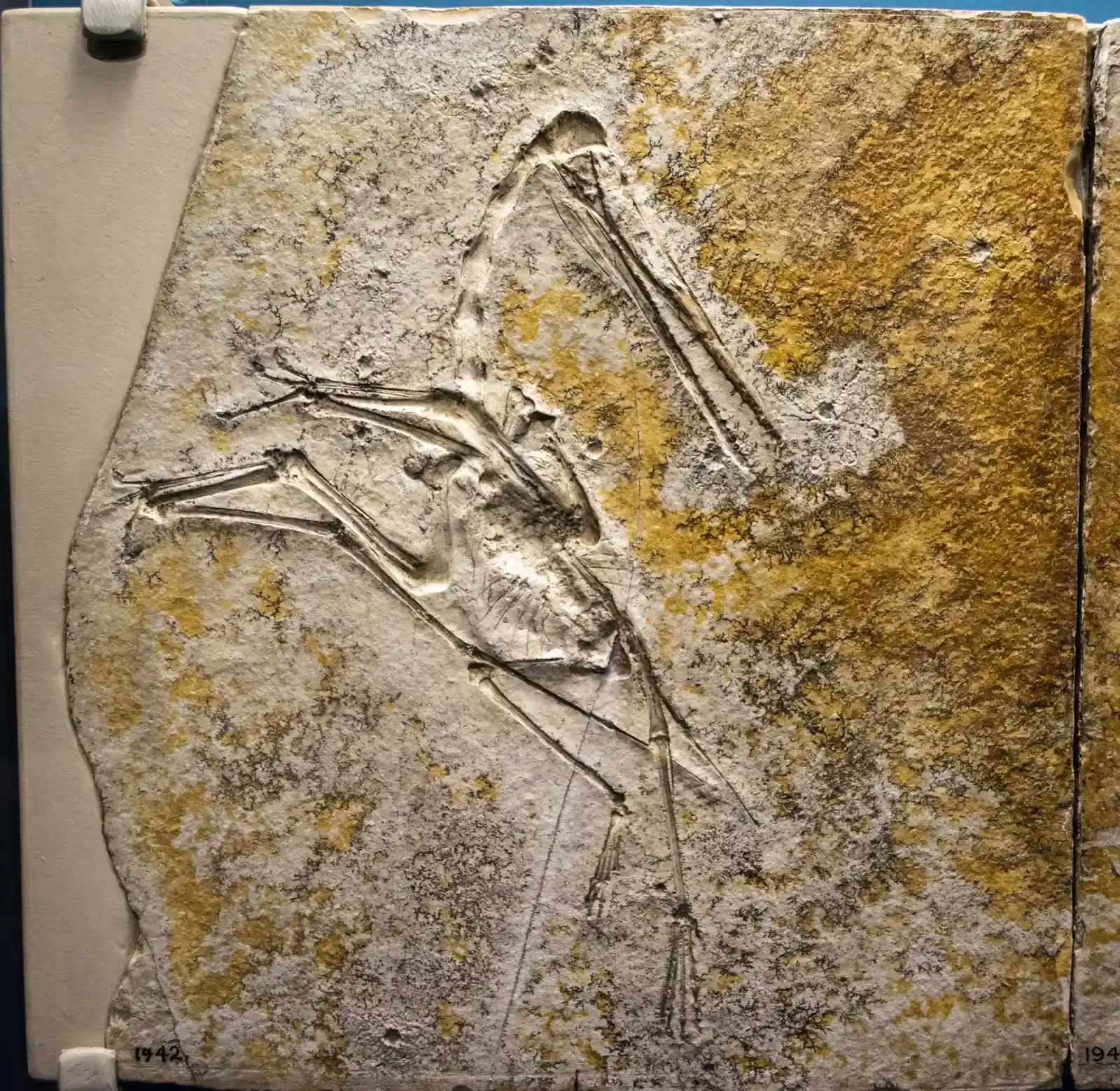
Discoveries of spectacular dinosaur and pterosaur fossils preserving feathers and feather-like integumentary appendages demonstrate trends of increasing complexity in gross morphology and microstructure through avemetatarsalian evolution, and this material shows some early feathers differed from modern feathers morphologically, ultrastructurally, biochemically and developmentally. Think about that for a moment. We’re not just talking about minor variations here.
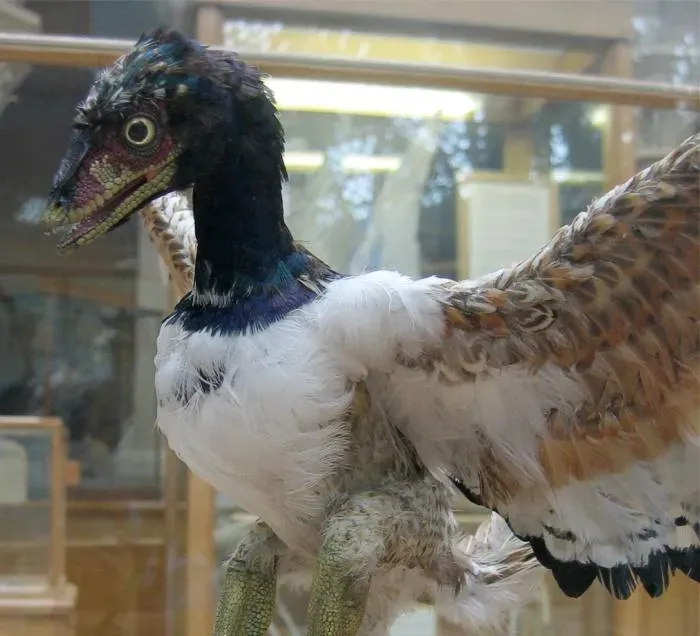
Feather structures are thought to have proceeded from simple hollow filaments through several stages of increasing complexity, ending with the large, deeply rooted feathers with strong pens, barbs and barbules that birds display today. Some dinosaurs sported wispy fuzz, others had branching filaments, and still others developed full pennaceous feathers with vanes. The diversity was staggering, far beyond what a single evolutionary path toward flight would suggest.
Feathers Weren’t Just for Theropods
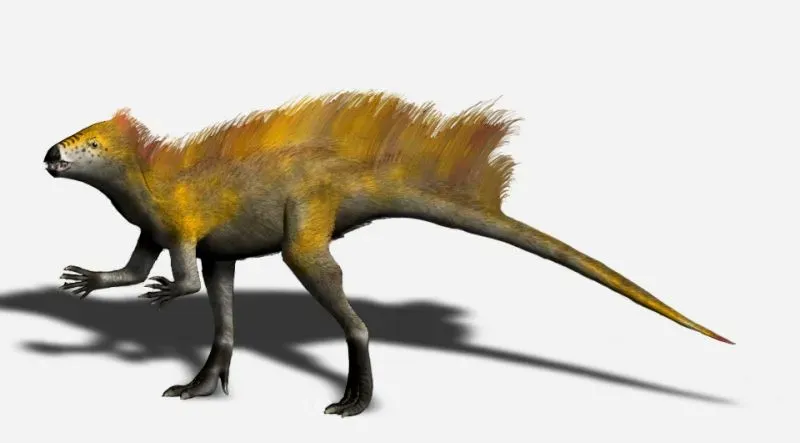
I know it sounds crazy, but feather-like structures weren’t exclusive to the meat-eating dinosaurs most closely related to birds. Feather-like integument has also been discovered in at least three ornithischians, suggesting that feathers may have been present on the last common ancestor of the Ornithoscelida, a dinosaur group including both theropods and ornithischians. This discovery shook the paleontology world.
Ornithischian dinosaurs like Psittacosaurus and Tianyulong had bristle-like structures along their backs and tails. These weren’t the bird ancestors we expected to find feathers on. Did all dinosaurs inherit feathers from a common ancestor, or did feathers evolve multiple times in the group, and other dinosaurs had more reptile-like skin, or a mix of feathers and scales, which instead make it more possible that feathers evolved independently. The jury’s still out, honestly.
Color Patterns Prove Feathers Were About Looking Good
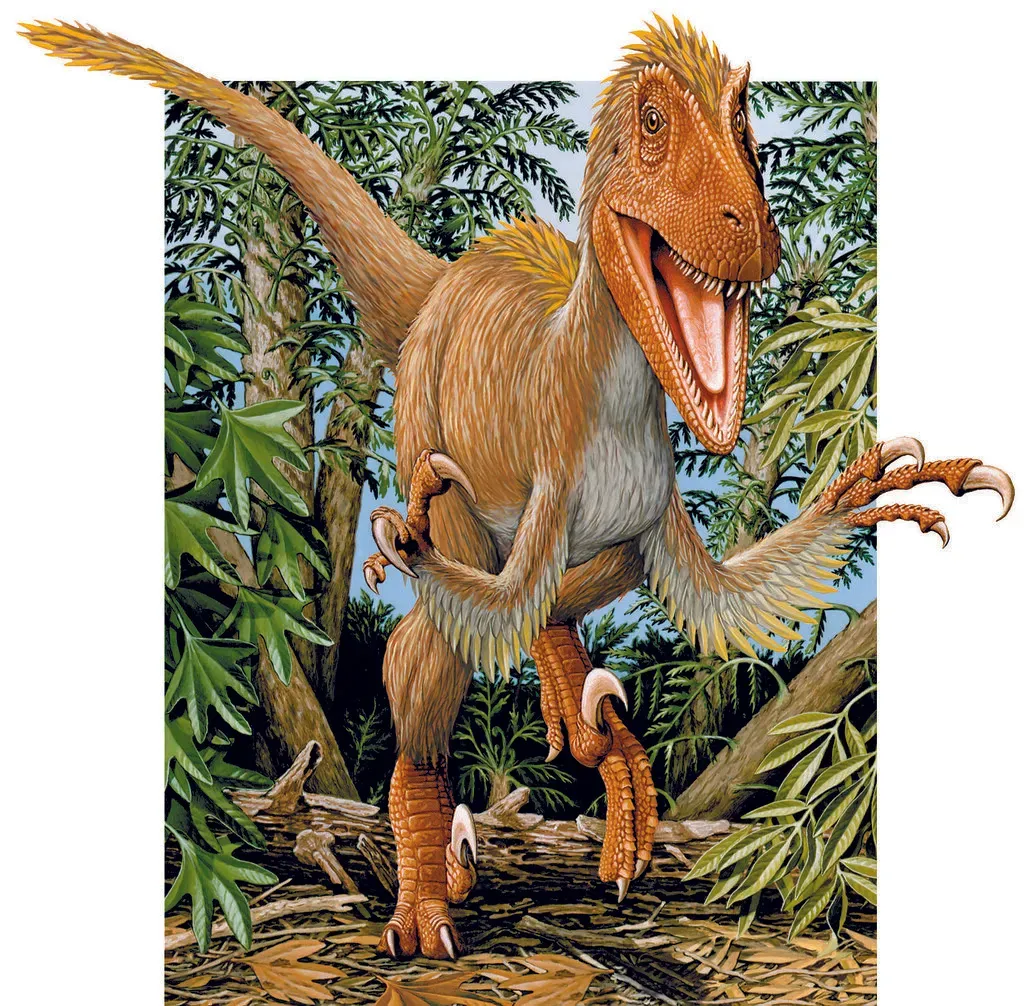
The discovery of pigmented feathers in multiple species, and some specimens have iridescent feathers, may have provided greater attractiveness to mates, providing enhanced reproductive success when compared to non-colored feathers. Studies of melanosomes in fossilized feathers have revealed that dinosaurs like Sinosauropteryx had rust red coloring with striped tails, much like modern red pandas.
It’s hard to say for sure, but the evidence suggests display was a major driver of feather evolution. Melanosomes in Sinosauropteryx has revealed striping that demonstrates feather-based color patterns in dinosaurs with relatively simple feathers. These weren’t creatures trying to blend into gray backgrounds. They were showing off, plain and simple, using their feathery coats to communicate with each other long before anyone thought about flying.
New Species Continue to Reveal Hidden Complexity
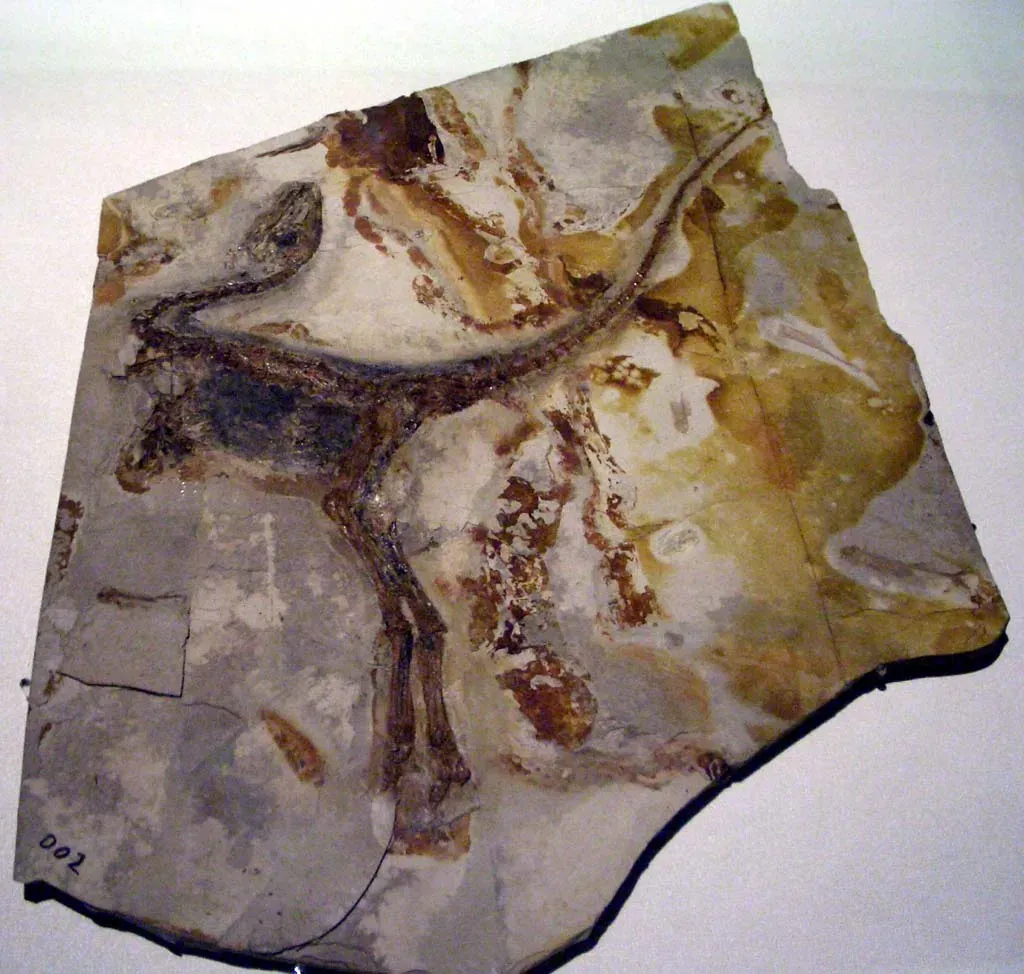
In 2025, researchers at the American Museum of Natural History documented more than 70 new species and one new mineral, spanning fossils, living animals, and geology. Among these discoveries were two new feathered dinosaur species. Sinosauropteryx lingyuanensis and Huadanosaurus sinensis, feathered theropods, mostly meat-eating dinosaurs with bird-like legs, lived about 125 million years ago in northeastern China, and one fossil preserved two mammal skeletons inside the abdomen.
What’s remarkable is how many discoveries still come from museum collections that were examined years ago. Modern imaging techniques and genetic analysis tools allow scientists to see details that earlier researchers simply missed. Each new find adds another piece to the puzzle, revealing just how varied and widespread feathered dinosaurs truly were.
The Mystery of Feather Origins Remains Unsolved
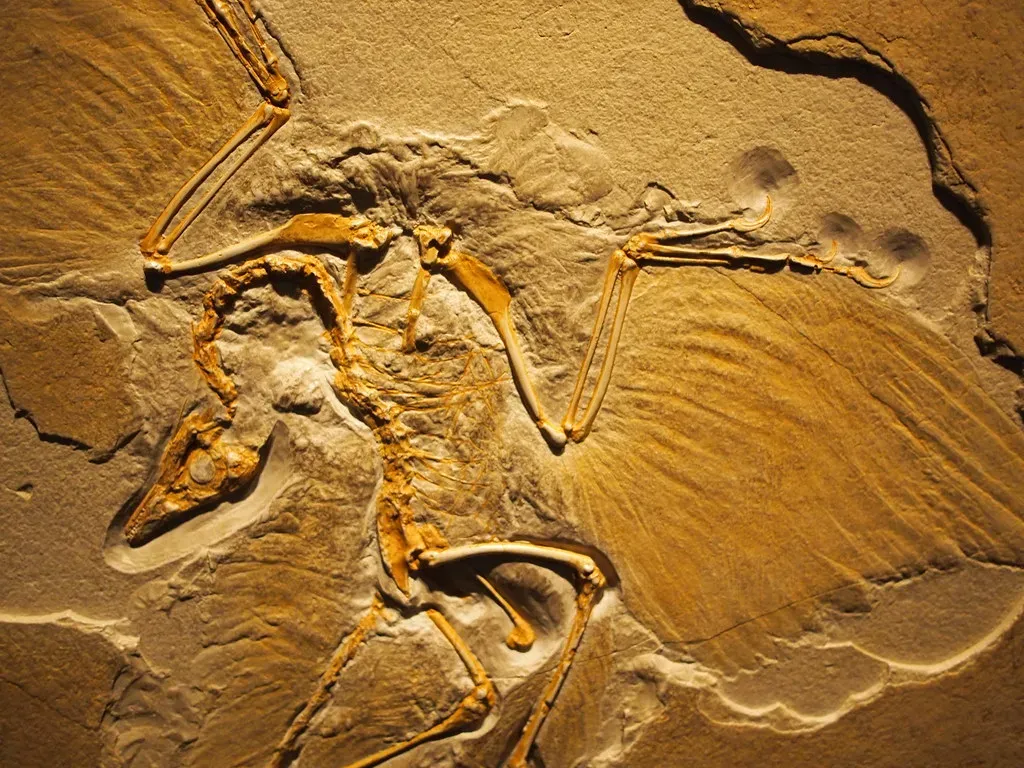
Almost 30 years after the first fossilized feathers were found in extinct dinosaurs, many questions remain about these distinctive features, and at the moment, the jury’s still out. Despite all we’ve learned, we still don’t have definitive answers about when feathers first appeared or whether they evolved once or multiple times across different dinosaur groups.
It remains unknown if true feathers originated at the base of Avemetatarsalia or within Theropoda, and the former scenario implies multiple feather losses, while the latter suggests pterosaurs and ornithischians independently evolved filamentous integumentary appendages. Resolving this debate will require more fossils, particularly from early dinosaurs and their closest relatives. Until then, researchers continue searching for that smoking gun fossil that will finally settle the question.
Conclusion
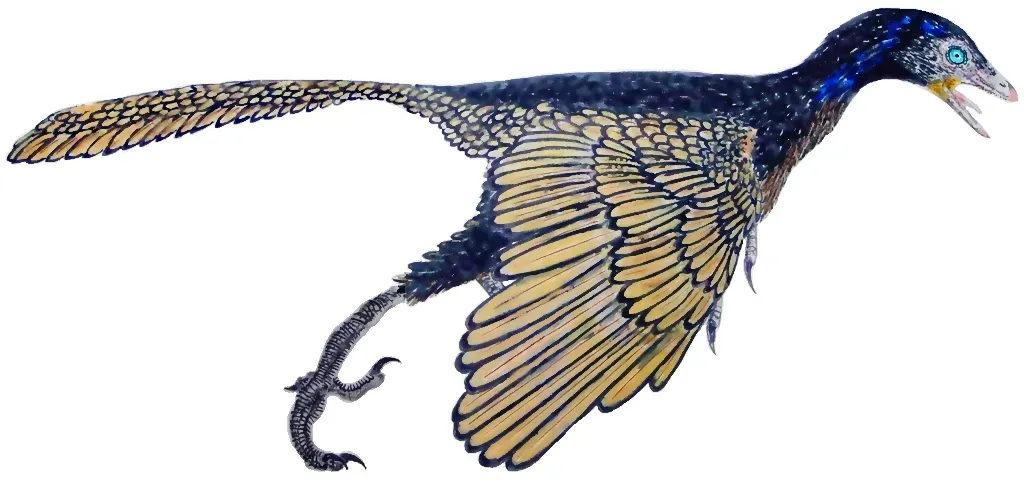
The story of dinosaur feather evolution is far richer and stranger than anyone imagined just a few decades ago. We’ve moved from thinking feathers were a simple adaptation for flight to understanding they represented a complex array of structures serving multiple purposes across diverse dinosaur groups. From insulation to display, from simple filaments to elaborate vaned feathers, the variety is breathtaking.
What started as a revolutionary discovery in the 1990s has blossomed into an ongoing saga of surprises. With each new fossil unearthed and each application of modern technology to old specimens, we get closer to understanding how these remarkable structures came to be. The next big discovery could be sitting in a museum drawer right now, waiting for someone to look at it in just the right way. What do you think about these feathered dinosaurs? Does it change how you picture the prehistoric world?