Imagine standing in a prehistoric forest roughly 160 million years ago. The trees rustle. Something small darts overhead, not a bird, but not quite a reptile either. It moves fast, and if you squint hard enough, you might just notice the shimmer of feathers on its four limbs. That unsettling in-between creature is the heart of one of the most thrilling mysteries in all of science, a question that paleontologists have been obsessively chasing for decades. How did Earth’s most dominant land animals, the dinosaurs, eventually trade legs for wings?
The answer is stranger, more complicated, and more beautiful than most people expect. You might picture feathers as a strictly bird thing. You’d be wrong. The story of feathers reaches back deep into the Age of Dinosaurs, weaving together evolution, genetics, color, display, and a very long, very slow road to the sky. Let’s dive in.
Feathers Predate Birds by Millions of Years
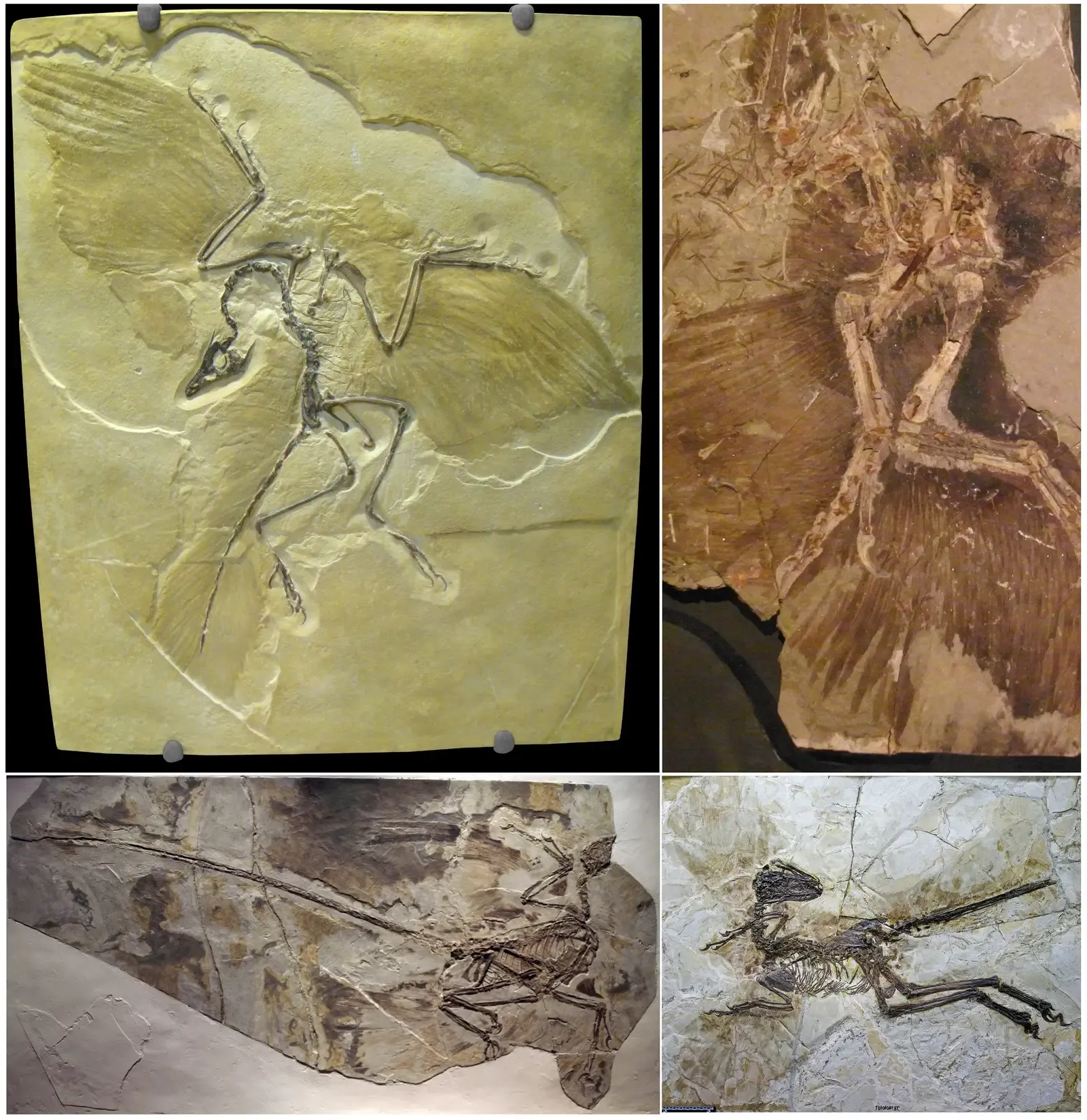
Here’s the thing that blows most people’s minds right off the bat: feathers did not appear with birds. Feathers, while inextricably linked to birds today, predate birds entirely, having first belonged to extinct dinosaurs. That single fact reshapes the entire story. You can’t understand birds without first understanding the long, feathered dynasty that came before them.
Until recently, feathers were regarded as uniquely avian, and this idea was so strongly held among naturalists that the mere presence of feather impressions around the skeleton of Archaeopteryx was enough to cement its status as the earliest-known bird, with the origins of birds, feathers, and flight considered closely correlated in most early narratives. That long-standing assumption crumbled spectacularly in the 1990s. In the 1990s, the first fossilized feathers were found in extinct dinosaurs, yet almost 30 years later, many questions remain about these distinctive features. Honestly, the more we find, the more questions we seem to generate.
The Shocking Discovery of Sinosauropteryx
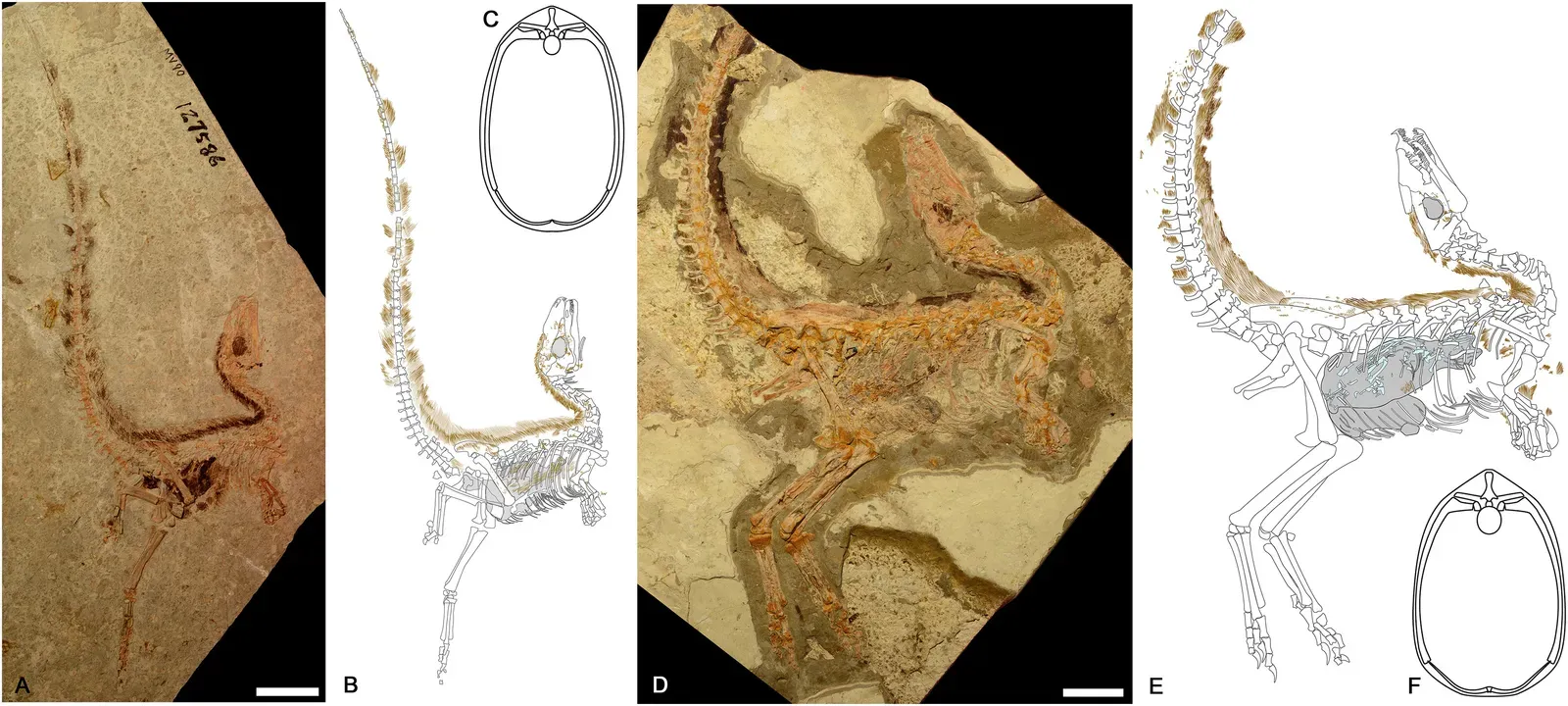
A small carnivorous dinosaur from the Liaoning beds of China, called Sinosauropteryx, dated to the Early Cretaceous epoch around 126 million years ago, proved exceptional because its head, neck, back, and tail were covered with a thick, short covering of dark filaments. This wasn’t what anyone expected from a non-bird dinosaur. The world, in a sense, changed in that moment.
Fossil feathers from Sinosauropteryx contain traces of beta-proteins, confirming that early feathers had a composition similar to that of feathers in modern birds. The discovery forced the scientific community to accept a radically expanded view of what dinosaurs actually looked like. While dozens of feathered dinosaurs have been identified since Sinosauropteryx was first unveiled in the 1990s, they are mainly meat-eaters that are close relatives of birds.
Proto-Feathers: Where It All Began
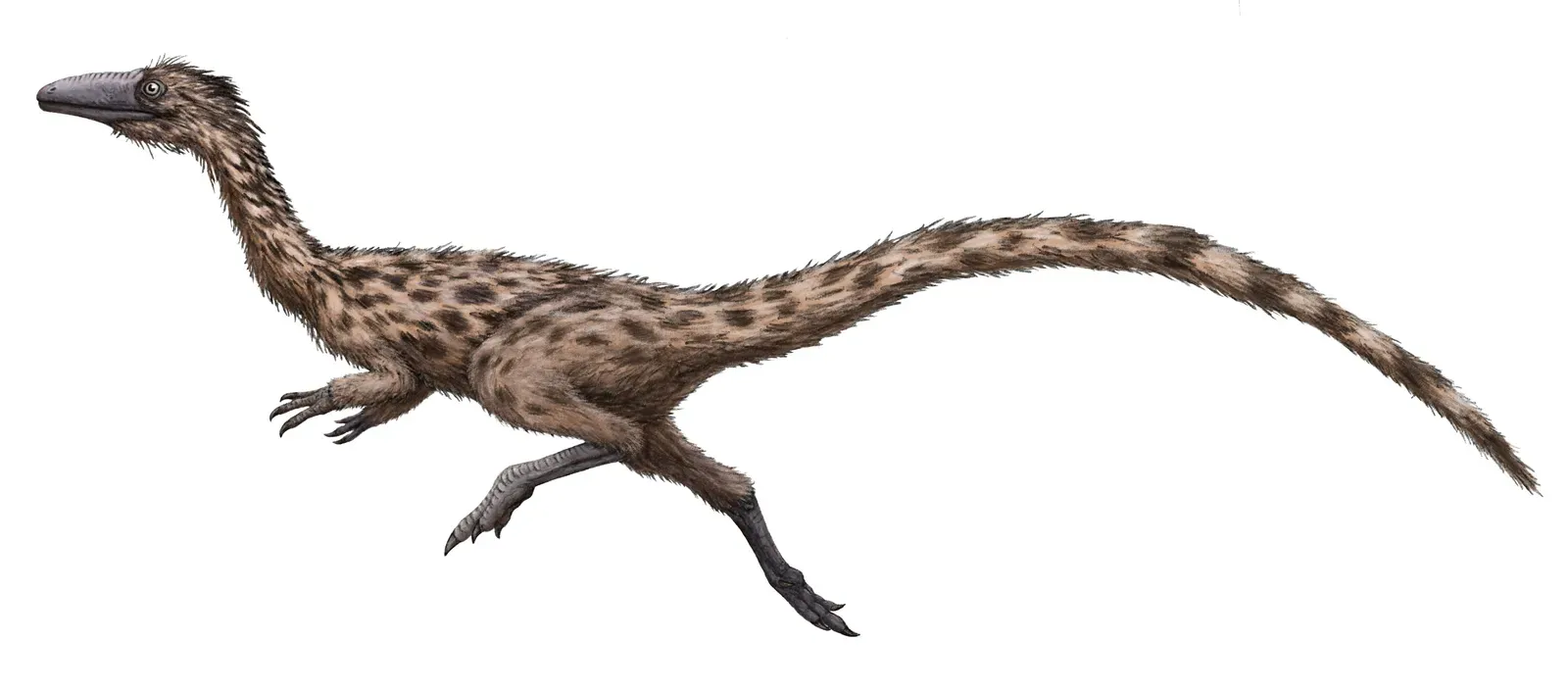
Feathers, essential for thermoregulation, flight, and communication in birds, originate from simple appendages known as proto-feathers, which were present in certain dinosaurs, and by studying embryonic development of the chicken, researchers from the University of Geneva uncovered a key role of a molecular signalling pathway in their formation. Think of proto-feathers like the rough draft before the final masterpiece. They were simple, filamentous, and probably not capable of any aerodynamic function at all.
Palaeontologists at University College Cork discovered that some feathered dinosaurs had scaly skin like modern reptiles, shedding new light on the evolutionary transition from scales to feathers, studying a new specimen of the feathered dinosaur Psittacosaurus from the early Cretaceous, and the study shows for the first time that Psittacosaurus had reptile-like skin in areas where it didn’t have feathers. This is a critical detail. The transition wasn’t all-or-nothing. It happened gradually, zone by zone, across the body.
Feathers Were Not Invented for Flying
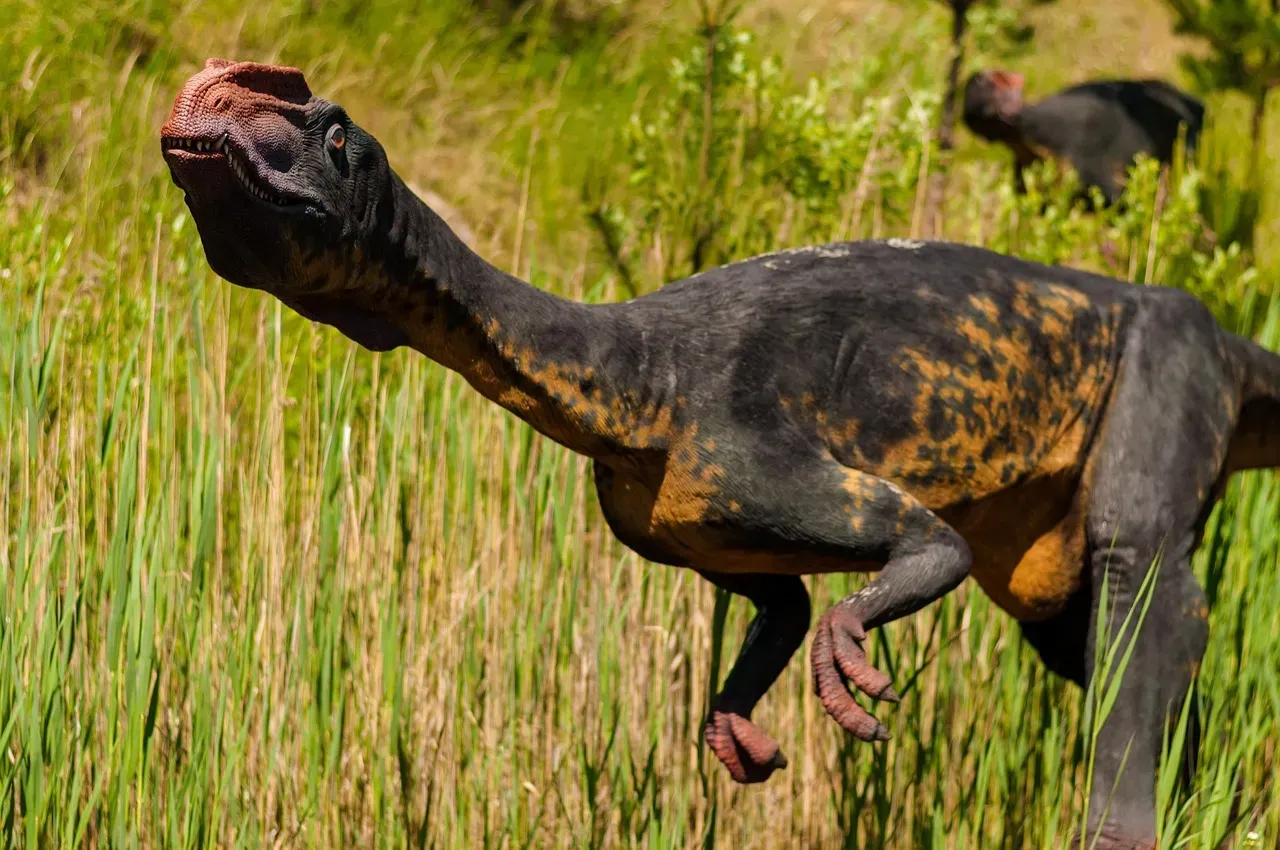
This is the part that surprises almost everyone. Feathers didn’t start out as flight tools. Feathers initially arose for thermoregulatory function, and then later adapted for flight. They were, in essence, prehistoric insulation, like a living down jacket. Millions of years would pass before any creature would harness them to get off the ground.
There is an increasing body of evidence supporting the display hypothesis, which states that early feathers were colored and increased reproductive success, and that coloration could have provided the original adaptation of feathers, implying that all later functions, such as thermoregulation and flight, were co-opted, a hypothesis supported by the discovery of pigmented feathers in multiple species. So before feathers helped dinosaurs fly, they were likely helping them look good. Think peacock tails, but on a much older and far more terrifying animal.
Archaeopteryx: The Icon at the Center of It All
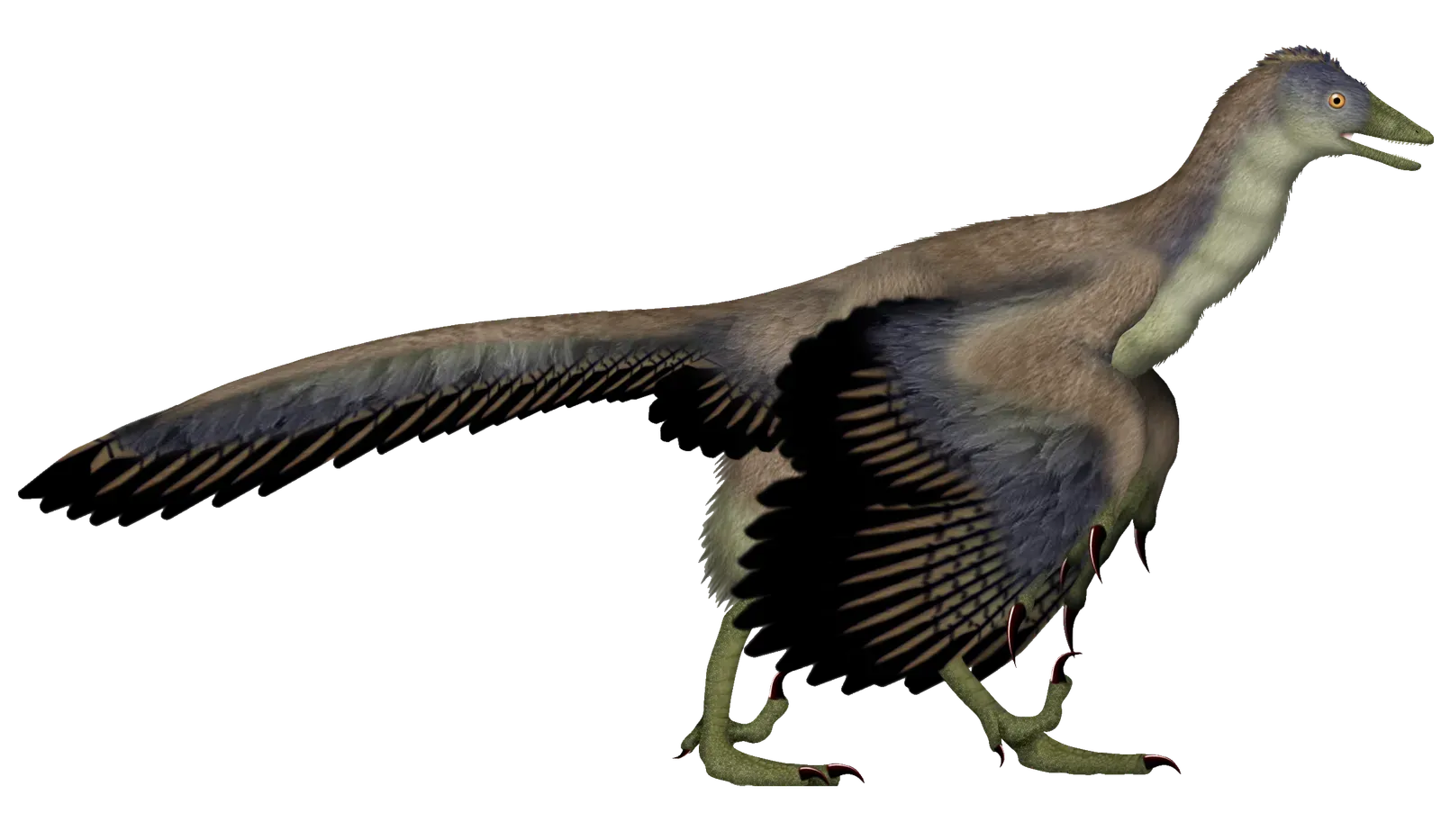
Few fossils in history carry as much weight as Archaeopteryx. Rewind about 150 million years and Archaeopteryx, widely recognized as the earliest known bird, cut a starkly contrasting image, boasting a snout filled with sharp teeth, wings with claws, and a long bony tail. Archaeopteryx was a genus of small, bird-like dinosaurs from the late Jurassic Period that inhabited what is now Europe. It looked like something drawn by a committee that couldn’t decide between dinosaur and bird.
Because Archaeopteryx displays features common to both birds and non-avian dinosaurs, it has often been considered a link between them, and in the 1970s John Ostrom argued that birds evolved within theropod dinosaurs, with Archaeopteryx as critical evidence, noting it had several avian features such as a wishbone, flight feathers, wings, and a partially reversed first toe, along with dinosaur and theropod features. Because the feathers of Archaeopteryx are of an advanced form, these fossils are evidence that the evolution of feathers began before the Late Jurassic. The lineage goes back even further than the fossil itself.
Microraptor: The Four-Winged Experiment
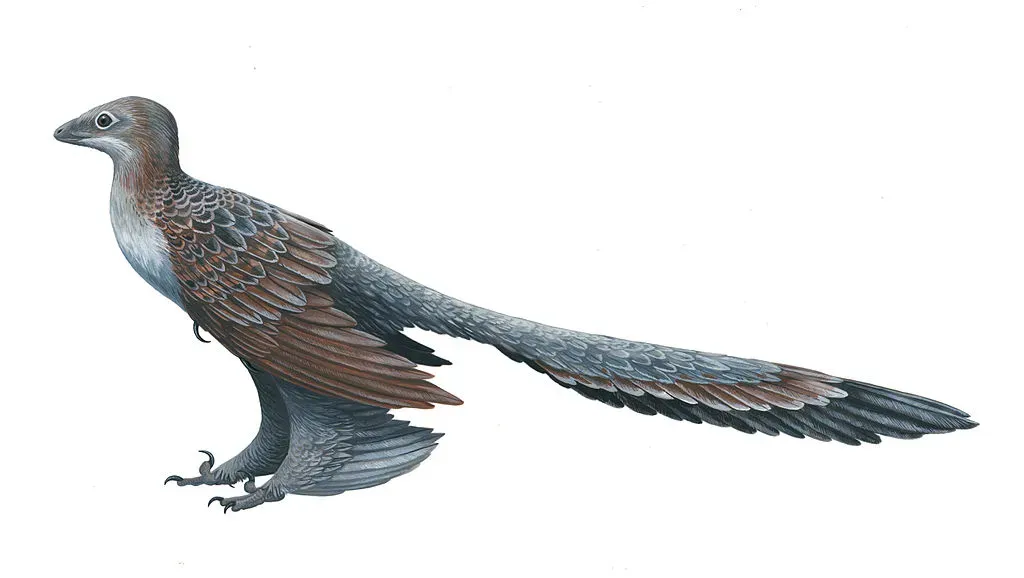
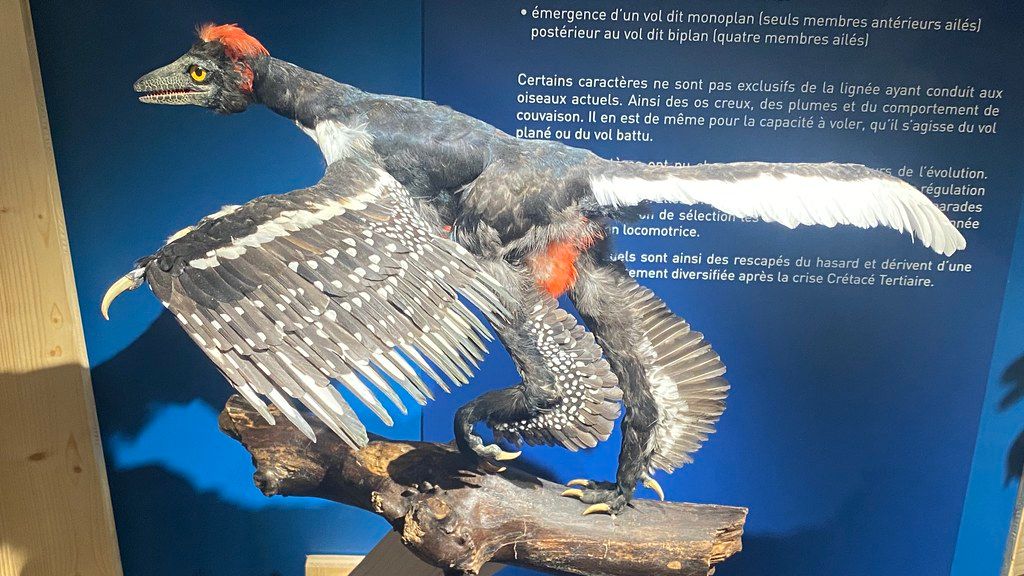
If Archaeopteryx is the icon, Microraptor is the wildcard. Like Archaeopteryx, well-preserved fossils of Microraptor provide important evidence about the evolutionary relationship between birds and earlier dinosaurs, and Microraptor had long pennaceous feathers that formed aerodynamic surfaces on the arms and tail but also on the legs. Four wings. A pigeon-sized body. Roughly 120 to 130 million years old. I think this creature is one of the most bizarre and fascinating animals that ever lived.
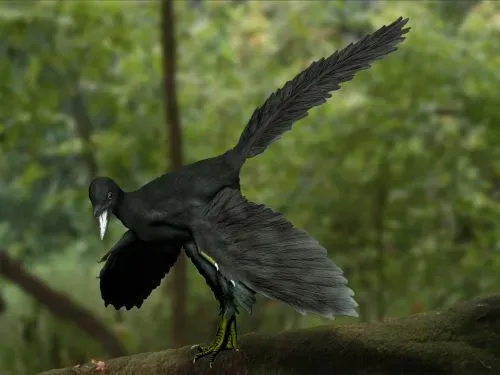
A team of American and Chinese researchers revealed the color and detailed feather pattern of Microraptor, a pigeon-sized, four-winged dinosaur that lived about 130 million years ago, with the non-avian dinosaur’s fossilized plumage showing hues of black and blue like a crow, making it the earliest record of iridescent feather color, with findings suggesting the importance of display in the early evolution of feathers. Not only did this creature glide, it apparently looked stunning doing so. Significantly, research shows that Microraptor did not require sophisticated, modern wing morphology to undertake effective glides, which is congruent with the fossil record and also with the hypothesis that symmetric flight feathers first evolved in dinosaurs for non-aerodynamic functions, later being adapted to form lifting surfaces.
The Great Debate: Trees Down or Ground Up?
One of the longest-running arguments in paleontology centers on a deceptively simple question. Did dinosaurs first take to the air by falling out of trees, or by running fast enough to launch themselves off the ground? Two main theories explain how flight evolved: the arboreal, or trees-down, scenario, and the ground-up theory, with the arboreal scenario hypothesizing that flight evolved in animals that climbed trees or rocks. Both camps have had passionate defenders for decades.
Up through the beginning of the 21st century, two rival models were proposed for the origins of flight, either from the trees-down or from the ground up, but the discovery that modern birds use a series of wing-based non-flight behaviors such as wing-assisted incline running and controlled-flapping descent suggests that the trees-down versus ground-up dichotomy is false. It’s hard to say for sure which scenario dominated in any given lineage, and honestly, it may have been different for different species. The truth, as usual, is messier than the neat theories.
The Molecular Secret Behind True Flight Feathers
You might wonder why some feathered dinosaurs could fly and others simply could not, despite being covered in seemingly similar plumage. The answer lies in chemistry. Molecular evidence from feathered dinosaur fossils reveals how the key proteins that make up feathers became lighter and more flexible over time, as flightless dinosaurs evolved into flying ones and later into birds. It’s like the difference between a thick wool blanket and a high-tech aerodynamic sail.
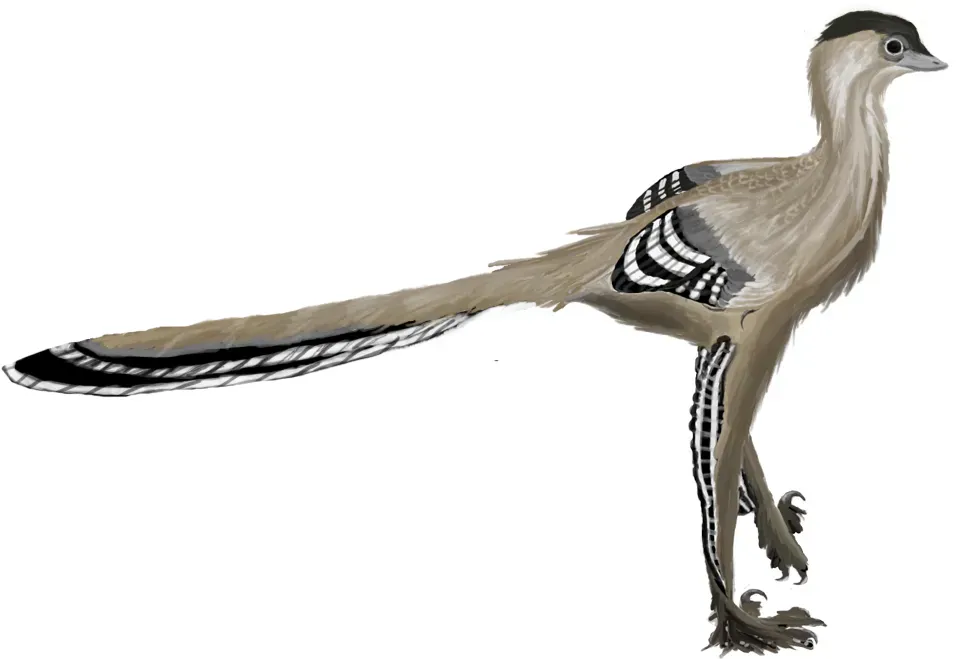
The feathers of Anchiornis, a crow-size feathered dinosaur that lived 160 million years ago, revealed the flexible truncated beta-keratin found in modern birds, but the dinosaurs, which predate the first recognized bird Archaeopteryx by 10 million years, had even more alpha-keratins largely absent from bird feathers today, making it likely that Anchiornis feathers weren’t suitable for flight, representing instead an intermediate stage in the evolution toward flight feathers. Taken together with modern genetic evidence, this finding suggests that during the transition to flight, the beta-keratin gene was duplicated many times in the genomes of some dinosaurs, and as the animals evolved, some of the extra copies then mutated into the truncated form that made flight possible.
What Molting Patterns Tell Us About Ancient Flight
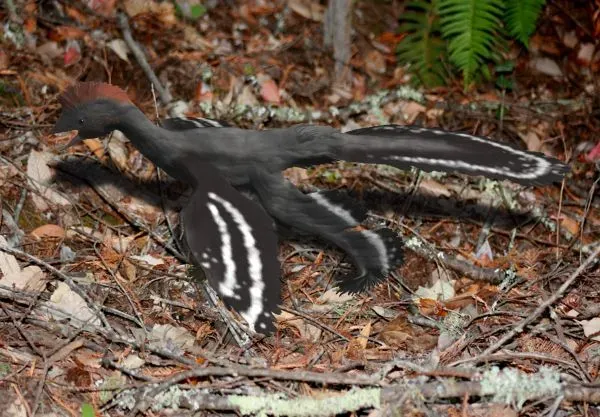
Here’s a fascinating detail most people never think about. The way a bird replaces its feathers over time, a process called molting, can tell scientists whether an animal was capable of flight or not. Birds that depend on flight molt in an orderly, gradual process that maintains symmetry between the wings and allows them to keep flying during molting, while in birds without flight ability, molting is more random and irregular. It’s one of the most creative tools paleontologists have ever developed.
Paleontologists examined the 160-million-year-old fossils of Anchiornis huxleyi, a species of non-avian theropod dinosaur from the Late Jurassic Tiaojishan Formation in northeastern China, preserved with their feathers, and found that these dinosaurs had lost the ability to fly, an extremely rare finding that offers a glimpse into the functioning of creatures that lived 160 million years ago and their impact on the evolution of flight. The molting evidence confirmed it. This finding has broad significance, as it suggests that the development of flight throughout the evolution of dinosaurs and birds was far more complex than previously believed.
The Hidden Rules of Flight Feathers
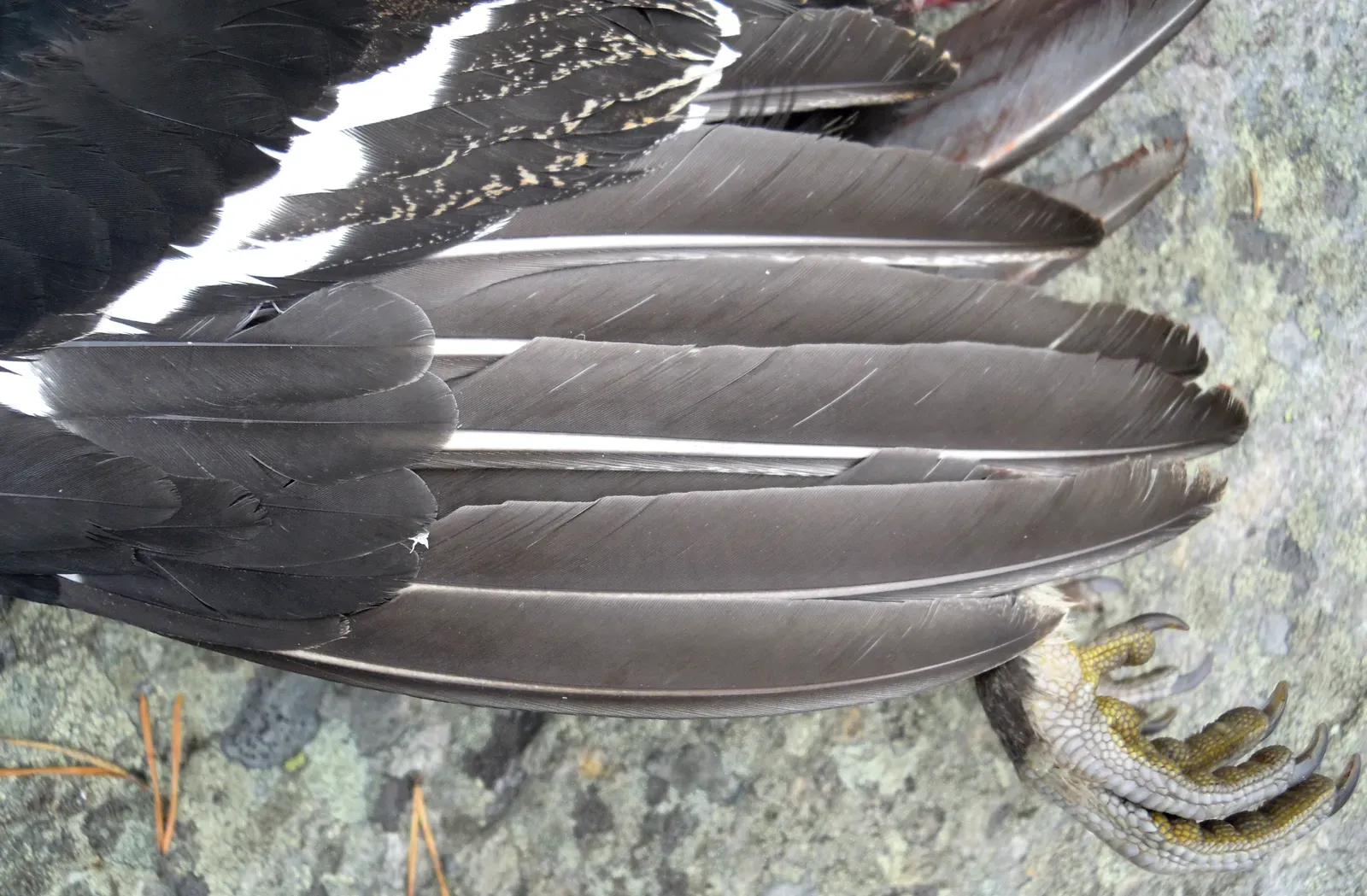
Scientists examined hundreds of birds in museum collections and discovered a suite of feather characteristics that all flying birds have in common, providing clues as to how the dinosaur ancestors of modern birds first evolved flight. This kind of cross-referencing between modern birds and ancient fossils is something of a superpower in paleontology. You essentially use the living to interrogate the dead.
Researchers undertook a study of the feathers of every order of living birds, examining specimens from 346 different species preserved in museums around the world, and as they looked at wings and feathers from hummingbirds and hawks, penguins and pelicans, noticed consistent traits among species that can fly, finding that in addition to asymmetrical feathers, all flighted birds had between 9 and 11 primary feathers. This kind of rule-based discovery then gets applied back in time. The researchers also examined 65 fossil specimens representing 35 different species of feathered dinosaurs and extinct birds, applying findings from modern birds to extrapolate information about the fossils.
Modern Birds: The Last Dinosaurs Standing
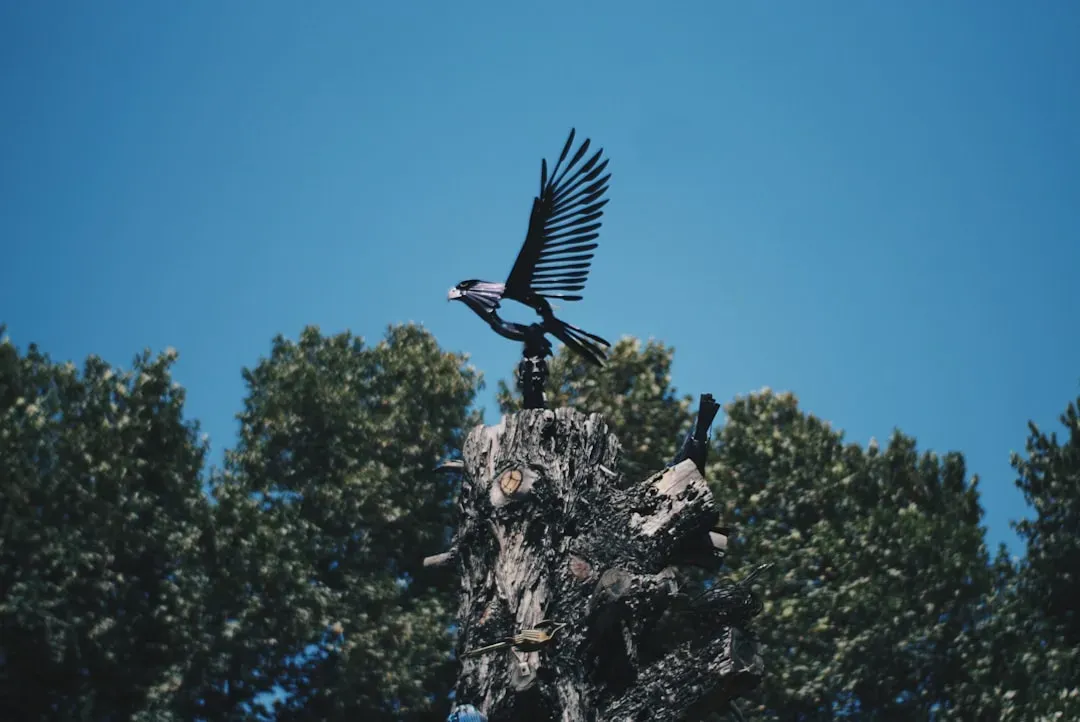
Birds are the most diverse group of land animals on Earth, and they are also dinosaurs, the only ones that survived the mass extinction event 66 million years ago. That is a sentence worth sitting with for a moment. Every bird you’ve ever seen, from a sparrow at your window to an eagle soaring overhead, is a living dinosaur. The extinction that wiped out the giants left one extraordinary lineage intact.
Fully modern birds already filled the skies at least 50 million years ago, and many of these species were almost indistinguishable from living birds, with all the key adaptations for powered flight already present, including full-size wings, shoulders that permit a full range of flapping movements, and fused skeletons to transfer the energy from flapping into flight. The journey from simple filamentous proto-feathers to the aerodynamic precision of a falcon took hundreds of millions of years, and involved far more dead ends, experiments, and strange in-between creatures than anyone imagined.
Conclusion: A Story Still Being Written
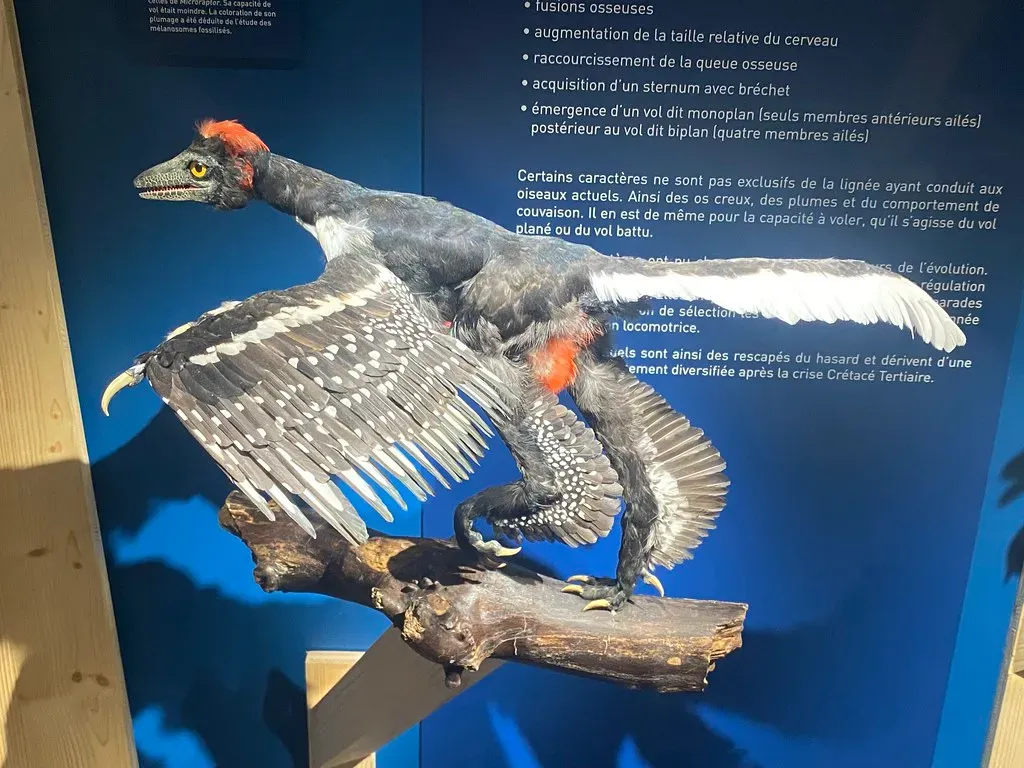
The evolution of feathers and dinosaur flight is, without exaggeration, one of the greatest transformation stories in natural history. It didn’t happen in a straight line. It wasn’t planned. It was messy, experimental, and full of creatures that tried things that didn’t quite work out, like four-winged gliders that shimmer in iridescent black, or crow-sized dinosaurs that had feathers but couldn’t use them to fly. The story keeps getting stranger and more remarkable as new fossils emerge from the ground.
What moves me most about this entire story is the realization that the feathers helping a robin take flight in your backyard are the evolutionary descendants of structures that first appeared on the bodies of ancient reptile-like creatures roaming Mesozoic forests. There’s a kind of quiet wonder in that. There’s still a lot of work to do until the origin of feathers can be fully pinned down, and until then, paleontologists will continue searching the world for the fossils that can finally settle this decades-old debate.
The next time you watch a bird land gracefully on a branch, you’re watching the end result of millions of years of evolutionary trial and error. Does knowing that make you look at birds differently? It should.