You might picture dinosaurs as massive, scaly reptiles from some lost world. Now imagine looking at a sparrow perching on your windowsill and realizing that creature is essentially a living dinosaur. Hard to believe? The scientific evidence is piling up so quickly that the connection between ancient theropods and today’s birds has become one of the most well-documented evolutionary transitions we’ve ever discovered. From microscopic bone structures to newly discovered fossils in remote Chinese formations, researchers are uncovering details that make this link undeniable, fascinating, and frankly, a bit mind-blowing.
What if everything you thought you knew about dinosaurs was based on outdated assumptions? Let’s dive in.
Feathered Dinosaurs Were More Common Than Anyone Realized
Among non-avian dinosaurs, feathers or feather-like integument have been discovered in dozens of genera via direct and indirect fossil evidence. When paleontologists first started finding feathered dinosaurs in the 1990s in China’s Liaoning Province, it seemed extraordinary. Today, it’s expected. These discoveries have shown us a great diversity of feather types: simple fur-like filaments, downy feathers as the ones of baby birds, hollow quills similar to those of a porcupine, big tail fans like those of pheasants, and the usual feathers that we see in a chicken today, all present in non-avian dinosaurs.
Think about it for a second. Feathers weren’t some evolutionary afterthought that suddenly appeared for flight. They were already widespread among various dinosaur groups long before anything took to the skies. Some dinosaurs sported elaborate plumage for display, others for insulation against cold climates.
Recent discoveries show this wasn’t limited to just one branch of the dinosaur family tree either. Feather-like integument has also been discovered in at least three ornithischians, suggesting that feathers may have been present on the last common ancestor of the Ornithoscelida, a dinosaur group including both theropods and ornithischians.
The Shrinking Dinosaur Mystery
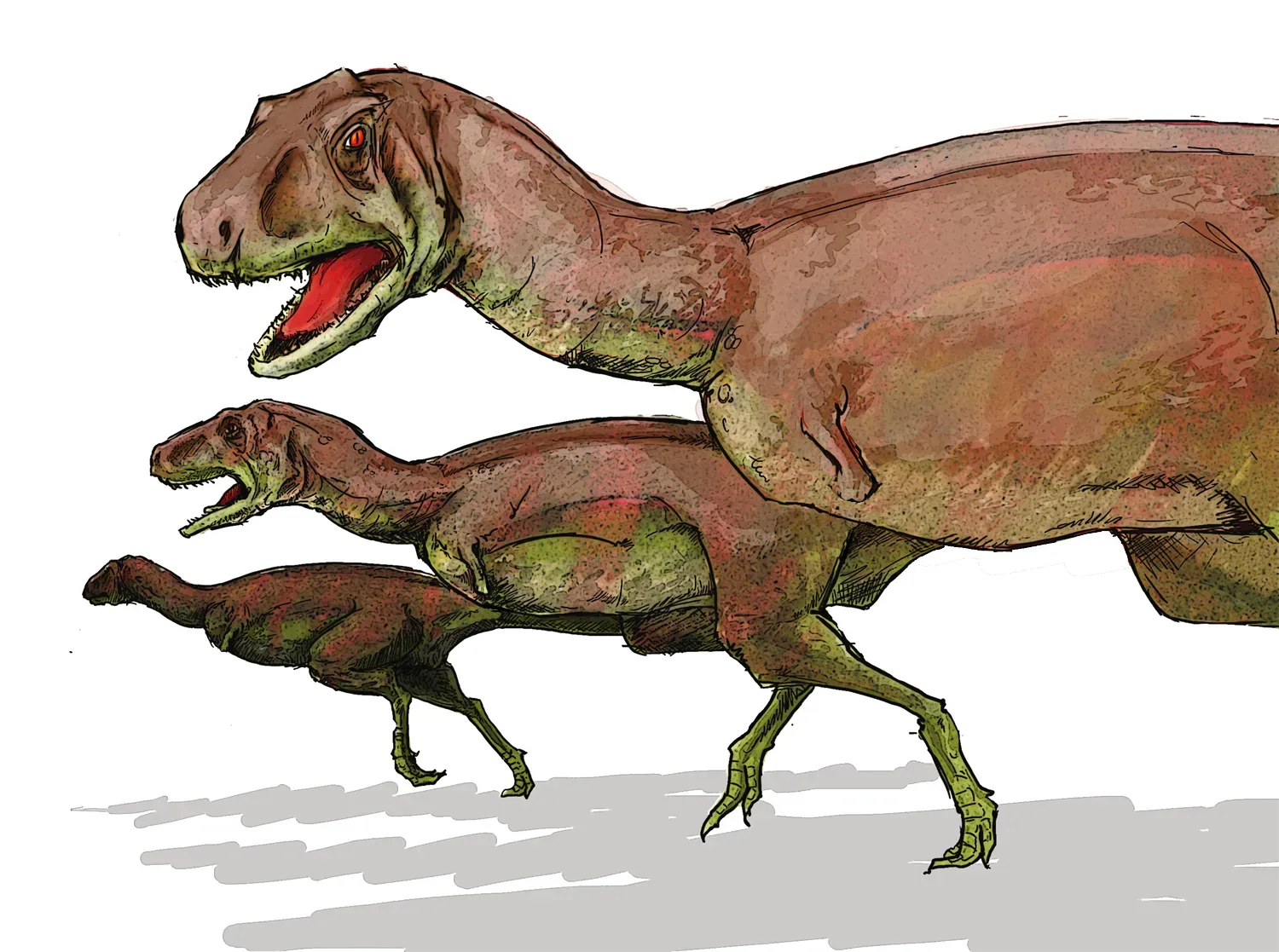
Modern birds descended from a group of two-legged dinosaurs known as theropods, whose members include the towering Tyrannosaurus rex and the smaller velociraptors. Here’s the thing though: how did massive predators weighing hundreds of pounds evolve into hummingbirds? Turns out, it happened gradually over tens of millions of years.
The dinosaur ancestors of birds decreased in weight from about 359 pounds (163 kilograms) to 1.8 pounds (0.8 kilograms) over 50 million years to reach the size of Archaeopteryx. That’s not a quick change. This miniaturization gave smaller dinosaurs evolutionary advantages. Their faster metabolisms, combined with feathered insulation, allowed them to exploit ecological niches that larger dinosaurs couldn’t access. Trees became highways. Insects became meals.
Diminishing body size likely began long before the birds themselves evolved, with some coelurosaurs starting to shrink as far back as 200 million years ago – 50 million years before archaeopteryx emerged. Most other dinosaur lineages were getting bigger during the same period, which makes this trend all the more peculiar.
Archaeopteryx Isn’t Alone Anymore
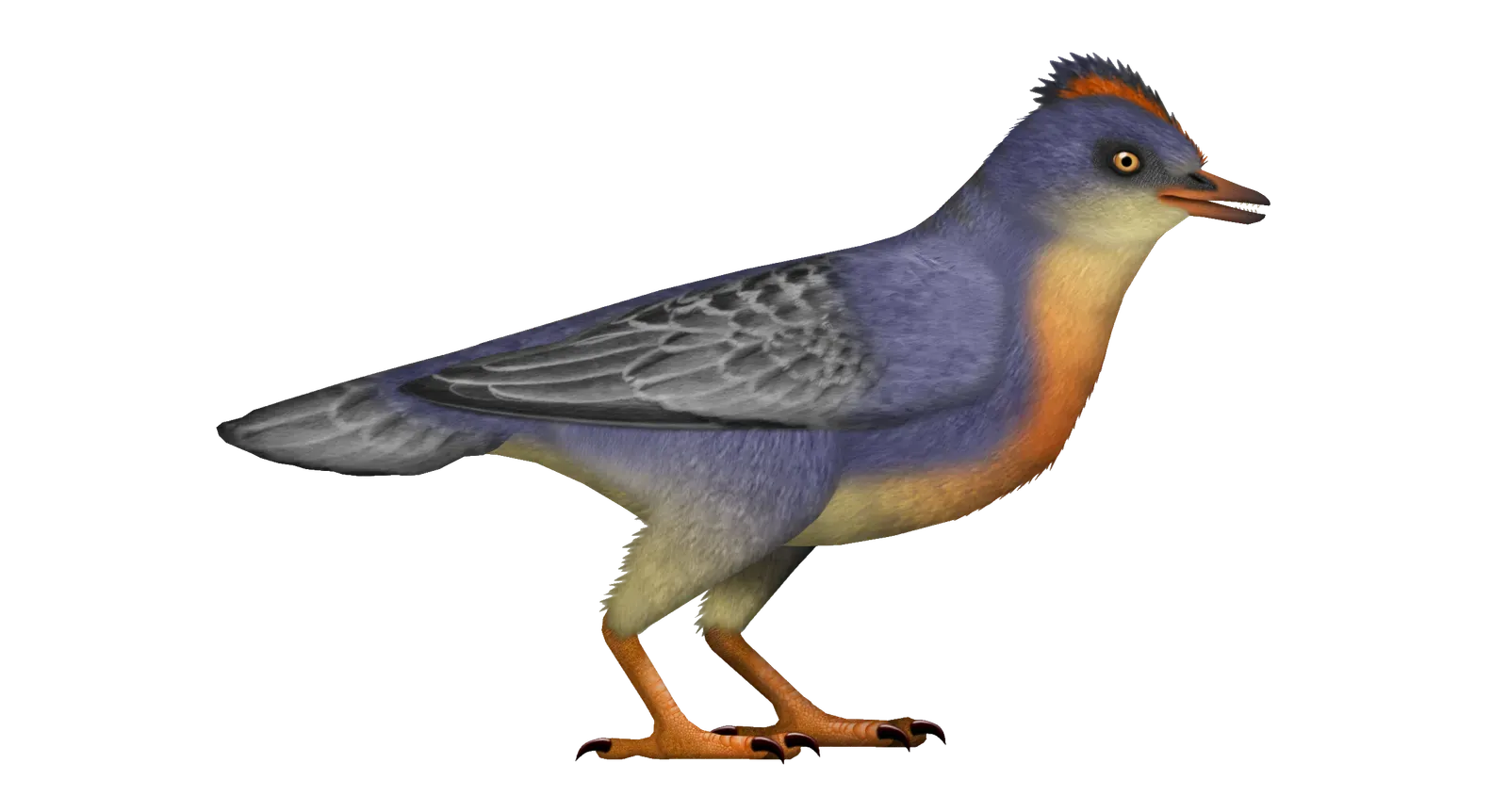
For decades, Archaeopteryx held the throne as the poster child for dinosaur-to-bird evolution. Archaeopteryx is often seen as a missing link. Discovered in Germany in the 1860s, it seemed to bridge the gap perfectly with its combination of feathered wings and reptilian teeth.
Then came February 2025. Baminornis, discovered in China and described in February 2025, instantly expanded scientists’ knowledge of the earliest birds. Baminornis is unlike Archaeopteryx, hinting at a complex evolutionary story. Suddenly, scientists had a second genus of Jurassic birds. This wasn’t just a lucky find – it suggested that early bird evolution was far more diverse and complicated than previously imagined. Multiple lineages were experimenting with flight simultaneously. Some succeeded. Others didn’t.
This discovery changed everything about how researchers view early avian evolution. Rather than a single linear progression from ground-dwelling dinosaur to flying bird, we’re seeing an explosive radiation of experimentation.
Bones Don’t Lie: Microscopic Evidence
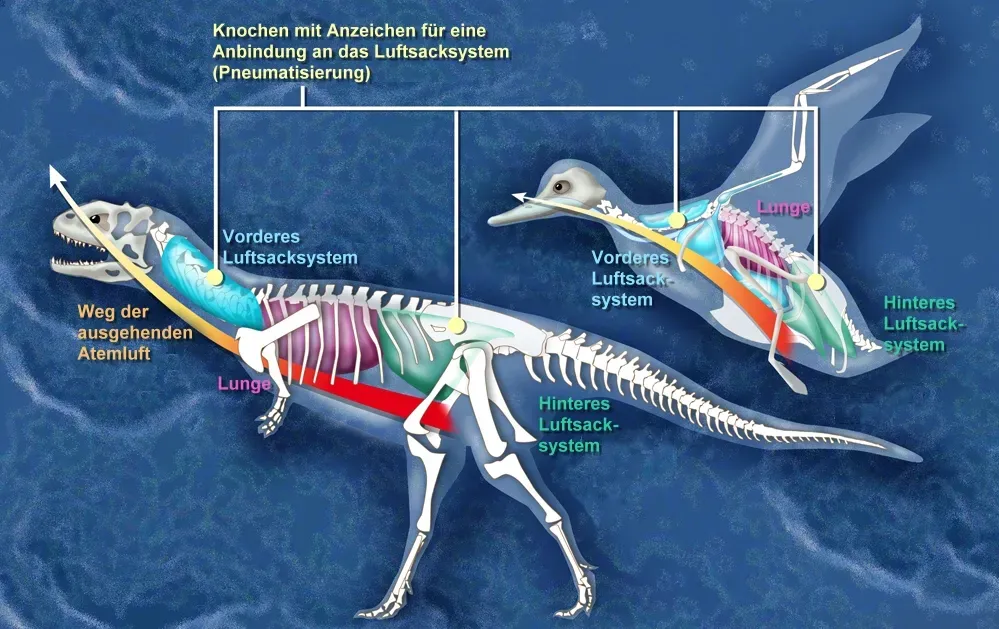
Let’s get technical for a moment. You can’t fake bone structure. In a group of dinosaurs called coelurosaurs, the organization of bone canaliculi – submicron-sized channels that connect bone cells and blood vessels within the bone – form in a randomly branching network, taking circuitous, meandering routes as they make connections between the bone cells and nutrient sources. That same pattern today is found only among birds.
This isn’t about superficial similarities. We’re talking about the internal architecture of bones at a microscopic level. Bundles of collagen fibers have an irregular structure in both birds and coelurosaurs, with layers that are thicker in some places and much thinner in others. In modern vertebrates, this type of structure only occurs in bone that forms very rapidly, as it does in birds.
It’s like finding the same manufacturing stamp on two products from completely different time periods. The connection becomes impossible to deny.
Shared Behaviors Across Millions of Years
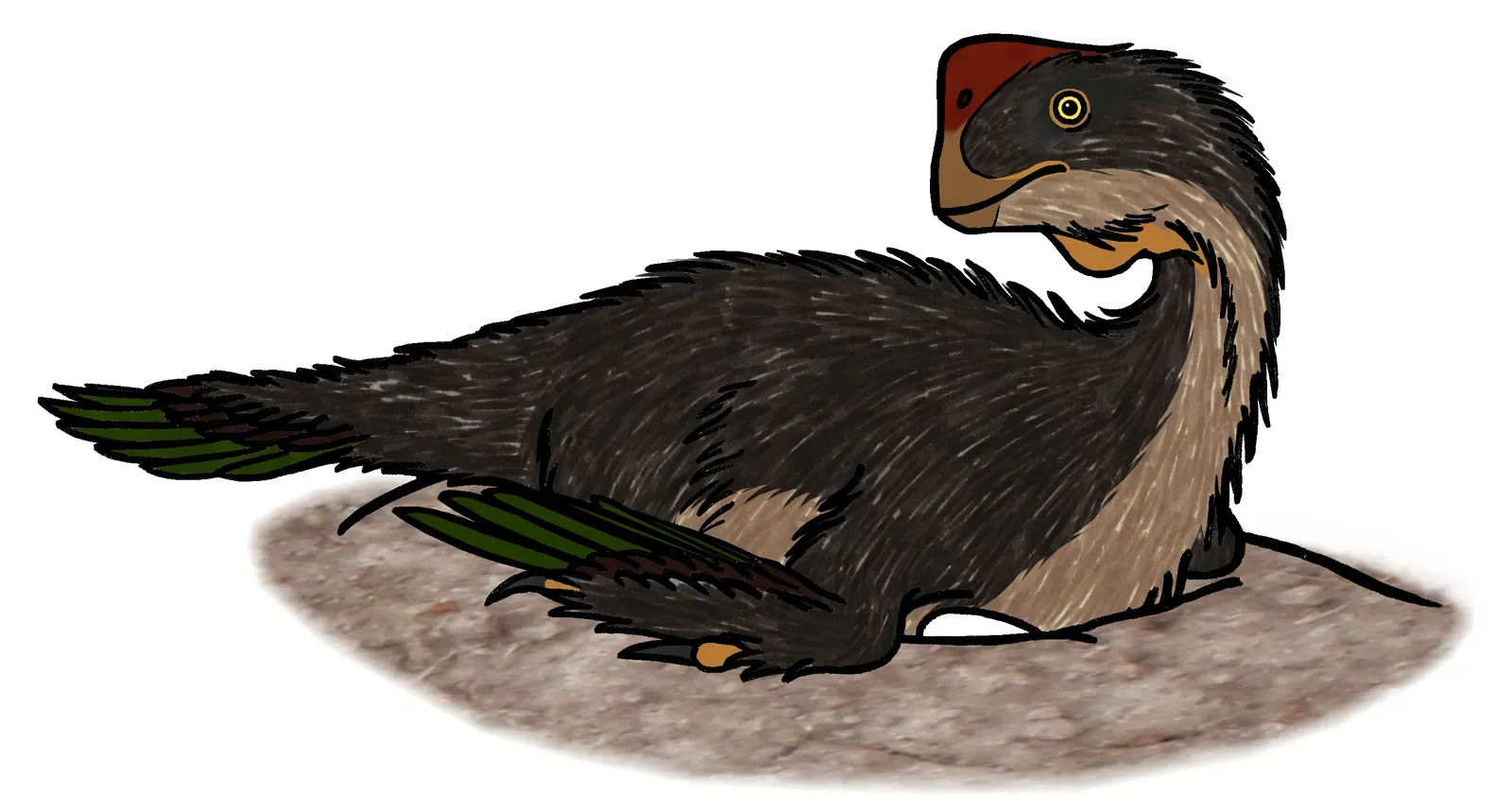
Fossils capture more than just skeletons. Sometimes they preserve moments. Skeletons of oviraptorids and troodontids have been discovered on top of their clutches of eggs, and the fossils show evidence that these animals adopted a posture similar to that of brooding birds. Picture a mother hen sitting protectively over her eggs. Now imagine a feathered dinosaur doing exactly the same thing roughly 75 million years ago.
Evidence indicates that, as with birds, nonavian maniraptorans laid their eggs sequentially, at discrete time intervals, a condition shared with birds. They weren’t just anatomically similar to birds – they behaved like birds. They nested. They brooded. They cared for their young in ways strikingly similar to modern avians.
Even the structure and arrangement of eggs in clutches matched what we see in birds today. This goes way beyond coincidence or convergent evolution.
The Wishbone Connection
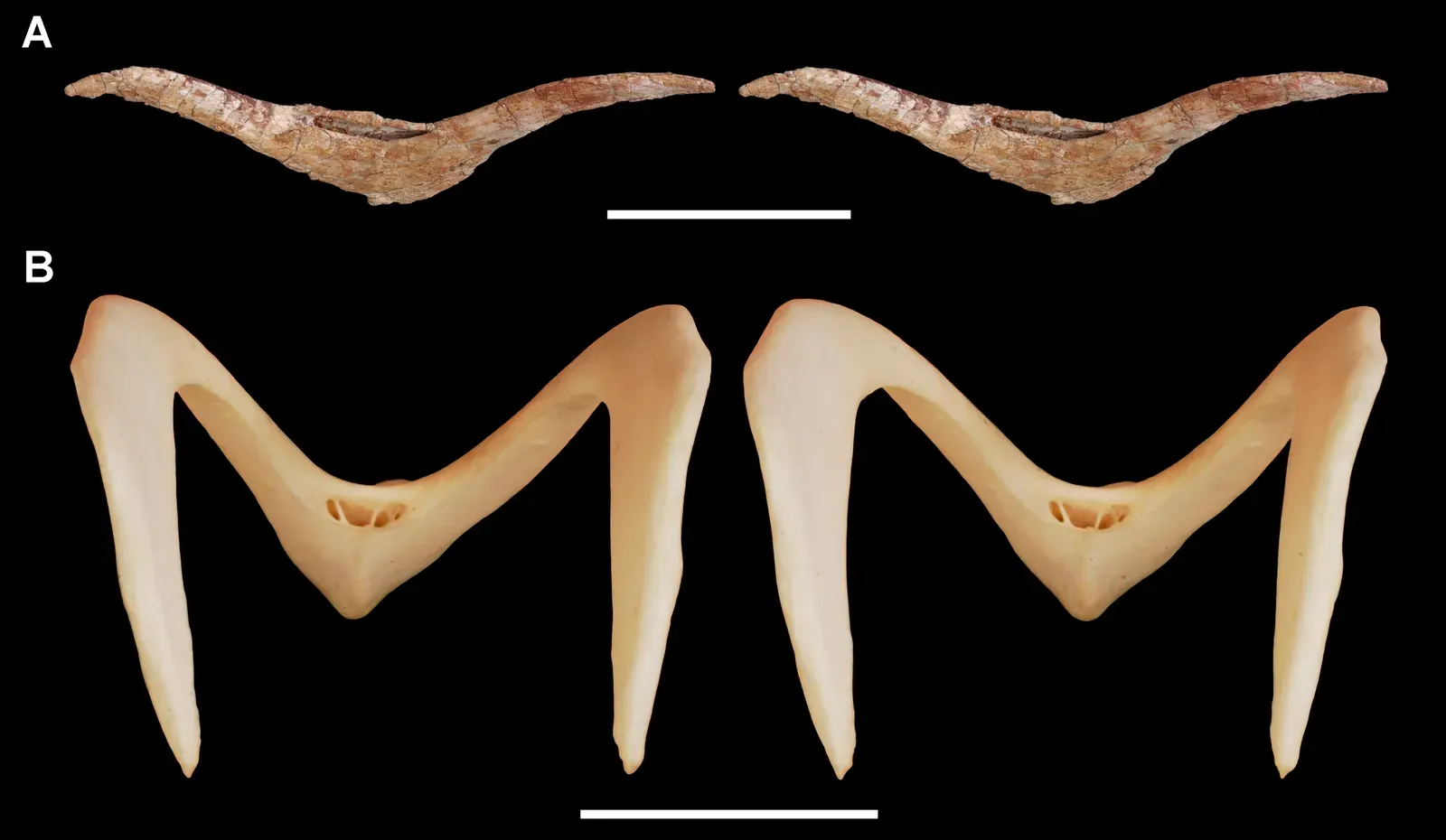
You’ve probably broken a wishbone at Thanksgiving dinner. That forked bone, technically called the furcula, was once thought to be unique to birds. Not anymore. Wishbones started turning up in some bipedal, meat-eating dinosaurs, such as Velociraptor, almost as soon as scientists started looking.
For years, the absence of wishbones in dinosaur fossils was used as an argument against the bird-dinosaur connection. Then paleontologists started finding them everywhere among theropods. Up to late 2007, ossified furculae (i.e. made of bone rather than cartilage) have been found in all types of theropods except the most basal ones, Eoraptor and Herrerasaurus.
The wishbone mystery essentially evaporated once researchers knew what to look for. It reinforced something crucial: absence of evidence isn’t evidence of absence, especially in the fossil record.
From Scales to Feathers: The Transition Revealed
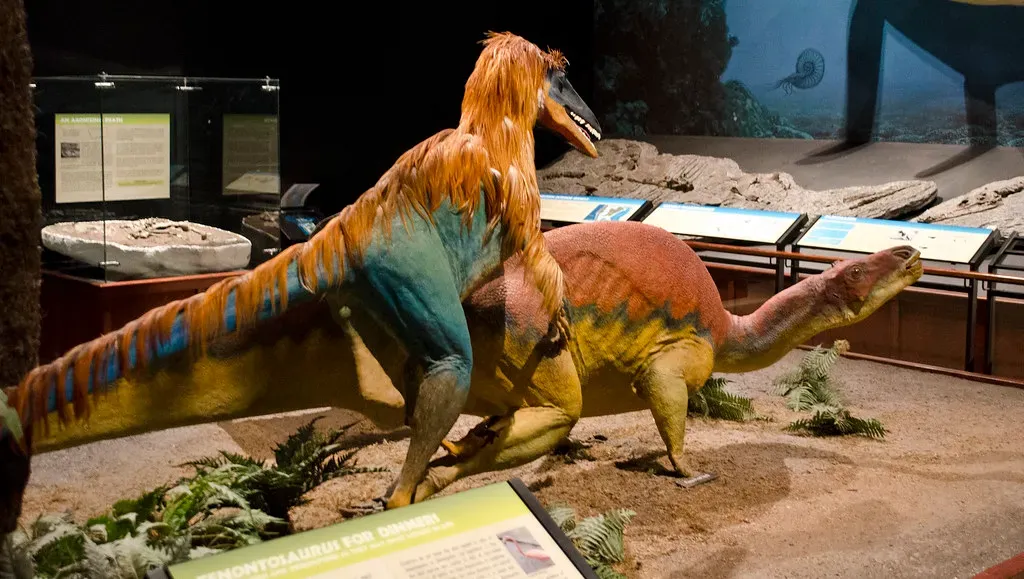
How exactly does a reptilian scale become a feather? For the longest time, this seemed like an unsolvable puzzle. Recent discoveries are finally providing answers. Palaeontologists discovered that some feathered dinosaurs had scaly skin like reptiles today, thus shedding new light on the evolutionary transition from scales to feathers. A specimen of the feathered dinosaur Psittacosaurus from the early Cretaceous showed, for the first time, that Psittacosaurus had reptile-like skin in areas where it didn’t have feathers.
This is huge. It means the transition wasn’t an all-or-nothing switch. Soft, bird-like skin initially developed only in feathered regions of the body, while the rest of the skin was still scaly, like in modern reptiles. This zoned development would have maintained essential skin functions, such as protection against abrasion, dehydration and parasites.
Evolution works in patches, not wholesale replacements. Different parts of the body evolved at different rates, creating bizarre chimeras that wouldn’t look out of place in mythology.
The Warm-Blooded Debate Settles
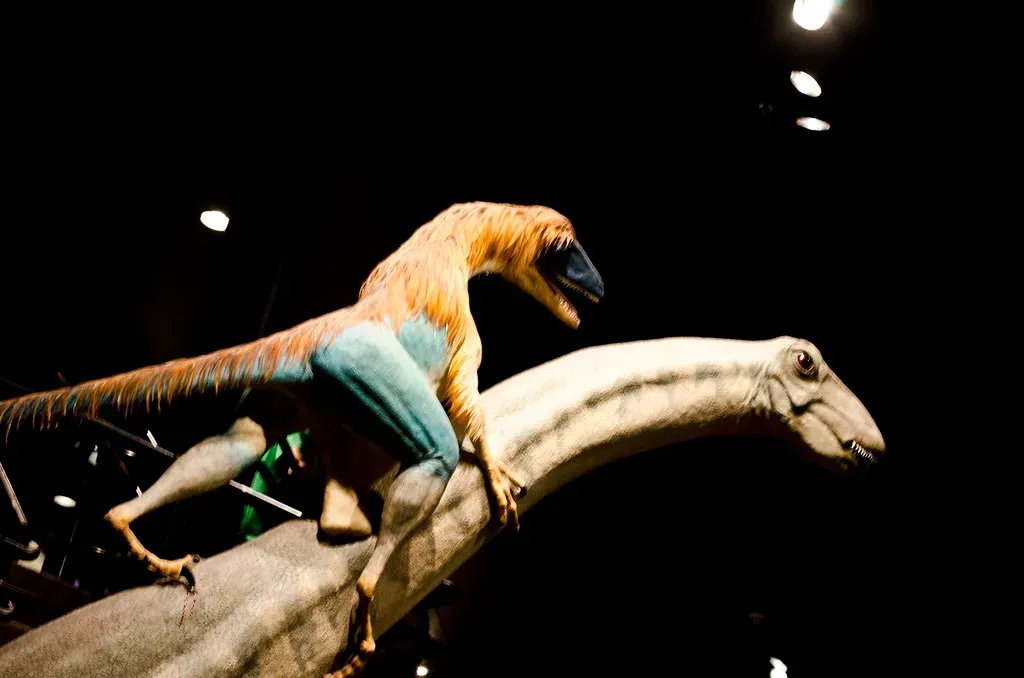
Were dinosaurs cold-blooded like lizards or warm-blooded like mammals and birds? This question dominated paleontology for decades. The evidence increasingly points toward warm-bloodedness, especially among bird-like dinosaurs. For dinosaurs closest to birds, we have so much evidence that suggests they were warm-blooded. Growth rates and insulation are the smoking gun. They grow fast – we know from cutting up bones – faster than reptiles, but not quite as fast as modern birds or mammals. For theropods where we can see soft tissue, we can see insulating feathers.
Think about what insulating feathers mean. You don’t need insulation unless you’re generating internal body heat. Feathers wouldn’t evolve for warmth in a cold-blooded animal – they’d be pointless. Their presence strongly suggests these dinosaurs maintained elevated body temperatures like modern birds and mammals.
The T. rex you imagine lumbering slowly in Jurassic Park? Forget that image. These were active, curious, metabolically supercharged animals.
Modern Birds Are Living Dinosaurs
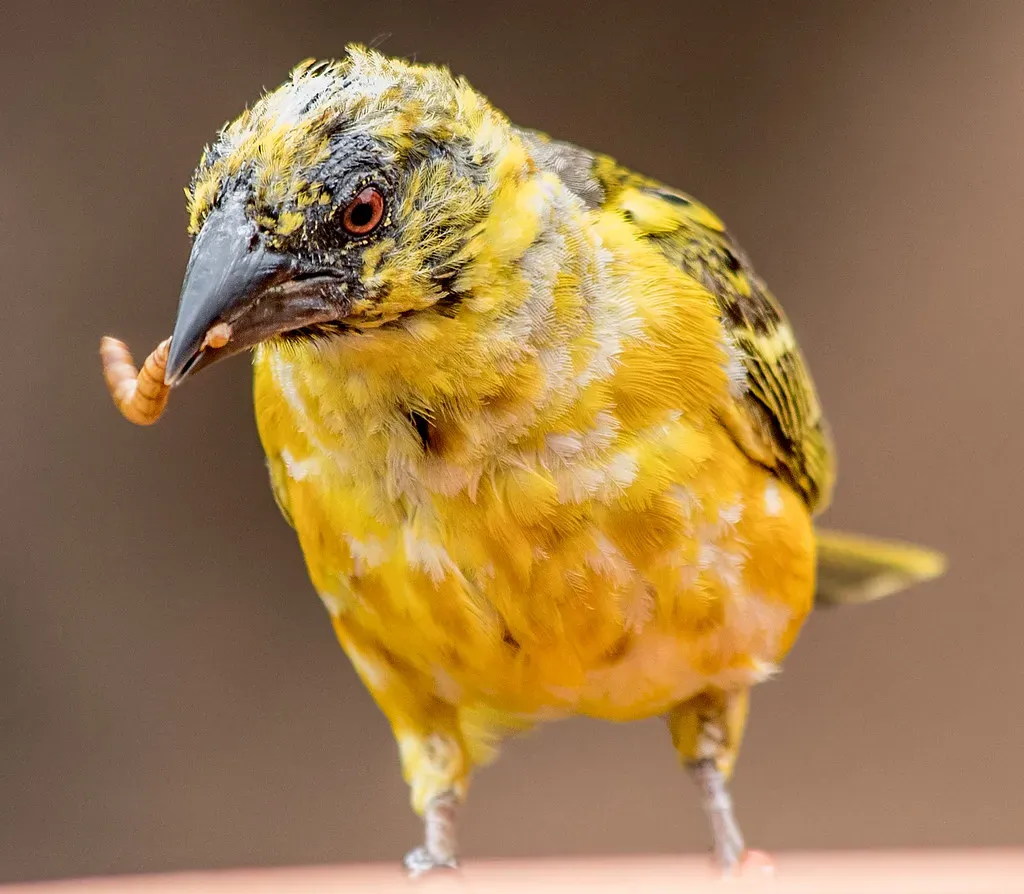
Among the most revolutionary insights emerging from 200 years of research on dinosaurs is that the clade Dinosauria is represented by approximately 11 000 living species of birds. Let that sink in. When you see a pigeon, a crow, or an eagle, you’re literally looking at a dinosaur. Not a descendant in some vague evolutionary sense – an actual dinosaur.
Nearly all palaeontologists regard birds as coelurosaurian theropod dinosaurs. This isn’t fringe science or wild speculation. It’s mainstream consensus backed by overwhelming evidence from fossils, genetics, behavior, and anatomy. The anatomical correspondences are so numerous and specific that denying the connection requires ignoring mountains of data.
Birds share so many features with theropods and there are no other candidate fossil groups. When you understand that birds are a type of dinosaur, that the evidence has stacked up, everything starts to make more sense. Birds inherit their bipedalism from theropods, explaining why they evolved flight using just their forelimbs, unlike bats or pterosaurs.
Conclusion: A Connection Beyond Doubt
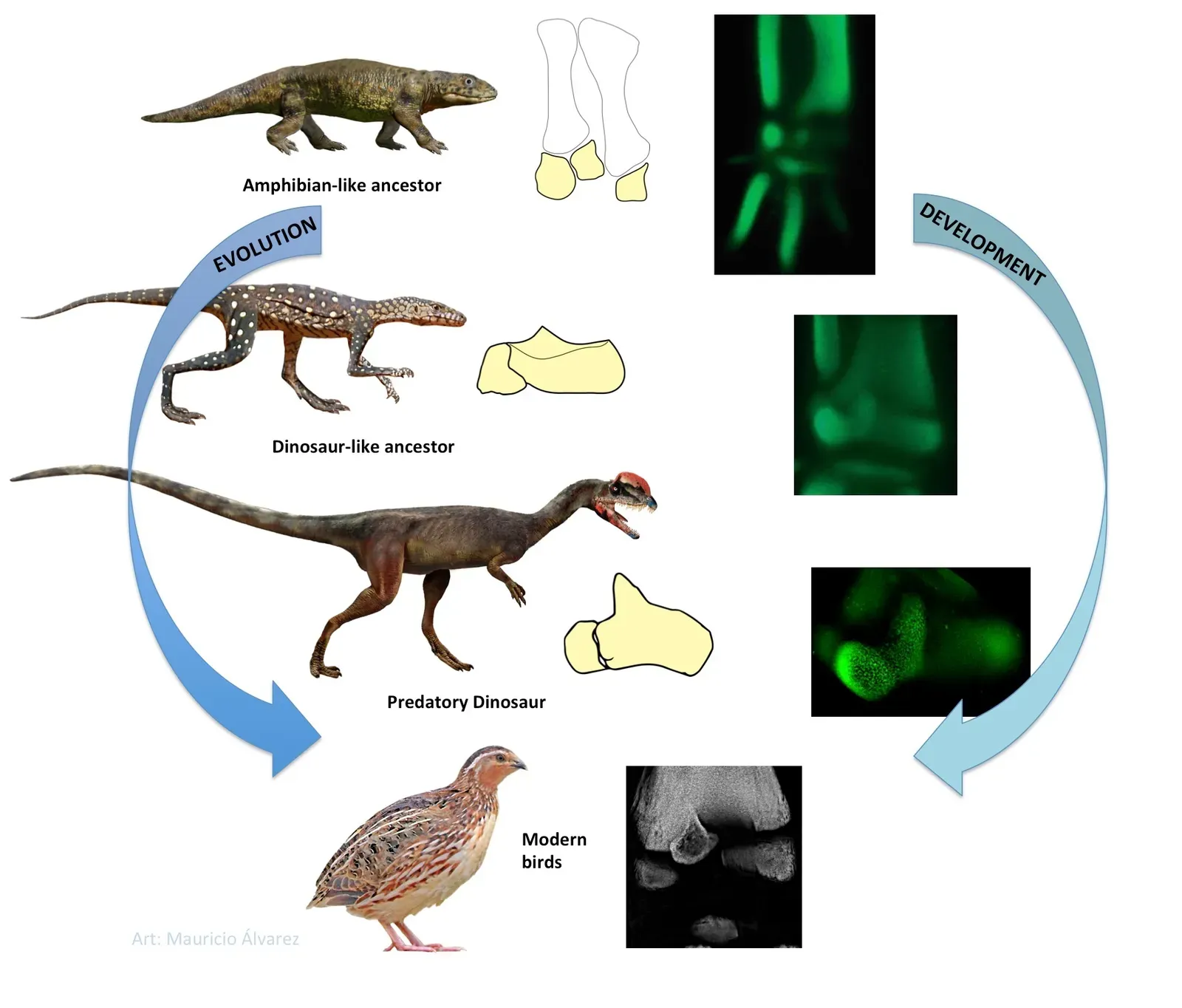
The evolutionary link between dinosaurs and modern birds isn’t just strong – it’s ironclad. Every new fossil discovery, every microscopic analysis, every behavioral comparison adds another layer of confirmation to what has become one of the best-documented evolutionary transitions in the history of life on Earth. From feathered Velociraptors to egg-brooding Oviraptors, from shrinking body sizes to hollow bones and wishbones, the evidence forms a comprehensive picture that’s impossible to ignore.
Next time you watch a bird soar overhead, remember: you’re witnessing the legacy of creatures that walked the Earth alongside Triceratops and Stegosaurus. The age of dinosaurs never really ended. It just took flight. What do you think about sharing your backyard with living dinosaurs? Tell us in the comments.