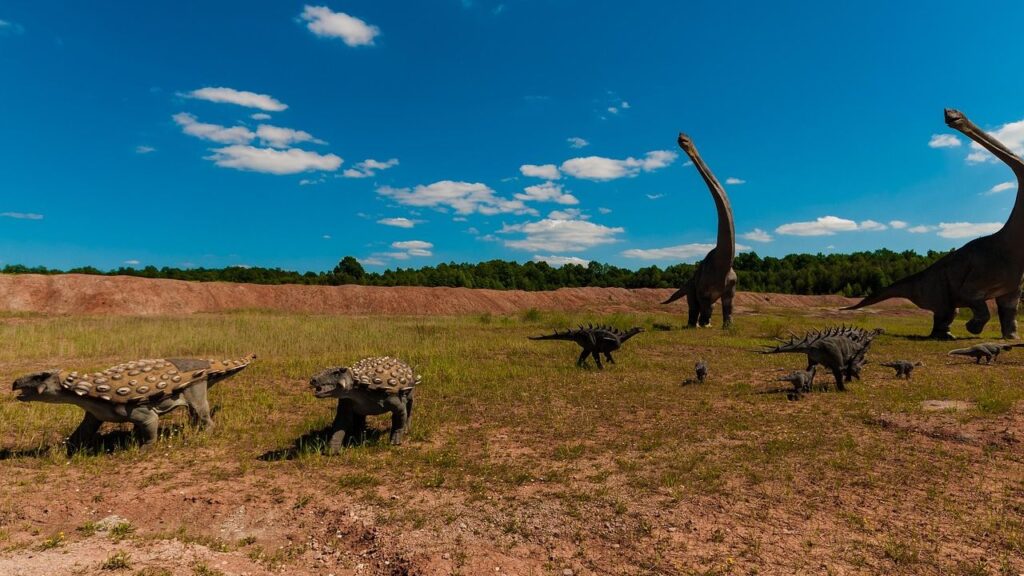
Picture yourself standing on an ancient floodplain roughly 193 million years ago. You’re watching a group of massive, long-necked dinosaurs moving together across the landscape, their young sheltered among the adults. It sounds like a scene from a movie, right? Yet scientists have discovered compelling evidence that this wasn’t fiction at all. The reason these prehistoric giants banded together tells us something remarkable about survival, community, and how even the most fearsome creatures needed each other to thrive.
For decades, paleontologists have puzzled over why certain dinosaurs chose to live in groups while others went solo. The answer isn’t as simple as you might think. It’s hard to say for sure, but the benefits of herd life apparently outweighed the costs for many species. From tiny hatchlings to towering adults, these ancient reptiles developed complex social systems that would’ve made even modern elephants jealous.
Protection From Predators Made Numbers Matter
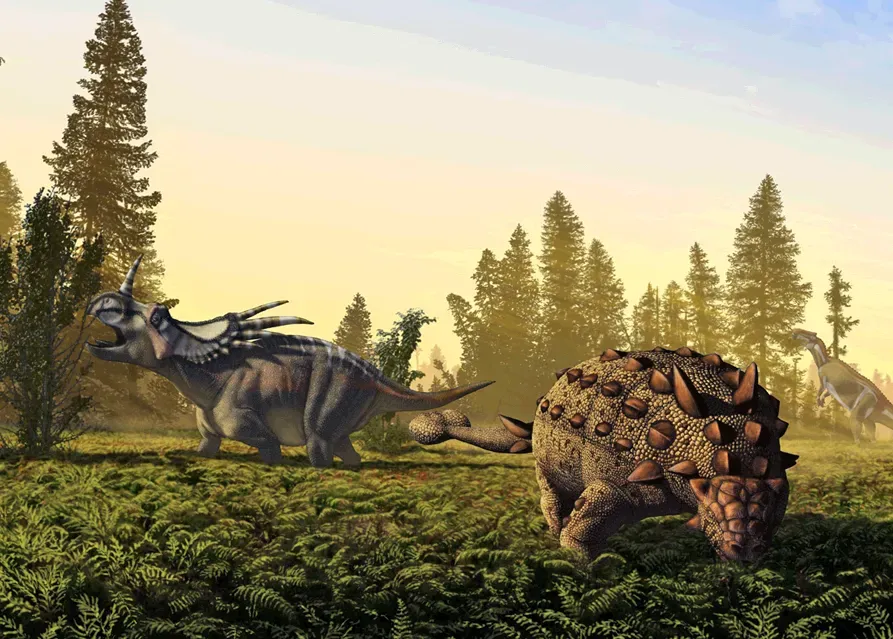
The advantage of congregating in herds was primarily in protection against predators. Think about it this way: when you’re a plant-eating dinosaur weighing several tons, you’re basically a walking meal for hungry carnivores. Living alone meant constant vigilance and vulnerability.
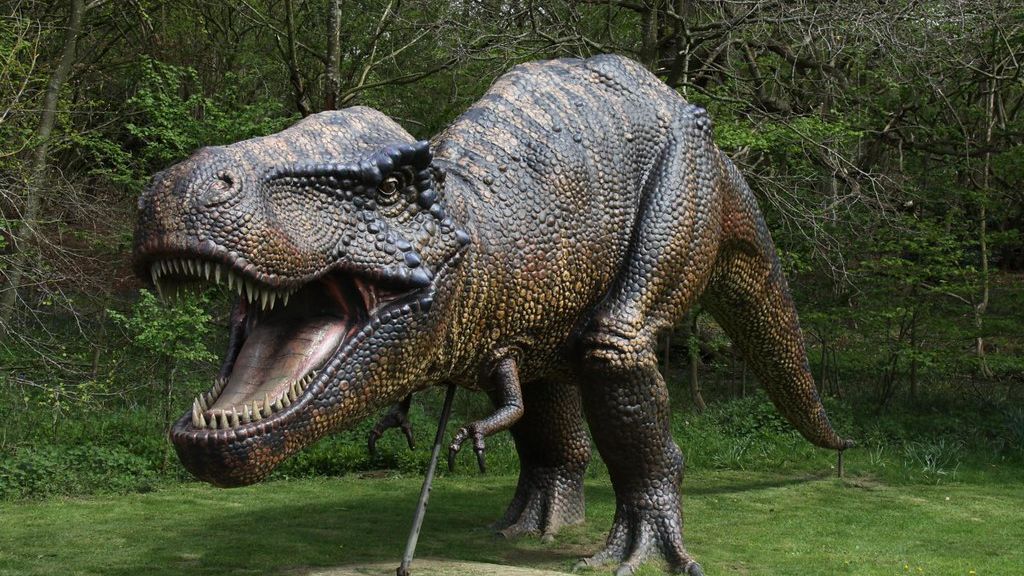
Protection came from more eyes to spot predators and larger groups that may scare off some predators. Let’s be real, even a massive Tyrannosaurus rex might think twice before attacking a tight-knit group of defensive herbivores. Large numbers reduce the risk of attack by predators and help with raising young, creating a safety net that solitary dinosaurs simply couldn’t match.
Communal Nesting Gave Babies a Fighting Chance
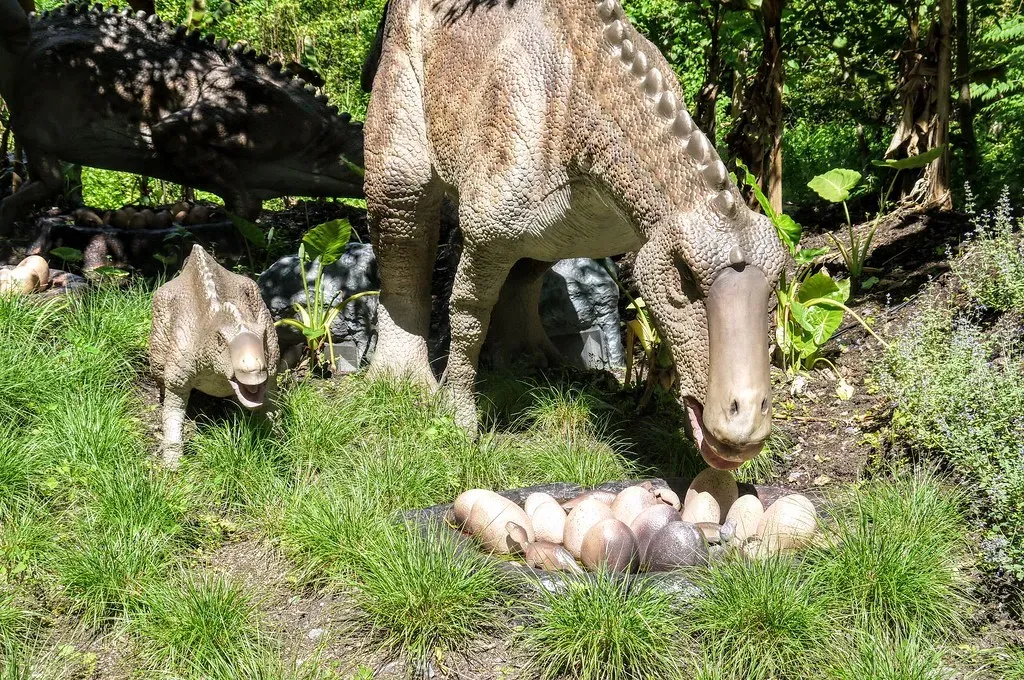
One of the most compelling discoveries about dinosaur herding involves their nesting behaviors. Fossils indicate a communal nesting ground and adults who foraged and took care of the young as a herd, revealing a surprisingly sophisticated approach to raising offspring. Rather than each parent going it alone, these ancient creatures pooled their resources.
The dinosaurs likely worked as a community, laying their eggs in a common nesting ground. Honestly, this makes perfect sense when you consider how vulnerable dinosaur eggs and hatchlings would’ve been. Nesting sites were possibly used for thousands of years by the same evolving populations of dinosaurs, suggesting that some locations became traditional breeding grounds passed down through generations.
Age Segregation Created Built In Daycare Systems
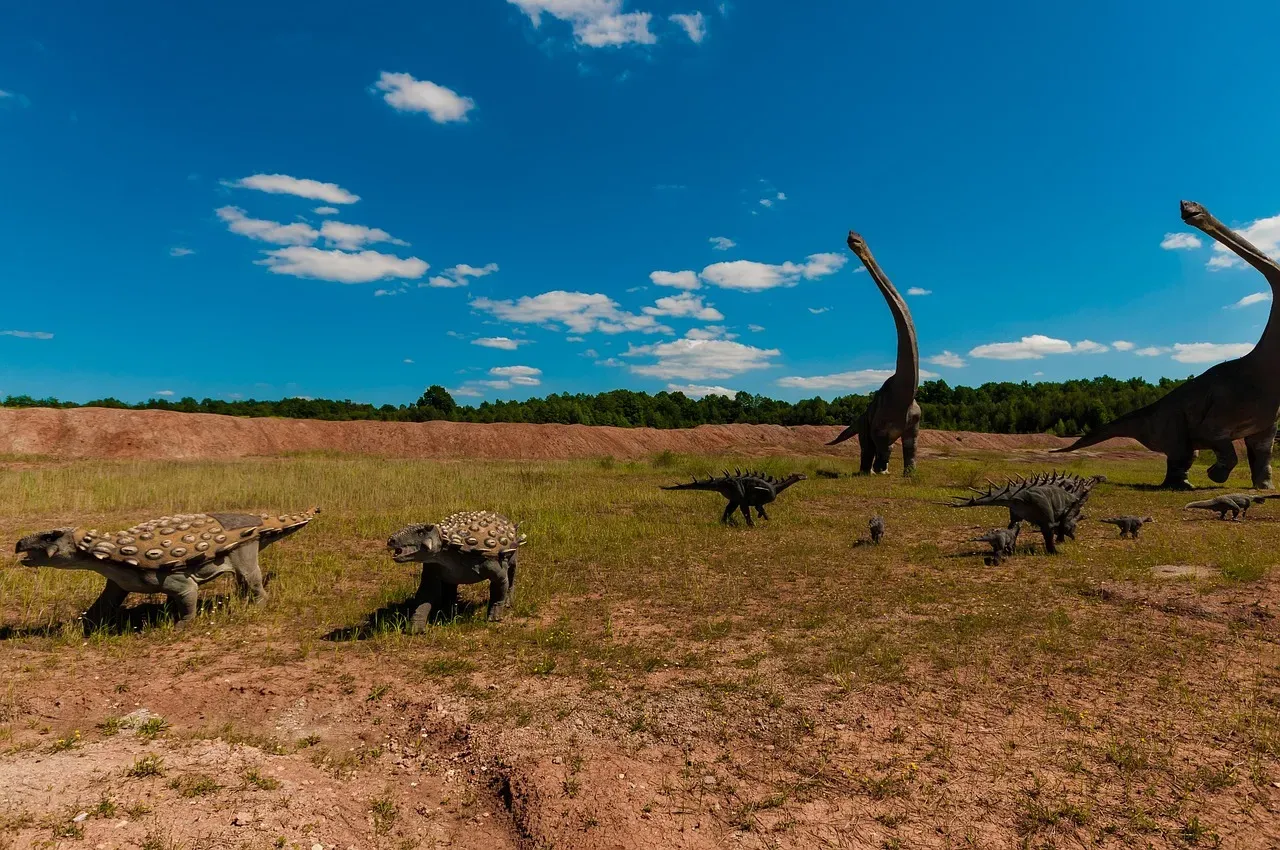
Fossils were grouped by age, with dinosaur eggs and hatchlings found in one area while skeletons of juveniles were grouped in a nearby location, and remains of adult dinosaurs were found alone or in pairs throughout the field site. This wasn’t random. It represents something extraordinary: organized social structure.
This age segregation is a strong sign of a complex, herd-like social structure. Juveniles hung out together, probably for safety and companionship, while adults patrolled the periphery or foraged. The young dinos stayed close to each other while the adults protected the herd and foraged for food. You can almost imagine the young ones playing and learning together while their parents kept watch, not unlike modern animal societies we observe today.
Efficient Foraging Made Group Living Worth the Competition
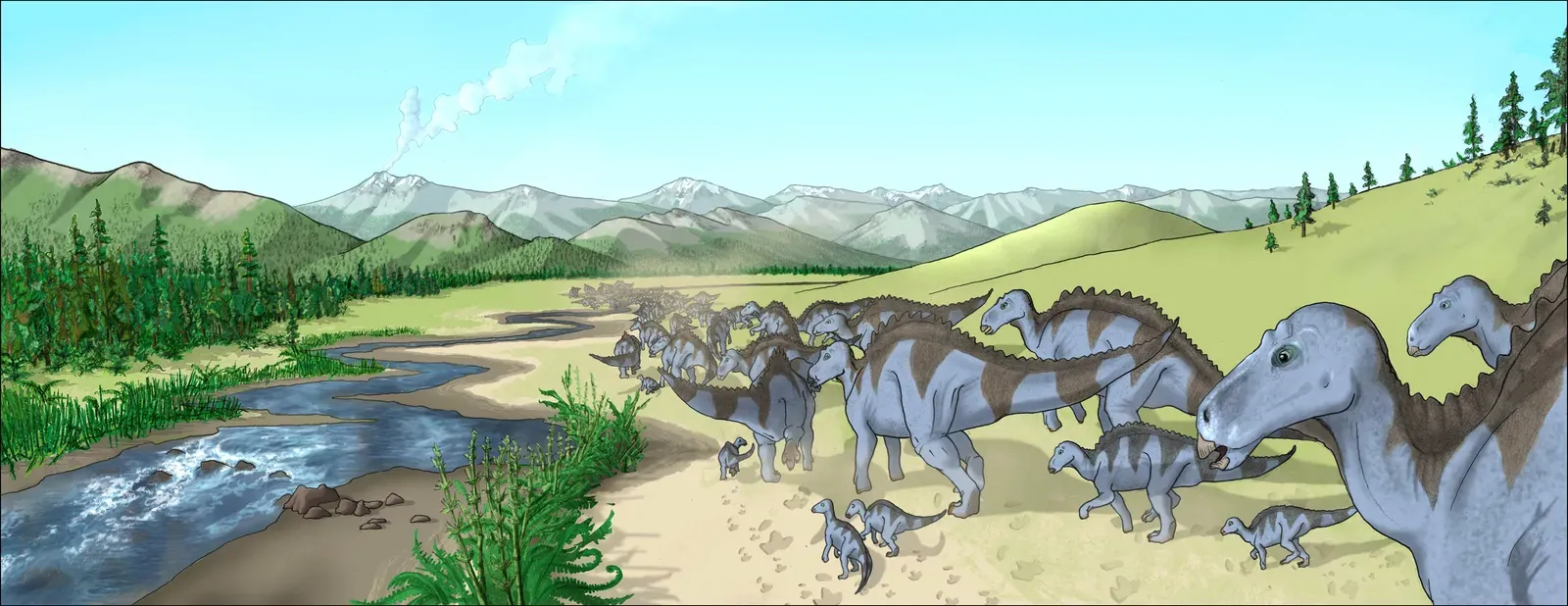
Here’s the thing about living in groups: it creates competition for food. More mouths means more demand on local vegetation. Yet dinosaurs apparently figured out that the benefits outweighed this cost. Living in herds might have allowed this species to collectively find more food to fuel their large bodies, transforming competition into cooperation.
By living in herds, dinosaurs could efficiently locate and exploit new foraging grounds, and migration in groups would have facilitated the exchange of knowledge and strategies for finding resources. Imagine one dinosaur discovering a lush feeding area and the information spreading through the herd. The existence of herds can also suggest the necessity of seasonal migratory movements to feed a large group of animals, indicating these creatures were strategic about when and where they traveled.
Early Evolutionary Advantage Set Sauropodomorphs Apart
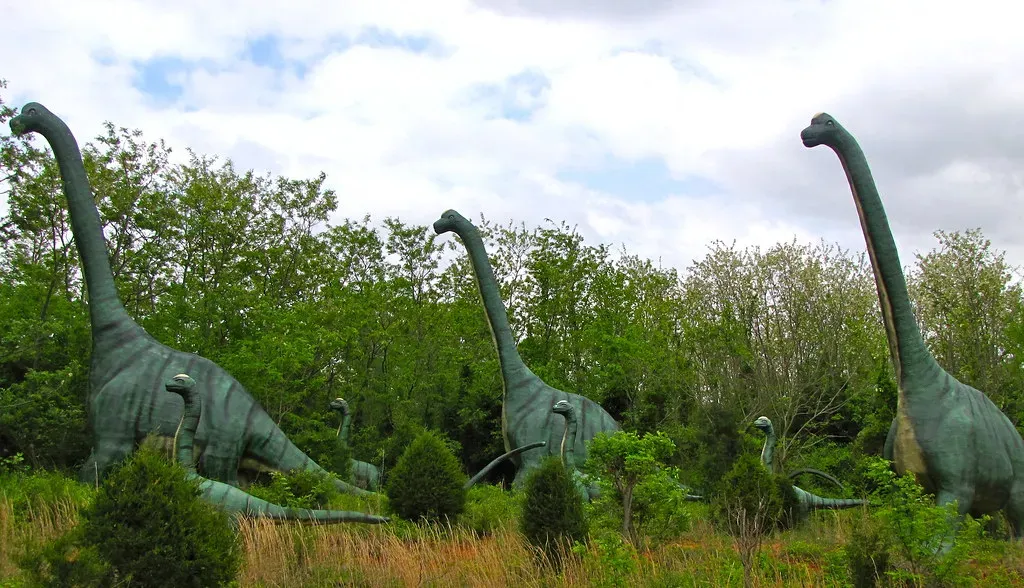
Living in herds may have given Mussaurus and other social sauropodomorphs an evolutionary advantage, as these early dinosaurs originated in the late Triassic, shortly before an extinction event wiped out many other animals. While countless species vanished, these social dinosaurs persisted and eventually dominated.
The presence of sociality in different sauropodomorph lineages suggests a possible Triassic origin of this behaviour, which may have influenced their early success as large terrestrial herbivores. I know it sounds crazy, but their ability to work together might’ve been the secret weapon that carried them through one of Earth’s worst extinction events. These findings provide the earliest evidence of complex social behaviour in Dinosauria, predating previous records by at least 40 million years, pushing back our understanding of when dinosaurs became social creatures.
Trackways Reveal Coordinated Movement and Group Dynamics

Trackway evidence shows that groups like Duck Billed dinosaurs and the large long necked Sauropods were moving in multiple age class groups, with adults, juveniles and babies moving in the same direction and changing directions in the same pattern and orientation. These fossilized footprints aren’t just random paths crossing each other.
The tracks are nearly parallel and all progress in the same direction, suggesting the sauropod trackmakers passed in a single herd. Recent discoveries have become even more intriguing. Footprints uncovered in Alberta could be evidence that some dinosaurs moved in herds comprising multiple different species, which could show the first evidence of mixed-species herding behaviour in dinosaurs. This revelation suggests dinosaur social networks were even more complex than previously imagined, possibly resembling modern wildebeest and zebra migrations.
Even Predators May Have Hunted in Cooperative Groups
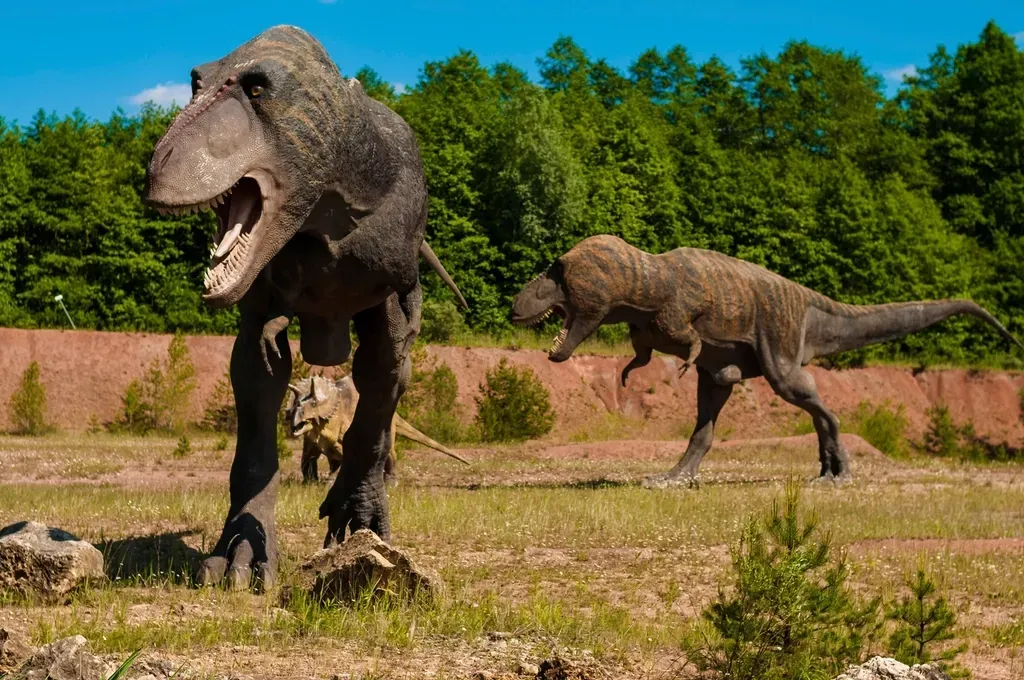
While herbivores get most of the attention regarding herd behavior, carnivorous dinosaurs also showed signs of group dynamics. Some meat-eating dinosaurs may have hunted in packs, combining their strength to kill very large prey, with the deadly and intelligent Velociraptor possibly hunting in packs and attacking even very large animals.
Tyrannosaurs were probably social animals who hunted in packs according to research, challenging a common theory that the huge lizards were solitary hunters who chased down prey alone. The image of a lone T. rex terrorizing the landscape might need updating. Working together, these apex predators could take down prey that would’ve been impossible for a single hunter. It’s hard to say for sure, but the fossil evidence keeps pointing toward cooperation rather than isolation.
Conclusion
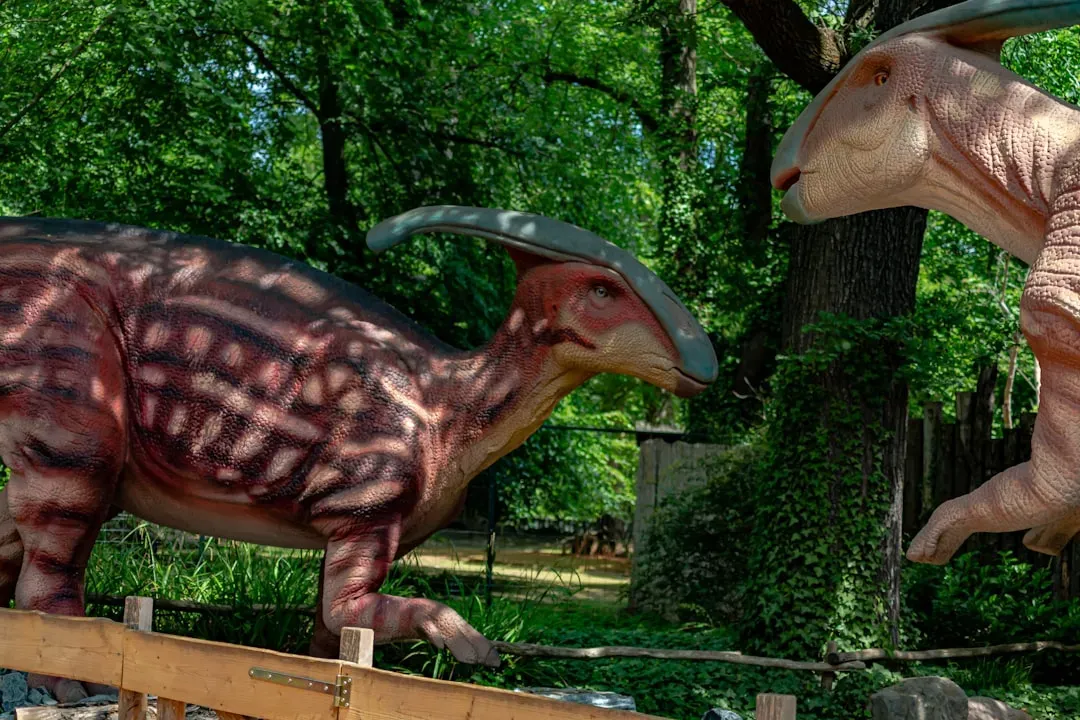
The evidence keeps mounting that dinosaurs weren’t the solitary, simple creatures we once imagined. From sophisticated age-based social structures to communal nesting grounds and coordinated hunting strategies, these ancient animals developed complex societies that helped them survive and dominate for millions of years. Complex herd behavior existed as early as 193 million years ago, fundamentally changing how we understand dinosaur life.
Perhaps the most striking realization is how much dinosaurs and modern animals have in common. The strategies they used for protection, raising young, and finding food mirror behaviors we see in elephants, wildebeests, and countless other species today. What’s your take on dinosaur social life? Does it change how you picture these ancient giants? The more we discover, the more fascinating and relatable these creatures become.