Dinosaurs have captivated the human imagination since their fossilized remains were first discovered. These magnificent prehistoric creatures have stomped, roared, and terrorized their way through countless films, becoming some of cinema’s most memorable characters. But which movie can claim the distinction of featuring the very first dinosaur on the silver screen? The answer takes us back to the early days of cinema, when filmmakers were just beginning to explore the possibilities of special effects to bring extinct creatures back to life. Let’s embark on a journey through cinematic history to uncover when these ancient beasts first appeared on film and how their depiction has evolved over more than a century of moviemaking.
The Pioneering Film: “Gertie the Dinosaur” (1914)
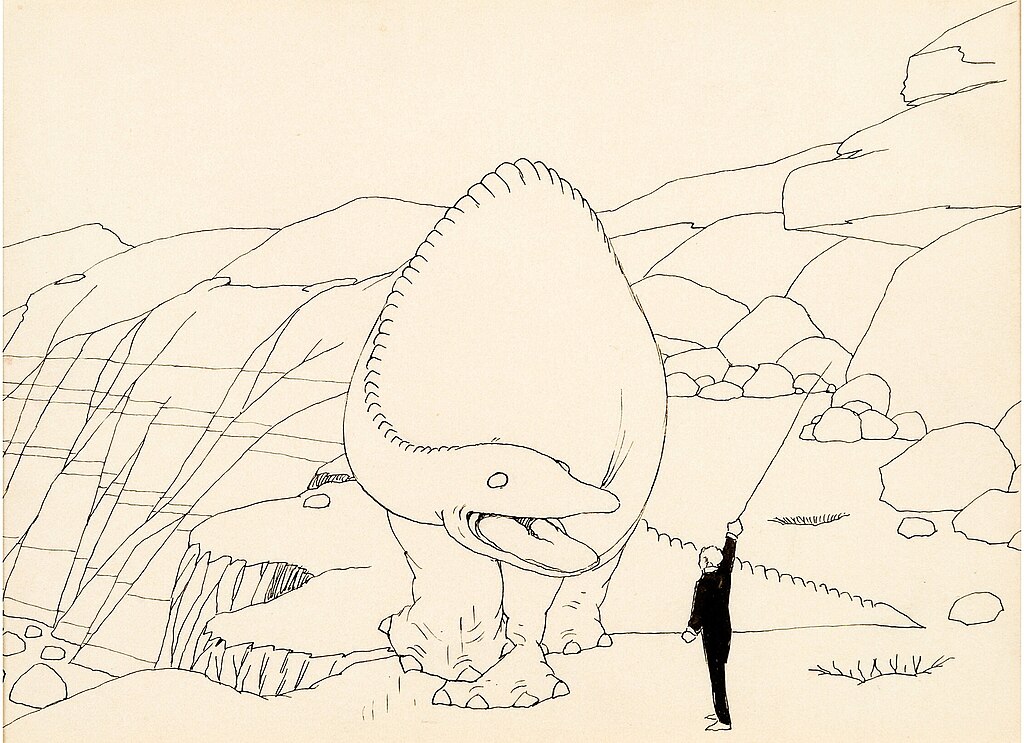
The honor of featuring the first animated dinosaur in film history goes to Winsor McCay’s groundbreaking 1914 short “Gertie the Dinosaur.” This revolutionary six-minute film featured a brontosaurus (now called Apatosaurus) named Gertie who interacted with her animator in what is considered one of the first character animations ever created. McCay hand-drew thousands of individual frames to create Gertie’s fluid movements, establishing her as cinema’s first dinosaur star. The film was presented as part of McCay’s vaudeville act, where he would appear to interact with Gertie on screen, commanding her to raise her foot or bow to the audience. “Gertie the Dinosaur” represents not just the first appearance of a dinosaur in film, but a landmark achievement in animation that influenced generations of animators to follow.
Early Stop-Motion Dinosaurs: “The Lost World” (1925)
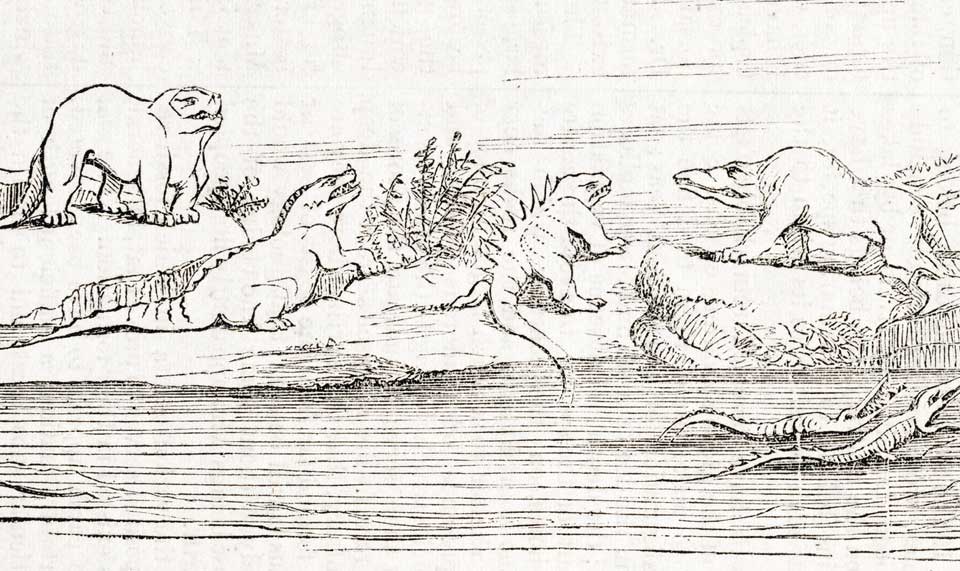
The first feature film to showcase dinosaurs was the 1925 silent movie “The Lost World,” based on Sir Arthur Conan Doyle’s novel of the same name. This film marked a significant technological leap in dinosaur representation through pioneering stop-motion animation techniques developed by visual effects wizard Willis O’Brien. The film’s plot centered around an expedition to a remote plateau in South America where dinosaurs had somehow survived extinction. O’Brien’s meticulous work brought to life several species, including a memorable Brontosaurus that rampages through London in the film’s climax. These dinosaurs featured articulated skeletons covered with latex skin, creating surprisingly realistic movements for the era. “The Lost World” established many conventions that would define dinosaur films for decades to come, particularly the “lost world” narrative where modern humans encounter living dinosaurs.
Willis O’Brien’s Masterpiece: “King Kong” (1933)
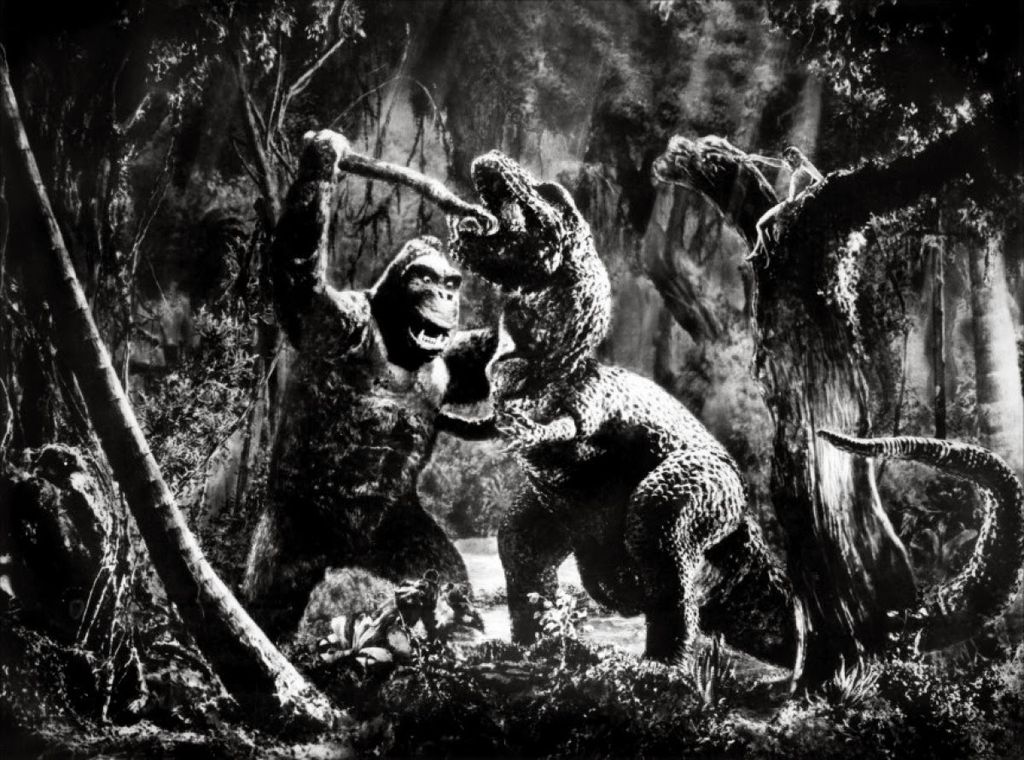
While not strictly a dinosaur film, 1933’s “King Kong” featured some of the most impressive dinosaur sequences of the early cinema era, again brought to life by Willis O’Brien who refined the stop-motion techniques he developed for “The Lost World.” Kong himself battles a Tyrannosaurus rex in one of cinema’s most iconic monster fights. Other prehistoric creatures appearing in the film include a Stegosaurus, a Plesiosaur, and a Pteranodon (though technically not a dinosaur). The film’s Skull Island sequences showcased multiple dinosaur species interacting with human characters, creating a sense of a complete prehistoric ecosystem surviving into modern times. O’Brien’s animation was so groundbreaking that it remained the gold standard for dinosaur depiction for decades. The T. rex fight scene in particular demonstrated how dinosaurs could function as more than just background elements and instead serve as dramatic participants in the story.
Disney’s Animated Approach: “Fantasia” (1940)
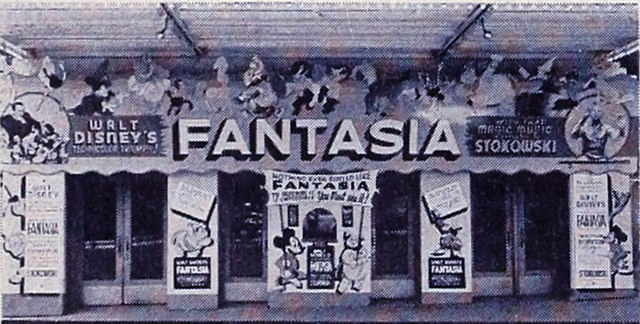
Walt Disney’s ambitious 1940 animated feature “Fantasia” included a significant sequence featuring dinosaurs set to Igor Stravinsky’s “The Rite of Spring.” This segment portrayed the formation of Earth, the emergence of early life, and eventually the age of dinosaurs, culminating in their extinction. The sequence featured scientifically accurate (for the time) depictions of various dinosaur species, including Stegosaurus, Triceratops, Diplodocus, and Tyrannosaurus rex. Unlike previous film appearances where dinosaurs were monsters to be feared, Disney’s approach was more documentary-like, showing dinosaurs as animals in their natural habitat. The sequence is particularly notable for its dramatic portrayal of dinosaur extinction, showing the creatures slowly dying amid drought conditions. Disney’s animators consulted with paleontologists to ensure relative accuracy, making this one of the first attempts to portray dinosaurs with scientific credibility rather than as movie monsters.
Ray Harryhausen’s Contributions: “The Beast from 20,000 Fathoms” to “Valley of Gwangi”
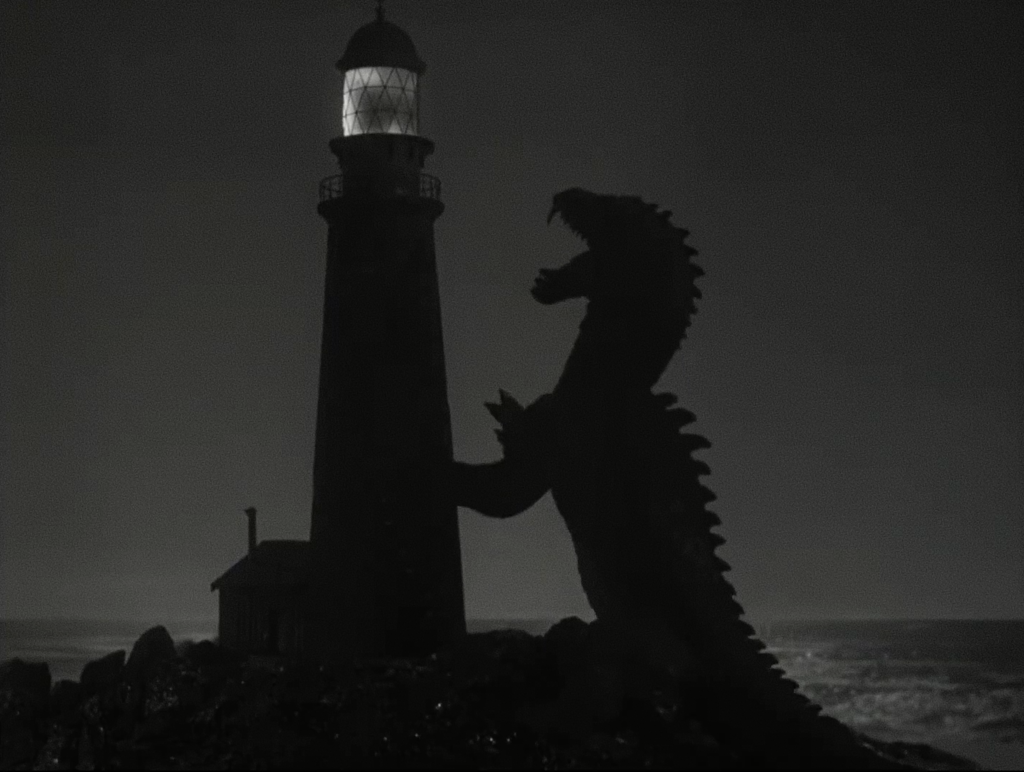
Stop-motion animation master Ray Harryhausen, who studied under Willis O’Brien, created some of the most memorable dinosaur and dinosaur-like creatures in film history during the 1950s and 1960s. His first major work featuring a dinosaur-like creature was “The Beast from 20,000 Fathoms” (1953), which depicted a fictional “Rhedosaurus” awakened by nuclear testing. Harryhausen went on to animate dinosaurs in films like “One Million Years B.C.” (1966) and most notably “The Valley of Gwangi” (1969), which featured cowboys encountering dinosaurs in a hidden valley. Harryhausen’s distinctive animation style gave his dinosaurs personality and fluid movement that surpassed many earlier attempts. His technique, known as “Dynamation,” allowed dinosaurs to interact seamlessly with live actors, creating some of the most convincing dinosaur sequences of the pre-digital era. Harryhausen’s work influenced countless filmmakers who would later create dinosaur films, including Steven Spielberg.
B-Movie Dinosaurs: The 1950s-1970s Era
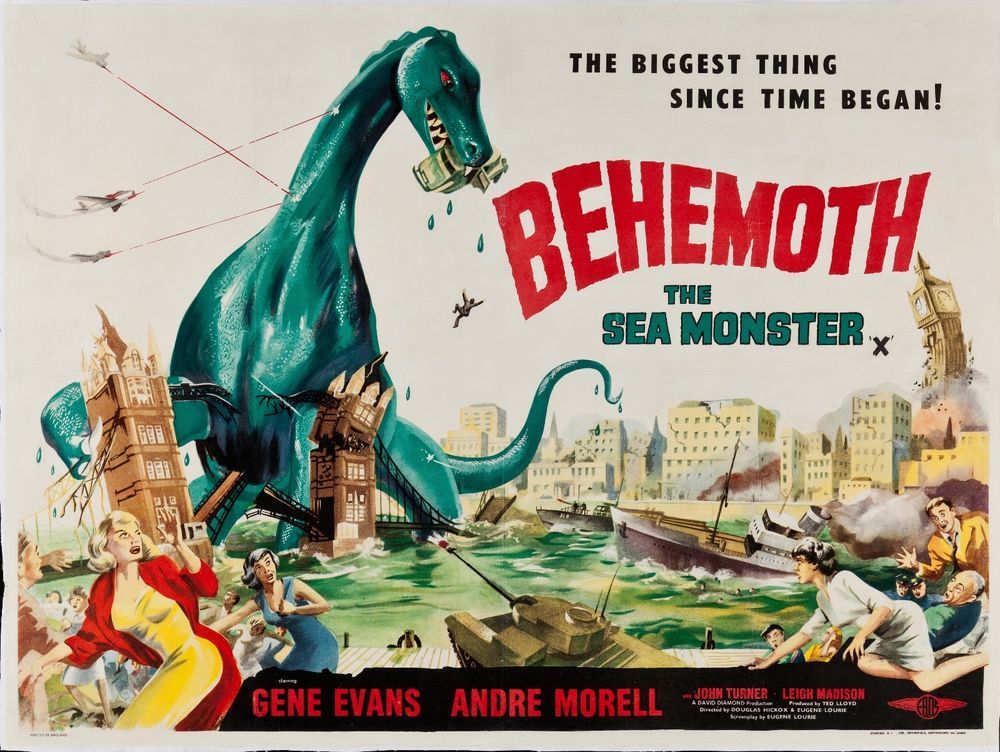
During the atomic age of the 1950s through the 1970s, dinosaurs frequently appeared in low-budget science fiction films, often as monsters created or awakened by radiation. Films like “The Giant Behemoth” (1959) and “Gorgo” (1961) featured dinosaur-like creatures attacking major cities. This period also saw the rise of the “caveman meets dinosaur” subgenre with films like “When Dinosaurs Ruled the Earth” (1970). The scientific accuracy in these films was often questionable at best, with dinosaurs frequently portrayed as slow, lumbering monsters. Many of these films relied on cost-cutting techniques like men in dinosaur suits, puppets, or even iguanas with fins attached to stand in for dinosaurs. While not necessarily advancing the realistic portrayal of dinosaurs, these B-movies kept dinosaurs in the public consciousness and established them as a staple of genre filmmaking. The era culminated in cult classics like “The Land That Time Forgot” (1975), which continued the tradition of modern humans finding isolated pockets of surviving dinosaurs.
The Jurassic Revolution: “Jurassic Park” (1993)

Steven Spielberg’s 1993 blockbuster “Jurassic Park” completely revolutionized dinosaur depiction in cinema, marking the transition from traditional animation techniques to computer-generated imagery (CGI). While the film wasn’t the first to use CGI for dinosaurs, it was the first to combine CGI with animatronic dinosaurs so seamlessly that audiences believed they were seeing real creatures. Working with paleontologist Jack Horner, Spielberg’s production team created dinosaurs that reflected the then-current scientific understanding of these animals as active, intelligent, and bird-like rather than reptilian. The film’s Tyrannosaurus rex and Velociraptors became instant cultural icons, with the raptors in particular showcasing behaviors like pack hunting and problem-solving that had recently been theorized by paleontologists. “Jurassic Park” not only reignited public fascination with dinosaurs but also influenced scientific communication, with many paleontologists noting an increased interest in their field following the film’s release.
Evolution of Scientific Accuracy in Dinosaur Films
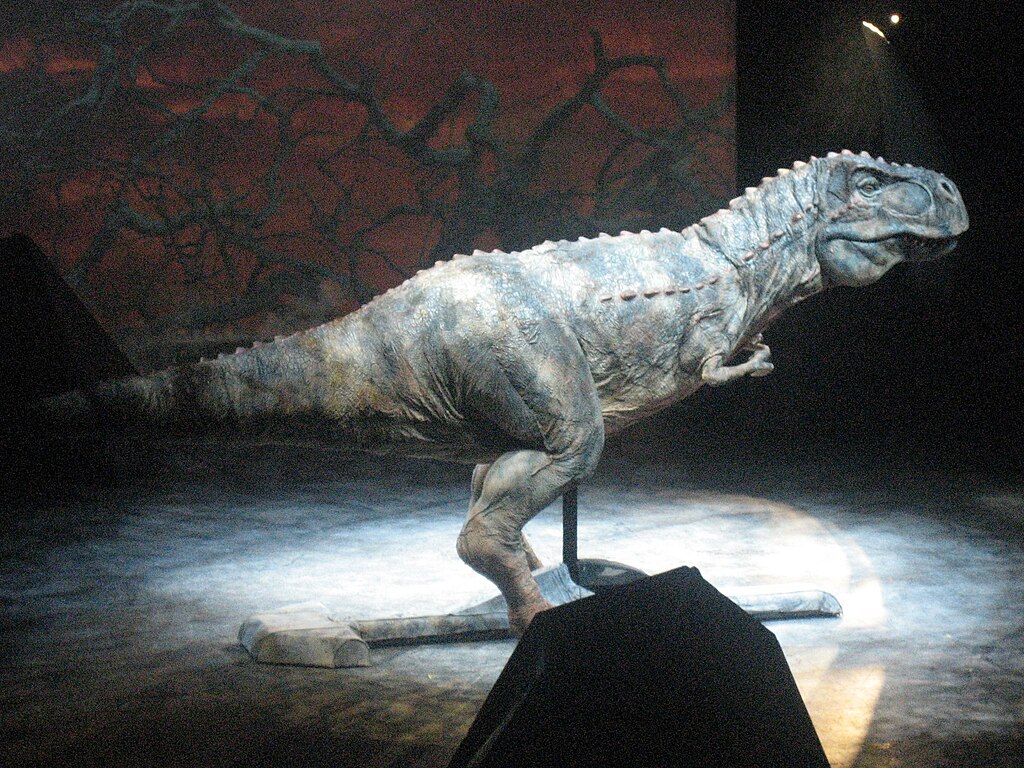
The scientific accuracy of dinosaur depictions in film has evolved dramatically over the decades, reflecting changing paleontological understanding. Early films like “The Lost World” based their dinosaurs on the scientific consensus of the 1920s, which viewed dinosaurs as slow, cold-blooded reptiles. By the time “Jurassic Park” appeared in 1993, the “dinosaur renaissance” of the 1970s and 1980s had transformed scientific understanding, presenting dinosaurs as active, warm-blooded animals more closely related to birds than to reptiles. More recent films have continued to incorporate new findings, with some productions adding feathers to certain dinosaur species to reflect current scientific consensus. However, filmmakers often deliberately choose to prioritize dramatic effect over strict accuracy, as seen in the continued depiction of Velociraptor in the Jurassic films as much larger than their actual size. The tension between scientific accuracy and cinematic excitement remains a defining feature of dinosaur films, with some productions like BBC’s “Walking with Dinosaurs” aiming for more educational accuracy.
Technical Evolution: From Stop-Motion to CGI
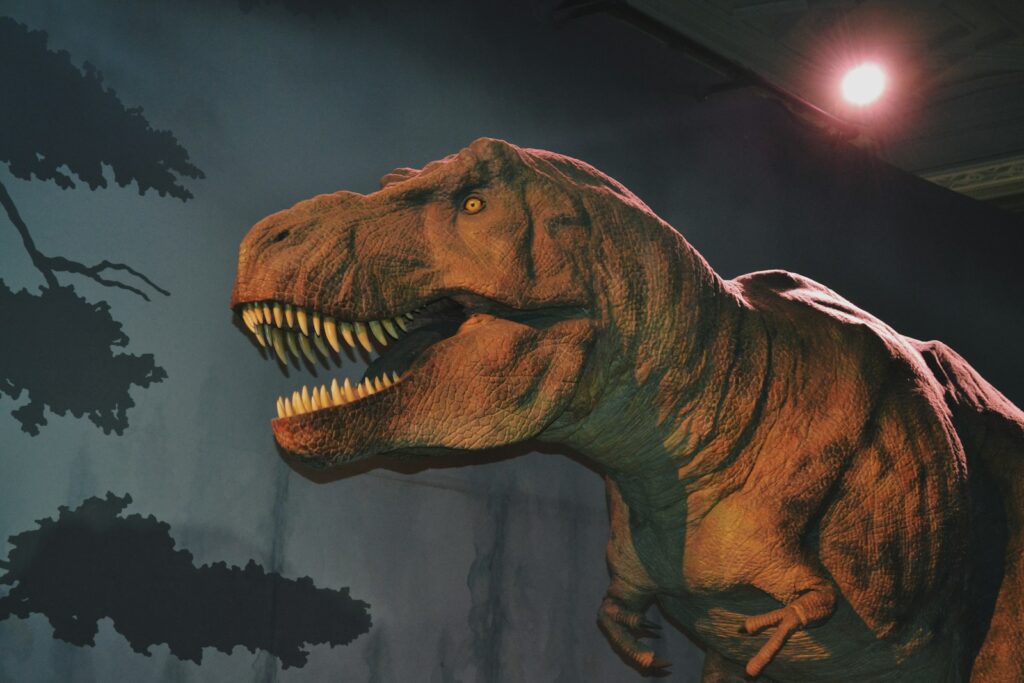
The technical methods used to bring dinosaurs to life on screen have evolved through several distinct phases, each offering new possibilities for realism and movement. Stop-motion animation dominated from the 1920s through the 1970s, with artists painstakingly creating miniature dinosaur models and photographing them one frame at a time. The 1960s and 1970s also saw the use of practical effects like puppets, men in suits, and enlarged reptiles with prosthetics. The 1980s began experimenting with early computer animation, with films like “The Last Starfighter” (1984) testing the waters for what would become the CGI revolution. After “Jurassic Park” demonstrated the potential of CGI in 1993, dinosaur depiction rapidly shifted toward digital creation, though many productions still used animatronic models for close-up shots and physical interaction with actors. Today’s films typically use a combination of highly sophisticated CGI with occasional animatronics, allowing for dinosaurs with unprecedented detail in skin texture, movement, and behavior. This technical evolution has enabled filmmakers to create increasingly convincing prehistoric worlds.
Dinosaur Documentaries: Educational Film Approaches

Alongside feature films, dinosaurs have been frequent subjects of documentary productions aiming to educate rather than merely entertain. The landmark BBC series “Walking with Dinosaurs” (1999) applied nature documentary techniques to prehistoric subjects, using cutting-edge CGI to show dinosaurs in their natural habitats. This approach was expanded in follow-ups like “Prehistoric Planet” (2002) and the more recent Apple TV+ series of the same name released in 2022. These documentaries typically work closely with paleontologists to incorporate the latest scientific understanding, though they still must make educated guesses about behavior, vocalizations, and coloration that cannot be definitively determined from the fossil record. The IMAX film “T-Rex: Back to the Cretaceous” (1998) pioneered large-format dinosaur documentaries, while “Dinosaur 13” (2014) took a different approach by documenting the discovery and legal battles surrounding the T. rex specimen nicknamed “Sue.” These educational productions have played a crucial role in translating paleontological discoveries into visual media accessible to the general public.
Animation Brings Dinosaurs to Family Films
Animated films have provided a platform for dinosaurs to reach younger audiences through more family-friendly stories. Don Bluth’s “The Land Before Time” (1988) began a franchise centered on young dinosaurs navigating a dangerous prehistoric world, emphasizing themes of friendship and perseverance rather than scientific accuracy. Pixar’s “The Good Dinosaur” (2015) presented an alternate timeline where dinosaurs never went extinct and evolved intelligence alongside primitive humans. Disney’s “Dinosaur” (2000) combined live-action backgrounds with computer-animated dinosaur characters, telling a migration story following a meteor impact. The “Ice Age” franchise, beginning in 2002, featured various prehistoric creatures, including dinosaurs in later installments, particularly “Ice Age: Dawn of the Dinosaurs” (2009). These animated approaches have allowed filmmakers to anthropomorphize dinosaurs, giving them human-like emotions and speech while still maintaining some of their distinctive dinosaur characteristics. Animation has thus served as an important gateway for introducing younger viewers to paleontological concepts, albeit in simplified form.
Recent Trends: The Continuing Dominance of the Jurassic Franchise
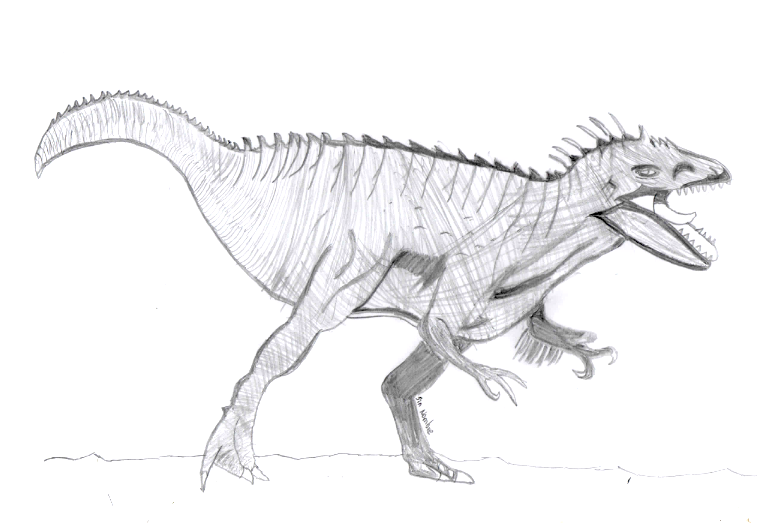
The “Jurassic” franchise has dominated dinosaur cinema since 1993, expanding to include six major films as of 2022 with the conclusion of the “Jurassic World” trilogy. These later entries have continued the original film’s combination of scientific elements with science fiction concepts, particularly genetic modification resulting in hybrid dinosaurs like the Indominus rex and Indoraptor. The franchise has also responded to evolving scientific understanding by acknowledging (though not fully implementing) discoveries like feathered dinosaurs, with characters in “Jurassic World” (2015) explicitly stating that their dinosaurs would look different if they were genetically pure rather than modified with frog DNA. Outside the Jurassic franchise, dinosaurs continue to appear in various forms across cinema, from the kaiju-inspired Titans in “Godzilla: King of the Monsters” (2019) to time travel stories like “65” (2023) starring Adam Driver as an astronaut who crashed on Earth during the late Cretaceous period. The enduring popularity of dinosaurs in film suggests they will remain cinematic fixtures for generations to come.
Conclusion: A Century of Dinosaurs on Screen
From Gertie’s groundbreaking animation in 1914 to the photorealistic beasts of modern blockbusters, dinosaurs have enjoyed one of the longest and most varied careers in cinema history. Their journey from scientific curiosities to cultural icons reflects broader changes in both filmmaking technology and our understanding of prehistoric life. What began with hand-drawn animation and primitive stop-motion has evolved into sophisticated digital creations nearly indistinguishable from reality. Along the way, these cinematic dinosaurs have shaped public perception of prehistory, influenced scientific communication, and inspired countless children to become paleontologists. While “Gertie the Dinosaur” deserves recognition as cinema’s first dinosaur, each subsequent film has contributed to an evolving tradition of bringing extinct creatures back to life through the magic of movies. As filmmaking technology continues to advance and scientific discoveries provide new insights into dinosaur biology and behavior, we can expect these prehistoric creatures to remain among cinema’s most enduring stars for generations to come.