The discovery of the first dinosaur fossil marked a pivotal moment in scientific history, challenging existing beliefs about Earth’s past and opening the door to an entirely new field of study. Long before the term “dinosaur” was coined, puzzling remains were unearthed that would eventually revolutionize our understanding of prehistoric life. These early findings, initially misinterpreted through the lens of biblical narratives and limited scientific knowledge, would eventually lead to the foundation of paleontology as we know it today. The story of the first recognized dinosaur fossils takes us on a journey through scientific discovery, shifting paradigms, and the gradual unveiling of Earth’s ancient inhabitants that roamed our planet millions of years before humans existed.
The Curious Case of the First Documented Fossil
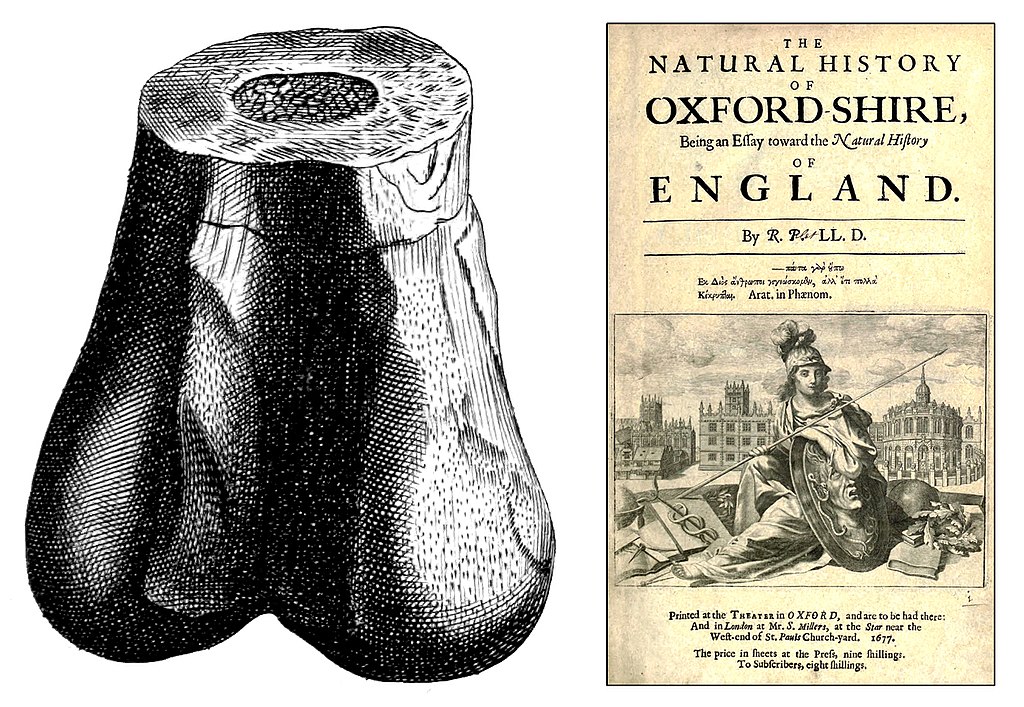
While dinosaur bones had likely been discovered throughout human history, the first scientifically documented dinosaur fossil was found in 1677 by Robert Plot, a professor at Oxford University. Plot discovered a massive femur fragment in a limestone quarry in Oxfordshire, England, which he illustrated in his book “The Natural History of Oxfordshire.” Interestingly, Plot initially believed the bone belonged to a giant human mentioned in biblical texts, demonstrating how scientific understanding was still heavily influenced by religious interpretations. He later revised his theory to suggest it might have belonged to a war elephant brought to Britain during Roman times. This massive bone fragment, now recognized as belonging to a Megalosaurus, represents the first dinosaur fossil to be formally described in scientific literature, though it would be nearly 150 years before such creatures were recognized as an entirely new group of animals.
The Reverend William Buckland’s Megalosaurus

The honor of describing the first scientifically named dinosaur goes to Reverend William Buckland, an English theologian and geologist. In 1824, Buckland published a paper describing fossil remains found in the Stonesfield slate of Oxfordshire, naming the creature “Megalosaurus,” meaning “great lizard.” The specimen included a lower jaw with teeth, vertebrae, and limb bones that clearly belonged to an enormous reptilian creature, unlike any living animal. Though Buckland envisioned Megalosaurus as a gigantic lizard-like creature that walked on all fours, this description represented the first scientific recognition of what would later be called dinosaurs. What makes Buckland’s work particularly significant is that it occurred during a time when the concept of extinction was still controversial, and the age of the Earth was believed by many to be only a few thousand years old. His willingness to describe such an unusual creature helped pave the way for further dinosaur discoveries.
Gideon Mantell and the Iguanodon Discovery

Shortly after Buckland’s Megalosaurus description, another pivotal discovery occurred when English physician Gideon Mantell and his wife Mary Ann found unusual teeth in a Sussex quarry around 1822. The teeth resembled those of modern iguanas but were many times larger, leading Mantell to name the creature “Iguanodon” (meaning “iguana tooth”) when he formally described it in 1825. What makes the Mantells’ discovery particularly compelling is the story of scientific persistence behind it. Initially ridiculed by some in the scientific establishment, Mantell spent years collecting additional specimens and building his case. The discovery was particularly significant because it represented a different type of creature than Megalosaurus, suggesting a diversity of these giant reptiles. Together with Megalosaurus, Iguanodon would become one of the three creatures that Richard Owen would later use to define the “Dinosauria.”
Mary Anning: The Unsung Pioneer

No discussion of early fossil discoveries would be complete without acknowledging Mary Anning, perhaps the most accomplished fossil hunter of the early 19th century. Beginning in the 1810s, Anning made remarkable discoveries along the cliffs of Lyme Regis in southern England, including the first complete Ichthyosaurus skeleton and the first Plesiosaurus. While these marine reptiles were not dinosaurs (a distinction not understood at the time), Anning’s meticulous work contributed enormously to early paleontology. As a woman of working-class background, Anning faced significant barriers in the male-dominated scientific community, rarely receiving proper credit for her discoveries during her lifetime. Her expertise in locating, extracting, and preparing fossils was unparalleled, and many specimens she uncovered ended up in museums and private collections across Europe. Anning’s contributions represent an essential chapter in fossil discovery history, highlighting both the collaborative nature of scientific advancement and the social barriers that often obscured important work.
Richard Owen and the Birth of “Dinosauria”
The term “dinosaur” itself didn’t exist until 1842, when the brilliant but controversial anatomist Richard Owen coined the word. After studying the fossils of Megalosaurus, Iguanodon, and a newly discovered creature called Hylaeosaurus, Owen recognized that these animals shared distinctive anatomical features that set them apart from other reptiles. He created the taxonomic group “Dinosauria,” meaning “terrible lizards,” to encompass these extinct reptiles. Owen’s conceptualization of dinosaurs was revolutionary, as he correctly identified that these creatures possessed anatomical features suggesting they weren’t simply giant versions of modern reptiles. He noted that dinosaurs had upright limbs positioned beneath their bodies rather than sprawling to the sides like modern lizards, suggesting they were more advanced reptiles. Though many of Owen’s specific interpretations would later be revised, his recognition of dinosaurs as a distinct and important group of animals was a watershed moment in paleontological history.
The Crystal Palace Dinosaurs: First Public Encounter

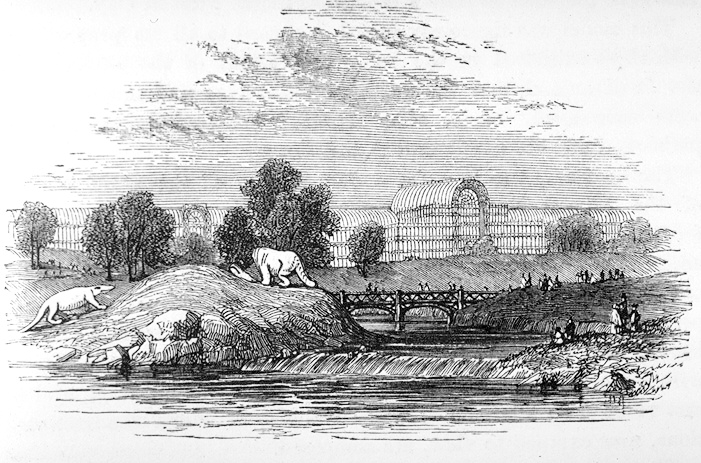
One of the most significant early milestones in dinosaur history wasn’t a fossil discovery but rather a public exhibition. In 1854, sculptor Benjamin Waterhouse Hawkins, under Owen’s direction, created the world’s first life-sized dinosaur reconstructions for the Crystal Palace Park in London. These sculptures, including Megalosaurus and Iguanodon, represented the first time the general public could visualize these ancient creatures. Though wildly inaccurate by modern standards—the Iguanodon was portrayed as a heavy quadrupedal animal with its thumb spike placed on its nose like a rhinoceros horn—these sculptures captured the Victorian imagination and helped popularize dinosaurs. Queen Victoria and Prince Albert themselves attended a dinner party hosted inside the unfinished Iguanodon model on New Year’s Eve 1853, symbolizing the royal seal of approval for this new science. The Crystal Palace Dinosaurs, which still stand today, provide a fascinating glimpse into the early understanding of dinosaurs and represent an important chapter in science communication history.
The Great American Dinosaur Rush
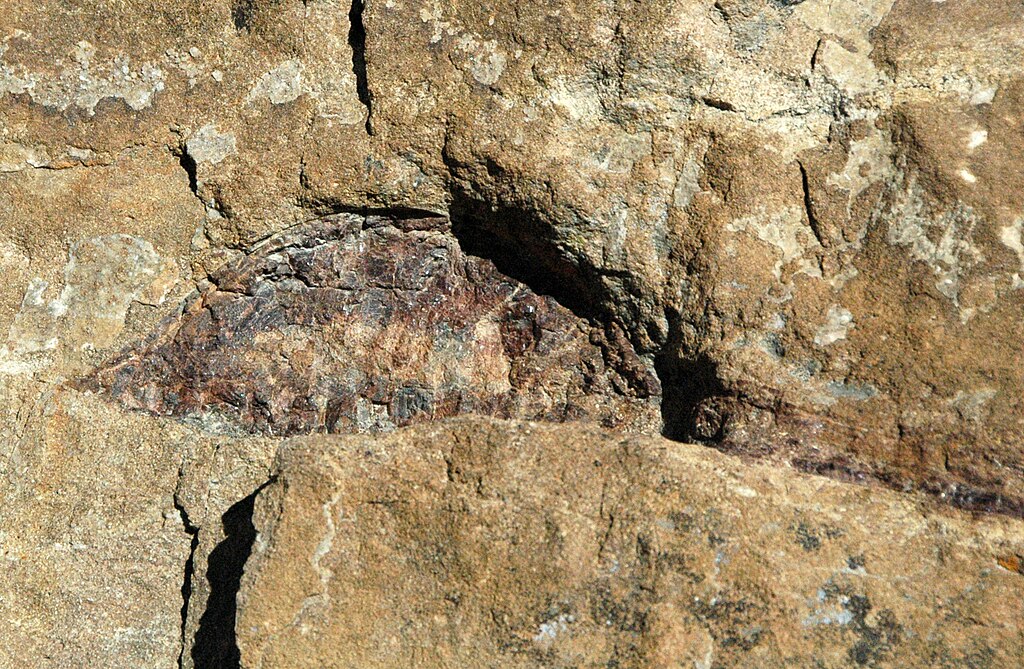
While Europe witnessed the first scientific descriptions of dinosaurs, it was in America that dinosaur paleontology truly exploded during what became known as the “Bone Wars” of the late 19th century. This period of intensive fossil hunting was driven by the bitter rivalry between paleontologists Edward Drinker Cope and Othniel Charles Marsh, who competed to discover, name, and describe as many new dinosaur species as possible. Their ferocious competition, while ethically questionable at times, led to the discovery of iconic dinosaurs like Triceratops, Stegosaurus, Diplodocus, and Allosaurus. The Bone Wars fundamentally transformed dinosaur science, shifting its center from Europe to America and vastly expanding the known diversity of dinosaur species. Between them, Cope and Marsh named more than 130 new dinosaur species, though modern reassessments have reduced this number considerably as some were duplicate descriptions or misidentifications. Nevertheless, their work expanded the scientific understanding of dinosaurs from a handful of specimens to a diverse and complex group of animals.
Barnum Brown and the Discovery of Tyrannosaurus Rex
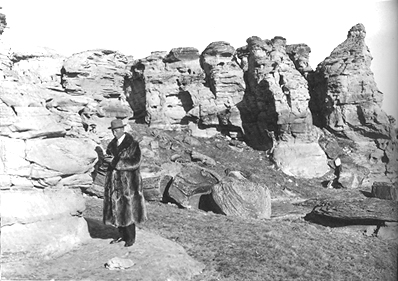
Perhaps no single dinosaur discovery has captured public imagination more than Tyrannosaurus rex, first discovered by paleontologist Barnum Brown in 1902 in the Hell Creek Formation of Montana. Brown, working for the American Museum of Natural History, excavated the partial skeleton of what would become the most iconic predator in Earth’s history. The formal description of T. rex by Henry Fairfield Osborn in 1905 revealed a creature of terrifying proportions, with massive jaws filled with banana-sized teeth. Brown’s discovery represented a new chapter in dinosaur paleontology, as it occurred during a period when scientific techniques were becoming more sophisticated and theoretical frameworks were evolving. The T. rex find also coincided with growing public fascination with dinosaurs, helping to cement these ancient creatures in popular culture. Brown, nicknamed “Mr. Bones,” would go on to discover numerous other dinosaur species during his long career, but his excavation of T. rex remains his most famous contribution to paleontology.
The Dinosaur Renaissance: Changing Views

For much of the early 20th century, dinosaurs were portrayed as slow, dim-witted, cold-blooded creatures doomed to extinction by their own inadequacies. This view began to change dramatically in the 1960s and 1970s during what became known as the “Dinosaur Renaissance,” led primarily by paleontologist John Ostrom. Ostrom’s discovery and analysis of Deinonychus, a small predatory dinosaur with clear adaptations for speed and agility, challenged prevailing views of dinosaurs as sluggish creatures. His work suggested that dinosaurs were active, possibly warm-blooded animals more akin to birds than reptiles. Another key figure in this paradigm shift was Robert Bakker, whose energetic advocacy for warm-blooded, active dinosaurs helped popularize this new view. The Dinosaur Renaissance fundamentally reframed our understanding of these ancient creatures, portraying them as successful, diverse animals rather than evolutionary failures. This conceptual shift connects directly back to those first fossil discoveries, showing how scientific understanding evolves as new evidence emerges and theoretical frameworks develop.
Modern Understanding of Early Discoveries

Modern paleontology has significantly revised our understanding of those first dinosaur discoveries. The Megalosaurus that Buckland described is now recognized as a large carnivorous theropod dinosaur that lived during the Middle Jurassic period, approximately 168 million years ago. With modern knowledge, we understand it was a bipedal predator with short forelimbs, unlike Buckland’s lizard-like reconstruction. Similarly, Mantell’s Iguanodon is now known to have been capable of both bipedal and quadrupedal locomotion, with the “horn” actually being a specialized thumb spike likely used for defense or feeding. Contemporary analysis methods, including CT scanning, microscopic examination of bone structure, and phylogenetic analysis, have allowed scientists to extract far more information from these historical specimens than their discoverers could have imagined. Despite these revisions, the work of these early pioneers remains foundational to dinosaur paleontology, demonstrating the cumulative and self-correcting nature of scientific inquiry.
The Cultural Impact of Dinosaur Discoveries

The discovery of dinosaur fossils has had an immeasurable impact on human culture, extending far beyond scientific circles. From the Crystal Palace sculptures to Michael Crichton’s “Jurassic Park,” dinosaurs have captured the public imagination like few other scientific subjects. They have become powerful symbols in popular culture, representing both the vastness of geological time and the dramatic changes Earth has witnessed. Children’s particular fascination with dinosaurs has been recognized as a phenomenon unto itself, often representing an early engagement with scientific concepts. Museums worldwide feature dinosaur exhibits as centerpiece attractions, drawing millions of visitors annually. This cultural resonance can be traced directly back to those first discoveries in England, demonstrating how scientific findings can transcend academic boundaries to become part of our shared cultural heritage. The enduring popularity of dinosaurs also highlights the importance of effective science communication, from early visual reconstructions to modern museum exhibits and documentaries.
Ongoing Discovery and Changing Perspectives
Nearly two centuries after those first scientific descriptions, dinosaur paleontology remains a vibrant, evolving field with new discoveries continuing to reshape our understanding. Recent decades have seen an explosion of dinosaur findings in previously unexplored regions, particularly in China, Argentina, and Africa, greatly expanding the known diversity of these animals. Advanced technologies like CT scanning, 3D modeling, and biochemical analysis have allowed paleontologists to extract unprecedented details from both new and historically collected fossils. Perhaps most significantly, the evolutionary relationship between dinosaurs and birds has been firmly established, with the recognition that birds are, in fact, living dinosaurs—the surviving descendants of small, feathered theropods. This contemporary understanding connects directly to those first fossil fragments described by Plot, Buckland, and Mantell, demonstrating the continuous refinement of scientific knowledge. What began with puzzling bones in English quarries has developed into a sophisticated field illuminating an entire lost world of extraordinary creatures.
The Legacy of the First Discoveries

The legacy of those first dinosaur discoveries extends far beyond establishing a new branch of science. These findings fundamentally challenged existing worldviews, contributing to the growing recognition that Earth had a history far longer and more complex than previously imagined. The study of dinosaurs helped establish the reality of extinction as a natural process, contradicting earlier beliefs that divine creation was fixed and unchanging. Early dinosaur discoveries also played a crucial role in the development of biostratigraphy—using fossils to date rock layers—which became essential to geological understanding. Perhaps most profoundly, these discoveries helped humanity recognize that we exist within an ongoing narrative of life on Earth, rather than as the culmination of creation. From those first curious bones emerged not just a scientific discipline but a new perspective on humanity’s place in the natural world—a perspective that continues to evolve as we uncover more evidence of Earth’s remarkable past.
The story of the first dinosaur fossils exemplifies how scientific discovery unfolds—not as a sudden revelation but through a gradual accumulation of evidence, shifting interpretations, and evolving theoretical frameworks. What began with curious naturalists examining strange bones has developed into a sophisticated scientific discipline integrating biology, geology, physics, and computer science. The journey from Plot’s “giant bone” to our current understanding of dinosaurs as diverse, complex animals spans nearly three and a half centuries of scientific inquiry. This history reminds us that science is both cumulative and self-correcting, with each generation building upon and sometimes revising the work of those who came before. As new technologies and methodologies continue to emerge, our understanding of dinosaurs will undoubtedly continue to evolve, but we will always owe a debt to those early pioneers who first recognized that Earth once hosted creatures beyond human experience—creatures that would forever change our understanding of life’s history.