The discovery of dinosaurs revolutionized our understanding of Earth’s history and introduced humanity to creatures so extraordinary they seemed mythical. Yet, unlike many scientific discoveries that emerged gradually, dinosaurs burst onto the scientific scene through a series of remarkable fossil findings and subsequent announcements in the early 19th century. This pivotal moment in paleontological history forever changed how we view our planet’s past and sparked a fascination with prehistoric life that continues unabated today. Let’s delve into the fascinating story of how dinosaurs were first introduced to the scientific community and the broader world.
The Pre-Dinosaur Scientific Landscape
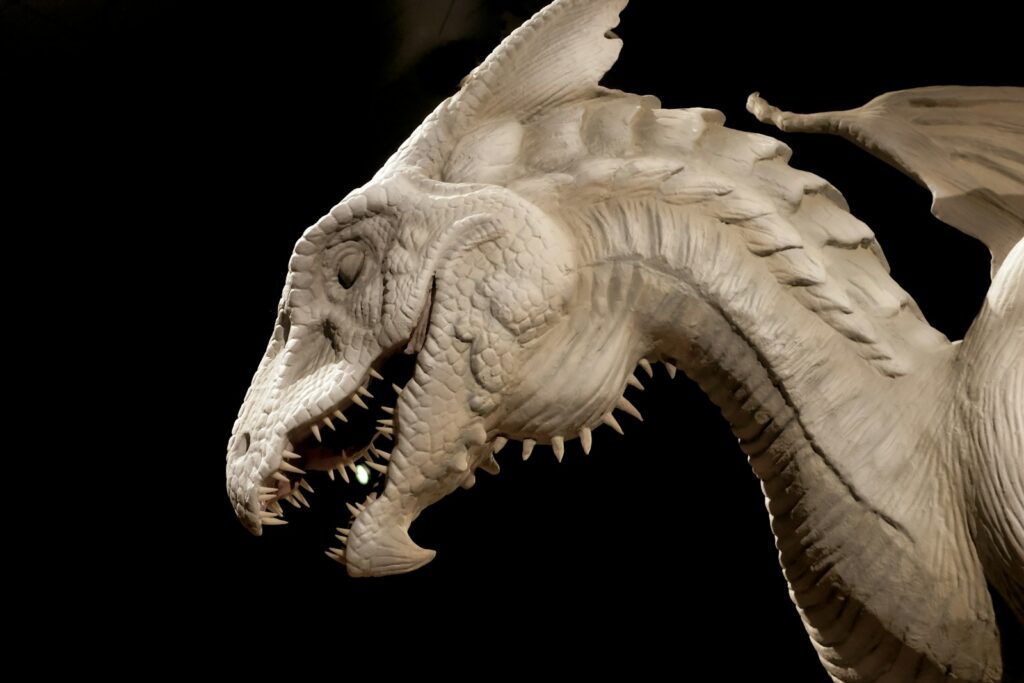
Before the concept of extinction entered scientific discourse, it was already a controversial topic among naturalists. In the late 18th and early 19th centuries, many scientists, including influential figures like Georges Cuvier, had begun acknowledging that certain creatures had disappeared from Earth, challenging previously held religious and scientific beliefs. Large fossilized bones had been discovered periodically throughout human history, though they were often misinterpreted as belonging to giants, dragons, or other mythological creatures. The intellectual framework for understanding prehistoric life was developing through geological studies that suggested Earth was far older than previously thought. This emerging understanding of “deep time” provided crucial context for what would become the revolutionary announcement of dinosaurs to the scientific community. The stage was set for a paradigm shift in how humans understood the history of life on our planet.
William Buckland’s Megalosaurus Discovery
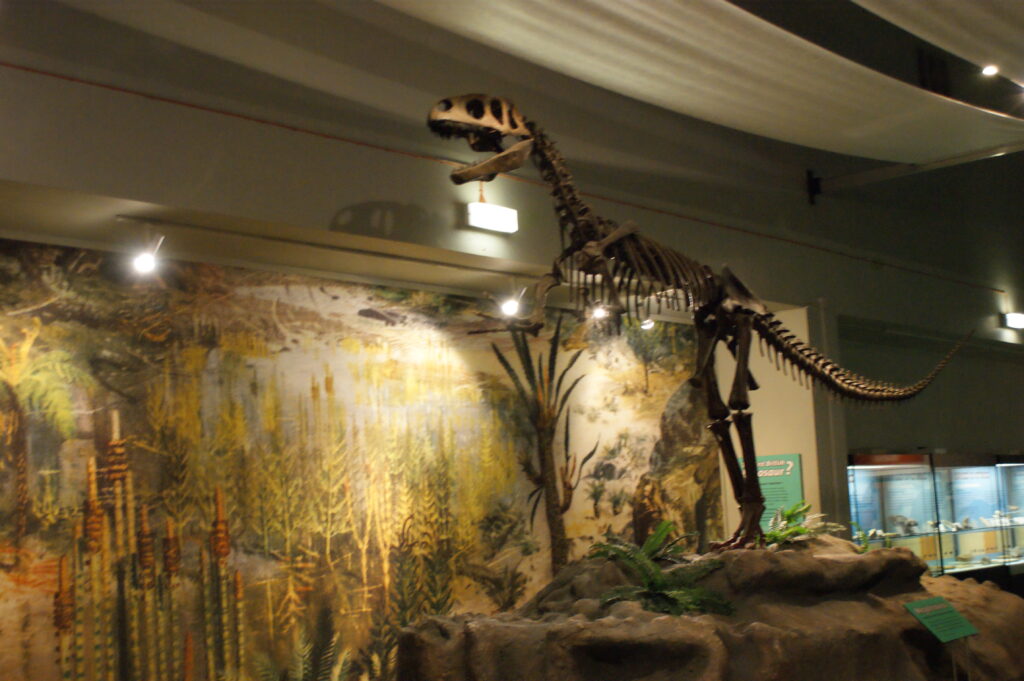
The story of dinosaurs’ scientific debut begins with William Buckland, an English theologian and geologist who taught at Oxford University. In 1824, Buckland presented a paper to the Geological Society of London describing unusual fossil remains found in slate quarries near Oxford. The fossils included a massive lower jawbone with teeth and several other bone fragments that belonged to an enormous reptile, unlike any living creature. Buckland named this ancient beast “Megalosaurus,” meaning “great lizard,” estimating it to be about 40 feet long and resembling a gigantic lizard of monstrous proportions. This presentation marked the first formal scientific description of what would later be classified as a dinosaur, though the term itself had not yet been coined. Buckland’s paper, titled “Notice on the Megalosaurus or Great Fossil Lizard of Stonesfield,” was published in 1824 in the Transactions of the Geological Society and represents the first scientific announcement of dinosaur remains to the world. His work was meticulous for its time, attempting to reconstruct the creature’s appearance and habits based on comparative anatomy.
Gideon Mantell and the Iguanodon Revelation
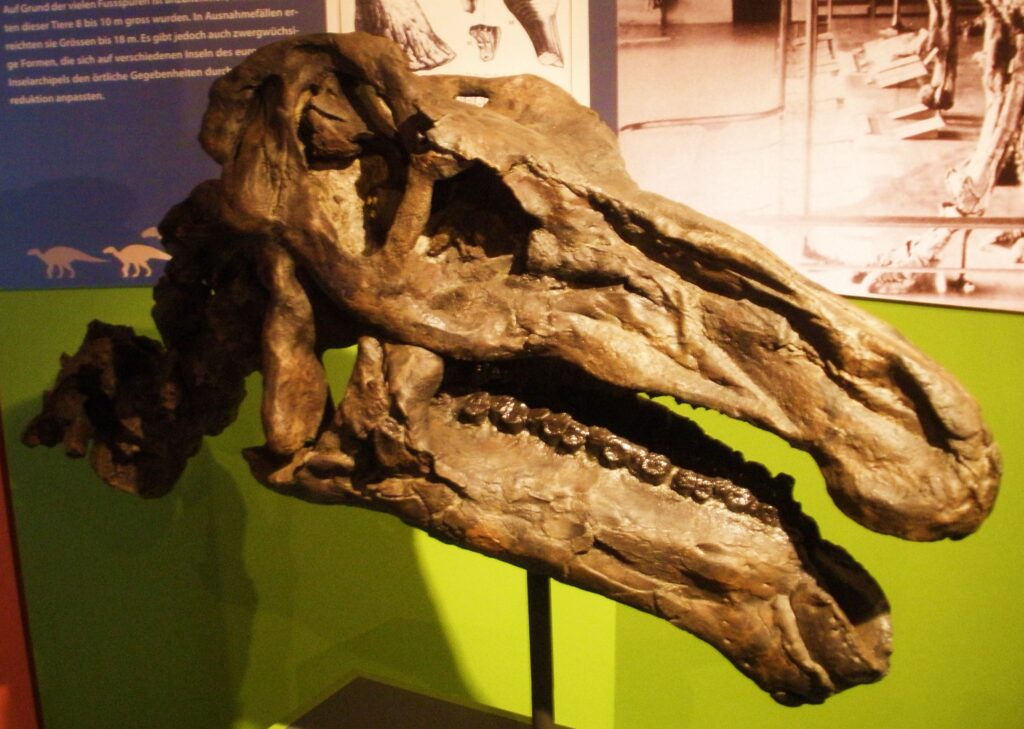
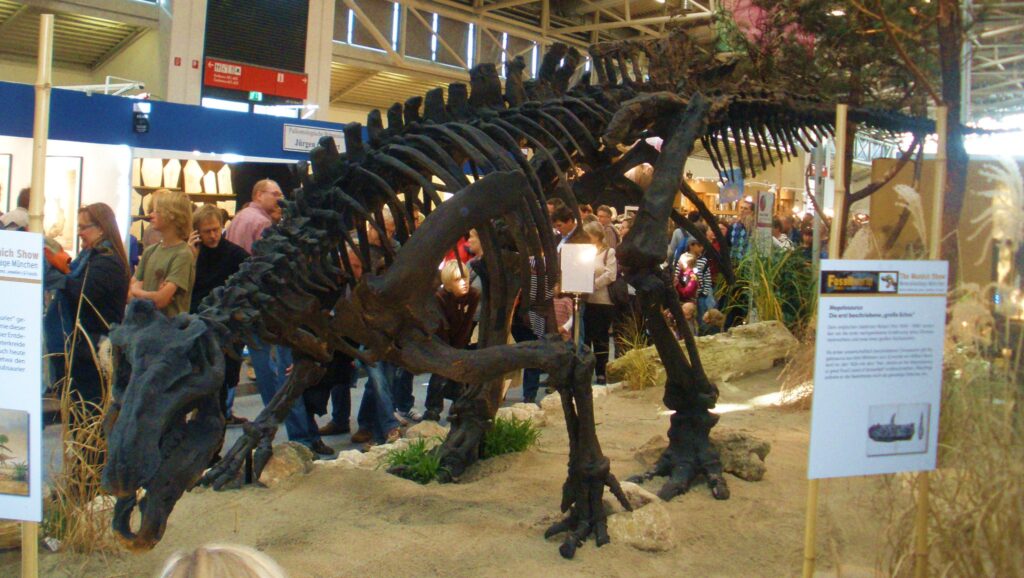
The second crucial figure in early dinosaur discovery was Gideon Mantell, an English obstetrician with a passionate interest in geology. In 1822, his wife Mary Ann reportedly discovered unusual fossilized teeth while he was visiting a patient in Sussex. After years of careful research and comparison, Mantell determined these belonged to a previously unknown herbivorous reptile. In 1825, shortly after Buckland’s Megalosaurus announcement, Mantell published his findings on what he named “Iguanodon,” meaning “iguana tooth,” due to the similarities he observed between the fossil teeth and those of modern iguanas, though greatly magnified in size. Mantell’s discovery was particularly significant as it demonstrated diversity among these ancient reptiles, revealing that not all were carnivorous like Megalosaurus. The announcement of Iguanodon further captured public imagination and scientific interest, setting the stage for recognition that these creatures represented an entirely new class of animals. Mantell’s contribution was made more remarkable by the fact that he worked outside the scientific establishment, conducting his research while maintaining his medical practice.
Richard Owen Coins the Term “Dinosauria”
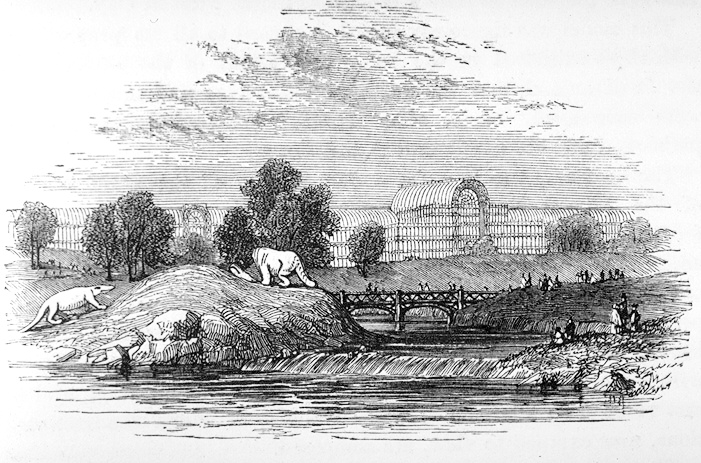
The pivotal moment in dinosaur history came in 1842 when British anatomist Richard Owen synthesized the growing body of fossil evidence. After studying the remains of Megalosaurus, Iguanodon, and a newly discovered genus called Hylaeosaurus, Owen recognized that these creatures shared distinctive anatomical features that set them apart from all other reptiles, living or extinct. In a report to the British Association for the Advancement of Science, Owen proposed grouping these creatures into a wholly new taxonomic category he named “Dinosauria,” derived from Greek words meaning “terrible lizard.” This taxonomic innovation formally announced dinosaurs as a distinct group of animals to the scientific world. Owen’s classification was revolutionary, as he recognized these creatures were not merely giant versions of modern reptiles but represented something entirely different—reptiles with upright posture more similar to mammals than to living reptiles. His announcement effectively created dinosaurs as a concept in both scientific understanding and public consciousness, giving these ancient creatures their identity and name that persists to this day.
The Crystal Palace Dinosaurs: The First Public Display
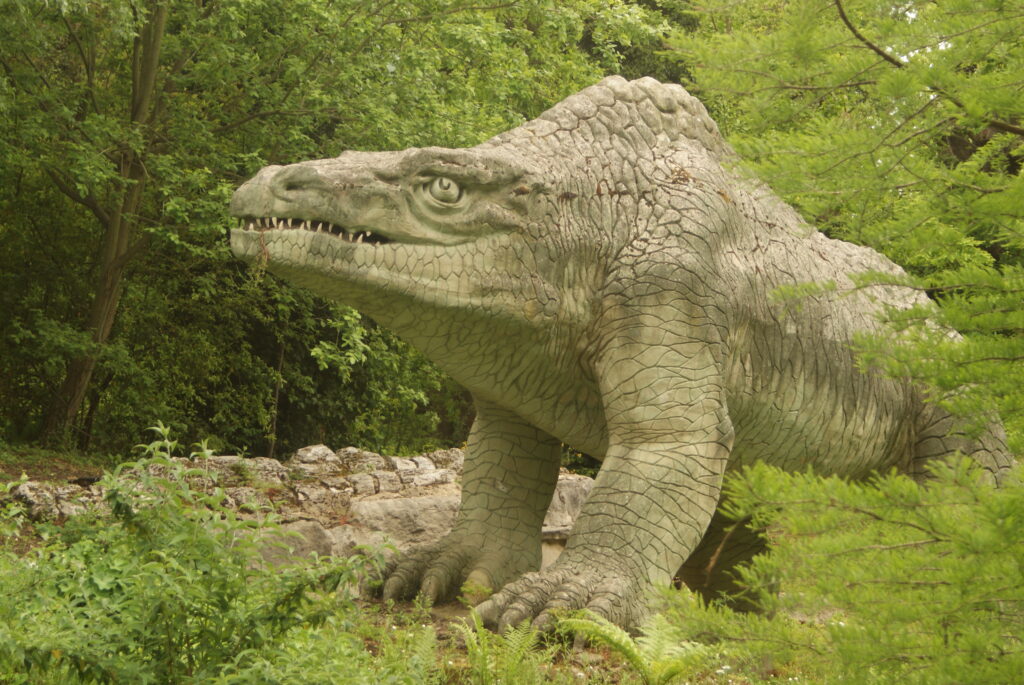
The first major public announcement of dinosaurs came not through scientific papers but through a spectacular exhibition that captured Victorian imagination. Following the Great Exhibition of 1851, entrepreneur Joseph Paxton developed Crystal Palace Park in London, commissioning sculptor Benjamin Waterhouse Hawkins to create life-sized models of extinct animals, including dinosaurs, under Owen’s scientific direction. Unveiled in 1854, these sculptures represented the first attempt to show the general public what dinosaurs might have looked like in life. Though wildly inaccurate by modern standards—depicting dinosaurs as quadrupedal, lizard-like creatures—these models were revolutionary for their time and brought dinosaurs vividly into public consciousness. Queen Victoria and Prince Albert attended a famous dinner party held inside the unfinished Iguanodon model on New Year’s Eve 1853, generating tremendous publicity. Thousands of ordinary citizens flocked to Crystal Palace Park to view these “antediluvian monsters,” making this the first time dinosaurs captured widespread public imagination and entered popular culture. The Crystal Palace dinosaurs still exist today as important historical monuments, providing a fascinating glimpse into how these creatures were first visualized and presented to an astonished public.
Early Misconceptions About Dinosaurs
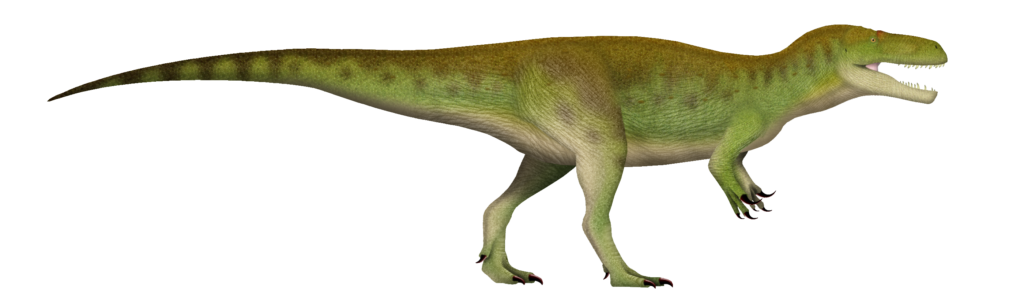
When dinosaurs were first announced to the world, they were portrayed quite differently from our modern understanding. Early reconstructions depicted dinosaurs as essentially giant lizards—slow, cold-blooded, and dragging their tails on the ground. Owen and his contemporaries envisioned creatures like Megalosaurus and Iguanodon as enormous quadrupedal reptiles, lacking the dynamic and diverse forms we now recognize. These misconceptions stemmed from limited fossil material and the tendency to interpret discoveries through the lens of familiar living animals. Another significant error was the placement of Iguanodon’s distinctive thumb spike on its nose, creating a rhinoceros-like appearance that persisted in reconstructions for decades. The early paleontologists couldn’t conceive of the remarkable diversity, specialized adaptations, and in many cases, the bird-like characteristics that we now know many dinosaurs possessed. These initial misconceptions reveal how scientific understanding evolves with new evidence, and how the first announcement of dinosaurs represented just the beginning of a continuing journey of discovery that continues to this day.
The Bone Wars: Dinosaur Discoveries Accelerate

Following the initial announcements of dinosaurs in Europe, the center of dinosaur discovery shifted dramatically to North America in the late 19th century. This period saw the infamous “Bone Wars” between paleontologists Edward Drinker Cope and Othniel Charles Marsh, whose bitter rivalry led to an explosion in dinosaur discoveries announced to the world. Between the 1870s and 1890s, these competing scientists announced dozens of new dinosaur species through scientific papers and sensational newspaper accounts that captivated public attention. Their teams raced to excavate sites across the American West, often resorting to sabotage, theft, and bribery in their quest to outdo each other. Despite their unethical tactics, their competitive announcement of discoveries like Allosaurus, Stegosaurus, Triceratops, and Diplodocus dramatically expanded scientific and public understanding of dinosaur diversity. The sheer number and variety of their findings transformed dinosaurs from a handful of curiosities to a rich and complex group of animals that dominated Earth for millions of years. Newspapers eagerly reported each discovery, making dinosaurs household names and creating the first true dinosaur celebrities in scientific circles.
Media Coverage of Early Dinosaur Announcements

The announcement of dinosaurs to the world was significantly amplified by the flourishing print media of the 19th century. Newspapers and illustrated magazines played a crucial role in translating scientific discoveries for general audiences, with publications like The Illustrated London News featuring dramatic engravings of the Crystal Palace dinosaurs and reports from geological society meetings. These media accounts often emphasized the monstrous and sensational aspects of dinosaurs, describing them in terms like “antediluvian monsters” and “terrible lizards” that captured public imagination. The language used was frequently biblical or mythological, placing dinosaurs in a narrative framework Victorian readers could understand. Scientific journals like the Philosophical Transactions of the Royal Society published the formal announcements, but it was the popular press that truly brought dinosaurs to widespread public attention. The timing coincided with increasing literacy rates and cheaper printing technologies, allowing dinosaur news to reach unprecedented audiences. This media coverage established a pattern of public fascination with dinosaur announcements that continues to this day, with discoveries still making front-page news around the world.
Public Reaction to the First Dinosaur Announcements

When dinosaurs were first announced to the world, public reaction ranged from wonderment to disbelief and even theological concern. Victorian society was grappling with rapidly changing ideas about Earth’s age and history, making the revelation of extinct giant reptiles particularly challenging to integrate into existing worldviews. Religious communities sometimes struggled to reconcile these prehistoric creatures with biblical accounts of creation, though many theologians, including Buckland himself, worked to harmonize these discoveries with religious understanding. For the general public, dinosaurs immediately captured imagination, with crowds flocking to museum displays of fossil bones and the Crystal Palace reconstructions. Contemporary accounts describe visitors expressing astonishment at the scale and strangeness of these ancient creatures. Entrepreneurial toymakers and publishers quickly capitalized on this fascination, producing dinosaur-themed merchandise, books, and educational materials. Public lectures on dinosaurs became popular events, with speakers like Mantell drawing large audiences eager to learn about these prehistoric wonders. The announcement of dinosaurs effectively created a new category in popular culture—the prehistoric monster—that would eventually evolve into a cornerstone of entertainment and education.
Scientific Controversy Surrounding Early Dinosaur Announcements

The announcement of dinosaurs to the scientific community was not without significant controversy and debate. Some naturalists initially questioned whether these fossils truly represented extinct creatures, suggesting instead that they might be abnormal specimens of living reptiles. Others accepted their extinction but disputed their classification, with debates arising over whether creatures like Megalosaurus should be grouped with lizards, crocodiles, or placed in entirely new categories. The limited fossil material available—often just fragments of jaws, teeth, or isolated bones—made definitive conclusions difficult and led to competing interpretations. Owen’s “Dinosauria” classification itself generated controversy, with some contemporaries questioning whether these creatures truly formed a natural group. Particularly contentious was Owen’s suggestion that dinosaurs were not typical reptiles but possessed some mammal-like characteristics, challenging existing taxonomic boundaries. Some religious scientists proposed these creatures had perished in Noah’s flood, while others suggested multiple creation events throughout Earth’s history. These scientific controversies played out in the pages of journals, at meetings of geological societies, and even in public lectures, demonstrating how the announcement of dinosaurs challenged existing paradigms and forced a reconsideration of life’s history.
The Role of Scientific Institutions in Dinosaur Announcements
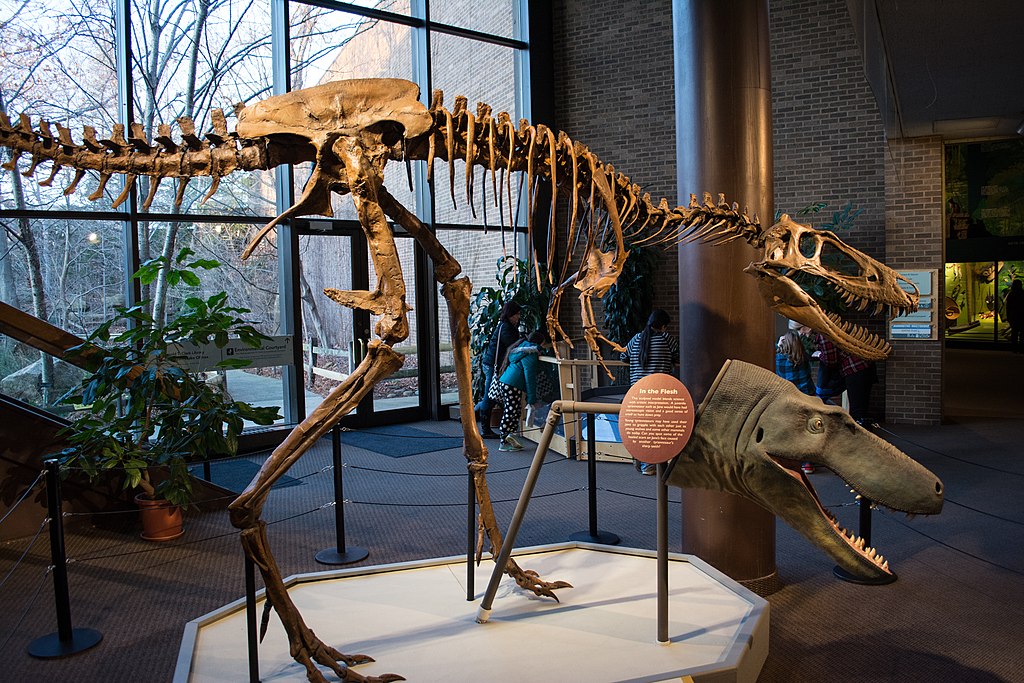
Scientific institutions played a crucial role in legitimizing and disseminating the first dinosaur announcements to both scholarly communities and the wider public. The Geological Society of London provided the platform for Buckland’s original Megalosaurus presentation, lending institutional credibility to what might otherwise have been dismissed as fantastical claims. The Royal Society published many of the earliest formal papers describing dinosaur remains, providing permanent scientific documentation of these discoveries. Museums rapidly became central to dinosaur announcements, with institutions like the British Museum (now the Natural History Museum) acquiring fossil specimens and creating public exhibitions that translated scientific findings into tangible experiences for ordinary citizens. The establishment of natural history museums across Europe and America created permanent venues where the public could encounter dinosaurs through fossils and reconstructions. These institutions employed specialists who could interpret finds and place them in broader scientific contexts. Oxford University, where Buckland taught, and later institutions like Yale University during the Bone Wars era, provided crucial resources, prestige, and intellectual frameworks that supported paleontological work. The institutional backing of these respected organizations helped transform dinosaurs from curiosities into serious scientific subjects worthy of scholarly and public attention.
How Early Dinosaur Announcements Changed Science
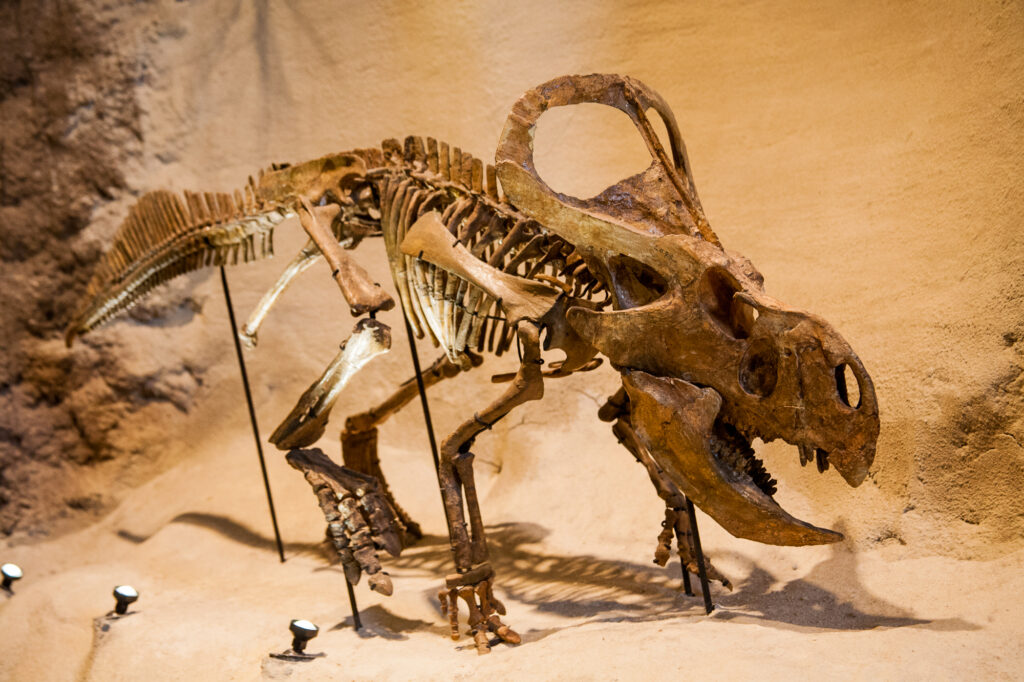
The announcement of dinosaurs to the world fundamentally transformed multiple scientific disciplines in ways that extended far beyond paleontology. Most significantly, dinosaurs provided compelling evidence for extinction as a natural process, helping to cement this once-controversial concept as a scientific fact. The sheer difference between dinosaurs and modern animals underscored the reality of profound biological change over time, lending support to emerging evolutionary theories that would be formalized with Darwin’s work in 1859. Geology benefited enormously as dinosaur discoveries contributed to the development of biostratigraphy—using fossil evidence to date rock layers and construct a more refined geological timescale. Comparative anatomy advanced significantly as scientists examined dinosaur bones alongside living creatures, developing new methodologies for reconstructing extinct animals from fragmentary remains. The announcement of dinosaurs also helped establish paleontology as a distinct scientific discipline with its methodologies, publications, and professional identities, rather than merely a subset of geology or comparative anatomy. Perhaps most profoundly, dinosaurs expanded scientific and public conception of Earth’s timeline, helping humanity grasp the true vastness of “deep time” and our relatively recent arrival on a planet with a long and complex history before human existence.
The Legacy of the First Dinosaur Announcements

The legacy of those first dinosaur announcements in the 1820s and 1840s extends far beyond scientific circles into virtually every aspect of modern culture. Dinosaurs rapidly became cultural icons, appearing in literature, art, film, and eventually becoming mainstays of children’s media and education. The Crystal Palace models established a template for dinosaur exhibitions that evolved into the sophisticated museum displays and theme park attractions we see today. Scientifically, those initial announcements launched a field of study that continues to yield remarkable discoveries, with new dinosaur species still being announced at a rate of approximately 50 per year. Our understanding of dinosaurs has been completely transformed—from the lumbering, cold-blooded reptiles first announced to the diverse, often feathered, dynamic animals of modern paleontology—yet this ongoing revolution builds directly upon those first scientific descriptions. Perhaps most significantly, the announcement of dinosaurs to the world helped establish a model for how scientific discoveries enter public consciousness, creating a template for specialist findings being translated into popular understanding through museums, media, and educational materials. When we see children today who can confidently pronounce “Tyrannosaurus” before they can read, we’re witnessing the enduring impact of those momentous first announcements that introduced humanity to the “terrible lizards” that once ruled our planet.
Conclusion

The announcement of dinosaurs to the world marks one of the most significant moments in scientific history—a point when humanity’s understanding of Earth’s past expanded dramatically. From Buckland’s first Megalosaurus paper to Owen’s creation of “Dinosauria” and the Crystal Palace sculptures that brought these creatures to life for Victorian audiences, each step in this announcement process built upon the last to create something revolutionary. These discoveries challenged existing paradigms about life’s history and Earth’s age, forcing both scientific and theological reconsiderations. Nearly two centuries later, we continue to announce new dinosaur species to the world, each finding building upon that first momentous introduction. The enduring fascination with dinosaurs—from scientific research to Hollywood blockbusters—demonstrates how profoundly these initial announcements changed not just science, but human culture itself.