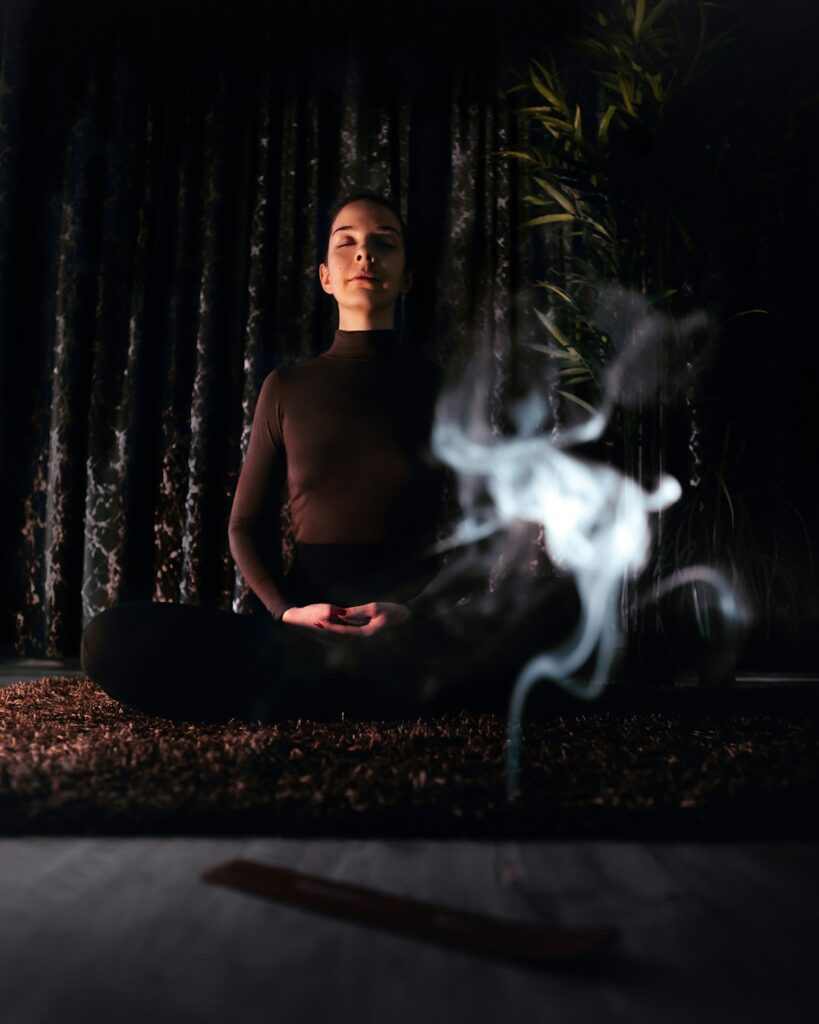

Entering the Zone: A Timeless Psychological Discovery (Image Credits: Unsplash)
In an era where daily pressures mount relentlessly, psychologists have identified a powerful mental condition that offers profound calm and focus amid chaos.
Entering the Zone: A Timeless Psychological Discovery
Psychologist Mihaly Csikszentmihalyi first described the flow state in the 1970s, drawing from observations of artists and athletes who lost track of time during intense immersion. This state emerged as a key to optimal experience, where individuals reported heightened satisfaction and reduced anxiety. Researchers later confirmed through studies that flow occurs when challenges match skills perfectly, creating a sense of effortless control. Participants in experiments often noted that hours passed unnoticed, with external worries fading into the background. Such immersion not only captivated the mind but also triggered measurable drops in stress hormones like cortisol.
Flow differs from mere relaxation; it demands active engagement, yet it paradoxically eases mental strain. Early investigations revealed that people in flow experienced fewer intrusive thoughts, a common trigger for stress. This discovery reshaped views on productivity, showing that deep focus could serve as a natural antidote to tension. Over decades, flow has influenced fields from education to workplace design, emphasizing its role in enhancing mental resilience.
How Flow Counters the Physiology of Stress
Chronic stress activates the body’s fight-or-flight response, flooding the system with cortisol and adrenaline, which over time erode mental health. Flow interrupts this cycle by shifting attention to the present task, diminishing rumination on past failures or future fears. Neuroimaging studies have shown increased activity in brain regions associated with focus and reward during flow, while stress-related areas quiet down. This balance promotes neuroplasticity, helping the brain adapt better to pressures. Individuals practicing flow-inducing activities reported up to 30% reductions in self-perceived stress levels in controlled trials.
The mechanism involves a harmonious blend of challenge and capability, preventing the boredom that breeds anxiety or the overwhelm that amplifies it. As flow sustains engagement, it releases endorphins, natural mood elevators that counteract stress’s corrosive effects. This physiological harmony explains why flow feels invigorating rather than exhausting, leaving practitioners refreshed. Long-term adoption of flow states has linked to lower incidences of burnout in high-pressure professions.
Key Benefits Beyond Stress Reduction
Flow enhances overall psychological well-being by fostering a sense of mastery and purpose. People who regularly enter this state often describe improved creativity, as divergent thinking flourishes without self-criticism. In educational settings, students in flow absorbed material more deeply, leading to better retention and motivation. Athletes and performers have long harnessed flow for peak performance, but its applications extend to everyday tasks like writing or cooking. This mental mode also strengthens emotional regulation, making individuals more resilient to life’s ups and downs.
Research highlights flow’s role in combating depression symptoms through sustained positive experiences. Unlike passive distractions such as scrolling social media, flow builds intrinsic rewards that endure. Professionals in flow reported higher job satisfaction and fewer sick days, underscoring its broader health impacts. These advantages position flow as a versatile tool for mental maintenance in modern life.
Practical Ways to Invite Flow into Your Routine
Start by selecting activities that align with your skills and spark intrinsic interest, such as painting or coding. Set clear goals to provide direction, then eliminate distractions to maintain immersion. Begin with short sessions, aiming for 20-30 minutes, and gradually extend as focus builds. Feedback loops, like tracking progress in a journal, reinforce the experience. Incorporate flow during commutes or breaks by listening to engaging podcasts that demand attention without overload.
To cultivate flow consistently, experiment with environmental tweaks: dim lighting or ambient music can signal the brain to dive in. Pair challenging tasks with immediate rewards to sustain motivation. If flow eludes you initially, practice mindfulness to heighten present-moment awareness, a precursor to immersion. Over time, these habits transform routine activities into stress-busting opportunities.
- Choose tasks with immediate feedback, like playing an instrument.
- Match difficulty to your expertise to avoid frustration.
- Minimize interruptions with dedicated time blocks.
- Reflect post-session to identify what triggered the state.
- Build variety to prevent habituation and sustain engagement.
Key Takeaways
- Flow state reduces cortisol and intrusive thoughts, offering natural stress relief.
- It boosts creativity, performance, and emotional resilience through focused immersion.
- Daily practice via skill-matched activities integrates flow into ordinary life for lasting benefits.
Embracing the flow state reveals a pathway to inner peace, proving that true relief often lies in deep, purposeful engagement rather than escape. As pressures persist, this mental sanctuary remains accessible to anyone willing to pursue it. What experiences have you had with flow, and how has it shaped your approach to stress? Share your thoughts in the comments.