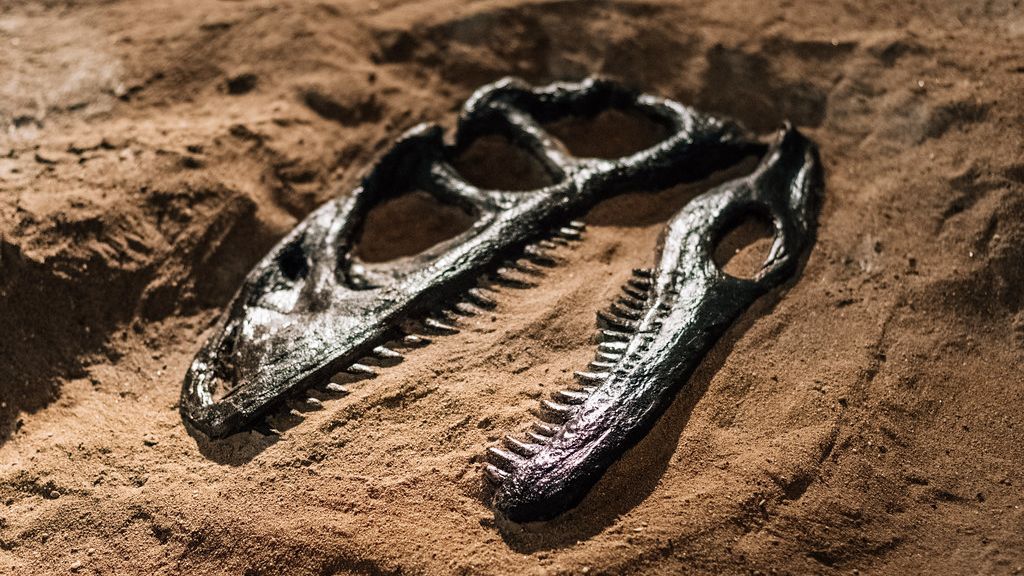
It is a bit mind-bending to realize that entire worlds of forests rose, thrived, and vanished long before the first dinosaur ever left a footprint in the mud. When most of us picture ancient Earth, we jump straight to towering sauropods and snapping raptors, but the story starts hundreds of millions of years earlier, in landscapes that would have felt both familiar and alien at the same time. Imagine dense groves of tree-like plants with no flowers, no grass, and often not a single bird song in the air, because birds and even dinosaurs did not exist yet.
These pre-dinosaur forests reshaped the atmosphere, locked away colossal amounts of carbon, and literally built the coal that powered the Industrial Revolution. They also hosted some of the strangest organisms our planet has ever produced, from giant fungi-trees to scorpion relatives the length of your arm. Once I really dug into this topic, I couldn’t help feeling a mix of awe and discomfort: these forests are a reminder that the world can be utterly different and still feel like a forest. Let’s walk through these deep-time woodlands and get to know the forests that existed long showed up.
The First Forests: Devonian Earth Discovers Trees
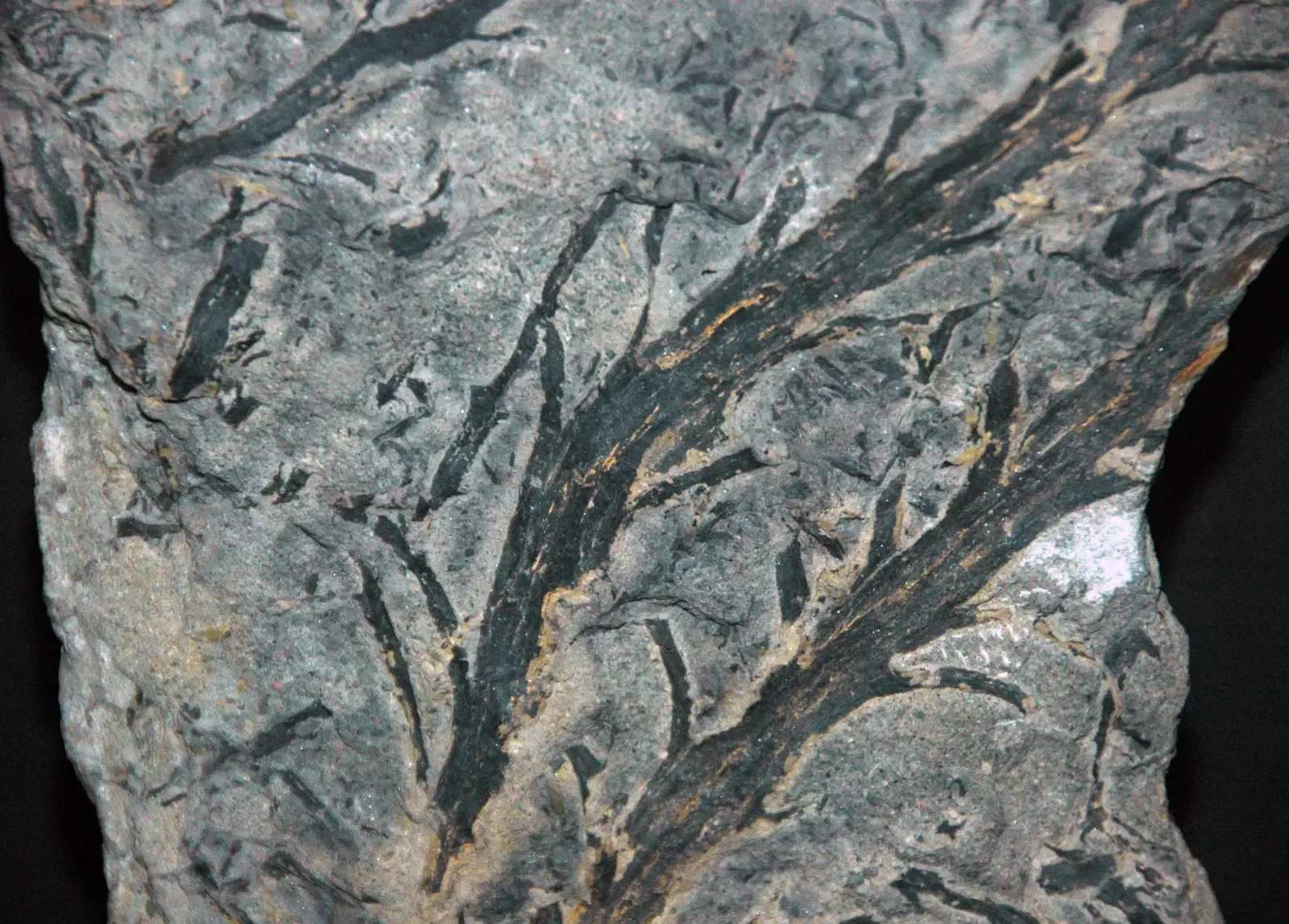
Here is the shocking part: for more than three billion years of Earth’s history, there were no trees at all. Forests are a relatively late invention, appearing in a big way during the Devonian Period, roughly between about four hundred and about three hundred and sixty million years ago. Before that, land was mostly bare rock, thin soils, and low-growing plants clinging close to the ground along rivers and coastlines. Then a few plant lineages started experimenting with height, wood, and deep roots, and the planet changed forever.
These earliest forests formed along swampy floodplains and river systems, a bit like mangroves or riparian forests today, but made of very different organisms. As these pioneers grew taller and developed stronger stems, they captured more sunlight and began to shade out smaller competitors. Their roots dug deeper, breaking rocks, stabilizing sediments, and helping form richer soils. In the process, they pulled enormous amounts of carbon dioxide from the air and released oxygen, gradually steering the climate and atmosphere toward something closer to the world we recognize now.
The Gilboa Forest: A Stone-Frozen Devonian Woodland
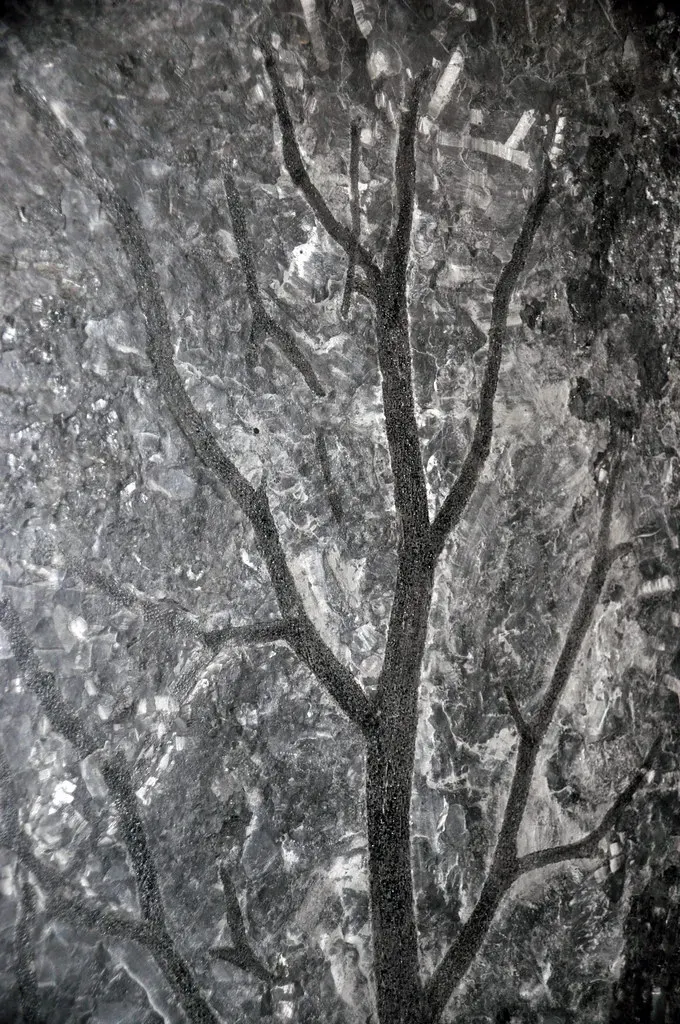
One of the most famous windows into pre-dinosaur forests comes from Gilboa in New York State, where an Early Devonian forest was effectively preserved in stone. There, paleontologists found fossilized tree stumps rooted exactly where they once grew, like a ghostly petrified woodland frozen mid-life. These trees were not oaks or pines, but primitive relatives with different anatomies and growth patterns, some belonging to the group called cladoxylopsids, which did not survive into modern times. Walking through that forest would have felt like stepping into an alternate version of Earth, where evolution tried out ideas that later disappeared.
The Gilboa forest shows us that by this time, plants had already learned to form multi-layered communities, with taller trees, understory plants, and ground cover. The trees themselves were often slender with sparse crown branches at the top, loosely resembling palm trees but built on entirely different blueprints. Their root systems were surprisingly well developed and anchored in floodplain soils, hinting at how early forests stabilized landscapes. When I first saw the reconstructions, I was struck by how “in-between” everything looked: not quite the bare, alien land of earlier times, but not yet the richly diverse woodlands that would come later.
Lycopod and Fern Forests: Giants of the Carboniferous
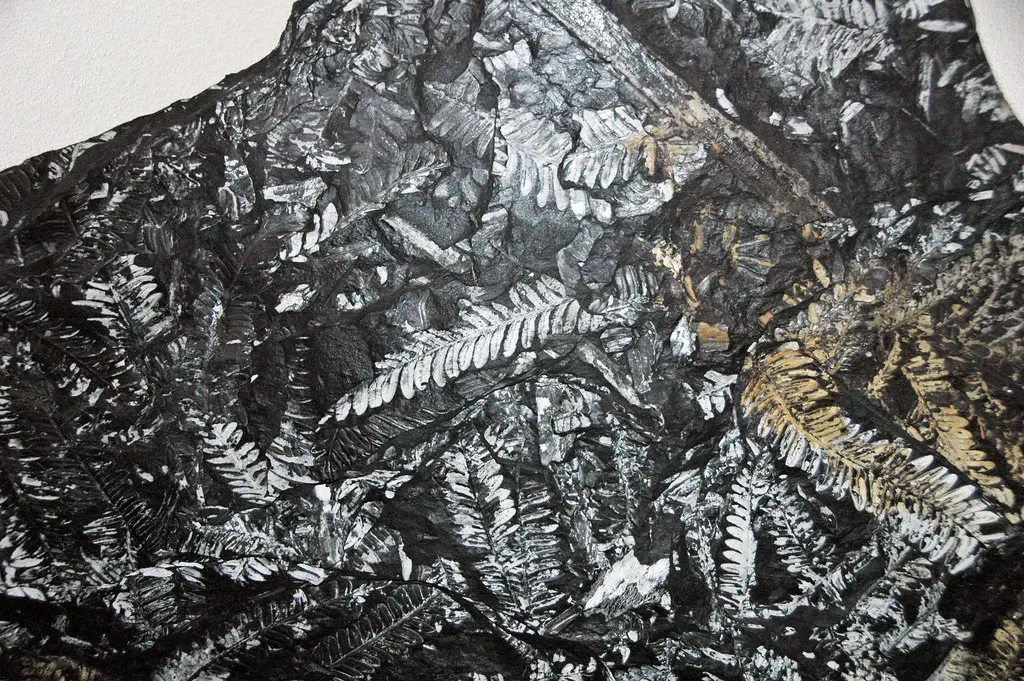
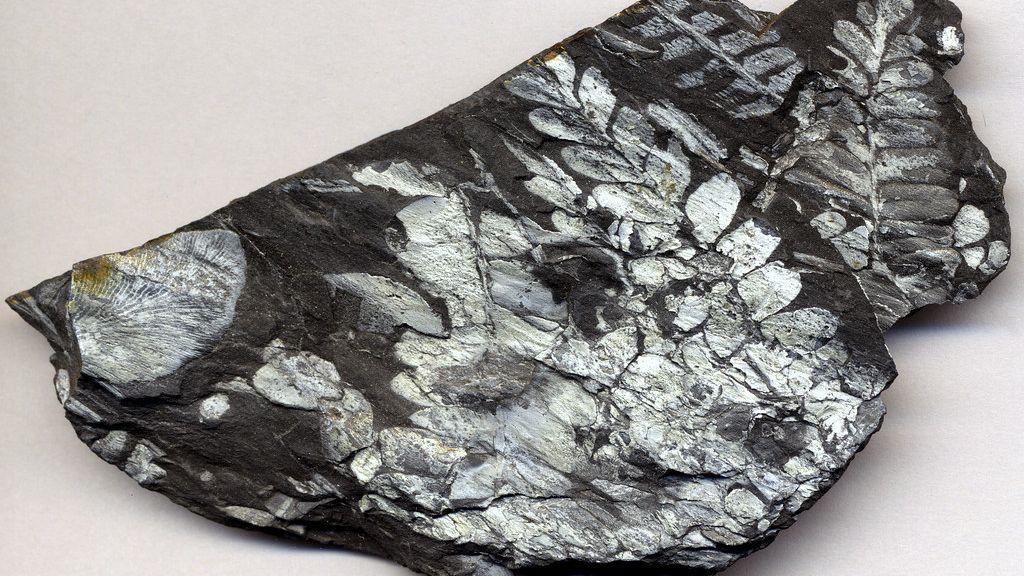
If you have ever heard that our coal comes from ancient swamps, you are usually hearing about the Carboniferous Period, roughly between about three hundred and sixty and about three hundred million years ago. This era was dominated by vast, humid lowland forests built mostly from giant lycopods (clubmoss relatives) and tree ferns, plus early seed plants. Some lycopods reached heights that rivaled modern trees, with thick, scaly trunks and tufted crowns of narrow leaves. Instead of forming wood like modern conifers and hardwoods, many of these giants relied on dense outer tissues and inner support systems that would look unfamiliar under the microscope.
These forests spread across equatorial regions, forming endless swampy wetlands that were soggy, lush, and probably buzzing with early insects and arthropods. When trunks and plant debris fell into waterlogged, oxygen-poor environments, they decayed very slowly and built up thick layers of plant matter. Over millions of years, that organic material was buried, compressed, and transformed into coal seams that people would eventually mine and burn. In a strange twist, the forests that once pulled carbon from the atmosphere to cool the planet became, via human activity, a major driver of modern climate change.
An Oxygen-Rich World of Giant Arthropods
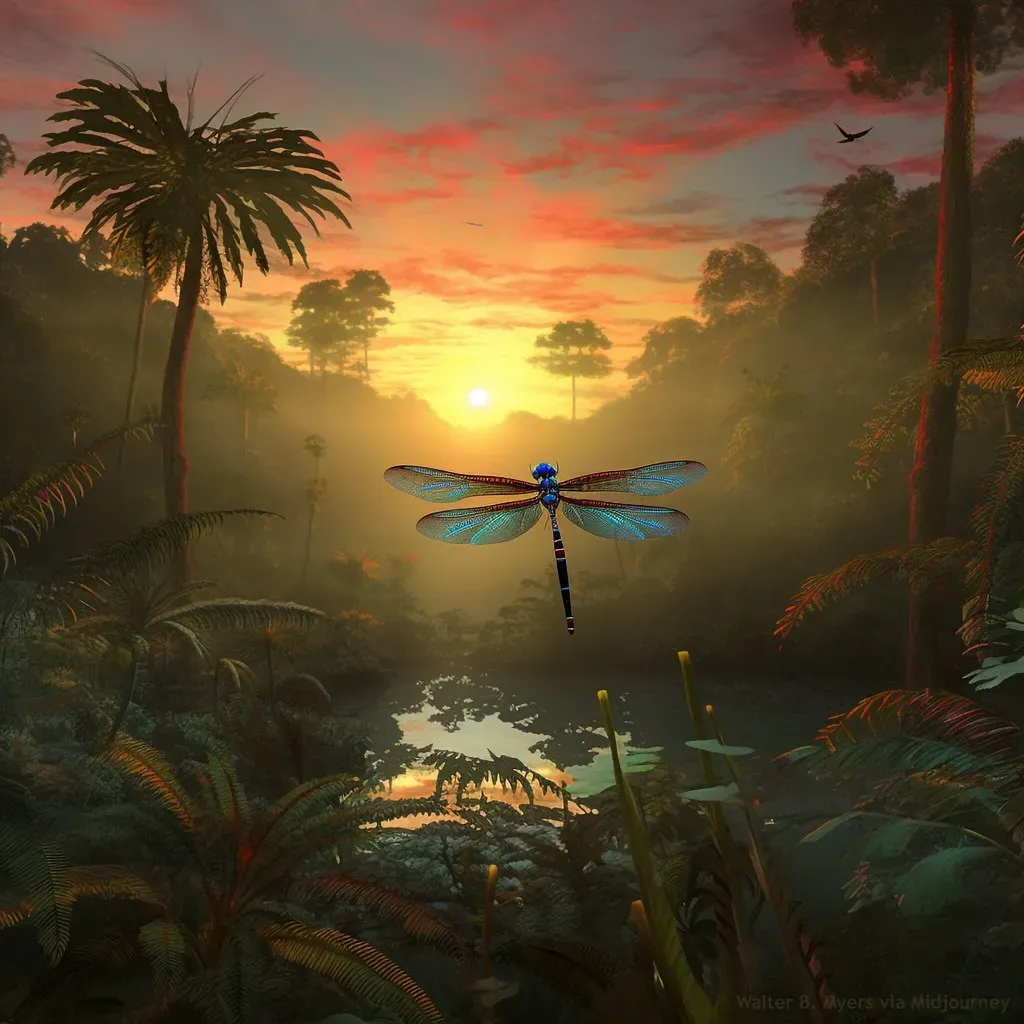
The Carboniferous forests did more than create coal; they also contributed to one of the most extreme atmospheres Earth has ever had. As these plants carried out photosynthesis and buried organic carbon, atmospheric oxygen levels climbed far above modern levels. Some estimates suggest that oxygen may have reached roughly about one third of the atmosphere at times, compared with about one fifth today. This oxygen-rich air allowed arthropods to grow to sizes that feel almost like science fiction to us.
In and around these forests lived dragonfly relatives with wingspans wider than a human arm, enormous millipede-like animals that could stretch longer than a person is tall, and hefty scorpion cousins roaming the forest floor and swamps. The idea of walking through that forest gives me mixed feelings: on one hand, it would be beautiful and dense with plant life; on the other, you might look up and see a dragonfly the size of a seagull sailing overhead. These creatures relied on diffusion of gases through their body surfaces and tracheal systems, and higher oxygen made that process more efficient, effectively lifting the size limit for their bodies.
The Rise of Seed Plants and the First Conifer-Like Trees
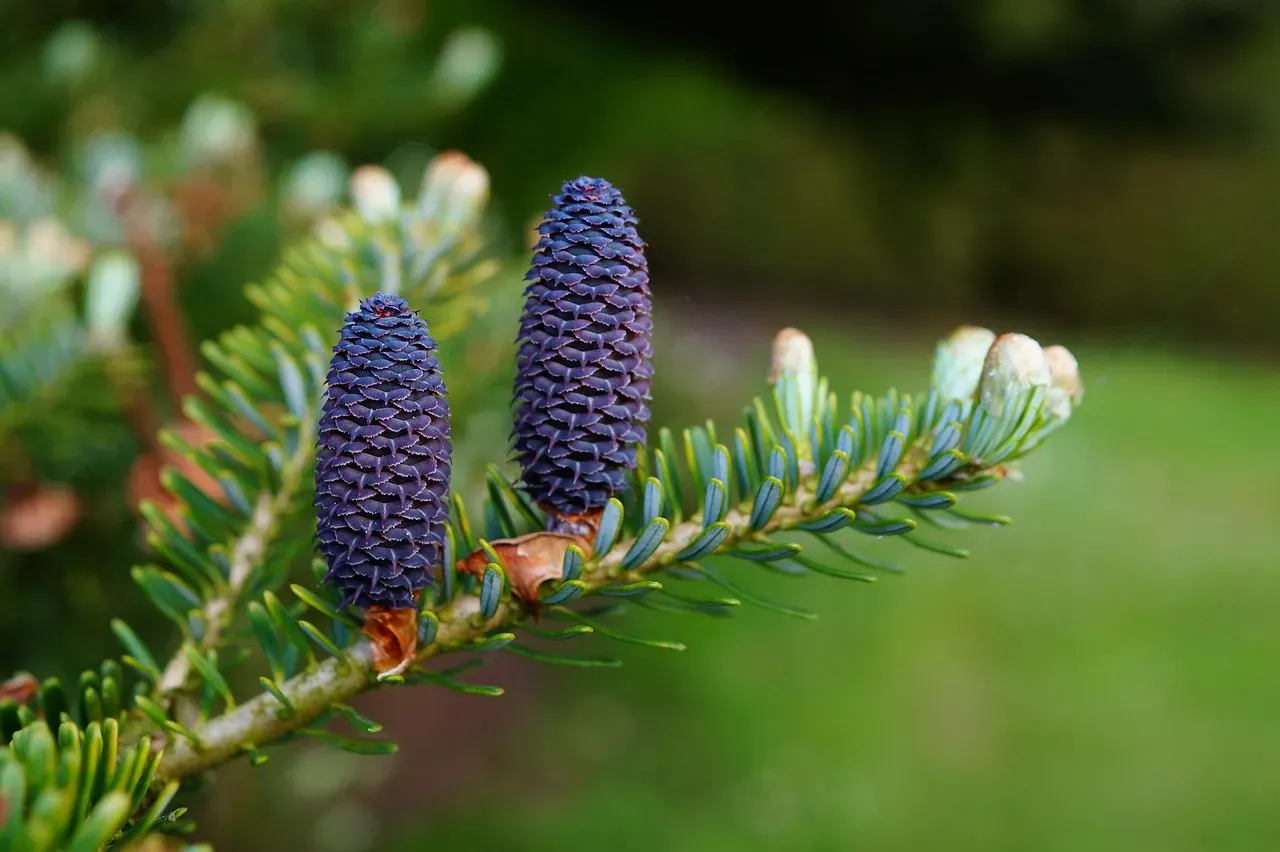
While spore-bearing giants like lycopods and ferns dominated the early forest story, another innovation was quietly reshaping the landscape: seeds. During the late Devonian and into the Carboniferous and Permian periods, seed plants, including early gymnosperms, began to spread. Seeds are like tiny time capsules, packaging an embryo and food supply in a protective coat, allowing plants to reproduce in drier conditions and travel farther from water. This gave seed plants a big survival advantage as climates shifted and some swamp forests declined.
Among these seed plants were some of the first conifer-like trees, ancestors or relatives of what we now recognize in pines, spruces, and their kin. These trees tended to have more robust, woody trunks and needle-like or scale-like leaves, better adapted to seasonal or drier environments than their swamp-loving predecessors. As a result, older lycopod-dominated swamps started to give way, in many regions, to forests where seed plants played the starring role. I find this phase especially powerful because it shows evolution solving the problem of unpredictability: when water came and went, seeds made sure the forest’s story could keep going.
Permian Forests and a World on the Edge
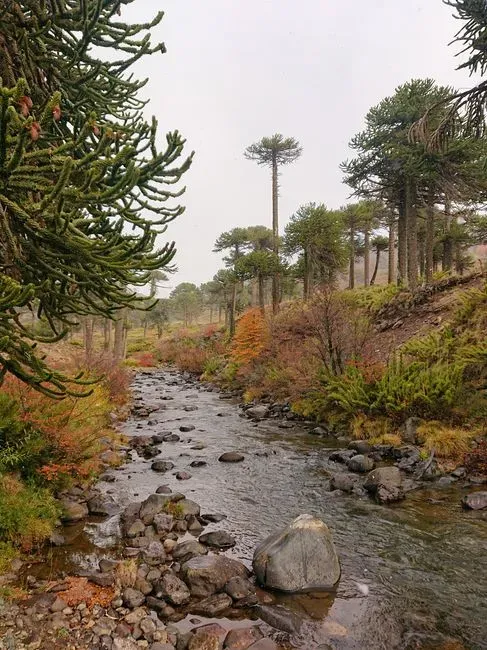
By the Permian Period, which ran from roughly about two hundred and ninety-nine to about two hundred and fifty-two million years ago, Earth’s continents had drifted together into the supercontinent Pangaea. Forests now grew not only in wet lowlands but also up onto drier uplands and continental interiors, thanks largely to seed plants like conifer relatives, seed ferns, and other gymnosperms. These Permian forests would probably have looked a bit more familiar to us than the spore-forests of the Carboniferous, though still no flowers, no grasses, and no dinosaurs. The climate in many areas was seasonal, even harsh, demanding hardier plant strategies.
Permian forests coexisted with increasingly diverse land vertebrates, including the synapsids that would eventually give rise to mammals. Some of these animals browsed on foliage and seeds, adding new layers of interaction between plants and animals. But the Permian was also a time of growing instability, with shifting climates and environmental stress building toward something catastrophic. The forests were not just passive background; they were active participants in water cycling, soil formation, and atmospheric composition, all of which fed into a global system that was becoming more fragile.
The Great Dying: When Ancient Forests Nearly Vanished
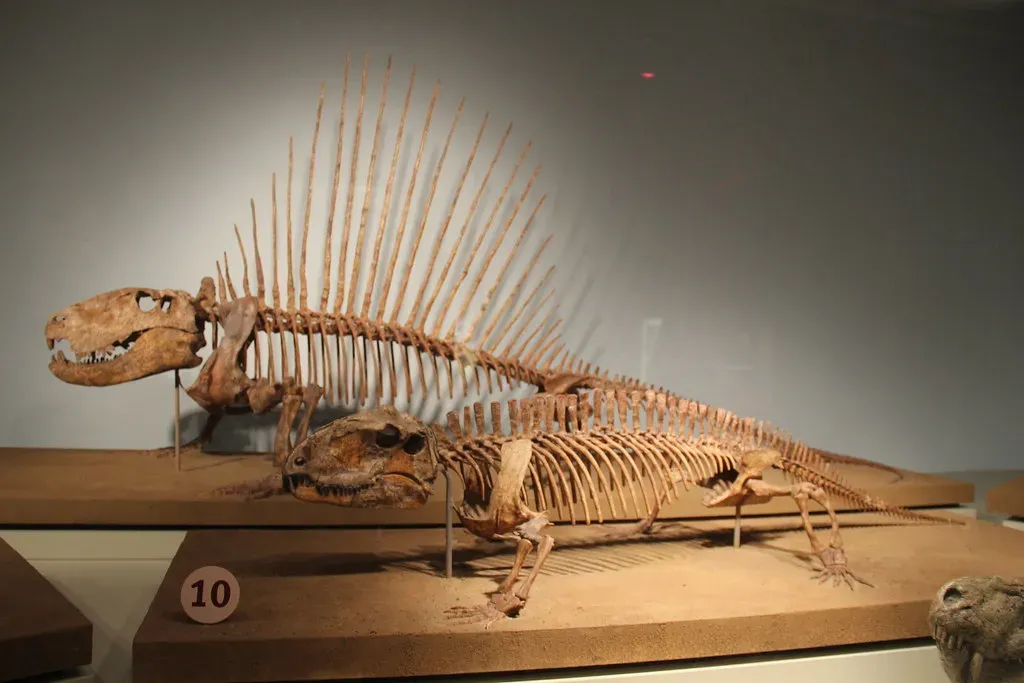
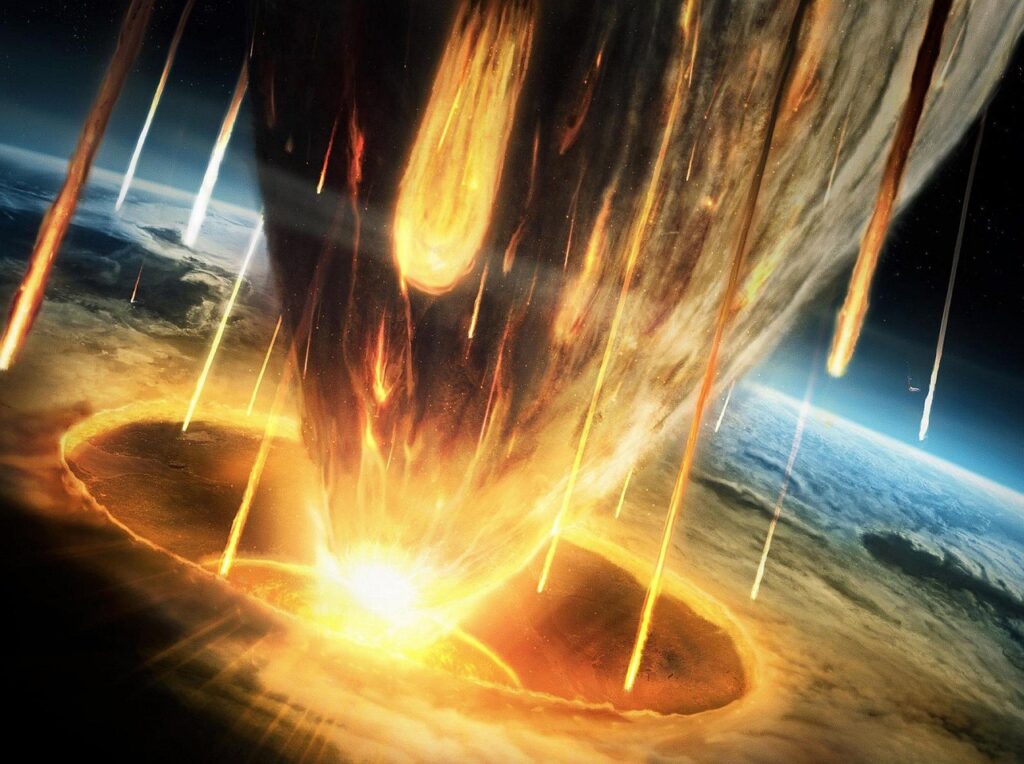
At the end of the Permian, Earth experienced the most severe mass extinction event known, often called the Great Dying. A combination of massive volcanic eruptions, rapid climate warming, ocean chemistry changes, and likely wildfires and acid rain hammered both land and sea. Many forest types that had dominated for tens of millions of years collapsed, with whole groups of plants, including several seed-fern and lycopod lineages, disappearing or shrinking drastically. In some regions, the fossil record shows layers where tree pollen almost vanishes and is replaced by hardy spores from opportunistic plants that colonize disturbed ground.
In the aftermath, landscapes that had been shaded and lush became more open, eroded, and, in many places, bleak. It took millions of years for forest ecosystems to recover anything like their previous complexity. In that long recovery phase, new kinds of gymnosperm forests arose, setting the stage for the ecosystems that would eventually host dinosaurs in the Triassic. I have a strong opinion about this event: we often talk about dinosaur extinctions, but the Permian destruction of forests was arguably even more profound, showing just how quickly a living, wooded planet can be knocked down when multiple stresses hit at once.
Why Pre-Dinosaur Forests Still Matter Today
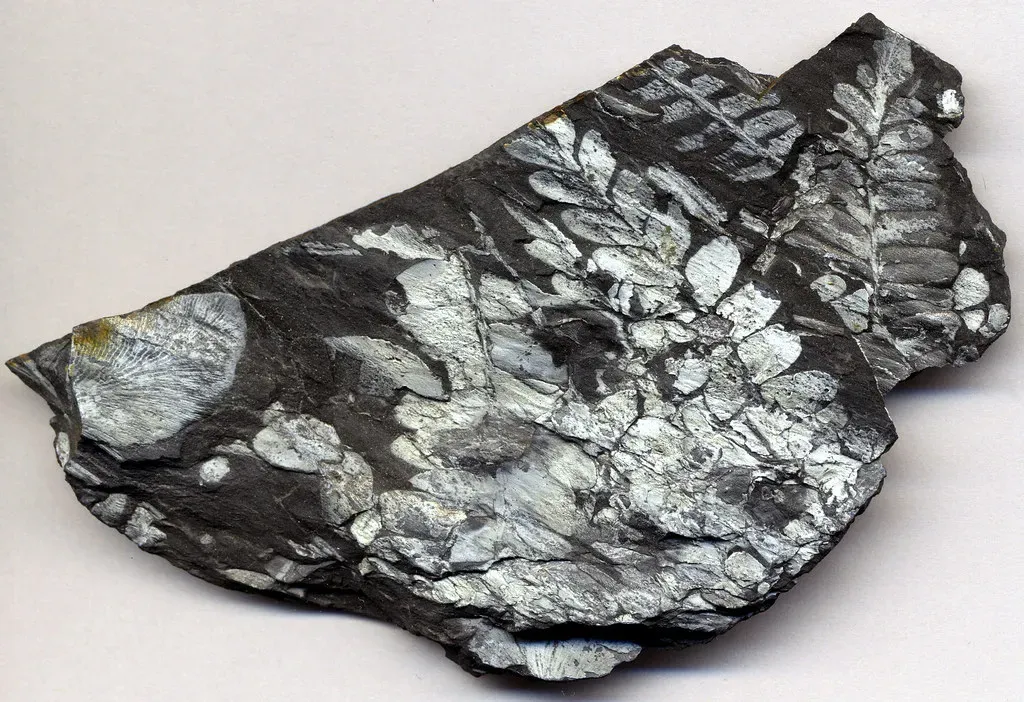
It might be tempting to treat these deep-time forests as nothing more than interesting trivia, but they are quietly woven into our daily lives. The coal they created powered factories, trains, and power plants, shaping economies and societies in ways that echo into this century. The atmospheric shifts they caused, particularly the drop in carbon dioxide and rise in oxygen during the Devonian and Carboniferous, influenced the evolution of animal life, including the eventual emergence of vertebrates that could thrive on land. On a more philosophical level, they reveal that Earth’s forests are not static backdrops but dynamic, world-altering systems.
They also serve as a sobering mirror for our own age. Those ancient forests changed the climate over millions of years; today, we are changing it over mere centuries by burning their compressed remains. When I read about lycopod swamps turning into coal that is now driving global warming, it feels like a cosmic irony with a sharp edge. If pre-dinosaur forests could rewrite the planet simply by living and dying, we should not be surprised that our actions toward modern forests have huge consequences. The forests remind us that Earth will keep evolving new ecosystems, with or without us; the real question is whether we want to be around to see what grows next. Did you expect these forgotten forests to be so tightly linked to the world you live in now?