Long before the word “dinosaur” ever entered your vocabulary, long before the first feathered raptor stalked a Mesozoic forest, Earth was already crawling, swimming, and slithering with creatures that would genuinely terrify you. These were the forgotten giants. The ones that never made it into your childhood sticker books or onto a blockbuster movie poster.
Honestly, I think that’s a shame. Because some of these predators were stranger, fiercer, and more biologically fascinating than anything Steven Spielberg could conjure up. So if you’ve always assumed the T. rex was the scariest thing Earth ever produced, buckle up. You’re about to be surprised.
When Predators Were Born: The Oldest Killers on Record
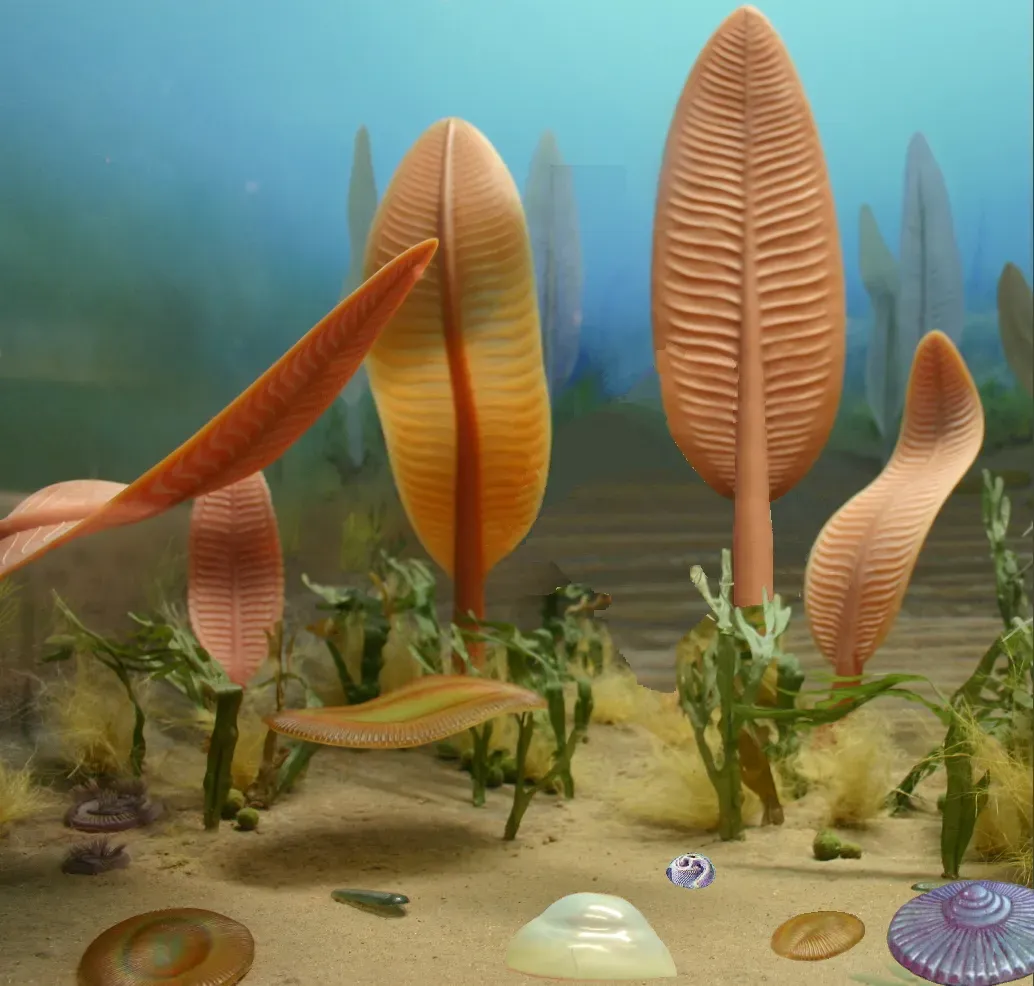
Here’s a fact that might genuinely stop you mid-scroll: the oldest known animal predator is a fossil species of cnidarian named Auroralumina attenboroughii, dating back an astonishing 560 million years, to the Ediacaran Period of the Precambrian – approximately 20 million years older than the next oldest known animal predators. That’s not a typo. Five hundred and sixty million years of predatory history hiding in a slab of English quarry rock.
The specimen is currently represented by just a single 20-centimeter-tall fossil discovered in 2007 on quarry siltstone within the Bradgate Formation at Charnwood Forest, Leicestershire, UK. It consists of two bifurcating polyps enclosed in a rigid, polyhedral organic skeleton, making it also the oldest known animal with a skeleton. Think about that for a moment. The earliest animal predator we know of also happened to be the first creature ever to develop a skeleton. That’s not just cool – that’s world-changing science.
The Protosterol Biota: Predators Before Animals Even Existed
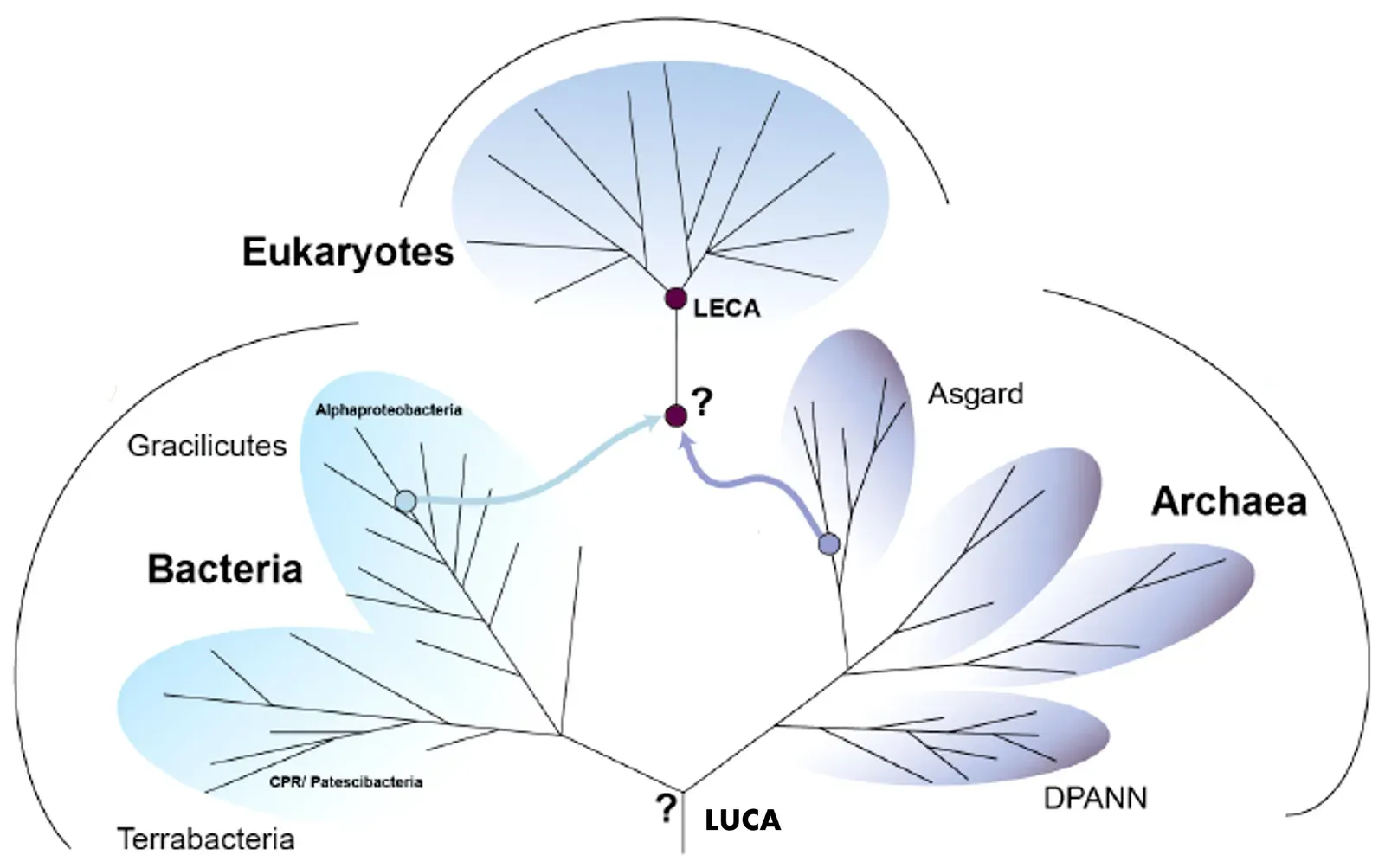
If you thought predation started with animals, you need to think even further back. Researchers believe that the organisms of what is now called the protosterol biota were larger and more complex than bacteria, and may have thrived on them as the next chain up in the food web – making them what scientists describe as potentially the first predators on Earth, hunting and devouring bacteria. These were not animals in any recognizable sense. They were something else entirely.
Molecular remains of the protosterol biota detected in 1.6-billion-year-old rocks appear to be the oldest remnants of our own lineage, predating even the Last Eukaryotic Common Ancestor at 1.2 billion years ago. Let that sink in. You are, in the loosest possible evolutionary sense, a distant relative of these ancient microscopic hunters. Predation, it turns out, is in your blood from the very beginning of complex life on this planet.
Anomalocaris: The World’s First Apex Predator
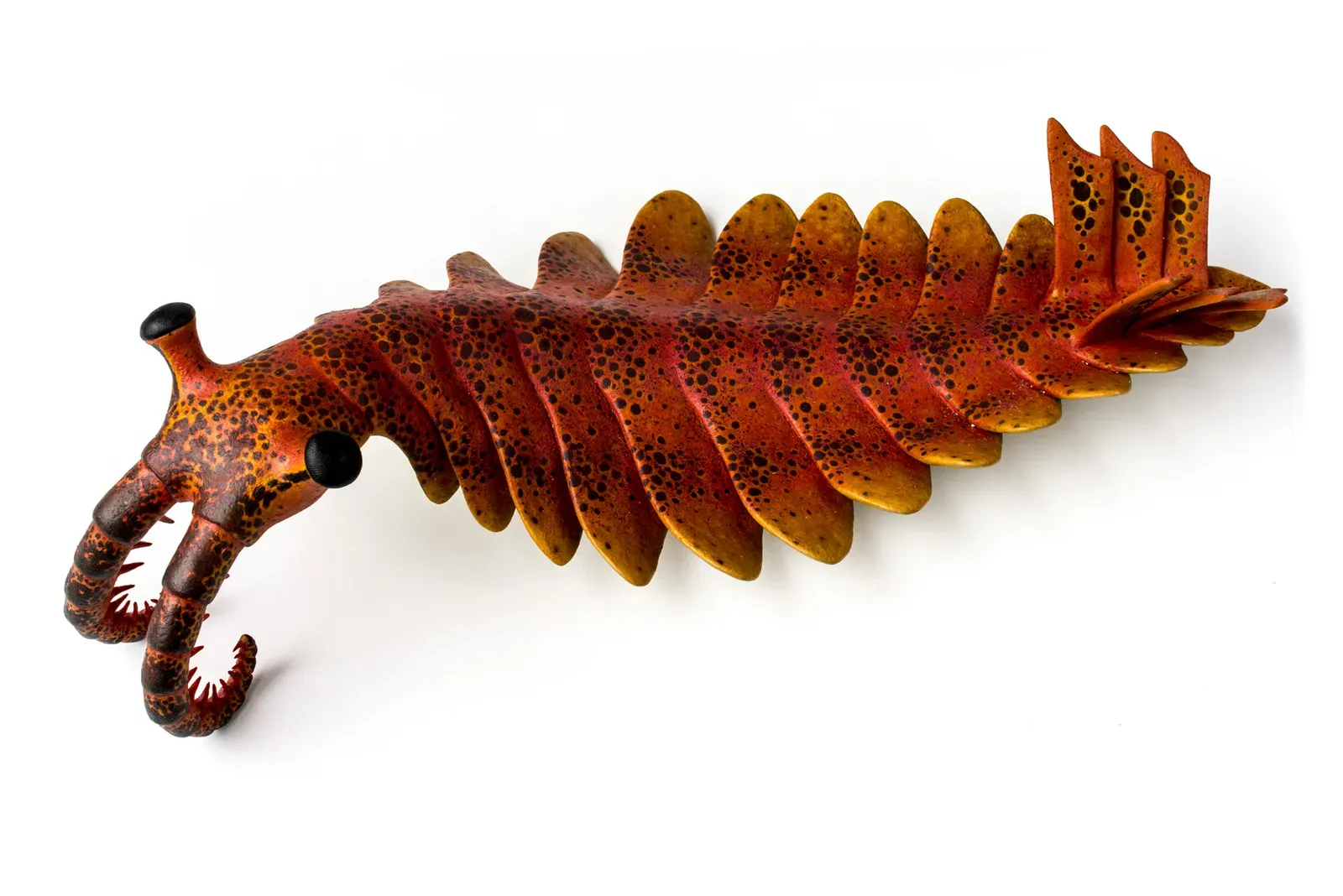
More than half a billion years ago, the world’s oceans were stalked by a soft-bodied predator that looked unlike anything alive today. This bizarre creature was Anomalocaris, or “unusual shrimp,” and is widely regarded as the world’s first apex predator – the killer whale of its day. Imagine something that looked like a squid and a shrimp had a nightmarish argument, and the result decided to rule the entire ocean.
Its bizarre anatomy included two large, flexible appendages at the front of its head used for grasping prey, a circular mouth lined with serrated plates arranged like a pineapple ring, and a flattened body with swimming flaps along the sides. Its dominance in an alien ecosystem and truly foreign appearance made it particularly formidable. Its compound eyes contained up to 16,000 lenses each, providing it with excellent vision to spot prey in the ancient seas. Nothing alive today looks quite like this. Nothing.
Dunkleosteus: The Armored Tank of the Devonian Seas
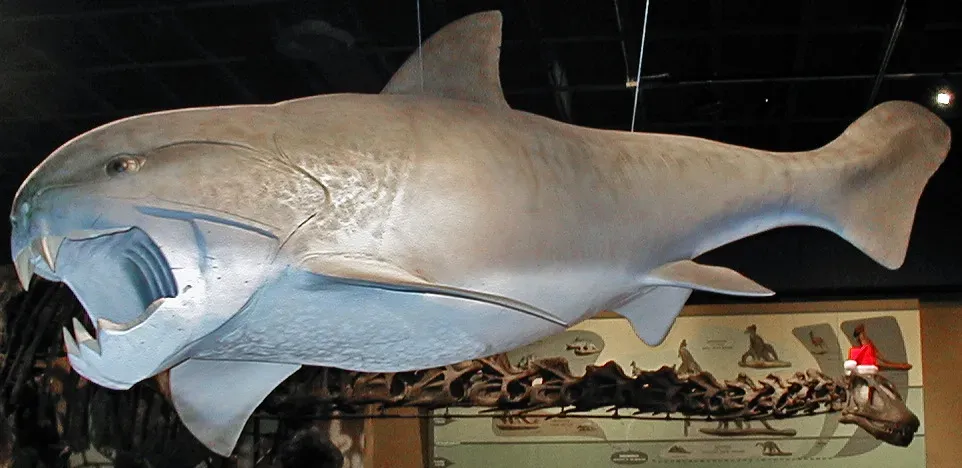
Dunkleosteus is widely considered to be the world’s first pelagic super predator, occupying a niche that’s now ruled by great white sharks and orcas. Living roughly 360 to 382 million years ago, this creature was essentially a swimming armored bulldozer. Let’s be real – you would not want to share a body of water with it.
Dunkleosteus lacked proper teeth. Instead, it had two pairs of long, bony blades that protruded from its upper and lower jaws, creating a cutting apparatus that crudely resembled a guillotine. At the tip of these blades, Dunkleosteus was capable of biting down at a force of 80,000 psi, more comparable to the bite force of prehistory’s most infamous chomper – the T. rex – than to any living predator today. A fish with a T. rex bite force and no actual teeth. The prehistoric world truly had no chill.
Jaekelopterus: The Giant Sea Scorpion You Never Knew Existed
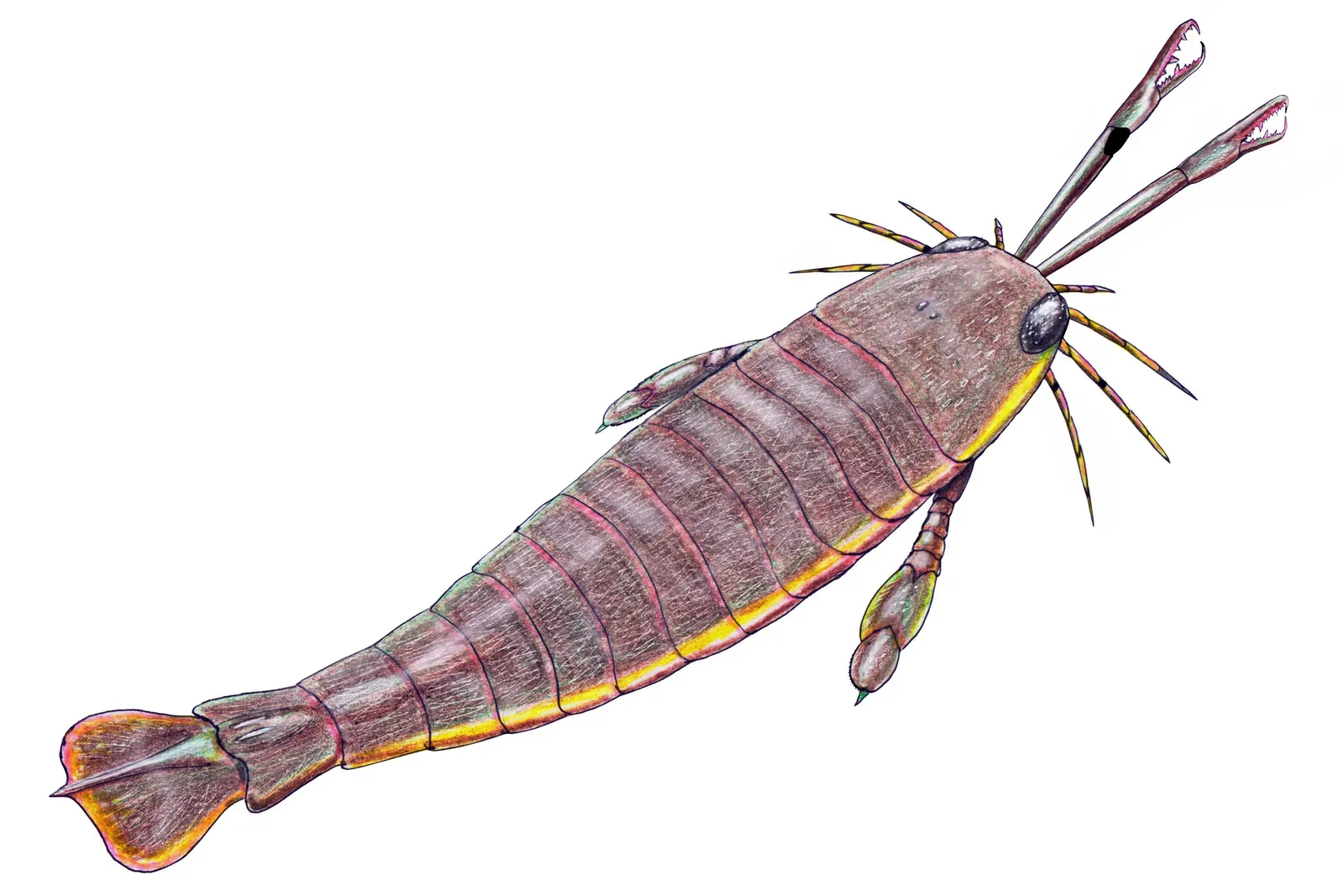
Jaekelopterus was the largest arthropod ever to exist. Living during the Devonian Period around 390 million years ago, it grew over eight feet long, making it the biggest arthropod ever to inhabit the Earth. Picture a scorpion roughly the size of a crocodile lurking in ancient rivers and estuaries. It’s the stuff of actual nightmares, and it was entirely, horrifyingly real.
These predatory invertebrates were known as eurypterids, or “sea scorpions,” and the largest among them was the monstrosity known as Jaekelopterus. While they may be known as “sea scorpions,” Jaekelopterus and its eurypterid relatives weren’t scorpions, nor did they all live in the sea. Jaekelopterus actually lived in brackish and freshwater habitats, swimming up and down rivers as it hunted armored, jawless fish known as ostracoderms. So yes, even ancient rivers weren’t safe. Good luck going for a swim 400 million years ago.
Dimetrodon: The First Terrestrial Apex Predator
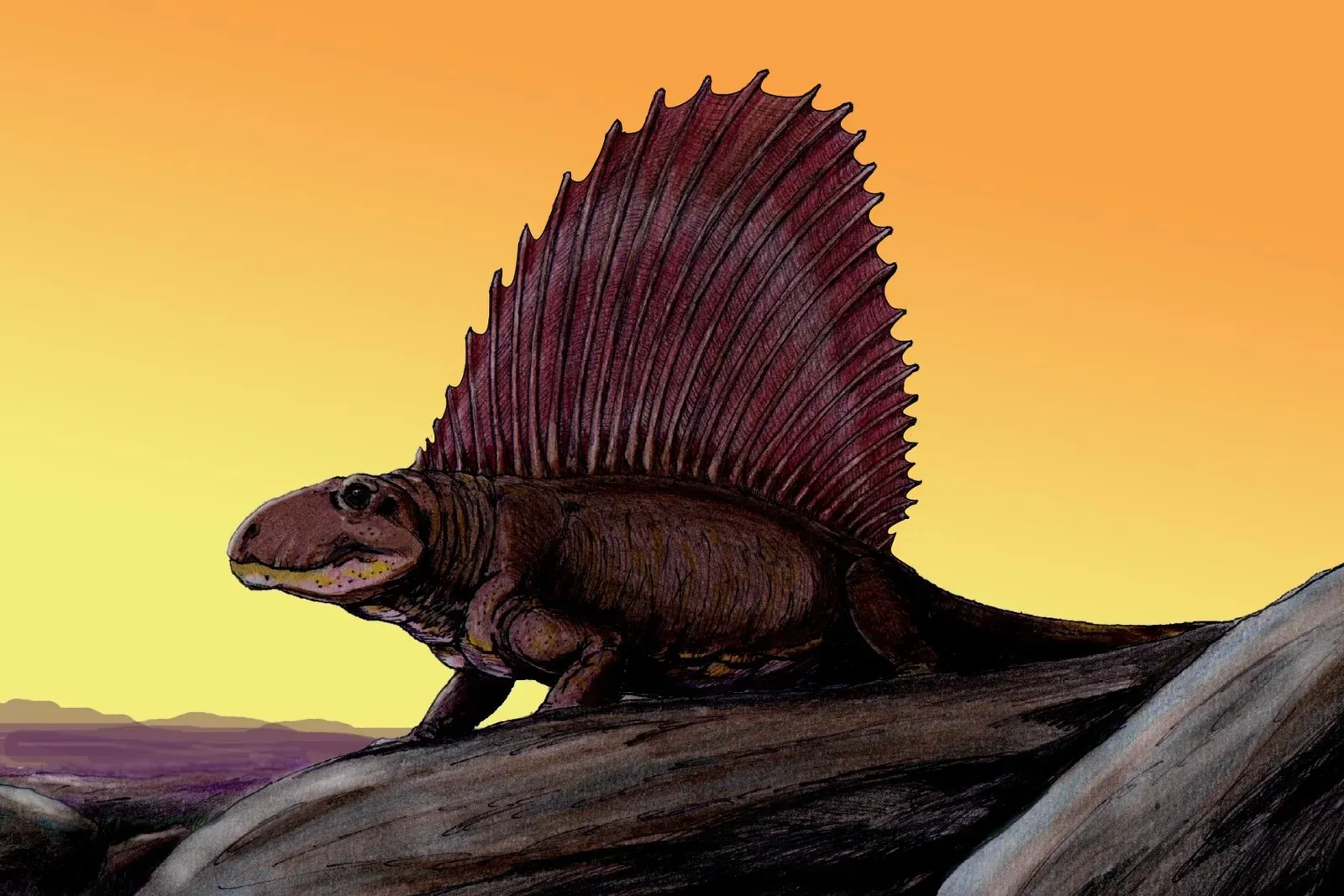
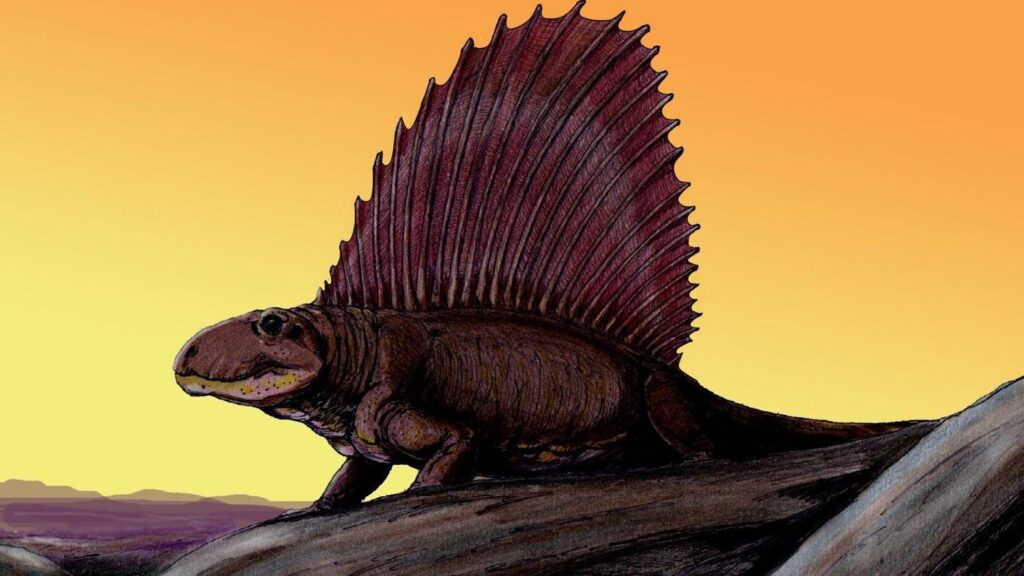
You’ve probably seen Dimetrodon in toy stores alongside the dinosaurs. Here’s the thing though – it wasn’t one. The largest members of the genus Dimetrodon were the world’s first fully terrestrial apex predators. The biggest carnivorous synapsid of the Early Permian, Dimetrodon could reach 4.6 meters in length and weigh around 250 kilograms. It was roaming the land roughly 295 million years ago, a full 40 million years before the first dinosaurs even appeared.
It’s hard to say for sure exactly how Dimetrodon hunted, but its distinctive sail-like fin along its back is thought to have helped regulate body temperature, giving it a potential edge over cold, sluggish prey. This wasn’t just an oversized lizard stumbling around in the mud. The evolution of creatures like Dimetrodon and its relatives represents an important milestone on the way to the emergence of mammals – and in turn tells us something profound about where we ourselves come from. Your family tree has some seriously ferocious roots.
Pampaphoneus Biccai: South America’s Forgotten Terror
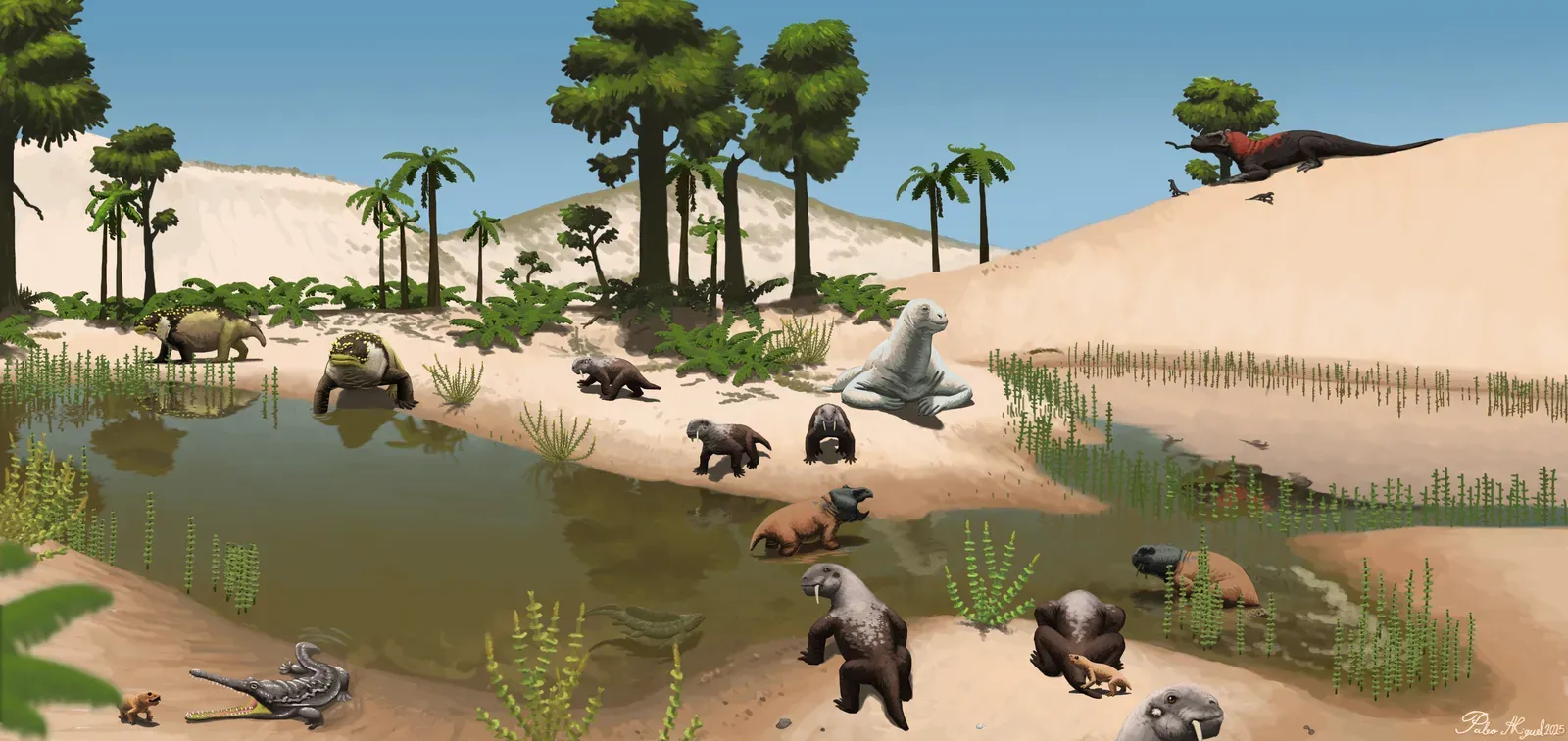
Dinosaurs have quite the reputation for being the largest, fiercest predators in life’s history. Yet 40 million years before dinosaurs ruled, Pampaphoneus biccai dominated South America as the biggest and most bloodthirsty meat eater of its time. This creature lived around 265 million years ago, just before the greatest extinction event Earth has ever known. A predator racing the apocalypse, if you like.
Researchers estimate that the largest Pampaphoneus individuals could reach nearly three meters in length and weigh around 400 kilograms. It was a skilled predator capable of feeding on small to medium-sized animals. In the same locality where the fossil was found, some of its potential prey have also been identified, such as the small dicynodont Rastodon and the giant amphibian Konzhukovia. When scientists excavate an entire predator alongside its menu, you know they’ve hit paleontological gold.
The Oldest Saber-Tooth: A Pre-Dinosaur Nightmare
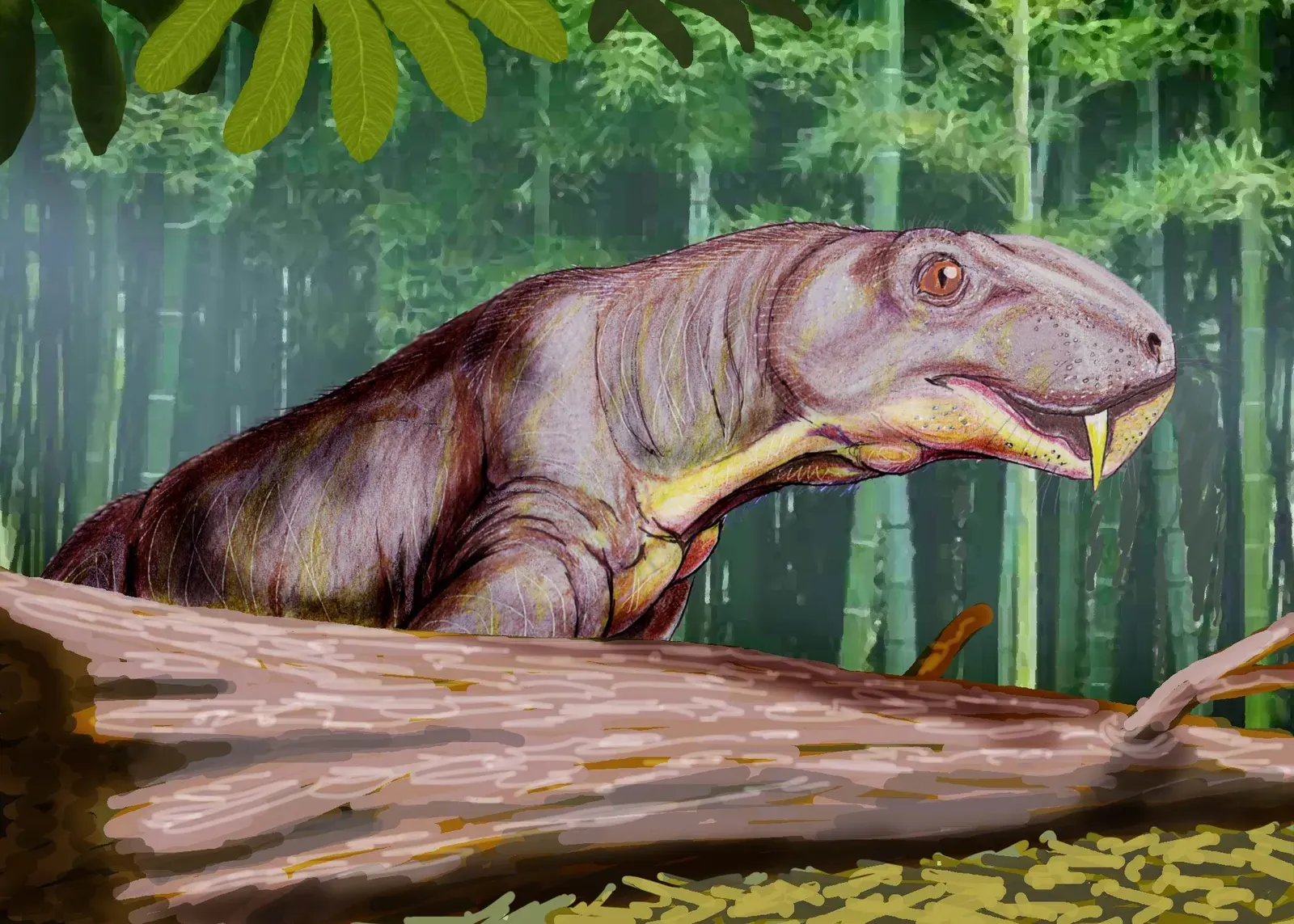
Saber teeth aren’t just a cat thing. Long before any saber-toothed tiger prowled the African savanna, another creature was already wielding those iconic elongated fangs. Scientists recently announced the discovery of a fossil therapsid that may be the oldest of its kind ever discovered – a vaguely dog-like saber-toothed predator. The new fossil is a member of a group called the gorgonopsians. The word “gorgonopsian” literally sounds like something from a horror movie. You’re welcome.
Until now, the oldest known gorgonopsians lived roughly 265 million years ago. However, the new fossil is from 270 to 280 million years ago. That pushes the origin of saber teeth further back than anyone expected. Gorgonopsians are more closely related to mammals than they are to any other living animals, though they don’t have any modern descendants. While they’re not our direct ancestors, they’re related to species that were our direct ancestors. So in a very loose sense, you share family history with a saber-toothed predator that predates the dinosaurs. Let that one settle in.
Megalodon: The Ocean’s Ultimate Killing Machine
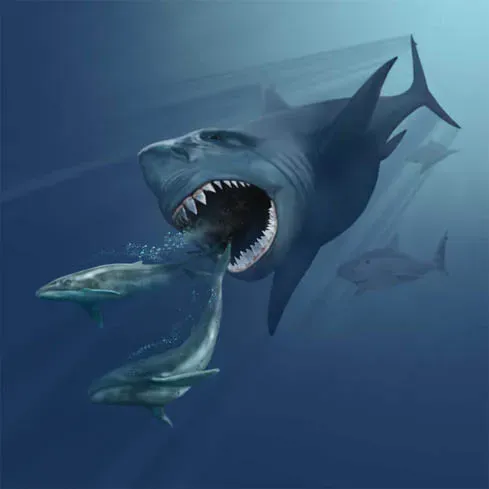
The monstrous Otodus megalodon reached up to 60 feet long. Megalodons lived at some point during the Miocene and Pliocene epochs, which together spanned from 23 million to 2.6 million years ago. To put that in perspective, the entire span of recorded human history is only about 5,000 years old. Megalodon ruled the seas for millions of years. That’s dominance on a scale we can barely comprehend.
Megalodon’s jaw could open over 7 feet wide and was lined with serrated teeth measuring up to 7 inches long, each one designed to slice through tough whale bone and blubber. Its bite force has been calculated at an astounding 40,000 pounds per square inch. This immense power allowed it to hunt prehistoric whales, seals, and other large marine mammals. To think that today’s great white shark, already one of the most feared creatures on Earth, would look like a small fish next to Megalodon is genuinely mind-bending.
After the Great Dying: Predators That Rebuilt the World
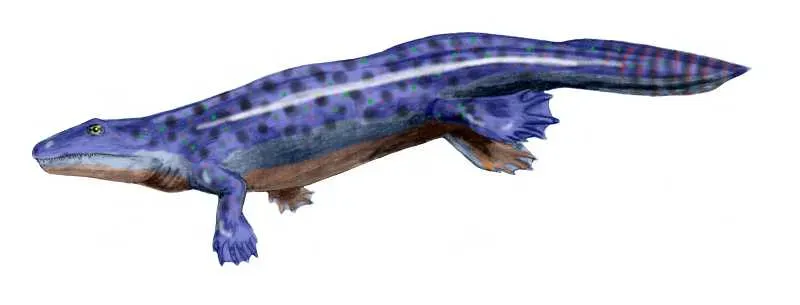
Around 252 million years ago, the end-Permian mass extinction wiped out an overwhelming proportion of all life on Earth. This most devastating die-off in Earth’s history was followed by extreme global warming. In its aftermath, modern-style marine ecosystems began to take shape at the start of the Age of Dinosaurs. During this critical window, the earliest sea-going tetrapods, including amphibians and reptiles, emerged and quickly became dominant aquatic apex predators. Life, it seems, doesn’t stay down for long.
One remarkable recent discovery highlights just how fast recovery can happen. Erythrobatrachus possessed a broader, more robust skull, indicating it likely functioned as a top predator in its environment. Aphaneramma had a long, narrow snout, probably adapted for catching small fish. The two amphibians coexisted in the same brackish habitat but targeted different prey – a separation of feeding strategies that allowed them to occupy distinct ecological roles within the same ecosystem. Even in the ashes of catastrophe, nature found a way to build a new hierarchy of hunters.
Conclusion: What the Forgotten Giants Teach You
Every time you look at a great white shark cutting through the surf, or watch a lion stalk prey across the savanna, you’re seeing the latest chapter in a story that began over a billion years ago. The predators covered here weren’t just ancient curiosities. They were the architects of ecological systems that eventually led to the world you live in today. The jaws, the claws, the evolutionary arms races they triggered – all of it echoes forward through time.
What’s perhaps most stunning is how much we still don’t know. New fossils are discovered every year, and each one rewrites a chapter of life’s history in ways that consistently surprise even the most seasoned scientists. These prehistoric hunters represent millions of years of evolutionary experimentation in the art of killing. While they may be long extinct, their fossilized remains continue to reveal the incredible diversity and power of life’s most formidable hunters. Understanding these predators not only satisfies our fascination with prehistory but also provides insights into how ecosystems function and evolve over time. The forgotten giants may be gone – but they are far from finished teaching you their secrets. What ancient predator surprised you the most? Drop your thoughts below.