You’ve read your horoscope thousands of times, nodding knowingly when it describes your personality with uncanny accuracy. You wear your zodiac sign like a badge of honor, maybe even have it tattooed somewhere on your body. Yet here’s something that might shake you to your core: the zodiac sign you’ve been identifying with your entire life has a hidden history that most people never discover. The story behind those twelve familiar symbols stretches back thousands of years, weaving through ancient civilizations and involving mysteries that scholars still debate today.
What if everything you thought you knew about astrology was incomplete? The truth is far more fascinating than the simplified horoscopes in your social media feed. Let’s dive into the forgotten origins of the zodiac and uncover secrets that have been hiding in plain sight for millennia.
When Ancient Babylonia Invented Your Identity
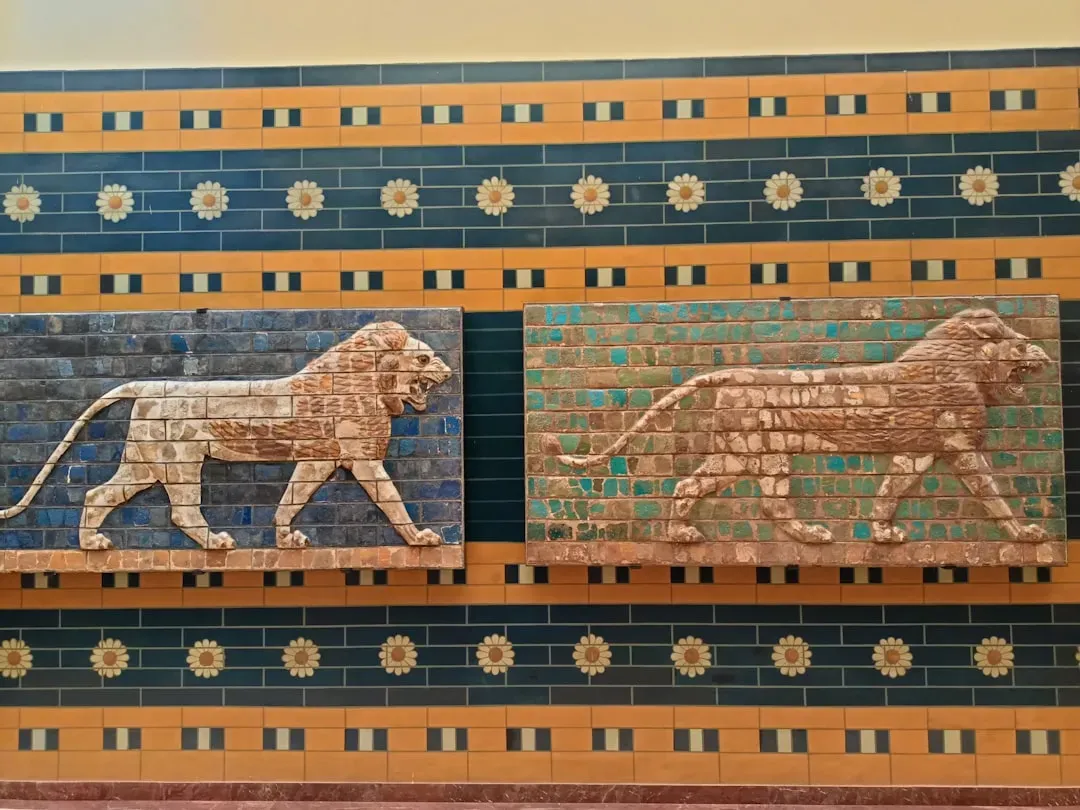
The Babylonians divided the sky into twelve areas around 2,500 years ago, each assigned a figure, a name, and a specific meaning. This wasn’t just stargazing for entertainment. These ancient astronomers were solving a mathematical puzzle that would shape human culture forever.
The Babylonians invented a mathematical construction, dividing it into twelve parts of 30 degrees each. Think about that for a moment. Your personality traits, your compatibility with others, your entire astrological identity stems from a decision made by Mesopotamian priests who were trying to create order from celestial chaos. They named each section after the constellation most prominent in it, though the zodiac itself isn’t actually visible to the naked eye.
Originally, the path of the Moon consisted of 17 or 18 stations, recognizable as direct predecessors of the 12 sign zodiac. Yes, you read that correctly. There were more signs before someone decided twelve was the magic number.
The Greek Makeover Nobody Talks About
Ancient Greeks named these twelve star signs after constellations and linked them to specific dates based on their alignment with the sun’s orbit. The Greeks didn’t invent astrology, but they certainly rebranded it. They took the Babylonian system and gave it a Mediterranean facelift, connecting each sign to their mythological gods and heroes.
The word “zodiac” originates from the Greek phrase zōdiakos kyklos, meaning “circle of animals”. Here’s where it gets interesting: Despite the Greeks’ contributions to astrology, horoscopes were not prevalent in ancient Greece; instead, the focus was on using the stars to connect with the gods through divination.
Your “Leo pride” or “Scorpio intensity”? Those personality descriptions emerged later. The Greeks cared more about what the gods were trying to tell them through celestial movements than whether you’d have a good day at work.
Egypt’s Hidden Influence on Star Reading
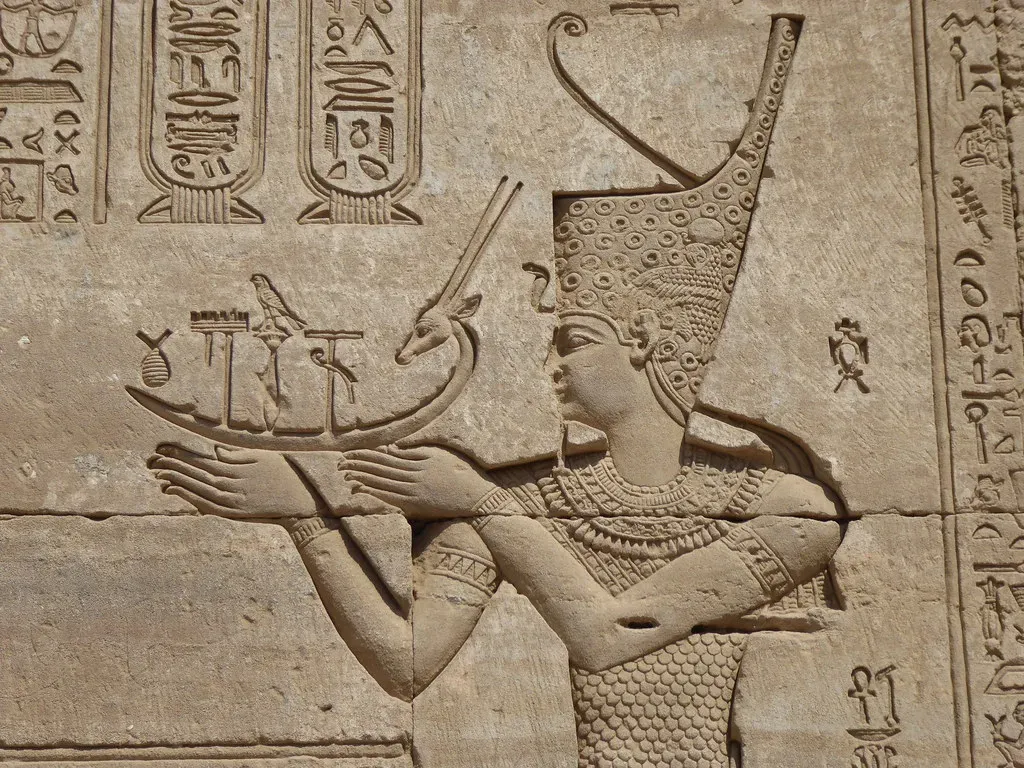
In Ptolemaic Alexandria, Babylonian astrology was mixed with the Egyptian tradition of Decanic astrology to create Horoscopic astrology. This fusion happened after Alexander the Great conquered Egypt in 332 BC, creating a melting pot of astronomical knowledge that would change everything.
Egyptians incorporated the concept of dividing the zodiac into thirty-six decans of ten degrees each, with an emphasis on the rising decan, the Greek system of planetary Gods, sign rulership and four elements. The Egyptians had their own zodiac system based on their deities, and it looked nothing like what you’re familiar with today.
During the Ptolemaic dynasty, Egyptians borrowed the Greek zodiac designation system and assigned Egyptian gods to each zodiac sign. Imagine if instead of reading about Aries the Ram, you were consulting the wisdom of Amun-Ra or Anubis. That alternate reality almost happened.
The Personal Horoscope Revolution
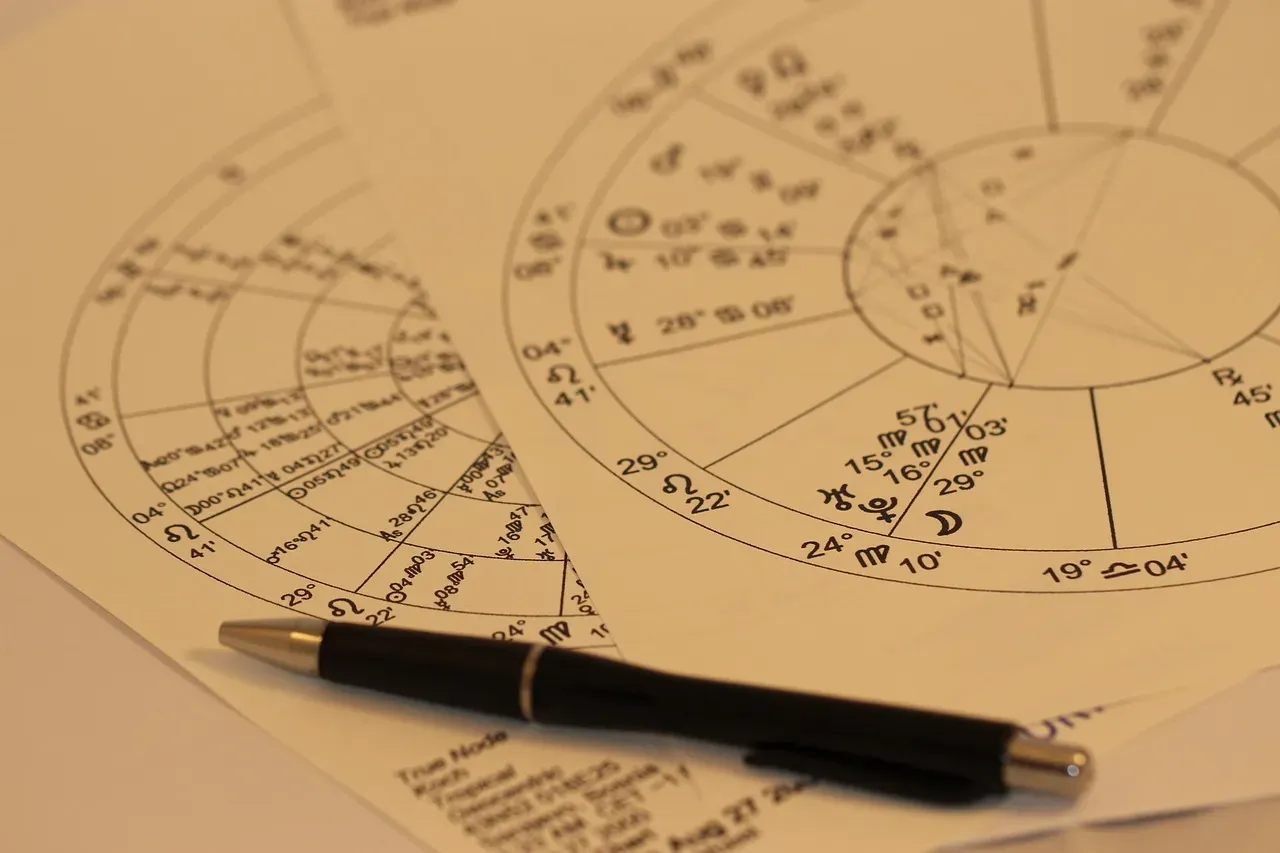
Claudius Ptolemy, an astrologer and astronomer in Alexandria, Egypt, laid down the foundation of Western astrology in his text Tetrabiblos, emphasizing the individual aspect of astrological interpretation; this is where the concept of personal horoscopes first originated. Before Ptolemy, astrology was primarily used to predict events for kings and nations, not to tell Susan from accounting whether she’d meet her soulmate this month.
This shift from mundane to personal astrology represents one of the most significant transformations in the zodiac’s history. Ancient Babylonian astrology was originally exclusively concerned with mundane astrology, being geographically oriented and specifically applied to countries, cities and nations; it was only with the gradual emergence of horoscopic astrology, from the 6th century BC, that astrology developed the techniques of natal astrology.
Your birth chart, rising sign, and moon sign? All innovations that came centuries after the zodiac was first conceived.
Names That Changed Everything
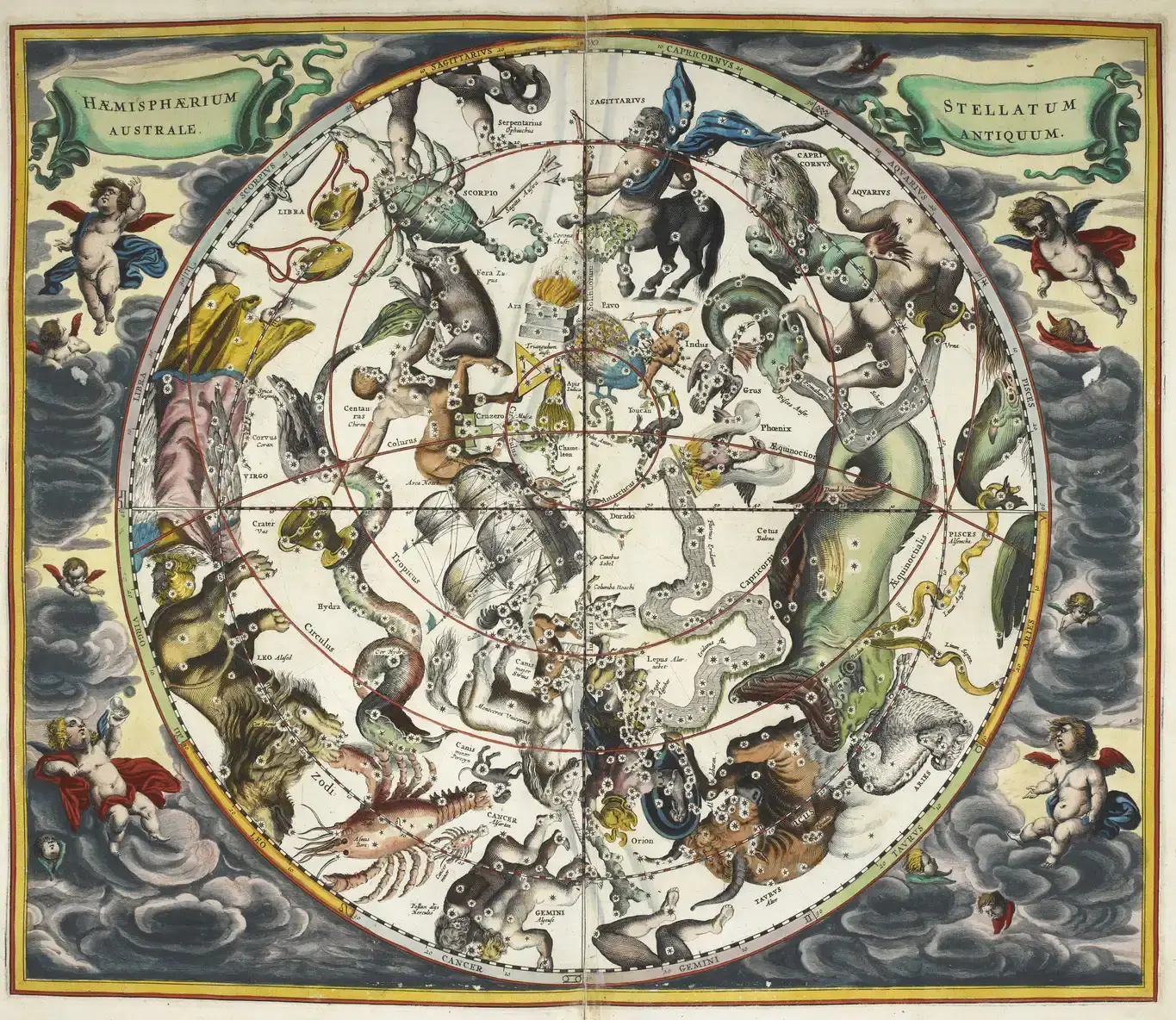
Some constellations reached Greek astronomy with altered names; “Furrow” became Virgo, “Pabilsag” Sagittarius, “Great One” Aquarius, “Swallow Tail” Pisces and “Farm Worker” was reinterpreted as Aries. The romantic Ram of Aries was once just a farm worker. The mysterious Pisces fish were originally a swallow’s tail.
In the Babylonian Zodiac, the constellation now known as Leo was once called UR.GU.LA, which literally translates as “Great Carnivore”. That’s a far cry from the regal lion imagery we associate with Leos today. These name changes weren’t arbitrary cosmetic updates. They reflected cultural values, mythological traditions, and how different civilizations interpreted the same patterns in the night sky.
The Cosmic Drift Nobody Warned You About
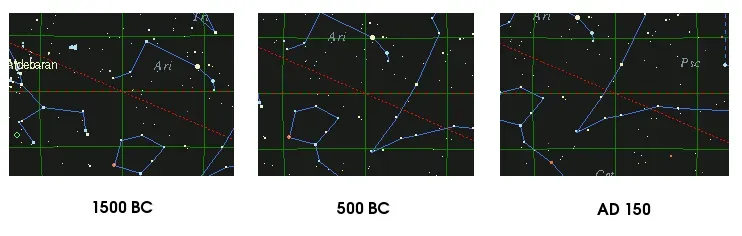
The originally unified zodiacal coordinate system drifts apart gradually, with a clockwise westward precession of 1.4 degrees per century. This phenomenon, discovered by Hipparchus around 134 BC, means the sky has shifted since the zodiac was created. The vernal equinox shifts westward by about one degree every 72 years.
For the tropical zodiac used in Western astronomy and astrology, the tropical sign of Aries currently lies somewhere within the constellation Pisces. Let that sink in. If you’re an Aries, the sun wasn’t actually in the constellation of Aries when you were born. It was in Pisces.
Precession causes the positions of the equinoxes to move slowly westward along the ecliptic, completing a full cycle approximately every 26,000 years. This means in about 26,000 years, the zodiac will return to where it started when the Babylonians first mapped it.
Two Zodiacs, One Sky
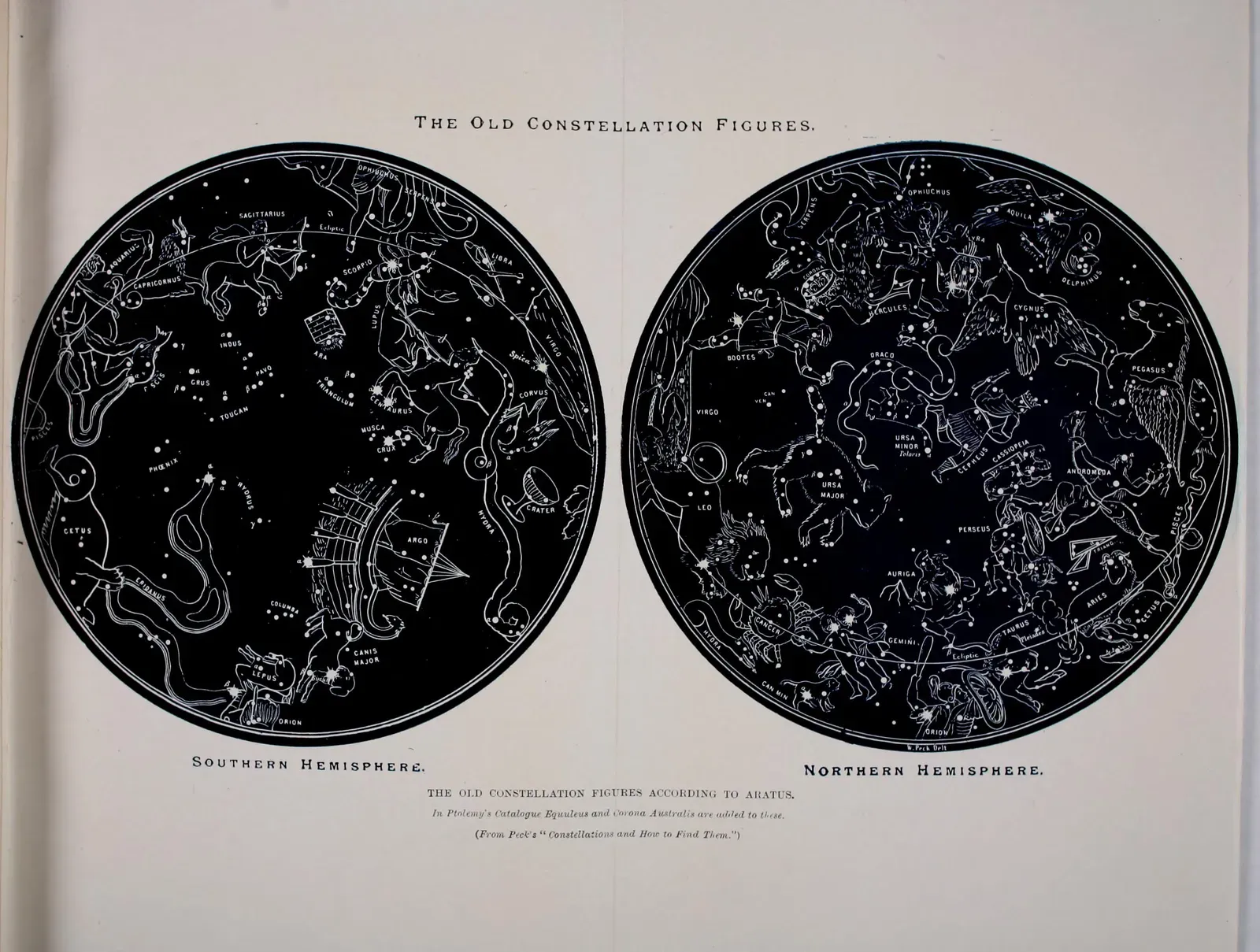
Western astrology takes the tropical approach, whereas Hindu astrology takes the sidereal one. This fundamental difference means that your zodiac sign can actually be different depending on which astrological tradition you follow.
The tropical zodiac, used by most Western astrologers, is based on the seasons and equinoxes. Ptolemy clearly explained the theoretical basis of the western zodiac as being a tropical coordinate system, by which the zodiac is aligned to the equinoxes and solstices, rather than the visible constellations that bear the same names as the zodiac signs.
Meanwhile, the Babylonian zodiac was sidereal; longitudes were not measured from the vernal equinox, but from a small number of bright fixed stars near the ecliptic. Vedic astrologers still use this system today, which is why your Vedic chart might show you as a different sign entirely.
The Controversial Thirteenth Sign
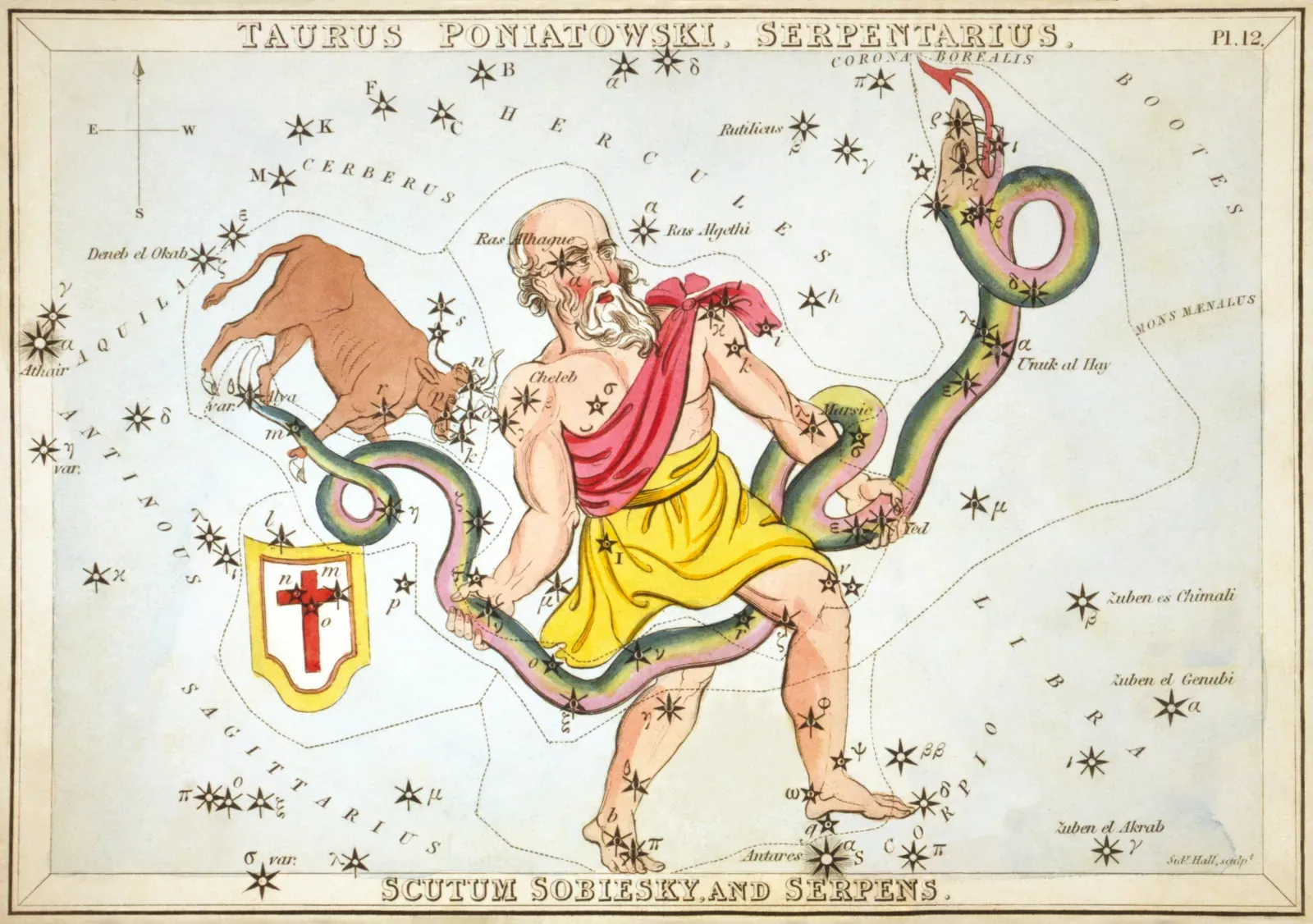
The Sun moves through the Ophiuchus constellation between 29 November and 17 December, which means some people born during this time could technically belong to the Ophiuchus zodiac sign. Wait, what? A thirteenth sign?
The Babylonians knew about Ophiuchus, but they deliberately left it out to keep their tidy 12-sign system intact. It wasn’t an oversight or ignorance. It was a conscious decision to maintain symmetry with their twelve-month lunar calendar. The original zodiac was created by the Babylonians, who divided the sky into 12 sections to match the lunar calendar; even though they recognised Ophiuchus, they chose to leave it out to keep the system neat and symmetrical.
Every few years, this controversy resurfaces in viral articles claiming NASA has discovered a new zodiac sign. But astrologers have known about Ophiuchus for millennia. Most astrologers do not consider it an official sign because it doesn’t fit into the traditional twelve-sign system.
When Astrology Disappeared and Returned
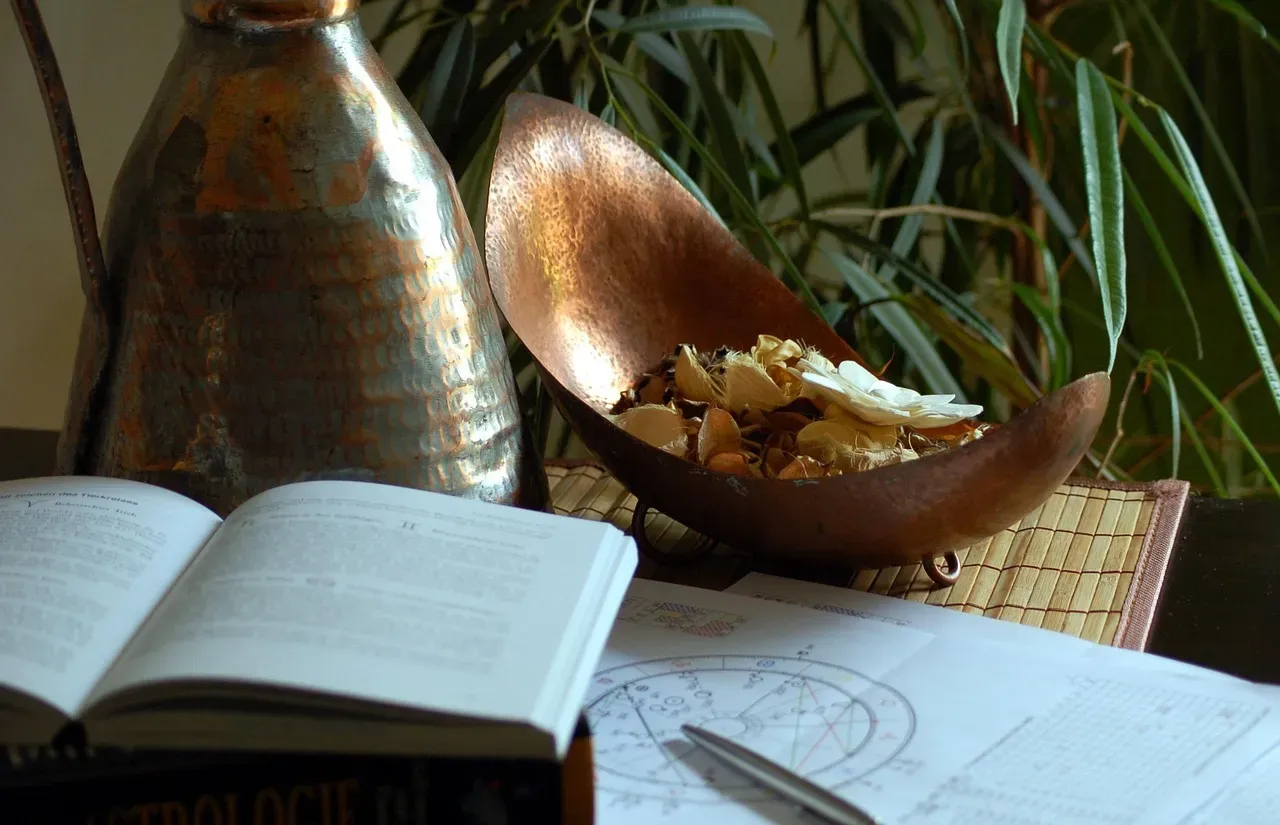
Astrology’s prevalence faded with the onset of the Scientific Revolution and subsequent Age of Enlightenment; by the end of the 17th century, astrology was seldom practiced. For nearly two centuries, the zodiac fell out of fashion in intellectual circles. It was considered superstitious nonsense by the scientific establishment.
Personal horoscopes didn’t make a resurgence in modern history until the early 20th century with the advent of the horoscope newspaper column; in 1930, the Sunday Express published a birthday horoscope for Princess Margaret, written by high-profile British astrologer R.H. Naylor. That single newspaper column sparked a revival that transformed astrology into the cultural phenomenon we know today.
Your daily horoscope habit? It’s less than a century old, even though the zodiac itself is ancient.
The Mathematical Magic Behind the Signs

Babylonians observed and recorded the movements of celestial bodies, recognized regularities and patterns, then went beyond mere empirical observation and developed various mathematical techniques that enabled them to mathematically calculate and predict the orbits of the planets and stars. This wasn’t mysticism for mysticism’s sake.
The Babylonians used the sexagesimal system to trace the planets’ transits, dividing the 360 degree sky into 30 degrees, assigning 12 zodiacal signs to the stars along the ecliptic. Their base-60 number system is why we still have 60 seconds in a minute and 360 degrees in a circle. The zodiac’s structure is fundamentally mathematical.
In the late fifth century BCE, the Babylonians developed the concept of a uniformly divided zodiac of twelve signs, each divided into 30 degrees. Equal divisions of space, precise measurements, predictable patterns. This wasn’t just poetry written in starlight.
How Different Cultures Saw the Same Stars
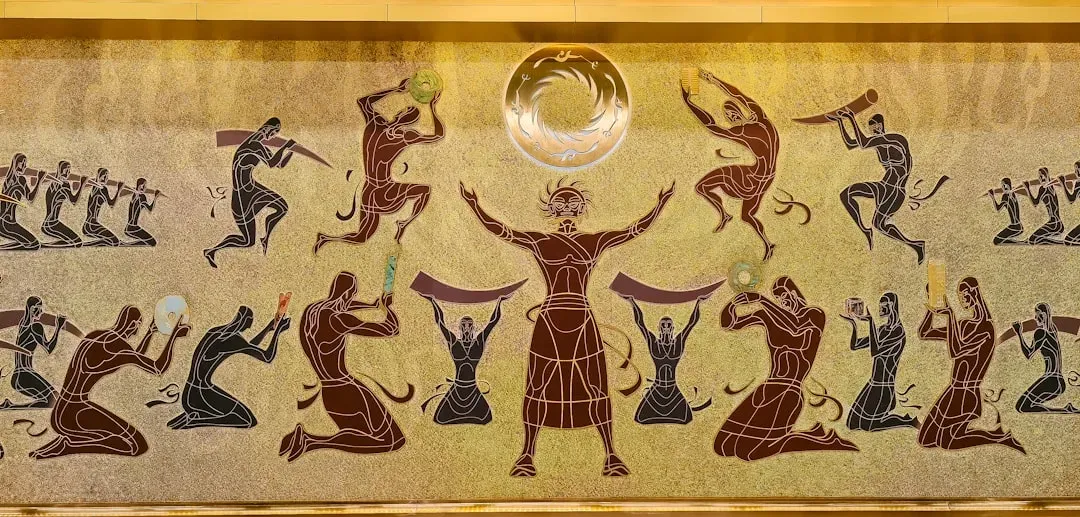
Other cultures, such as the Mayans and Chinese, also developed their own zodiacs; the Mayans saw thirteen significant patterns in the sky, while the Chinese zodiac was based on a twelve-year cycle. The Chinese zodiac has nothing to do with constellations at all. Instead, Chinese astronomers used the twelve-year orbit of the planet Jupiter through the ecliptic as a guide; the twelve signs each represent a year in the twelve-year cycle.
To the Mayans, Aries was an ocelot, Gemini a bird, Cancer a frog, Sagittarius a fish-snake, Aquarius a bat, and Pisces a skeleton. Same sky, completely different stories. This reveals something profound: the zodiac isn’t some universal truth written in the stars. It’s a human interpretation, shaped by culture, mythology, and the needs of the society that created it.
The Lost Original Meanings
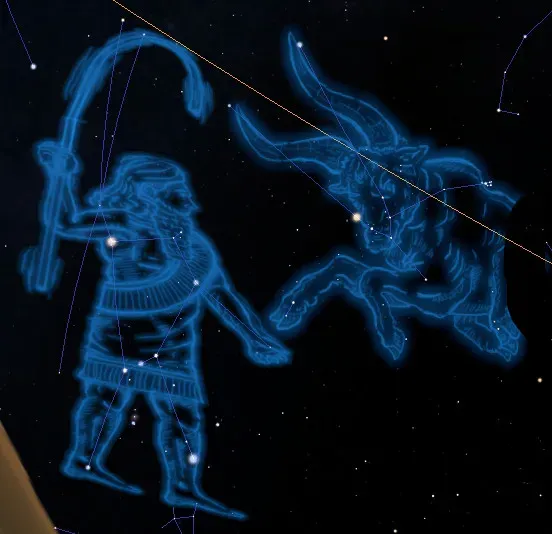
In the Babylonian zodiac, the constellation of Cancer was originally called “AL.LUL,” which translates as “deceptive digger”; there is evidence that it represented a turtle, not a crab. The sensitive, nurturing Cancer you know from modern astrology bears little resemblance to the deceptive digger of ancient Mesopotamia.
The celestial lion gained prominence in the Mesopotamian sky just as the dry, deadly summer was reaching its peak; this was a time of drought, pestilence, and death, and Leo was closely associated with all of these. Leo wasn’t always about confidence and royalty. It once symbolized the brutal, life-taking heat of summer.
These original meanings have been sanitized, romanticized, and completely transformed over millennia. What you think you know about your sign’s personality traits is the result of thousands of years of cultural telephone.
Why You’ll Never Get Definitive Answers
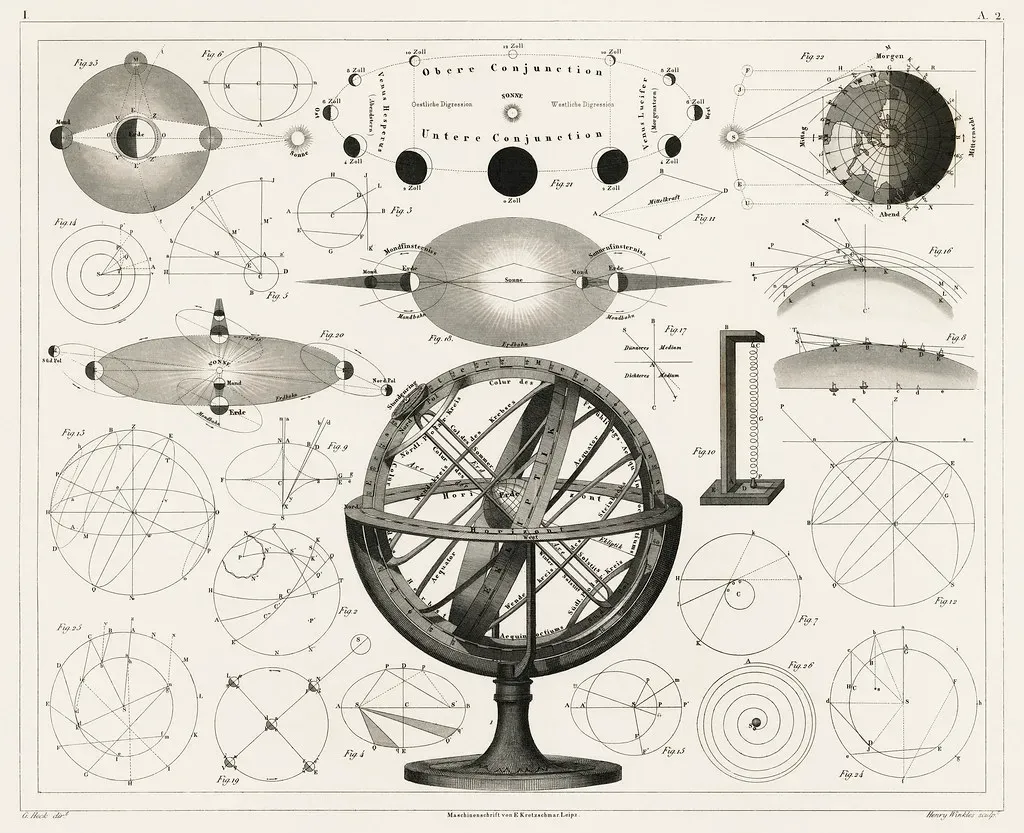
Definitive details on the astrological ages are lacking or disputed; 20th-century British astrologer Charles Carter stated that “It is probable that there is no branch of Astrology upon which more nonsense has been poured forth than the doctrine of the precession of the equinoxes”. Even astrologers themselves can’t agree on the technical details.
Astrologers do not agree upon exact dates for the beginning or ending of the ages, with given dates varying by hundreds of years. This lack of consensus isn’t a bug; it’s a feature of a system that has evolved organically across cultures and millennia.
The truth is, the zodiac’s history is messy, contradictory, and far more complex than the twelve neat boxes we’re accustomed to. Horoscopy appeals to the human desire to find out something about one’s own future, while the abstract system of numbers and constellations is convincing because it can be translated very easily, regardless of specific language, history, or script.
So here we are, thousands of years later, still consulting the same celestial map that Babylonian priests created for their own purposes. Your zodiac sign carries within it layers of forgotten history, cultural transformation, and astronomical complexity that most people never consider when they read their daily horoscope. The stars haven’t changed, but everything we think they mean certainly has.
What’s your take on discovering that your zodiac sign has such a complicated past? Does it change how you think about astrology, or does the mystery make it even more fascinating?