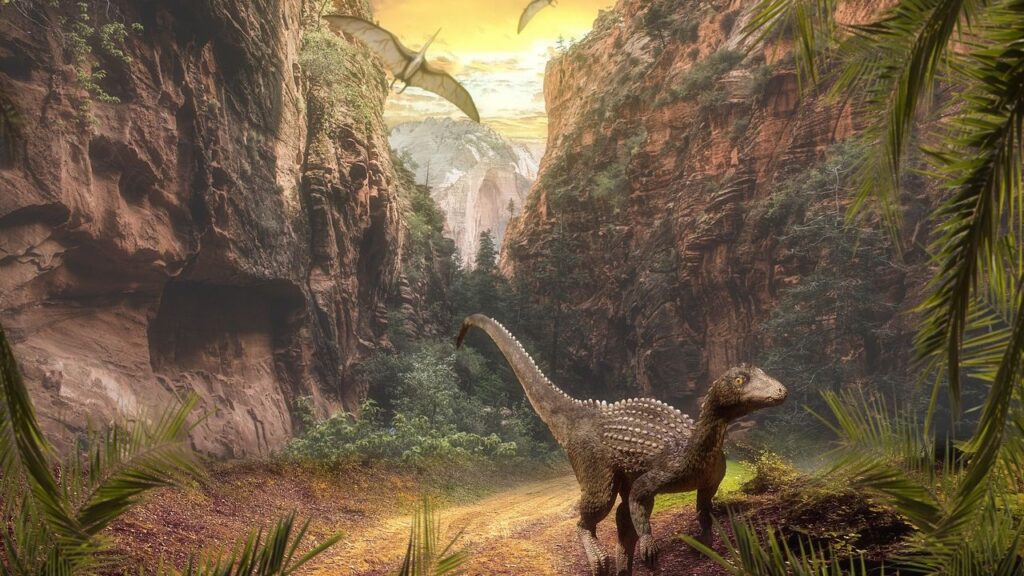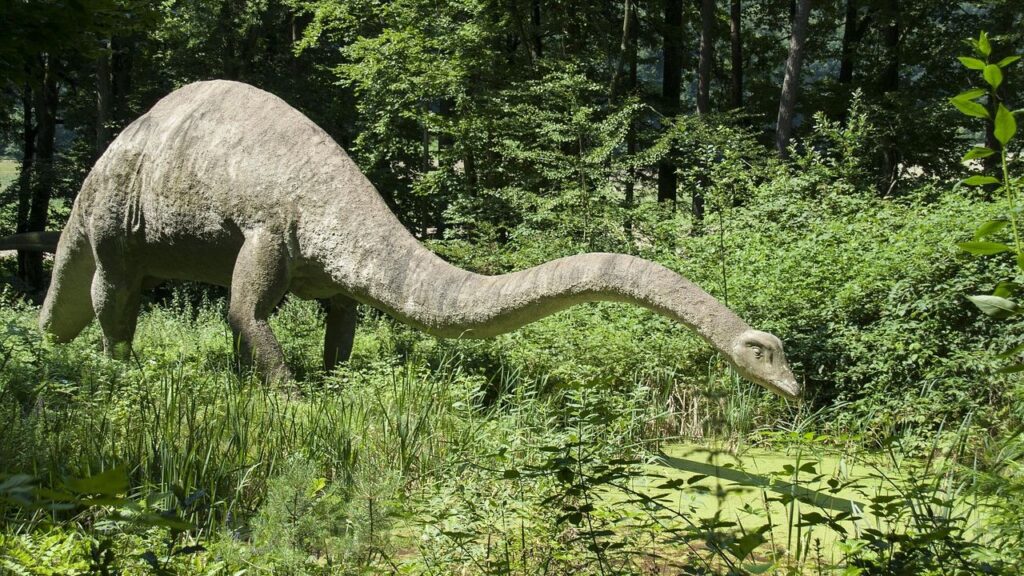
When most people picture dinosaurs, they see teeth. Massive, serrated, rage-fueled teeth. Hollywood has done a spectacular job of convincing us that the Mesozoic Era was nothing but one long, violent chase scene. Yet the fossil record, quietly and patiently, tells a very different story – one full of tenderness, cooperation, and creatures that spent their days contentedly munching on ferns rather than hunting anything down.
Honestly, the idea that dinosaurs were universally ferocious is one of the biggest misconceptions in natural history. Many of the most successful dinosaurs that ever walked this planet were devoted plant-eaters, traveling in herds, tending to their young, and shaping ancient ecosystems with nothing more threatening than an enormous appetite for greenery. The evidence is right there in the rock. You just have to know where to look. Let’s dive in.
Plant-Eaters Ruled the Prehistoric World
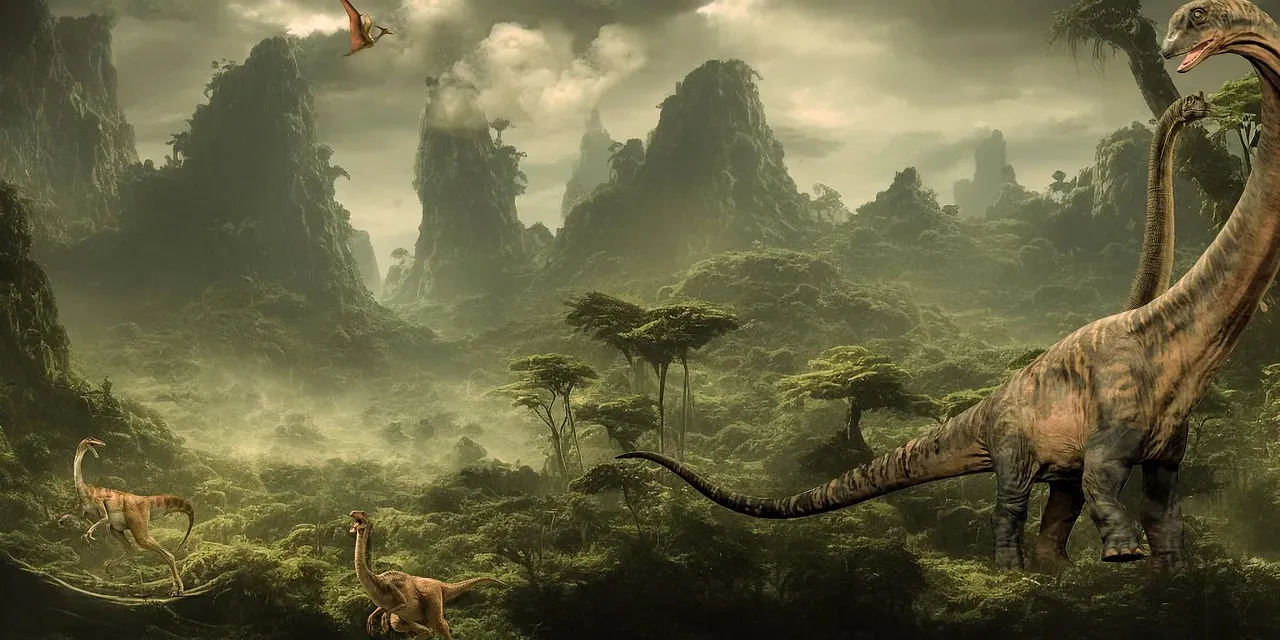
Here’s a number that might genuinely surprise you: when you say “dinosaur,” most people immediately think of the great flesh-eaters like Tyrannosaurus rex, but the most successful dinosaurs were of course the plant-eaters. In the rich dinosaur deposits of North America, you’ll find hundreds of skeletons of plant-eaters for every T. rex. That’s not a small margin. That’s an overwhelming landslide.
Sauropodomorph dinosaurs dominated the herbivorous niches during the first 40 million years of dinosaur history, from the Late Triassic through the Early Jurassic. Think about that timescale. These peaceful plant-munchers weren’t just surviving. They were defining entire eras. By the end of the Triassic, sauropodomorphs had replaced other herbivores and were the most abundant tetrapods in many terrestrial ecosystems.
Teeth That Tell the Truth
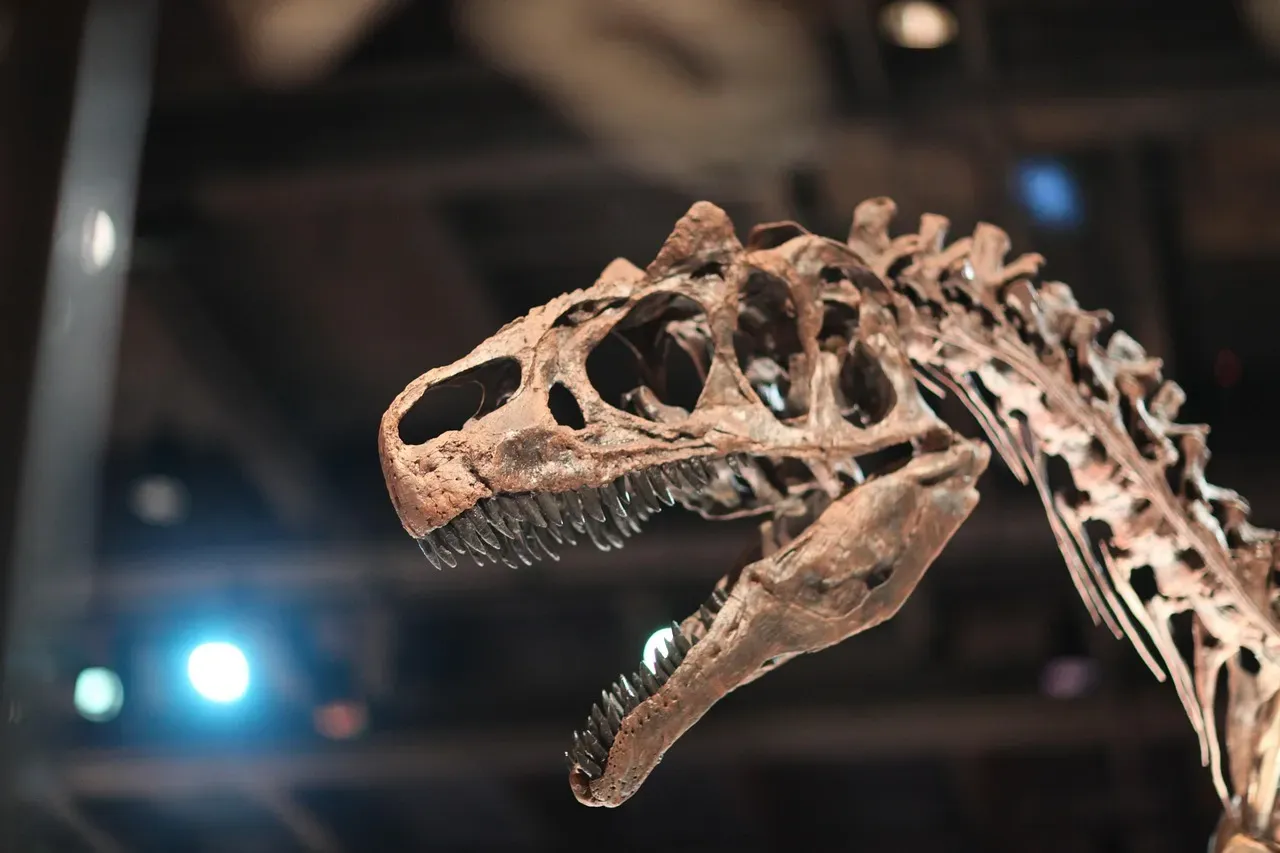
Fossilized jaws, teeth, and dung provide important clues about what non-avian dinosaurs ate. It’s a bit like reading someone’s diary without their permission. The teeth don’t lie. Plant-eating dinosaurs had teeth of various shapes designed for their particular diets. Each shape is a fossil fingerprint pointing directly to a life spent grazing, stripping, and grinding vegetation.
Sauropods couldn’t chew. They had no cheeks to keep food in their mouths and no grinding back teeth. Instead, they had peg-like teeth that raked and sliced leaves from trees. Some also swallowed stones to grind food internally, a strategy still used by modern birds today. New research has revealed just how voracious these dinosaurs were, with their average tooth worn away in less than two months as they consumed enormous amounts of plants. Some of Earth’s most successful herbivores may have had hundreds of thousands of teeth in their lifetime.
Maiasaura: The Original “Good Mother Lizard”
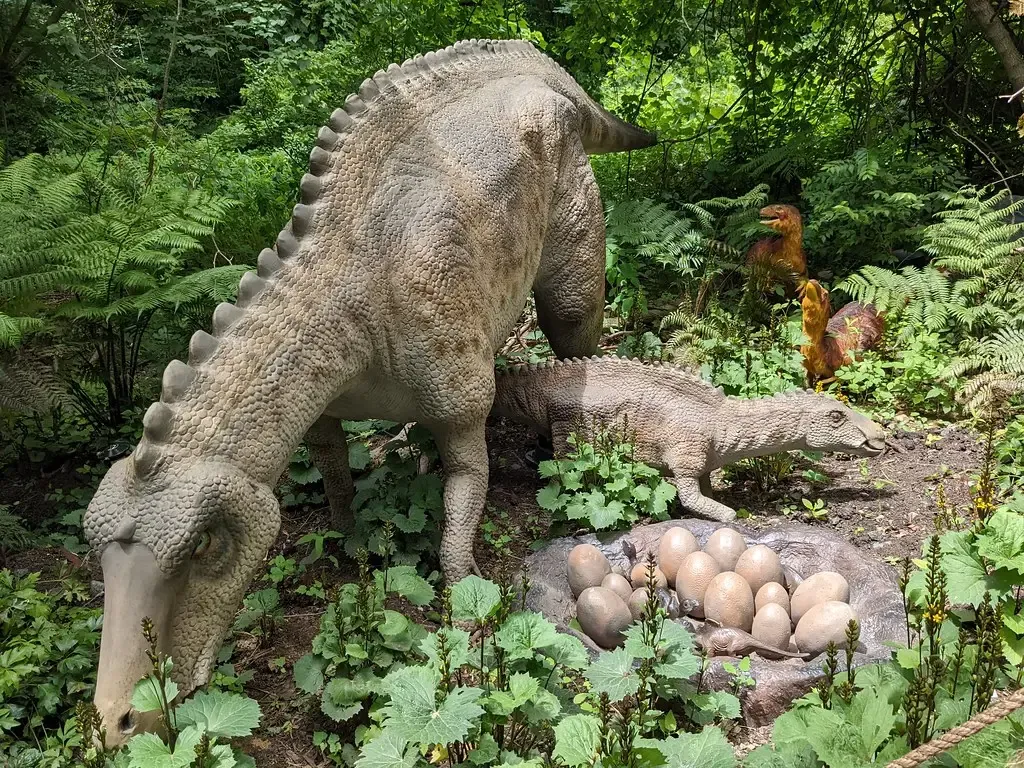
Maiasaura peeblesorum is a large hadrosaurid dinosaur from the Late Cretaceous period, renowned for providing the first definitive evidence of parental care among dinosaurs through fossilized nesting colonies. It’s hard to overstate how revolutionary this discovery was. Before Maiasaura, the popular image of a dinosaur parent was essentially zero. They were thought to lay eggs and walk away.
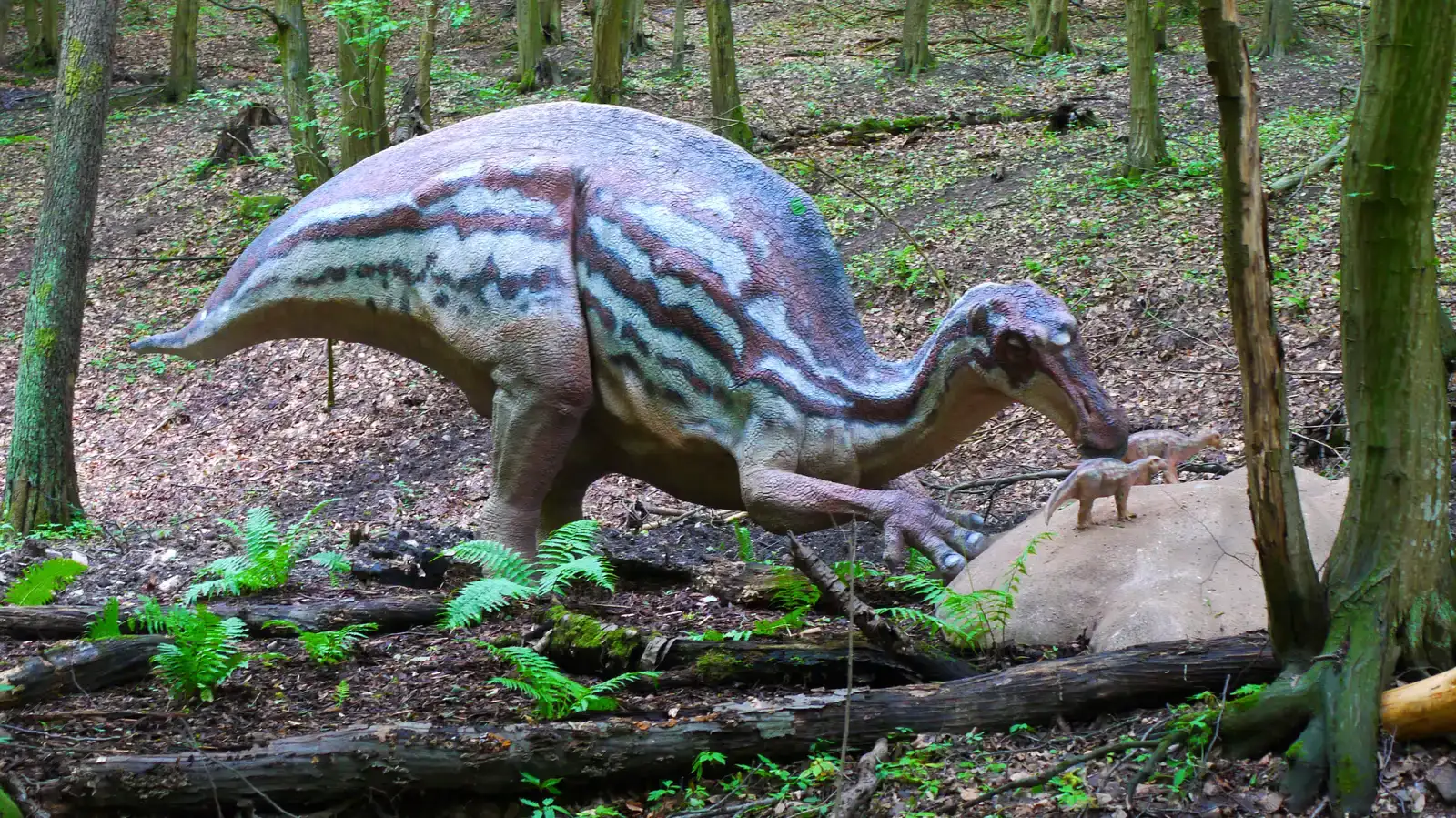
Upon hatching, fossils of baby Maiasaura show that their legs were not fully developed, meaning they were incapable of walking. Fossils also show that their teeth were partly worn, which means that the adults brought food to the nest. You’re looking at a dinosaur that actively fed its helpless young. As the first known parenting dinosaur, Maiasaura’s evidence of parental care transformed our comprehension of dinosaur social behavior. Discovered in 1978 in Montana, the fossils revealed communal nesting strategies, where multiple adults laid eggs in proximity. The prehistoric world suddenly looked a whole lot warmer.
The Herd Mentality Goes Back 193 Million Years
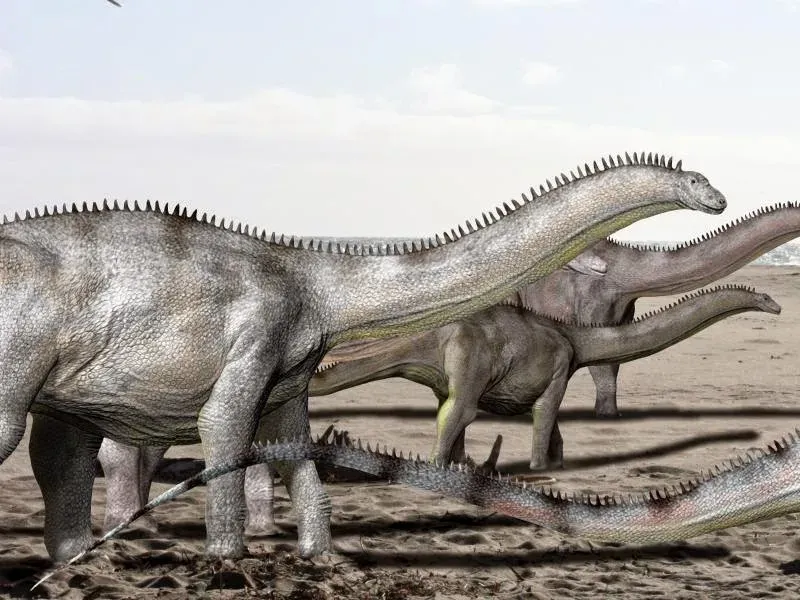
I know it sounds crazy, but herbivorous dinosaurs were forming organized, age-structured herds nearly 200 million years ago. Results show that Mussaurus and possibly other dinosaurs evolved to live in complex social herds as early as 193 million years ago, around the dawn of the Jurassic period. This pushes the earliest known evidence of dinosaur herding back by a staggering 40 million years from what scientists previously believed.
New discoveries indicate the presence of social cohesion throughout life and age-segregation within a herd structure, in addition to colonial nesting behaviour. These findings provide the earliest evidence of complex social behaviour in Dinosauria, predating previous records by at least 40 million years. This kind of structured community living is anything but primitive. Evidence suggests that Mussaurus optimized foraging potentials during the early Jurassic via age-based social partitioning, with neonates, juveniles, and adults apparently foraging in age-based groups.
Trackways Frozen in Time
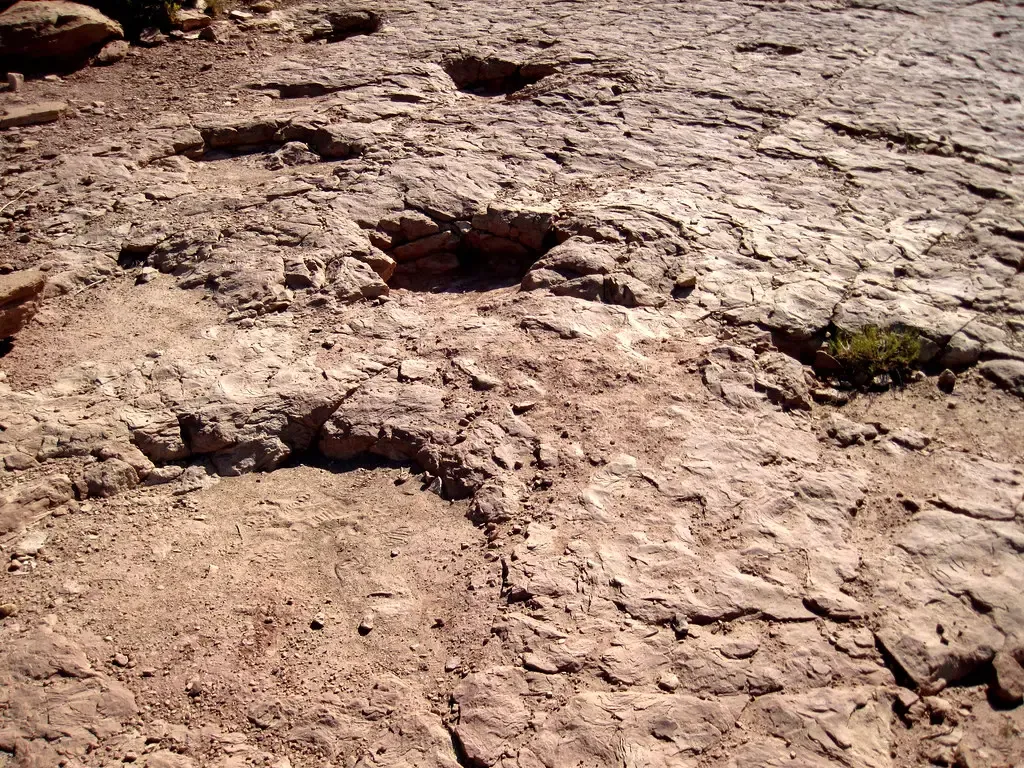
One of the most powerful pieces of evidence for gentle, social dinosaur behavior comes not from bones but from footprints. Trackways were first noted by Roland T. Bird in the early 1940s along the Paluxy riverbed in central Texas, where numerous washbasin-size depressions proved to be a series of giant sauropod footsteps preserved in limestone. Because the tracks are nearly parallel and all progress in the same direction, Bird concluded that the sauropod trackmakers passed in a single herd.
Think of footprints like a frozen moment of daily life. A set of dinosaur tracks in Texas made by sauropods shows groups where the juvenile footprints are all in the center of the group, flanked by adults moving together in the same direction. These enormous animals were actively shielding their young, positioning themselves around the vulnerable members of the group. The best evidence of gregarious behavior in sauropods currently comes from the ichnological record, and trackway accumulations can provide much information about herds that is not available in the body fossil record, including speed, direction of travel, and herd structure.
What’s Inside Tells the Full Story
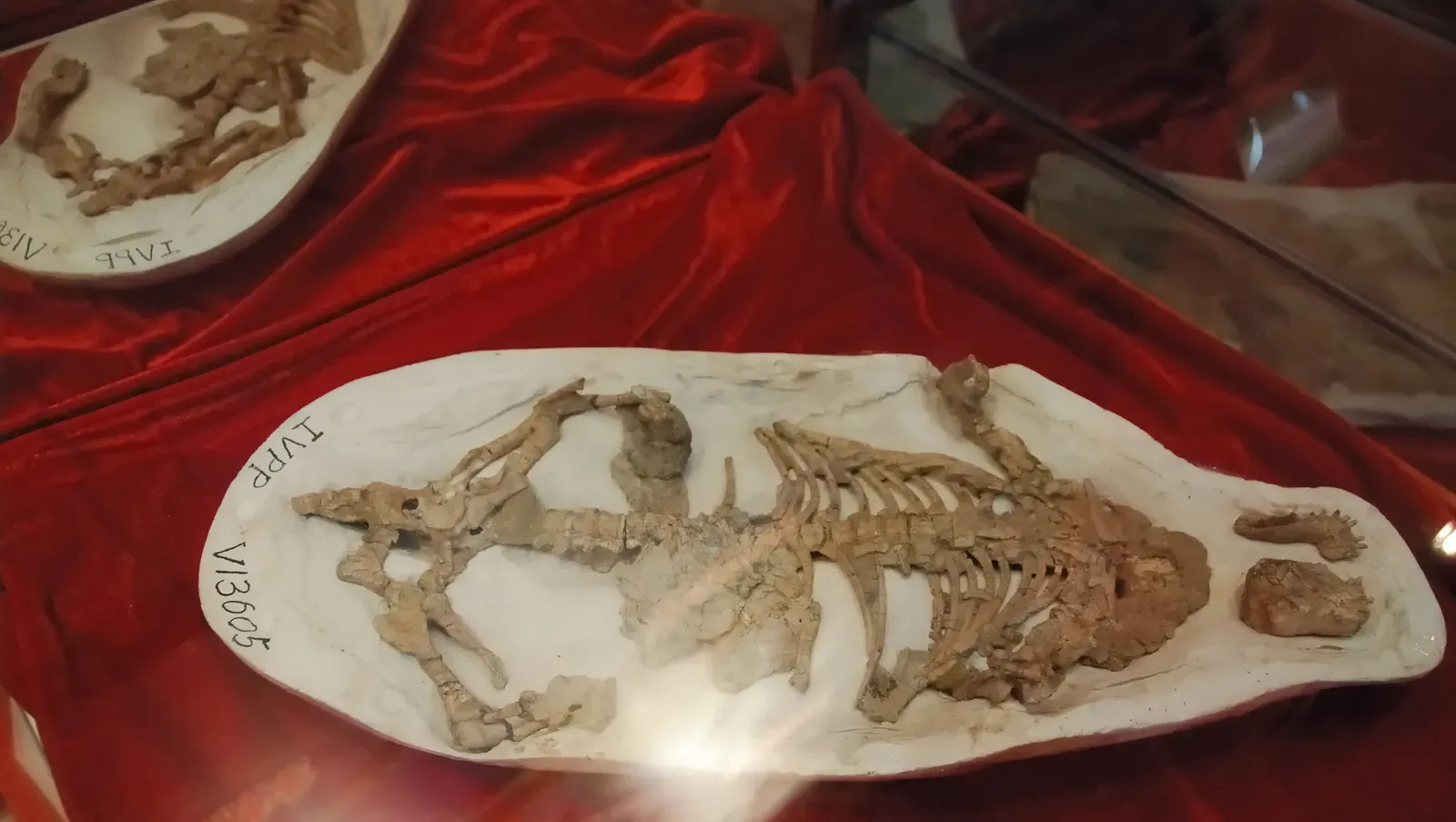
Honestly, nothing confirms a gentle, plant-focused life quite like looking inside a dinosaur’s stomach. Since the late 1800s, experts thought that the long-necked dinosaurs known as sauropods were herbivores. Given the flat shape of their small teeth and the giant size of their bodies, researchers assumed sauropods browsed from trees and other greenery. Now, paleontologists have the first direct evidence of the dinosaurs’ diets, thanks to a layer of plant that survived in a fossil’s gut for at least 94 million years.
An analysis of the skeleton identified preserved plants and showed that the dinosaur ate from conifers, flowering plants, and extinct seed ferns. The vegetation was also mostly unchewed, which suggests the dinosaur’s gut microbes did most of the work of digesting meals. You’re looking at a digestive system tailored entirely for vegetation. The ankylosaur Minmi was found with seeds and leaves in its gut contents, whereas twigs, berries, and tough plants were found in the stomach region of a hadrosaur. These fossils are basically a Mesozoic lunch receipt.
Nesting Colonies and the Social Blueprint
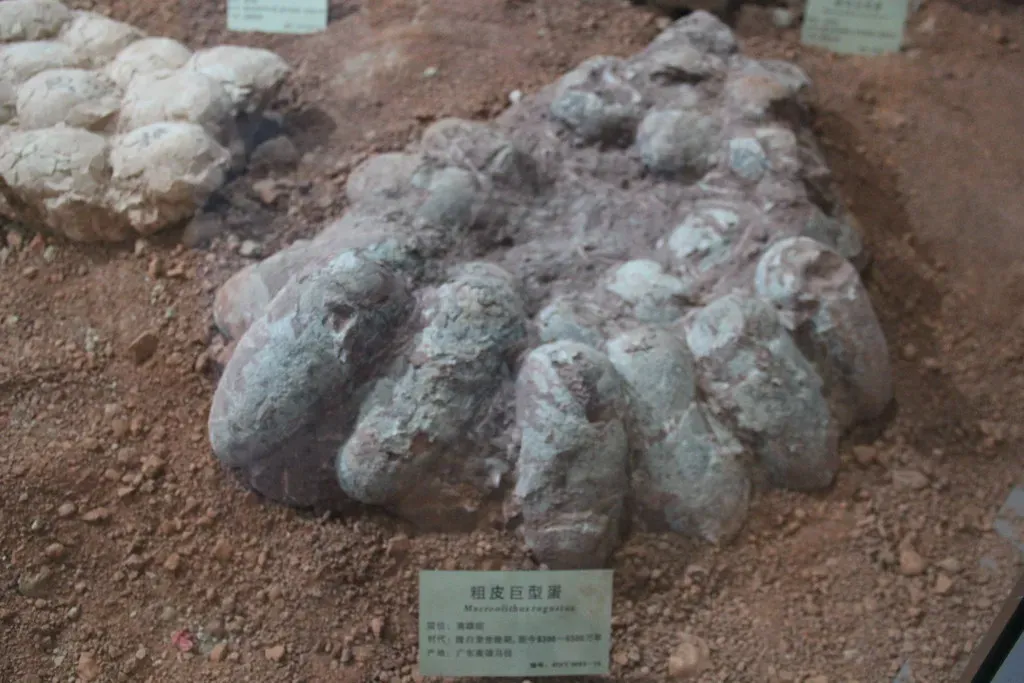
Nesting sites discovered in the late 20th century also establish herding among dinosaurs. Nests and eggs numbering from dozens to thousands are preserved at sites that were possibly used for thousands of years by the same evolving populations of dinosaurs. The scale of this is extraordinary. These weren’t accidental gatherings. They were established, recurring, intentional communities.
Maiasaura lived in herds and raised its young in nesting colonies. The nests in the colonies were packed closely together, like those of modern seabirds, with the gap between the nests being around 7 metres, less than the length of the adult animal. The nests were made of earth and contained 30 to 40 eggs laid in a circular or spiral pattern. That kind of nesting density demands a cooperative, tolerant community. These were not solitary, aggressive loners. This revelation highlighted the significance of community dynamics in Maiasaura life, showcasing how they engaged in cooperative nesting, a behavior previously unrecognized in dinosaurs.
The Remarkable Evolutionary Success of Peaceful Giants
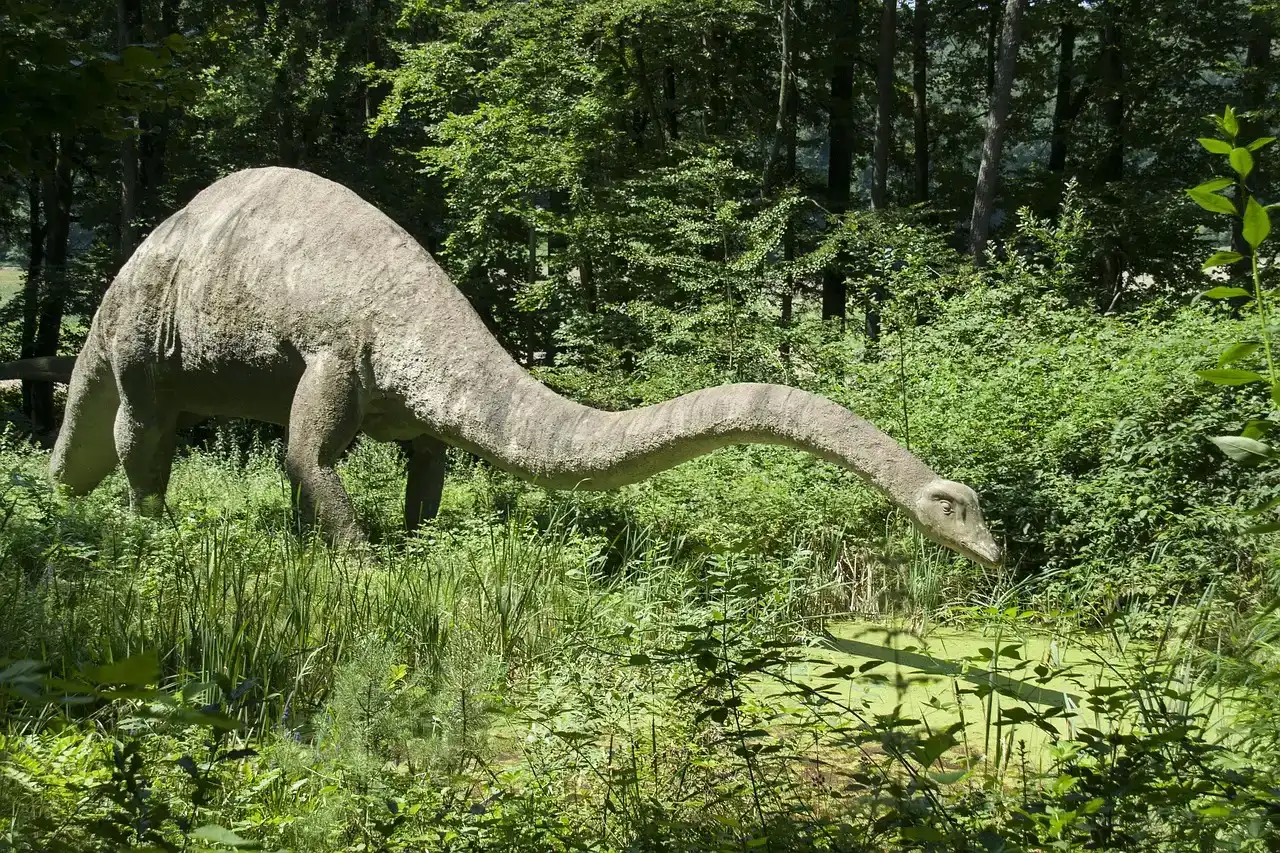
Let’s be real: the gentle herbivores didn’t just survive alongside the predators. They outcompeted, outbred, and outlasted most of them. There has been a long debate about why dinosaurs were so successful. Say dinosaur, and most people think of the great flesh-eaters such as Tyrannosaurus rex, but the most successful dinosaurs were of course the plant-eaters. Their secret weapon wasn’t violence. It was adaptability.
Ornithopods first appeared in the Middle Jurassic but were most prominent in the Cretaceous, when they became the dominant herbivores across large parts of the world. This journey took them from small generalists to becoming large and specialized “plant-eating machines” which rival modern cows and sheep. They kept evolving better teeth, stronger jaws, and more efficient digestive systems, century after century, without a hint of aggression in their design. Living in herds may have given Mussaurus and other social sauropodomorphs an evolutionary advantage. These early dinosaurs originated in the late Triassic, shortly before an extinction event wiped out many other animals. For whatever reason, sauropodomorphs held on and eventually dominated the terrestrial ecosystem in the early Jurassic.
Conclusion
The fossil record, taken as a whole, paints a portrait of the dinosaur world that movies have consistently failed to show you. Yes, there were terrifying predators. Yes, the Cretaceous was dangerous. However, the animals that truly shaped ancient ecosystems were the ones browsing through treetops, gathering in vast herds, and returning year after year to the same nesting grounds to care for their young.
The gentle giants weren’t the exception. They were the rule. Every polished tooth, every preserved gut content, every parallel trackway pressed into ancient mud screams the same message: tenderness and community were ancient survival strategies, far older than any of us imagined. The next time you picture a dinosaur, maybe skip the fangs. Picture a Maiasaura mother nudging food into a nest instead. That image is just as real, and somehow far more extraordinary.
What do you think – does knowing how cooperative and nurturing many dinosaurs truly were change how you see these ancient creatures? Tell us in the comments.